





Low Sugar Foods
(0 Results)
Low sugar foods could be a great choice for those looking to support their nutrition goals while keeping an eye on daily sugar intake. With a variety of delicious options available, finding foods that fit your lifestyle and preferences may be easier than you think. Explore a diverse selection of low sugar foods that might help you enjoy satisfying flavors without compromise, whether you’re planning meals or searching for convenient snacks.
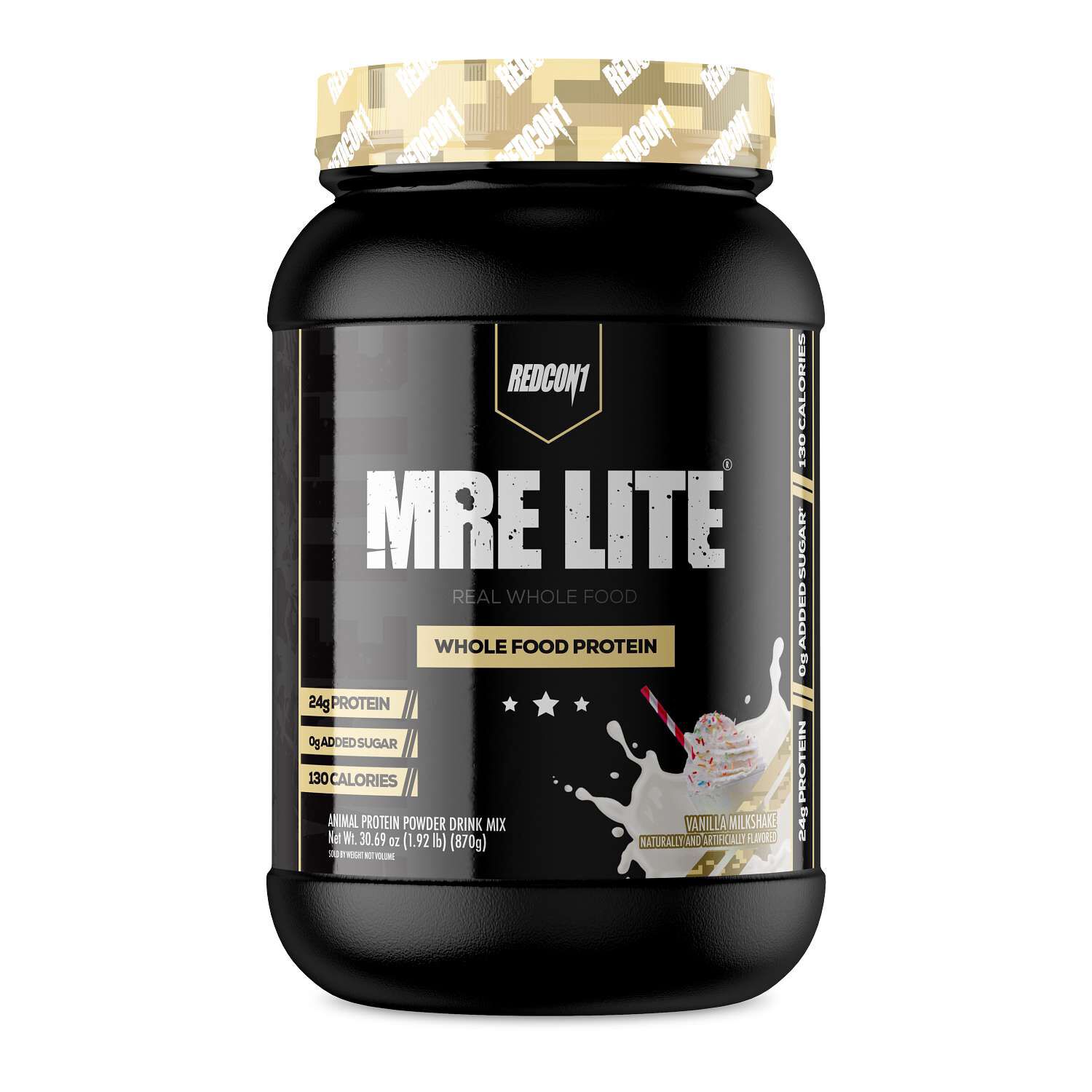


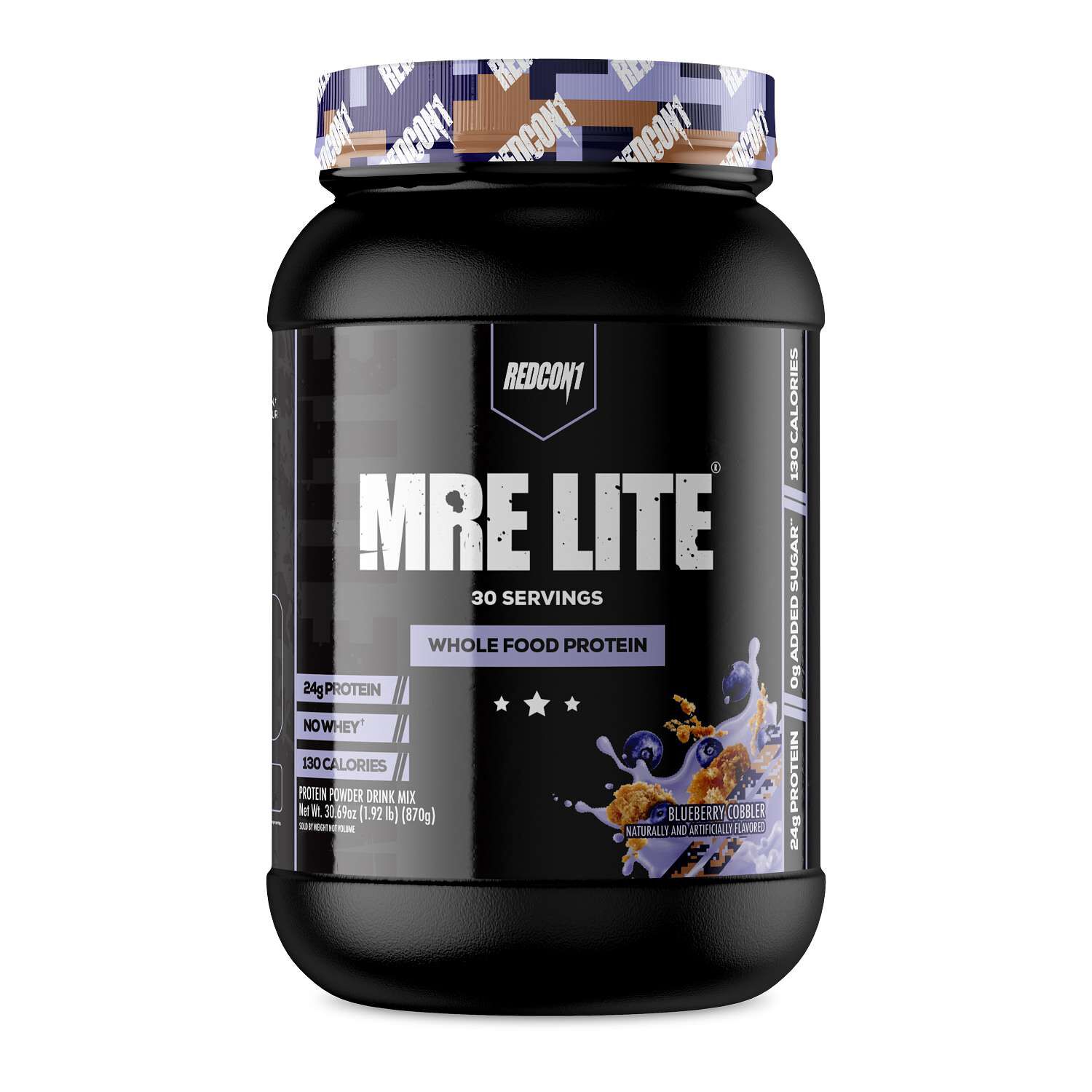
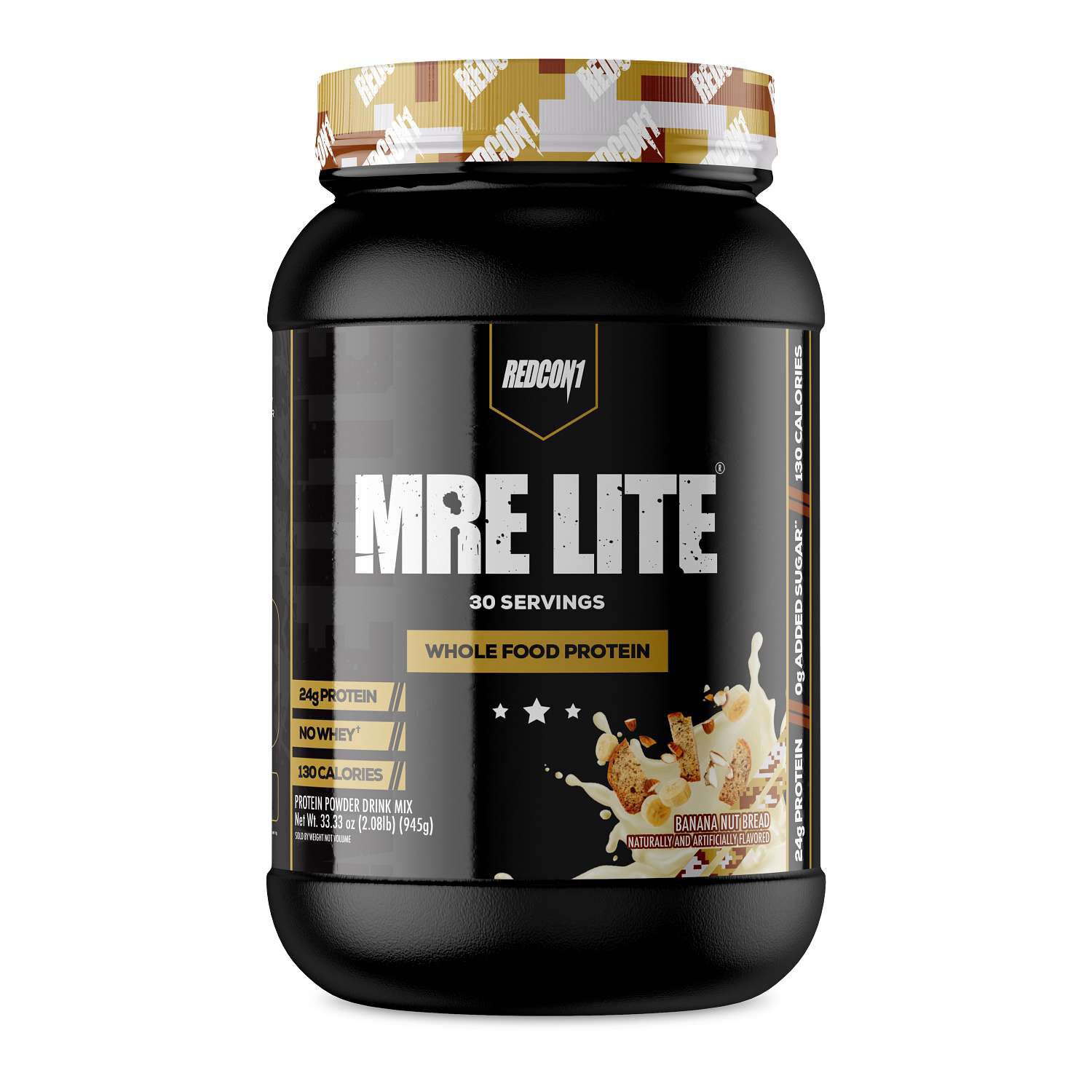
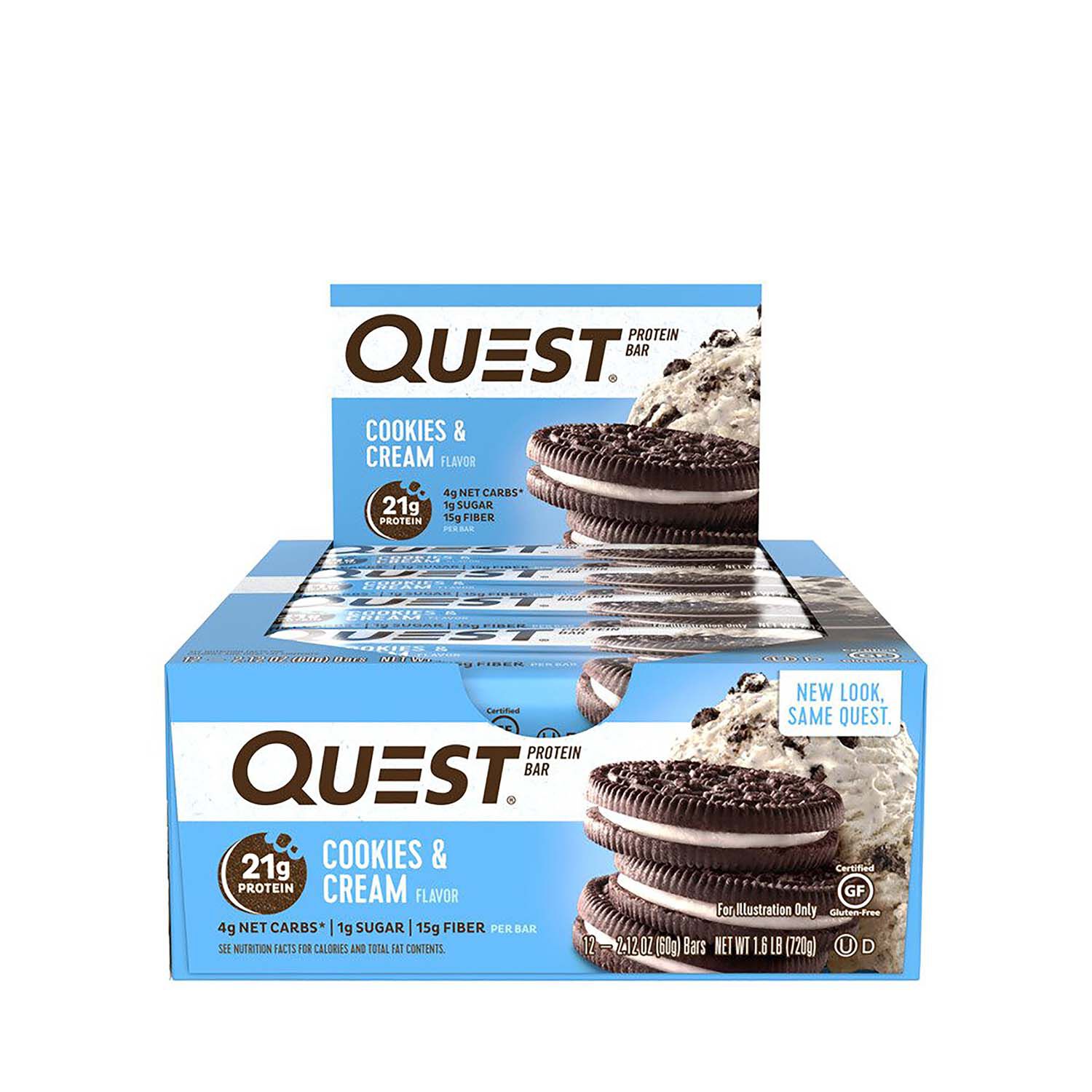
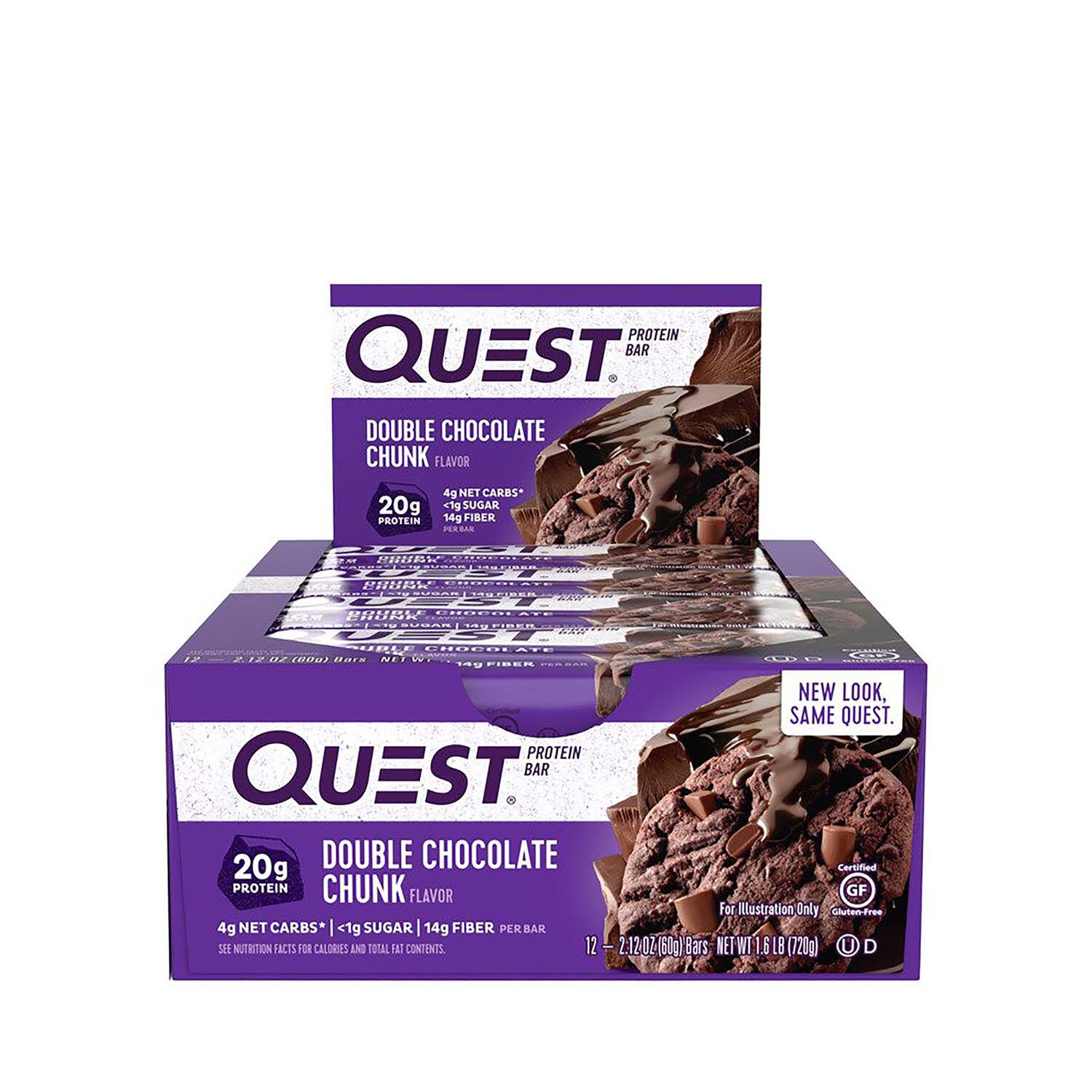


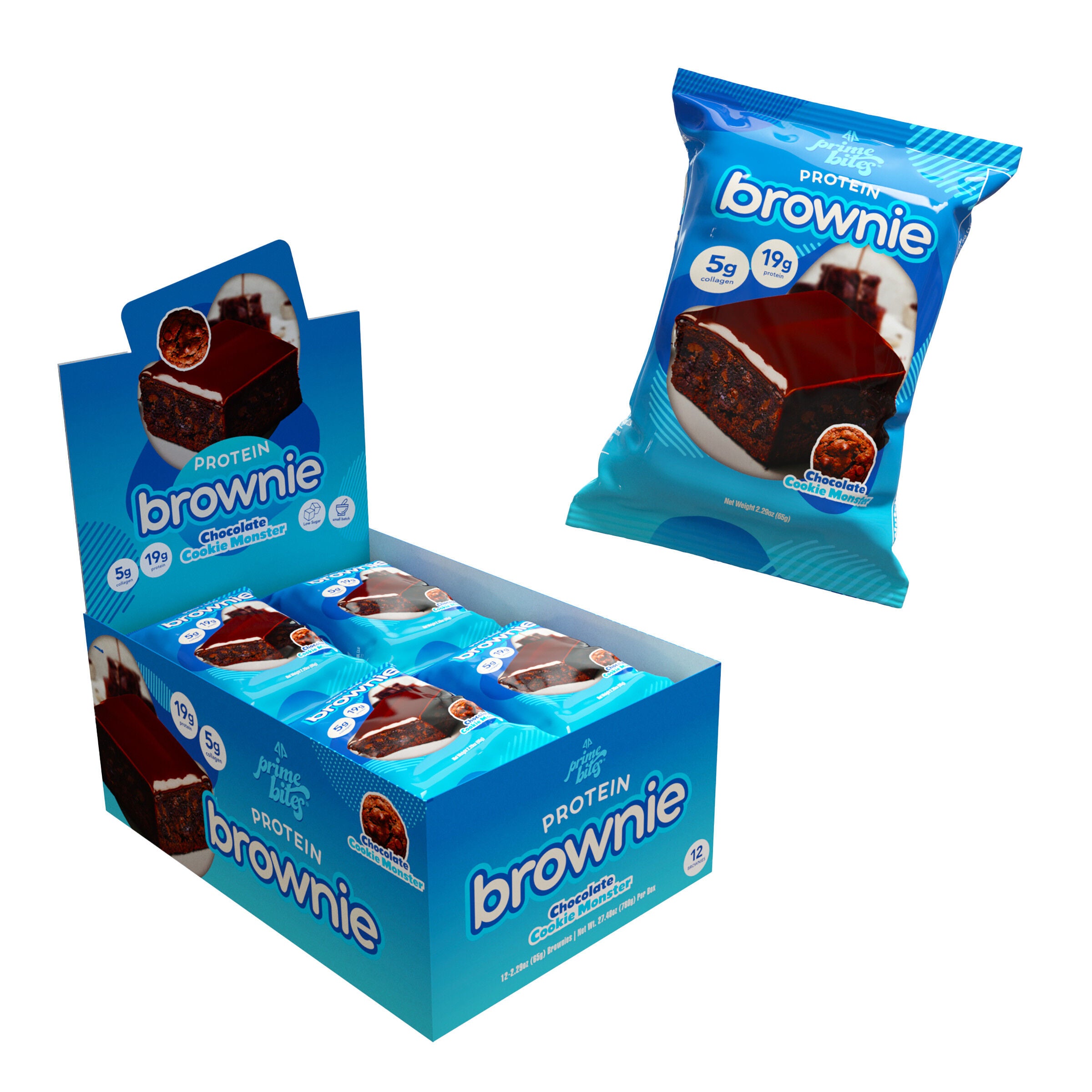


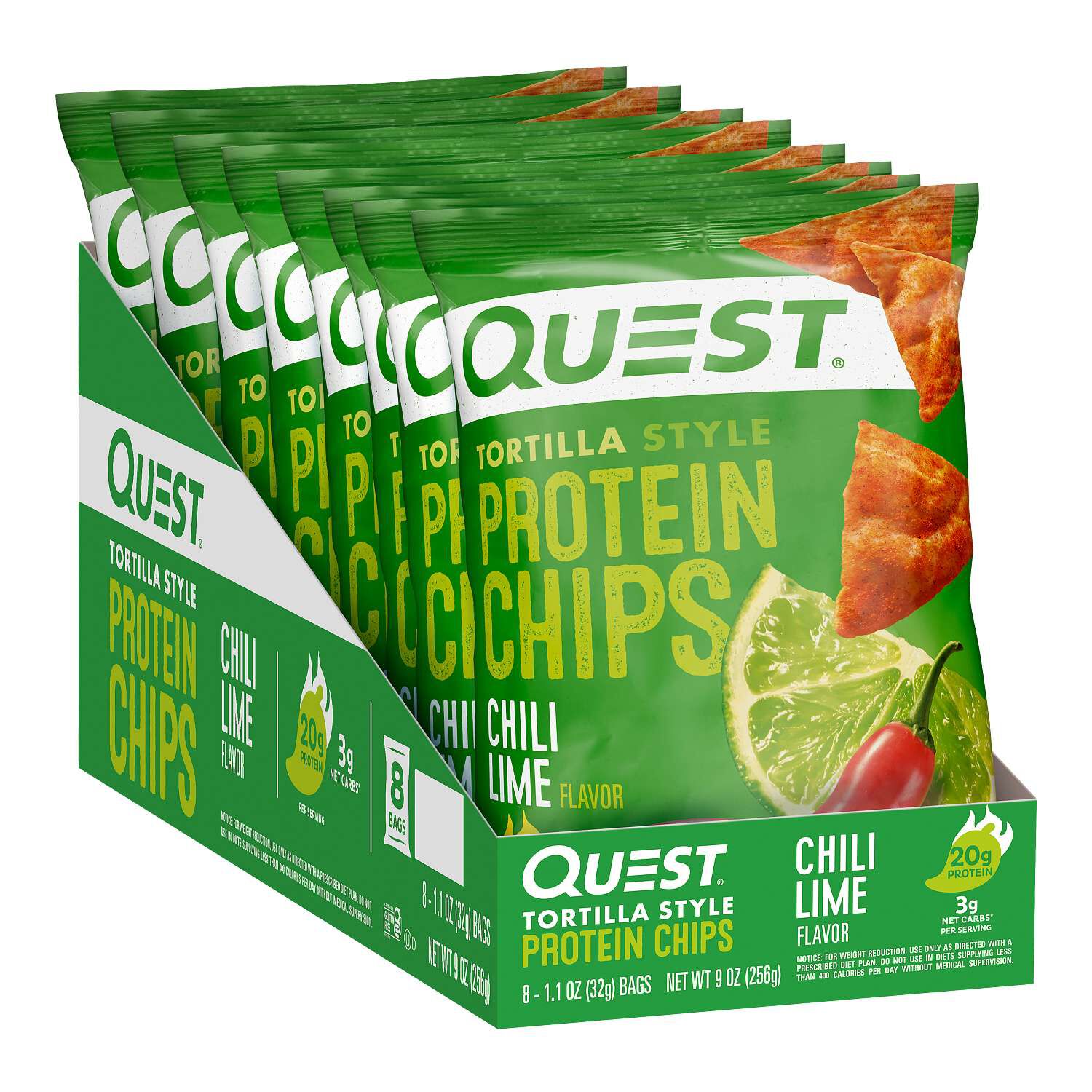


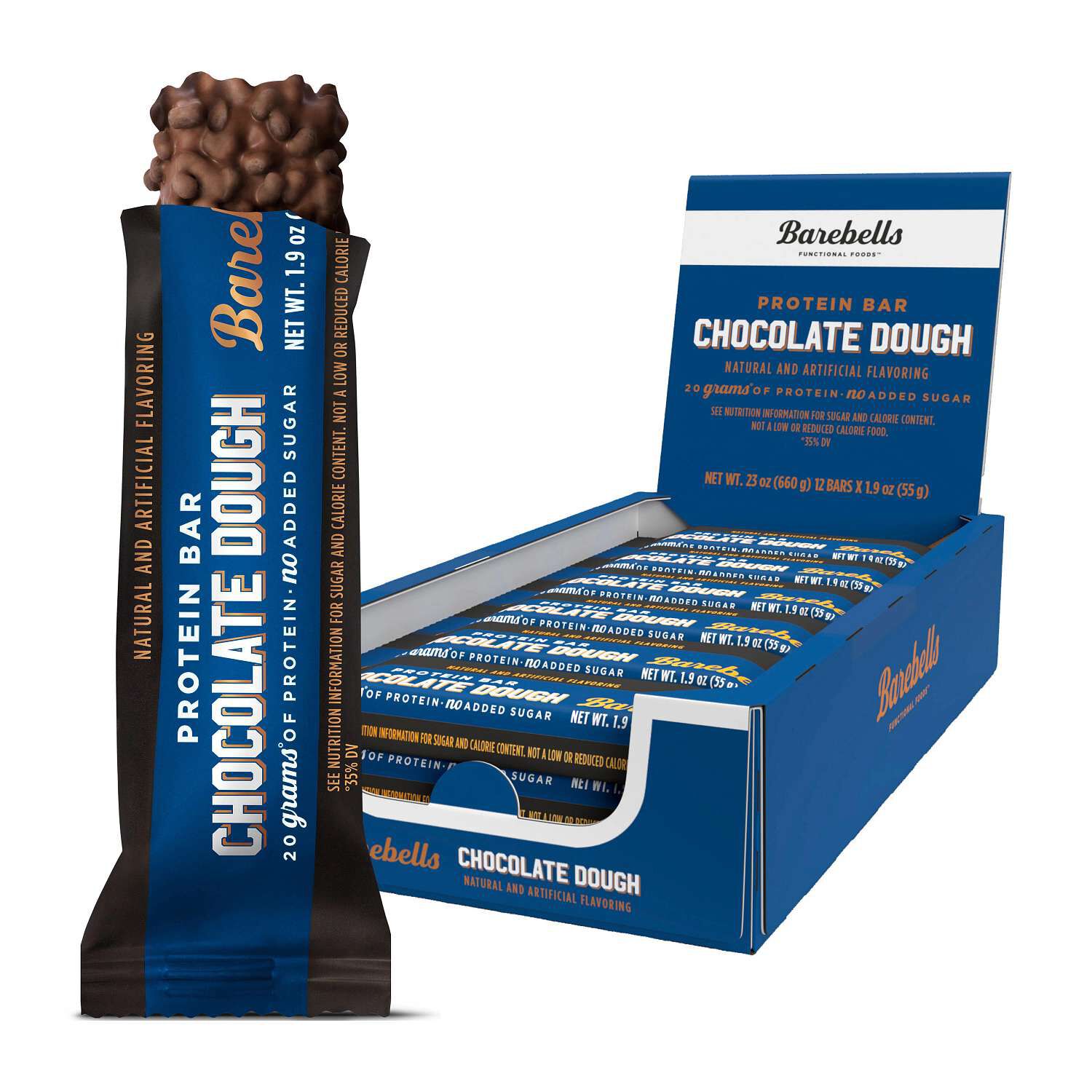
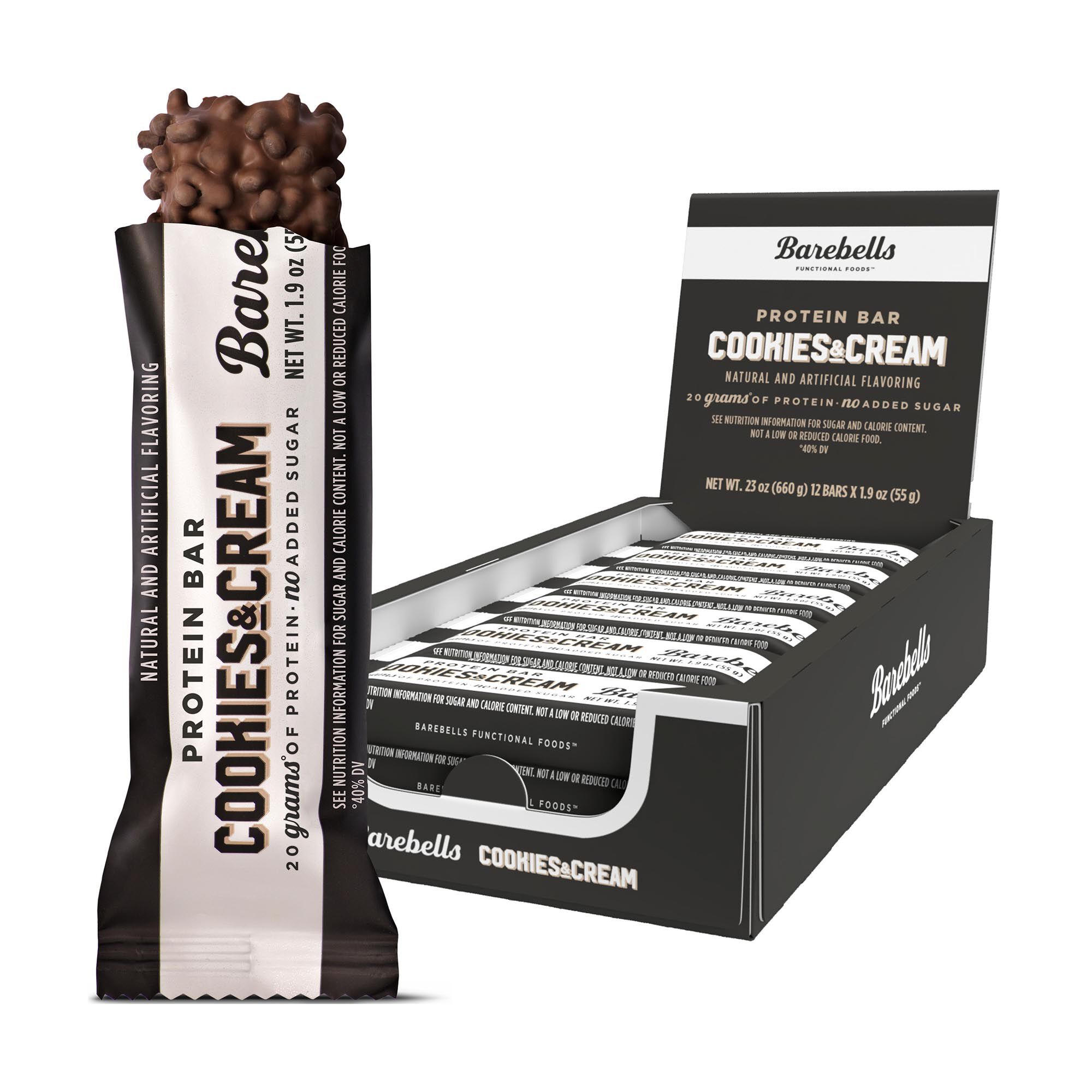
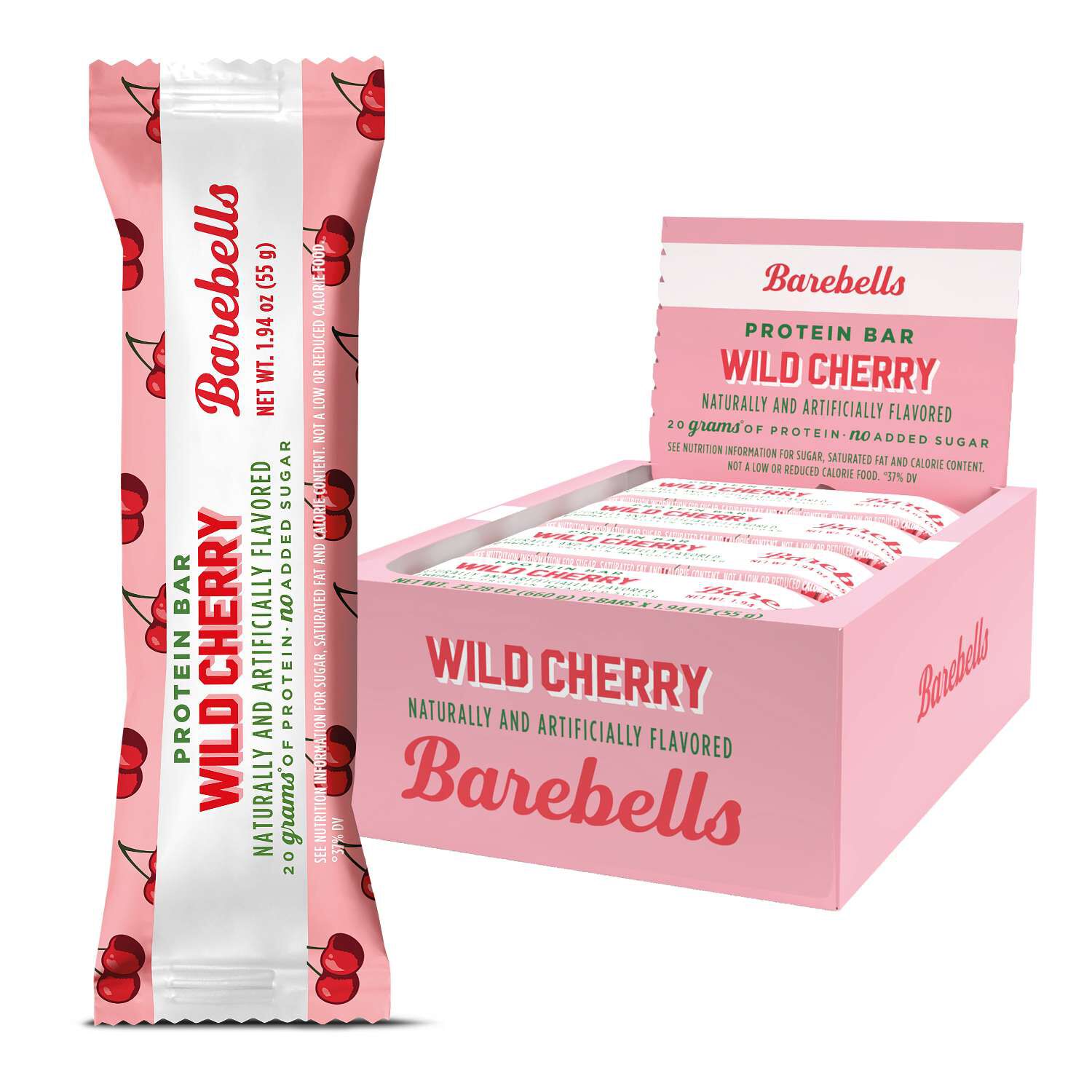

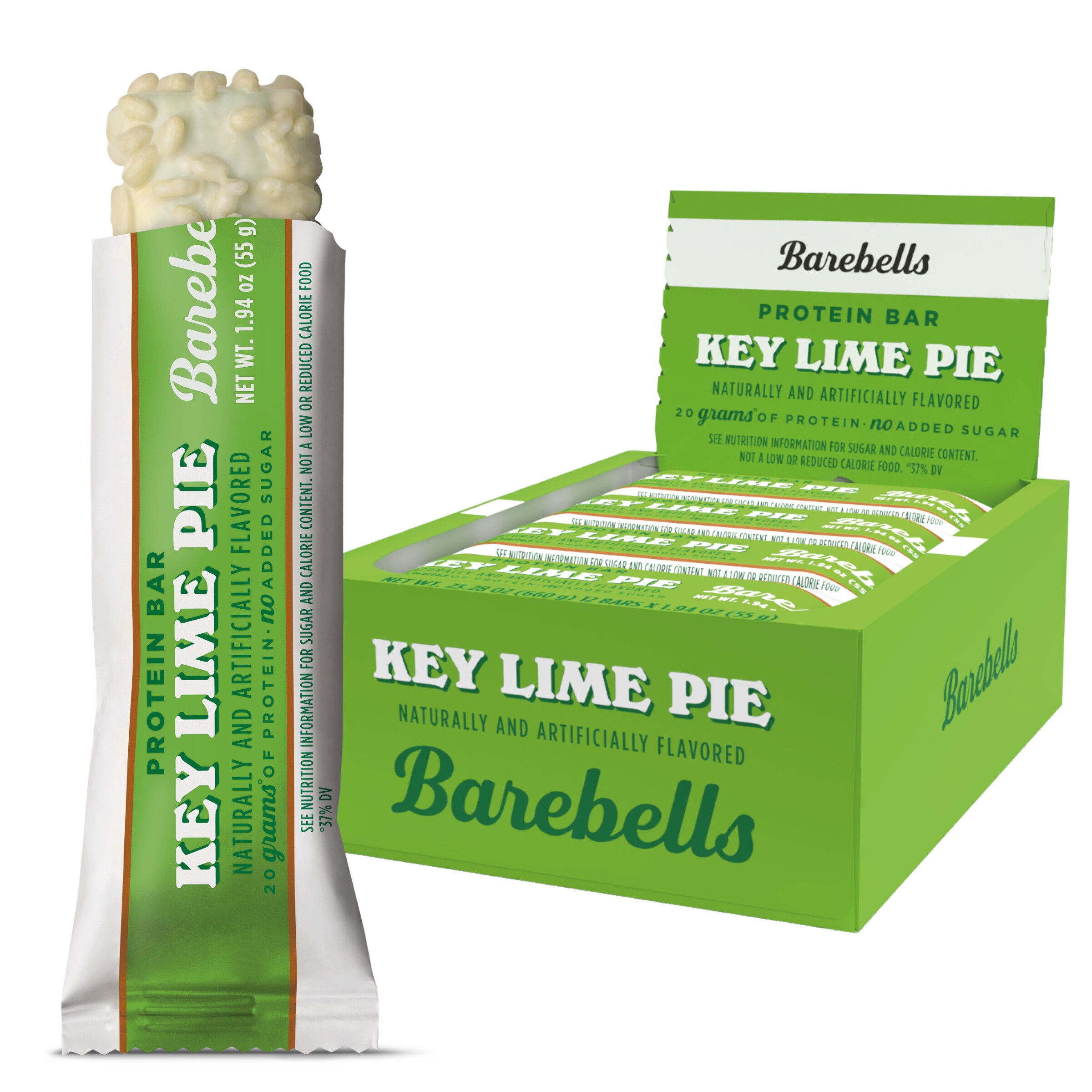
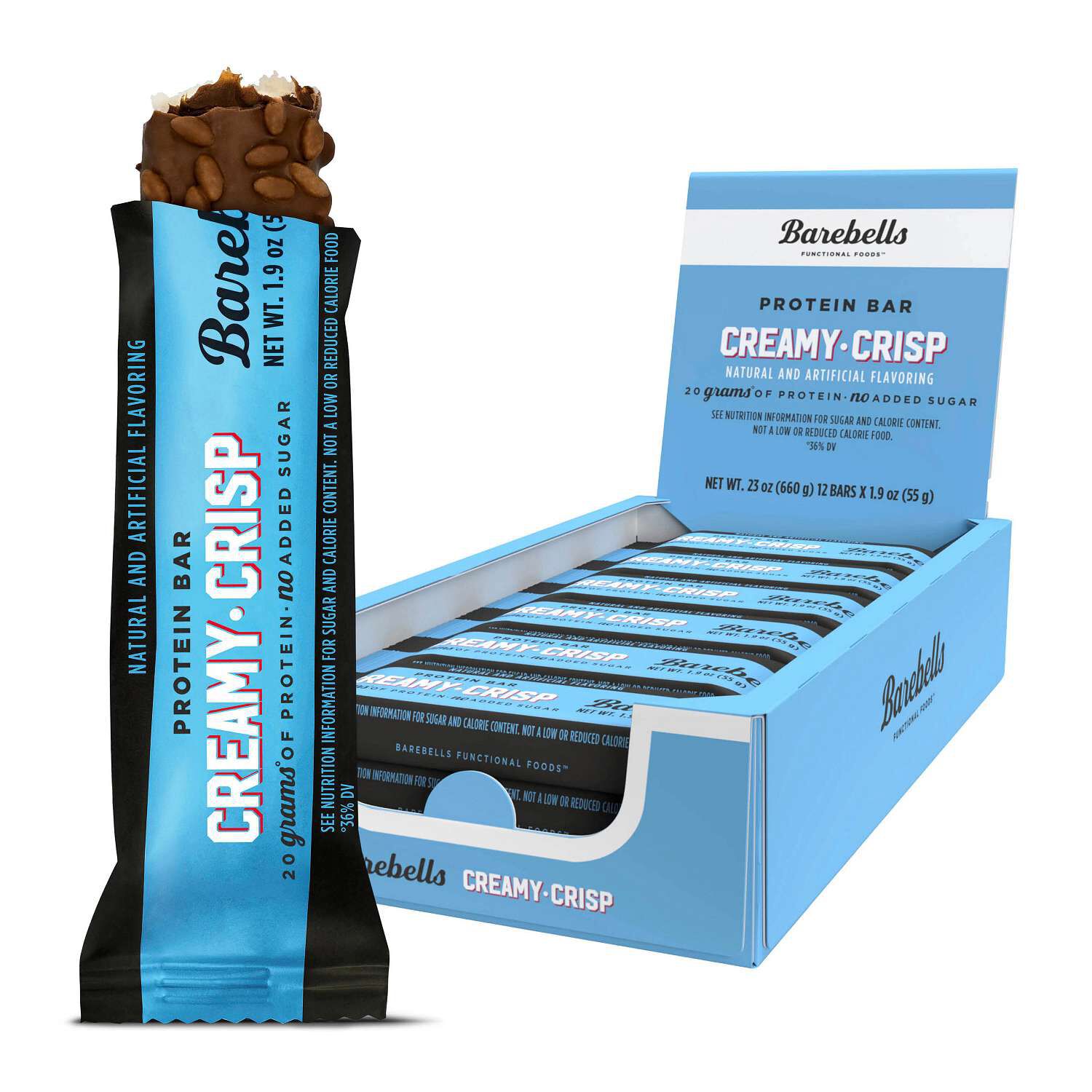
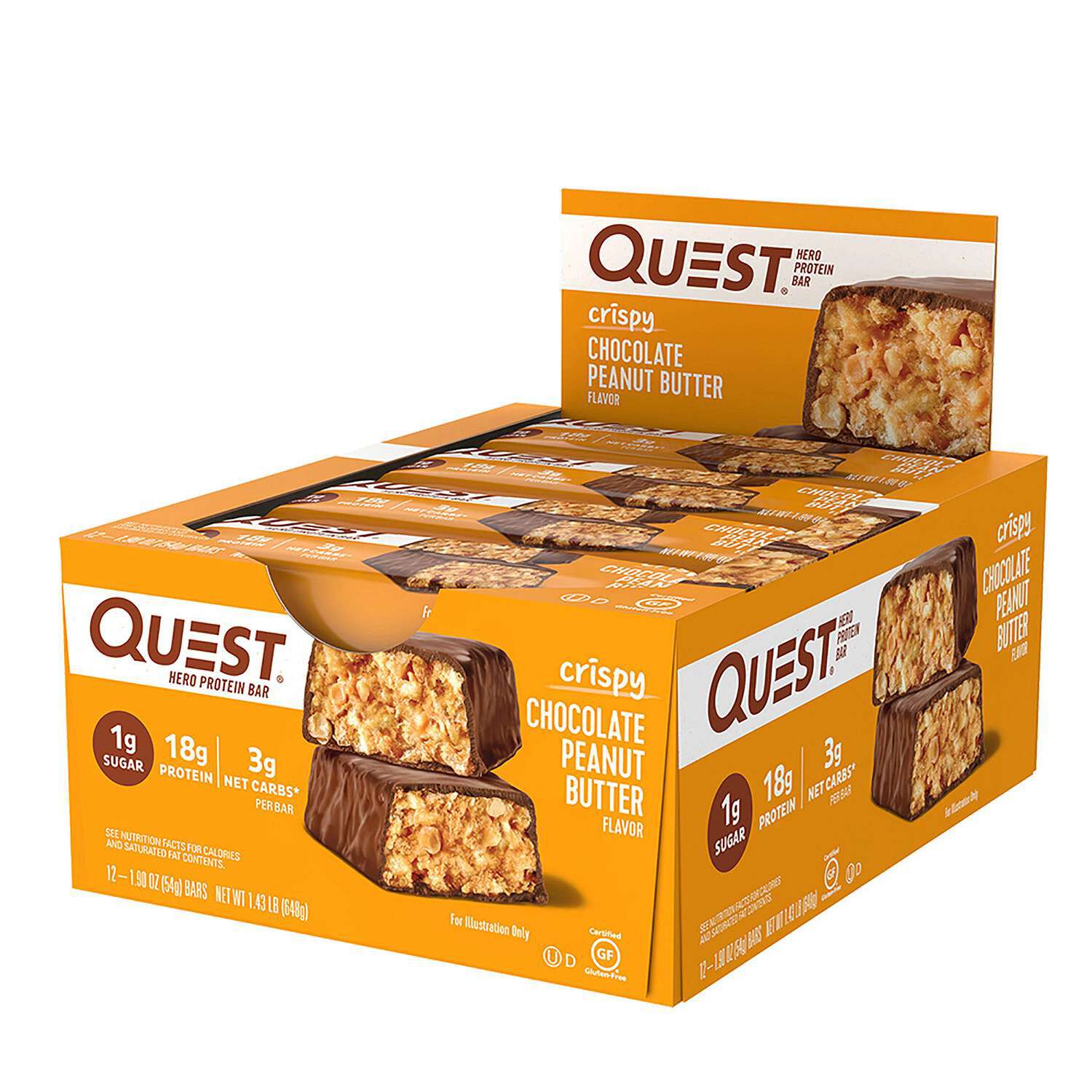
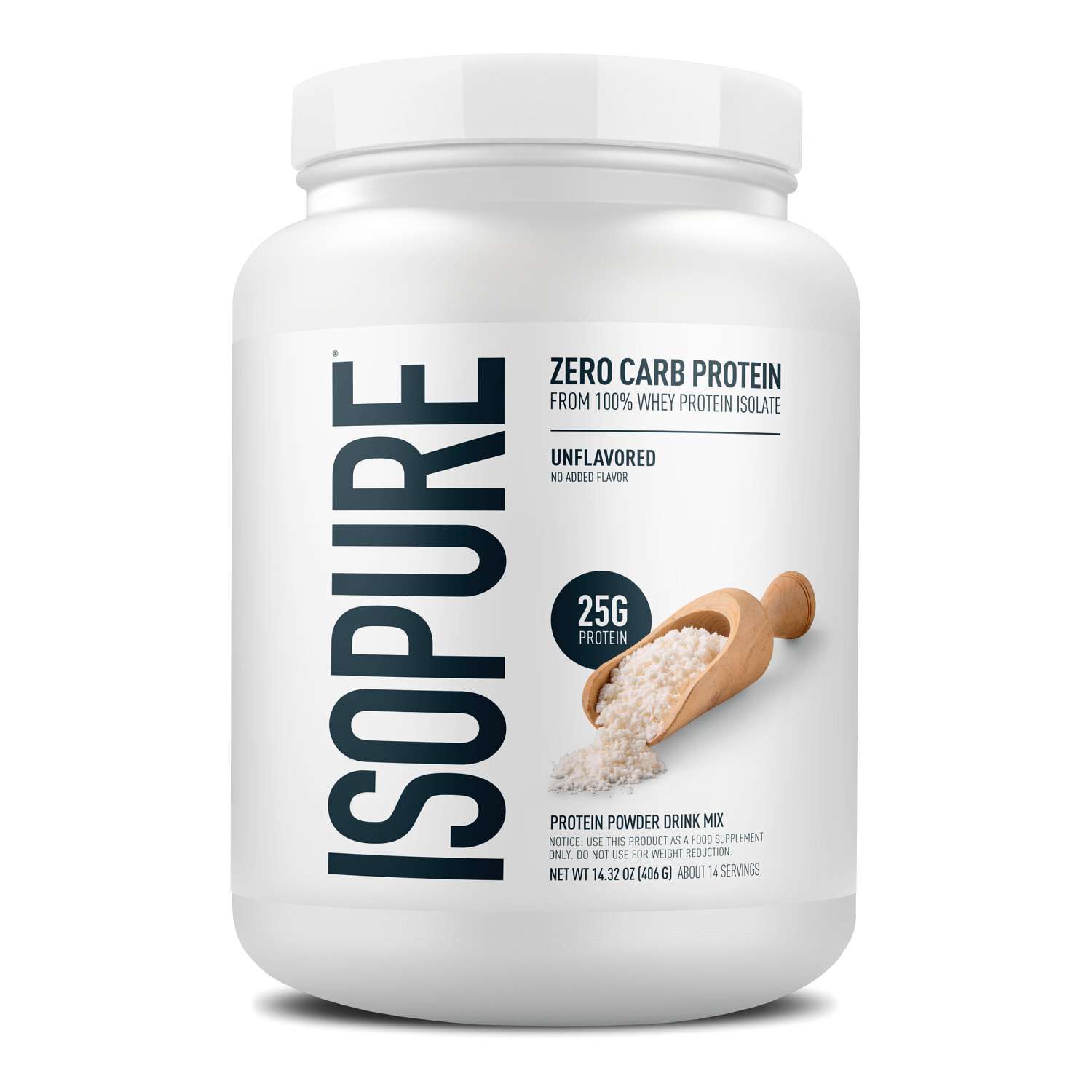
Low sugar foods are foods with relatively small amounts of sugar per serving, whether that sugar occurs naturally in the ingredients or is added during preparation. The category spans everyday meal ingredients and packaged snacks, with options ranging from savory and crunchy to creamy and lightly sweet. Non-starchy vegetables, plain eggs, unseasoned seafood, and unsweetened nuts and seeds are common examples of foods that generally contain little sugar. Plain dairy foods can contain naturally occurring milk sugar, while fruit contributes naturally occurring sugars in amounts that vary by type and portion. For packaged foods, the ingredient list and Nutrition Facts panel offer a clearer picture than flavor alone. A chocolate-flavored food can contain relatively little sugar, while a savory snack may include sugar in its seasoning or glaze. There is no single sugar amount that defines every food described as low sugar, so grams per serving provide a useful basis for comparison. Serving size matters just as much: two packages with similar sugar numbers may represent very different quantities of food. Added sugars are listed separately on the Nutrition Facts panel and are included within the overall sugar amount, rather than being an extra amount to add to it. Honey, syrups, and concentrated fruit ingredients used for sweetening can all contribute added sugar. A label stating that no sugar was added does not necessarily mean the food contains no naturally occurring sugar. These distinctions make low sugar foods a varied category rather than one particular style of eating. Some shoppers prefer a restrained sweetness that lets cocoa, roasted nuts, or vanilla stand out; others want a savory alternative to their usual afternoon snack. Sugar content is one part of that choice, alongside ingredients, portion size, texture, and the role the food will play in a meal or snack. Protein and fiber content also vary independently of sugar, so neither should be assumed from a low sugar description.
Taste and texture give low sugar snacks much of their character. Roasted ingredients bring toasted aromas and a firm crunch, while nut-based spreads offer a smooth consistency suited to spreading, dipping, or stirring. Cocoa can lend a deeper, slightly bitter note, and ingredients such as cinnamon or vanilla contribute familiar dessert aromas without determining the sugar content on their own. Some packaged foods use alternative sweeteners, including stevia, monk fruit, or sugar alcohols, to create sweetness with less sugar. Their flavor profiles differ: one formula may have a lingering sweet finish, while another has a cooling sensation or a more pronounced cocoa note. Sweetener preferences are personal, and the ingredient list identifies what is used in a particular food. A less-sweet taste does not automatically indicate fewer carbohydrates or fewer calories, just as a sweet taste does not establish how much sugar a serving contains. Texture is another practical consideration, especially for snacks eaten away from home. A dense, chewy format is a different experience from a crisp, airy one, and coated foods require different handling than dry, roasted varieties. Individual wrapping suits a lunch bag or work tote, while a resealable pouch allows portions to be set aside for later. Larger containers fit pantry storage and repeated use, provided their closures are secured and the package directions are followed. Packaging also affects how neatly a food travels: a sturdy container protects delicate textures, and a well-sealed lid keeps a spread contained. Storage instructions, date markings, and directions for use after opening are part of choosing a food that matches the household routine. Some foods belong in the pantry before opening but require refrigeration afterward. Others are intended to be eaten soon after preparation. For foods that need mixing or portioning, preparation directions clarify the intended serving and consistency. These practical details matter when comparing something to eat straight from the package with something intended as an ingredient in breakfast, a packed lunch, or an at-home snack.
The best fit for a low sugar food often comes down to the moment it is meant for. A desk-drawer snack calls for a format that stores according to its label and is easy to portion between meetings. A lunchbox selection needs packaging that travels neatly and a flavor the person eating it enjoys. At home, a lightly sweet spread or a crunchy topping offers a different experience from a snack eaten on its own. Pairing foods also changes the overall serving: the sugar in a bowl includes contributions from its base, toppings, and any sweetener added at the table. That makes the finished portion more informative than any one ingredient viewed in isolation. Shoppers who prefer dessert-style flavors can explore Sweet Low Sugar Snacks for a more focused look at that side of the category. Vanilla, cocoa, and nutty flavor profiles offer different expressions of sweetness, with texture often playing as large a role as flavor in the eating experience. For someone who enjoys savory foods, roasted, salted, or herb-seasoned options bring another direction, though their sodium content deserves its own comparison. Dietary preferences remain separate considerations as well. Low sugar does not establish whether a food contains milk, eggs, soy, peanuts, tree nuts, or wheat, and it does not indicate whether a recipe is plant-based. Ingredient and allergen statements provide those details. When comparing similar foods, matching the serving amounts makes differences in sugar, protein, fiber, and other nutrients easier to interpret. A smaller labeled portion can otherwise make two choices look more alike than they are. Familiar flavors, manageable portions, and packaging suited to daily use are useful starting points for a pantry that people actually enjoy. Whether the preference is a savory bite alongside lunch or something lightly sweet after dinner, low sugar foods offer a range of flavors and formats without requiring every choice to taste or function the same way.

