Lutein Supplements For Computer Users
(0 Results)
Long hours in front of screens have become part of daily life for many, and lutein supplements for computer users could offer targeted nutritional support. These supplements are designed to fit into your wellness routine as you navigate work, study, or entertainment on digital devices. Explore a selection of lutein supplements for computer users that may help you prioritize your well-being during extended screen time.
-

-

-

-
-

-

-
-

-
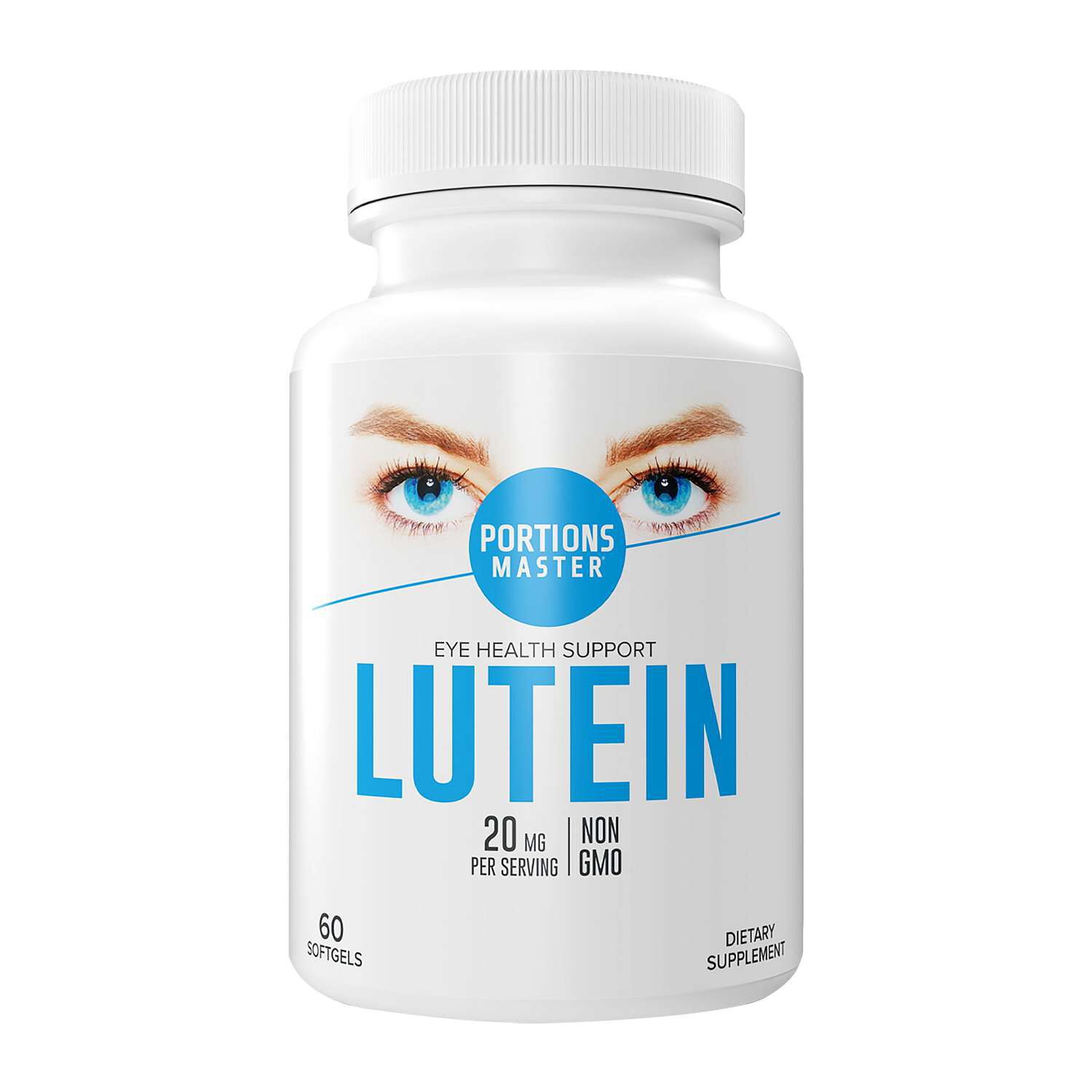 Portions Master$24.99
 -
 $59.99
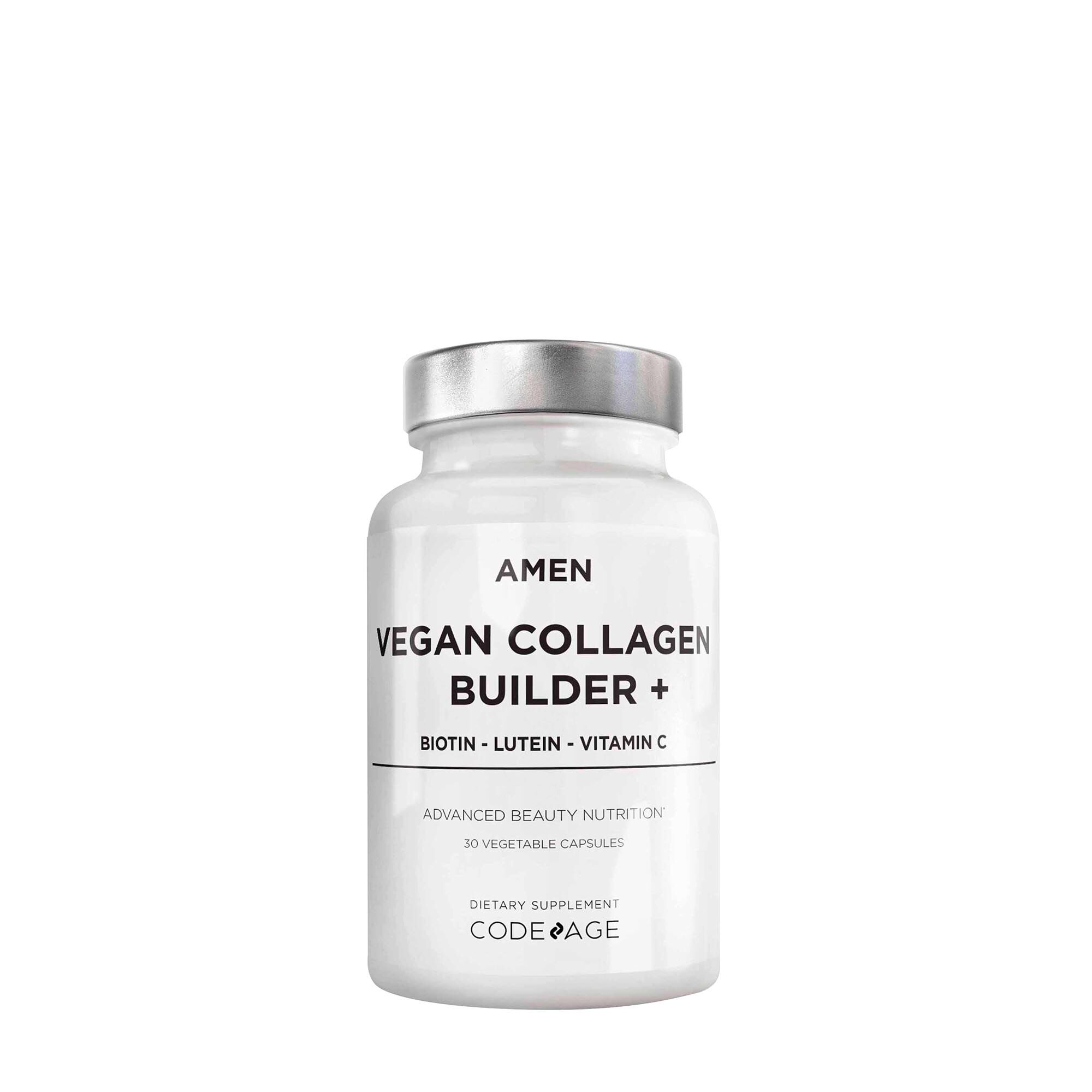
Lutein supplements for computer users bring a familiar dietary carotenoid into a convenient format for adults whose days revolve around screens. From reviewing spreadsheets on a desktop monitor to editing photographs on a laptop, computer-based routines often prompt a closer look at nutrition and everyday habits. Lutein is a yellow-orange plant pigment found in foods such as spinach, kale, broccoli, corn, and egg yolks. It is also naturally present in the macula, the central portion of the retina involved in detailed vision. Zeaxanthin, a related carotenoid, occurs alongside lutein in food and in the eye, which explains why the two ingredients frequently appear together on supplement labels. This connection gives useful background for the category, but it does not establish what any particular supplement will do during a long workday. A bottle’s lutein content alone is not evidence of protection from computer screens, sharper on-screen text, or a more comfortable afternoon at a desk. These products are dietary supplements rather than computer accessories, and their intended use is to add specified nutrients to the diet. They may appeal to office professionals, remote workers, adult students, designers, programmers, and people who spend leisure time gaming or reading on a tablet. The most useful distinctions for shopping are often straightforward: whether the formula contains lutein alone or additional ingredients, how much each serving provides, and which format suits an established routine. A person who carries a laptop between home and a shared workspace may prefer a compact bottle, while someone with a dedicated home office may value packaging with easy-to-read directions. Neither preference changes the nutrient itself, but both can influence how naturally a supplement fits into daily life. Food remains part of that context, too. A lunch with leafy greens or an egg-based breakfast provides a different nutritional experience from a capsule, with a wider assortment of food components beyond the carotenoids listed on a supplement panel.
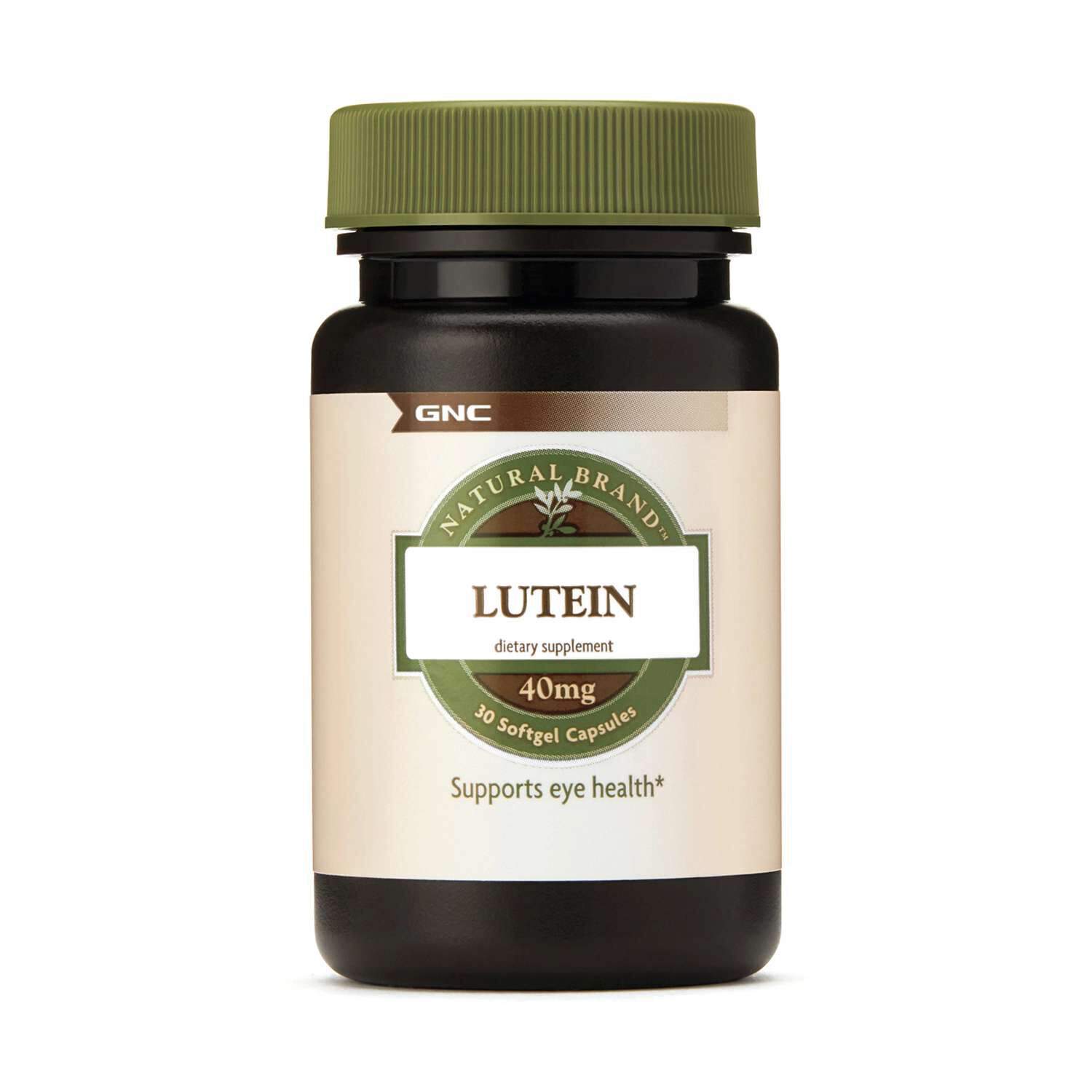
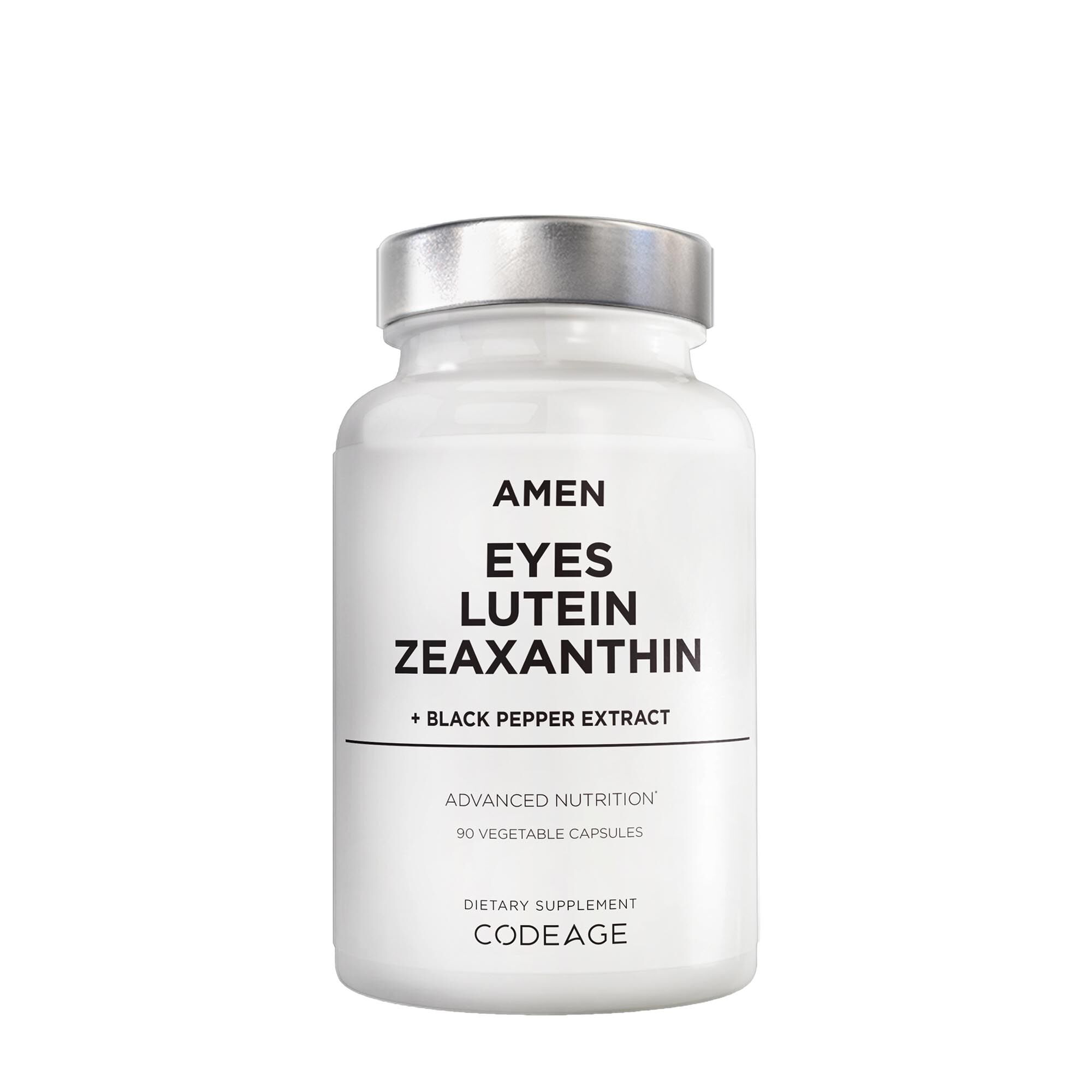
Comparing lutein supplements starts with the Supplement Facts panel rather than the largest number on the front of the package. Amounts are stated per serving, and a serving can consist of more than one capsule or softgel. For example, a label that lists 10 milligrams of lutein per two-softgel serving describes a different arrangement from one listing that amount in a single softgel. This is a packaging and serving distinction, not a recommendation for a particular daily amount. When zeaxanthin is included, its quantity deserves a separate look; the presence of both names does not mean that every formula contains the same proportions. Other formulas combine lutein with vitamins, minerals, or additional carotenoids, creating a broader ingredient list that takes more time to compare with any supplements already in a routine. Botanical sourcing is another point of difference. Marigold flower extract is a common source of supplemental lutein, and a label may identify both the extract and the amount of lutein it supplies. Those numbers describe different things, so the named nutrient amount is especially useful when comparing labels. The other ingredients section adds practical details about capsule shells, carrier oils, colors, and formulation materials. Lutein is fat-soluble, and some softgel formulations contain an oil carrier. Softgel shells may contain gelatin, while some capsules use plant-derived shell materials; the shell alone does not establish whether the entire formula matches a vegetarian preference. Likewise, a botanical source for lutein does not describe every ingredient in the finished product. Shoppers with dietary preferences can look for explicit labeling rather than relying on a product image or a short description. Format matters in ordinary ways as well: capsule dimensions, softgel texture, serving count, and bottle closure can all affect the experience of handling a product. Label photographs that show both the facts panel and the other ingredients list offer a more informative comparison than front-of-bottle wording alone, particularly when two options look similar at a glance.
The practical fit of a lutein supplement extends beyond its ingredient panel to storage, packaging, and the rhythm of a screen-centered day. Someone moving between video meetings and an evening course may want a simple serving format with clearly printed directions. A photographer working across several displays may be more interested in a narrowly focused formula than one containing a long list of additional nutrients. These are preferences about intended use and convenience, not signs that different computer tasks call for different lutein amounts. Product directions remain the reference for how a particular formula is intended to be used, including any instructions concerning food. Storage deserves the same attention: follow the temperature and moisture guidance on the package, keep the closure secure, and leave the label accessible. A desk drawer may be convenient, but a location beside a sunny window or equipment that gives off heat may not match the stated storage conditions. Original packaging also keeps the serving information, ingredient details, and expiration date together when a bottle travels between workspaces. Unlike a keyboard or monitor stand, a supplement is not judged by years of wear; package condition, storage instructions, and the printed date are more relevant considerations. For shoppers comparing related categories, Lutein Supplements For Antioxidant Protection offers another way to explore lutein-focused formulations, with the same attention to nutrient amounts, companion ingredients, and dietary suitability. That broader category does not change the need to evaluate each label on its own terms. Computer use provides a relatable reason to explore the selection, but screen hours alone do not determine which formula fits a person’s preferences. A carefully chosen supplement may fit alongside varied meals and a consistent daily routine without becoming the centerpiece of either. For this category, the clearest shopping approach is grounded in tangible details: a readable label, a suitable format, transparent ingredient information, and packaging that works for the place where the product will actually be kept.
Best Sellers
-
 Rho Nutrition
 -
 Rho Nutrition
 -
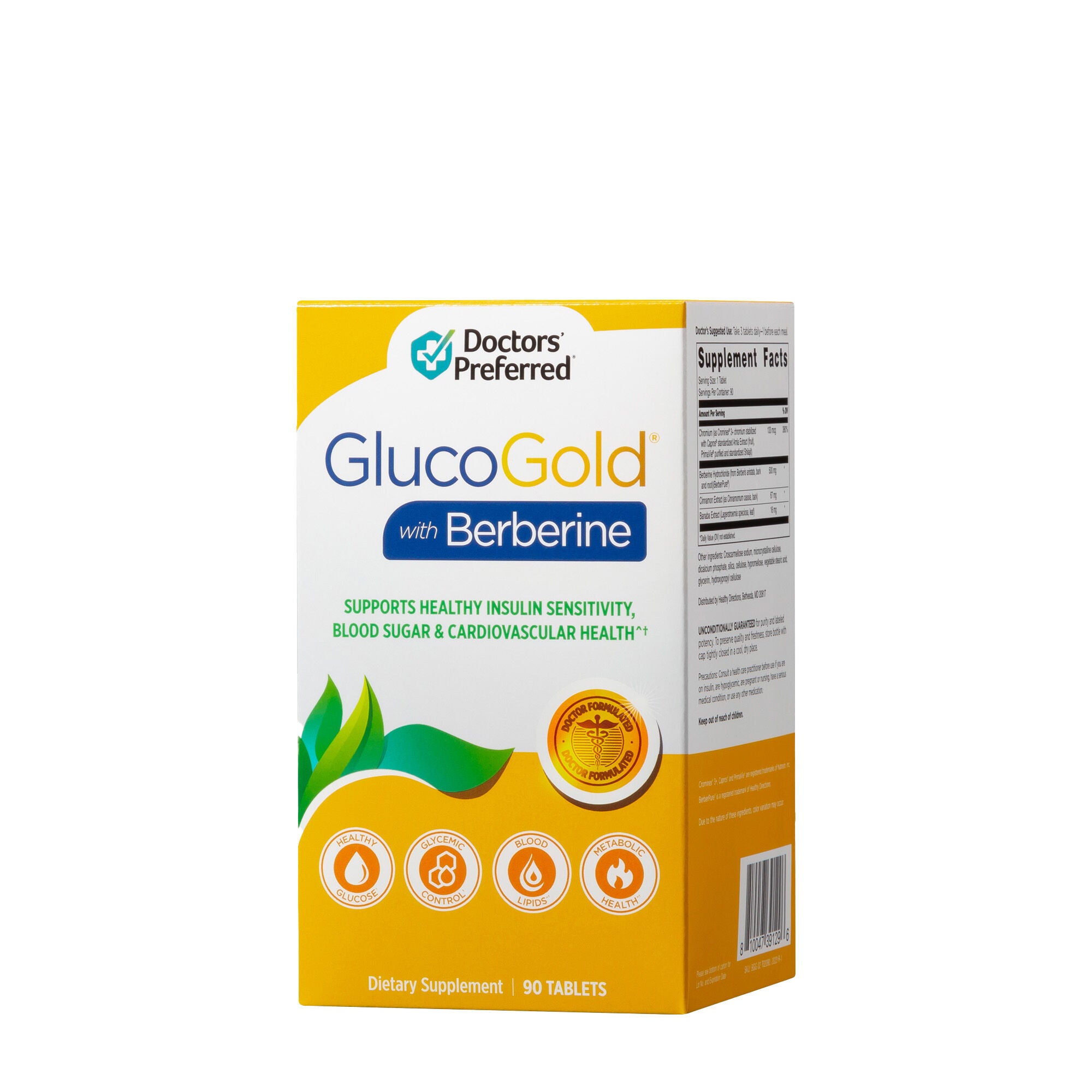 Doctors' Preferred