Magnesium Gummies For Kids With Kosher Diets
(0 Results)
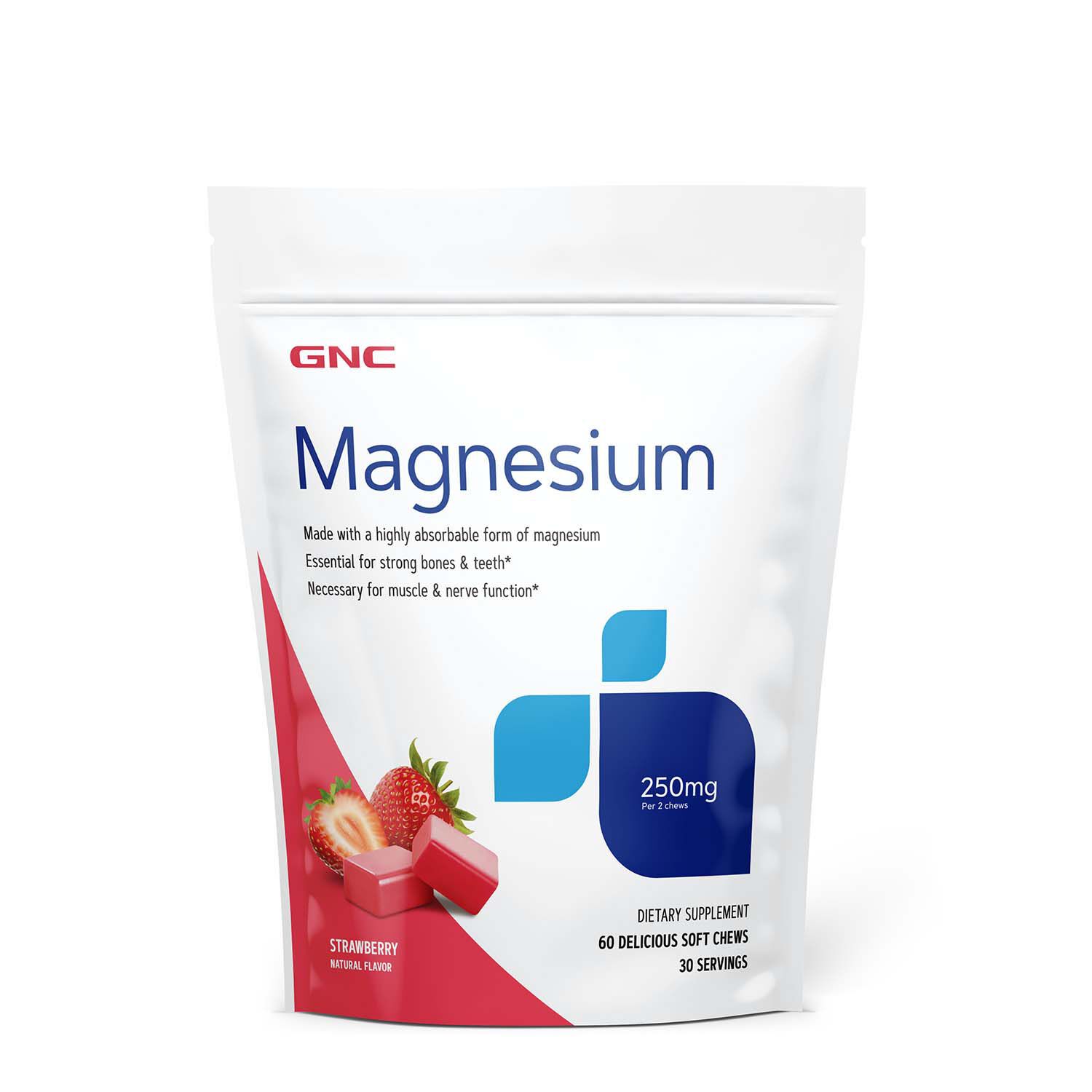
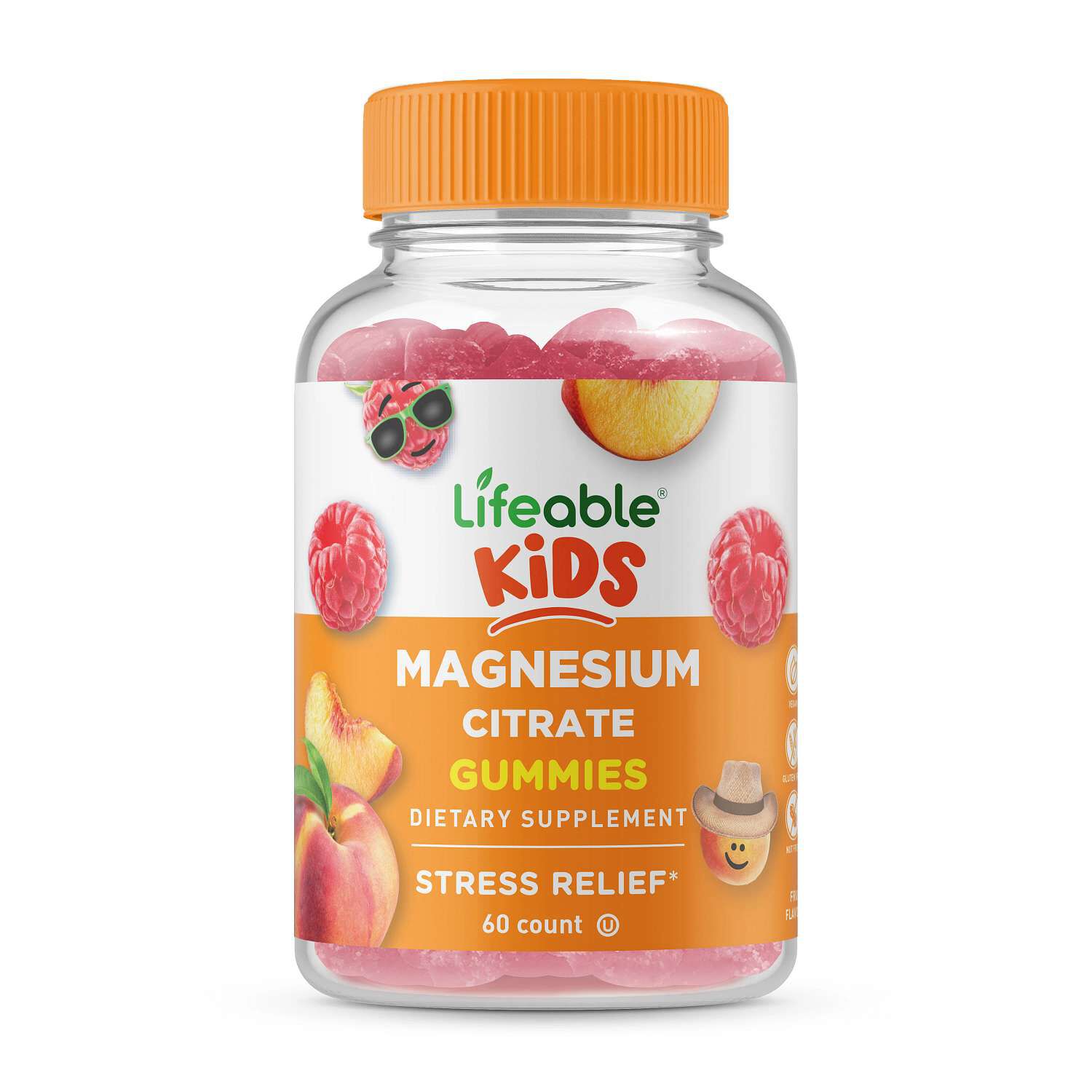
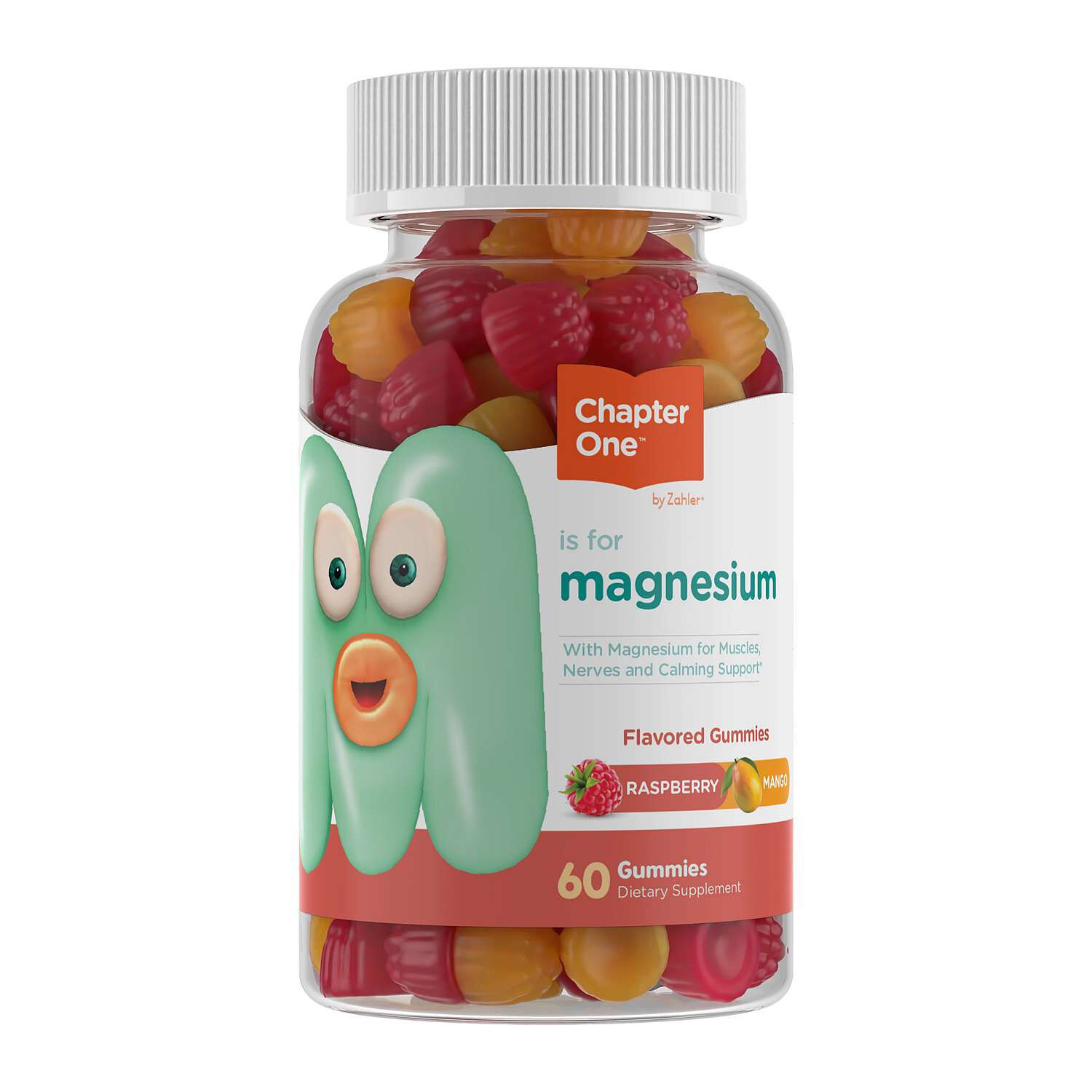
Magnesium gummies for kids with kosher diets offer a convenient and enjoyable way to support daily wellness routines. Perfect for families seeking options that align with kosher dietary preferences, these gummies are designed with children’s tastes in mind. Explore a variety of choices that may fit seamlessly into your child’s routine while meeting your family’s dietary needs. Discover magnesium gummies for kids with kosher diets that could make supplement time something to look forward to each day.
-

-
 $21.99
-
 $20.99
-
 $18.99
-

-

-
 $20.99


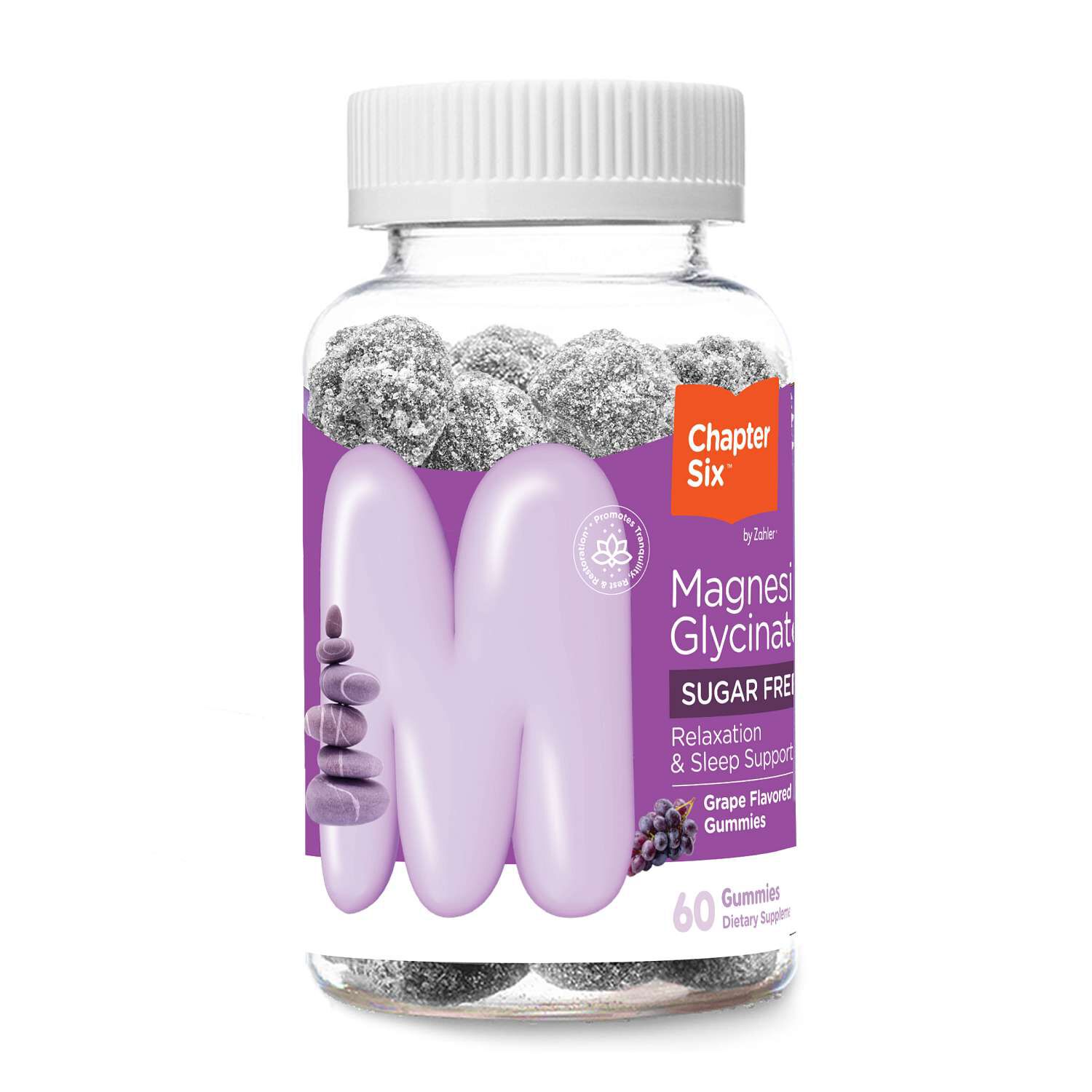

Magnesium gummies for kids with kosher diets bring together two distinct considerations: a children’s supplement format and dietary standards verified through kosher certification. Both deserve attention when comparing labels. A gummy’s flavor, color, or plant-derived ingredients do not establish its kosher status, and a kosher designation alone does not establish that a supplement is intended for children. The most useful starting points are the stated age range, the Supplement Facts panel, the ingredient list, and an identifiable kosher certification mark on the package. Certification applies to the formula and its production requirements, rather than automatically extending to every supplement made by the same company. For families who follow a particular certifying authority, the organization behind the mark matters as much as the presence of a symbol. Kosher classification also adds another layer of detail: a pareve designation identifies a classification distinct from meat or dairy under kosher standards, but it does not replace the package’s allergen information. These distinctions become especially relevant when a bottle will move between a family kitchen, a grandparent’s home, and another caregiver’s cabinet. A clearly labeled package gives each adult the same information to reference, rather than relying on a familiar bottle color or a remembered flavor. Ingredient preferences belong in that comparison, too. Pectin and gelatin are different gelling ingredients, and neither a gummy texture nor a vegetarian claim is a substitute for checking certification. Gelatin’s source and processing are relevant to kosher evaluation, while pectin-based formulas still require attention to the other ingredients and manufacturing standards. For a household balancing kosher observance with additional dietary preferences, the strongest comparison is therefore specific: the certification mark on that package, the ingredient list for that formula, and the age information printed alongside its directions. Front-label descriptions can introduce a category, but the details elsewhere on the bottle give those descriptions their meaning. Even familiar packaging deserves a fresh look when its wording or ingredient panel changes.
The Supplement Facts panel provides a consistent way to compare children’s magnesium gummies beyond their flavor names and shapes. Magnesium can appear in different forms, such as magnesium citrate or magnesium glycinate, and the ingredient source is separate from the amount of magnesium declared per serving. The magnesium amount on a U.S. Supplement Facts panel refers to magnesium itself, not the full weight of the compound that supplies it. That distinction helps explain why a prominently printed ingredient name and the nutrient amount are not interchangeable pieces of information. Serving size is another important detail: the listed amount may refer to more than one gummy, so a per-serving number should not be read automatically as a per-gummy number. Likewise, the number of gummies in a bottle is different from the number of servings. Age labeling also varies among formulas, and the word “kids” on the front is less specific than the age range in the directions. These are label-reading considerations, not reasons to select a larger number or assume that two formulas serve the same intended audience. Some formulas contain magnesium as the featured nutrient, while others combine it with additional vitamins or minerals; the full panel distinguishes those approaches. The other-ingredients section adds practical context through sweeteners, gelling agents, flavorings, colors, and coatings. A berry flavor name does not describe the sweetener system, and a fruit-shaped gummy does not establish how much fruit-derived material it contains. Sugar content and ingredient preferences are separate from kosher certification, just as kosher status is separate from vegetarian preferences or allergen considerations. On a kitchen counter, two bottles may look nearly identical, yet their serving sizes, nutrient amounts, and dietary markings can tell different stories. Reading those details side by side makes the comparison more concrete than relying on a front-label phrase. Magnesium also occurs naturally in foods such as beans, nuts, seeds, and whole grains, giving the nutrient a broader food context without making gummies equivalent to those foods or a replacement for varied meals.
Texture, packaging, and everyday handling round out the comparison for a children’s gummy supplement. Gummies differ in size, firmness, surface coating, and flavor, and those characteristics are distinct from whether the label identifies the product for a child’s age group. A familiar candy-like shape does not change the intended use: these are supplements, not snacks. In a household where more than one adult manages children’s routines, keeping the original container preserves the directions, certification mark, lot information, and expiration date in one place. A loose handful in an unmarked kitchen jar loses that context, even if the gummies remain easy to recognize. The package’s storage directions also matter because gummy texture can change with unsuitable handling or storage. A tightly closed lid, a dry storage location when specified, and attention to the printed expiration date are practical parts of caring for the product; appearance alone does not establish its condition. For a kosher household, original packaging has the additional value of keeping the certification visible wherever the bottle is stored. The same attention applies when comparing related children’s supplement categories. Families browsing other nutrients with this dietary focus can explore Kosher Vitamin D3 Gummies for Kids, while checking each category’s age labeling, ingredients, and certification independently. A similar gummy shape or matching dietary designation does not make different nutrients or serving directions interchangeable. The most meaningful features remain easy to describe: a clearly identified intended age group, transparent nutrient and ingredient information, a kosher designation that meets the household’s standards, and packaging that keeps those details accessible. For parents and caregivers, that combination provides a grounded way to compare magnesium gummies without letting a bright label or appealing flavor carry the whole decision. It also keeps the focus on the actual category: children’s magnesium supplements in a chewable format, evaluated with the same care given to other labeled products in a kosher household.