





Magnesium Gummies For Sensitive Diets
(0 Results)
Magnesium gummies for sensitive diets offer a convenient and enjoyable way to incorporate magnesium into your daily routine. Designed with a variety of dietary needs in mind, these gummies may be an option for those seeking gentle support without common ingredients that some individuals choose to avoid. Whether you are looking for an alternative to traditional supplements or simply prefer a tasty, chewable format, magnesium gummies for sensitive diets could fit seamlessly into your wellness journey. Explore options that align with your preferences and discover how easy it might be to add magnesium to your lifestyle.
-

-

-
 $21.99
-

-
 $20.99
-
 $20.99
-
 $18.99


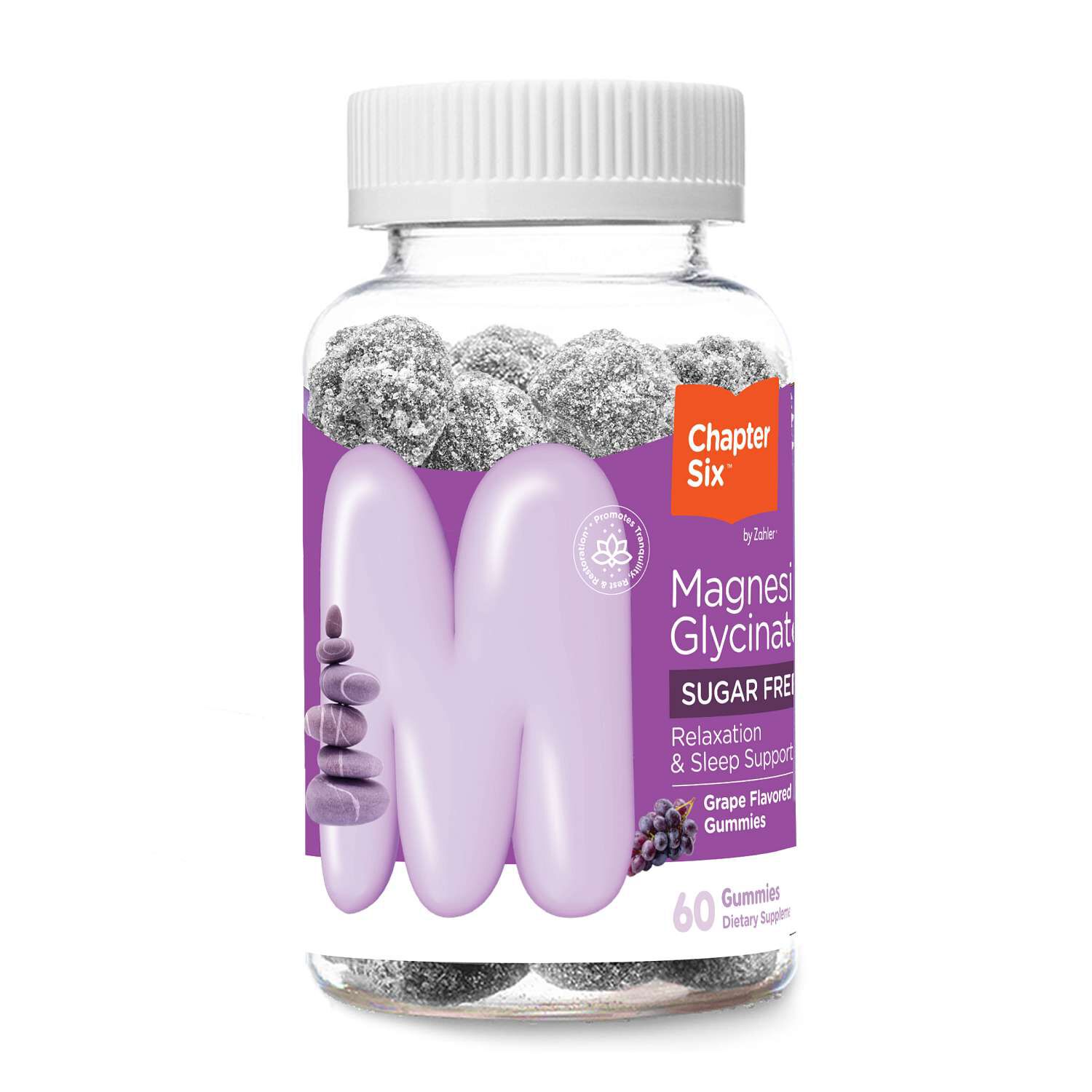
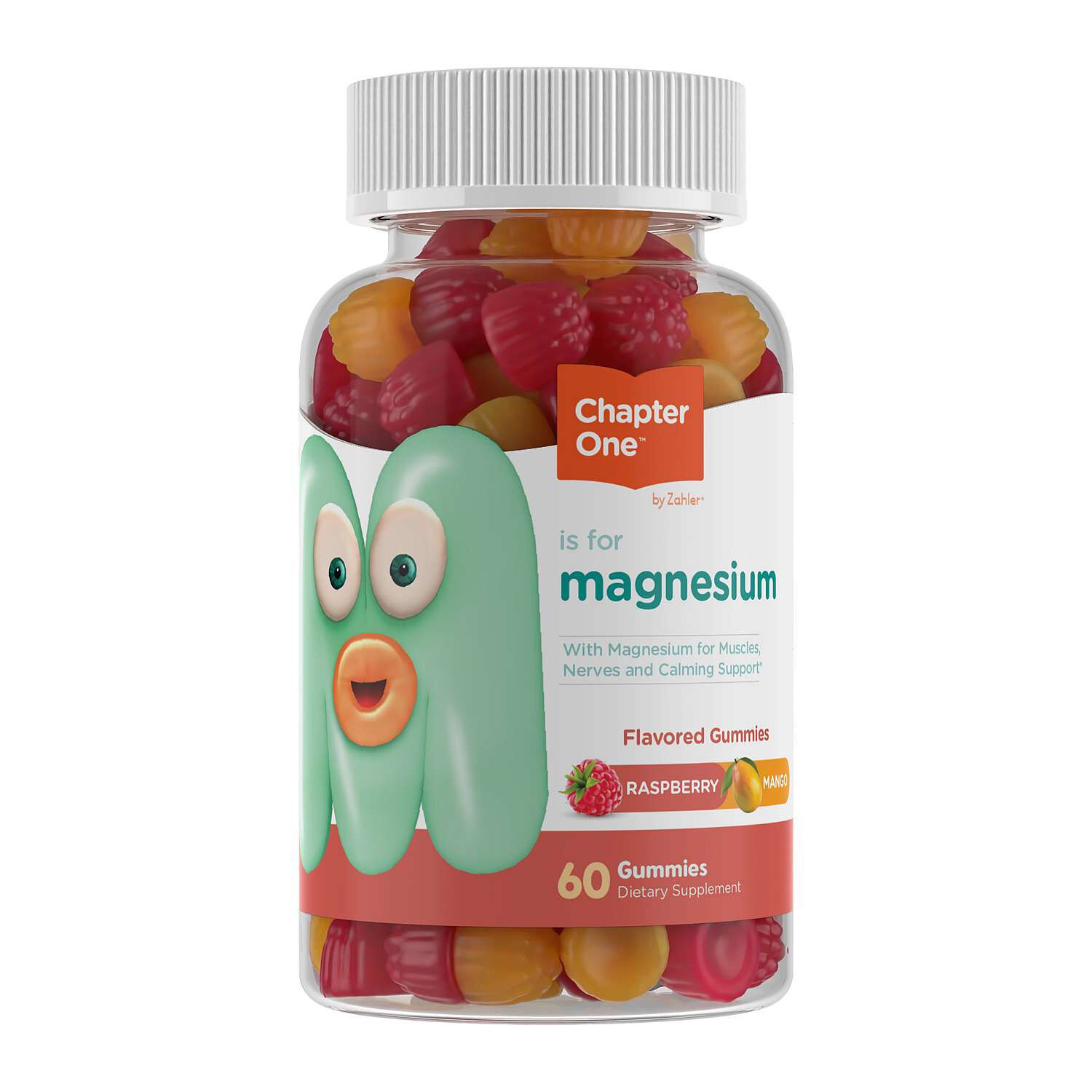

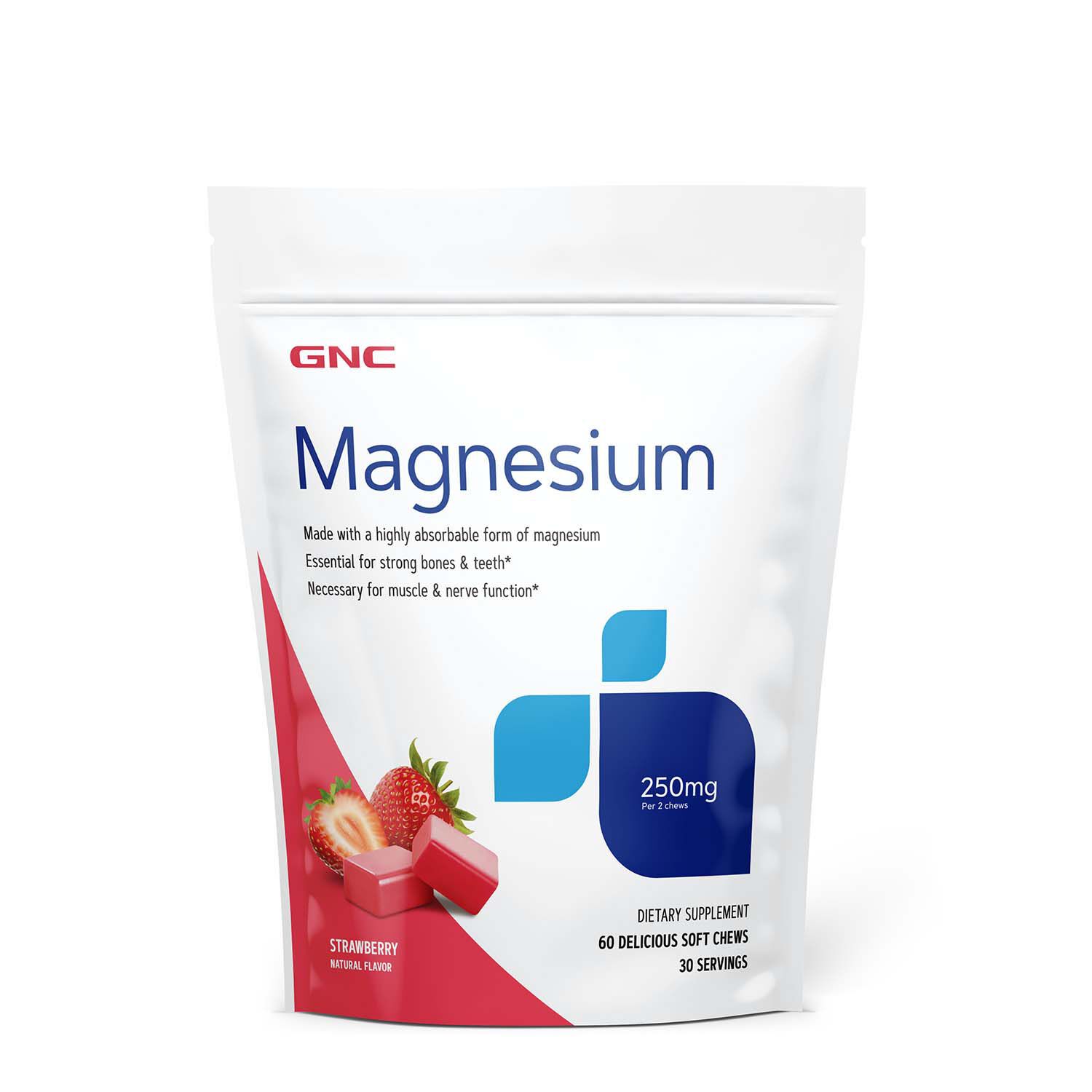


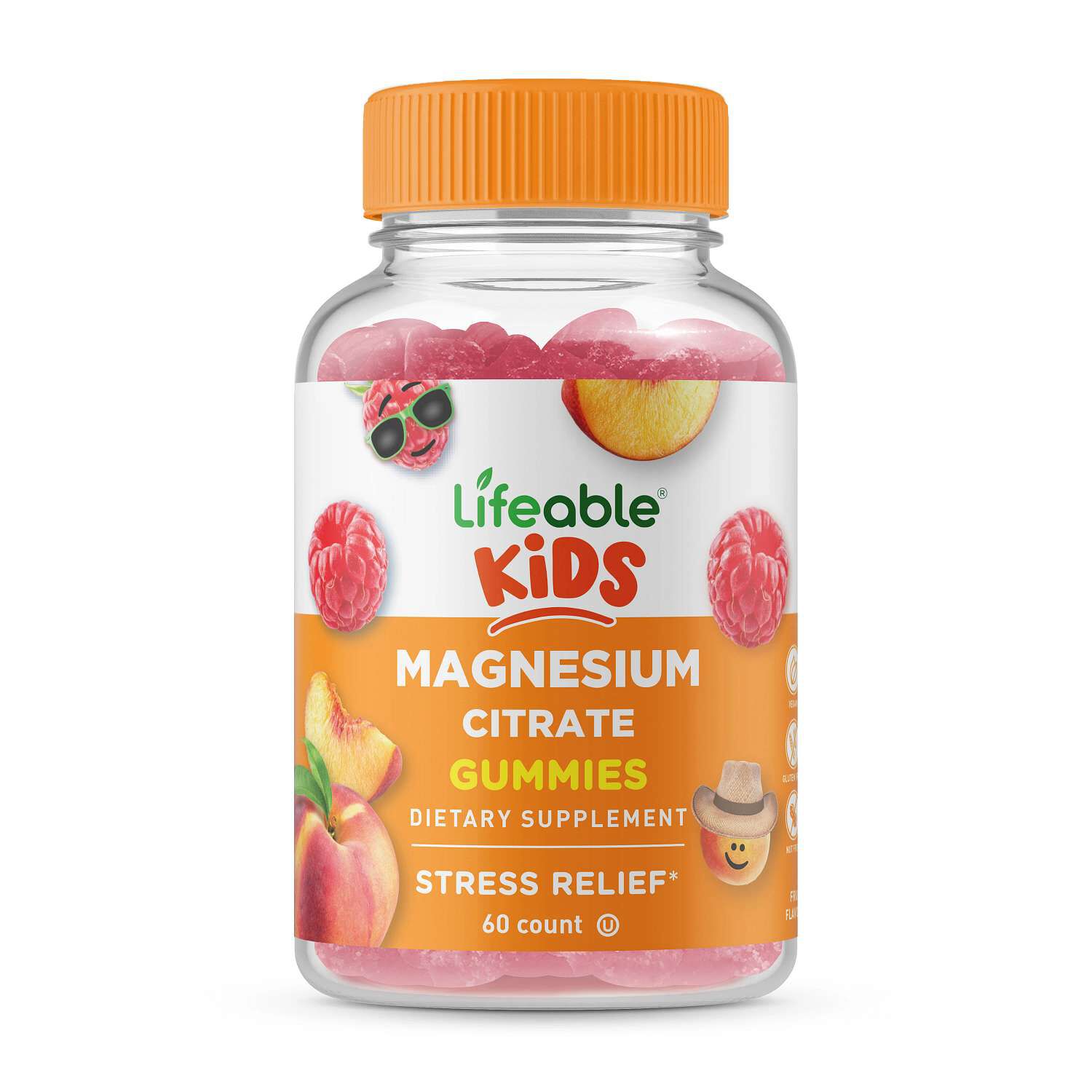
Magnesium gummies for sensitive diets are chewable mineral supplements selected around particular ingredient preferences, such as vegan recipes, formulas made without gluten, or options with no added sugar. The phrase describes a shopping focus rather than one uniform formula, so the details on each label matter more than a broad description on the front of the bottle. Magnesium occurs naturally in foods including beans, nuts, seeds, and leafy greens; gummies offer a supplemental format with their own ingredients, serving sizes, flavors, and textures. For someone who pays close attention to what goes into everyday foods, those additional ingredients deserve the same consideration as the mineral itself. A gummy typically includes a gelling ingredient, sweeteners, flavoring, coloring, and ingredients that contribute to its shape or finish. Pectin, a plant-derived gelling ingredient, is an alternative to animal-derived gelatin, although a pectin-based recipe alone does not establish that every ingredient is vegan. Someone avoiding animal-derived ingredients might also look for information about beeswax, confectioner’s glaze, or other finishing ingredients. Similarly, a vegan designation does not establish whether a formula contains wheat, milk, soy, or ingredients made in a shared facility. Statements about ingredients and statements about manufacturing conditions describe different things, and both belong in a careful comparison. For gluten avoidance, an explicit label statement or relevant certification provides more useful context than an assumption based on a fruit flavor or a plant-based description. Non-GMO wording addresses a separate ingredient consideration; it does not describe the sugar content, animal-derived ingredients, or mineral amount. Sensitive diets vary from household to household, and the most useful starting point is the particular ingredient requirement rather than a long list of unrelated claims. A formula that matches one person’s preferences may differ substantially from another formula with similar wording on its packaging.
The magnesium amount, serving size, and surrounding recipe provide a more detailed picture of a gummy supplement. A serving can consist of more than one gummy, which makes the distinction between the amount per piece and the amount per serving especially relevant. The magnesium amount listed in the Supplement Facts panel refers to the mineral itself, while an ingredient name such as magnesium citrate or magnesium glycinate identifies its form. Those names do not describe the whole gummy: two formulas using the same magnesium form can have different sweeteners, gelling ingredients, flavors, and serving sizes. Neither form name, by itself, establishes suitability for a sensitive diet. The same label-by-label comparison applies when browsing High Potency Magnesium Gummies, since concentration-focused wording does not replace the numerical information on the package. Sugar descriptions also warrant a closer look. “No added sugar” and a stated amount of sugar per serving communicate different information, and neither describes every sweetening ingredient. Depending on the recipe, sweetness can come from sugar, syrups, sugar alcohols, or other sweeteners. A shopper who avoids a particular sweetener has a different comparison to make from someone whose priority is the amount of sugar listed per serving. Sugar alcohols are distinct from sugars, but their presence is still relevant to an ingredient-focused diet. Flavor is another separate consideration. A berry or citrus name describes the intended taste, not necessarily the source of every flavoring ingredient or the presence of fruit juice. For someone avoiding a particular food ingredient, the flavor name is not a substitute for the ingredient list. Color can come from fruit or vegetable concentrates or other coloring ingredients, depending on the recipe. The clearest comparison keeps these details separate rather than treating one dietary designation as shorthand for everything else.
Texture, packaging, and everyday handling round out the comparison, particularly for adults who prefer a chewable format to capsules or tablets. Gummies can range from soft and springy to firmer and more densely chewy, with smooth, lightly coated, or sugar-coated surfaces. Shape and size also vary, and photographs do not always communicate how substantial an individual piece is. A description of the texture, the serving count, and the number of pieces in a serving can make the format easier to picture alongside an established routine. Someone who carries supplements in a work bag may value a securely closing container, while someone keeping them in a kitchen cabinet may focus on a clearly readable label and packaging that is straightforward to open and reseal. The original container keeps the ingredient list, serving information, lot details, and date markings together, which matters when several household members have different dietary preferences. Gummies also have different handling considerations from dry tablets. Moisture and prolonged exposure to air may affect their texture or surface, so the storage directions on the package are part of the product comparison rather than an afterthought. A securely closed lid and a storage spot away from a steamy sink are practical considerations, without assuming that every formula has identical requirements. For shared households, keeping separate containers clearly identified may make ingredient distinctions easier to maintain. A familiar bottle design or matching flavor name is not evidence that two recipes are the same, and ingredients can differ between formulations. Even a repeat purchase deserves a fresh look at the label when a particular ingredient matters. Taste preferences, dietary requirements, and serving format are related but distinct: an appealing texture does not establish dietary suitability, just as a suitable ingredient list does not describe the eating experience. Magnesium gummies for sensitive diets are best understood through that combination of details—the mineral amount, the full recipe, the stated dietary attributes, and the practical format—rather than through a single front-label phrase.


