





Magnesium Oxygen Digestive Supplements
(0 Results)
Magnesium Oxygen Digestive Supplements
Magnesium oxygen digestive supplements may offer a convenient option for those looking to support their wellness routines. Featuring a unique combination of magnesium and oxygen-based ingredients, these supplements are designed for individuals seeking to maintain a balanced lifestyle. Explore the range of magnesium oxygen digestive supplements available and discover options that could fit into your daily regimen.



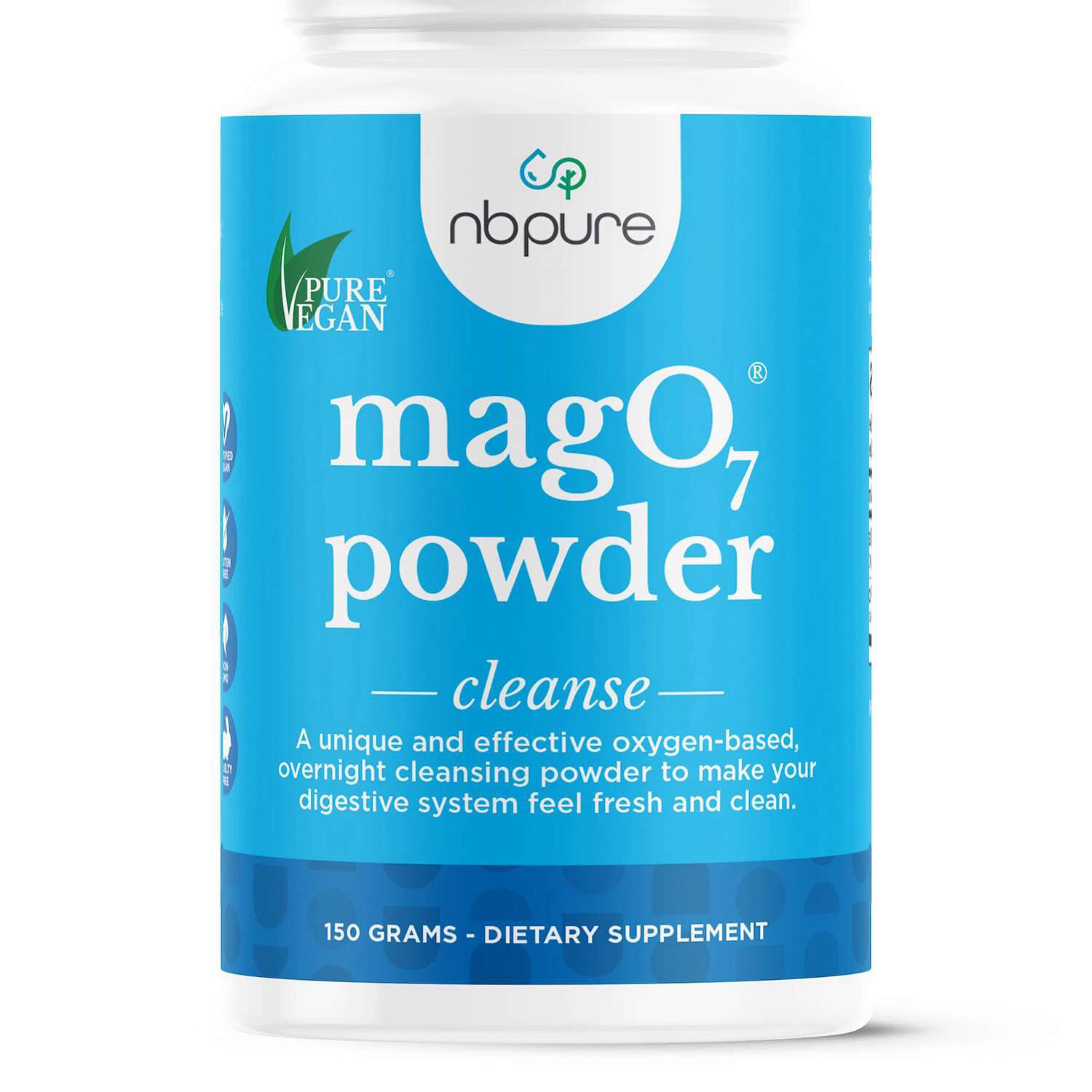
 _Front.jpg?sw=305&sh=305&sm=fit "Magnesium: Bioactive Magensium Citrate - 120 Capsules (120 Servings) | GNC")


 _Front.jpg?sw=305&sh=305&sm=fit "Magnesium: Bioactive Magensium Citrate - 60 Capsules (60 Servings) | GNC")


Magnesium oxygen digestive supplements are magnesium-based formulas marketed for digestive support, often with magnesium oxide as a featured ingredient. The phrase “magnesium oxygen” describes a shopping category rather than one standardized magnesium compound, so formulas with similar names can differ in meaningful ways. Terms such as oxygenated or ozonated may appear in descriptions, but the ingredient statement and Supplement Facts panel provide more specific information about what a formula contains. Some formulas may support digestive regularity; that possible role is distinct from the purposes associated with other magnesium supplement categories. A digestive-focused formula is not automatically interchangeable with a magnesium supplement selected for another wellness routine. Magnesium itself is a mineral found in foods and offered in several supplemental forms, including oxide, citrate, carbonate, and glycinate. Those names identify different compounds, not different names for an identical ingredient. Additional ingredients also matter: a formula centered on magnesium alone has a different composition from one that includes botanical ingredients or other minerals. Words on the front of a bottle can make two options sound closely related even when their ingredient panels show different forms, serving sizes, or accompanying ingredients. For adults browsing this category, the most useful background comes from the formula’s stated purpose and exact composition, rather than the oxygen wording alone. There is also a distinction between a mineral amount and a named blend. A blend name may describe how ingredients are grouped without disclosing a separate amount for every component. Descriptions involving oxygen do not replace the need to identify the actual magnesium source. Similarly, a reference to a manufacturing process is different from an ingredient declaration. These distinctions give the category useful context without assuming that every formula has the same characteristics. A meaningful comparison stays close to what is listed: the magnesium compound, the amount per serving, the format, and any additional components.
Format and serving information bring those ingredient details into everyday context. Capsules and tablets can differ in size, shape, coating, and the number included in a labeled serving. A serving may consist of more than one capsule or tablet, making the serving count a more useful measure of package contents than the piece count alone. For someone comparing two similarly sized bottles, that distinction can explain why the containers represent different numbers of servings. The magnesium amount on a Supplement Facts panel is another separate detail: the declared amount of magnesium is not necessarily the full weight of the magnesium compound that supplies it. A parenthetical phrase identifying magnesium oxide, for example, describes the source of the mineral. It does not mean the compound’s entire weight consists of magnesium. Units also matter, particularly when the front label emphasizes a blend amount while the nutrition panel reports individual nutrients. Beyond the featured ingredients, the other-ingredients statement describes components used to make the capsule or tablet, such as capsule material, binders, or coatings. These details can be relevant to adults with vegetarian preferences or particular ingredient requirements. A plant-derived capsule shell and a gelatin capsule shell are different construction choices; neither description, on its own, establishes how the formula may perform. Dietary statements likewise apply to the formulation as labeled, not automatically to every supplement containing the same magnesium compound. Someone who organizes supplements in a small compartment may notice capsule dimensions first, while someone who prefers keeping everything in its original bottle may focus on label readability and the closure. Both are practical considerations, but neither replaces the serving directions or intended-use information. A familiar capsule shape does not establish a familiar routine, and the number of pieces in a container does not reveal the amount of magnesium in each serving. Taken together, these details make the format easier to evaluate without relying on the bottle’s appearance.
Intended use is especially relevant when comparing magnesium oxygen digestive supplements with broader mineral categories. These formulas are generally positioned for adults interested in digestive support, but their directions may describe different patterns or durations of use. A place beside everyday vitamins does not automatically mean a digestive formula has the same usage instructions. Age guidance, stated frequency, duration, and cautions help define the intended audience and context. The difference matters in ordinary situations, such as organizing a bathroom cabinet or preparing a small bag for an overnight stay: the original label keeps the formula’s identity and directions connected to its contents. Packaging also deserves attention. A closure that is easy to handle, clearly printed serving information, and a legible date can make a container more practical to manage. Storage instructions describe the handling appropriate to the formulation, including any directions concerning moisture, light, or the original container. Appearance and bottle size alone do not establish shelf life, and transferring capsules to another container can separate them from their ingredient information and date markings. Related mineral categories, including Magnesium Carbonate Supplements, provide another point of comparison for understanding how the named magnesium compound differs across labels. Carbonate and oxide are distinct forms, so a shared reference to magnesium does not establish an identical composition or intended use. The same care applies when comparing mineral formulas with fiber or probiotic supplements, which center on different ingredient types even when their descriptions also mention digestive wellness. For this category, a well-informed comparison connects the stated digestive focus with the actual ingredients, serving format, and package directions. That approach keeps attention on tangible differences rather than broad front-label language, whether the priority is a simpler ingredient list, a particular capsule material, or serving information that is easy to read and understand.
Best Sellers
-
 Rho Nutrition
-
 Qualia Life Sciences
Related Pages


Top Collections
- Joint Mobility Supplement Packs
- Zinc Supplements | Top Brands at Great Prices | GNC
- Supplements For Yoga Joint Flexibility
- Supplements For Balance
- Capsule Supplements For Energy And Stamina
- Iron Supplements
- Supplements For Anxiety Relief Support
- Vitamins For Hair Loss
- Cortisol Supplements
- Adult Mobility Supplements