

Marine Lipid Oil Supplements
(0 Results)
Dive into the potential benefits of marine lipid oil supplements, a powerful addition to your wellness routine that could support heart health, promote joint comfort, and enhance cognitive function. Derived from the rich oils of fish and marine life, these supplements may offer essential omega-3 fatty acids, which are vital for maintaining overall well-being. Whether you're looking to boost your nutritional intake or seeking to complement your active lifestyle, exploring marine lipid oil supplements might provide a natural way to nourish your body and mind. Embrace the possibilities of integrating these oceanic treasures into your daily regimen and discover how they might contribute to a healthier you.
-
-

-

-

-

-
-

-
-

-
-

-
 $23.99
 -
 $24.99
 -
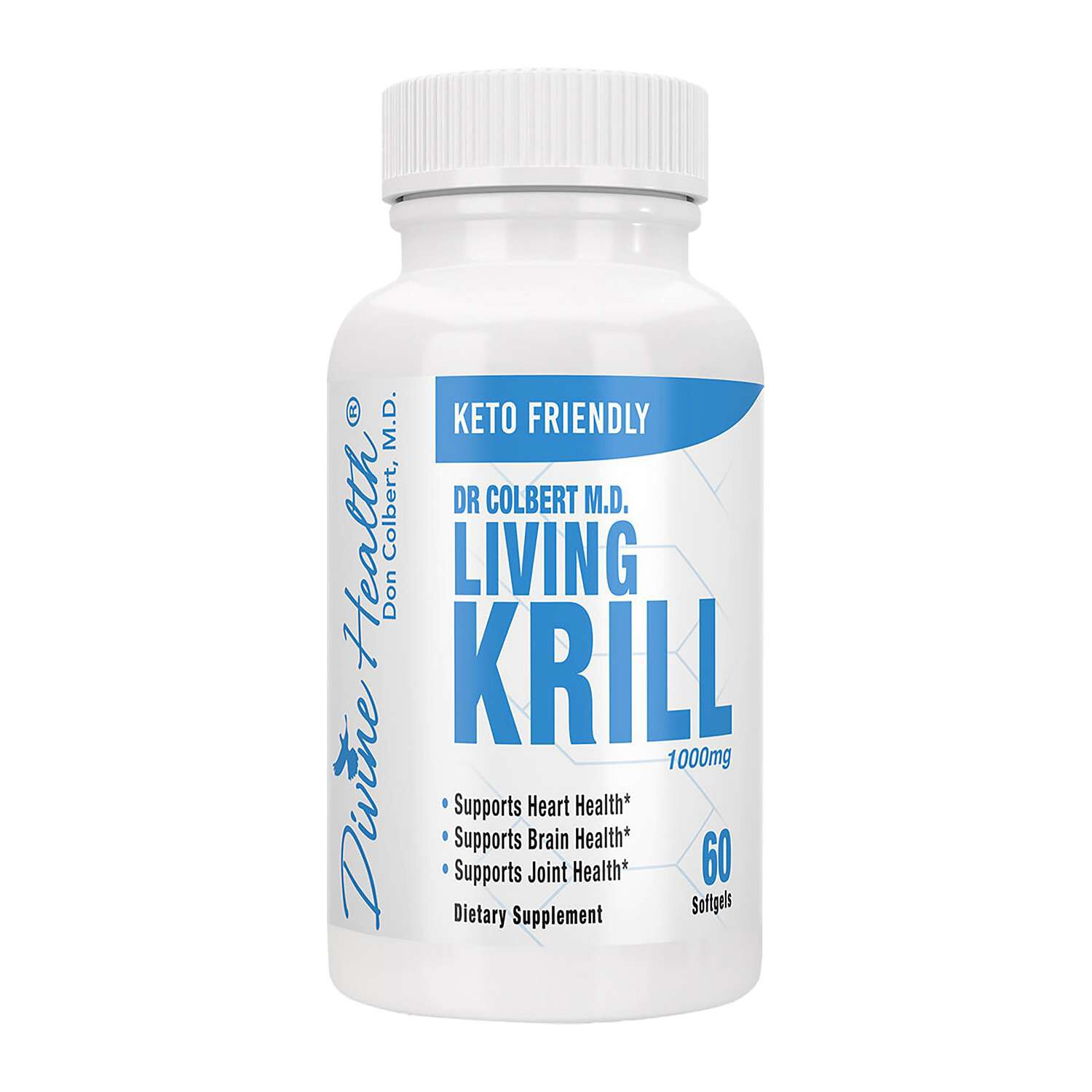 Divine Health$34.99
 -
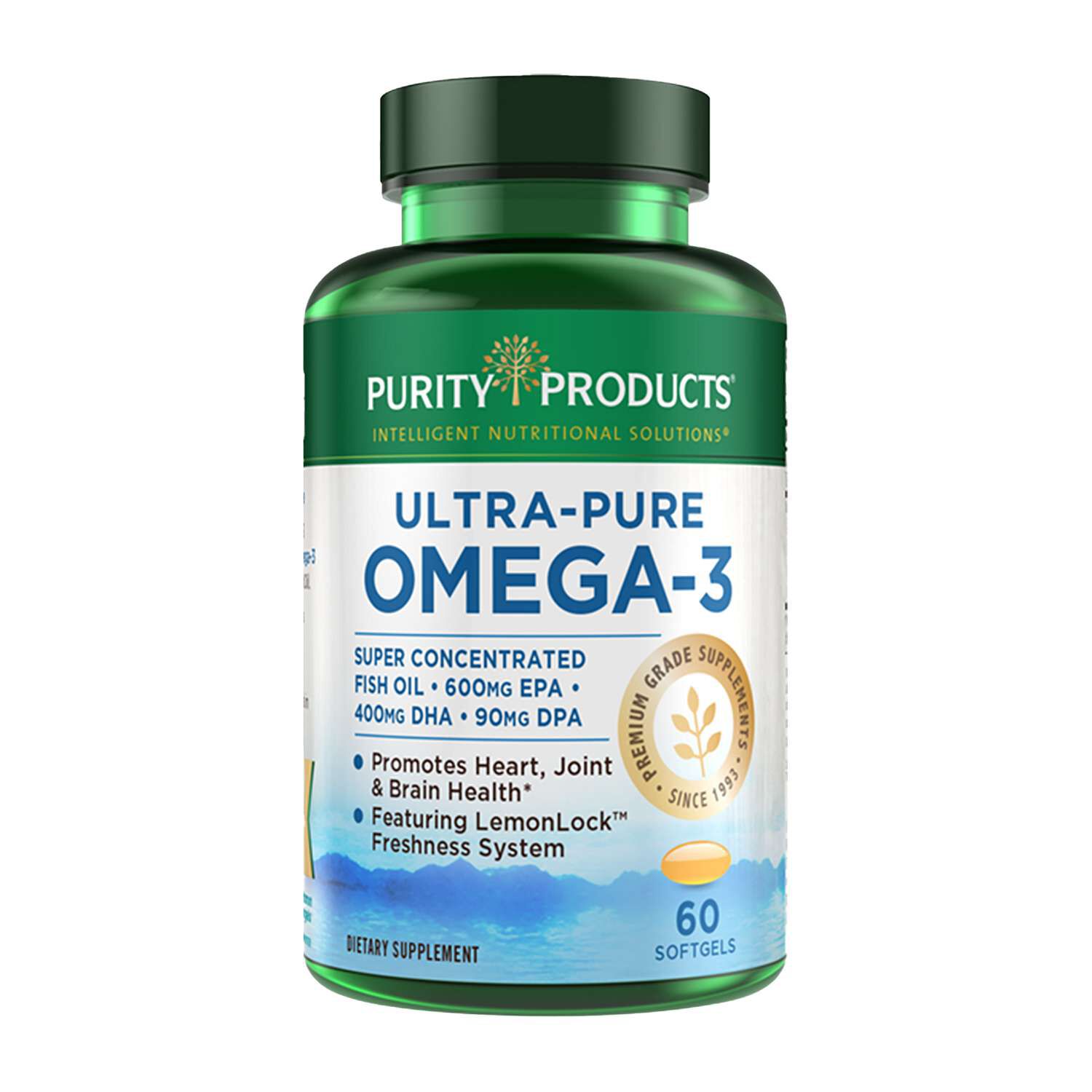 Purity Products$26.99
 -
 Portions Master$25.99
 -
 Divine Health$34.99
 -
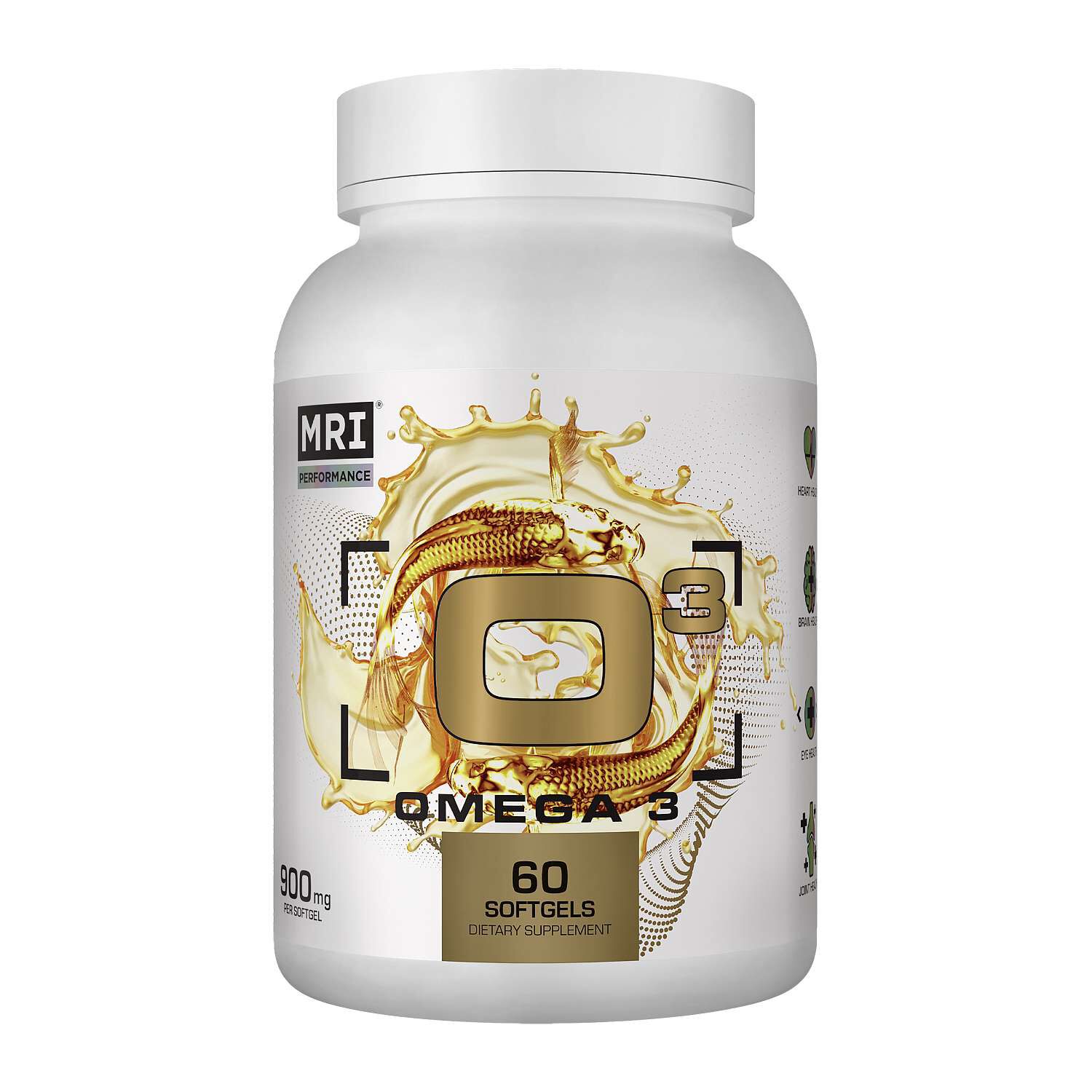 MRI Performance$29.99
 -

-

-



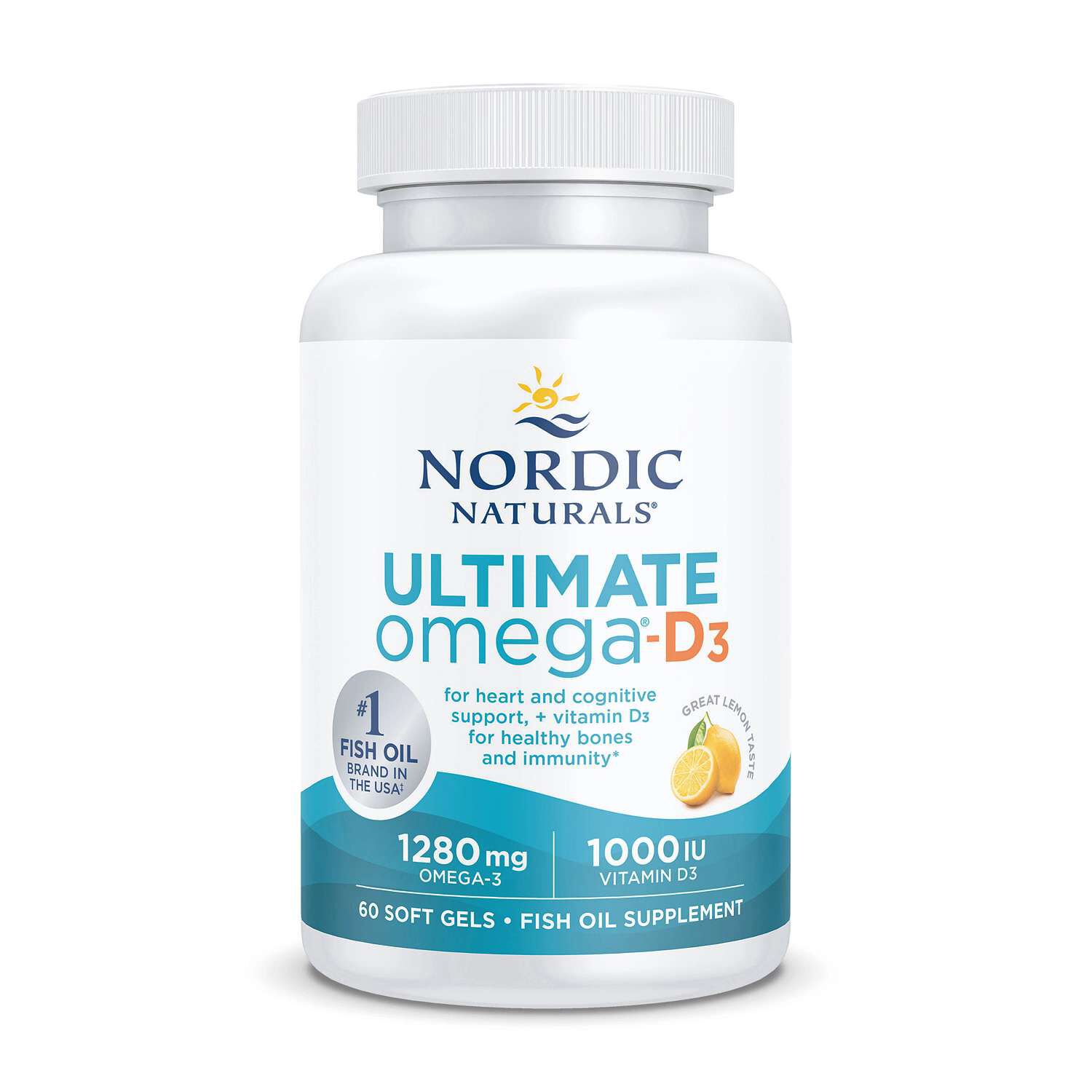
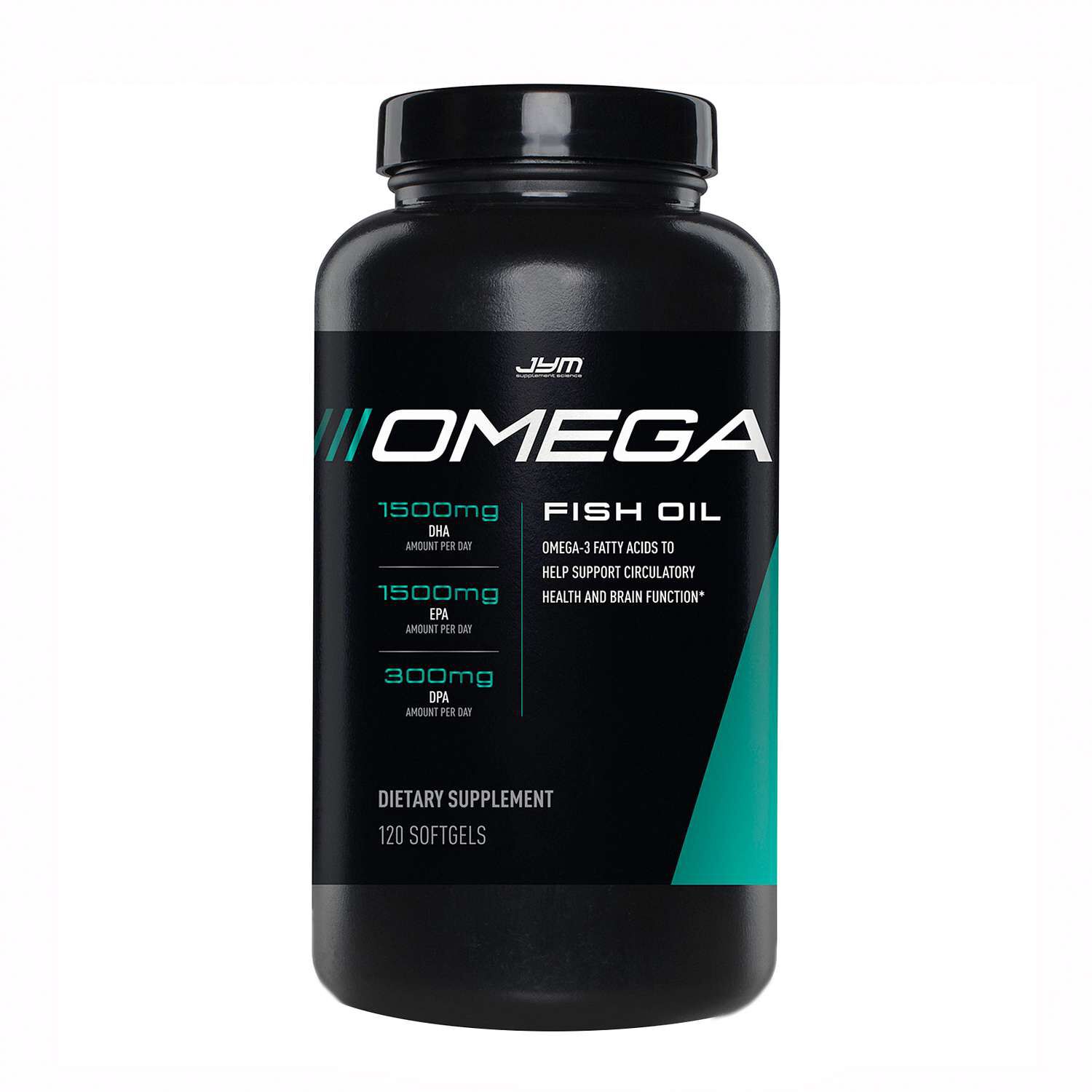
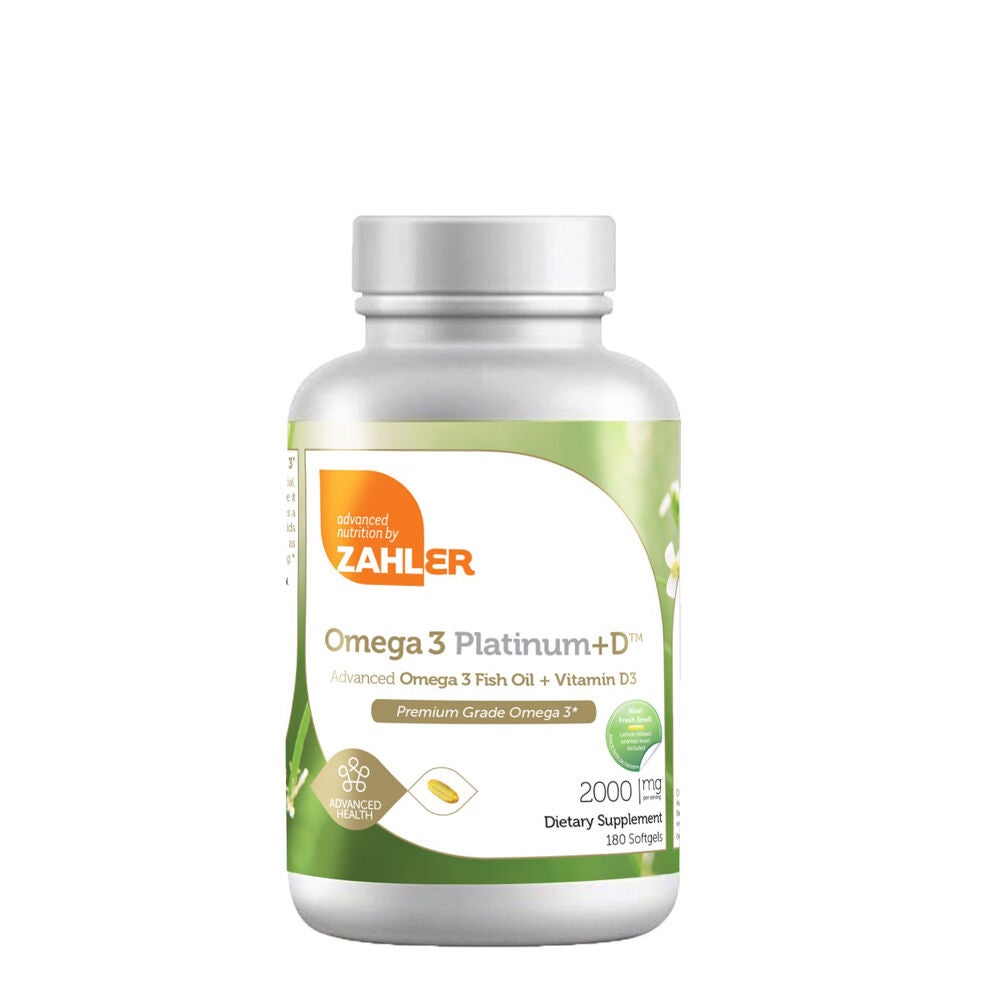
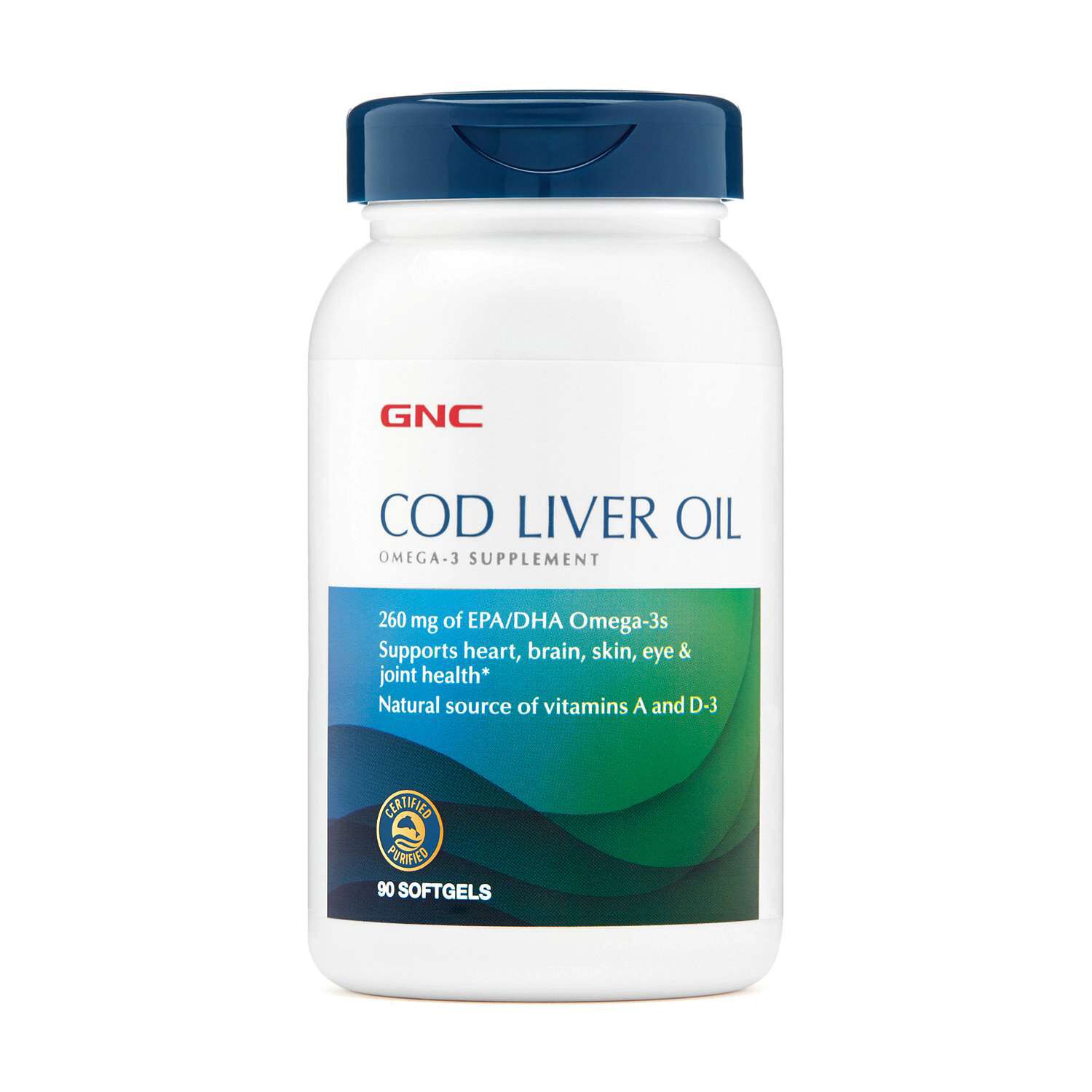
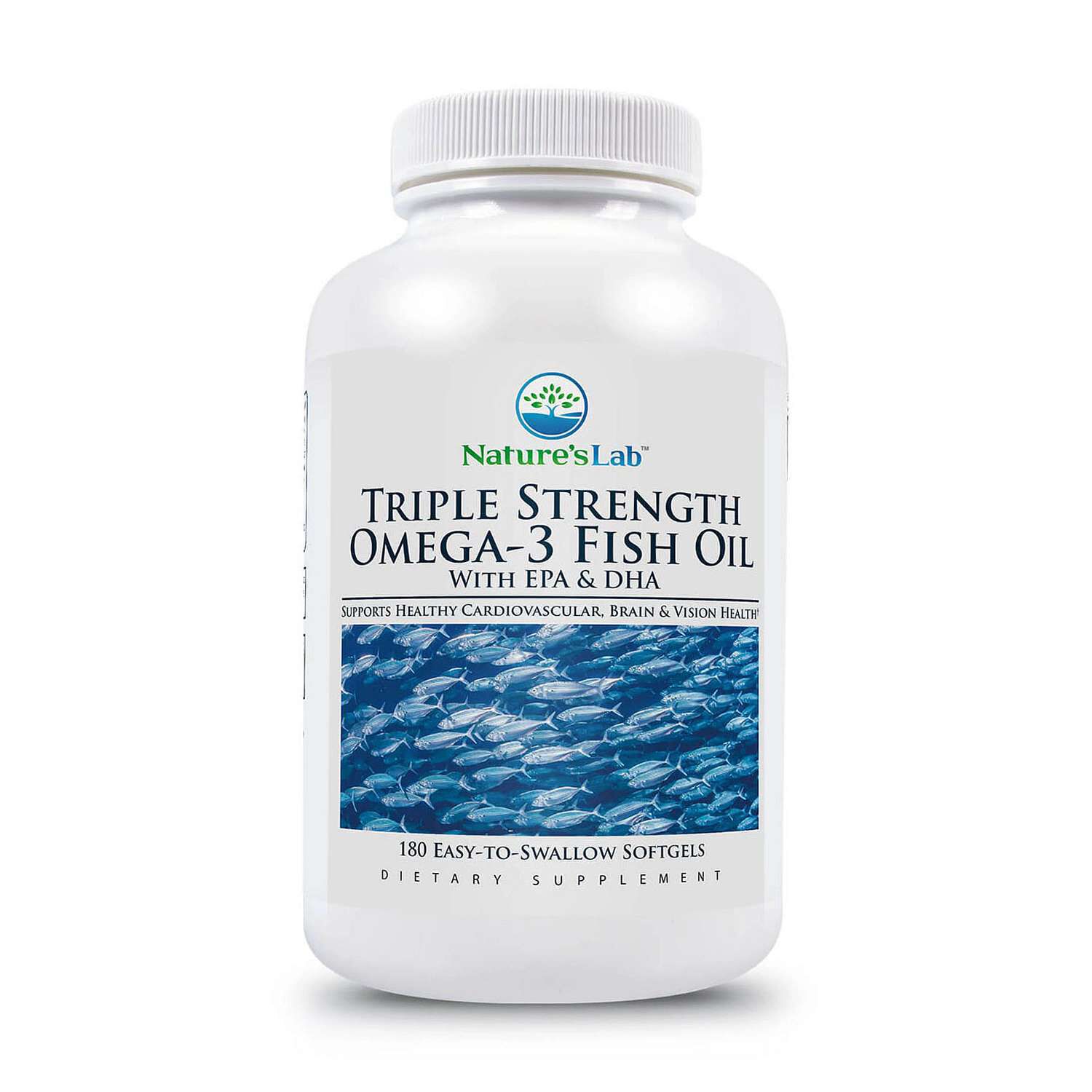
Marine lipid oil supplements are dietary supplements made with oils from marine sources, including fish and krill. The category is commonly associated with omega-3 fatty acids, particularly EPA, or eicosapentaenoic acid, and DHA, or docosahexaenoic acid. These names appear on supplement labels because they identify particular fatty acids within the oil, rather than the amount of oil itself. A serving’s marine oil weight and its listed EPA and DHA amounts describe different things, making the Supplement Facts panel more informative than a prominent number on the front of a bottle. Fish oil may come from species such as anchovies, sardines, or pollock, while krill oil comes from small marine crustaceans. Algal oil, produced from algae rather than fish, is another source of marine-origin omega-3s, although its fatty acid composition varies by formulation. Some algal oils contain primarily DHA; others include both EPA and DHA. These distinctions give marine lipid supplements a broader range of ingredient profiles than the phrase “fish oil” alone suggests. They also matter to adults whose shopping preferences reflect the foods they eat, the ingredients they avoid, or the format they find practical. Someone who rarely prepares seafood may be interested in a supplemental source of EPA and DHA, while a shopper who avoids fish-derived ingredients may focus on algal sources and the capsule materials surrounding them. Marine oil supplements are not interchangeable with seafood as a food: fish also contains protein and other nutrients that an oil capsule does not represent. Within the supplement category, the most useful distinctions are the oil’s origin, the named fatty acids, the serving size, and the other ingredients. Together, those details describe what is in the bottle without relying on broad wellness language. Marine lipid oil is an umbrella term, not a single standardized formula, so similar-looking bottles can have meaningfully different compositions.
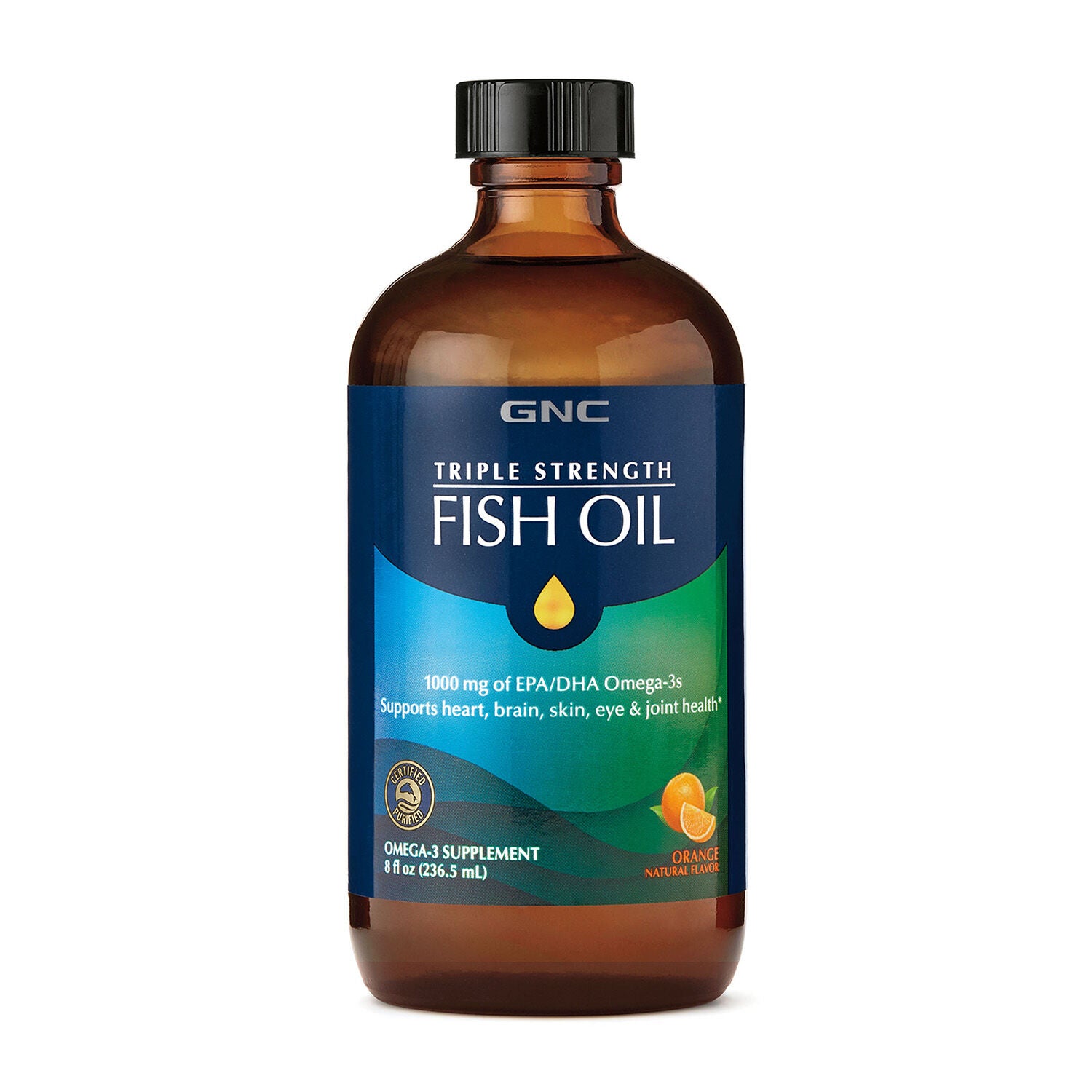
Format is another important part of how marine lipid oil supplements fit into an everyday routine. Softgels enclose a measured amount of oil in a capsule shell, while liquid formats are measured separately according to the label. Neither format alone establishes how much EPA or DHA a serving contains. A smaller softgel may have a different serving count than a larger one, and a liquid serving may use a different unit of measurement altogether. For someone who prefers a compact bottle alongside other daily supplements, capsule dimensions and the number of softgels per serving are practical considerations. For someone who prefers a measured liquid, the bottle opening, measuring method, flavoring, and after-opening storage directions become more relevant. Fish-derived oils have a characteristic taste and aroma, and some formulations include citrus or other flavors. A flavored oil still deserves the same attention to its source and fatty acid content as an unflavored version. Capsule shells can contain gelatin, glycerin, and water, while some alternatives use other shell materials. An algal source does not, by itself, establish that every ingredient in the finished supplement meets a shopper’s dietary preferences. The oil, shell, flavorings, and additional ingredients each contribute to that picture. Fish and crustacean shellfish are also distinct ingredient sources, so source statements and allergen information are relevant parts of the label. Shoppers comparing a Daily Fish Oil Supplement with other marine lipid formats can look at these same details to understand the differences between categories. A daily designation describes intended routine use according to the manufacturer’s directions; it does not establish a universal serving amount. Even when two labels display the same amount of fish oil, their EPA and DHA amounts can differ. Comparing equal serving sizes, rather than assuming that one capsule always equals one serving, creates a clearer picture of the formulation and the bottle’s serving count.
The composition of marine oils extends beyond whether the source is fish, krill, or algae. Omega-3 fatty acids can occur in different chemical forms, including triglycerides, phospholipids, and ethyl esters. Fish oil formulations can use triglyceride or ethyl ester forms, while krill oil commonly contains a portion of its fatty acids associated with phospholipids. These terms describe the structure of the oil; they do not replace the need to read the stated EPA and DHA amounts. Some formulations also list other omega-3 fatty acids, and those should not be mistaken for additional EPA or DHA unless the label identifies them that way. Processing descriptions, such as concentration or purification, provide further background, but specific testing information is more useful than an impressive-sounding phrase. When a label references independent testing or certification, the named organization and the stated scope of that assessment help explain what was evaluated. Testing for composition, assessment of certain unwanted substances, and evaluation of sourcing practices are different activities. A sourcing certification does not necessarily establish fatty acid content, and a composition test does not describe every aspect of harvesting practices. Packaging and care matter as well because marine oils can change with exposure to air and light. The original container, a securely closed cap, the printed date, and the manufacturer’s storage instructions are practical parts of keeping the supplement as intended. Liquid oils may have particular directions after opening, while softgel bottles may include instructions about moisture exposure. For a bottle kept in a kitchen cabinet or packed for travel, readable labeling and an intact container are more meaningful than decorative packaging. Intended use should remain tied to the directions on the label rather than to assumptions based on another marine oil formula. Across marine lipid oil supplements, a well-matched choice rests on understandable details: a suitable ingredient source, clearly stated EPA and DHA content, a manageable serving format, and care requirements that fit the shopper’s routine. Those concrete characteristics distinguish one formulation from another while keeping the focus on what the supplement actually contains.
Best Sellers
-
Nordic Naturals
-
 Nordic Naturals
 -
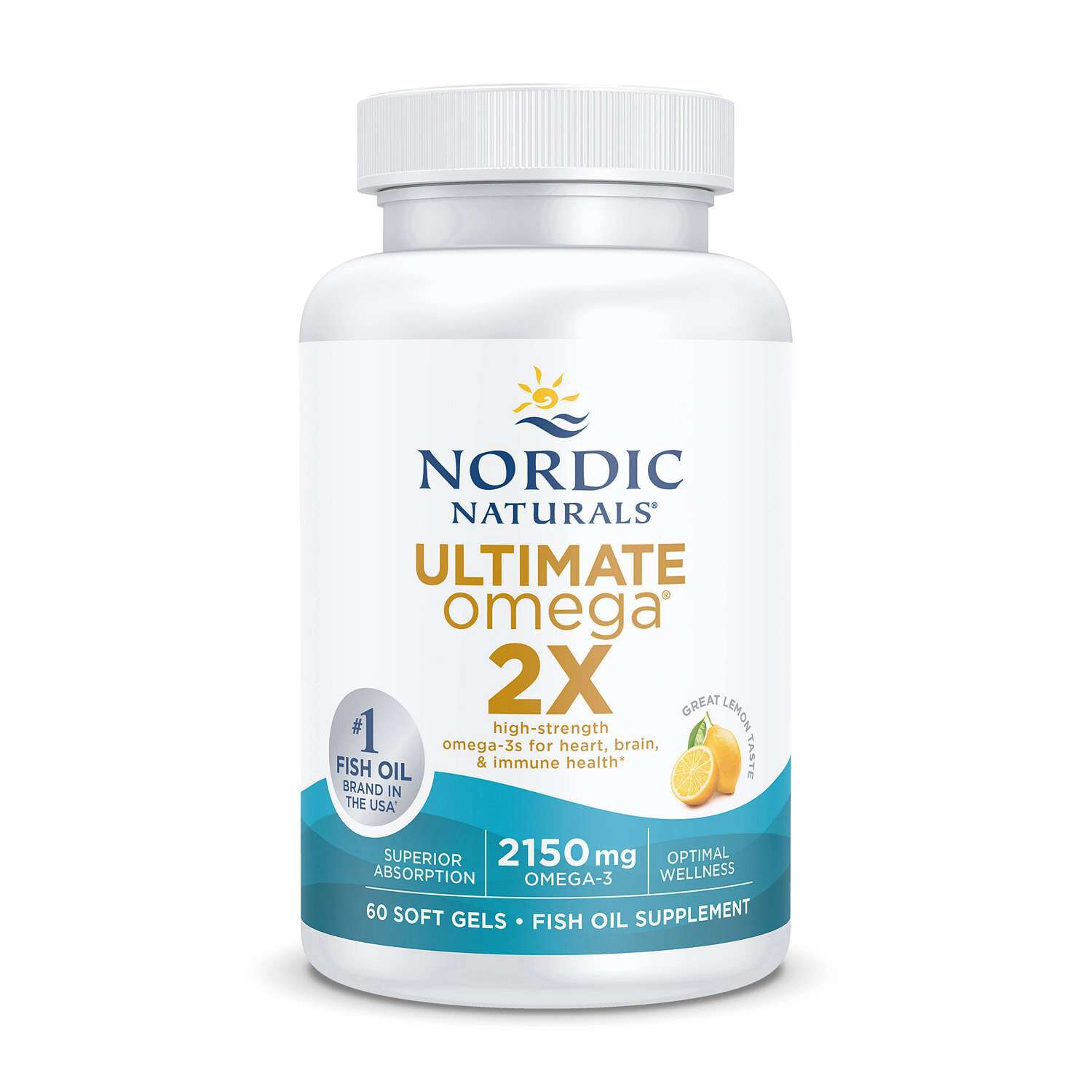 Nordic Naturals