





Plant Oils
(0 Results)
Discover the potential benefits of plant oils, a versatile addition to your wellness routine. These natural oils, extracted from seeds, nuts, and fruits, may offer a range of uses from skincare to culinary applications. Incorporating plant oils into your daily regimen could support overall health and well-being. Whether you're looking to enhance your beauty routine or explore new cooking options, plant oils might be the perfect choice for you. Dive into the world of plant oils and unlock their potential today.
-

-
-

-
 75$28.99
-

-
 $23.99
-
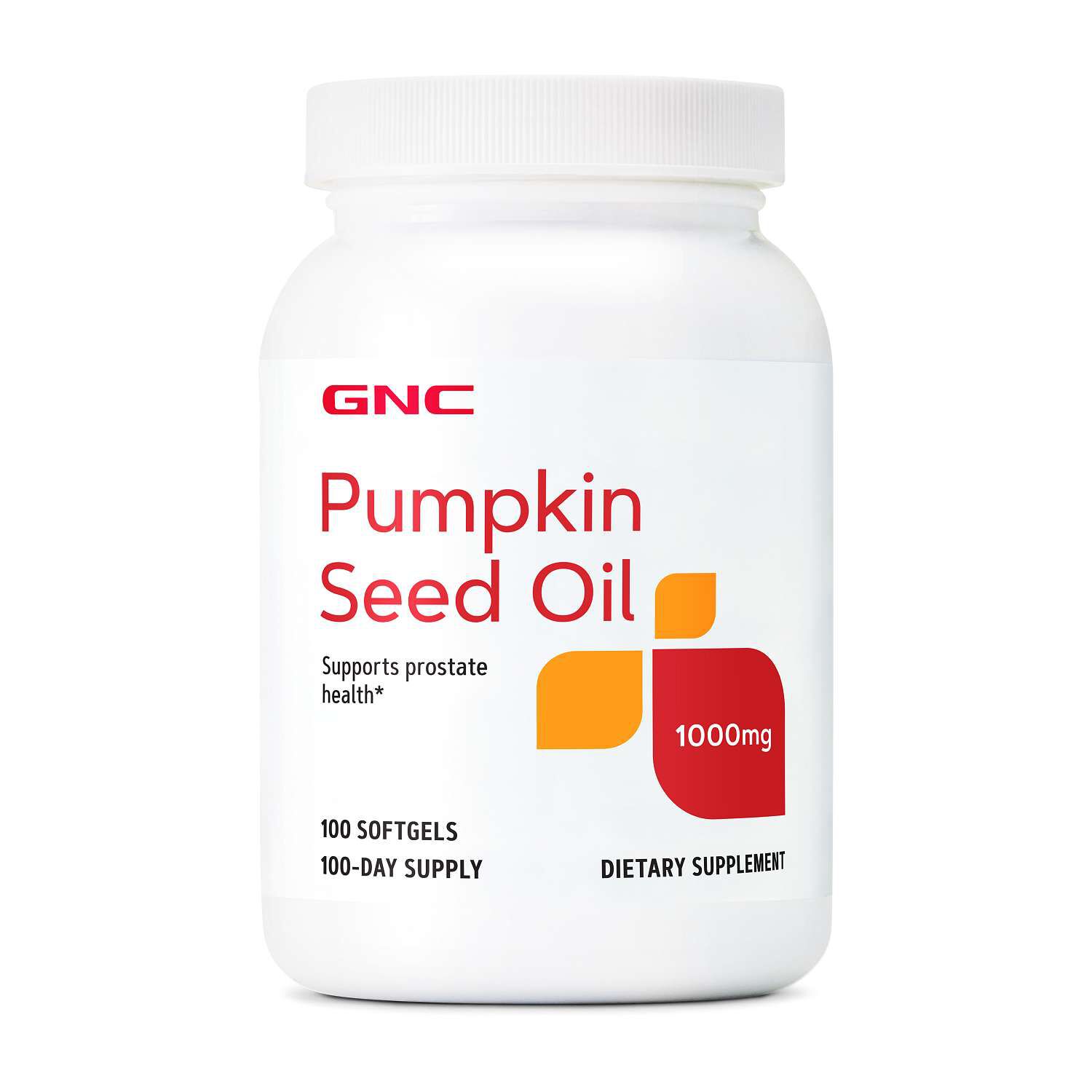
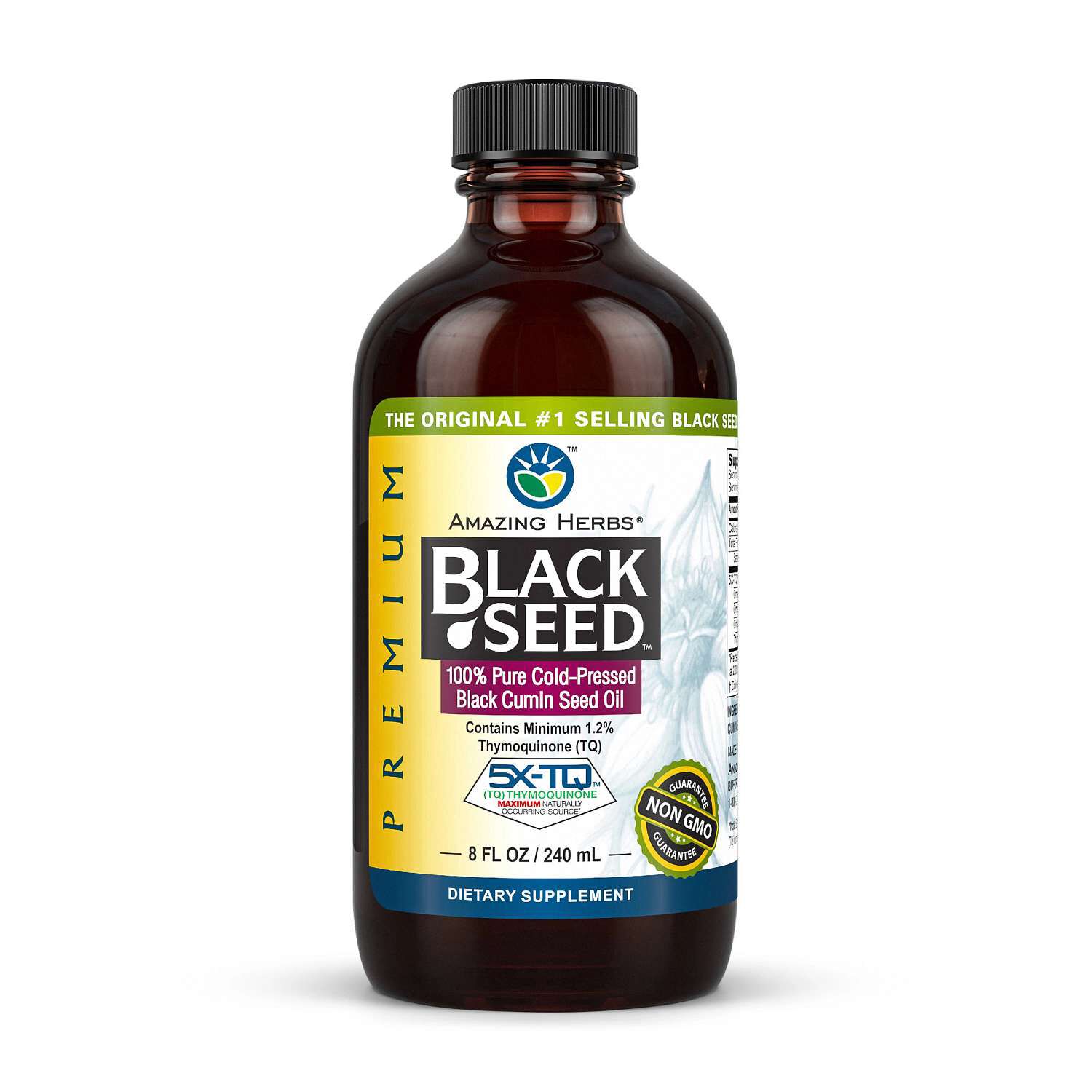
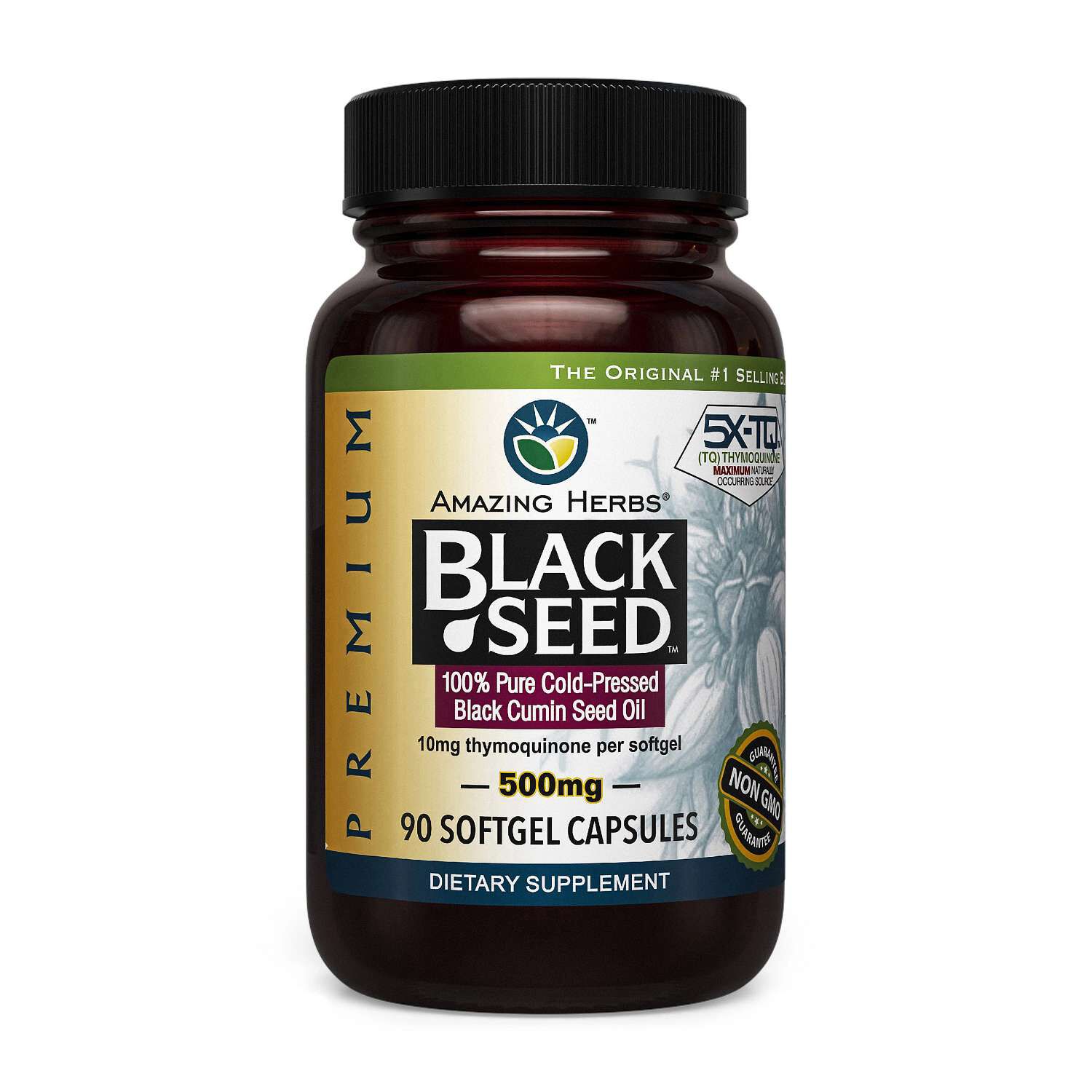
Plant oils are fats extracted from plant seeds, nuts, or fruits. Many have a liquid consistency, while others have a naturally firmer texture. Their composition includes triglycerides containing different proportions of monounsaturated, polyunsaturated, and saturated fatty acids, with the balance depending on the plant source. Familiar sources include sunflower, safflower, soybeans, corn, canola, olives, and coconut; other seed oils are used in dietary supplements. Plant oil supplements commonly come in softgels or bottled liquids, with packaging that identifies the source, serving size, and ingredients. Although plant oils also have a long history in cooking, baking, and food preparation, a supplement formula is not necessarily interchangeable with a culinary oil. Its intended use belongs on the label. Extraction and processing also distinguish one oil from another. Mechanical pressing separates oil from plant material, while other methods use solvents to extract it. Cold-pressed processing generally limits added heat during extraction, but that description alone does not establish the oil’s fatty acid composition or suitability for a particular use. Refining can include steps that remove gums, pigments, and strong aromas, producing a more neutral flavor and appearance. Unrefined oils often retain more of the source plant’s character, including a noticeable seed or nut flavor. Neither description makes every oil in that group alike. Flaxseed oil, for example, contains alpha-linolenic acid, or ALA, a plant-derived omega-3 fatty acid. Evening primrose and borage oils contain gamma-linolenic acid, or GLA, an omega-6 fatty acid. These are different components, not alternate names for the same ingredient. Understanding the source helps put broad terms such as “plant oil” and “omega oil” into context without treating them as a single formula. For shoppers comparing plant-based oil supplements, the meaningful distinctions start with the botanical ingredient, the amount in each serving, and the format—not simply the fact that an oil comes from a plant. A clearly identified source makes it easier to compare similar options while recognizing that oils from different seeds or fruits have different compositions.
Format is an important consideration when choosing plant oil supplements for an everyday routine. Softgels enclose a measured quantity of oil in a flexible shell, while bottled liquids require measuring according to the package directions. Someone who prefers a supplement organizer may find softgels convenient, whereas someone who prefers a liquid format may favor a bottle. Capsule dimensions, the number of softgels in a serving, and the amount of oil per serving all matter when comparing formats. A front label may highlight an oil amount, but the serving information shows whether that amount applies to one softgel or several. The weight of the oil is also different from the weight of a particular fatty acid within it, so those figures should not be treated as interchangeable. For liquid oils, flavor and aroma can be part of the experience: a seed-derived oil may have a noticeable earthy or nutty character, while a refined oil may taste more neutral. Directions determine whether a liquid is intended to be taken on its own or used with food; suitability for cooking should not be assumed from the ingredient name. The material surrounding the oil deserves attention, too. A plant-derived filling does not automatically mean that its softgel shell is plant-based, because some shells contain animal-derived gelatin. Vegetarian or vegan labeling, shell ingredients, and any listed flavorings provide more context for shoppers with dietary preferences. Single-source formulas identify one principal oil, while blends combine oils or include additional ingredients. Reading the full ingredient list makes that distinction clearer than relying on the main label alone. Allergen statements are relevant when an oil comes from a seed or nut, and organic certification describes agricultural production rather than establishing that every certified oil has the same composition. These details may matter to people following vegetarian eating patterns, shoppers who prefer a particular botanical source, or anyone looking for a format that fits alongside other daily supplements. A clearly presented label makes those comparisons more straightforward.
Care and packaging also shape the experience of keeping plant oils at home. Exposure to air, light, and excessive heat can affect an oil’s freshness, so storage directions are part of the product information rather than an afterthought. An oil bottle left open beside a stove has a different storage environment from one kept tightly closed in a cabinet. Dark-colored bottles or opaque containers limit light exposure, but they do not replace the need to follow the stated storage instructions. Some liquid oils have refrigeration directions after opening, while others have different requirements; the package is the appropriate reference for that distinction. Closures, seals, and dispensing designs matter for everyday handling, especially when a liquid bottle is opened repeatedly. Softgels keep individual portions enclosed until use, although the container still needs the care described on its label. The best-by date, any after-opening directions, and the serving count help shoppers choose a package size that matches their expected use. A larger bottle is not automatically a better fit for someone who uses only a small amount, particularly when its contents have specific handling requirements after opening. For travel, a securely closed package with readable directions may be more practical than an unmarked container, and liquid formats call for attention to leakage and transport rules. Comparisons can also extend beyond plant sources. Marine Lipid Oil Supplements represent another source category, with different ingredient origins and fatty acid profiles. Fish-derived oils commonly contain EPA and DHA, which are distinct from the ALA associated with flaxseed oil. Shared omega terminology does not make these oils identical, and source preferences remain relevant for people choosing plant-derived ingredients. Across the category, the most useful distinctions are concrete: which plant supplies the oil, how the formula is presented, what each serving contains, which additional materials are included, and how the package is intended to be stored. Those details connect the broad background of plant oils to the practical experience of selecting and using a dietary supplement.
Best Sellers
-
GNC SuperFoods
-
Amazing Herbs
-
 Amazing Herbs
Related Pages


Top Collections
- Zinc Supplements | Top Brands at Great Prices | GNC
- Cortisol Supplements
- NAD+ Supplement Tablets
- Top Rated Collagen | Shop Customer Favorites | GNC
- Best Brand of Magnesium Glycinate
- Peptide Supplements
- Vitamins That Help Support Weight Gain
- Protein Powders For Muscle Growth Support
- Vitamins For Hair Loss
- Peptide Supplements for Muscle Growth