





Mass Gainer For Teens
(0 Results)
Finding the right mass gainer for teens may support those looking to complement their daily nutrition and fitness routines. With options designed to fit a variety of lifestyles and goals, mass gainers for teens could be a convenient way to help meet daily calorie and protein needs. Explore a range of choices that may align with active schedules and evolving nutritional demands.


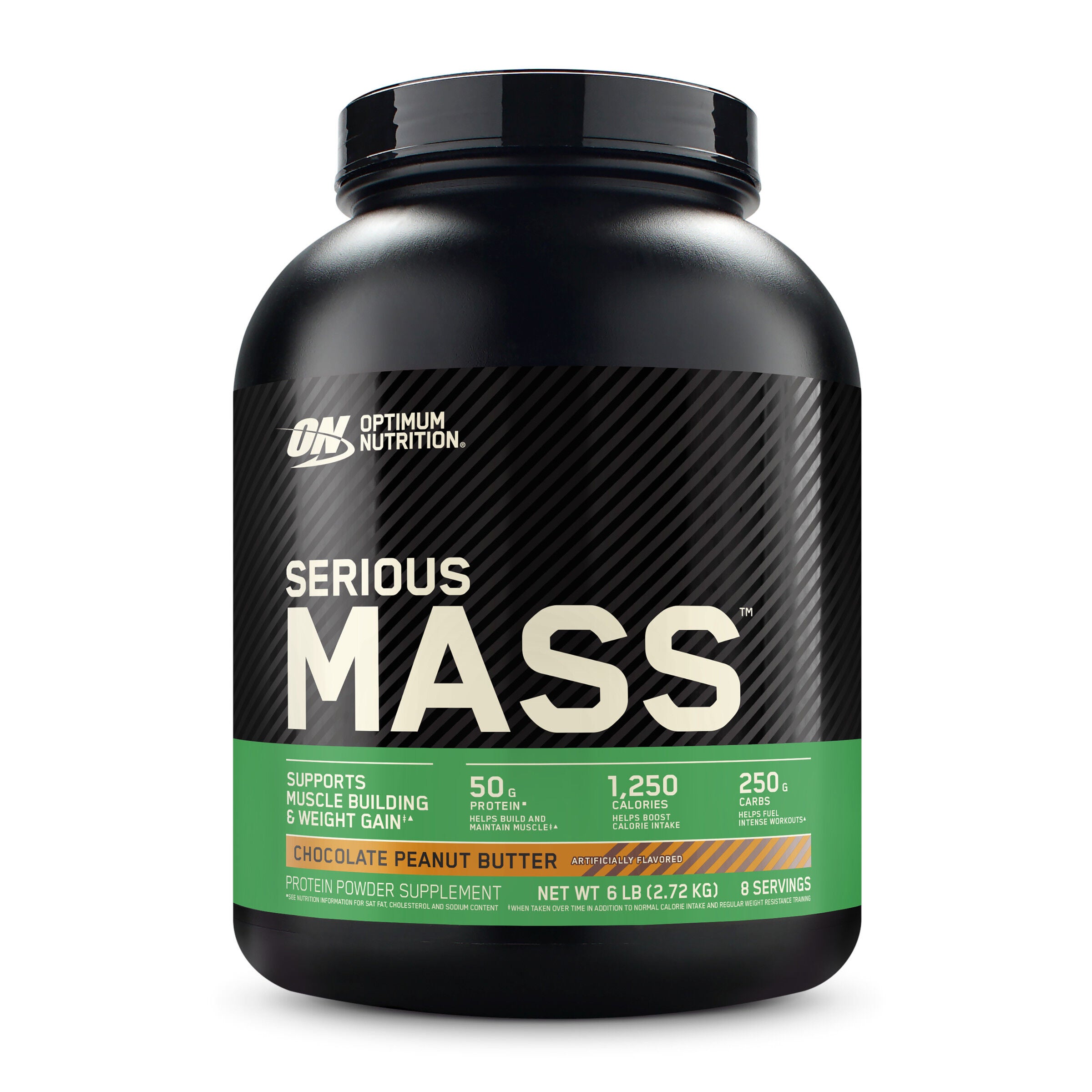


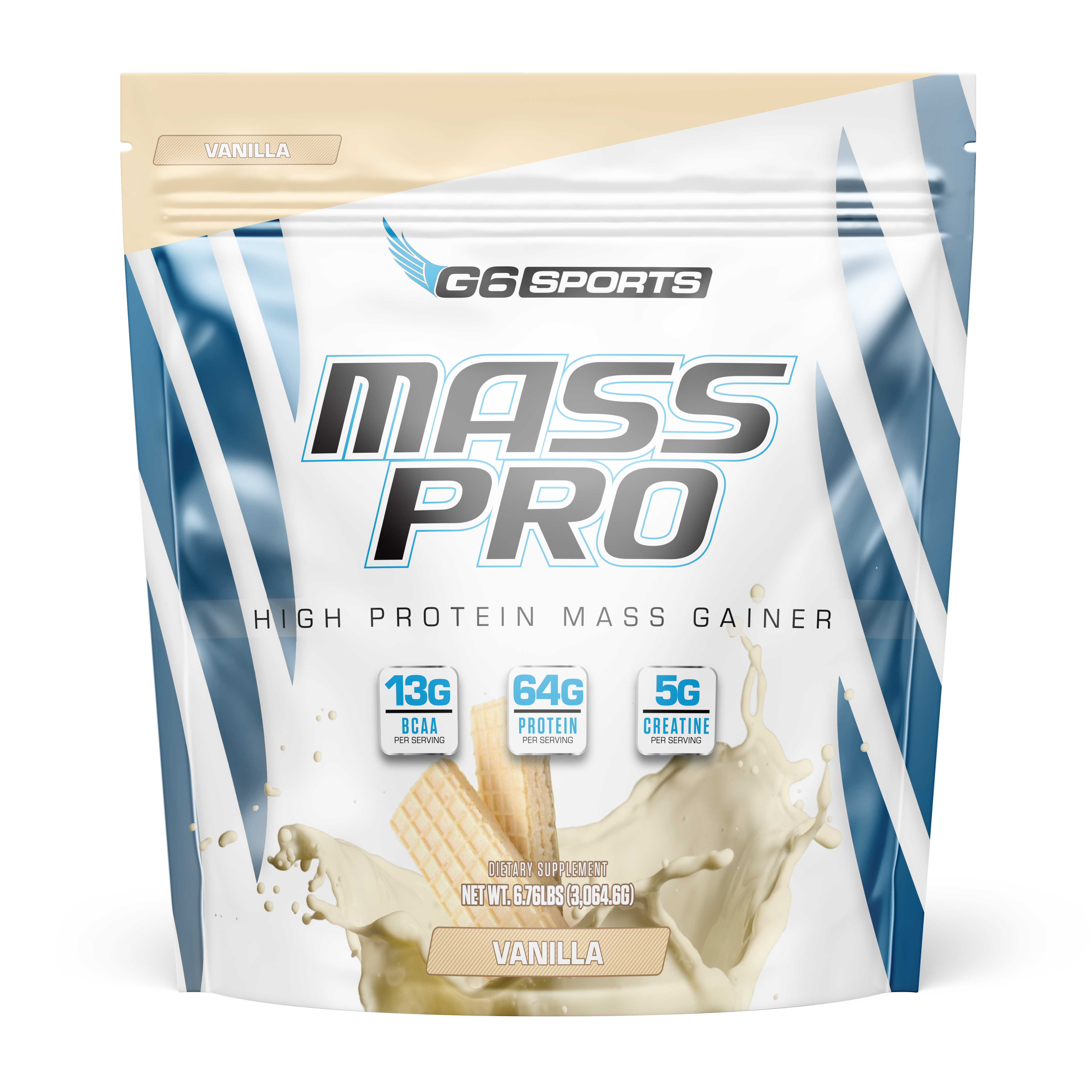


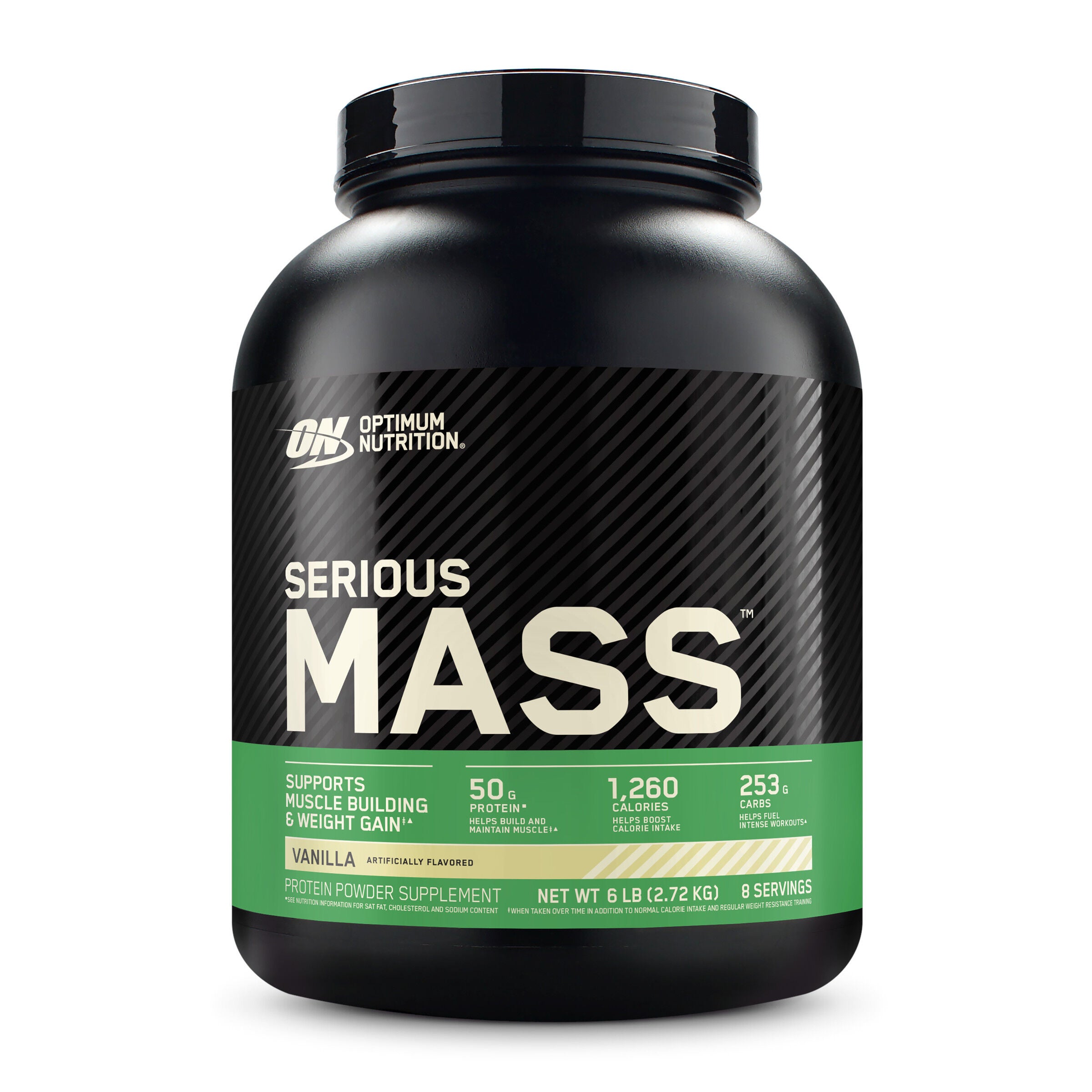
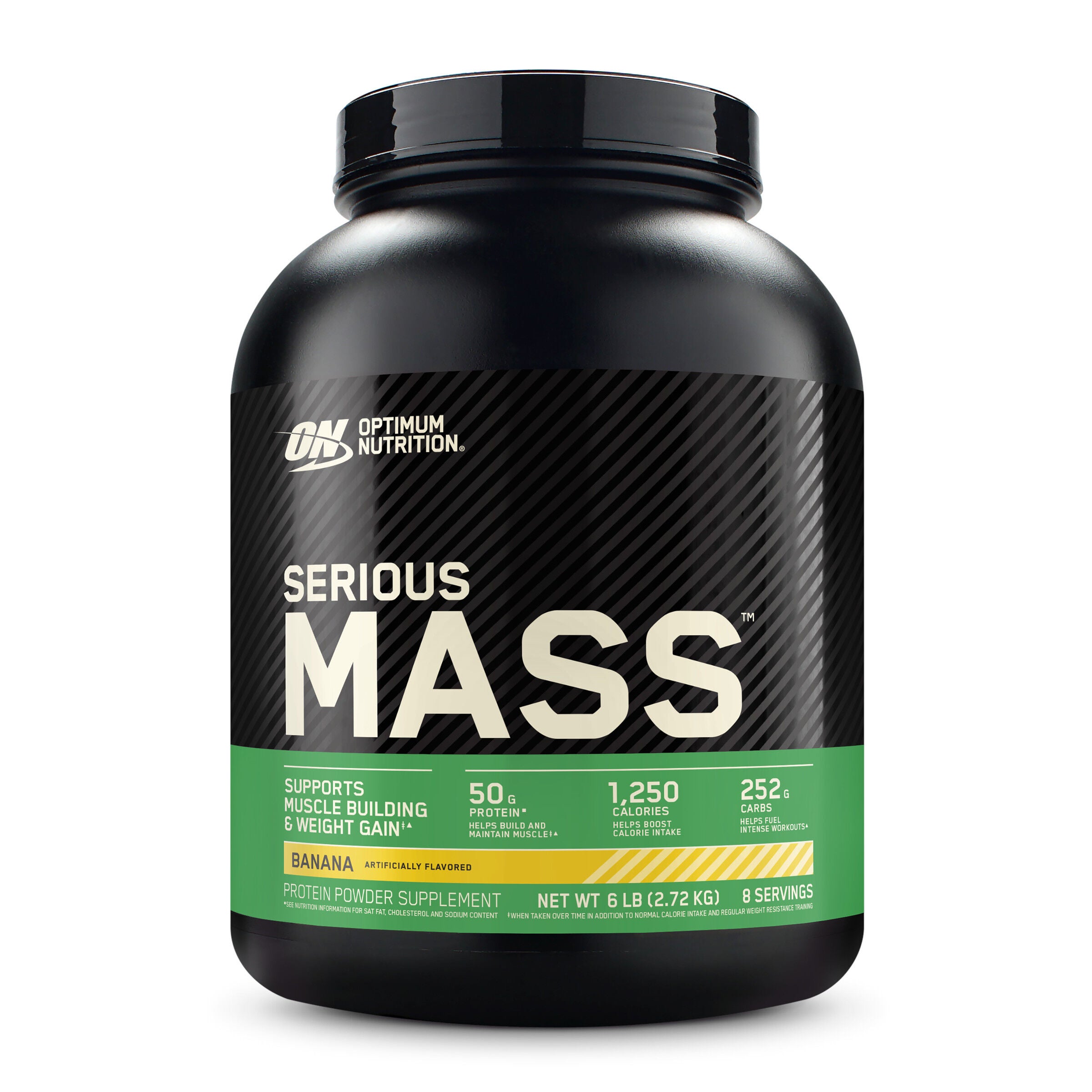


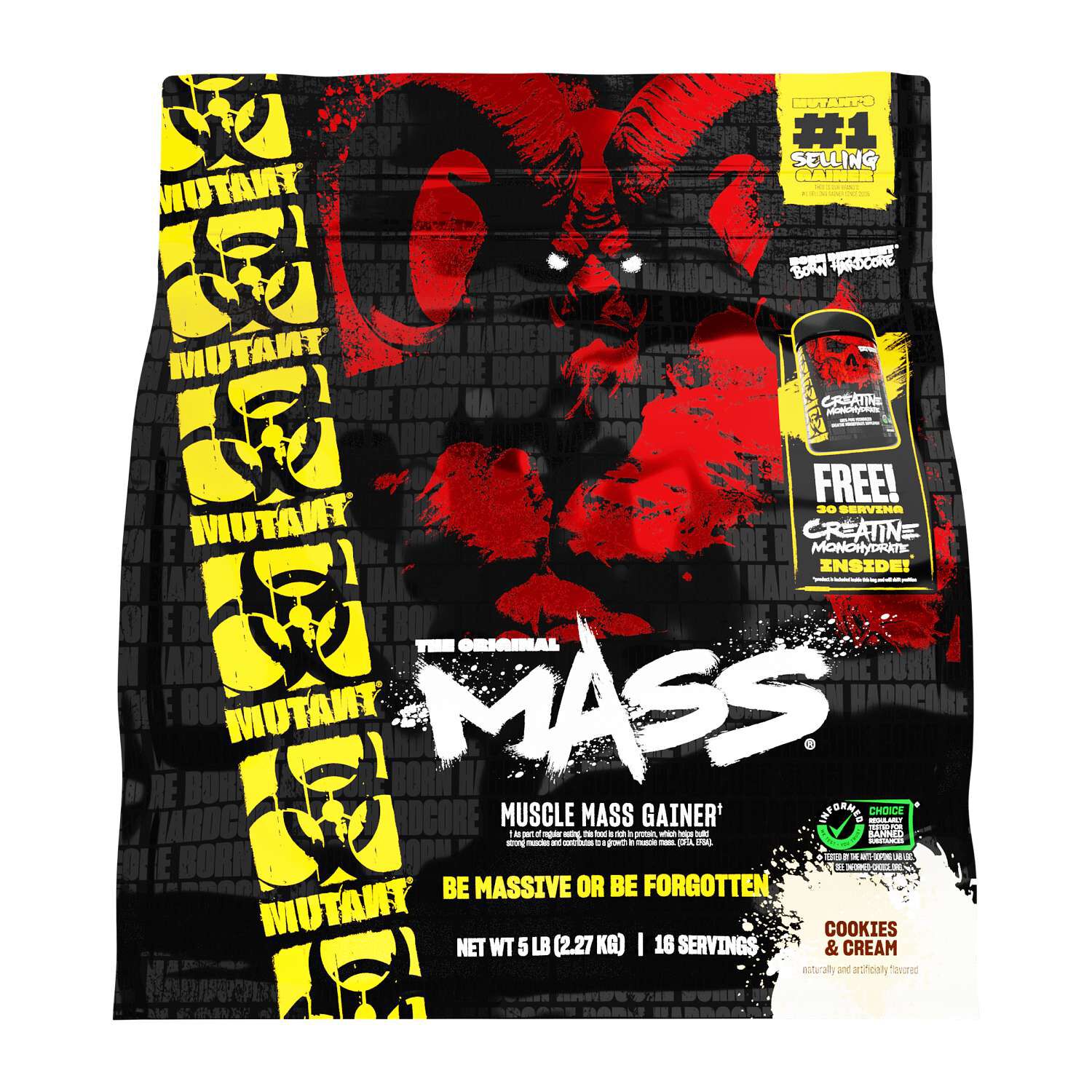
Mass gainers are powdered nutrition products that combine carbohydrates and protein, often with fat, in a calorie-dense drink mix. They differ from many standard protein powders because their formulas emphasize calories alongside protein rather than protein alone. A search for mass gainer for teens brings together a product category and an age group with very different needs across its younger and older members. The category name does not establish that a formula is intended for everyone in that group, and a listing on a themed page is not an age recommendation. The intended audience, age restrictions, ingredient list, and preparation directions belong to each individual label. Some formulas are labeled for adults, an important distinction when a parent or caregiver is comparing powders for a household with teenagers. These products are generally designed for supplemental use rather than as replacements for everyday meals, and their names do not predict a particular change in body size or athletic performance. School schedules, recreational sports, and individual food preferences provide context for shopping, but none establishes that a teenager needs a mass gainer. Descriptions such as weight gainer, mass powder, and high-calorie shake can refer to products with substantially different nutritional profiles. One may contain a blend of carbohydrate sources and dairy proteins, while another may use plant-derived ingredients or include additional components beyond the main nutrition blend. Even containers with similar flavors and package sizes can have different serving amounts and preparation requirements. For families browsing this category, the most useful distinctions are concrete: whom the label addresses, what the powder contains, how a serving is defined, and how it is intended to be prepared. Appearance-based names and athletic imagery offer less information than those details. A thoughtful comparison leaves room for personal preferences without treating a larger body, a particular physique, or a faster change in weight as a requirement for participation in school, sports, or everyday life.
The label provides a clearer picture of a mass gainer than the front of the container alone. Calories per serving, grams of protein, carbohydrate content, fat, and added sugars describe different aspects of the formula, and none tells the entire story in isolation. Serving size matters because a serving may consist of more than one scoop; a large calorie number can reflect a large quantity of powder rather than a small, concentrated scoop. Nutrition information may also distinguish the powder itself from a shake prepared with milk. Those are different comparisons, particularly when one package presents a prepared drink prominently and another emphasizes the dry mix. Ingredient sources add another layer of detail. Whey and casein come from milk, while pea, rice, and soy are examples of plant-derived protein sources. Carbohydrate ingredients may include oats, maltodextrin, or other grain-derived components, depending on the formula. Added sugars and carbohydrate content are separate label entries, so a lower added-sugar figure does not necessarily mean a lower-carbohydrate drink. For households with food allergies or specific ingredient preferences, the allergen statement and manufacturing disclosures are relevant alongside the main ingredient list. A plant-derived protein source does not, by itself, describe every ingredient in the finished powder. Some gainers also contain added vitamins, minerals, creatine, caffeine, or other blends; these are meaningful differences rather than interchangeable extras. Clear ingredient amounts and readable age information make products easier to compare, while a long ingredient list is not evidence that a formula is a better match for a teenager. Flavor descriptions have their own practical limits. Chocolate, vanilla, and other familiar profiles describe taste, not nutritional suitability, and sweetness can come from different ingredients. For a parent reviewing a label at the kitchen counter, the useful question is not whether the tub looks designed for athletes, but whether its stated audience, composition, and directions are clear. The label remains the reference point rather than an adult serving assumption borrowed from another product.
Preparation, texture, packaging, and storage also shape how these powders fit into a household. Mass gainer mixes can make a thicker drink than a standard protein powder because the serving may contain substantially more dry material. Depending on the formula, a shaker cup may leave a different texture than a blender, and the amount of liquid specified on the label affects the finished consistency. A large shaker does not necessarily have enough room for the listed liquid, powder, and mixing space, so container capacity is a practical detail rather than an afterthought. At a busy kitchen counter, a wide opening and clearly marked measurements may make preparation less awkward, while equipment care follows the cup or blender manufacturer's directions. Water, dairy milk, and plant-based beverages create different tastes and change the nutrition of the prepared drink; a photo of a creamy shake does not reveal which liquid was used. Powder storage deserves similar attention. Resealable packaging, a legible date, and the manufacturer's storage instructions are relevant to keeping the container in usable condition. Dry powder and a prepared shake have different storage requirements, and a drink mixed before school is not the same as a sealed container sitting in a pantry. The printed directions provide the applicable handling information without relying on assumptions from a different powder. Household preferences matter, too: an intensely sweet flavor or a dense texture may be less appealing than the package imagery suggests. These sensory details are useful for comparison, but they do not establish age suitability. Families comparing drink formats can also explore Best Protein Shakes for Teens for a related category, while recognizing that protein shakes and mass gainers are not interchangeable terms. Protein amount, calorie content, serving format, and age labeling can differ across both. For teen-focused browsing, the strongest product distinctions remain the ones printed on the package: intended use, age restrictions, ingredients, serving information, and preparation details. Those specifics provide a grounded view of the category without assigning a teenager a body-size goal or presenting a powder as a shortcut to athletic success.
Best Sellers
-
 GNC Pro Performance
 -
 GNC Pro Performance
 -
 GNC Pro Performance
 -
 GNC Pro Performance


