





Protein Snacks For Teens
(0 Results)
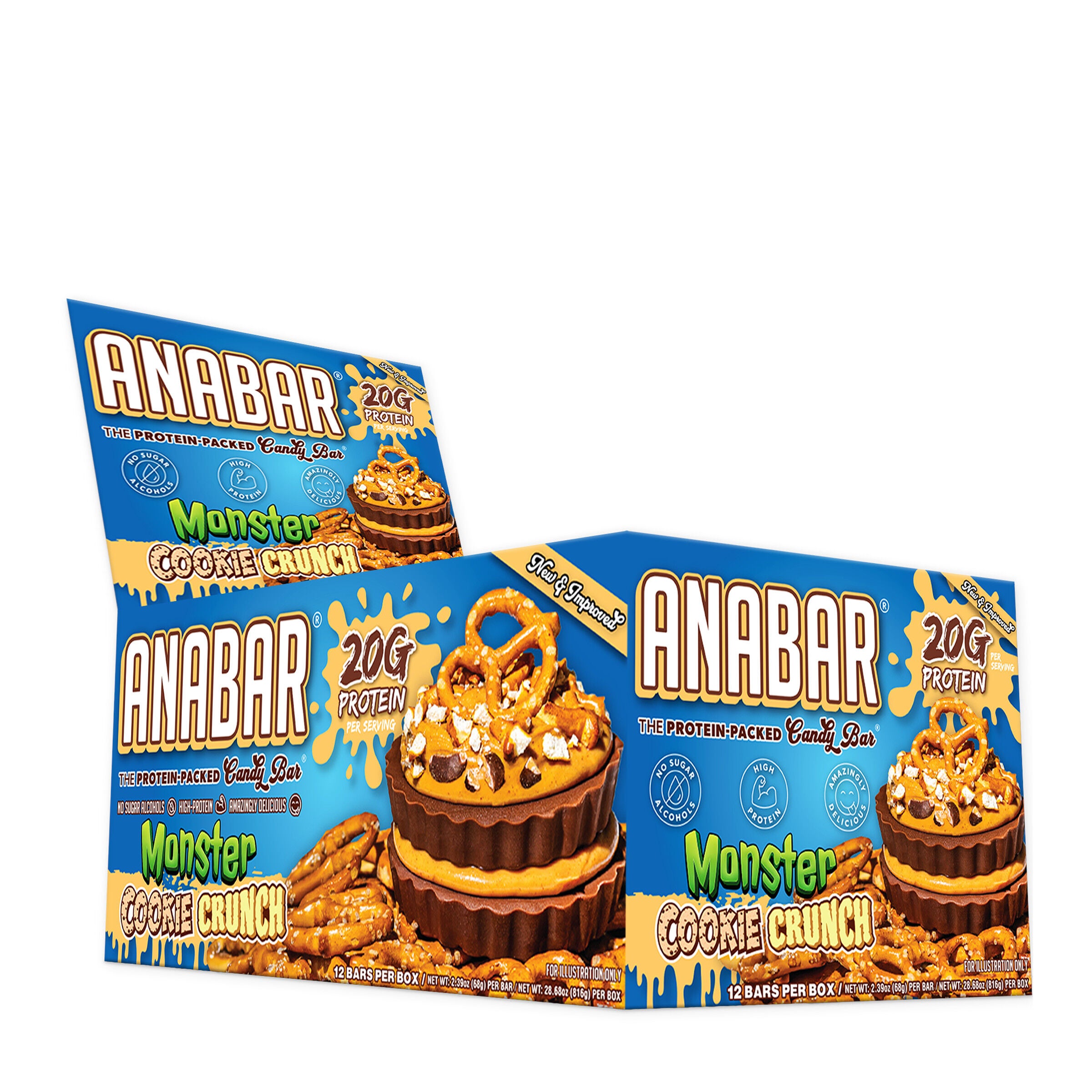
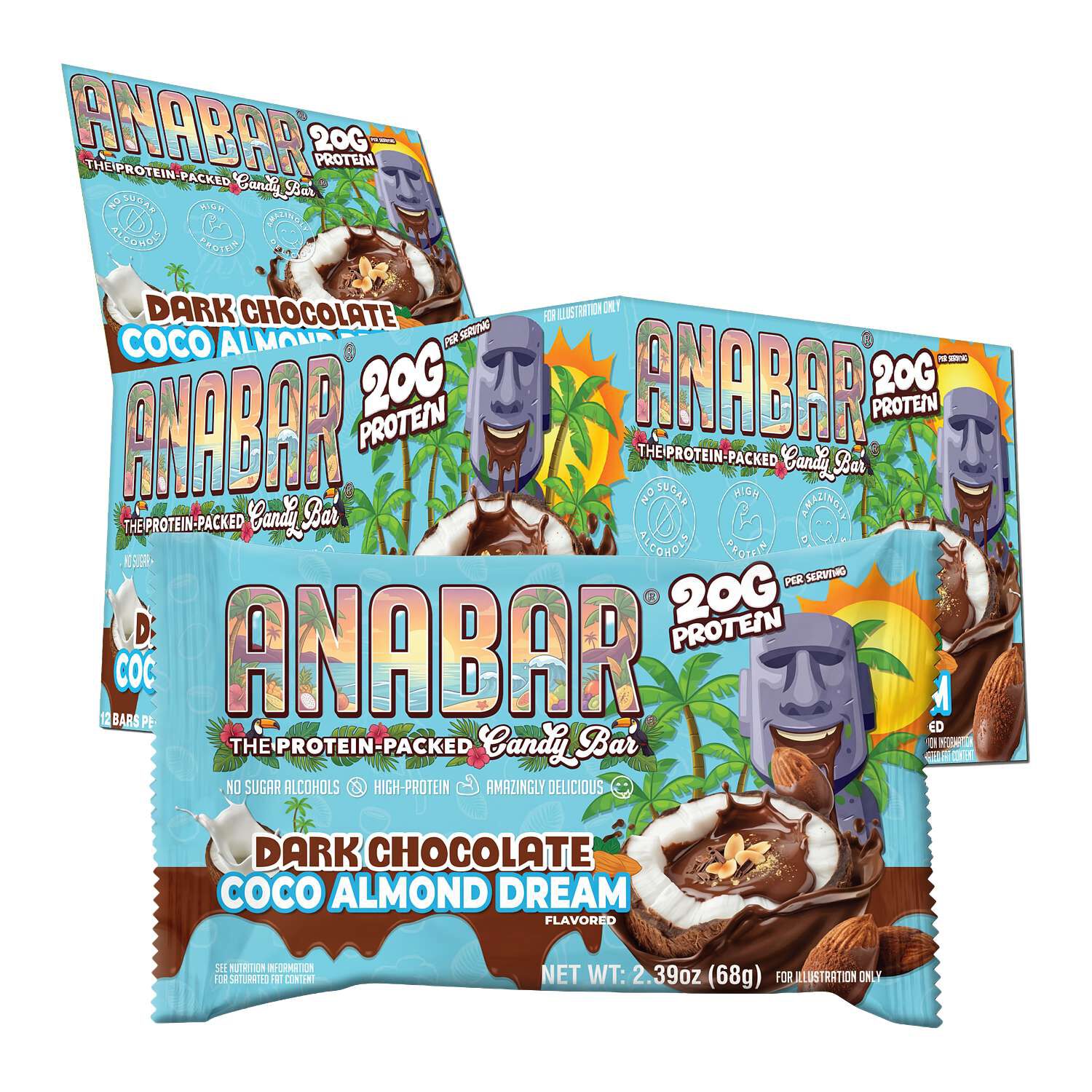
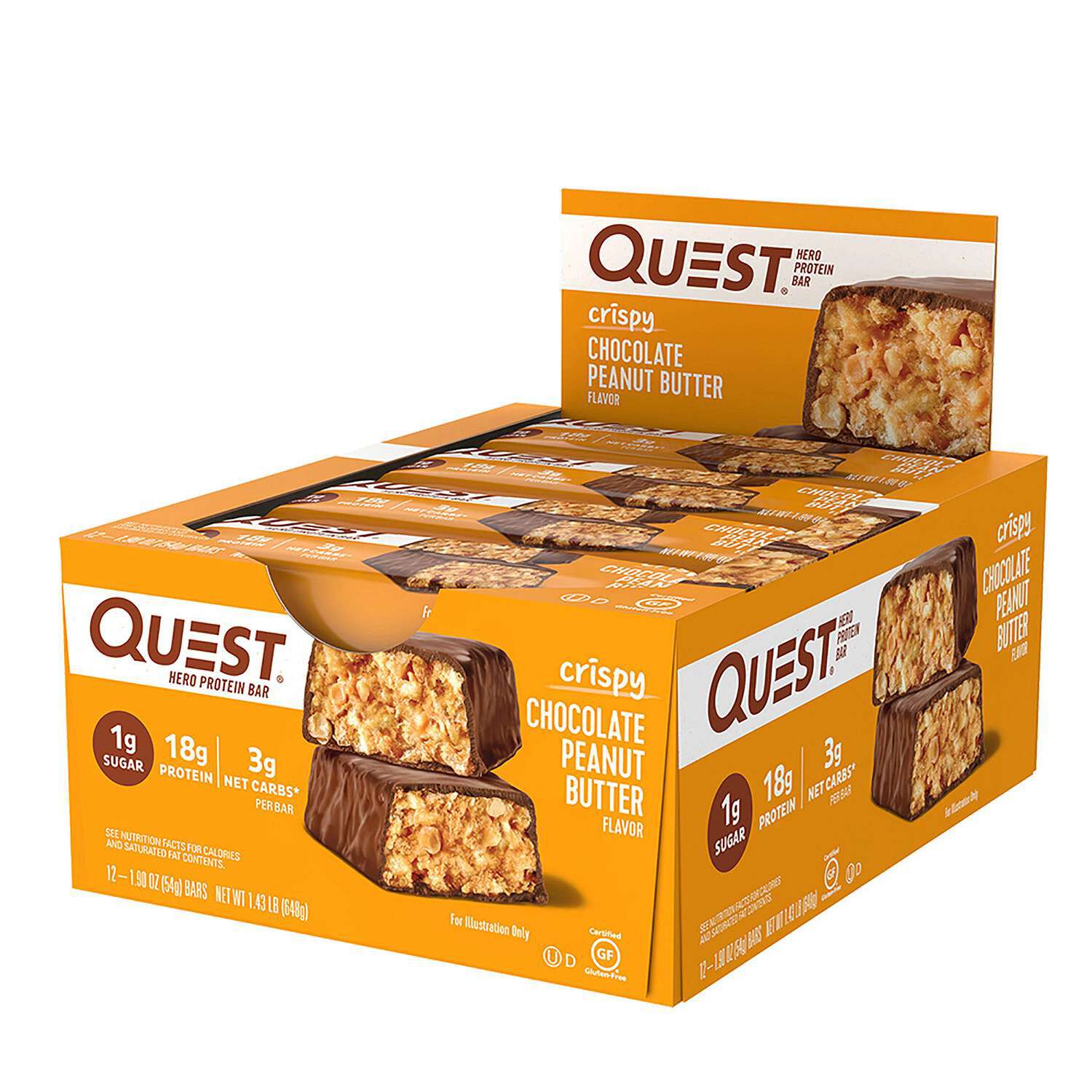
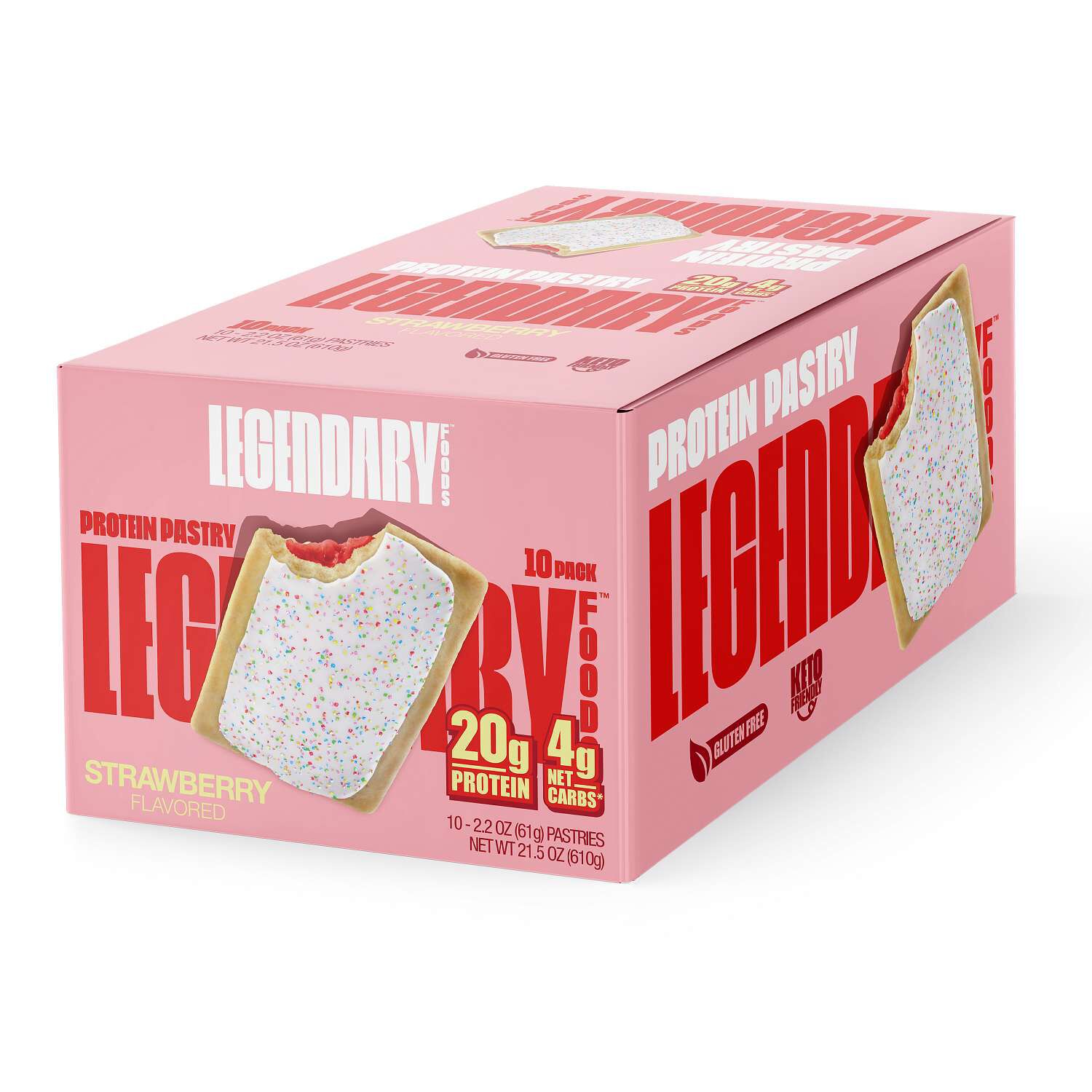
Protein snacks for teens may offer a convenient and tasty option for active lifestyles or busy school days. With a variety of flavors and formats available, these options are designed to fit easily into backpacks, lunchboxes, or after-school routines. Whether looking for something to enjoy between classes or as a quick bite before practice, protein snacks for teens may be a satisfying choice for busy days. Explore different textures and tastes to find a match for different preferences.
Protein snacks for teens are portioned foods that contain protein in familiar snack formats, including bars, bites, baked snacks, and crunchy options made with ingredients such as milk protein, nuts, seeds, soy, or peas. They belong alongside everyday foods in a varied eating routine, rather than taking the place of regular meals. For families shopping for school lunches, after-school activities, or weekend outings, the category brings together different textures, flavors, serving sizes, and packaging styles. A soft-baked snack may appeal to a teen who enjoys a muffin-like texture, while a crisp wafer or nut-based bite may suit someone who prefers a little crunch. Chocolate, peanut butter, vanilla, and fruit-inspired flavors are common starting points, but the experience also depends on the ingredients and how they are combined. Some snacks have a dense, chewy center; others have airy layers, a smooth coating, or visible pieces of nuts and seeds. These details matter when a snack will be eaten between classes, during a rehearsal break, or on the ride to an afternoon practice. A compact bar may be convenient for a backpack pocket, while several smaller bites may suit a teen who prefers to eat a little at a time. Individually wrapped portions and multipiece pouches also offer different approaches to packing and sharing. The most relevant choice is not necessarily the one with the largest protein number on the wrapper. Flavor preferences, age-appropriate labeling, ingredient suitability, and the amount a teen actually wants to eat all belong in the comparison. A familiar format may be more appealing than an unfamiliar texture, especially when lunch periods are short and schedules are crowded. Protein content is one useful detail, but the broader shopping picture includes the snack’s size, other ingredients, and intended use. For an everyday lunchbox, a modest portion may be a better match than a large, dense bar designed around adult sports nutrition.
Ingredient lists and Nutrition Facts panels provide concrete ways to compare protein snacks for teens without treating every package as interchangeable. Protein may come from whey, casein, egg whites, soy, peas, nuts, seeds, or a combination of sources. Whey and casein are milk-derived ingredients, while pea and soy proteins are plant-derived; a snack described as plant-based can still contain ingredients that matter to a household’s food preferences or allergy considerations. Milk, eggs, peanuts, tree nuts, wheat, soy, and sesame are among the ingredients and allergens worth noting on package labeling. Ingredient and allergen statements remain relevant even when the front of a wrapper emphasizes a particular flavor or protein source. Texture also varies within a category: a nut-based bar can be smooth or chunky, and a baked snack can be tender, crumbly, or chewy. Grams of protein should be read alongside the listed serving size, since one pouch or bar does not always equal one serving. Calories, carbohydrates, fiber, fat, and sugars provide additional context about the food, without making any single number the sole measure of suitability. Sweeteners, coatings, and fillings are other meaningful differences. A chocolate coating may appeal to a teen who enjoys dessert-like flavors, while an oat-based option may be more familiar to someone who usually reaches for a granola-style snack. Products positioned for adults deserve particular attention to age directions, caffeine content, and other added ingredients; protein content alone does not establish that a food is appropriate for teenagers. Packaging language about sports or performance is not a substitute for the intended-use information. Eating preferences also extend beyond protein sources: some households prioritize particular dietary certifications, while others focus on a short ingredient list or a texture their teen already enjoys. A category with varied formats allows those considerations to sit alongside taste, rather than reducing the decision to a single nutrition claim.
Packaging, storage, and the setting in which a snack will be eaten round out the selection. A wrapper intended for one sitting differs from a resealable pouch that contains several portions, particularly when a teen is packing a lunch independently. Package dimensions matter in a crowded lunch bag, and a rigid snack container may be useful for foods with delicate layers or a crumbly texture. A smooth-coated bar and a plain baked bite also present different considerations for handling, crumbs, and cleanup. Package storage directions establish whether a snack belongs in a pantry or requires refrigeration, and any directions for use after opening remain relevant for multipiece packages. These practical details are easy to overlook when shopping by flavor alone, yet they are part of the snack’s intended use. On a school day, a teen may want something simple to unwrap and eat during a short break. For a longer outing, individually wrapped portions may be easier to divide among family members than an opened communal pouch. At home, a snack can be served on a plate with fruit or another familiar food, with the combination shaped by preference and the rest of the meal routine. Household rules and school food policies also matter, particularly where certain ingredients are restricted or sharing food is discouraged. When shopping for several people, different ages and preferences may call for separate selections rather than one shared box. The Protein Snacks for Seniors category offers a separate place to browse for another age group, while teen-focused shopping remains centered on suitable labeling, familiar flavors, and everyday routines. For teens, the most practical assortment may include a few contrasting textures and portion sizes rather than many versions of the same snack. A chewy option for home, a compact wrapped portion for a lunch bag, and a small pouch for an outing represent different uses within the same category, with ingredient details and personal preferences guiding each selection.
- Q: What are protein snacks for teens?
A: Protein snacks for teens are convenient, ready-to-eat foods that contain protein and may be enjoyed as part of a balanced diet. These snacks might include bars, shakes, bites, or other portable options. - Q: When might teens enjoy protein snacks?
A: Teens may enjoy protein snacks after school, between meals, before or after activities, or whenever they want a quick and tasty option that contains protein. - Q: What types of protein sources are commonly found in teen-friendly protein snacks?
A: Protein snacks for teens often feature sources such as whey, soy, pea, or nut butters. Some options may also include seeds or dairy-based proteins. - Q: Can protein snacks fit into a teen’s active lifestyle?
A: Protein snacks may be a convenient choice for teens with busy schedules or those who participate in sports and activities, as they can be easy to take on the go. - Q: Are there different flavors of protein snacks available for teens?
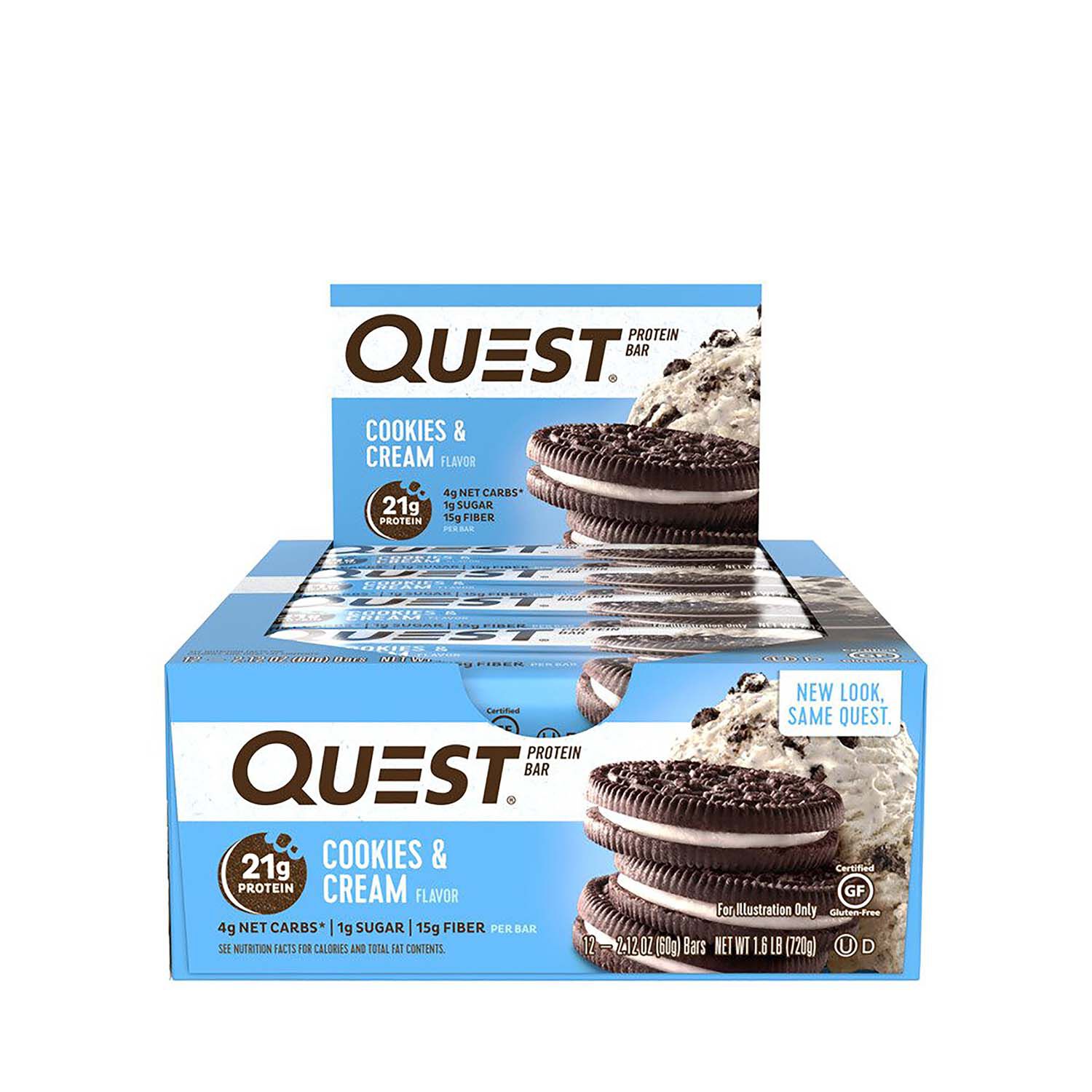
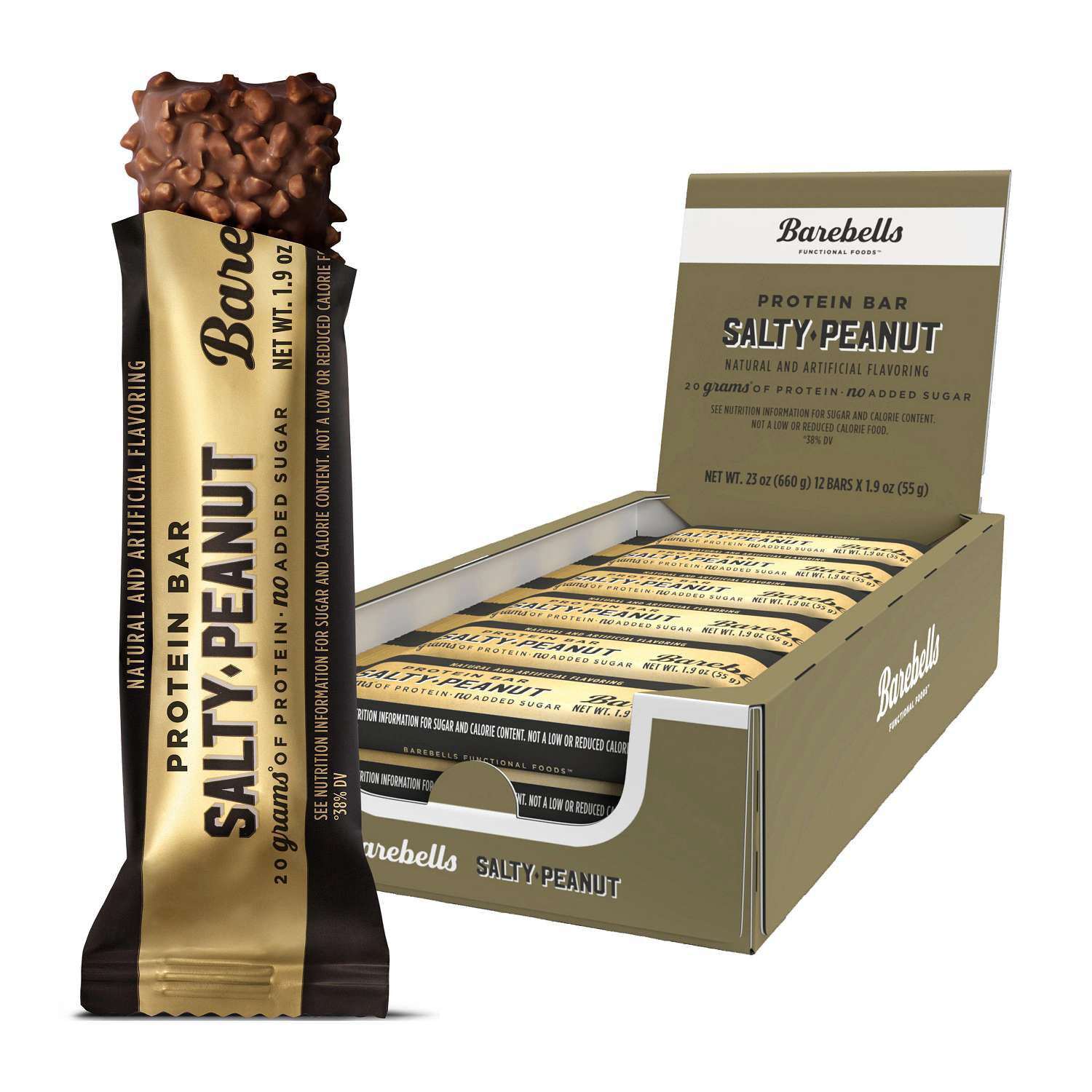
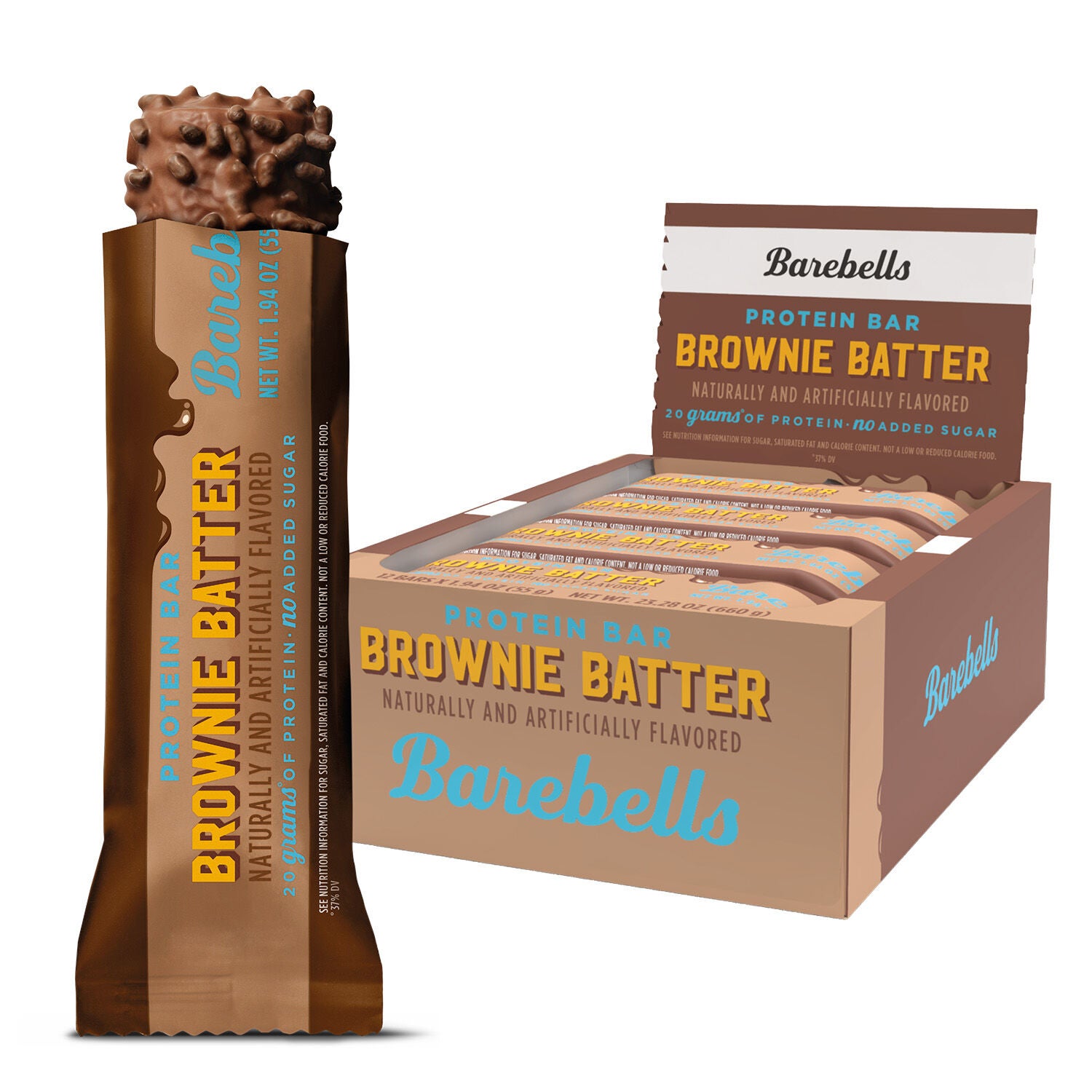
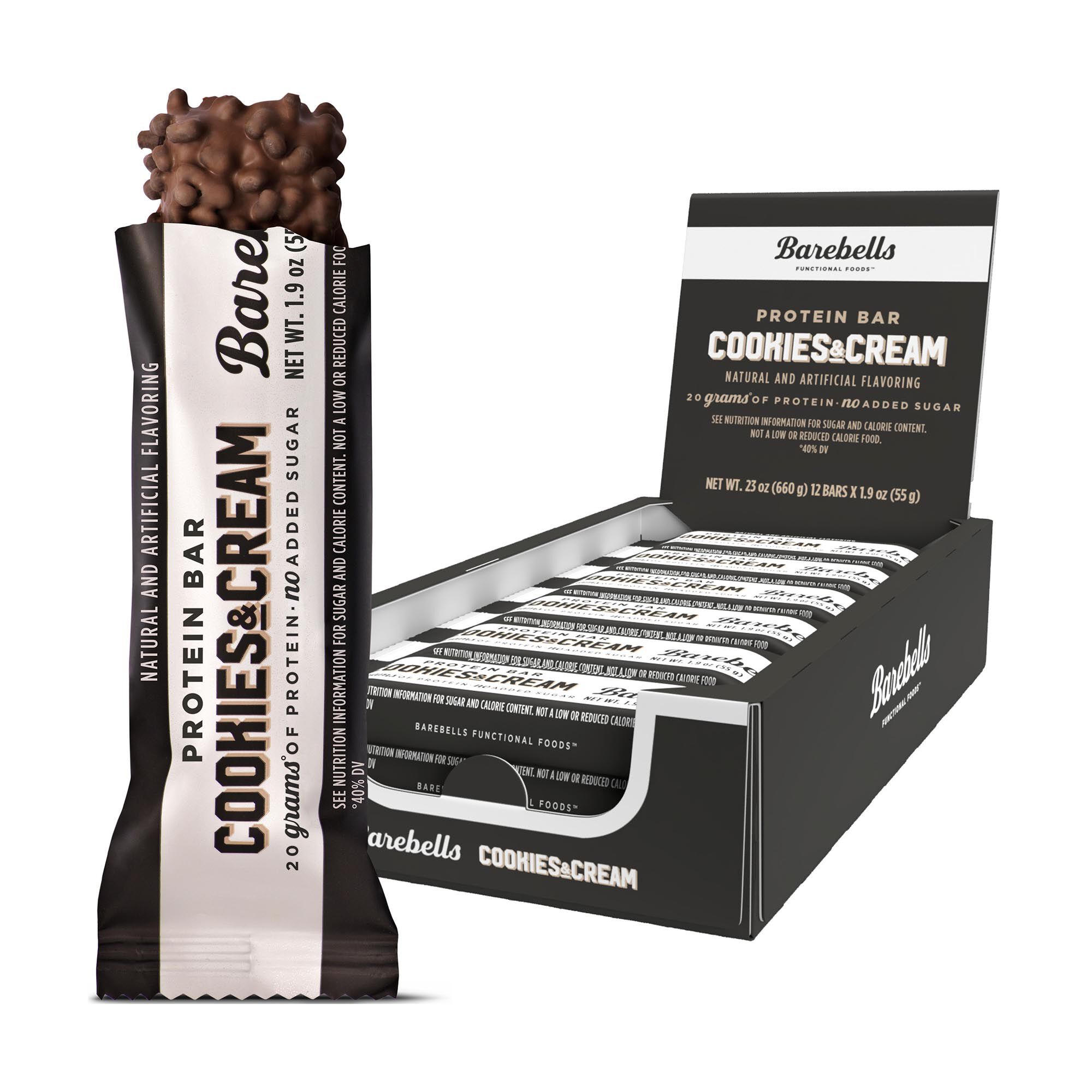
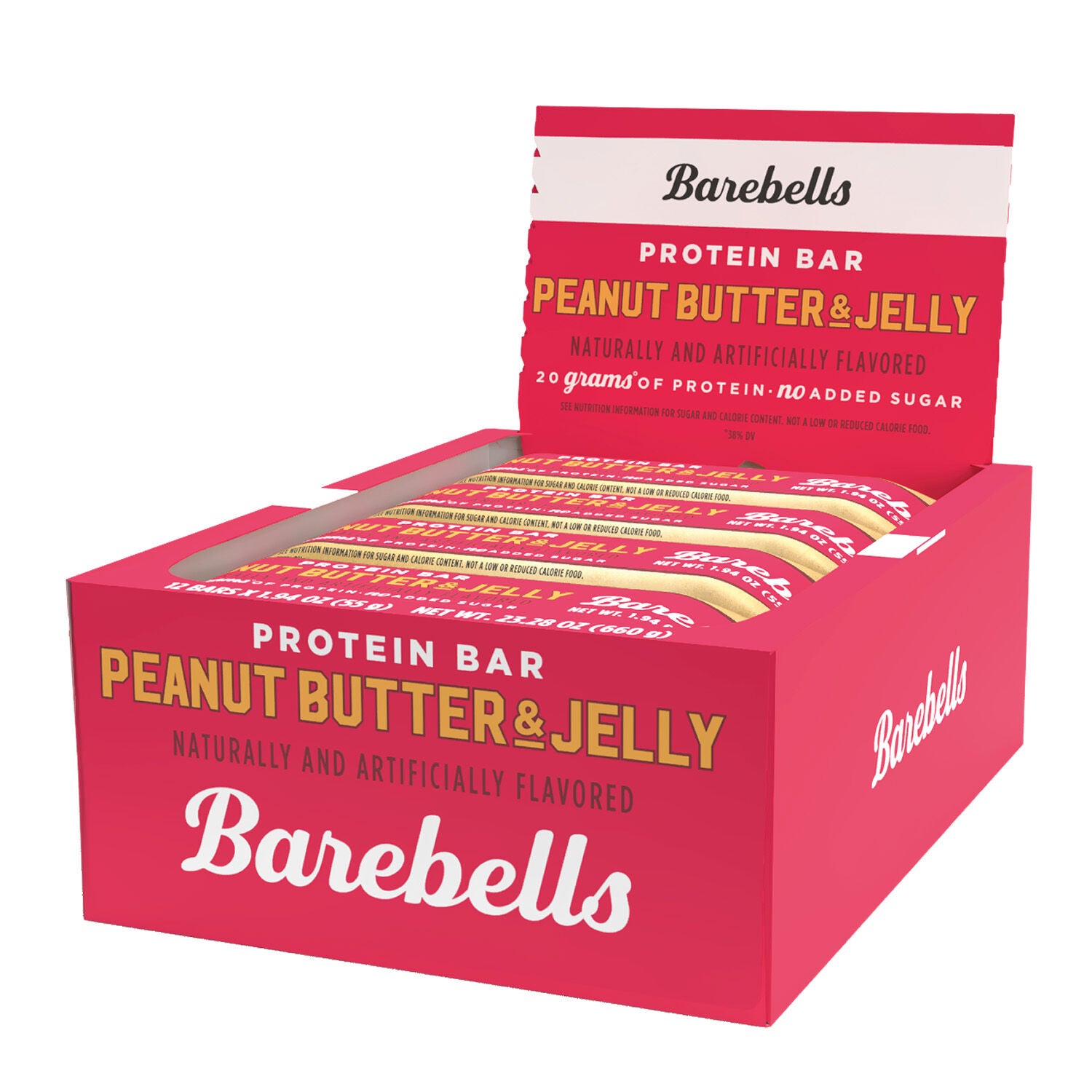
A: Yes, many protein snacks come in a variety of flavors that might appeal to teens, such as chocolate, peanut butter, cookies and cream, fruity blends, and more.








Best Sellers

Related Pages

Top Collections
- Joint Mobility Supplement Packs
- Daily Collagen Supplements | Top Brands & Deals | GNC
- GLP 1 Support For Adults
- Zinc Supplements | Top Brands at Great Prices | GNC
- Supplements For Yoga Joint Flexibility
- Supplements For Balance
- Capsule Supplements For Energy And Stamina
- Adult Mobility Supplements
- Chronic Fatigue Supplements
- Vitamins For Hair Loss