





Protein Snacks For Seniors
(0 Results)
Protein snacks for seniors may offer a convenient and enjoyable way to support daily nutrition goals. These options come in a variety of formats and flavors to fit a range of lifestyles and preferences, making it easy to find something that suits individual tastes. Whether looking for a quick bite between meals or a satisfying addition to a balanced routine, protein snacks for seniors may provide a simple and tasty solution. Explore a range of choices that may fit senior snack routines, all in one place.
-

-
-

-

-
-
-
-
-
-
-
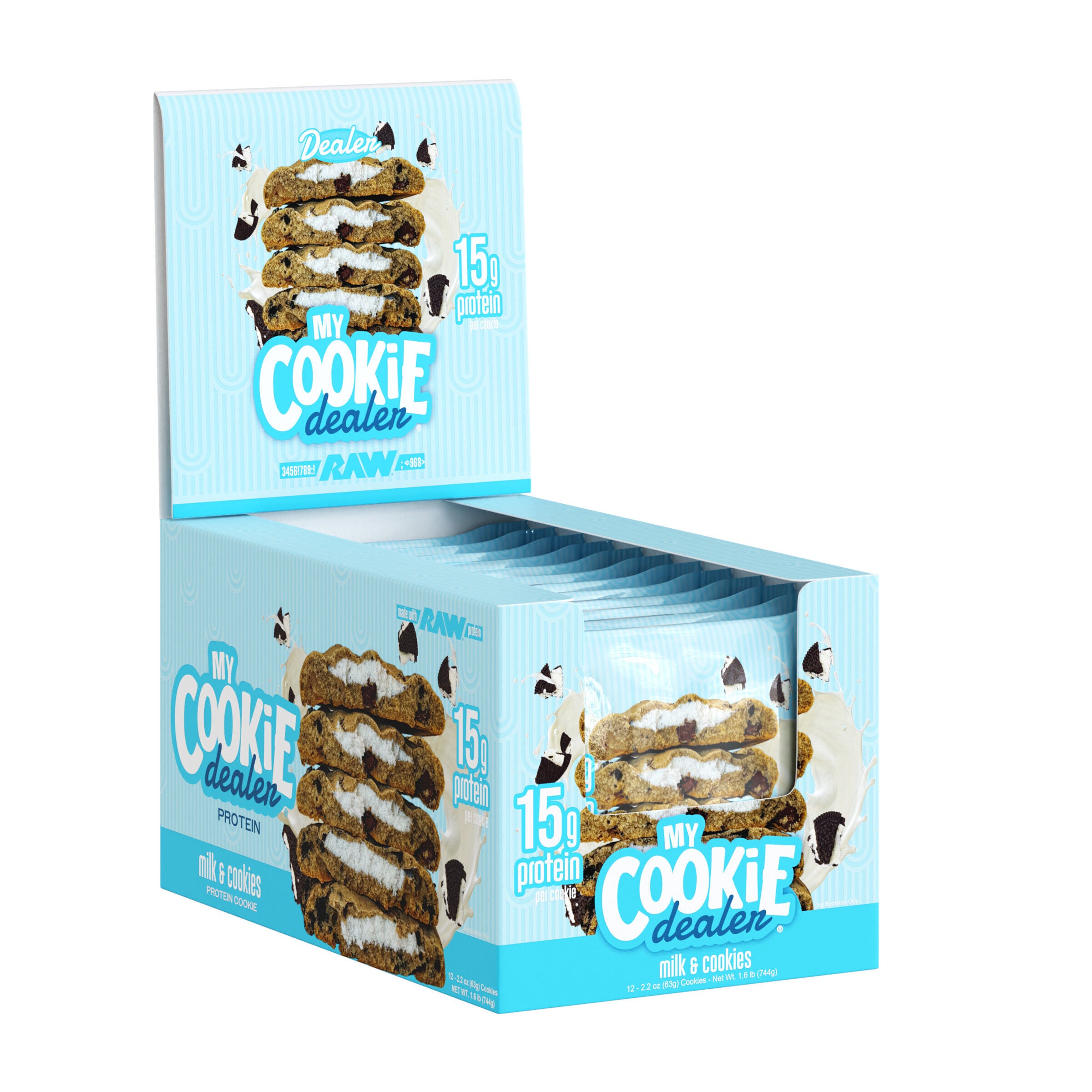
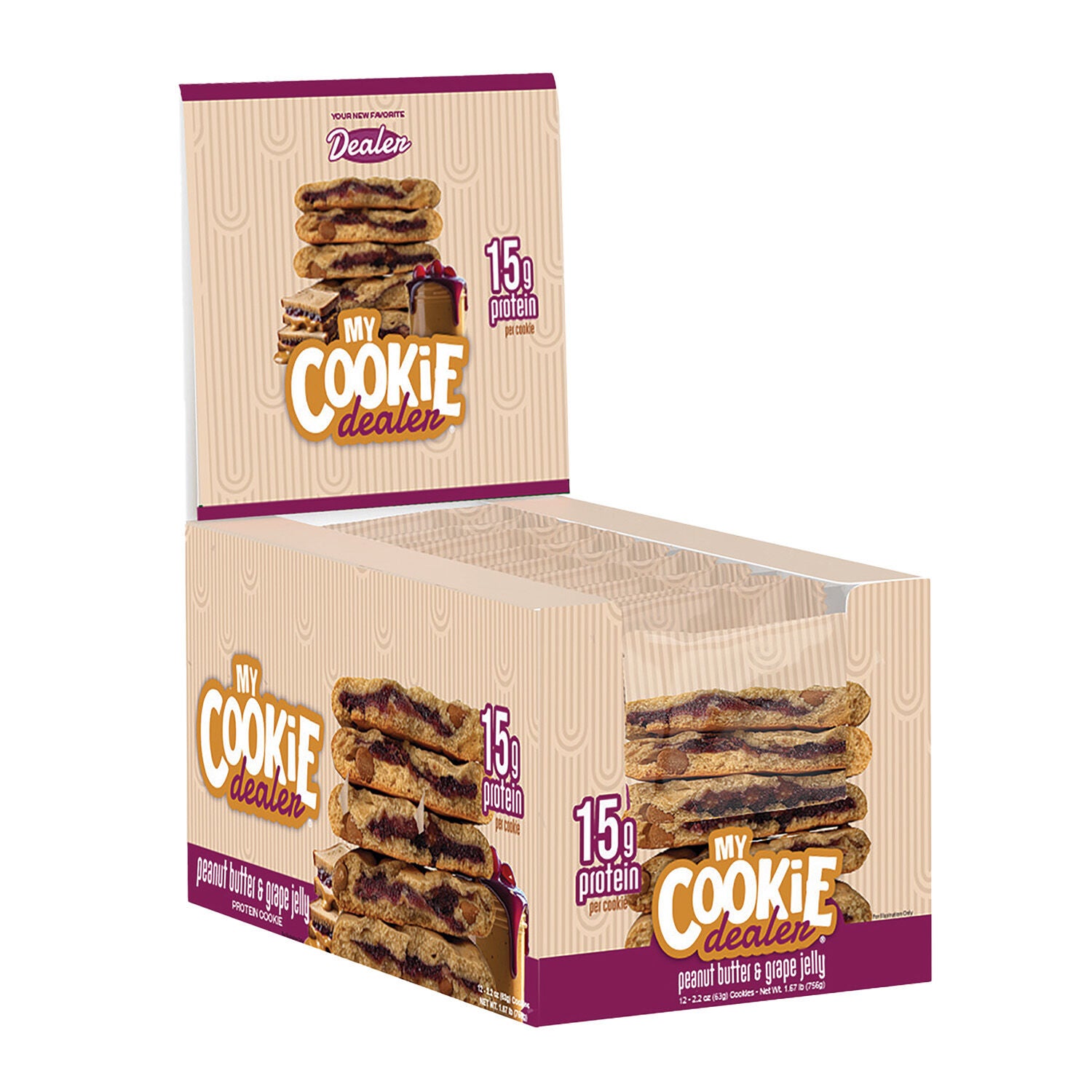 My Cookie Dealer Protein17$39.99
-
-

-

-

-
-

-
-
 $39.99
-
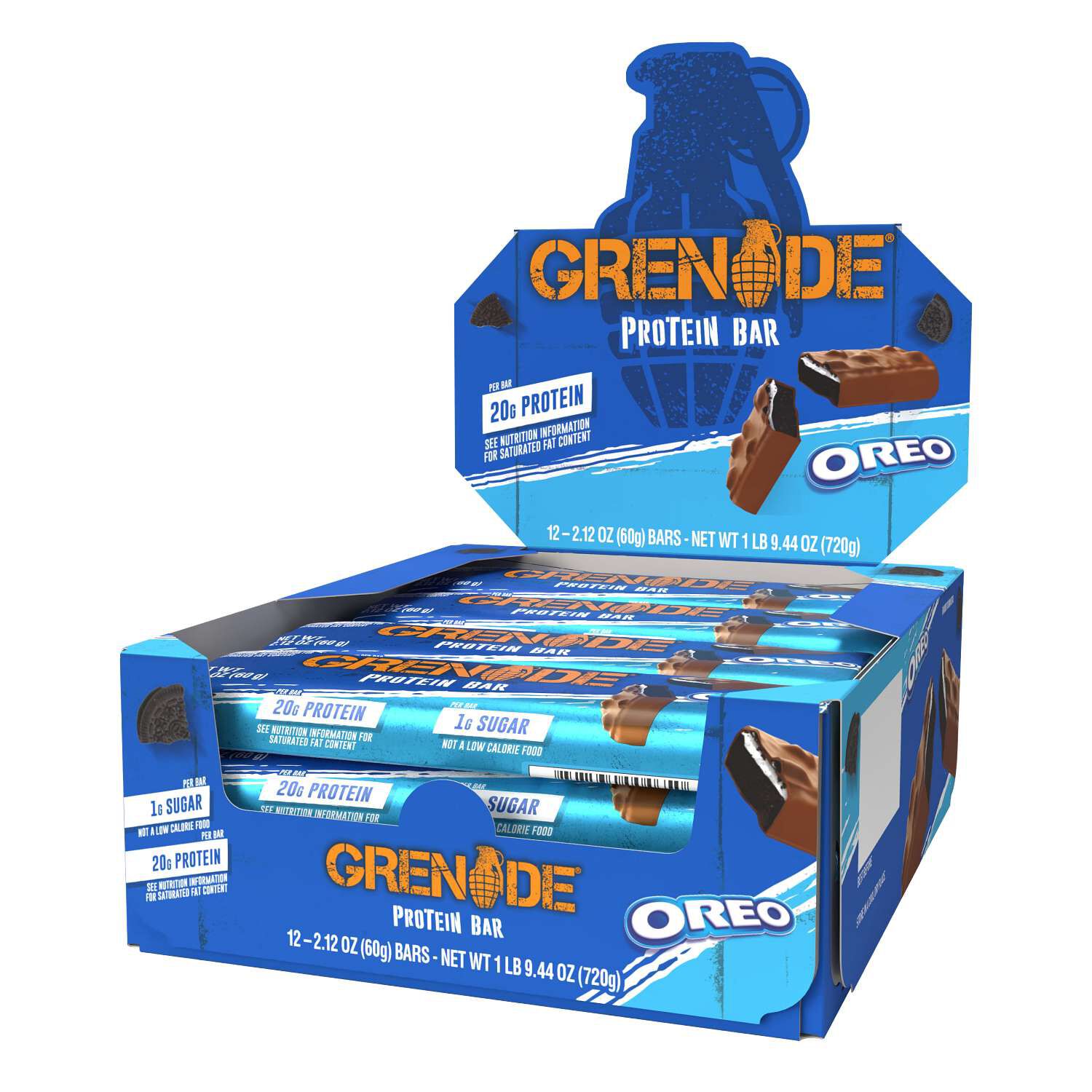
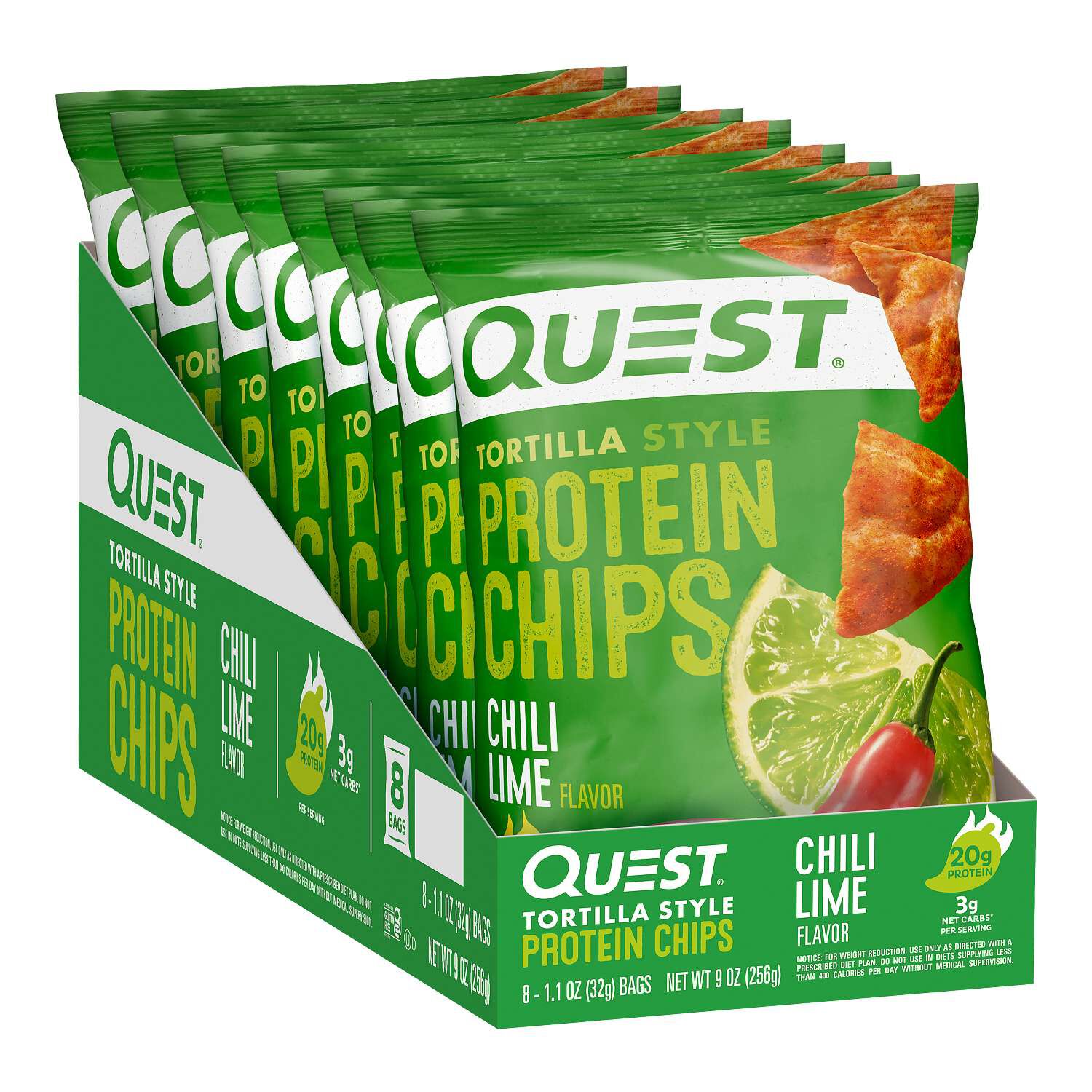
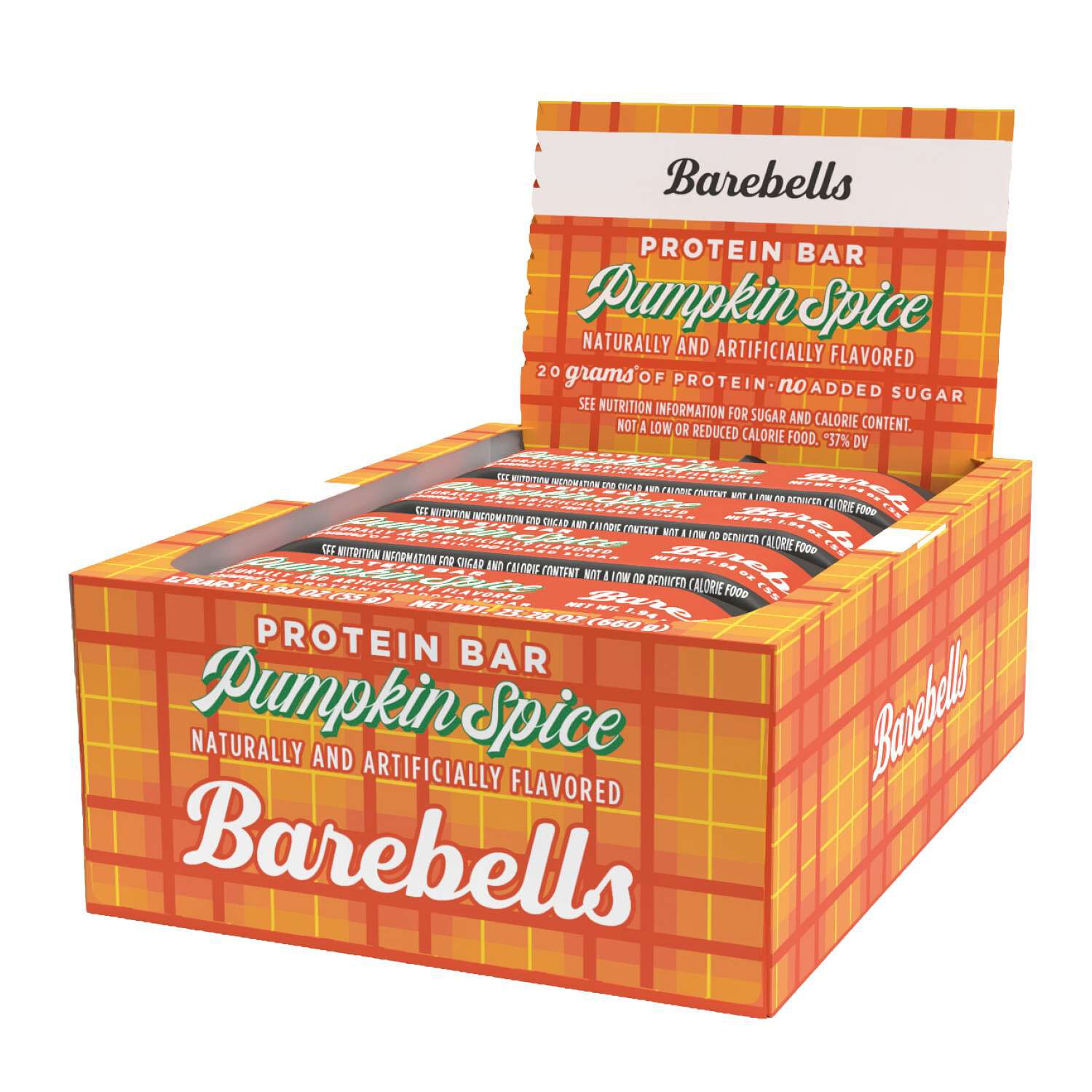
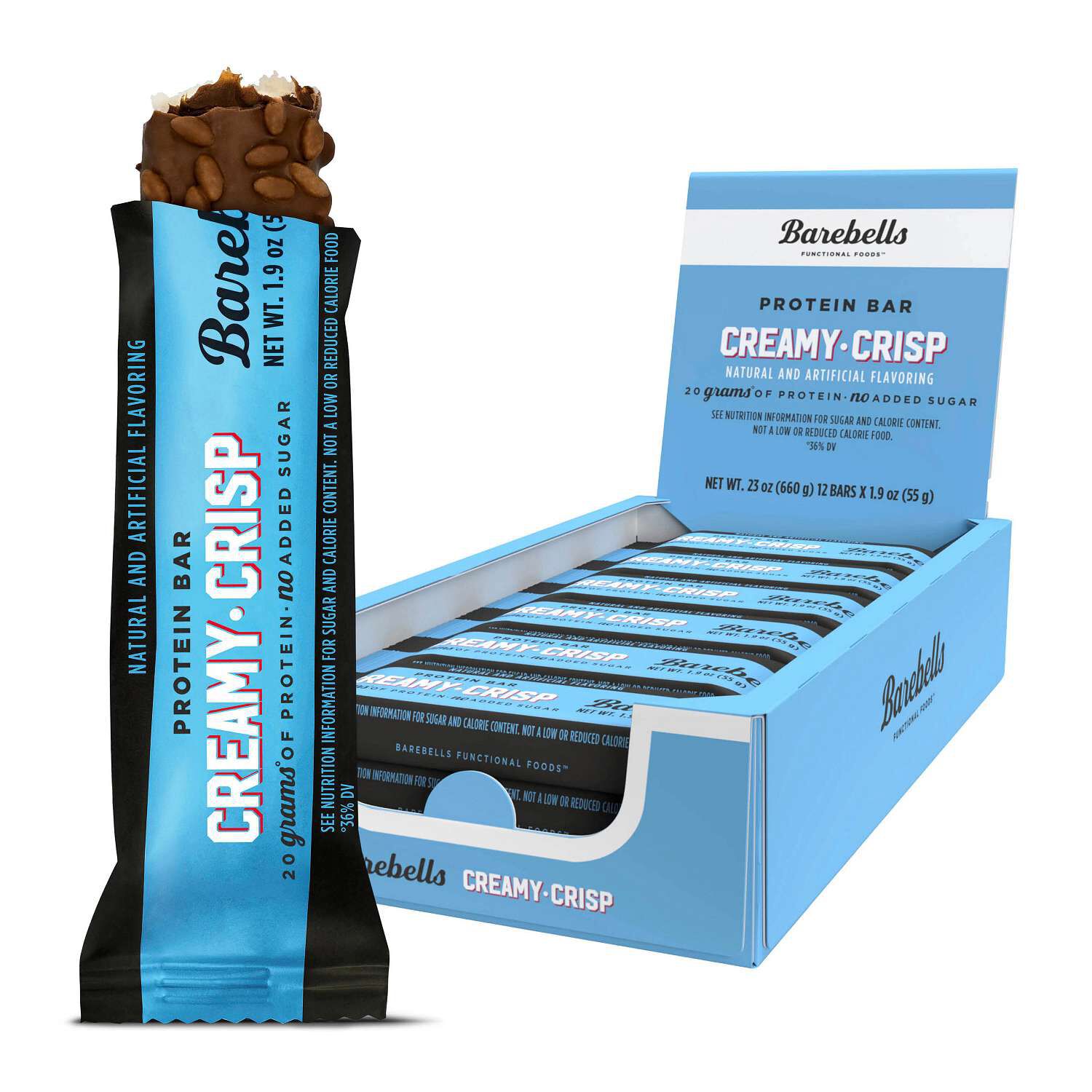
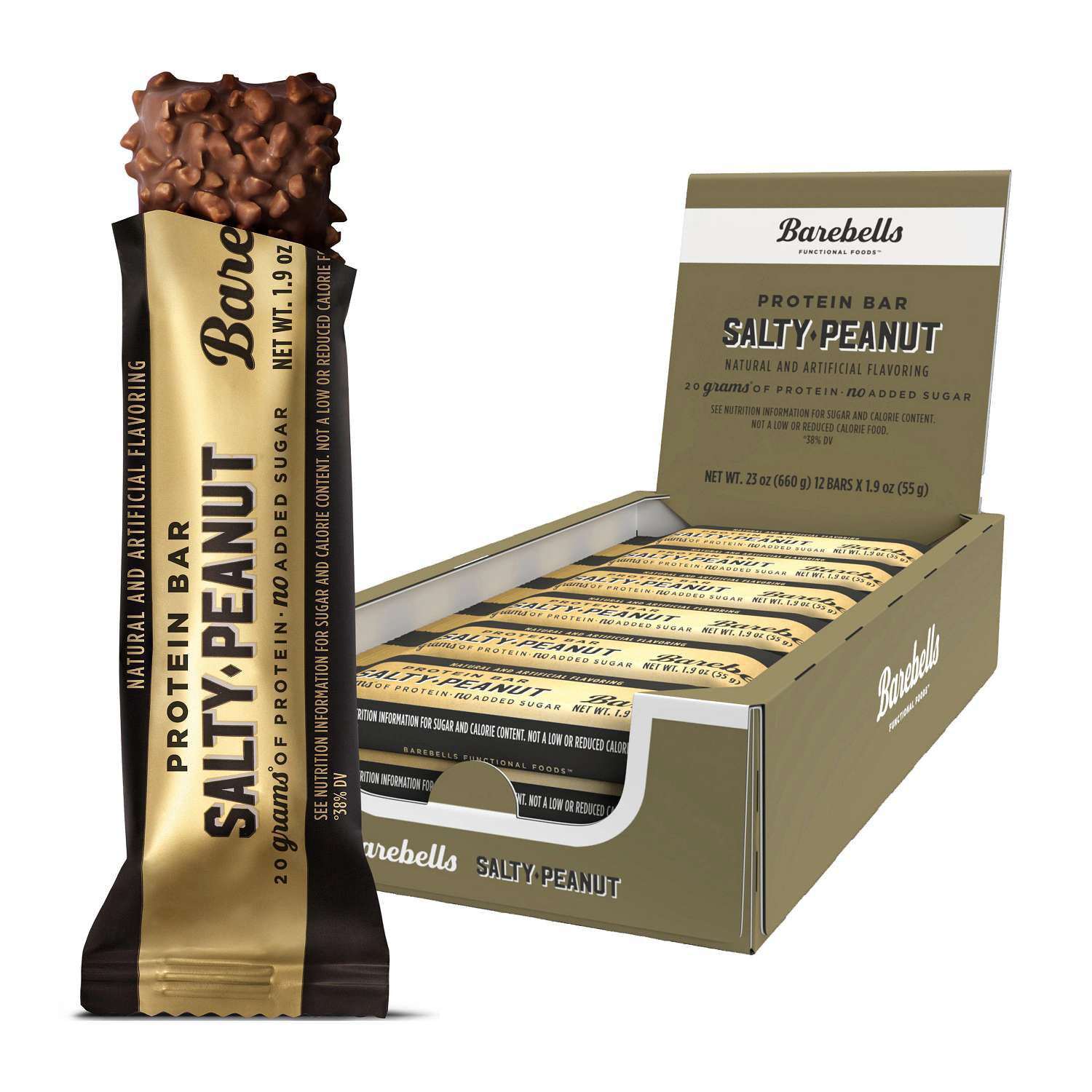
Protein snacks for seniors are between-meal foods made with protein-containing ingredients such as milk, soy, peas, nuts, and seeds. Bars, soft bites, and savory crisps are common formats, with differences in texture, flavor, portion size, and packaging. For older adults, the appeal may be as straightforward as a familiar taste in a portion that fits beside a cup of coffee or inside a bag for an afternoon outing. Age alone does not determine which snack suits someone; personal preferences, ingredient choices, and everyday routines matter, too. Some people enjoy a chewy, dessert-style bar, while others prefer something lightly sweet or savory. Milk-derived proteins such as whey and casein appear in many recipes, while plant-based varieties can contain soy, pea, or combinations of other plant ingredients. Nuts, seeds, oats, and nut butters have their own flavors and textures, so the protein source is only one part of the eating experience. The Nutrition Facts panel provides the protein amount per serving, along with serving size, calories, carbohydrates, sugars, fat, fiber, and sodium. A package can contain more than one serving, making that distinction useful when comparing different formats. A small bite and a larger bar can look similar in a photo yet represent quite different portions. Protein content also varies within the same snack category, so a protein-focused description is not a substitute for the details on the label. Ingredient lists and allergen statements provide additional information, particularly when someone avoids milk, soy, peanuts, tree nuts, or wheat. Chocolate coatings, dried fruit, and sweeteners can make otherwise similar snacks taste very different. For a household with several preferences, a mix of flavors and textures may be more practical than choosing every snack around a single protein source. A useful comparison considers the whole snack: its ingredients, serving size, taste, and place in an ordinary day.
Texture deserves as much attention as flavor when browsing protein snacks for older adults. Soft-baked varieties, smooth fillings, dense centers, and airy crisps offer distinct eating experiences, and a description such as chewy does not necessarily mean the same thing across different recipes. A bar with whole nuts has a different texture from one made with finely ground ingredients, even when both feature a similar flavor. Coated snacks can have several textures in one bite, while uncoated varieties often have a more consistent surface and center. Preferences are individual: some seniors enjoy a firm crunch, and others favor a tender bite without large pieces. Product descriptions and package details are useful starting points for those distinctions. Portion shape matters as well. A single bar, a pouch of small bites, and a bag of crisps each suit different ways of snacking, from sitting at the kitchen table to sharing a few pieces during a card game. Individually wrapped portions may be convenient for a purse, day bag, or desk drawer, while resealable packaging may suit someone who prefers a little at a time. Opening and closing the package is part of the experience, too; easy-to-read labels, a visible opening notch, and a closure that stays shut are practical details worth considering. Packaging also matters when snacks travel alongside keys, books, or other everyday belongings. A separate compartment or small container may help keep a softer snack from being flattened. Storage instructions vary by recipe and format, so the package is the reference for whether refrigeration is needed and how to store the snack after opening. Checking the date, keeping the original label, and closing a pouch as directed are simple ways to organize a snack collection. For snacks transferred to another container, retaining the ingredient and storage information keeps those details close at hand for the person who will eat them.
Everyday routines give protein snacks for seniors their practical context. A compact portion may suit the pause between breakfast and a late lunch, an afternoon at a community center, or a stop during a day of errands. Someone who spends time gardening might prefer a wrapped snack to bring outside, while a regular card player might favor small, tidy bites for the table. For travel, portioned formats may be easier to tuck beside a water bottle than a large bag intended for sharing. At home, a designated basket can keep a few preferred varieties together without turning the pantry into a collection of half-open packages. The right assortment depends on how someone actually eats: a person who likes the same familiar flavor every day has different preferences from someone who enjoys alternating sweet and savory choices. Flavor names offer a starting point, but details such as a nutty finish, a dense oat base, or a smooth center often explain more about the snack itself. For a small gift or a visit with an older relative, a modest assortment built around known favorites may feel more personal than a large selection chosen only for its protein content. Keeping each portion in its original wrapper preserves access to ingredients, serving information, and storage directions. Shared households may also have several snack preferences under one roof. Those shopping across age groups can explore Protein Snacks for Teens alongside choices for older adults, while keeping each person’s tastes and routines in mind. A shared pantry does not require everyone to enjoy the same texture or portion. Some may reach for a savory pouch before heading out, while others prefer a soft, cocoa-flavored bite with an afternoon drink. Protein snacks fit into those ordinary moments through their format, flavor, and convenience—not simply the number printed beside protein on the package. For seniors, a useful selection is one that reflects familiar preferences, clearly labeled ingredients, manageable portions, and the way snacks are enjoyed throughout the day.
- Q: What are protein snacks for seniors?
A: Protein snacks for seniors are convenient food options that may provide a source of protein, which could help support daily nutritional needs as part of a balanced diet. - Q: How might seniors incorporate protein snacks into their daily routine?
A: Seniors might enjoy protein snacks between meals, after light activity, or as part of breakfast or lunch to help add variety and convenience to their eating habits. - Q: What types of protein sources are commonly found in snacks for seniors?
A: Protein snacks for seniors may include sources such as whey, soy, pea protein, nuts, seeds, dairy, or eggs. - Q: Are there different flavors and formats available for protein snacks aimed at seniors?
A: Yes, protein snacks for seniors can come in a range of flavors and formats, including bars, shakes, cookies, and bites to suit different preferences. - Q: Can protein snacks be part of a balanced diet for seniors?
A: Protein snacks may be included as part of a balanced diet that features a variety of foods from all food groups.
Best Sellers
-
 Barebells
-
Barebells
-
 Barebells

Related Pages


Top Collections
- Supplements For Yoga Joint Flexibility
- GLP 1 Support For Adults
- Joint Mobility Supplement Packs
- Chronic Fatigue Supplements
- Adult Mobility Supplements
- Supplements For Balance
- Supplements For Anxiety Relief Support
- Capsule Supplements For Energy And Stamina
- Zinc Supplements | Top Brands at Great Prices | GNC
- Anti Aging Supplements For Women