Protein Bars For Teens
(0 Results)
Protein bars for teens offer a convenient and tasty option that can fit into a busy lifestyle, whether it’s before practice, after school, or on the go. With a variety of flavors and textures available, these bars are designed to appeal to different preferences and routines. Choosing protein bars for teens may be a simple way to help support snack time or add some variety to lunchboxes. Explore options that align with your teen’s taste and activity level for a satisfying snack experience.


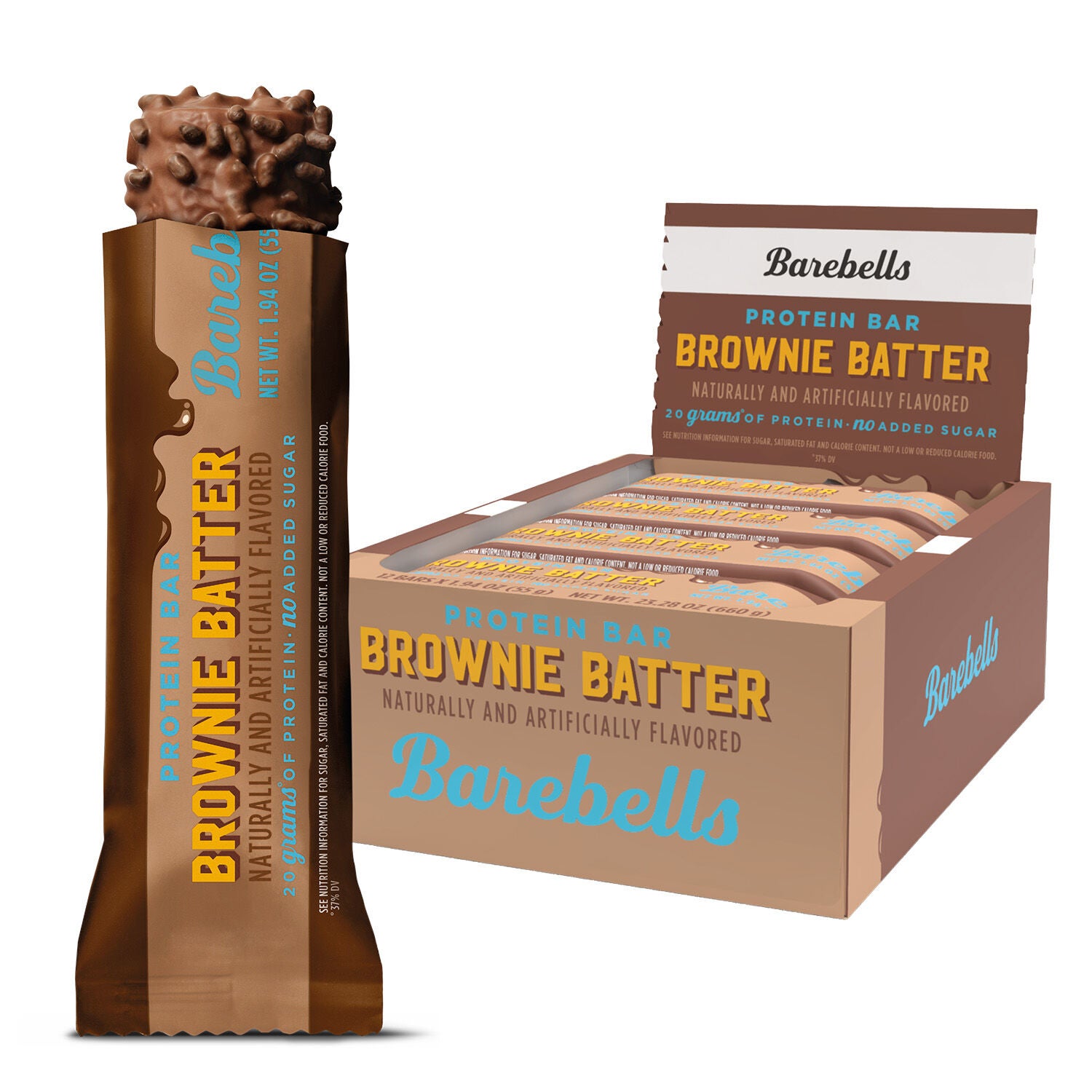


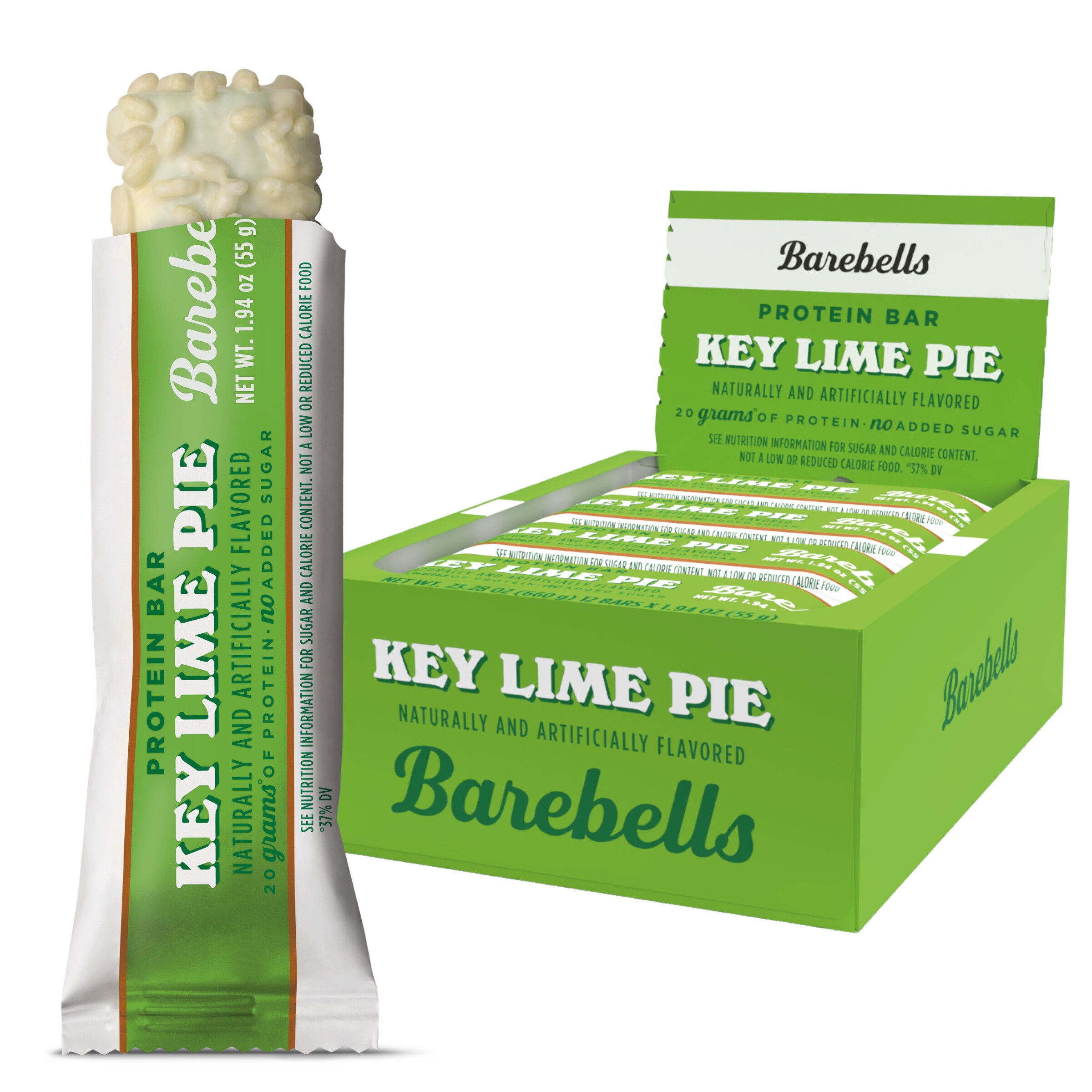
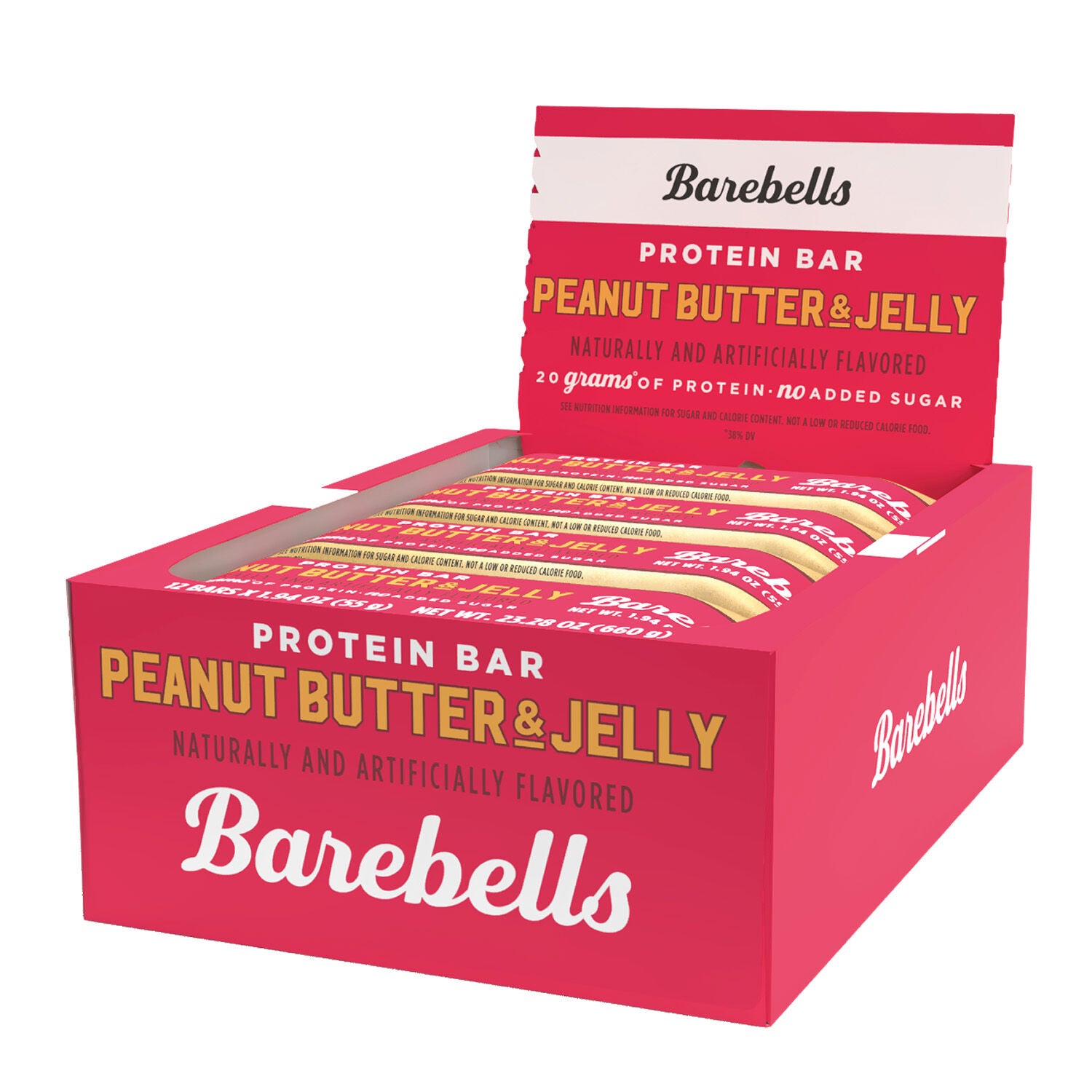

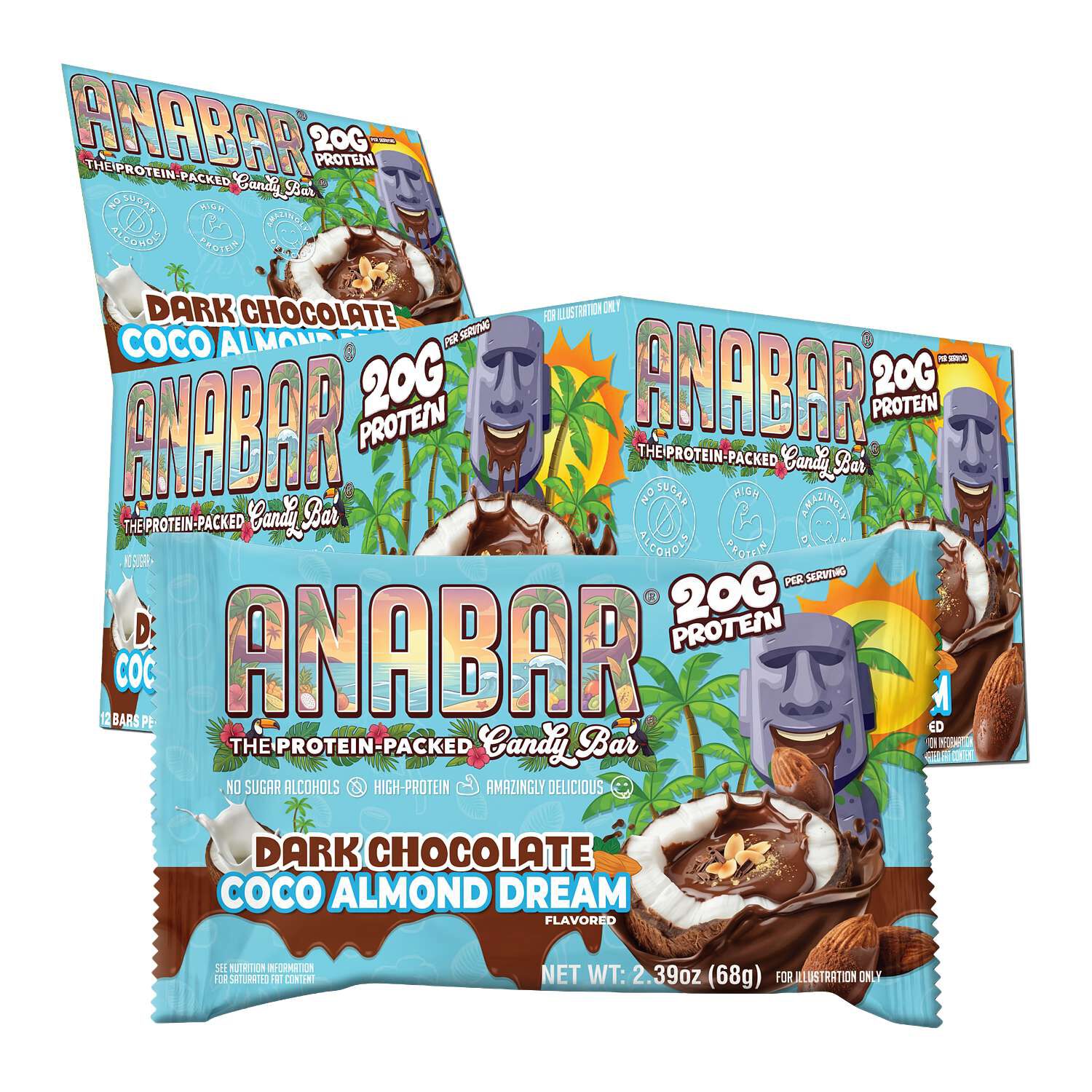
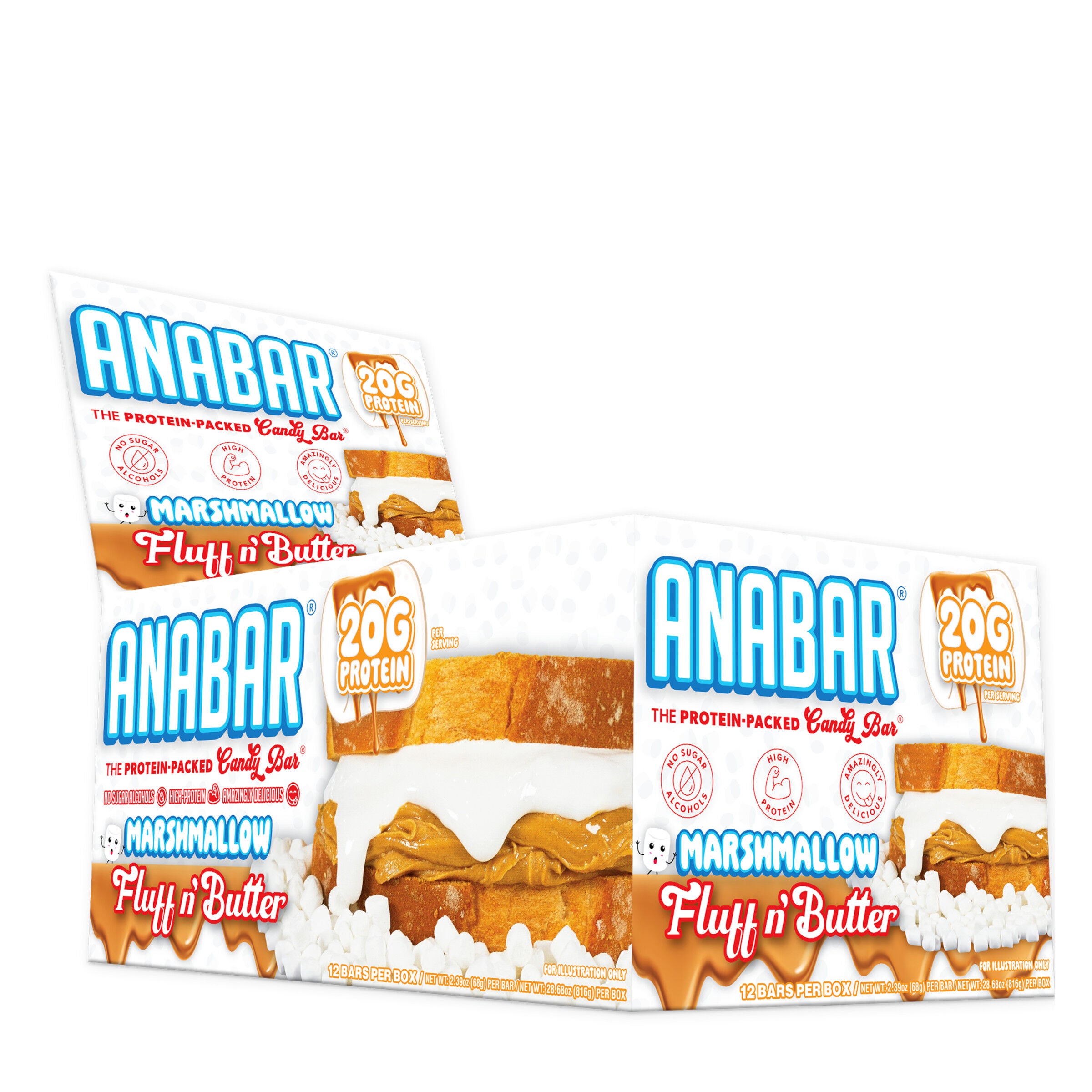
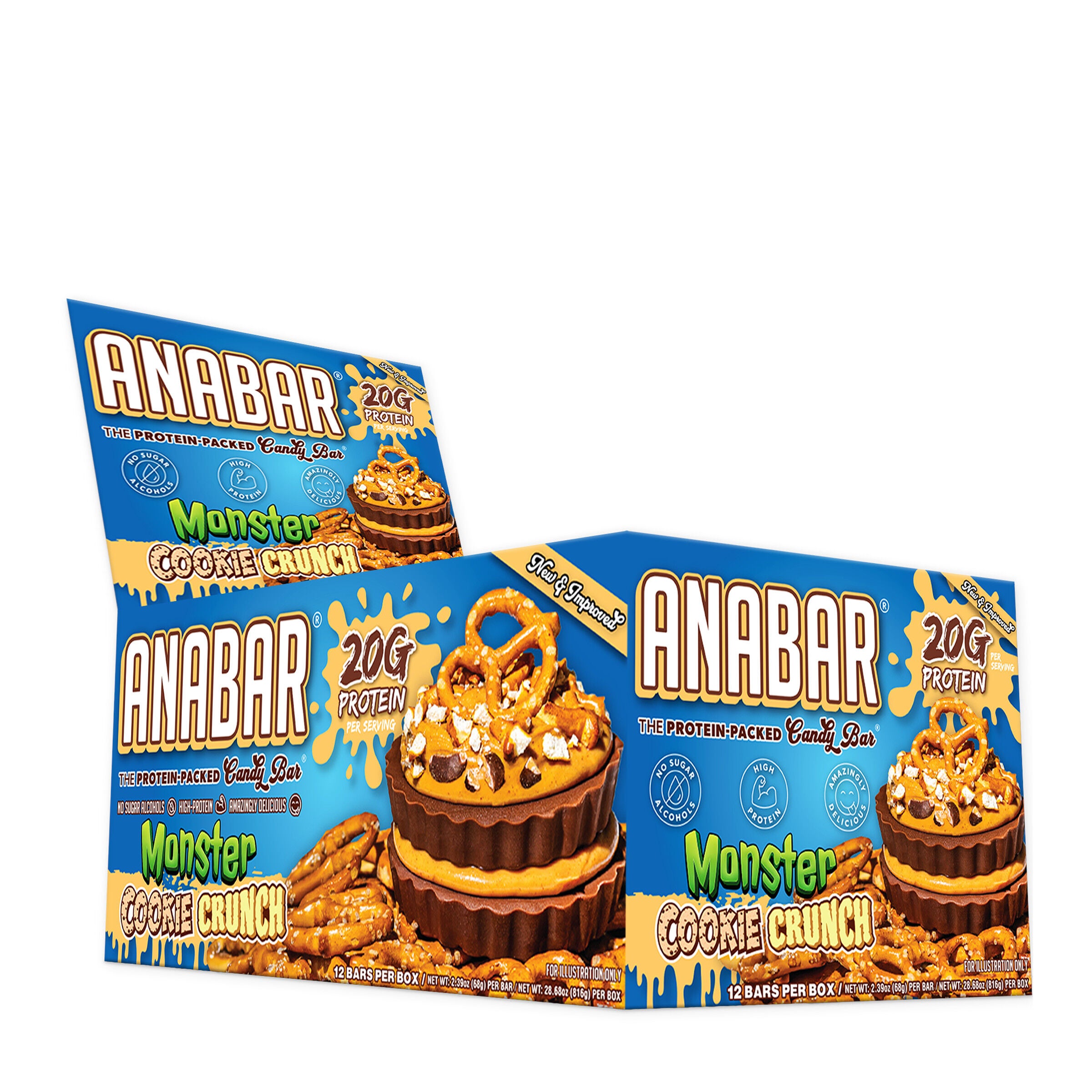
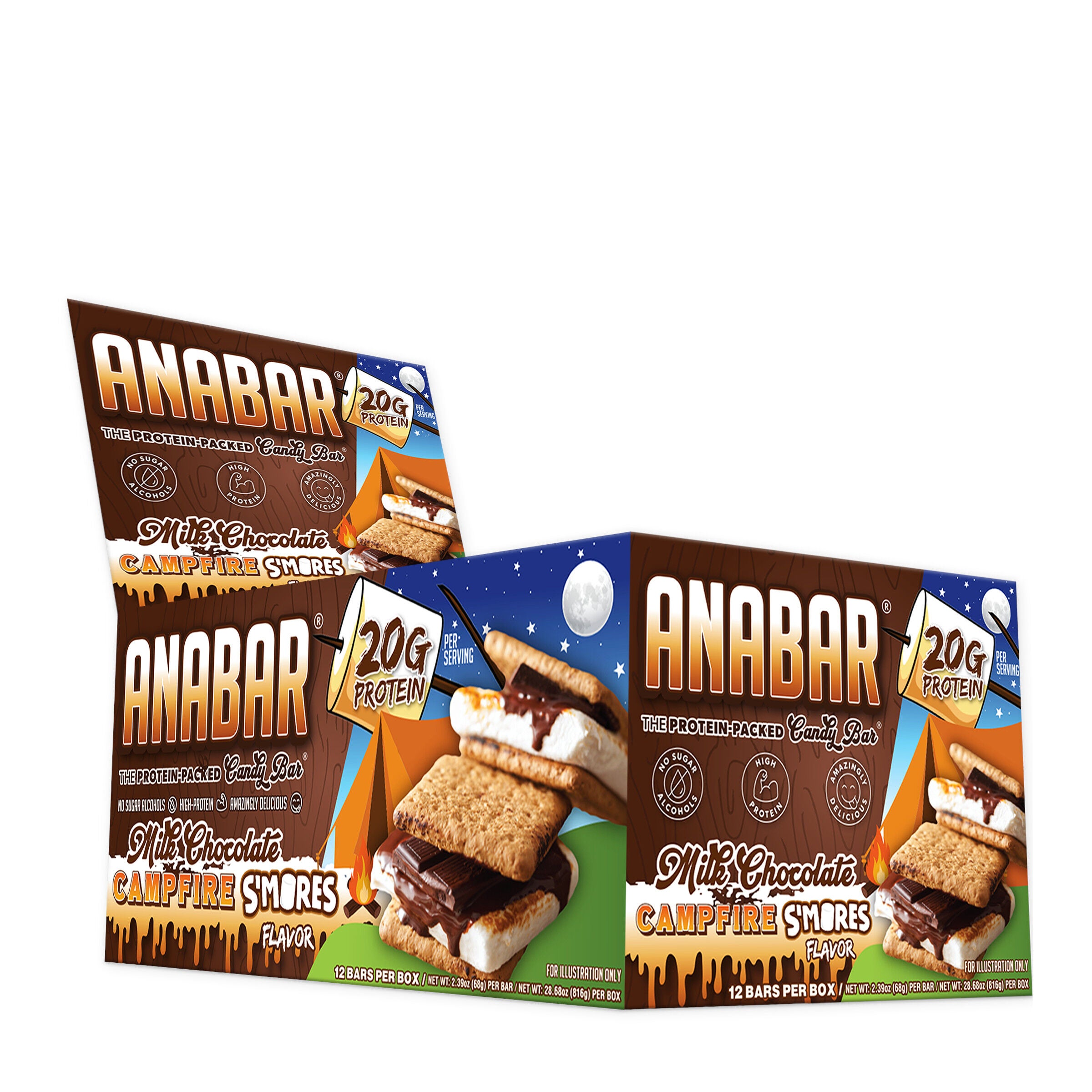
Protein bars for teens may be a convenient snack for school days, after-school activities, and trips when sitting down for a meal is not practical. A thoughtful comparison looks beyond the protein number to ingredients, added sugar, serving size, flavor, and any age guidance on the package. These are packaged foods with a wide range of recipes, not a single style of snack designed for every teenager. Some feature oats, nuts, seeds, or dried fruit, while others have a smooth protein base, a crisp center, or a chocolate-flavored coating. Protein ingredients may include whey, milk, soy, egg, peas, or blends of plant sources, so two bars with similar descriptions may have quite different ingredient lists. The intended use matters, too: a small snack tucked beside lunch is a different choice from something packed for a long afternoon of rehearsals, practice, and a bus ride home. A bar may fit into those gaps alongside regular meals and a variety of foods, rather than serving as the default substitute for breakfast or lunch. For teens who already enjoy familiar combinations such as peanut butter and oats or chocolate and almond, a similar flavor profile may be an approachable starting point. Parents and caregivers may also want to look closely at whether a formula is intended for younger eaters or adults, particularly when the label features caffeine or other added ingredients beyond the food ingredients. Familiar packaging or a dessert-inspired flavor does not establish age suitability. Allergen statements deserve the same attention as the front of the wrapper, including information about milk, soy, eggs, peanuts, tree nuts, wheat, and sesame when relevant. School and activity rules may further shape the choice, especially in shared eating spaces with ingredient restrictions. A useful match is less about choosing the biggest protein number and more about finding a clearly labeled food that suits the teen, the setting, and the rest of the day’s meals.
Taste and texture are practical considerations because a bar that stays uneaten at the bottom of a backpack serves little purpose. Dense, chewy recipes have a different eating experience from airy, crisp varieties, while visible pieces of nuts or fruit add another dimension to each bite. A teen who enjoys granola-style snacks may prefer a textured bar with recognizable ingredients; someone who likes a softer bite may lean toward a smoother format. Coatings, fillings, and mix-ins also affect how sweet or rich a bar tastes, even when the protein amounts look similar. Chocolate, vanilla, cinnamon, berry, and nut-butter flavors offer different starting points without making one recipe the right choice for everyone. When comparing labels, consider the serving size first, then look at protein, carbohydrates, fiber, fat, and added sugar within that serving. Bars differ in size, and the figures on two wrappers are not necessarily based on the same amount of food. For families comparing added sugar, the amount listed per serving is more informative than a sweet-sounding flavor name. A lower added sugar figure is one detail, not a substitute for reading the rest of the label. Some recipes include sugar alcohols or other sweeteners, which are also worth noting in the ingredient list. Ingredients appear in order by weight, providing another way to understand whether oats, nuts, a protein blend, or a sweetening ingredient forms much of the recipe. The broader category of Healthy Protein Bars may also be useful when comparing ingredient combinations, serving sizes, and textures while keeping the intended eater in mind. Rather than treating every nutrition number as a target, consider the bar as one part of an ordinary snack routine. A teen’s preferences, household food choices, and the time between meals all provide context that the front of a package cannot capture.
Packaging and storage deserve a place in the comparison, especially for snacks that travel through crowded lockers, sports bags, and lunch totes. An individually wrapped format may be practical for carrying a single serving, but the wrapper still needs to remain intact. A small reusable container may help protect a softer bar from being flattened beneath a textbook or a pair of cleats. Crisp textures, crumbly oat bases, and coated surfaces each call for a little thought about where the snack will be carried and eaten. Follow the storage directions on the package, check the best-by date, and leave the wrapper sealed until snack time. If a package gives instructions for handling an opened portion, those directions take priority over assuming that every recipe stores the same way. For a school lunch, a bar may sit alongside fruit, yogurt, or other familiar foods, depending on the teen’s preferences and any relevant food restrictions. For an afternoon activity, keeping the snack in an accessible pocket may be more practical than burying it beneath equipment. On a family outing, retaining the original wrapper keeps ingredients and serving information close at hand, particularly when more than one person is choosing from a shared bag. Parents and caregivers may find it useful to involve teens in comparing a few flavor and texture styles before settling on a regular choice. Preference matters: a soft berry bar and a crunchy nut-based bar are different eating experiences, even when both fall within the same category. There is also no need for every day’s snack to look identical. Sandwiches, fruit, yogurt, and other everyday foods have a place alongside packaged options. Protein bars for teens may be one convenient choice within that variety, selected with attention to age guidance, clear labeling, practical storage, and the tastes of the person who will actually eat them.
- Q: What are some common ingredients found in protein bars for teens?
A: Protein bars for teens often contain ingredients such as whey or plant-based proteins, oats, nuts, seeds, and natural sweeteners like honey or dates. - Q: How can protein bars fit into a teen's daily routine?
A: Protein bars may be enjoyed as a convenient snack between meals, after sports practice, or as part of a balanced breakfast on busy mornings. - Q: Are there different flavors of protein bars available for teens?
A: Yes, protein bars come in a variety of flavors such as chocolate chip, peanut butter, cookies and cream, and fruity options to suit different taste preferences. - Q: Can protein bars be used alongside other snacks or meals?
A: Protein bars may be paired with fruit, yogurt, or whole grain crackers to create a more filling snack or light meal. - Q: What should teens look for when choosing a protein bar?
A: Teens might consider looking at the ingredient list for recognizable foods and checking the nutrition facts to find options that align with their dietary preferences.
Best Sellers
-
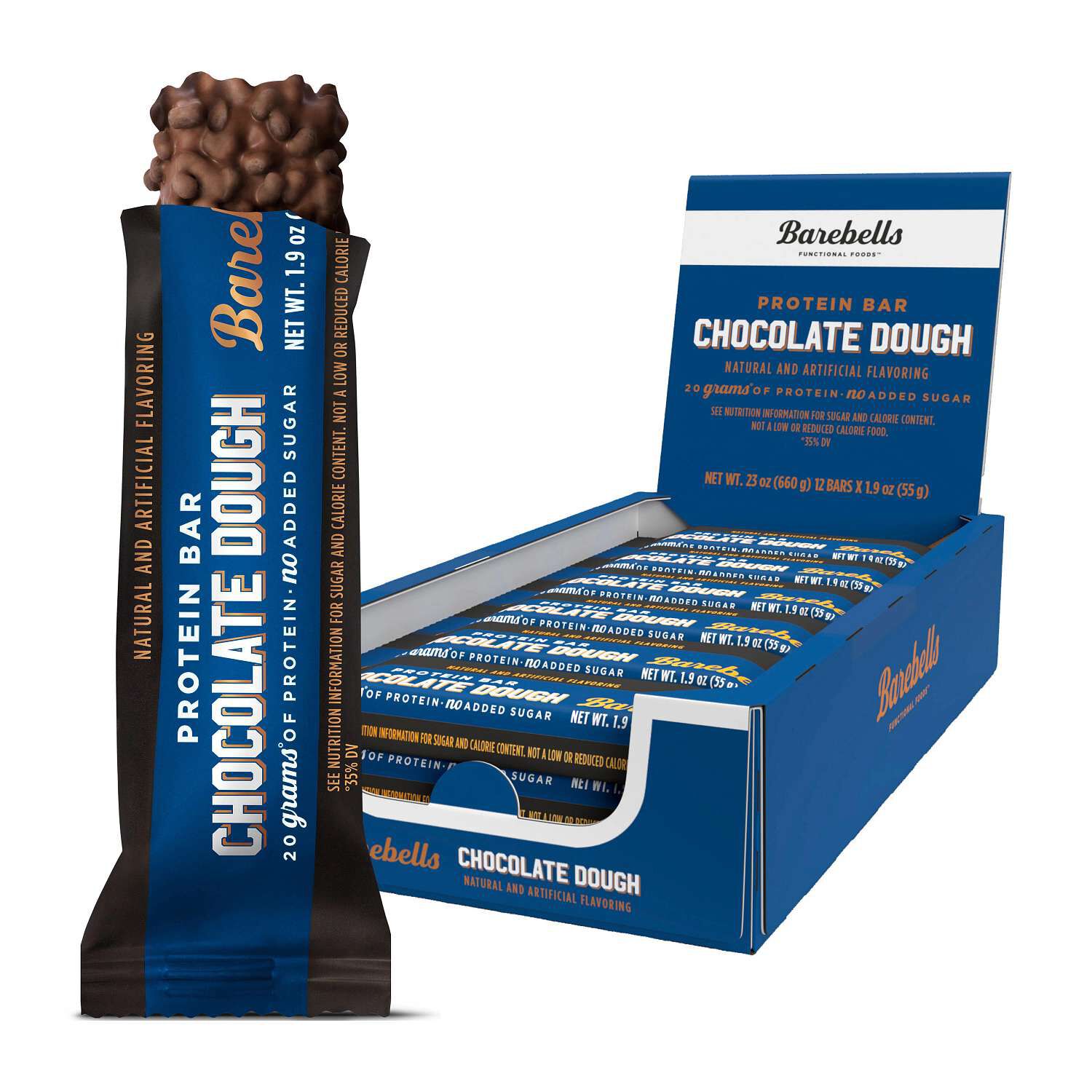 Barebells
-
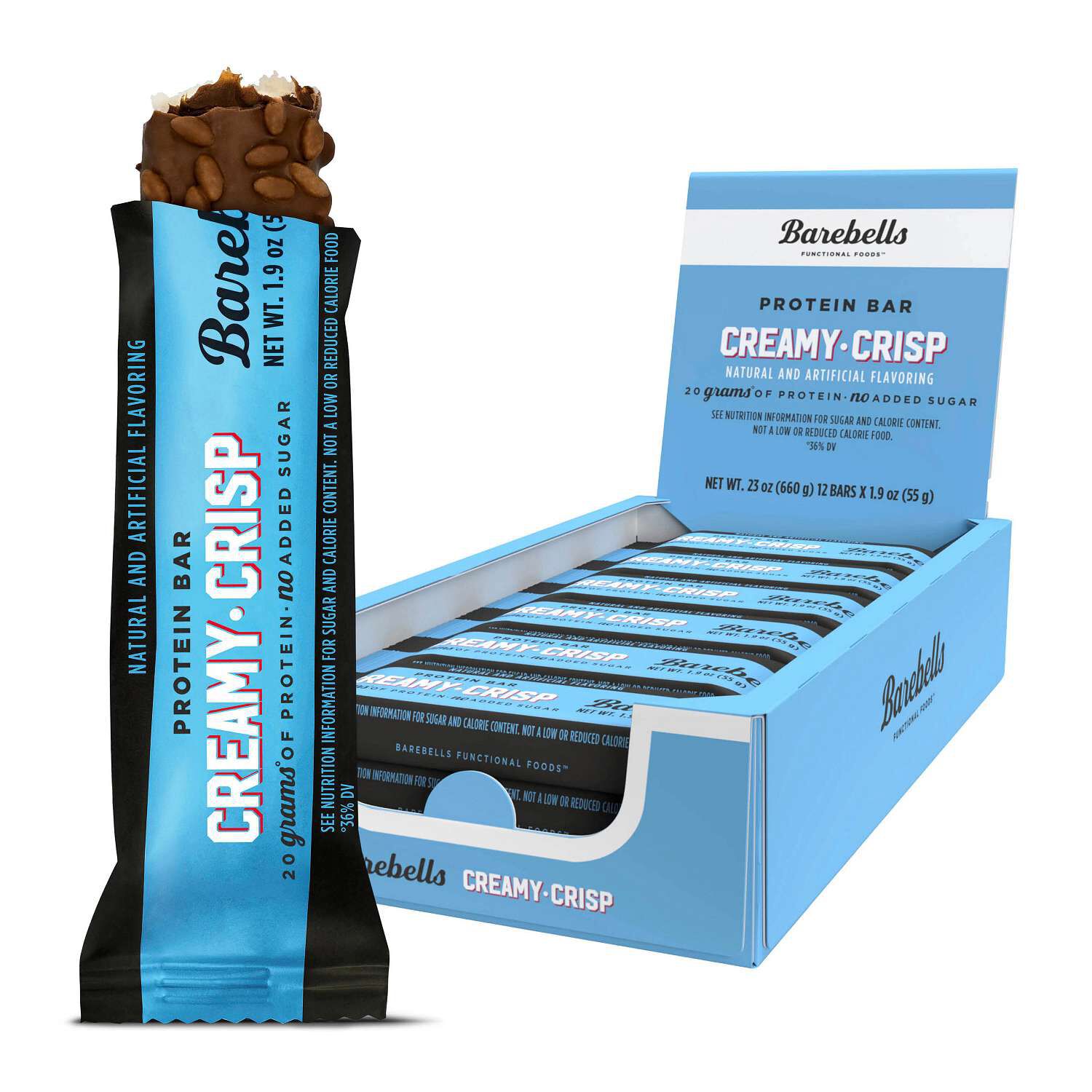 Barebells
-
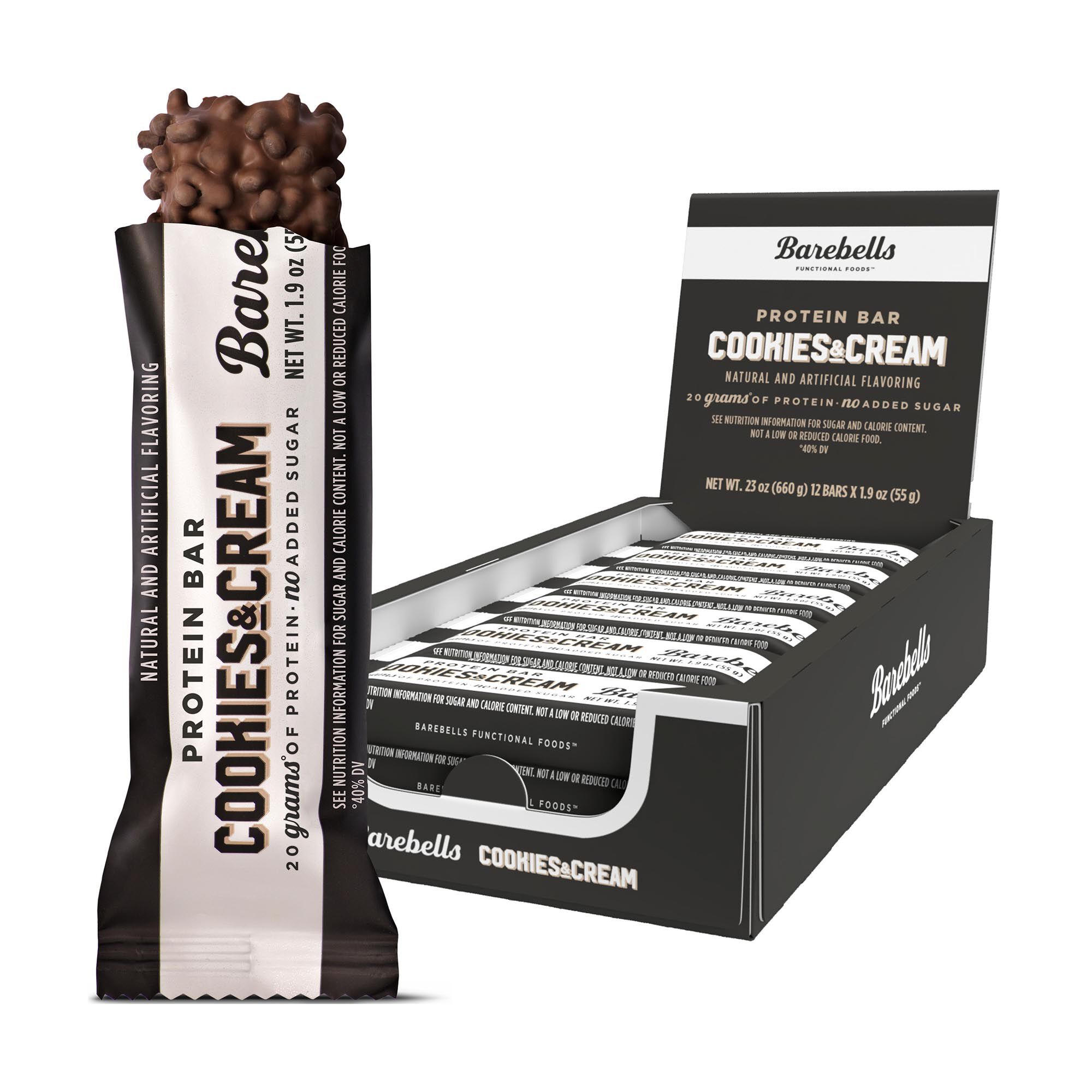 Barebells