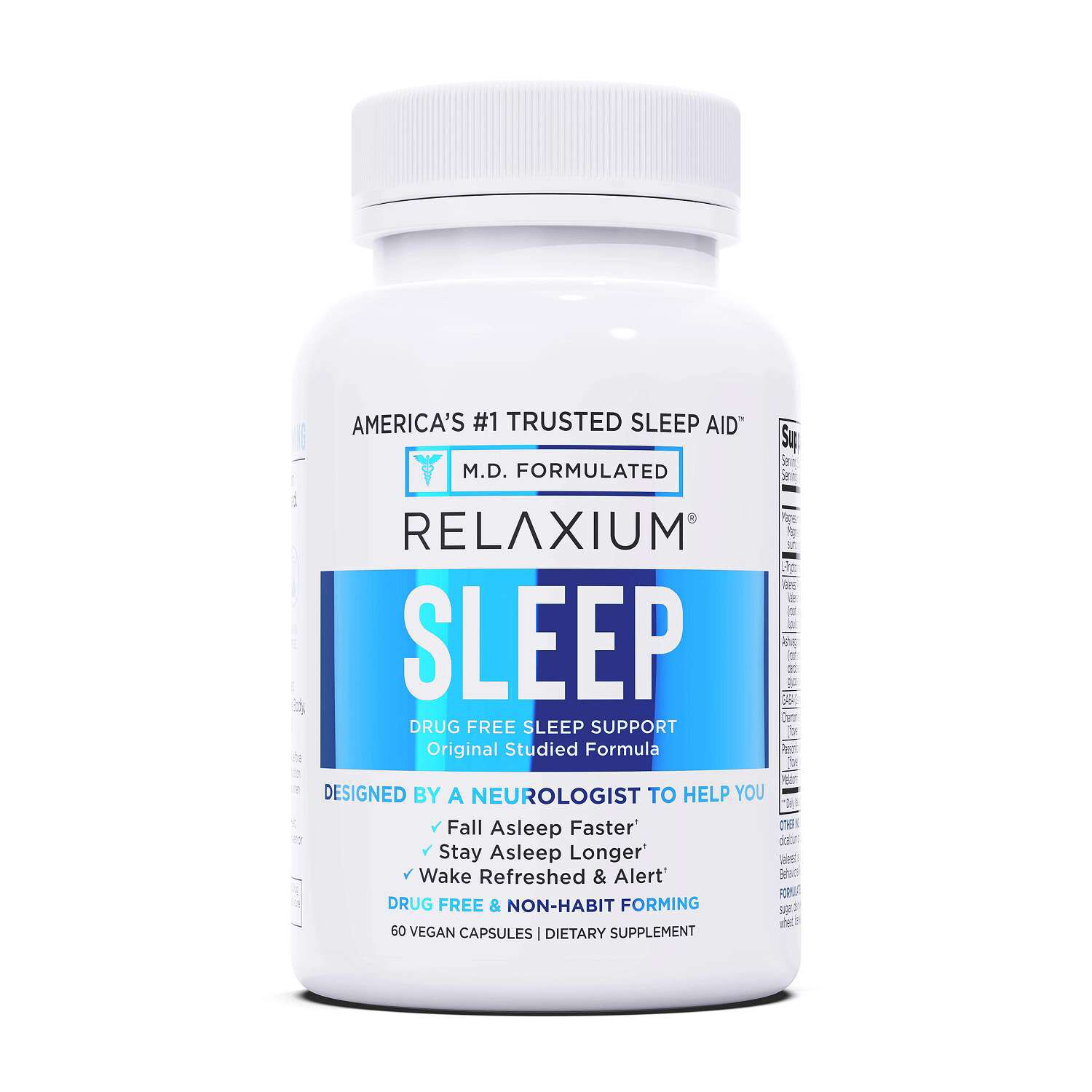
Melatonin Supplements For Adults Timed Release
(0 Results)
Melatonin supplements for adults timed release offer a convenient way to support your nighttime routine. Designed to gradually deliver melatonin, these supplements may help you maintain a consistent sleep schedule. Explore a variety of options that could fit seamlessly into your wellness regimen and discover how melatonin supplements for adults timed release might make a difference in your evening habits.
-

-
 Purity Products$19.99
-

-

-

-

-

-
-
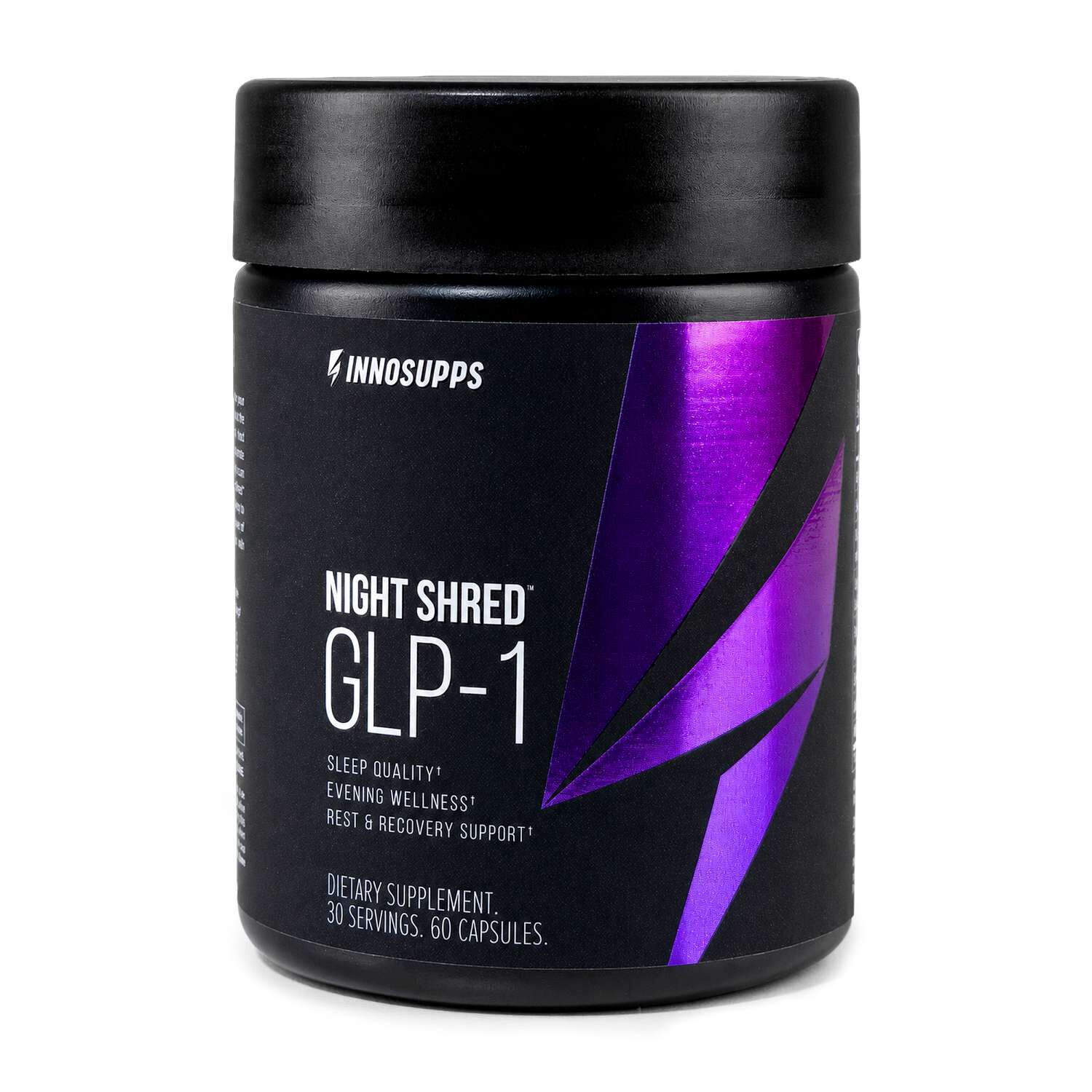
 Angry Supplements$14.99
-
-
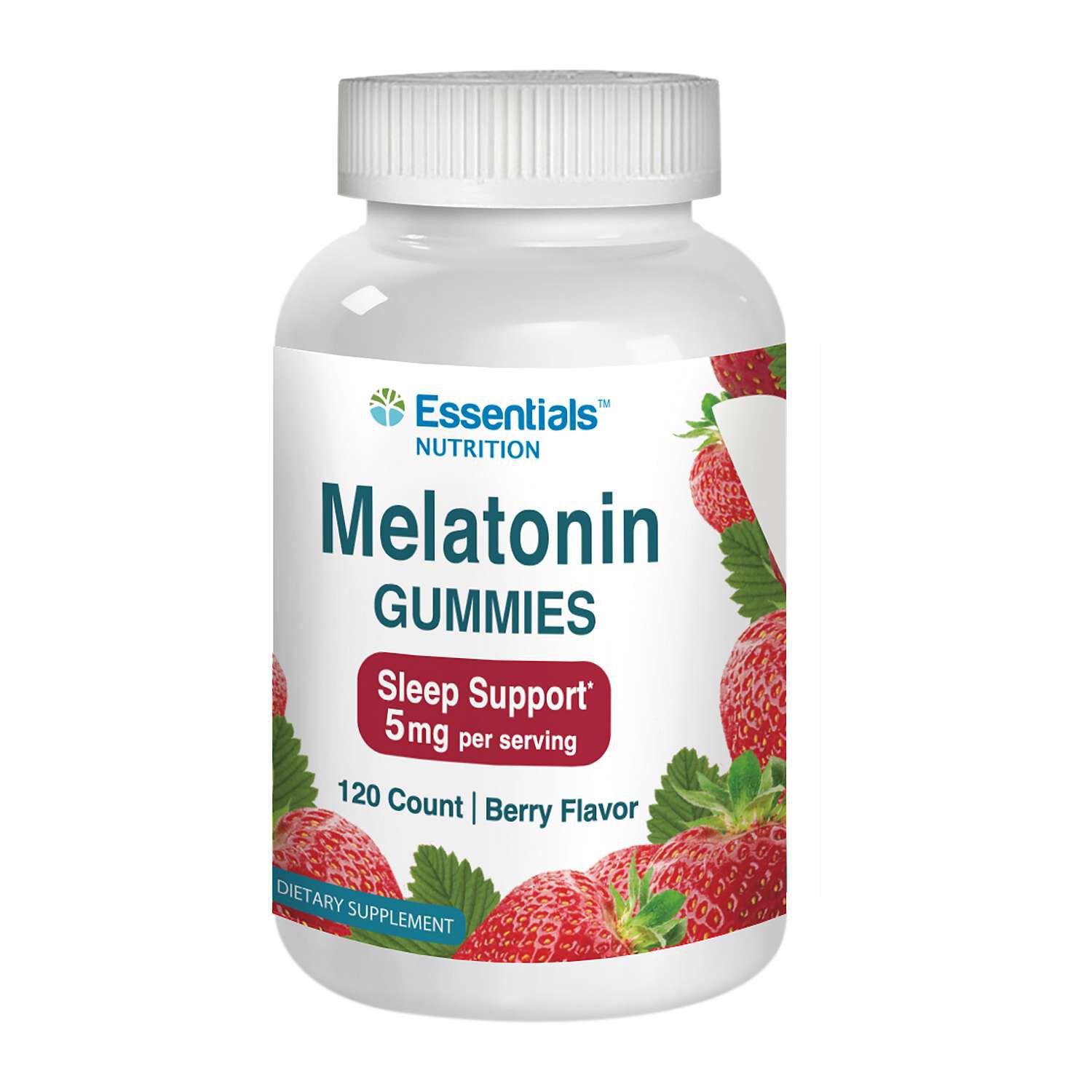
 $13.99
-
 $17.99
-

-

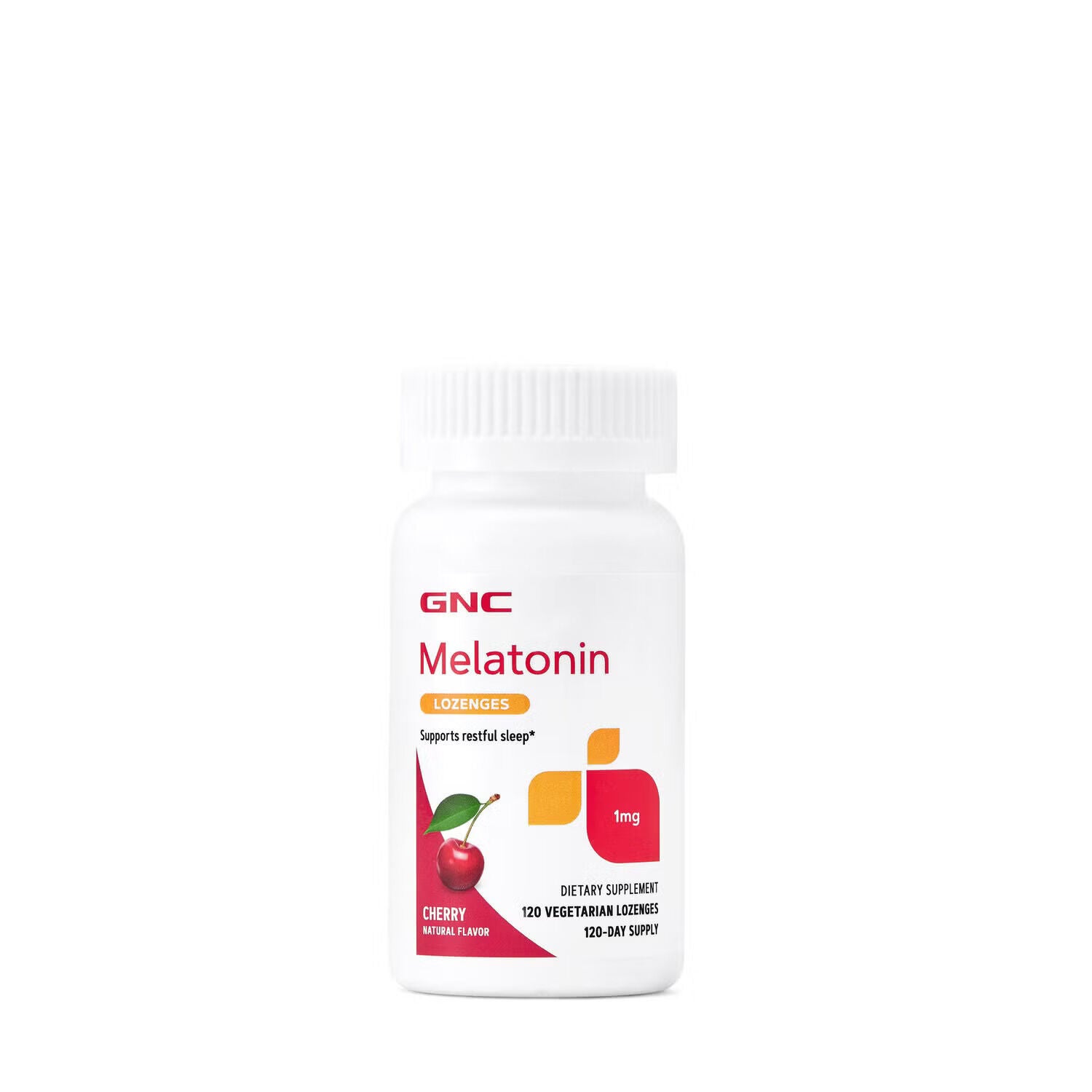

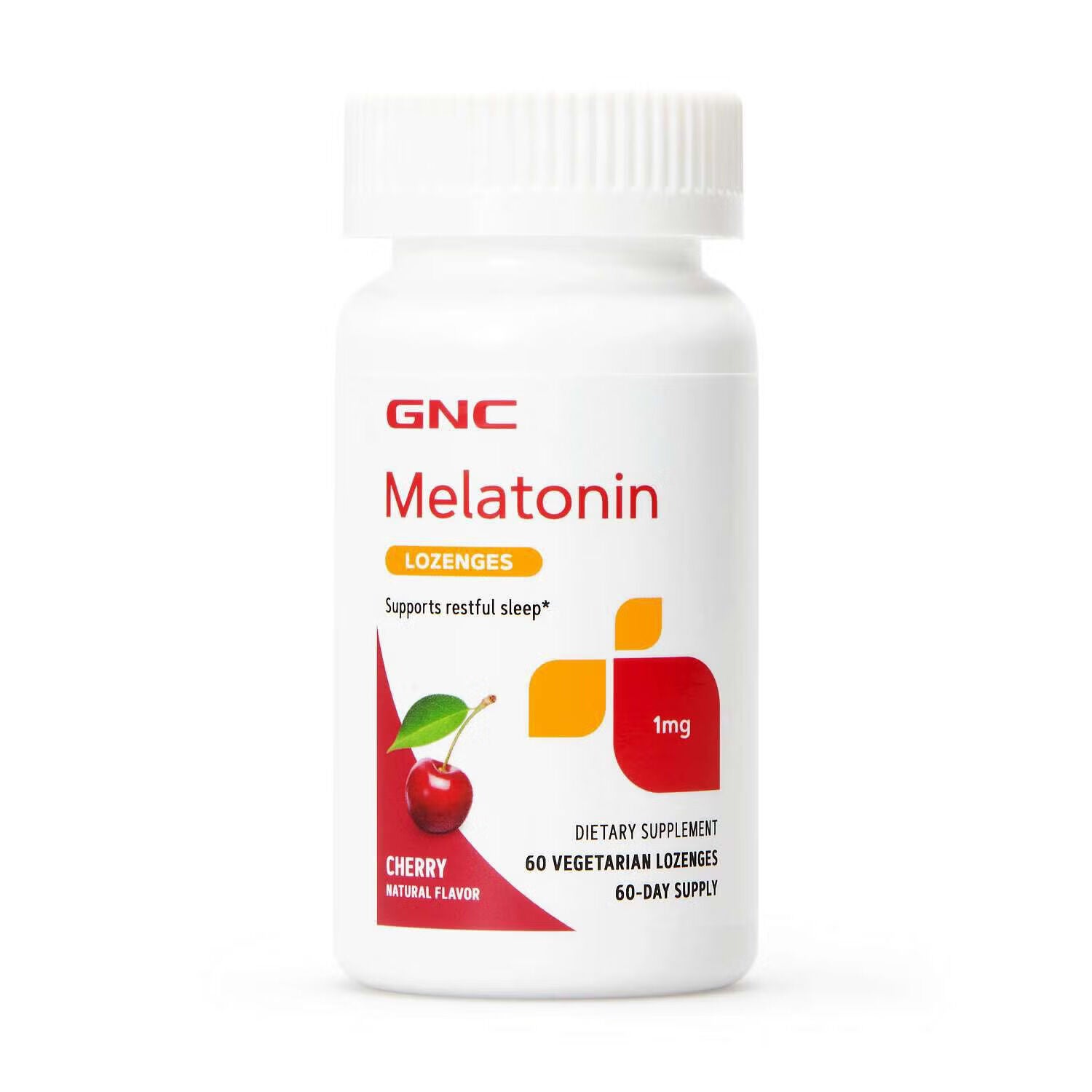
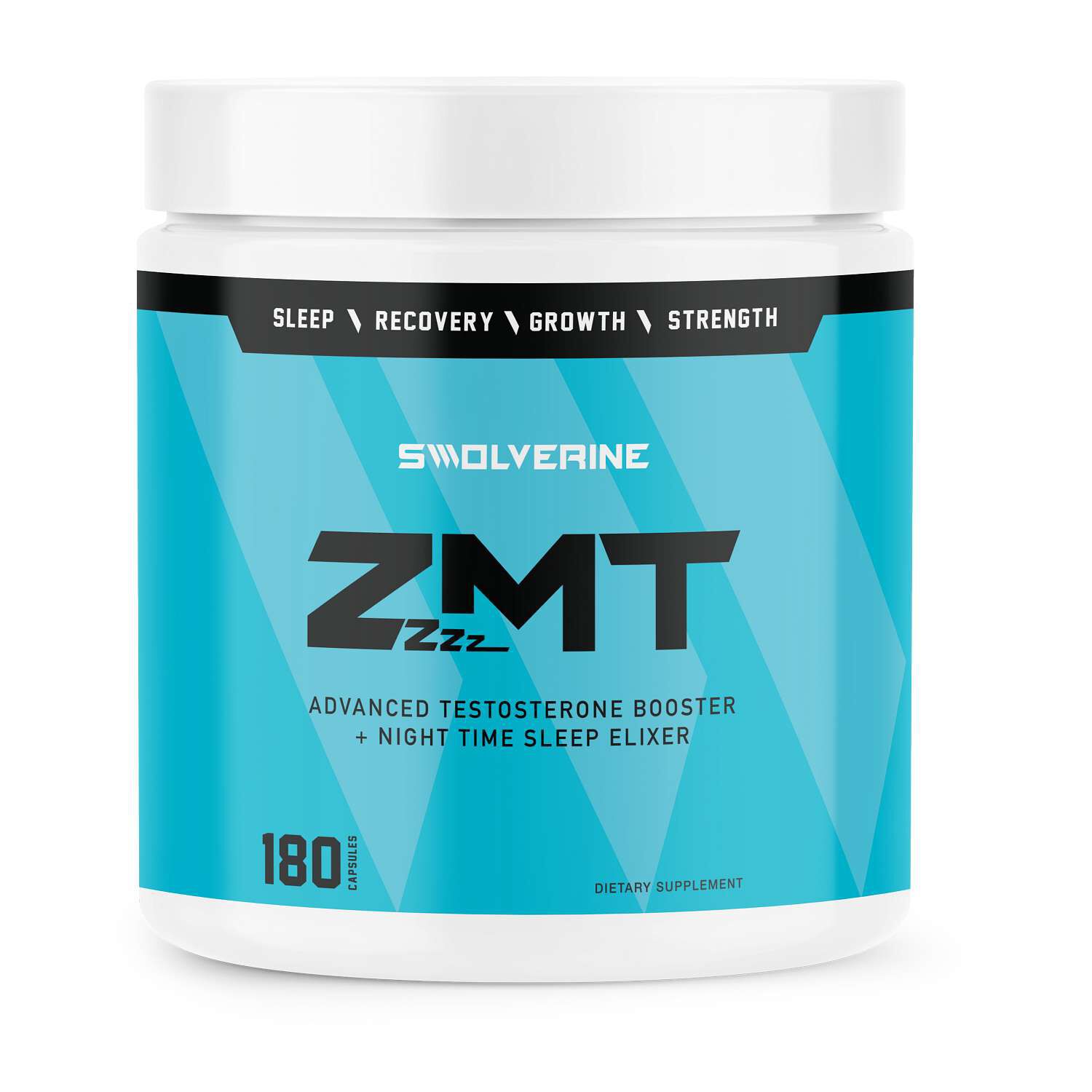
Timed-release melatonin supplements for adults are a category of supplements defined by how their melatonin is delivered, not simply by the amount listed on the bottle. Melatonin is a hormone naturally produced by the body and associated with the sleep-wake cycle. In a timed-release supplement, the formulation may release melatonin gradually over several hours rather than all at once. Some designs may combine an initial release with a slower subsequent release, while others may use a tablet structure intended for gradual delivery. Terms such as extended release, sustained release, and controlled release describe related formulation approaches, but they do not establish that every formula works in exactly the same way. The individual label provides the details that distinguish one format from another. For adults comparing melatonin supplements for a bedtime routine, the release description is a separate consideration from serving size, ingredient preferences, and tablet or capsule format. An immediate-release formula may release its contents more quickly, while a timed-release formula may spread that delivery across a longer period. Neither description, on its own, establishes how someone will experience the supplement or how long that person will sleep. A stated release period is also different from a stated duration of sleep. This distinction matters when comparing packaging that emphasizes hours of delivery with packaging that emphasizes milligrams per serving. A larger milligram number does not describe a slower release, and a timed-release designation does not necessarily mean a larger serving. The most useful comparisons keep those details separate: how much melatonin is listed per serving, how many tablets or capsules make up that serving, and what the manufacturer says about the delivery format. Together, these details provide a clearer picture of the category than a single prominent number on the front label. They also help distinguish a straightforward melatonin formula from a blend containing additional ingredients, without assuming that a longer ingredient list represents a closer match for every adult.
The physical format deserves attention because timed-release construction can involve more than the familiar shape of a tablet or capsule. Depending on the formula, coatings, layers, or a matrix within the tablet may influence how its contents are released. A layered tablet and a capsule containing specially prepared particles can look quite different, even when both carry a timed-release description. Appearance alone does not explain the delivery system; the package description and suggested-use information provide that context. Those details are particularly relevant when comparing a conventional swallowable tablet with another format that looks easier to incorporate into a nightly routine. The label may specify whether the serving is intended to be swallowed intact, so format preferences involve more than flavor or size. Ingredient lists also distinguish the melatonin itself from the other materials used to form, coat, or contain the supplement. Adults with particular dietary preferences may look for clearly stated information about capsule materials, animal-derived ingredients, colors, flavors, or declared allergens. A simple ingredient list and a combination formula represent different approaches, and the additional ingredients in a blend deserve their own consideration rather than being treated as interchangeable background ingredients. Serving information matters here as well: the melatonin amount shown in Supplement Facts refers to the stated serving, which is not always a single tablet or capsule. Package count and servings per container therefore describe different things. Packaging adds another practical dimension, whether the supplement comes in a bottle or individually enclosed portions. Closure instructions, storage directions, and expiration dating are part of that comparison. A container that fits neatly in a bedside drawer may suit a different setup than packaging intended to remain in a designated household storage area. The relevant details are the package’s actual dimensions, its closure, and its labeled storage conditions—not an assumption that every supplement can be stored in the same place. These everyday considerations connect the release format to how the supplement would fit into an adult’s home and routine.
Personal routines provide another useful way to compare timed-release melatonin supplements without treating them as interchangeable. One adult may prefer a single-ingredient formula with a clearly described delivery system; another may place more importance on capsule materials or the number of units in a serving. Someone who reads before bed may picture keeping the original package in a nearby drawer, while someone who travels regularly may be more interested in packaging dimensions and easy-to-read directions. Those preferences concern convenience and organization, not a prediction of the supplement’s effects. A timed-release format may appeal to adults seeking gradual delivery, but the category name alone cannot establish an individual experience. Descriptions of falling asleep, remaining asleep, and waking refreshed refer to different experiences, and a release mechanism does not make those outcomes interchangeable. That is why detailed labeling is more informative than broad language about a better night. Adults exploring age-focused categories can also browse Melatonin Supplements For Adults Over 50 as another way to organize their comparison. An age-focused collection offers browsing context; age alone does not describe a person’s ingredient preferences, daily schedule, or preferred supplement format. The same distinctions still matter: the amount per serving, the release description, the additional ingredients, and the labeled directions and cautions. For a shared household, clear adult labeling and recognizable original packaging are practical considerations as well. Melatonin supplements are personal-use purchases, so another person’s preferred serving or format is not necessarily a useful model. Across the category, precise product information helps keep the comparison grounded in what the package actually describes. A clearly stated delivery approach, readable Supplement Facts, transparent ingredient information, and suitable packaging provide concrete points of comparison for adults considering timed-release melatonin as part of a bedtime routine.