





Men's Multivitamins With Herbal Extracts
(0 Results)
Men's multivitamins with herbal extracts offer a convenient way to support your daily wellness routine. These formulas combine a variety of vitamins and minerals with thoughtfully selected herbal ingredients, designed for men who want to complement their nutrition. Explore options that may fit your lifestyle and help you stay on track with your wellness goals. Whether you're looking to fill nutritional gaps or simply add a new element to your regimen, men's multivitamins with herbal extracts could be a versatile addition to your daily routine.
-

-

-

-
-

-

-
-

-
-
 $42.99
-
-

-
-

-

-

-
-

-
-

Men's multivitamins with herbal extracts combine vitamins, minerals, and plant-derived ingredients in one dietary supplement formula. The nutrient portion often includes B vitamins, vitamins C, D, and E, and minerals such as zinc and selenium, while the botanical portion varies by formula. Ginseng, ginger, green tea, and extracts from fruits or other plants are examples of ingredients shoppers may encounter. Some formulas contain several botanical ingredients; others pair a shorter extract list with a broader selection of vitamins and minerals. These products may appeal to adult men who prefer a multivitamin that includes botanicals rather than a vitamin-and-mineral formula alone. The distinction lies in the ingredient panel, not simply in words such as “men's” or “herbal” on the front of a bottle. An extract is a preparation made by drawing selected constituents from plant material, and it is not necessarily interchangeable with the same plant listed as a whole-herb powder. Likewise, a fruit or vegetable powder blend differs from a formula that identifies individual herbal extracts and their amounts. Neither description, on its own, explains everything about the finished supplement. Two bottles with similar names can contain different nutrients, plant parts, serving sizes, and capsule materials. Some men's formulas include iron, while others omit it, and the amounts of individual vitamins and minerals can differ substantially. A formula described as plant-based also deserves a closer look at the full ingredient list, since a botanical ingredient does not establish whether every ingredient or the capsule shell comes from a plant source. For shoppers comparing men's multivitamins with botanical extracts, these concrete details provide a clearer picture than the number of plants pictured on the package. The category brings together several formulation styles, making the label the most useful starting point for understanding what distinguishes one option from another.
The Supplement Facts panel separates measurable formula details from broader package descriptions. Start with the serving size: a listed serving might consist of one tablet, two capsules, or several chewable pieces. Nutrient and botanical amounts generally correspond to that serving, rather than to each individual piece, so bottle count alone does not show how many servings a package contains. Daily Value percentages offer another point of comparison for listed vitamins and minerals, while many botanical ingredients do not have an established Daily Value. A botanical's milligram amount therefore serves a different purpose from a vitamin's Daily Value percentage. For herbal extracts, useful label details include the plant's common name, its botanical name when provided, the part used, and the amount per serving. A root extract and a leaf extract from the same plant are different ingredient descriptions, even when the familiar plant name matches. Some labels also identify an extract ratio or state that an extract is standardized to a particular plant constituent. An extract ratio describes a relationship between the starting plant material and the resulting extract; it is not a substitute for the rest of the ingredient information. Standardization identifies a specified amount or proportion of a named constituent, rather than describing the entire formula. Proprietary blends require a different reading approach because a label may provide the combined blend weight without listing an individual amount for every botanical within it. A blend containing many herbs is not automatically more informative than a shorter list with clearly stated amounts. The other ingredients section matters, too. Capsule materials, binders, coatings, sweeteners, colors, and flavorings can help distinguish formulas with otherwise similar nutrient panels. Shoppers with dietary preferences can look for explicit statements about those preferences instead of assuming that an herbal formula meets them. Comparing these details side by side makes differences visible without relying on a front-label description alone.
Format and packaging are practical parts of choosing men's multivitamins with herbal extracts, especially for a product intended for repeated use. Tablets have a compressed form and may include a coating, while capsules enclose ingredients within a shell whose material can vary. Gummies and other chewable formats have their own textures, flavors, and serving counts, and their ingredient lists may include sugars or other sweeteners. A shopper who prefers an unflavored capsule may evaluate a formula differently from someone who prefers a chewable option. Piece size also matters as a product characteristic, particularly when the suggested serving contains more than one piece. A photograph of the front label may not reveal that detail, so a package description or additional image can be useful. For someone organizing a weekday routine around an early commute, the number of pieces per serving and the bottle closure may be more relevant than an elaborate botanical blend name. Someone who travels frequently may pay closer attention to package dimensions, labeling, and the convenience of keeping the original container with the product. Storage deserves the same attention as format: follow the package directions, keep the container closed as directed, and preserve the readable label and date information. A bathroom shelf exposed to repeated humidity or a container left in direct sunlight may not match the labeled storage conditions. When buying for a partner or another adult family member, familiar preferences for format and ingredients are more useful than assumptions based on age or activity alone. Shoppers interested in comparing this category with more botanical-focused formulas can also explore Men's Herbal Supplements. A multivitamin combines a vitamin-and-mineral base with selected plant ingredients, whereas an herbal supplement may center on a single botanical or a blend without that broader nutrient base. Keeping that distinction in view helps organize the comparison around what the formula contains, how it is presented, and whether its format suits the intended routine.
Best Sellers
-
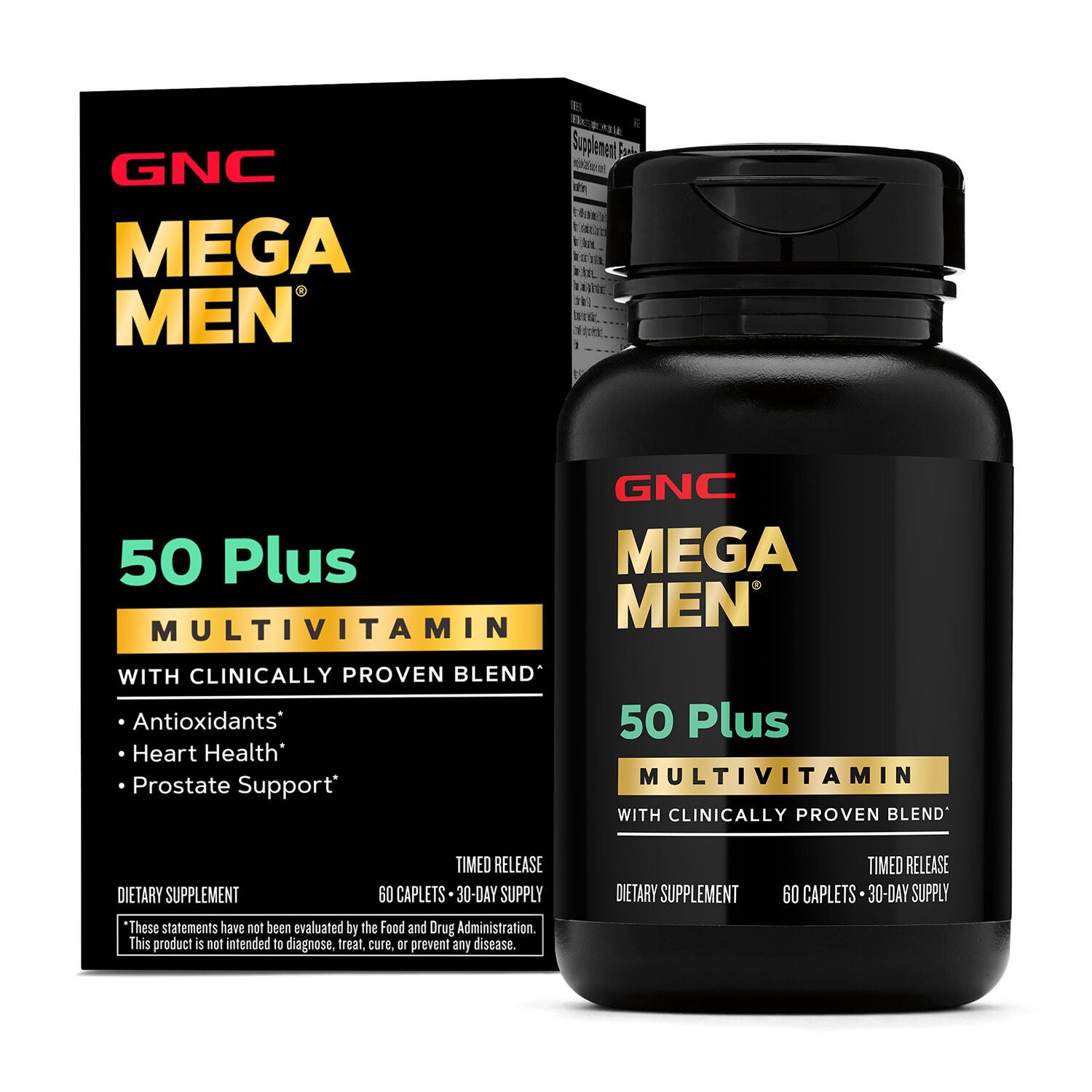
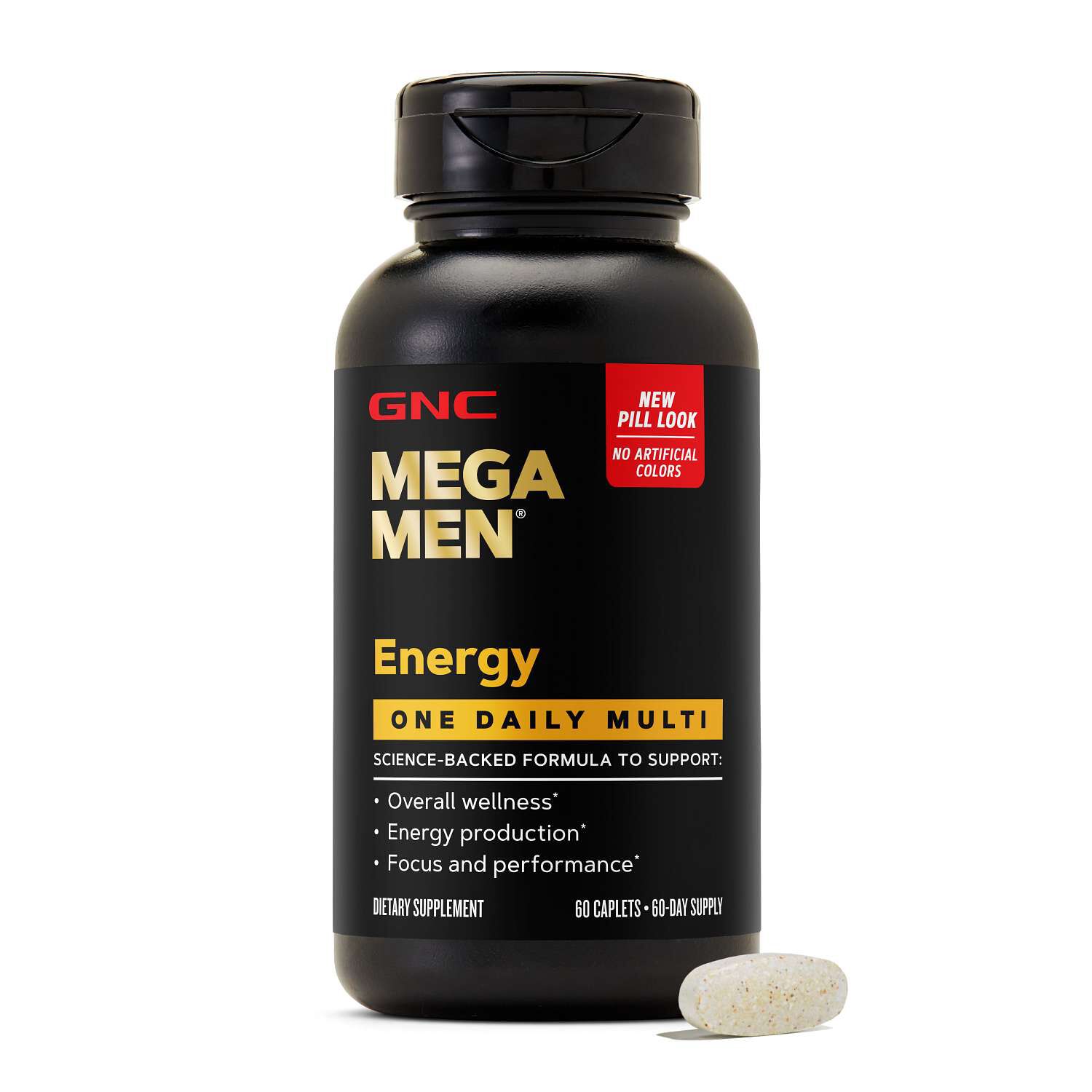
GNC Mega Men
-
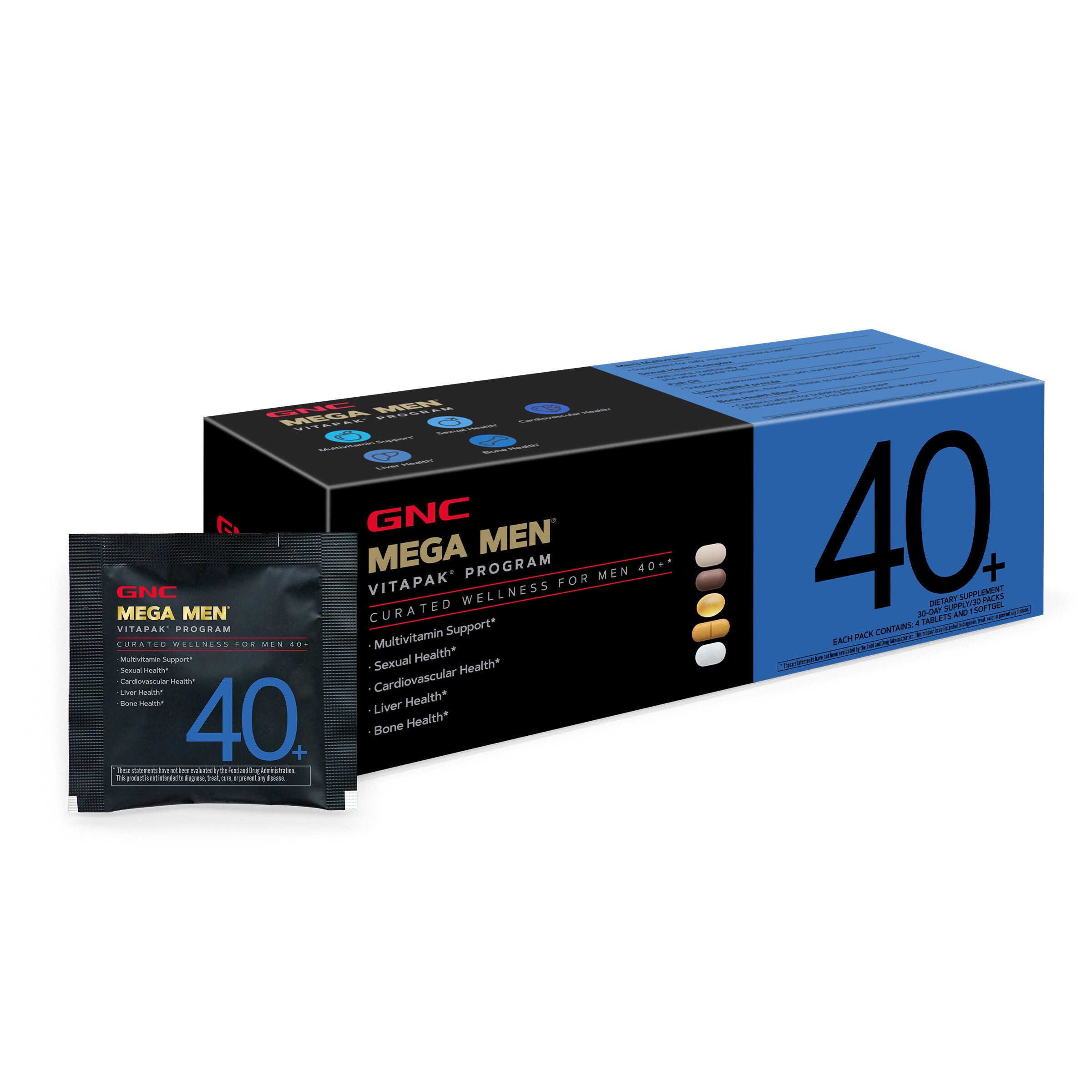
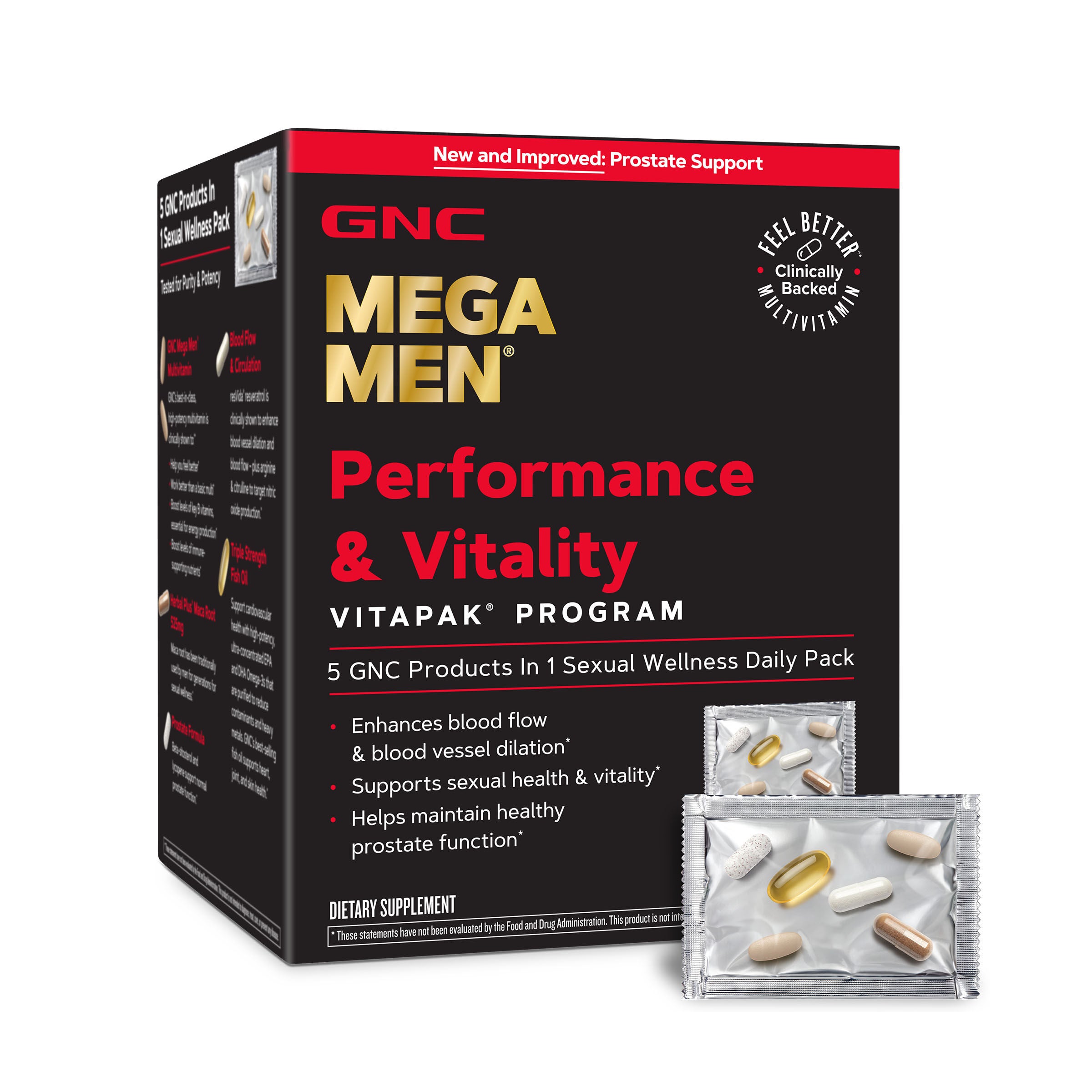
GNC Mega Men
-
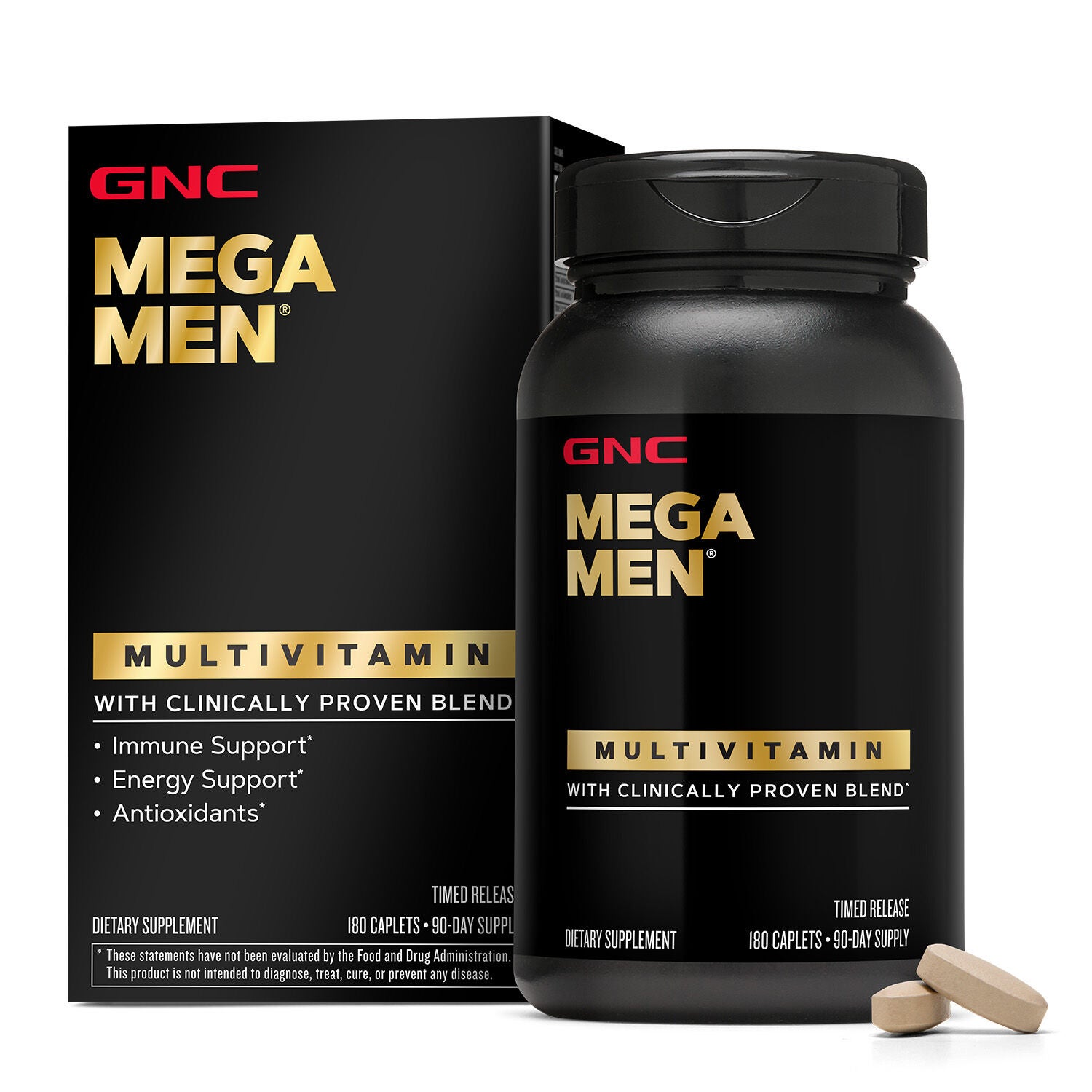
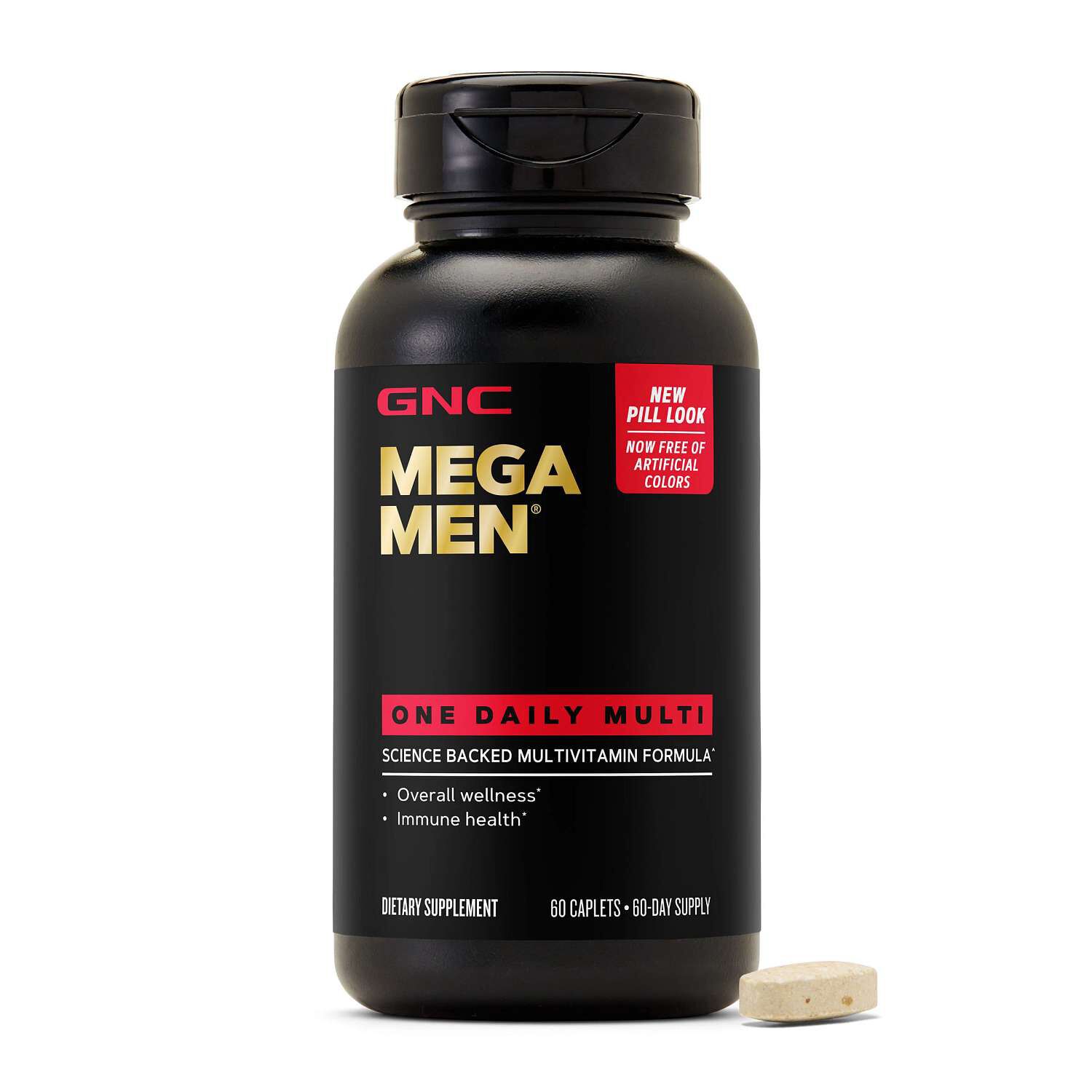
GNC Mega Men
-
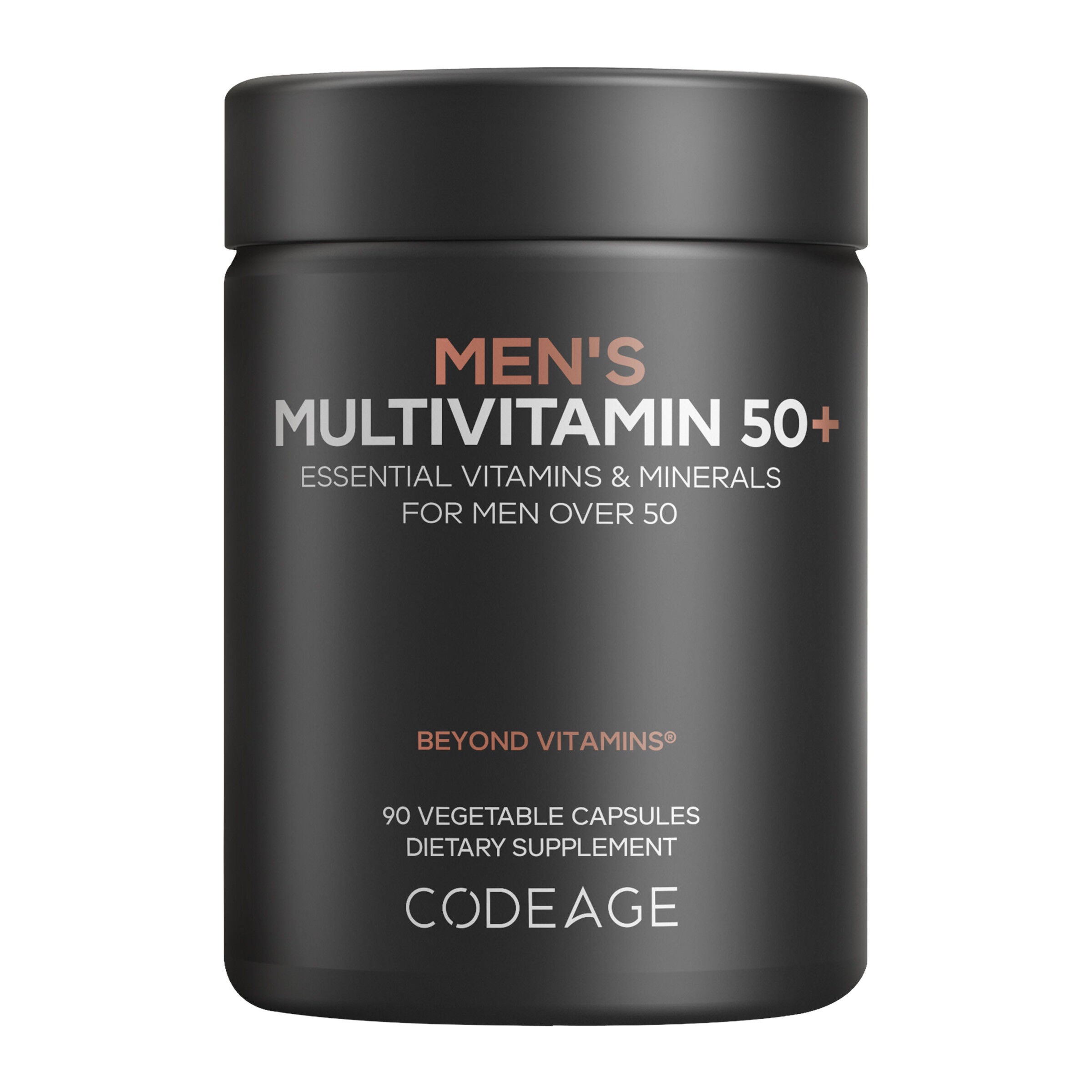
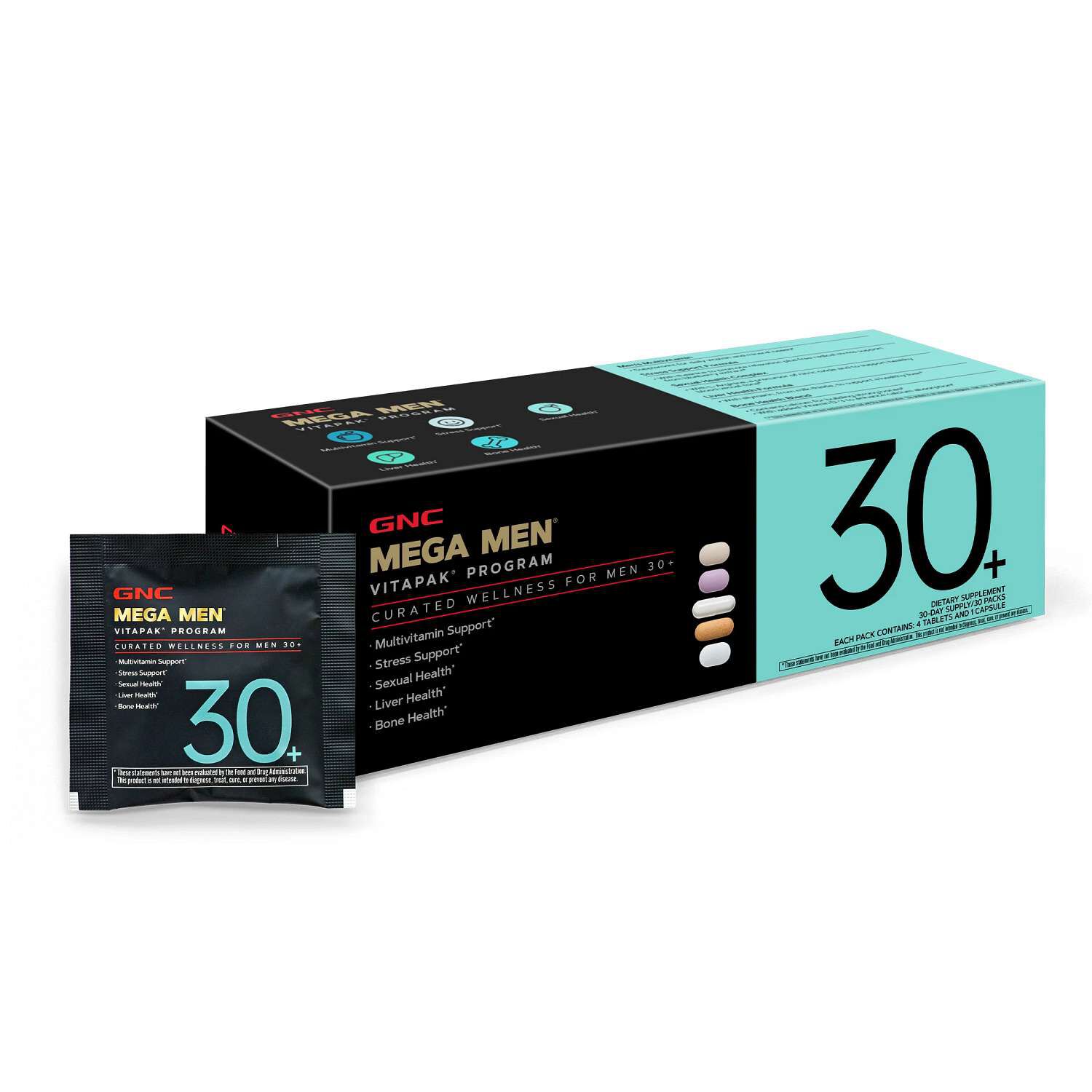
GNC Mega Men


