





Herbal Multivitamin Supplements For Women
(0 Results)
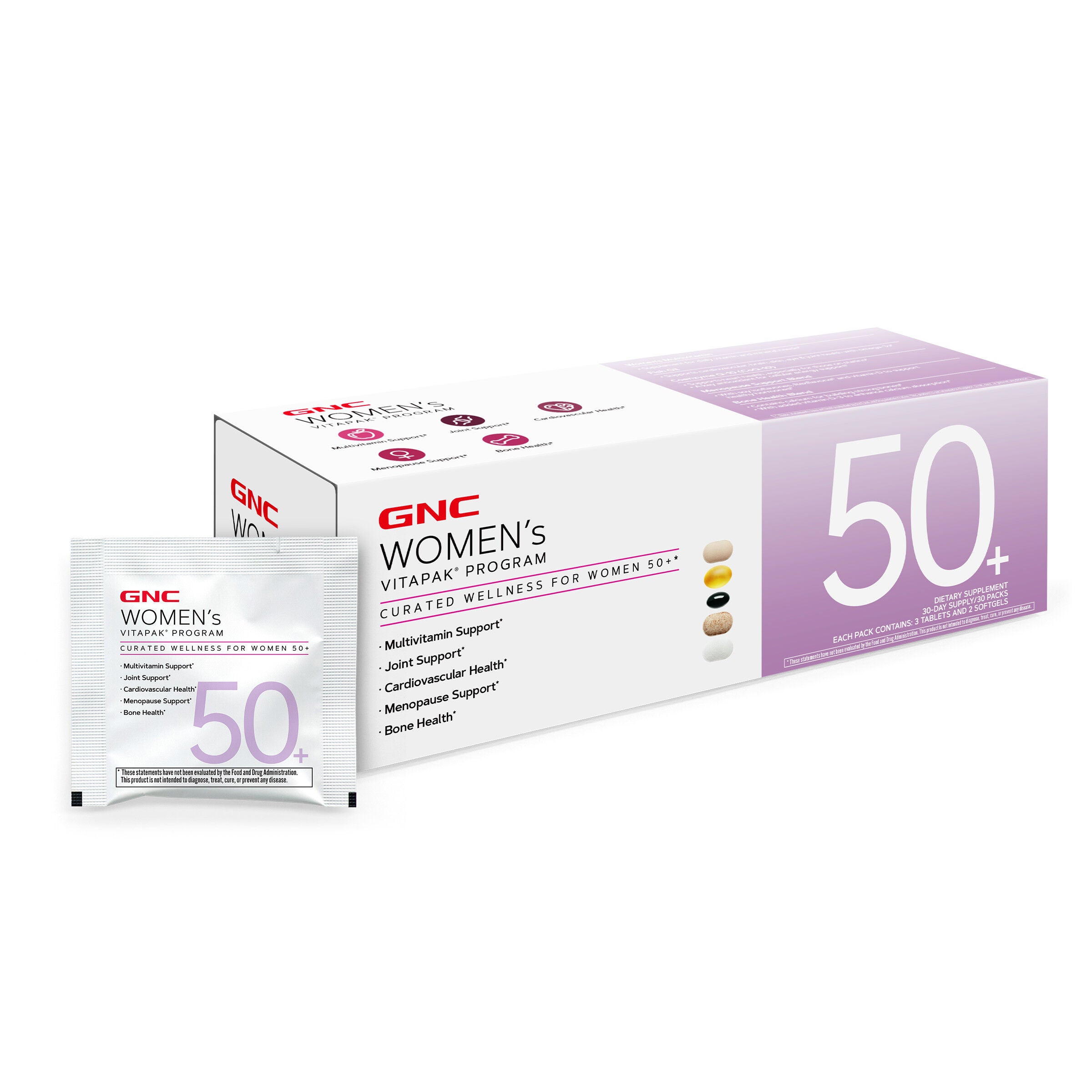
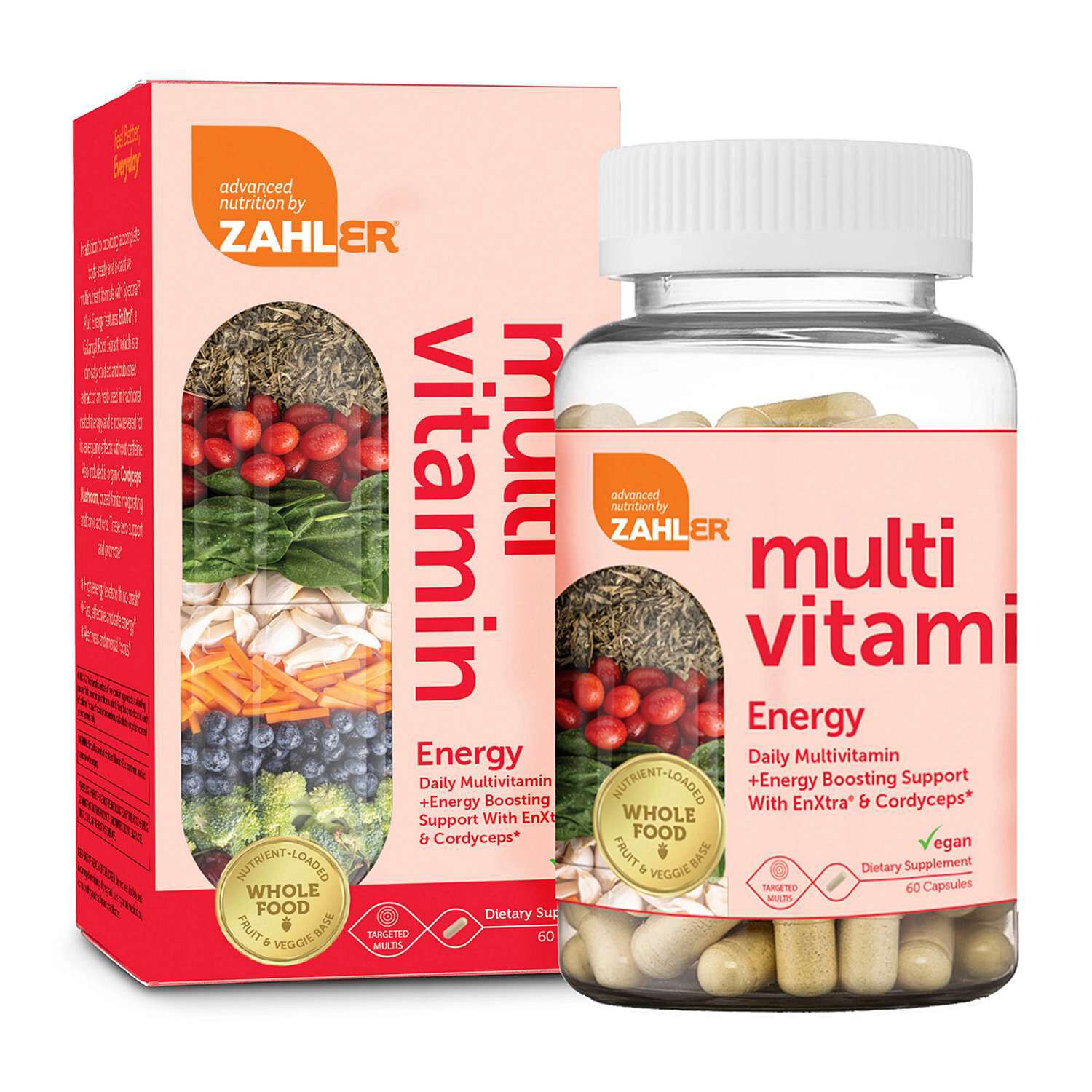
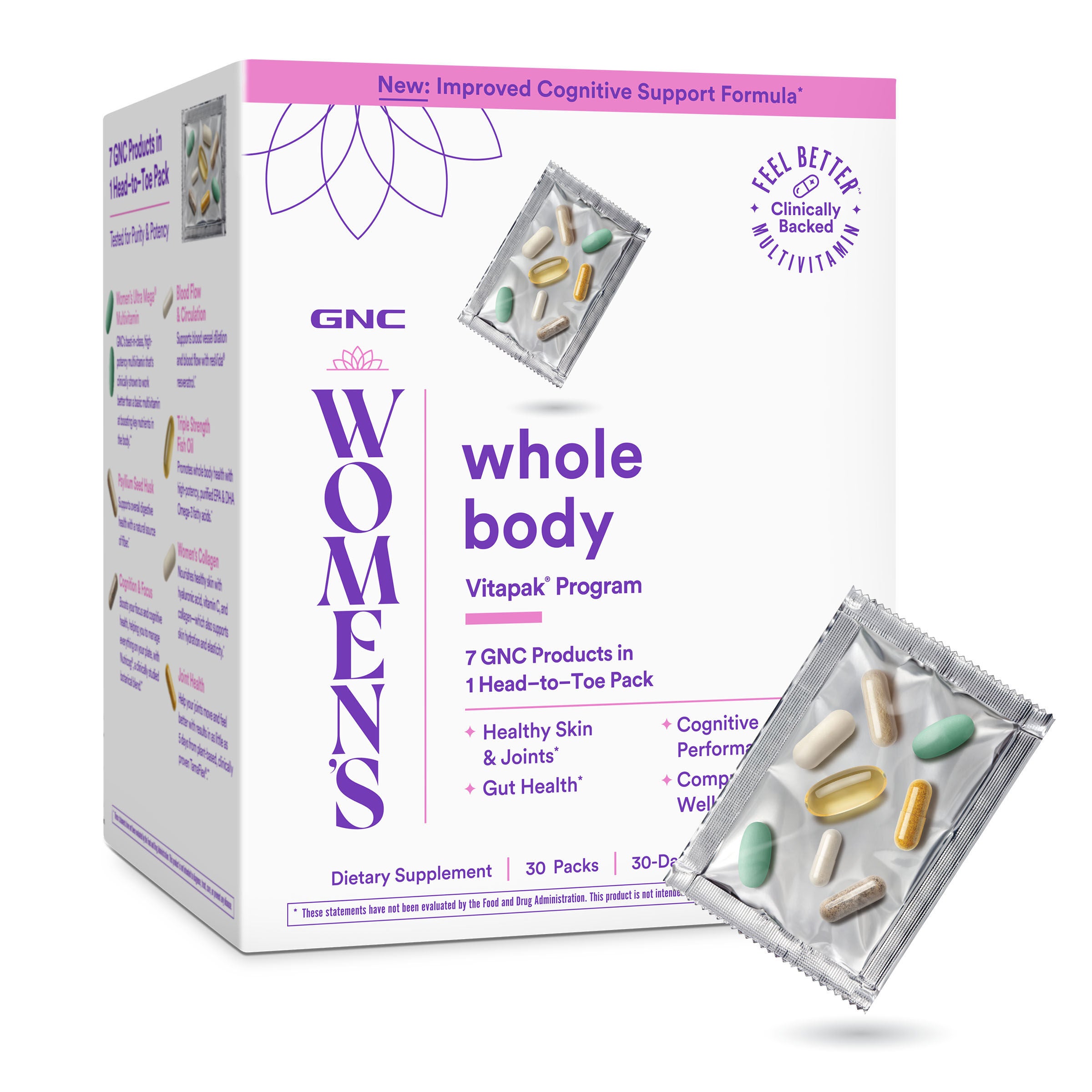
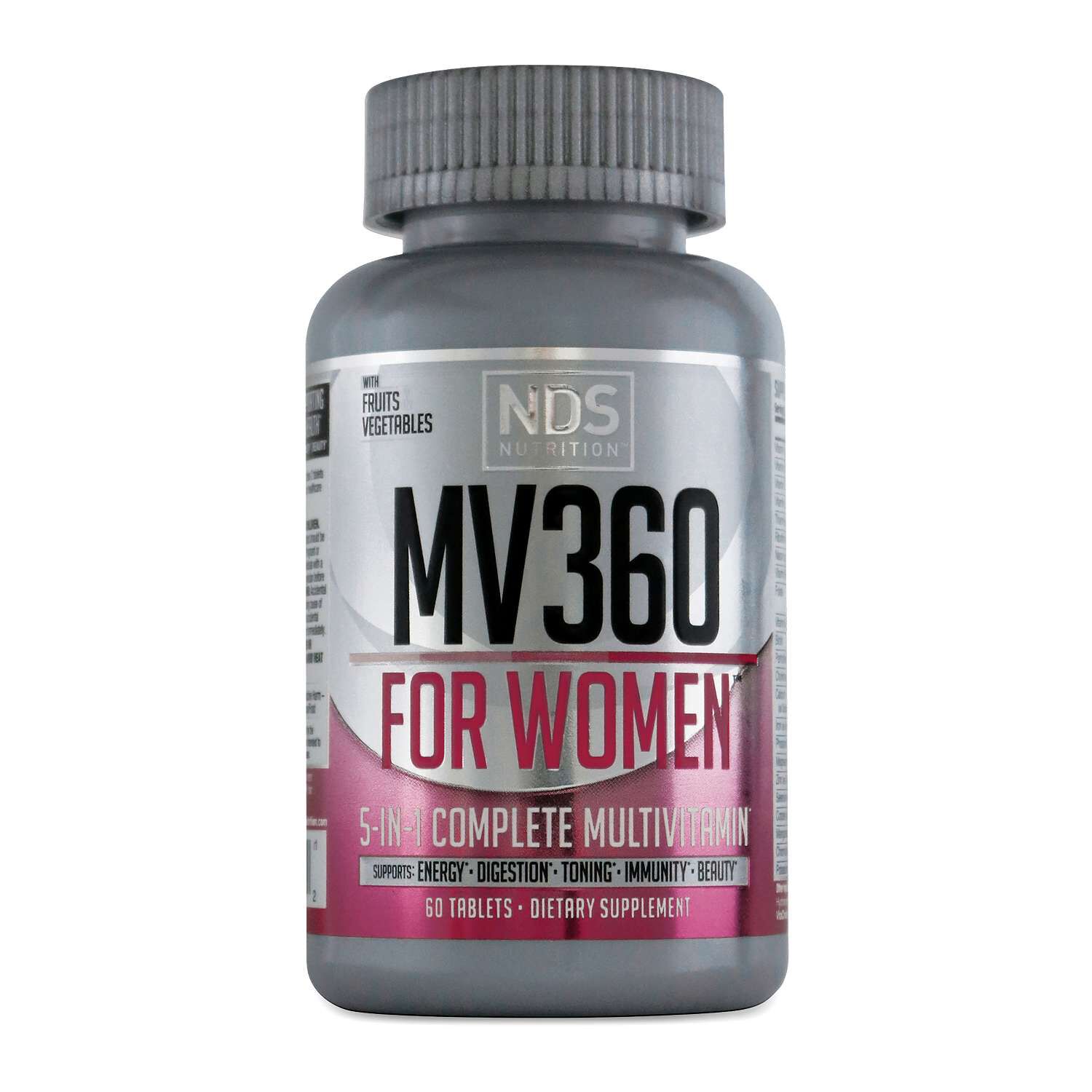
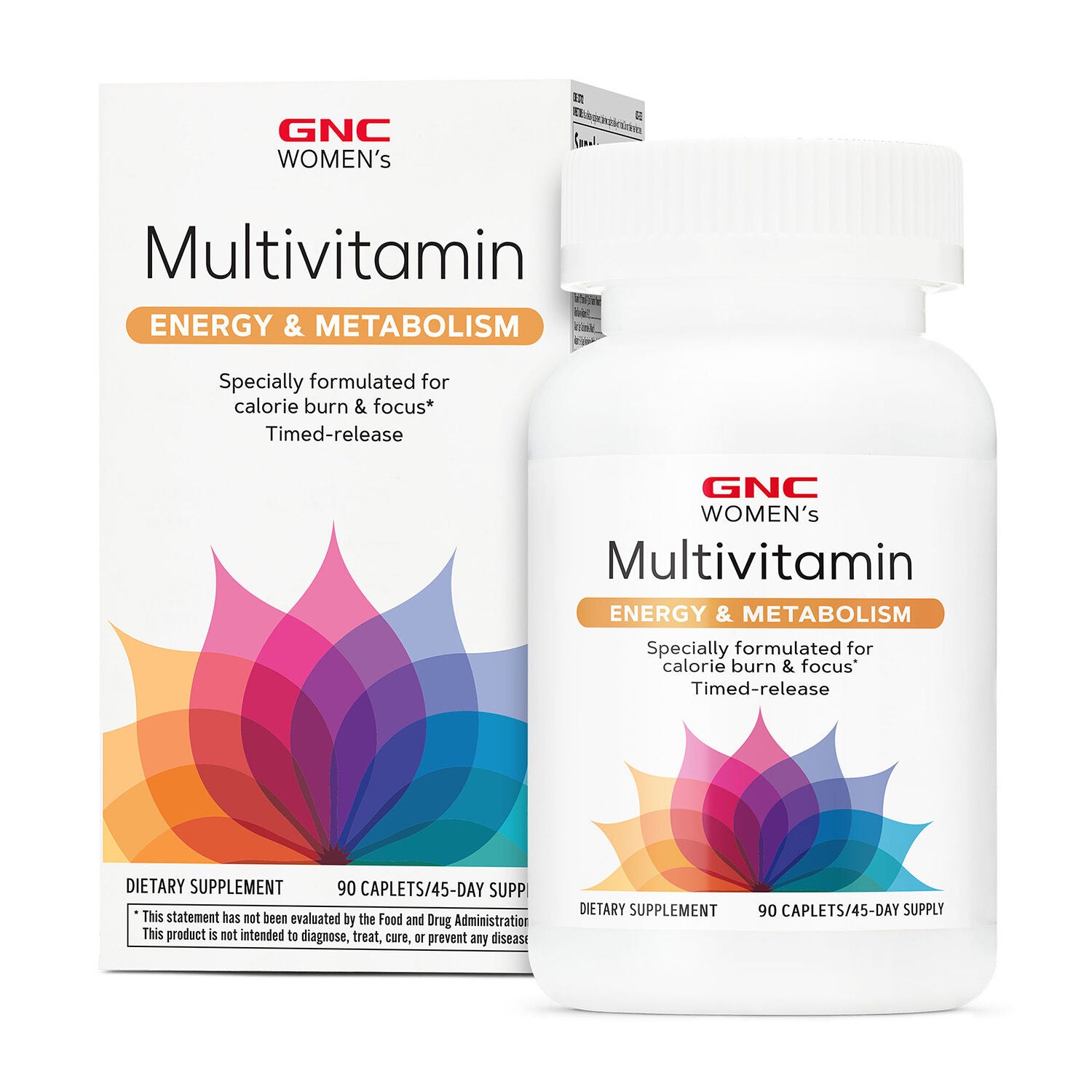
Herbal multivitamin supplements for women offer a convenient way to support your daily wellness routine. Blending a variety of botanicals and essential nutrients, these formulas are designed with women’s unique needs in mind. Whether you’re looking to fill nutritional gaps or add an herbal boost to your regimen, herbal multivitamin supplements for women could be a valuable addition to your healthy lifestyle. Explore options that may fit seamlessly into your day and help you feel your best.
-

-
-
-
-
-
$29.99
-
-
-
-

-
 NDS Nutrition$49.99
-
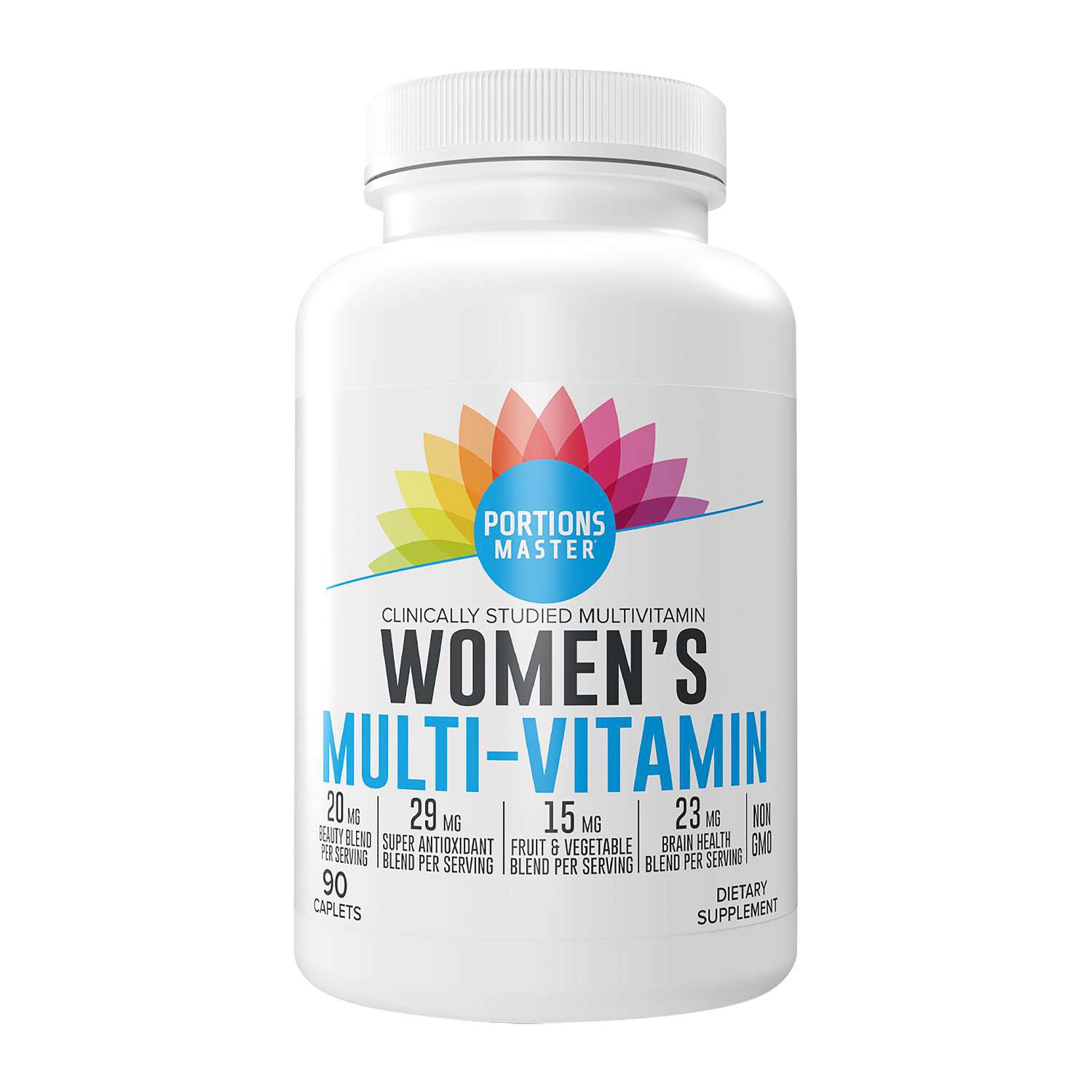
-
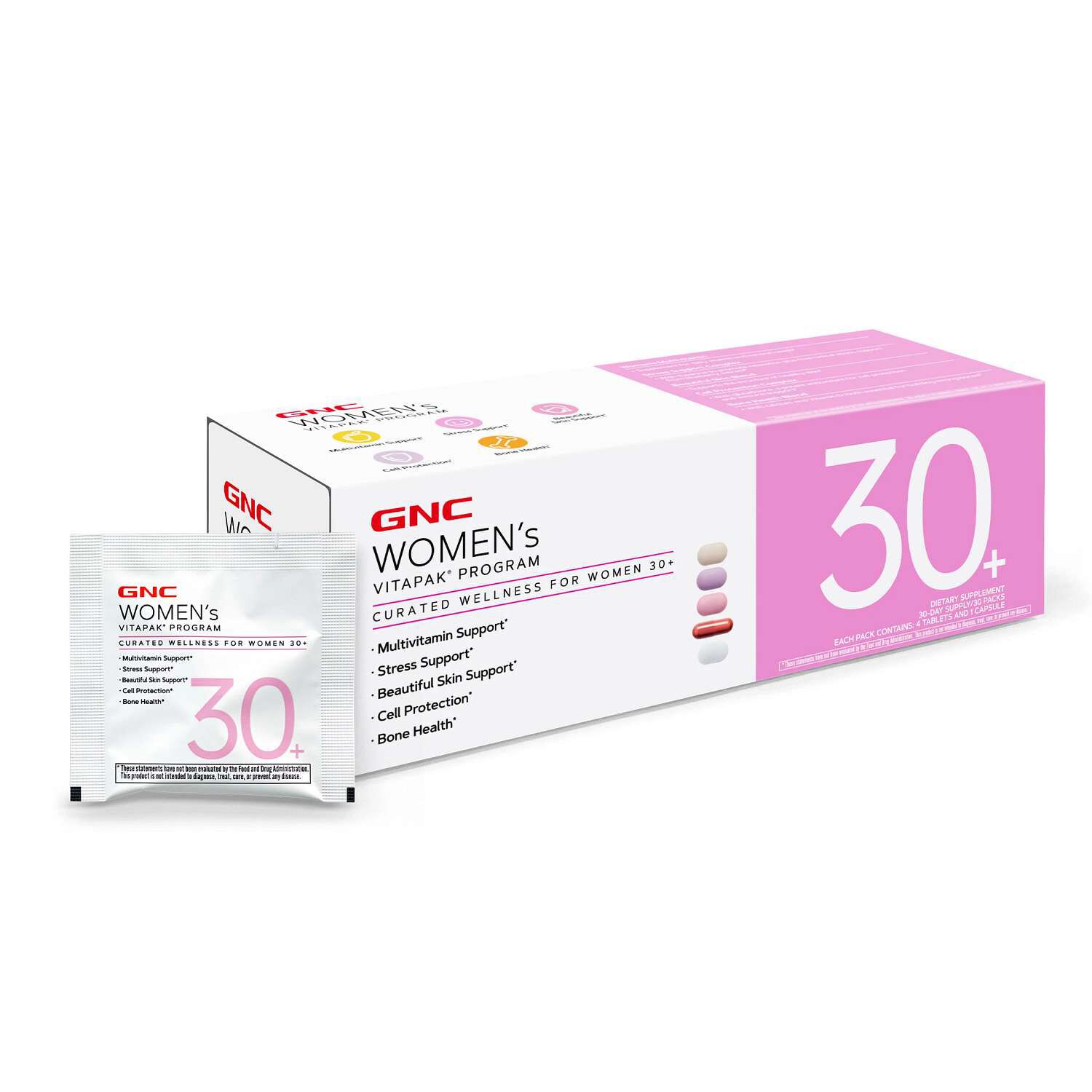
-
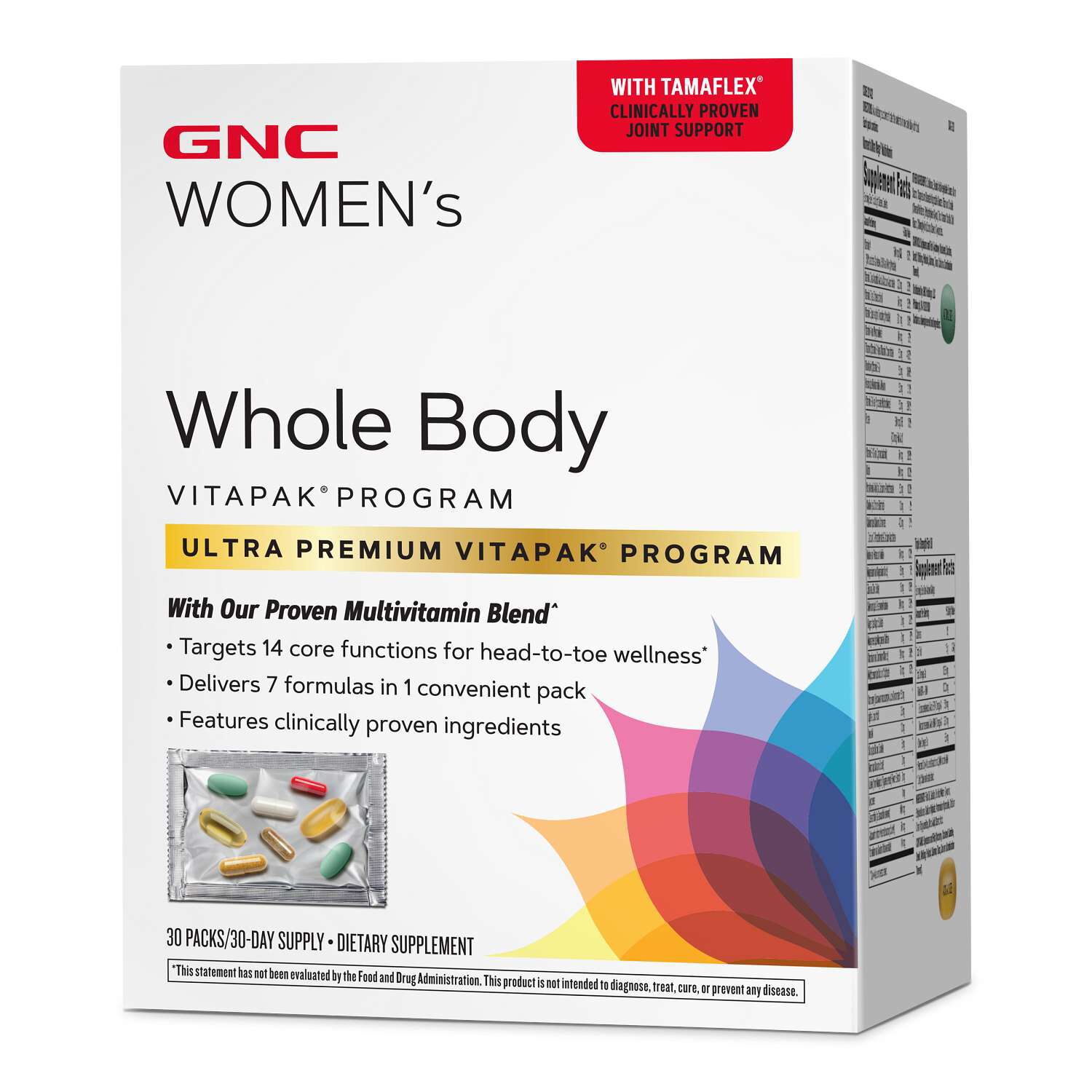
-

-

-
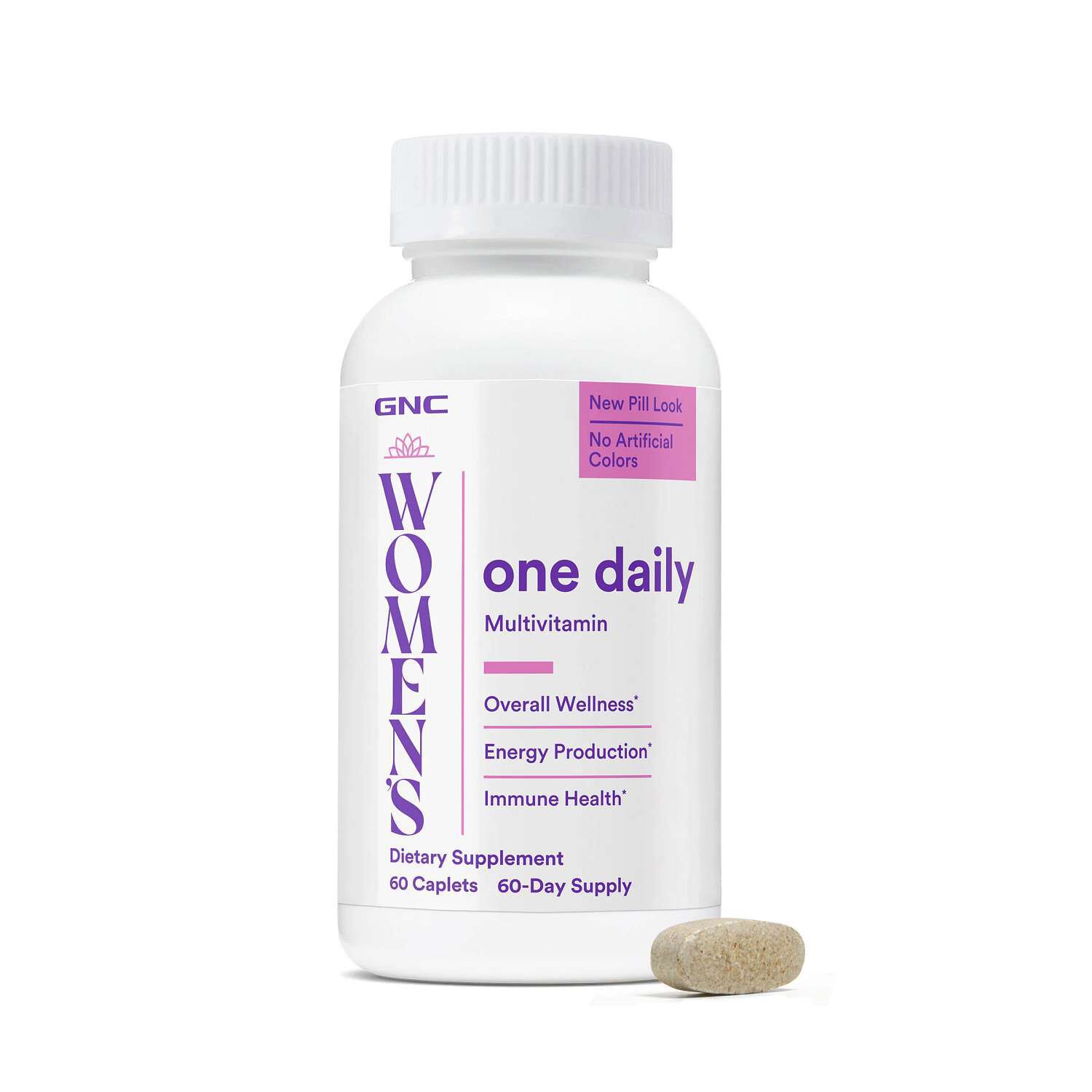
-
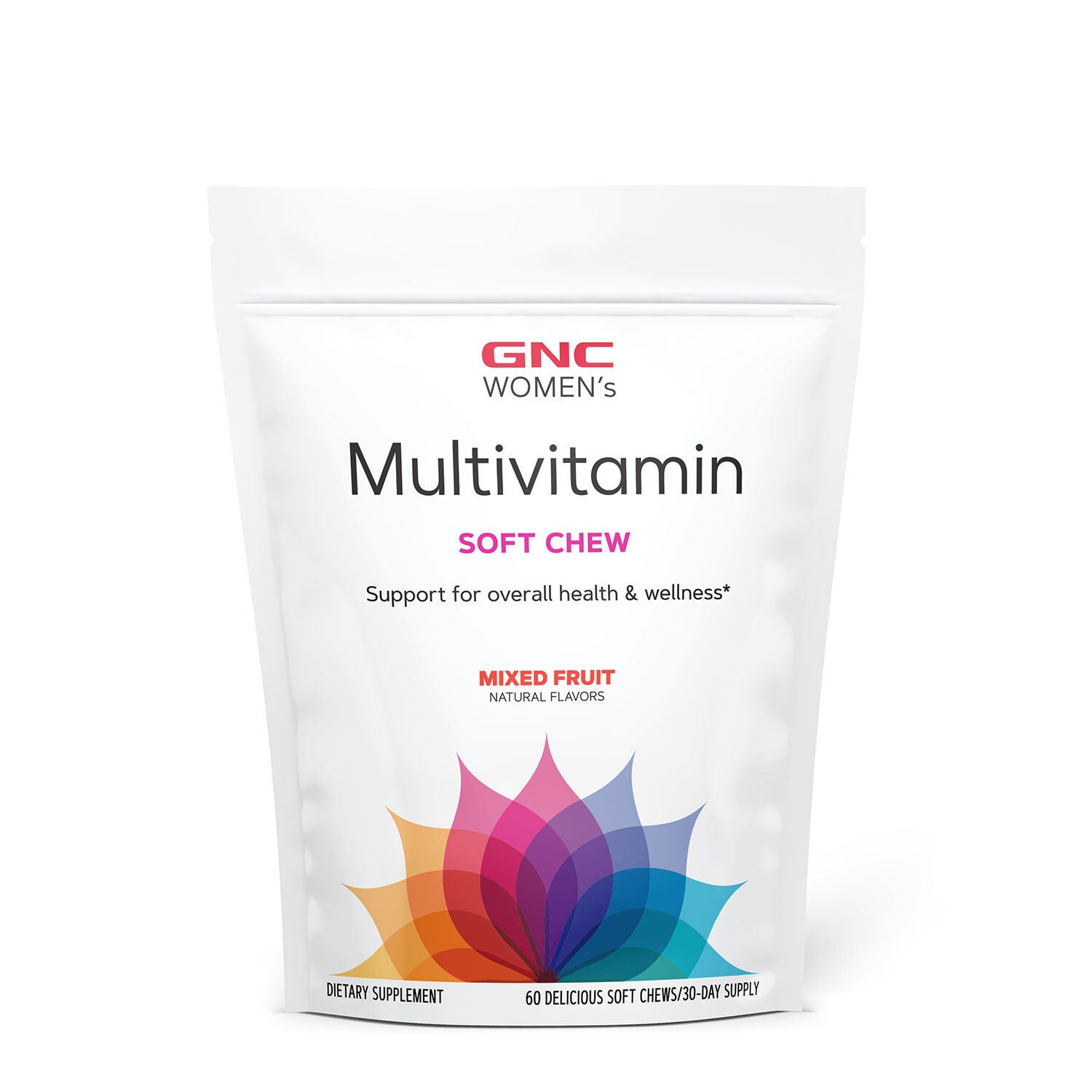
-
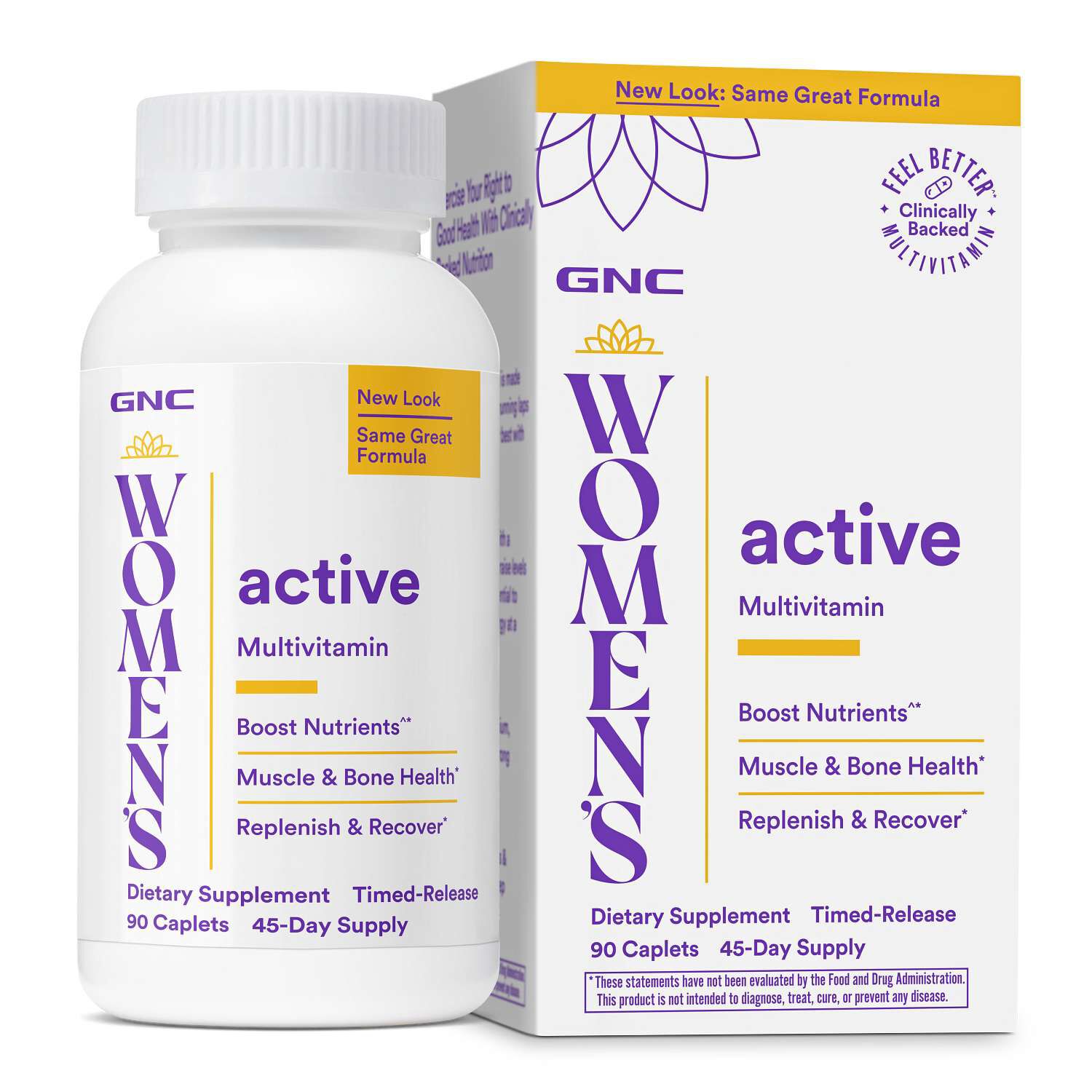
-
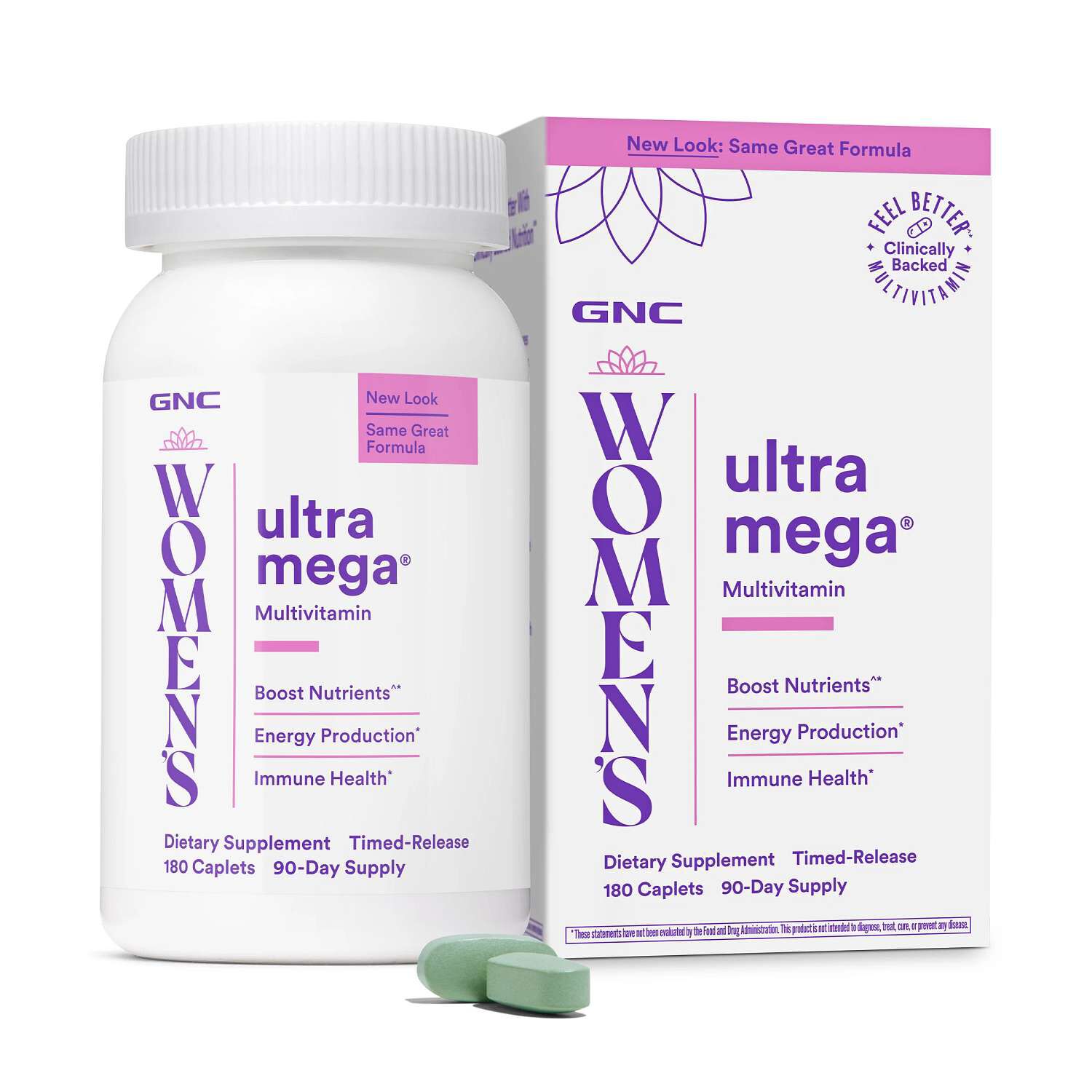


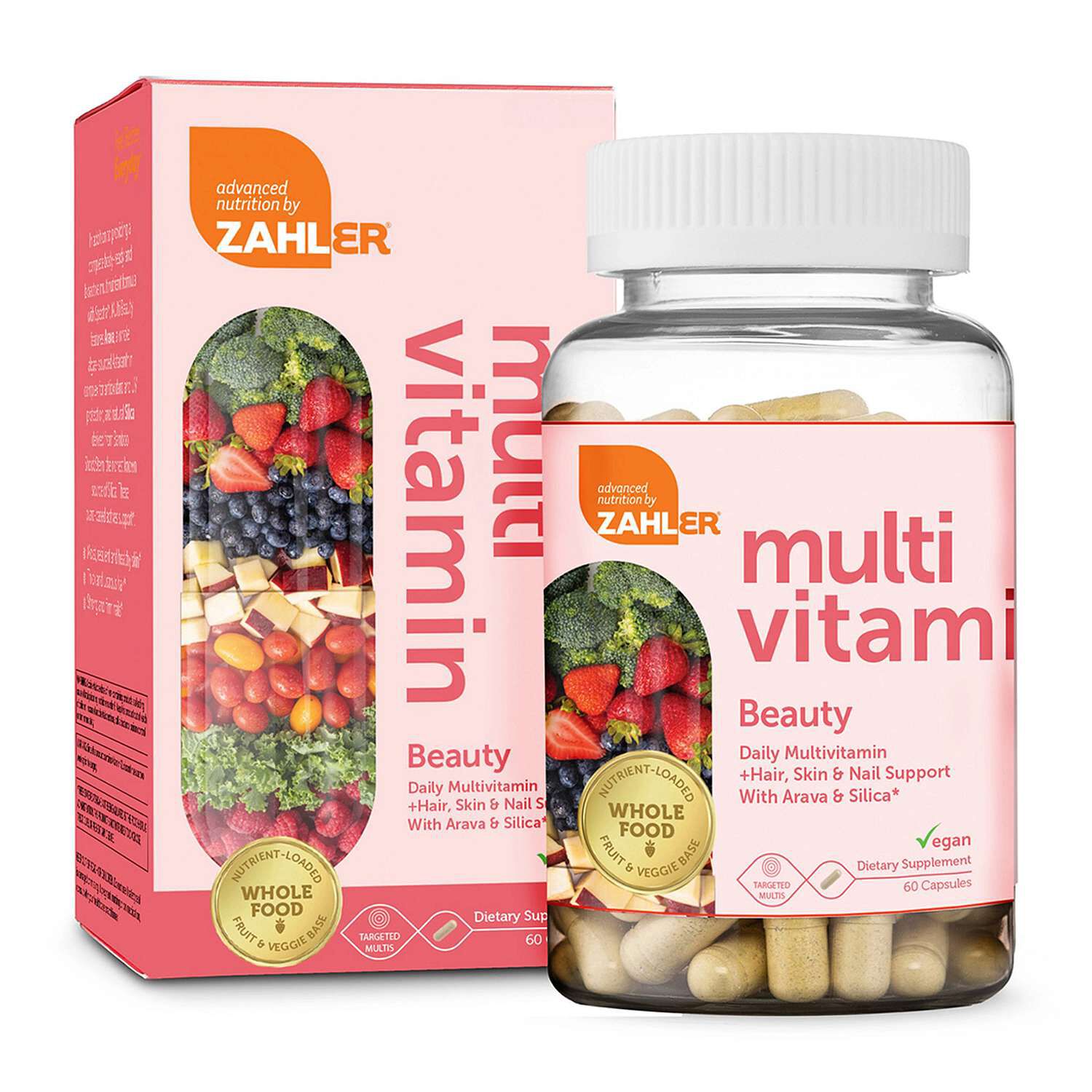
Herbal multivitamin supplements for women combine vitamins and minerals with herbs or other botanical ingredients in a formula intended to complement everyday food choices. The category brings together two distinct components: a multivitamin base and a selection of plant ingredients. The vitamin and mineral portion may include nutrients such as vitamins A, C, D, E, and several B vitamins, alongside minerals such as zinc, iodine, selenium, or iron. The botanical portion may feature leaves, roots, berries, seeds, or extracts, with the exact combination varying by formula. Some blends emphasize familiar culinary plants, while others feature ingredients associated with traditional herbal preparations. A product described as herbal is not necessarily made entirely from plants, and a multivitamin containing herbs is not the same as a standalone herbal supplement. These distinctions matter when comparing formulas that look similar on the front of the bottle. Terms such as botanical blend, food-based, and plant-derived describe different aspects of a supplement rather than a single, standardized ingredient profile. A food-based description, for example, may refer to selected ingredient sources without describing every vitamin, mineral, or capsule component. The Supplement Facts panel provides a more specific picture, showing the nutrients included, their amounts per serving, and their percent Daily Value where one has been established. Not every women’s multivitamin contains iron, and the amounts of calcium or magnesium can differ considerably between formulas. Botanical ingredients also differ in their composition, so a long plant list does not necessarily make two blends comparable. Women’s formulas may carry adult age ranges or other life-stage designations, adding another distinction beyond the word women on the label. For shoppers comparing herbal multivitamins for women, the clearest starting point is the actual composition: which nutrients are present, which plants are included, and how those ingredients are described. The category name offers useful context, but the ingredient details distinguish one type of formula from another.
Format is another practical part of choosing a women’s herbal multivitamin, especially for a routine that includes commuting, travel, shared kitchen space, or a crowded bathroom cabinet. Tablets, capsules, gummies, liquids, and powders offer different ways to package a serving, though the same nutrient and botanical combinations are not represented in every format. Tablets have a compact, solid form, while capsules enclose powdered or other ingredients within a shell. Capsule materials may include gelatin or plant-derived cellulose, a distinction that matters to shoppers with particular dietary preferences. Gummies have their own texture, flavoring, sweetener, and ingredient considerations. Liquid and powdered formats involve measuring or mixing, so the measuring device, preparation directions, and storage requirements become part of the everyday experience. A small bottle does not necessarily mean a smaller serving, and a larger tablet does not reveal how many nutrients it contains. Serving size also deserves attention: the number of capsules or gummies in a container is different from the number of servings it provides. Directions may specify taking a serving with food or dividing it across the day; those instructions belong to the individual formula rather than the category as a whole. For someone who eats breakfast at a desk, a bottle stored according to its label presents a different practical arrangement from a powder prepared in a glass at home. Flavor and aroma also matter when a formula includes botanical ingredients, particularly in liquids or powders where those characteristics may be more noticeable. Dietary preferences involve more than the featured herbs. Other ingredients can include capsule materials, coatings, colors, flavors, and sweeteners, while allergen statements provide separate information about the formula and its production setting. A plant-focused presentation on the package does not, by itself, establish vegan suitability or the absence of a particular ingredient. Specific label statements offer a firmer basis for those distinctions than botanical imagery or the color of the packaging.
The botanical details add another layer of context to herbal multivitamin supplements for women. A plant’s common name may appear alongside its scientific name, the part used, and the form of the ingredient. Root powder, leaf powder, fruit concentrate, and an extract are different descriptions, even when they refer to the same plant. An extract may also list a ratio or identify a measured plant constituent. Those details describe the preparation; they are not a reason to assume that a larger number makes a formula more suitable. A blend listed under a shared name may show the combined weight of its ingredients without showing a separate amount for each one, which affects how directly it can be compared with another formula. Clear sourcing information and explanations of testing practices can provide additional context, especially when a label identifies what was tested and by whom. Certifications are similarly specific: a statement about ingredient sourcing addresses a different question from one about manufacturing practices. After purchase, packaging and storage remain part of the product’s intended use. The original container keeps the directions, ingredient list, lot information, and date marking together. A tightly closed lid and storage consistent with the label matter for tablets, capsules, gummies, and other formats, while some liquids have additional instructions after opening. A sunny windowsill, a steamy bathroom shelf, and a car console present different storage conditions from a cabinet that matches the package directions. For travel, retaining access to the label preserves the serving and handling information that belongs to the formula. Within the broader range of Supplements For Women, herbal multivitamins represent one approach to combining multiple nutrient categories and botanical ingredients in a single product. Comparing composition, format, serving details, dietary attributes, and storage needs keeps the focus on concrete differences. That practical view leaves room for personal preferences without treating every women’s formula, every herbal blend, or every plant-derived ingredient as interchangeable.
Best Sellers
Related Pages
Top Collections
- Supplements For Yoga Joint Flexibility
- Chronic Fatigue Supplements
- Joint Mobility Supplement Packs
- Adult Mobility Supplements
- Active Supplements
- GLP 1 Support For Adults
- Zinc Supplements | Top Brands at Great Prices | GNC
- Supplements For Anxiety Relief Support
- Supplements For Balance
- Capsule Supplements For Energy And Stamina