Whole Food Multivitamins For Women
(0 Results)
Whole food multivitamins for women are designed to support a balanced lifestyle with ingredients sourced from fruits, vegetables, and other natural foods. These convenient options may help fill nutritional gaps and complement your daily routine. With a focus on quality and wholesome sources, whole food multivitamins for women could be a great addition to your wellness journey. Explore a variety of formulas that fit your unique needs and preferences.

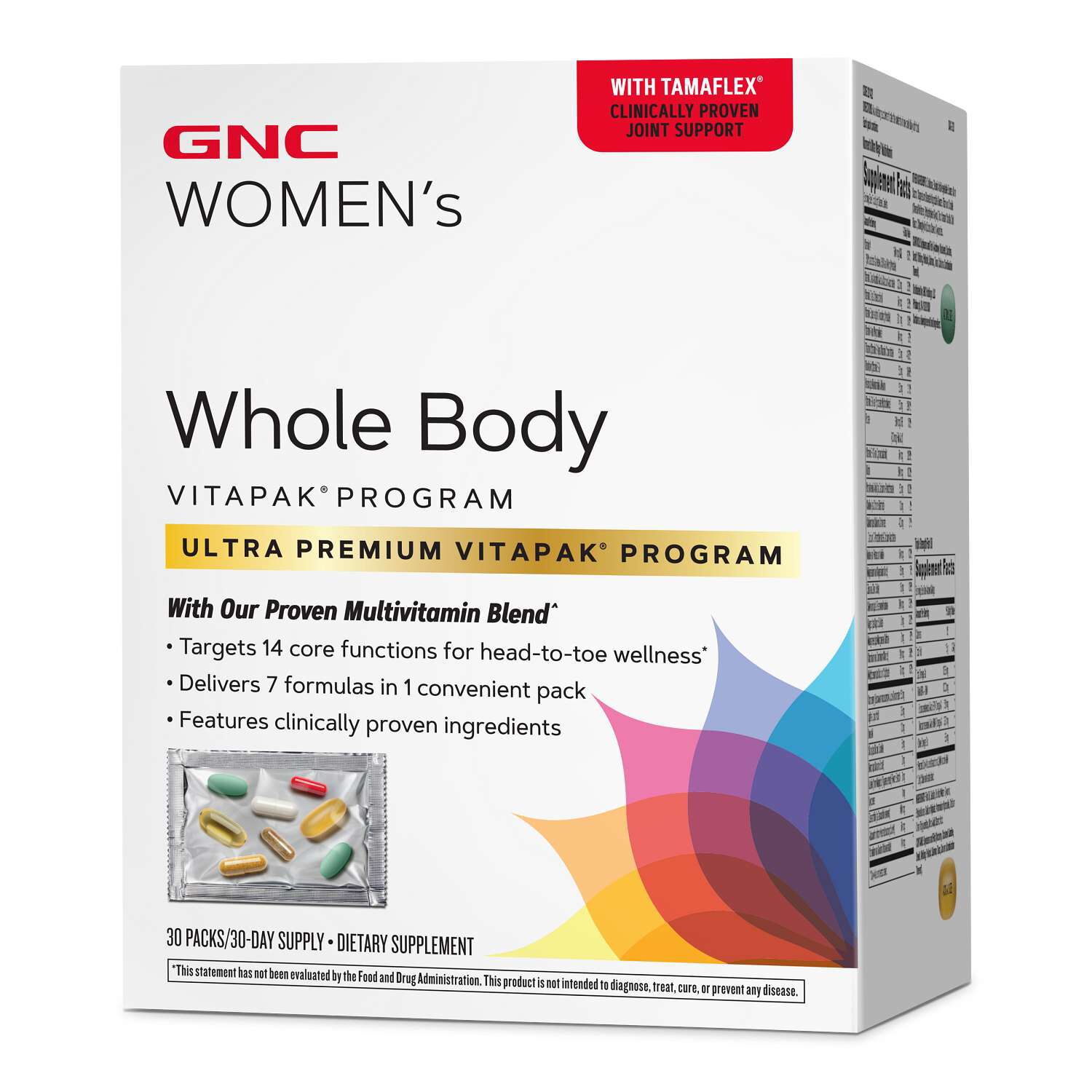
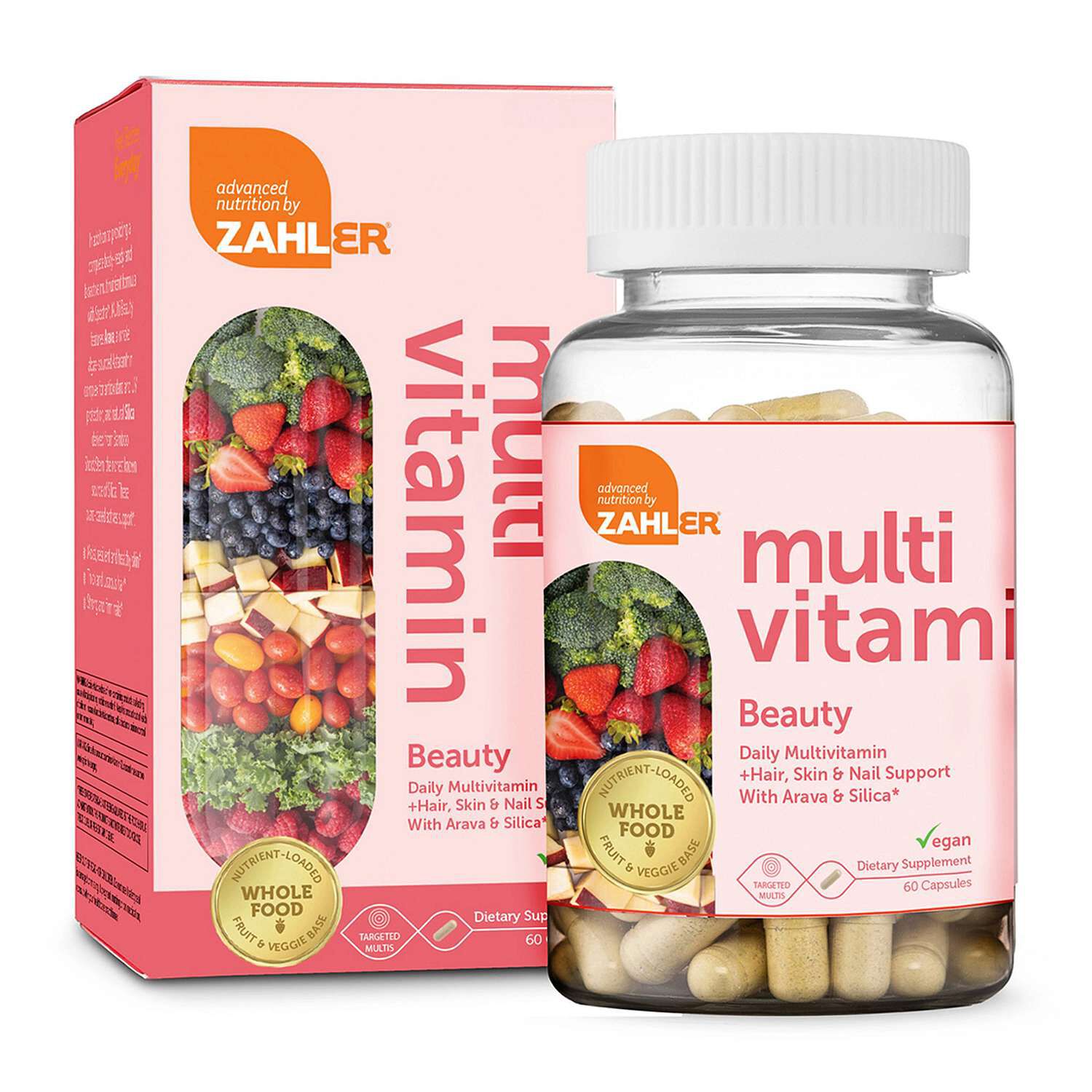
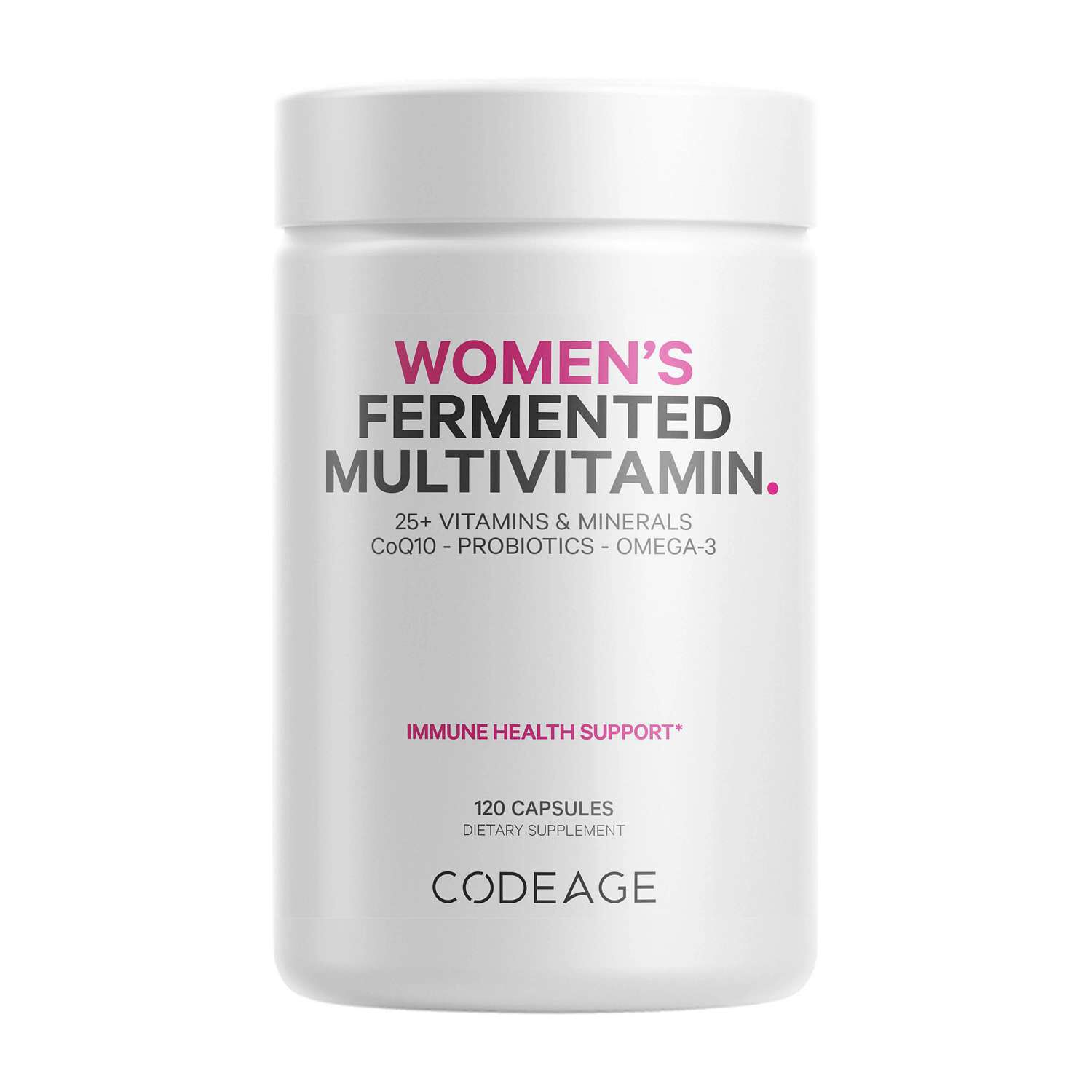
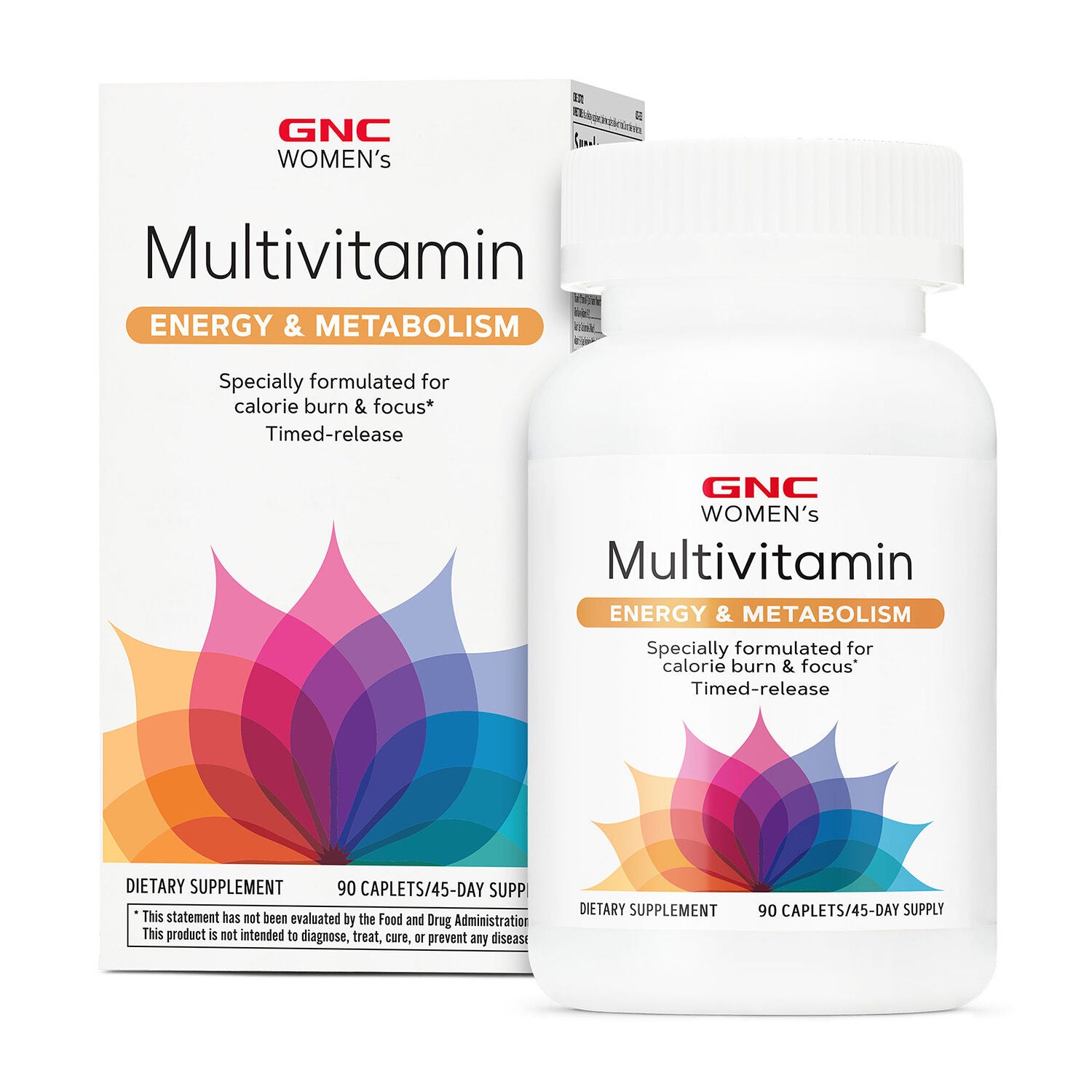

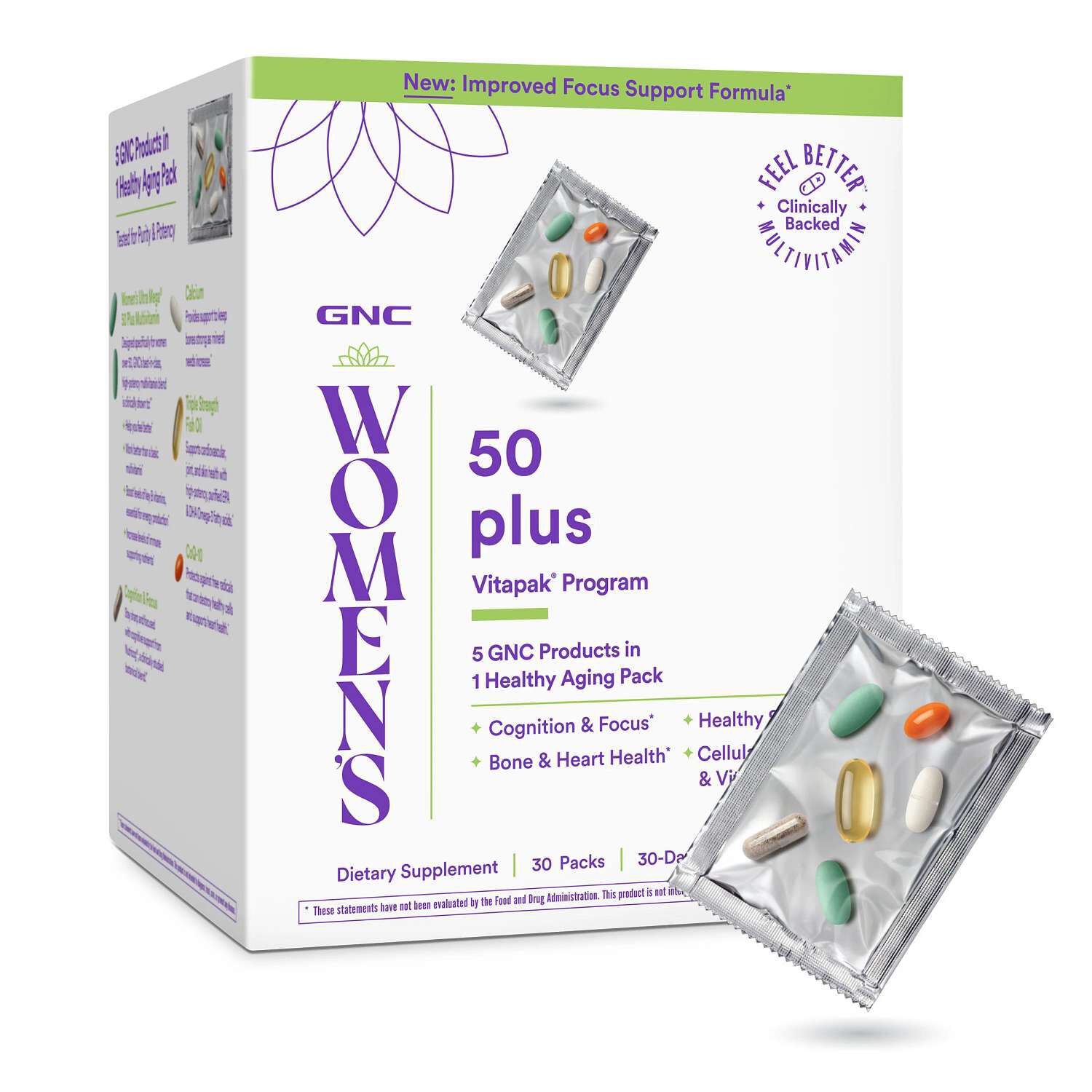
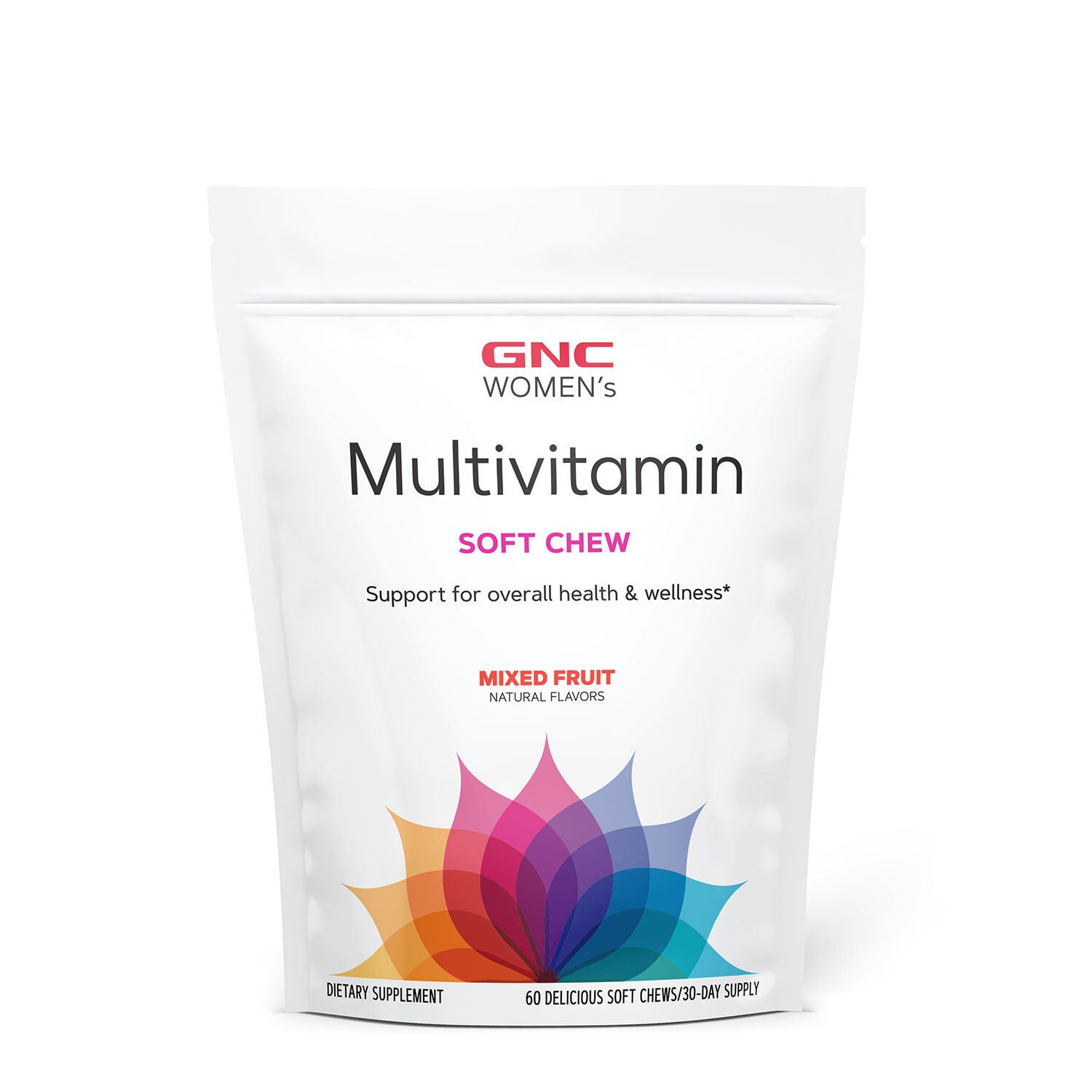


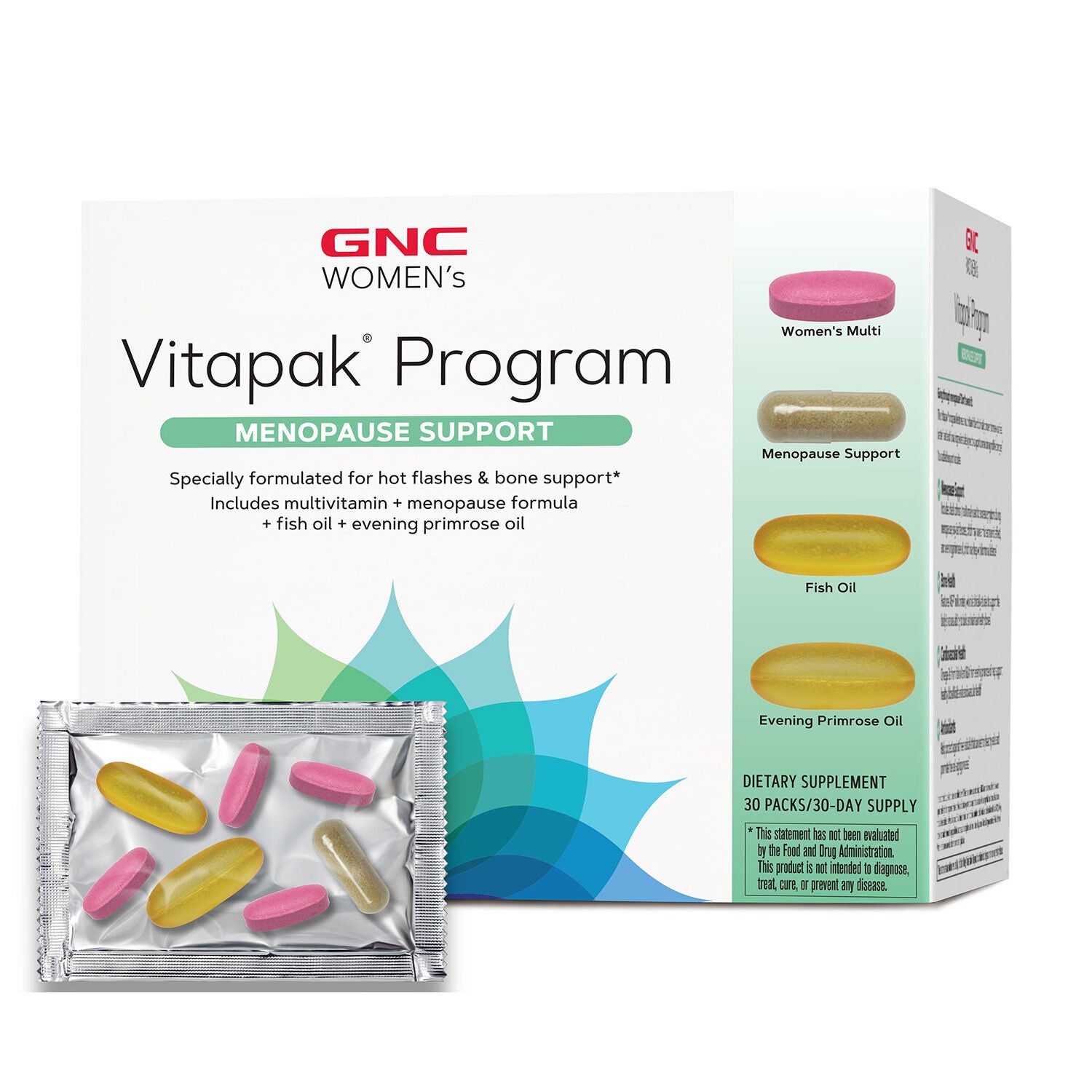
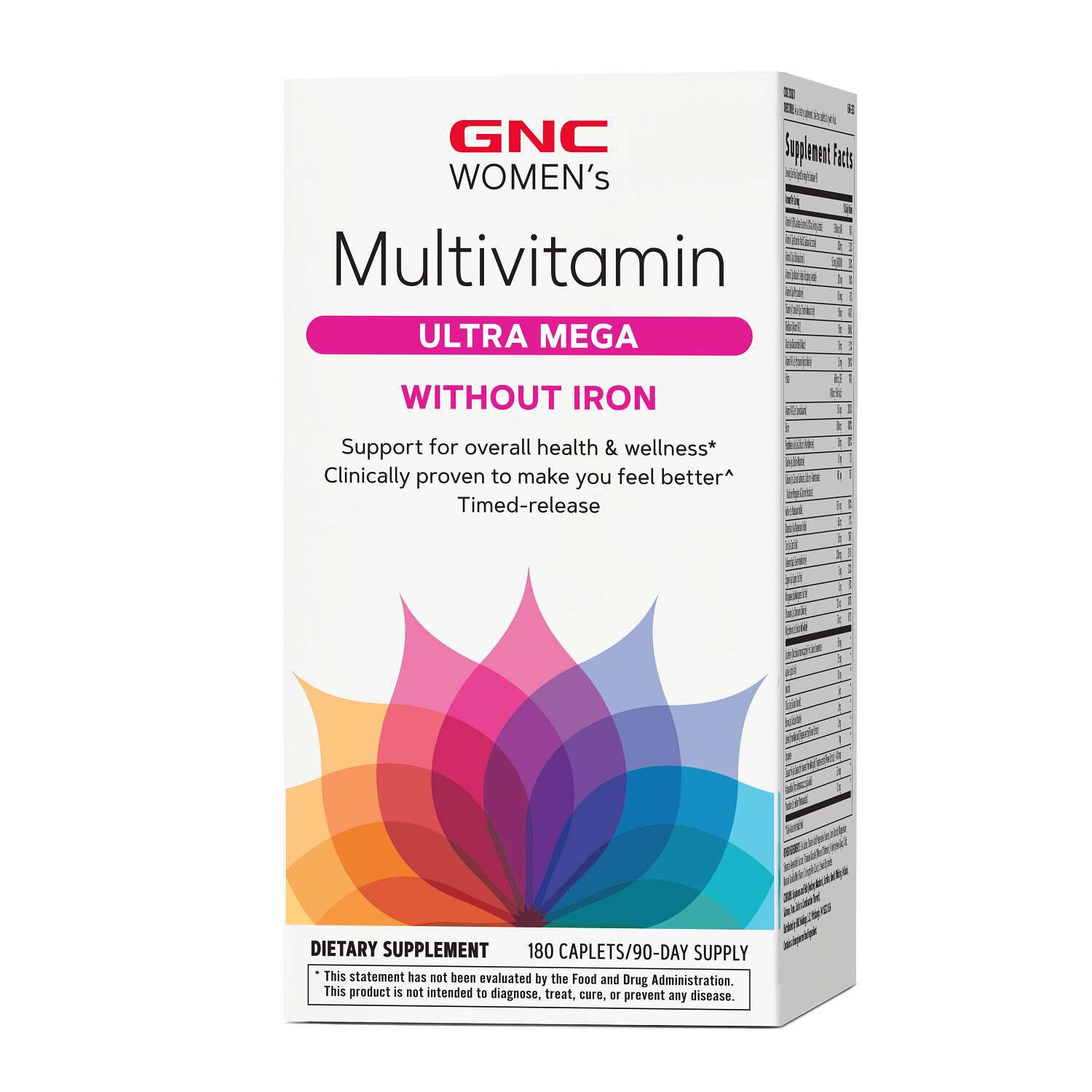
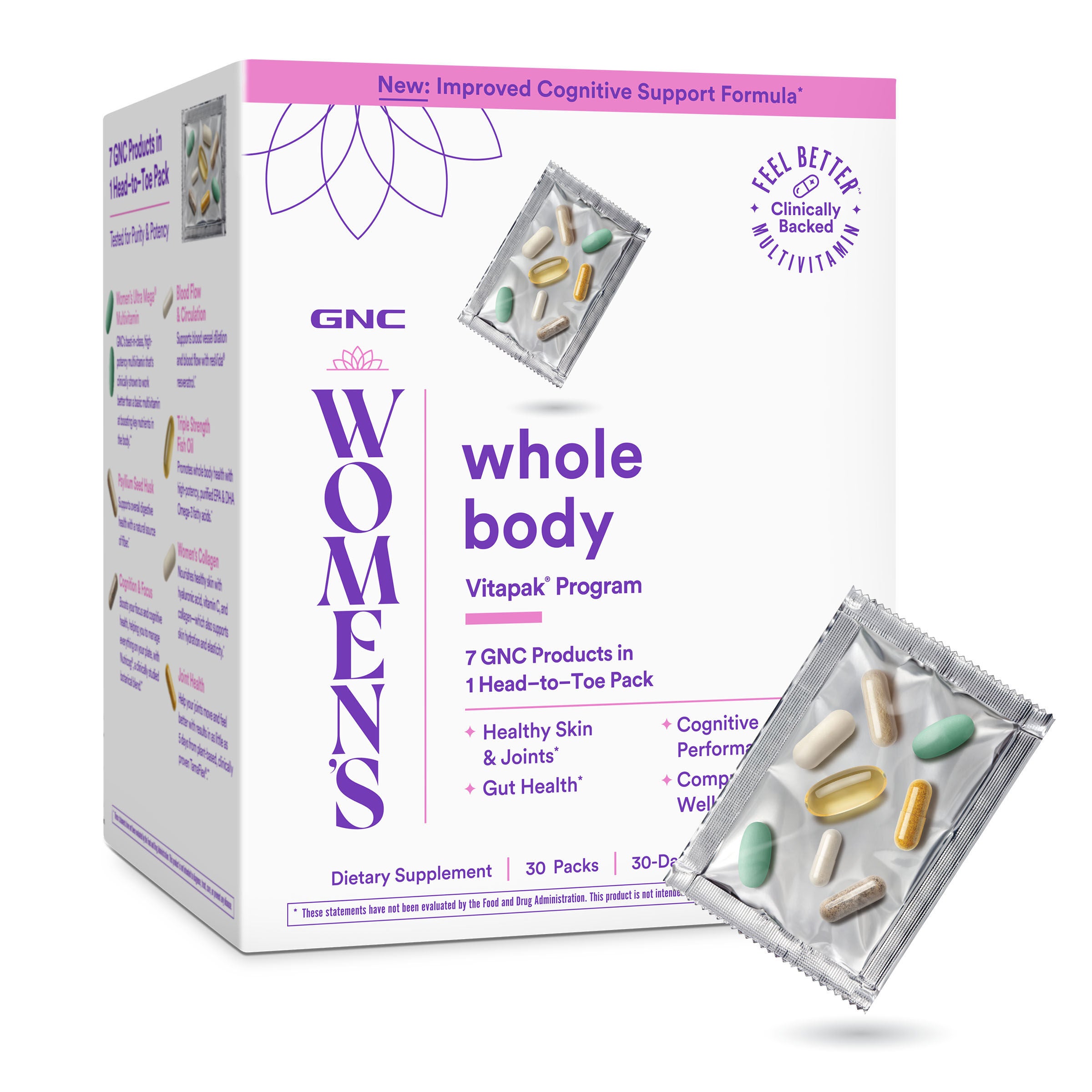
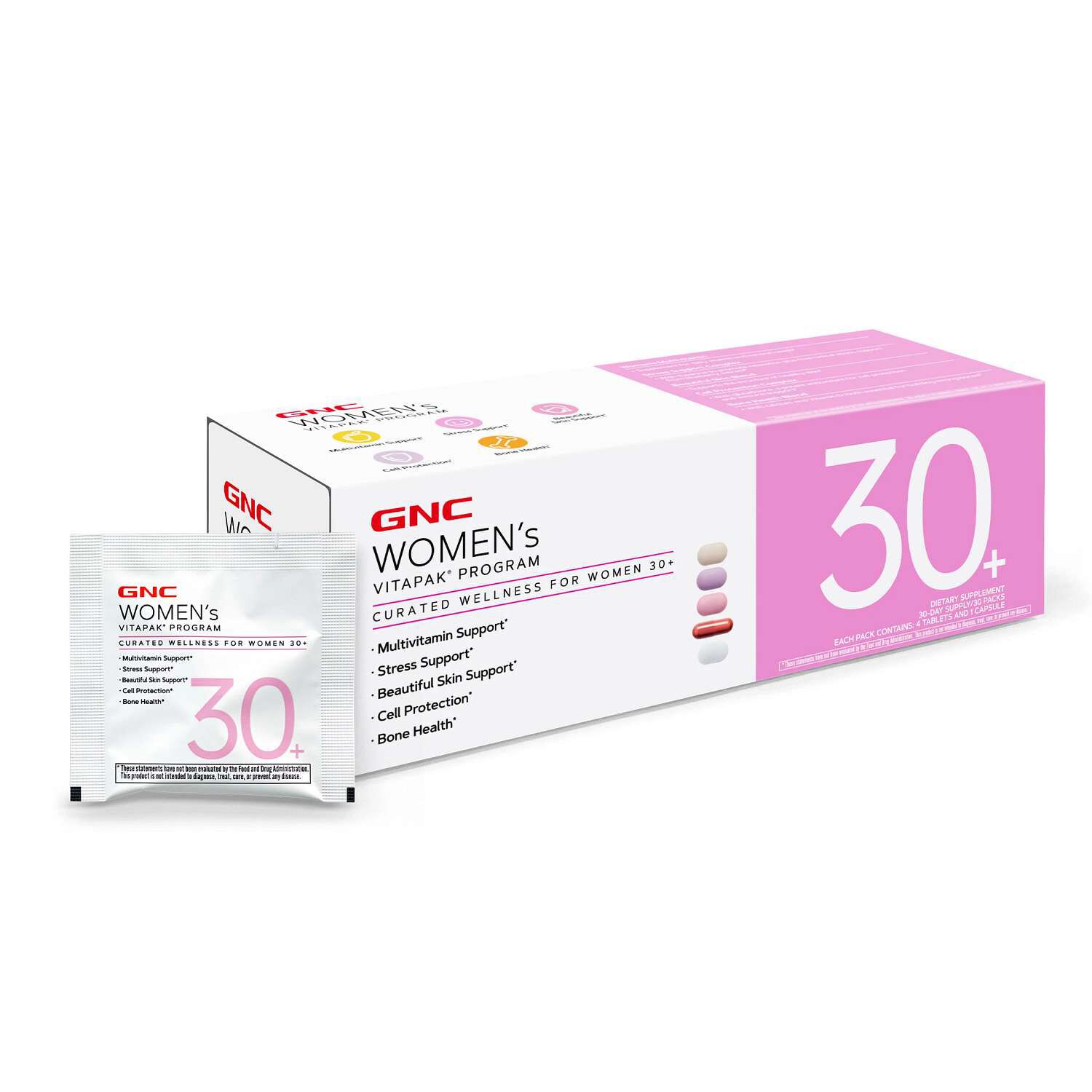


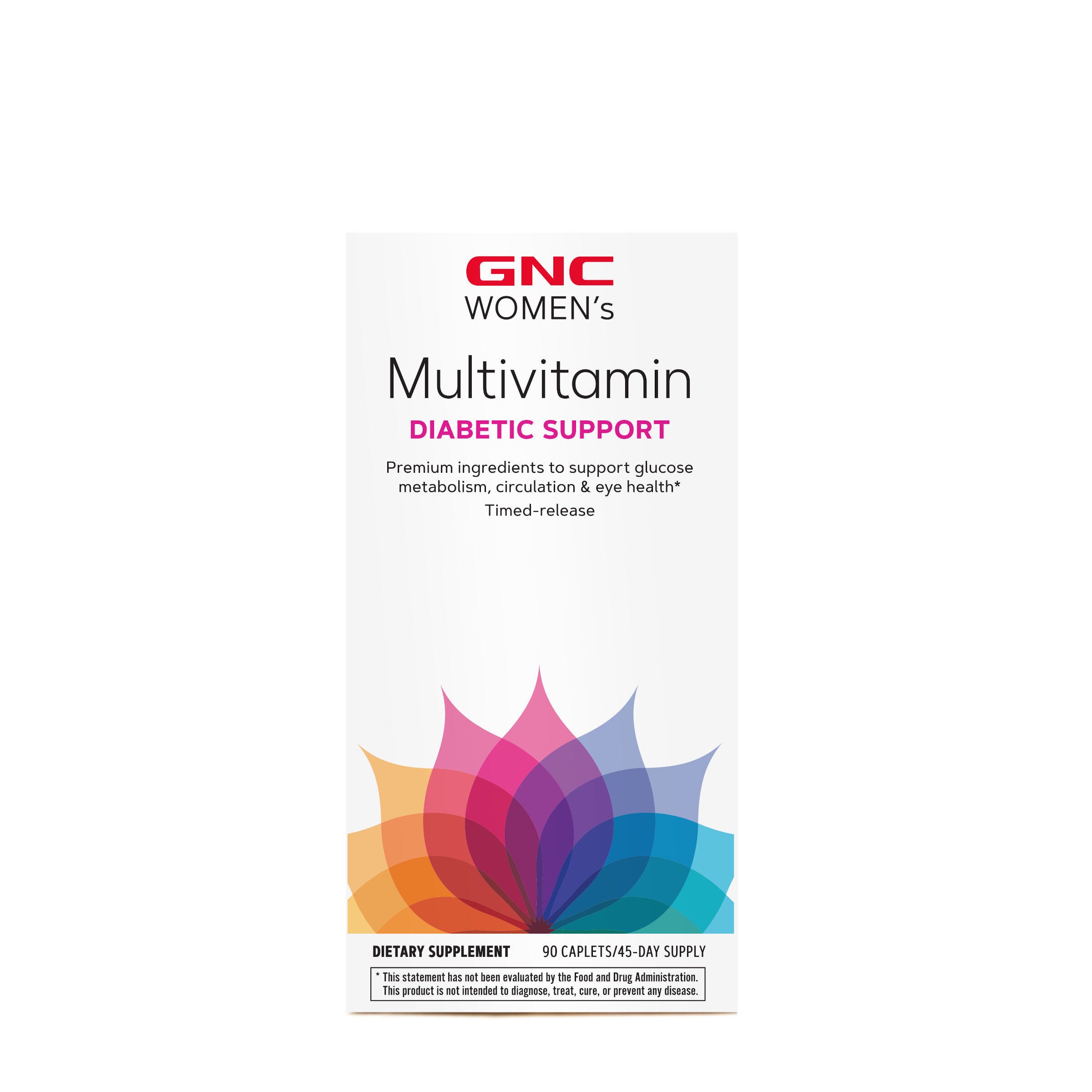
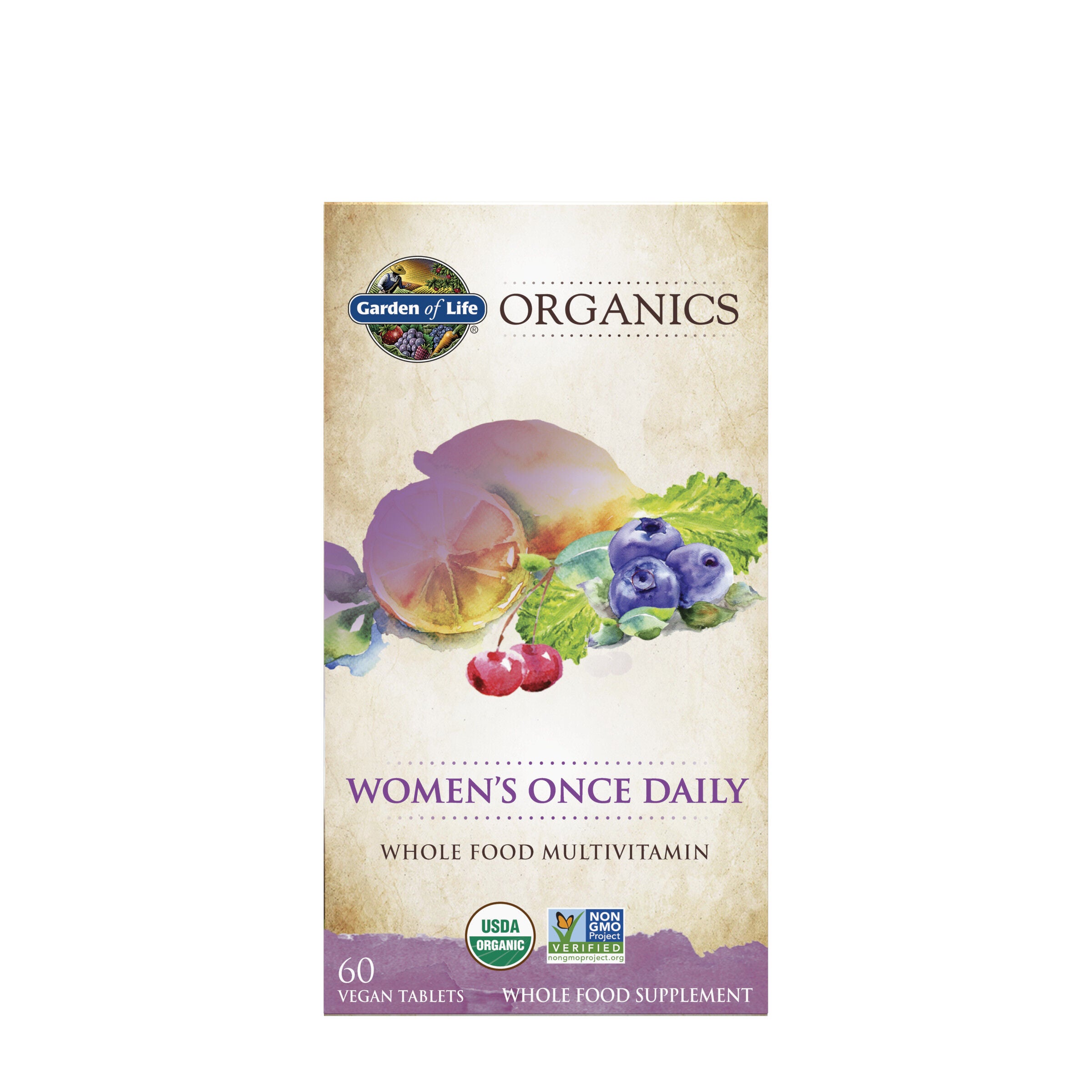
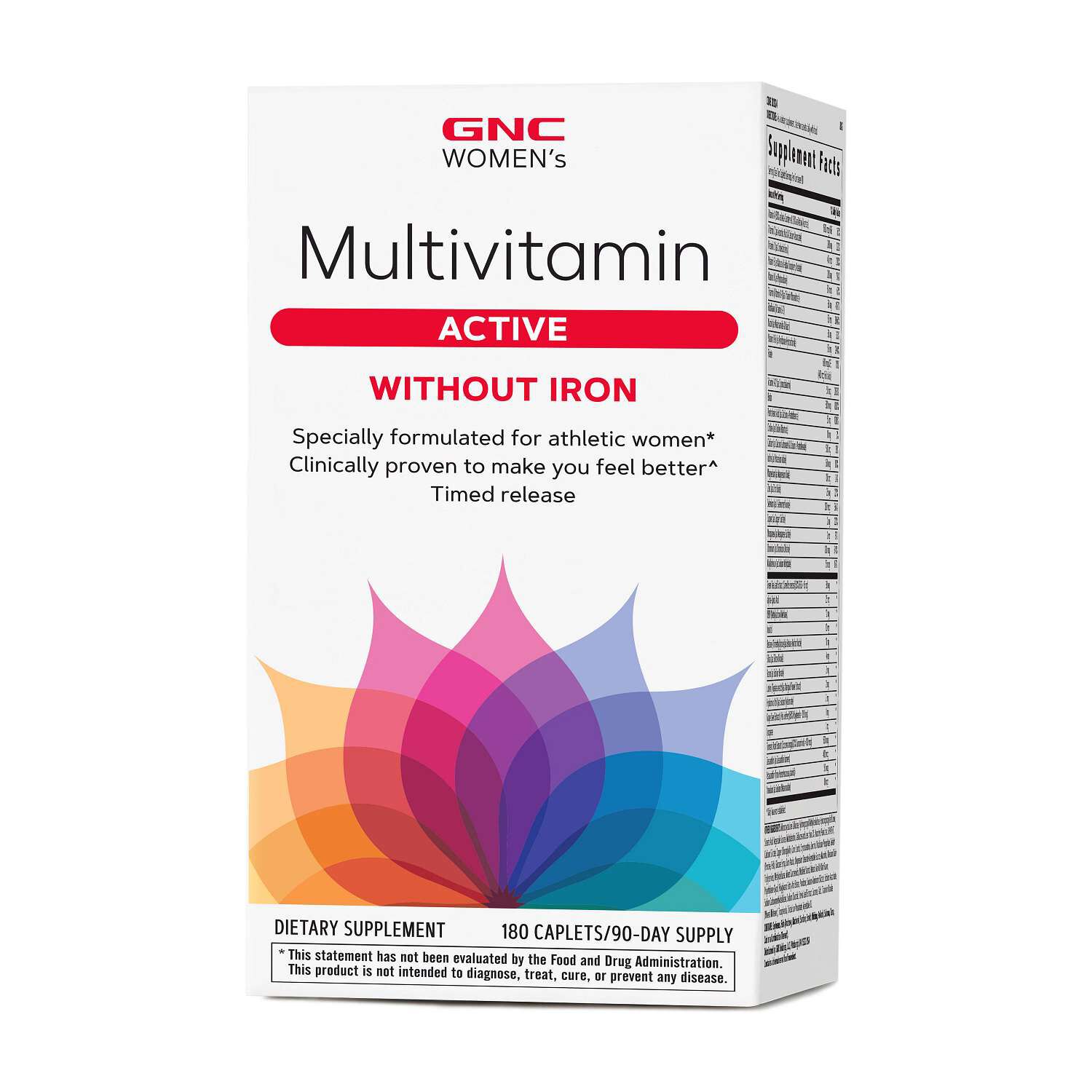
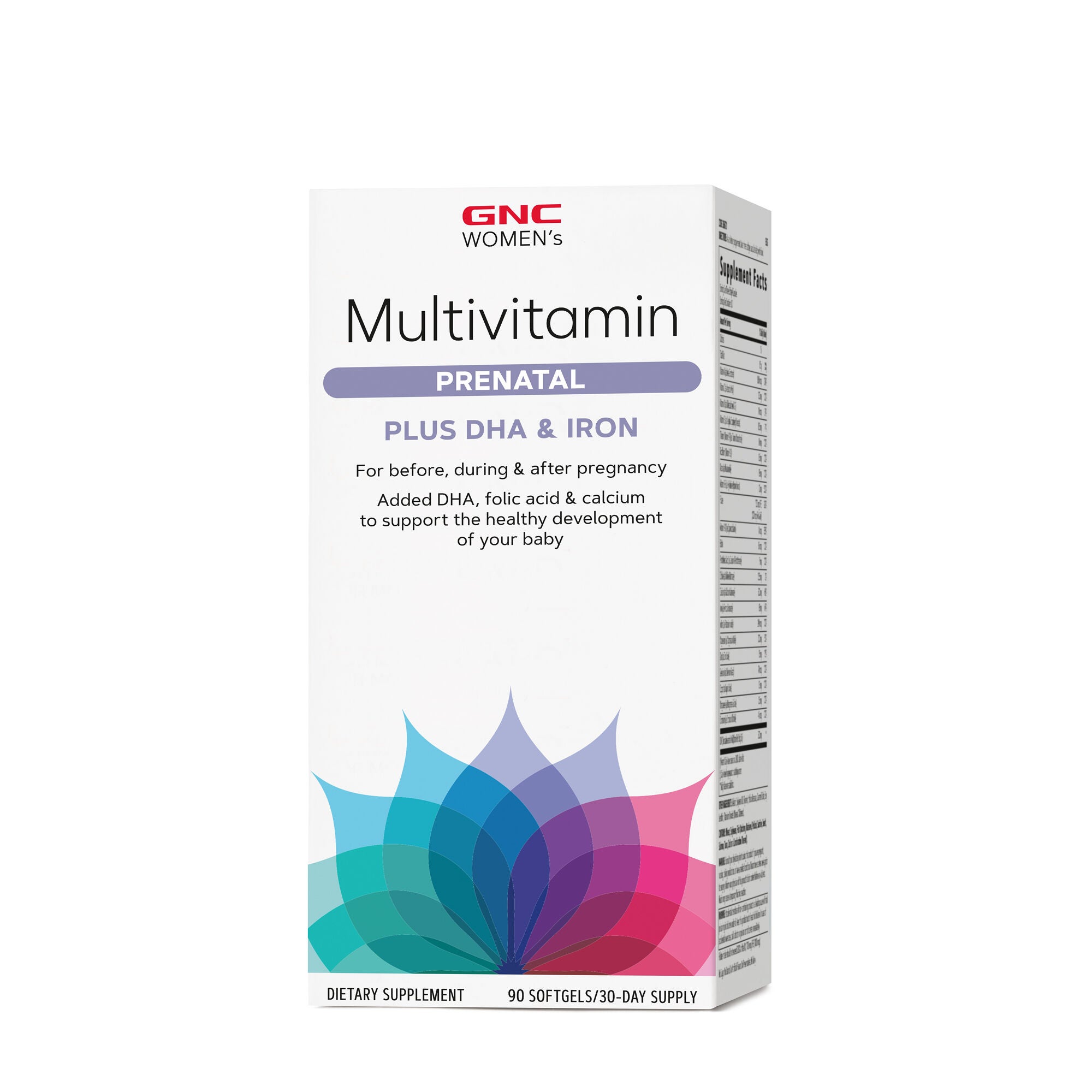
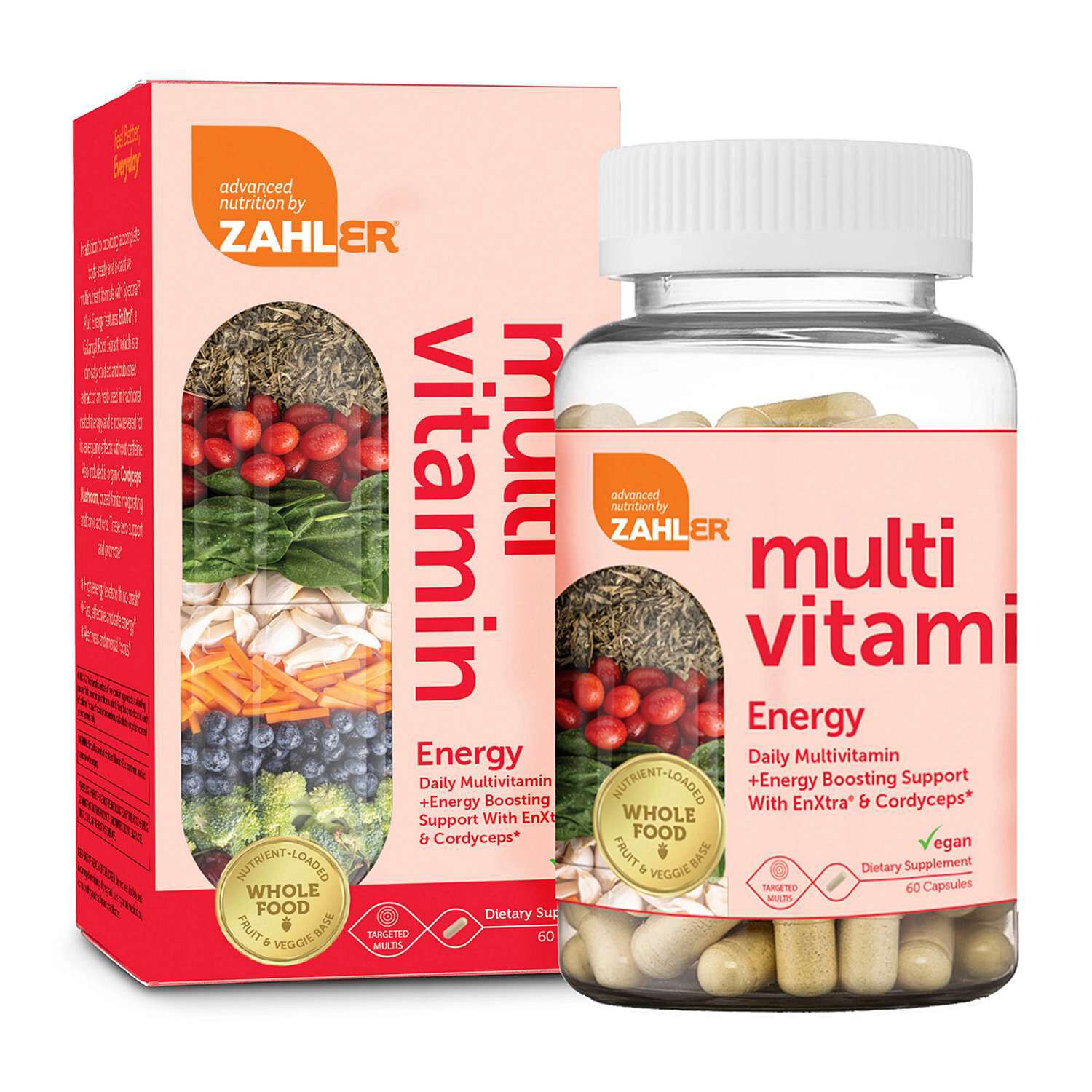

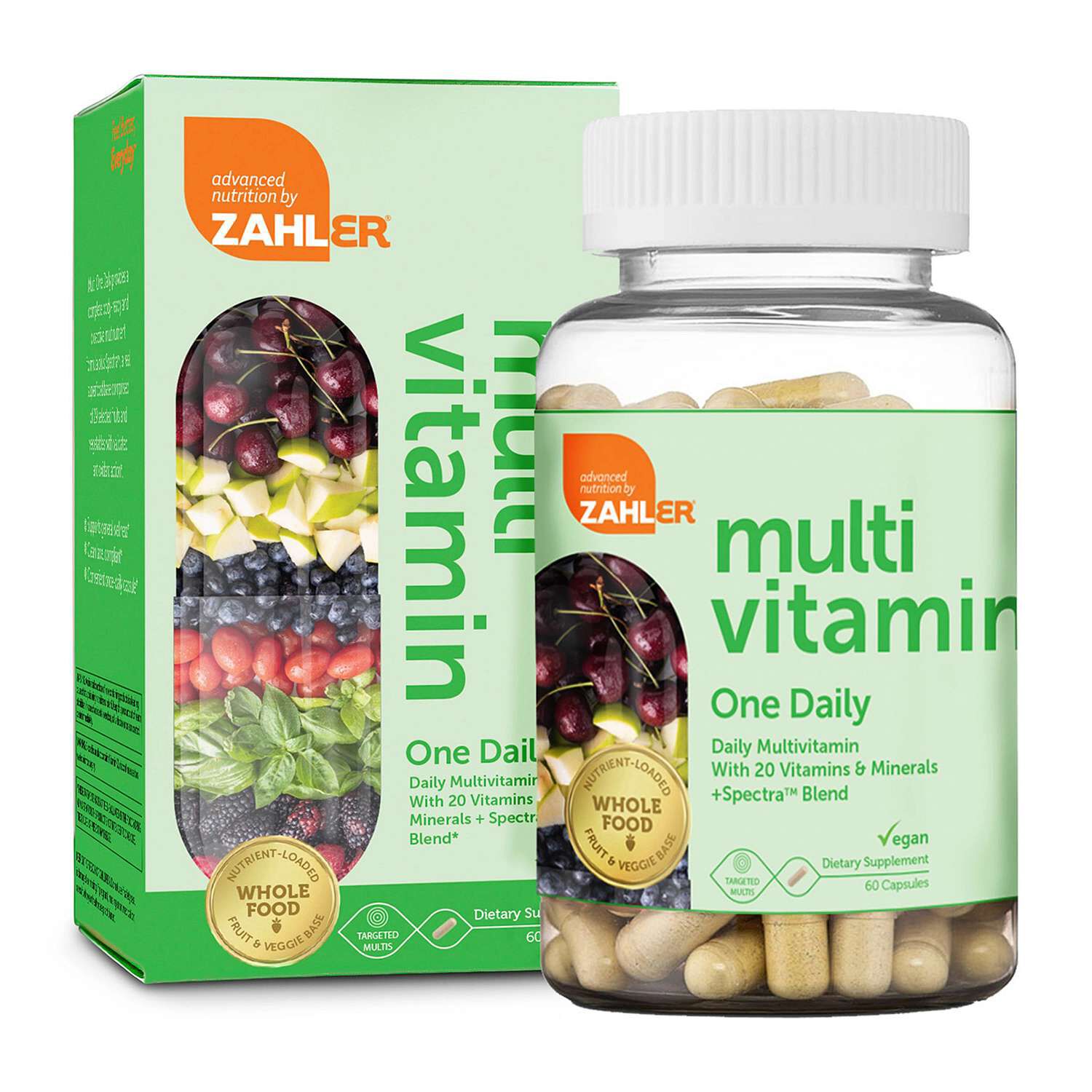

Whole food multivitamins for women bring together vitamins, minerals, and food-based ingredients in formats designed for adult daily routines. The term “whole food” generally describes a formula that includes food-derived nutrients, food concentrates, or blends made from ingredients such as fruits, vegetables, and herbs. It does not necessarily mean that every vitamin and mineral was extracted directly from produce. Some formulas combine a fruit and vegetable blend with nutrients supplied from other sources, while others include ingredients made through fermentation. The Supplement Facts panel and ingredient list provide a more useful picture of that combination than the wording on the front of the bottle alone. For example, a blend containing berries, carrots, and leafy greens identifies food ingredients, but its presence does not establish the amount or source of each listed vitamin. Vitamins and minerals are listed separately, with amounts per serving and percentages of Daily Value where applicable. Those details make it possible to compare women’s whole food multivitamins beyond the number of ingredients highlighted on the package. Common nutrients in this category include vitamins A, C, D, and E, several B vitamins, and minerals such as zinc, iodine, and selenium, though the selection and amounts vary by formula. Iron is included in some women’s multivitamins and omitted from others. Some formulas also contain botanical ingredients, probiotics, or enzymes; these are additional components rather than defining features of every whole food multivitamin. A food-based blend is also different from a serving of fresh produce: a tablet or capsule does not provide the same eating experience, portion size, or combination of fiber and other food components as a meal. These supplements may complement daily nutrient intake, but they are not substitutes for varied meals. For shoppers who enjoy reading ingredient labels, the category offers an opportunity to compare nutrient sources, food blends, and serving formats within a familiar daily supplement routine.
The differences between women’s whole food multivitamins often become clearer when comparing serving size, ingredient sources, and dietary preferences side by side. A bottle containing the same number of capsules as another bottle may represent a different number of servings, because one formula might list one capsule per serving while another lists several. Amounts on the Supplement Facts panel refer to that stated serving, not necessarily to a single tablet or capsule. Tablet dimensions and capsule size can also matter to someone choosing a format they feel comfortable using, although package descriptions do not always provide measurements. Powder formats offer another option when present within the category, with their own serving measurements, mixing directions, and flavor characteristics. Capsule materials deserve attention, too: some shells are made with gelatin, while others use plant-derived materials such as cellulose. A plant-based capsule shell does not, by itself, establish that every ingredient inside meets a vegetarian or vegan preference. Likewise, a fruit and vegetable blend does not automatically establish organic certification or non-GMO status. A USDA Organic designation, a vegan label, and a non-GMO statement each address a different characteristic, so their wording and placement on the package matter. For shoppers comparing gluten content or other dietary exclusions, explicit package information is more informative than assumptions based on food imagery. Other ingredients may include binders, coatings, or materials used to maintain the tablet or capsule’s form, and these appear outside the main nutrient listing. Women’s formulas can also be labeled for different adult age groups, including adults 50 and older. Those descriptions help distinguish intended audiences, but an age designation alone does not reveal the nutrient amounts or whether iron is included. The same applies to calcium and magnesium: their presence on a label does not mean two multivitamins contain comparable amounts. Reading the serving information alongside the ingredient list keeps comparisons grounded in what each formula actually contains, rather than treating every women’s multivitamin as interchangeable.
Everyday fit matters alongside the ingredient details. A multivitamin routine might sit beside a breakfast bowl and a glass of water, or remain in a kitchen cabinet where the bottle is easy to find before leaving for work. Package directions specify the serving and whether the formula is intended to be used with food, making those instructions part of the format comparison. Someone who prefers a single tablet may view a multiple-capsule serving differently from someone who already has a regular capsule routine. A powder introduces a different experience, including measuring, mixing, and washing the cup afterward. None of these formats is inherently a better match for every shopper; the practical distinction is how the package directions align with the person’s preferences and ordinary schedule. For a broader look at capsule-format options, Whole Food Multivitamin Capsules for Adults offers a related category beyond women-specific formulations. Packaging and storage are worth considering as well. The original container keeps the ingredient information, serving directions, lot details, and expiration date together, which can be useful when comparing a replacement bottle or checking a formula later. Storage directions vary, and the label is the appropriate reference for handling requirements. A location away from the steam around a shower or stovetop is generally more suitable than a damp bathroom shelf or a spot beside a kettle. Keeping the closure secure and leaving any included moisture-control packet in the container, as directed, may help preserve the product’s intended condition. For travel, the original labeled bottle can also make it easier to keep serving information with the supplement instead of relying on memory. As with other supplements, storage should remain out of children’s reach. Choosing for another adult calls for particular attention to their preferred format and dietary preferences, since a familiar-looking bottle may contain different ingredients from the one they usually select. The most informative comparisons bring together the nutrient panel, food-based components, dietary labels, serving count, and handling directions. That combination gives whole food multivitamins for women a clear place within everyday shopping: a category defined not just by fruit and vegetable imagery, but by the details of the formula and how it fits the intended user’s routine.