

Mineral Rich Superfood Powders
(0 Results)
Discover the potential benefits of incorporating mineral rich superfood powders into your daily routine. These nutrient-dense powders could offer a convenient way to support your wellness journey. Packed with a variety of vital minerals, they might help you maintain a balanced diet and promote overall health. Whether you're looking to add a nutritional punch to your smoothies, soups, or baked goods, mineral rich superfood powders may be the versatile addition your lifestyle needs. Explore the possibilities these natural powerhouses could bring to your table.
-

-

-

-

-
-
-
-
-
-
-

-
-
-

-
-

-

-
-

-
 Divine Health$44.99
-
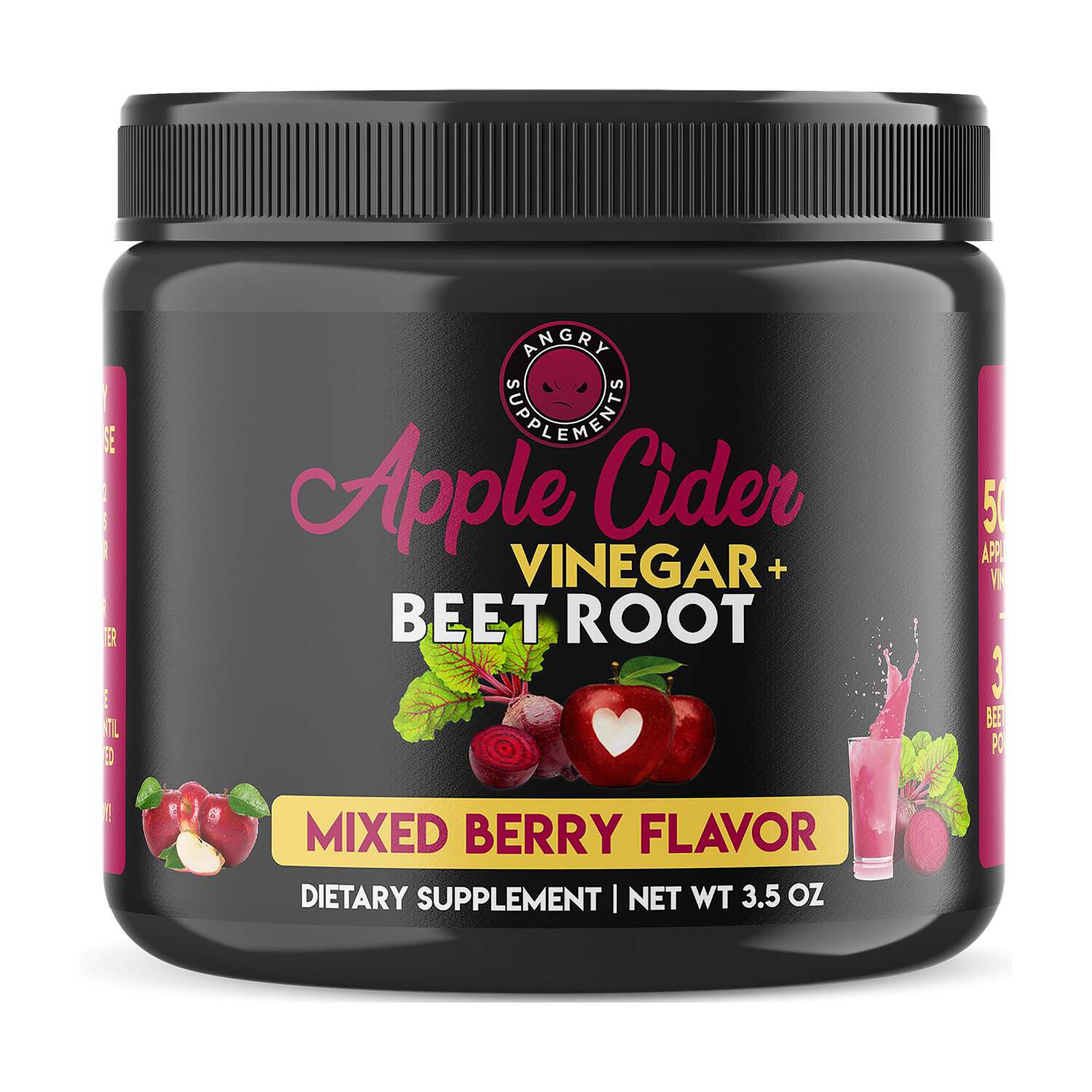 Angry Supplements$24.99
-
 You Matter Wellness$49.99

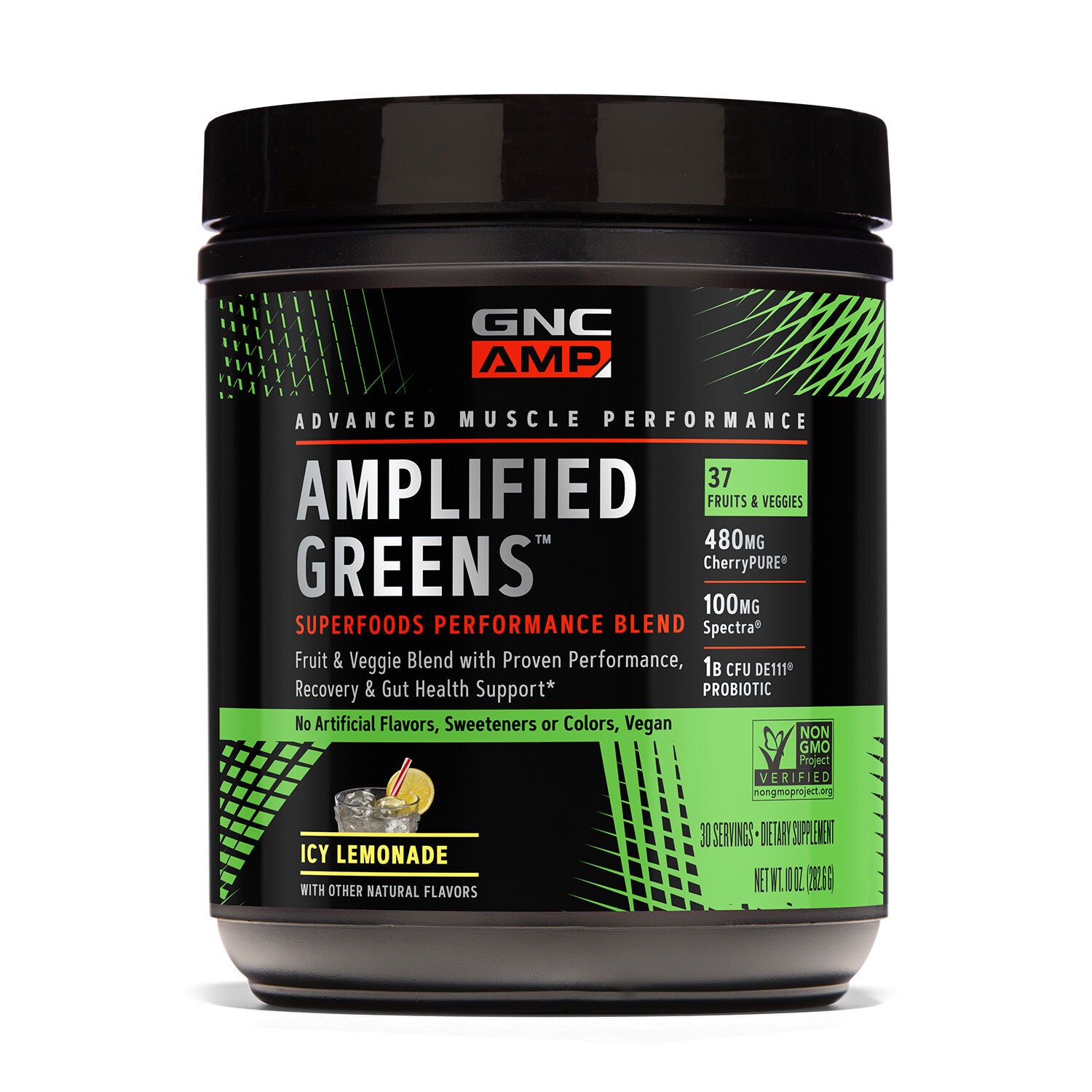
Mineral-rich superfood powders bring ingredients such as leafy greens, grasses, roots, sea vegetables, and algae into a scoopable format for drinks and food. Some formulas center on a single plant ingredient, while others combine several ingredients with fruit powders, seeds, or added vitamins and minerals. The term “superfood” describes a broad product category rather than a standardized nutritional profile, so two powders with similar names can have very different compositions. For shoppers interested in minerals, the most useful details are the nutrients and amounts declared per serving, not simply the number of ingredients pictured on the container. Depending on the formula, a powder may contain magnesium, potassium, calcium, iron, or iodine, but the presence of greens or sea vegetables alone does not establish a meaningful amount of any particular mineral. An ingredient list identifies what goes into the blend; the Nutrition Facts or Supplement Facts panel provides the declared nutrient information. Percent Daily Value, where listed, offers another way to compare labeled servings. This distinction matters when comparing a simple leaf powder with a multicomponent greens blend: a longer ingredient list does not necessarily mean more minerals per scoop. Whole-leaf powders, juice powders, and extracts also differ in how they are made and what remains after processing. A dried whole-plant ingredient can retain components that are reduced or removed during juicing, while an extract reflects a different processing approach. Fiber content therefore deserves its own look rather than an assumption based on the green color of the powder. These products also differ from fresh produce in water content, texture, and the experience of eating them. Their intended use is as an addition to an eating routine, not as a substitute for varied meals. Adults who enjoy smoothies, prefer ingredients they can stir into breakfast, or want a portable powder format may find the category worth exploring. The best match depends on the actual label, the serving format, and whether the flavor belongs in something they already enjoy.
Taste and texture are practical considerations for mineral-rich superfood powders because even an appealing ingredient list needs to work in the glass or bowl. Unflavored does not mean tasteless. Grass-based blends can have a fresh-cut, grassy character, leafy ingredients can taste earthy, and sea vegetables may bring a distinct savory note. Fruit-forward formulas take a different direction, with berry or citrus flavors that can soften the impression of the greens. Cocoa and vanilla blends have their own pairing possibilities, especially in smoothies made with banana, oats, or a milk alternative. Sweeteners also affect the finish: stevia, monk fruit, and added sugars have different flavor profiles, and the label is the place to check which approach a formula uses. Someone who prefers a tart berry smoothie may enjoy a different blend than someone stirring powder into plain yogurt. Texture can vary just as much as taste. Finely milled powders may disperse readily, while ingredients with more plant fiber can leave a thicker texture or visible particles. Dispersing in liquid is not always the same as dissolving, so some settling can occur without indicating a problem with the powder. Preparation directions help clarify the intended liquid amount and mixing method. A shaker bottle may suit a straightforward drink, while a blender may work better for a mixture containing fruit, yogurt, or oats. For spoonable foods, the serving size matters to both consistency and flavor; a concentrated greens taste can become more noticeable in a small portion of yogurt than in a larger smoothie. Flavored formulas can also bring sweetness to foods that already contain sweet ingredients. Choosing around an existing breakfast or snack habit is often more practical than planning an entirely new routine around the powder. A blend that suits a familiar recipe may be easier to incorporate consistently than one chosen only for an elaborate ingredient story. Package directions should remain the reference for portions and preparation rather than the size of a household spoon or an assumed scoop measurement.
Beyond flavor, a thoughtful comparison of mineral-rich superfood powders includes ingredient transparency, serving information, packaging, and care after opening. Blends sometimes list a combined weight for several ingredients without providing an individual amount for each one. That information describes the mixture, but it does not reveal how much of a particular plant or mineral appears in a serving unless the label separately states it. Similarly, a reference to independent testing is most informative when the testing scope is explained. Verification of ingredient identity, checks for selected contaminants, and confirmation of labeled nutrient amounts are different activities; one should not be assumed to cover the others. Clear documentation offers more useful context than broad quality language alone. Dietary preferences deserve the same attention to detail. A greens powder can include ingredients beyond vegetables, such as dairy-derived components, sweeteners, grains, or additional supplement ingredients, so the full ingredient statement and allergen information matter. For someone who wants a straightforward addition to a breakfast drink, a shorter ingredient list may be easier to evaluate. Others may prefer a blended formula with several plant sources and a developed flavor profile. Packaging shapes everyday use as well. A resealable pouch may fit into a narrow cabinet, a tub provides a wider opening for a scoop, and individual packets offer a measured format for carrying to work or packing with travel meals. Powder care is mostly about following the storage directions, closing the container securely, and keeping moisture out. A clean, dry scoop and a tightly closed package may help limit moisture-related clumping. Checking the date and any instructions for use after opening is more reliable than judging freshness by color alone, since plant powders naturally vary in appearance. Shoppers comparing broader plant-based blends can also explore Antioxidant Rich Superfood Powders for another ingredient-focused category. Across either collection, a useful choice begins with what the formula actually contains, how clearly those contents are described, and how comfortably its flavor, texture, and preparation fit into everyday meals and drinks.
Best Sellers
-
Ancient Nutrition
-
Amazing Grass