





Mineral Enriched Protein Powders
(0 Results)
Mineral enriched protein powders offer a convenient way to support your daily nutrition goals. These versatile options may fit seamlessly into your routine, whether you enjoy shakes after a workout or as part of your morning smoothie. With a variety of flavors and blends available, mineral enriched protein powders could be a helpful addition to your balanced lifestyle. Explore different options to find the right fit for your preferences and wellness journey.
-
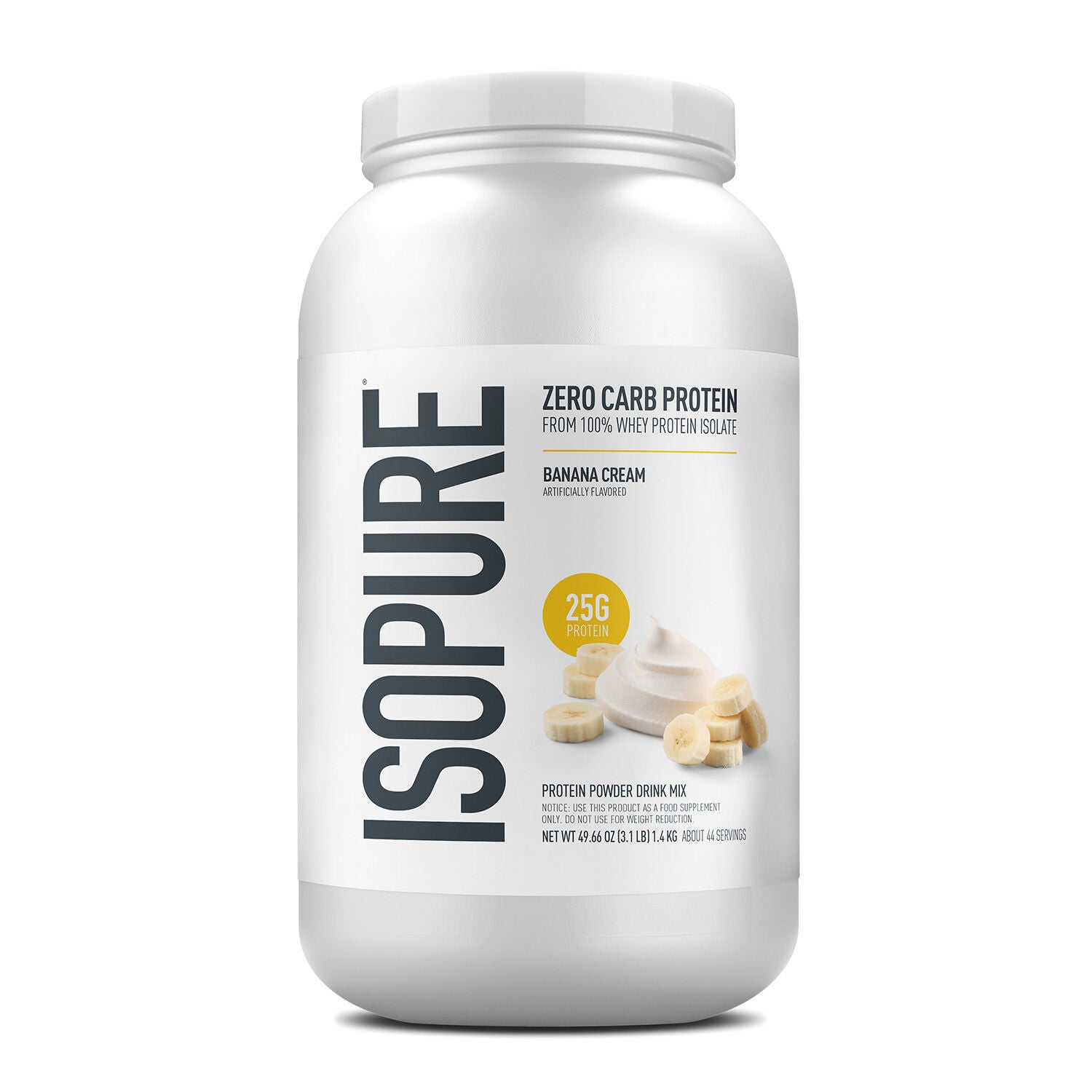
-
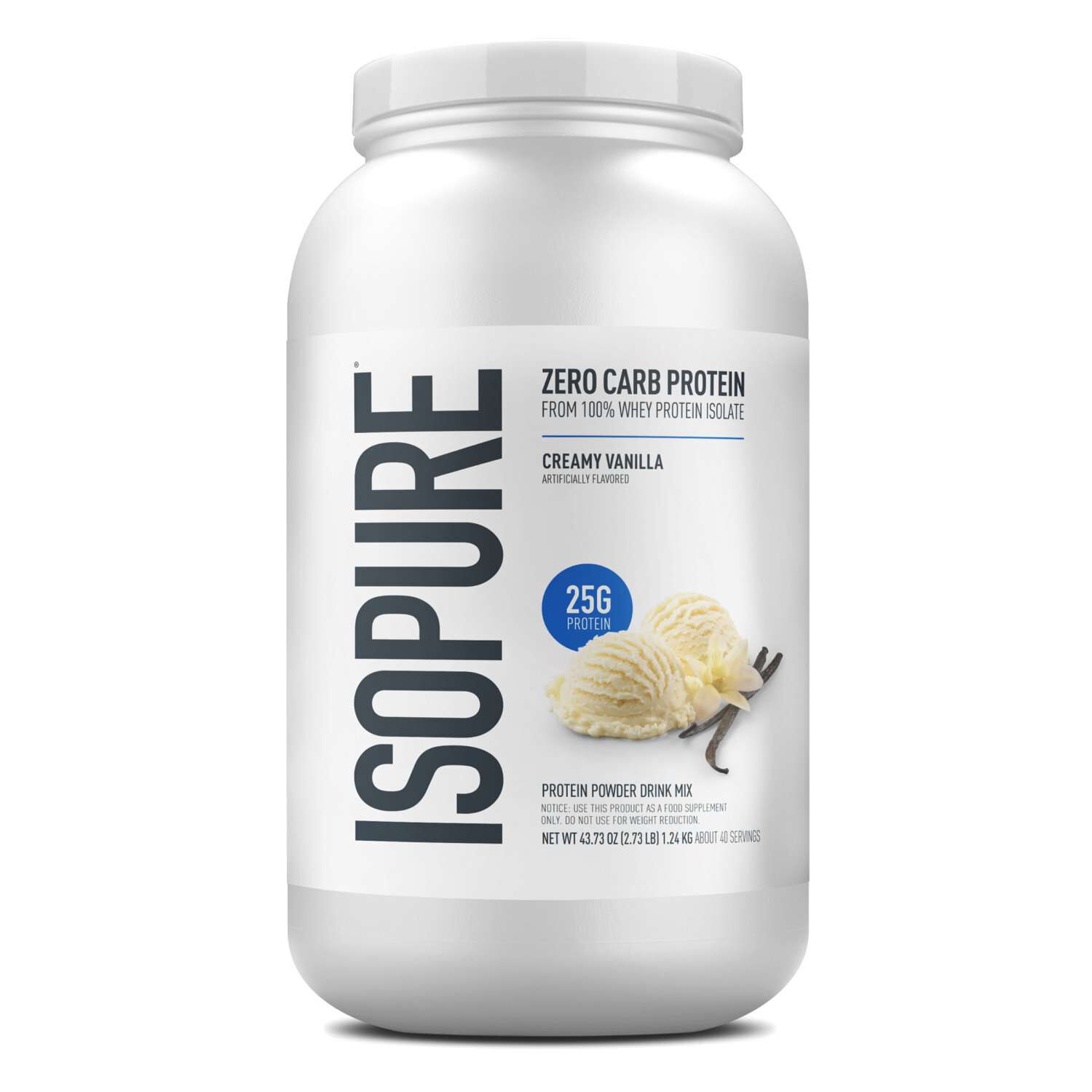
-

-
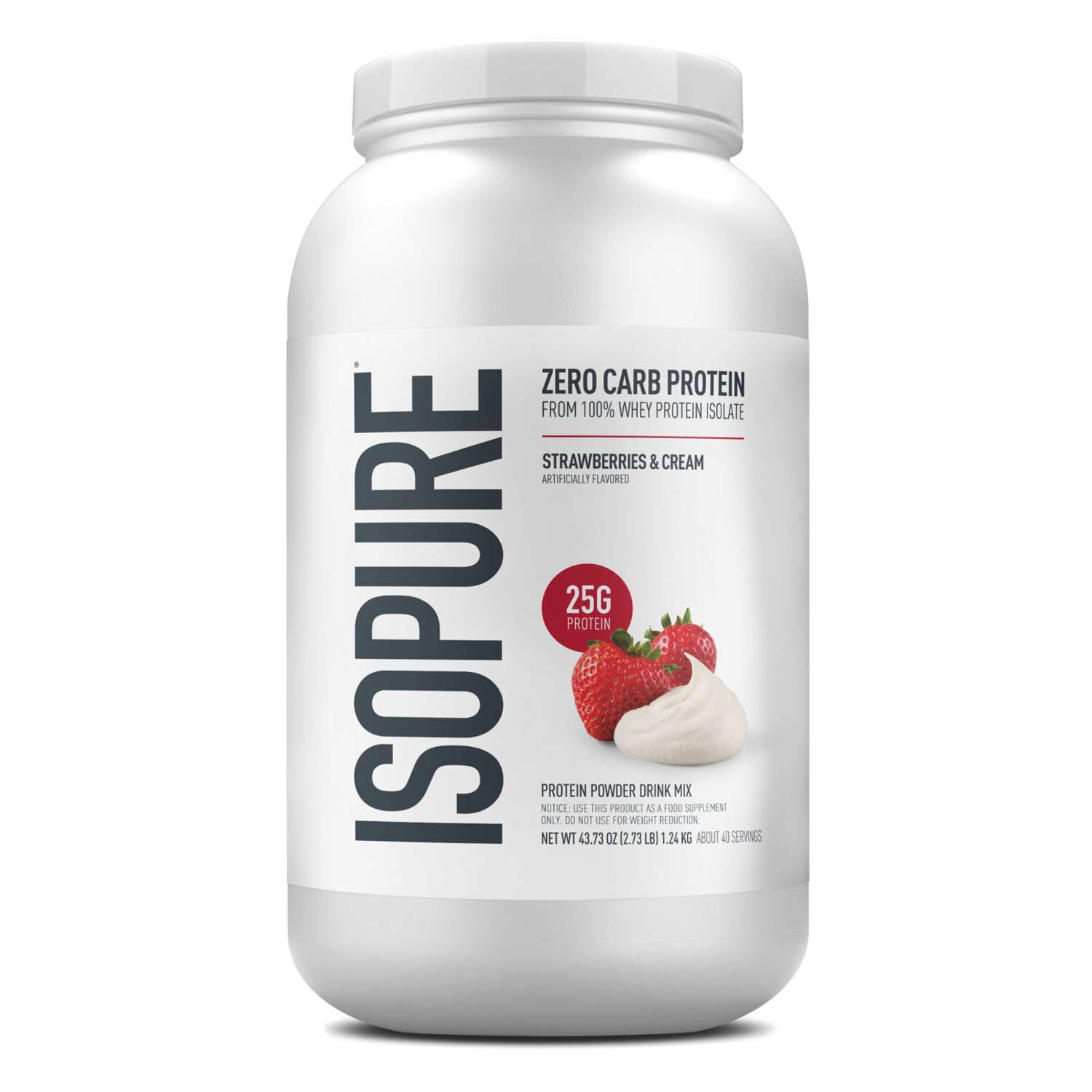
-
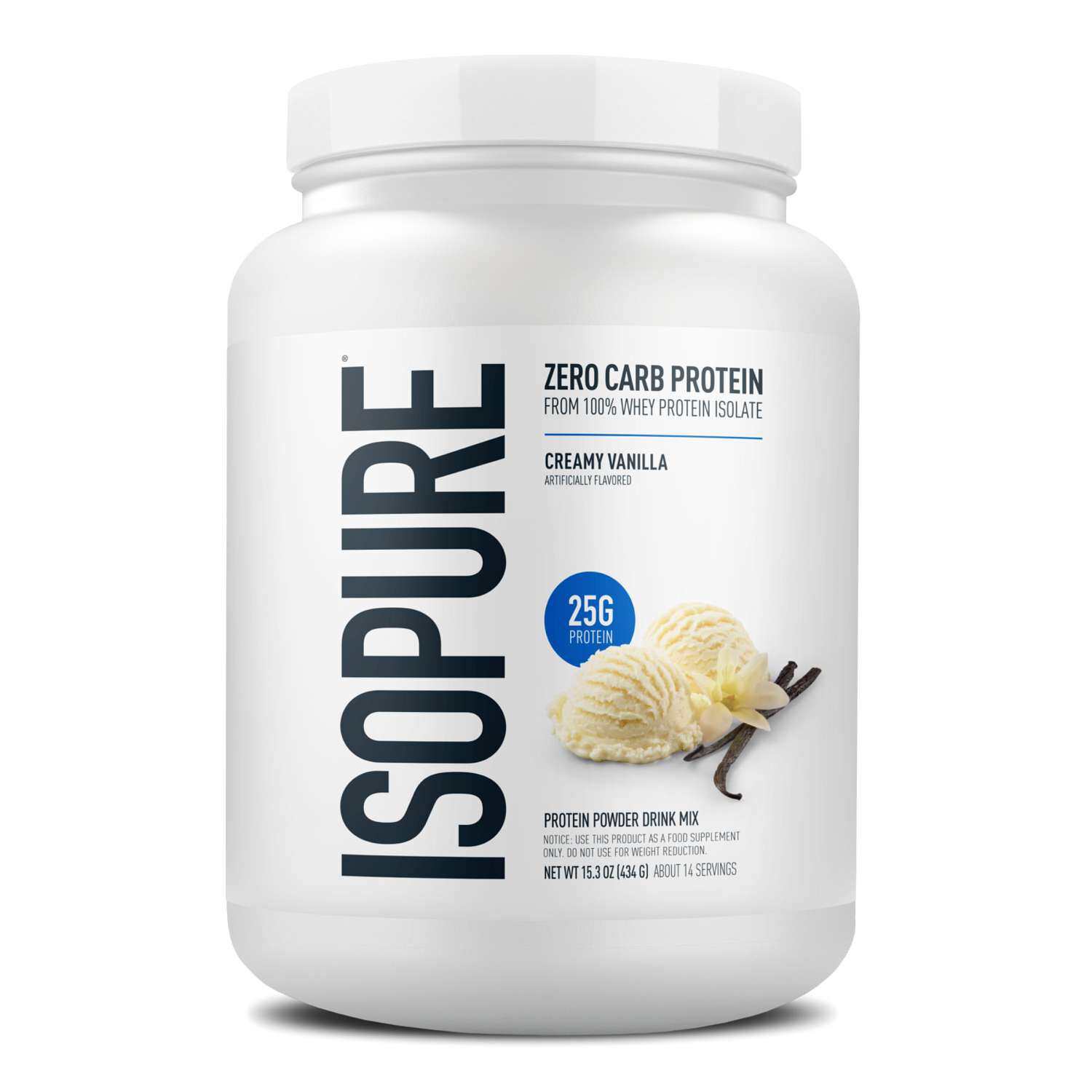
-

-

-

-
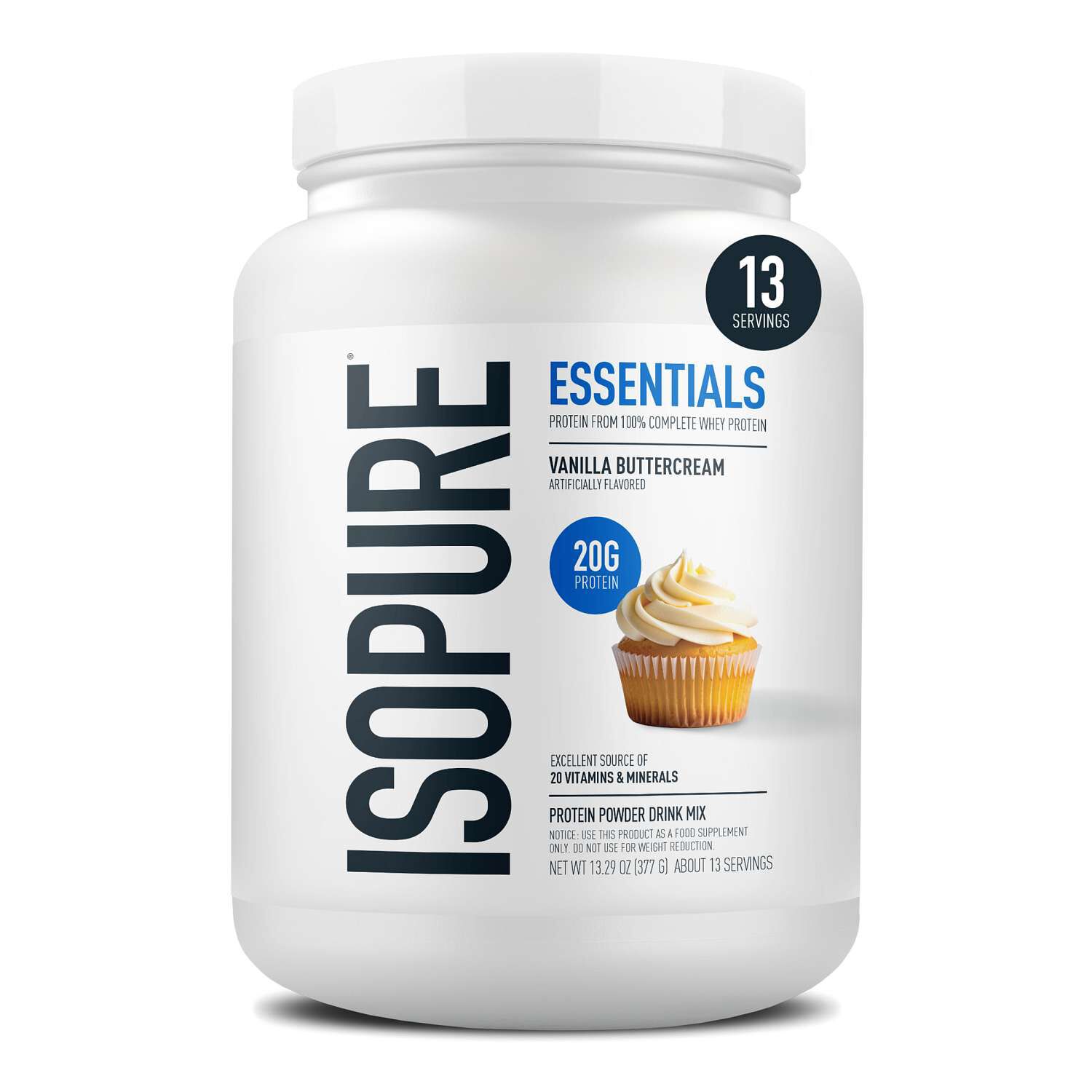 $29.99
-
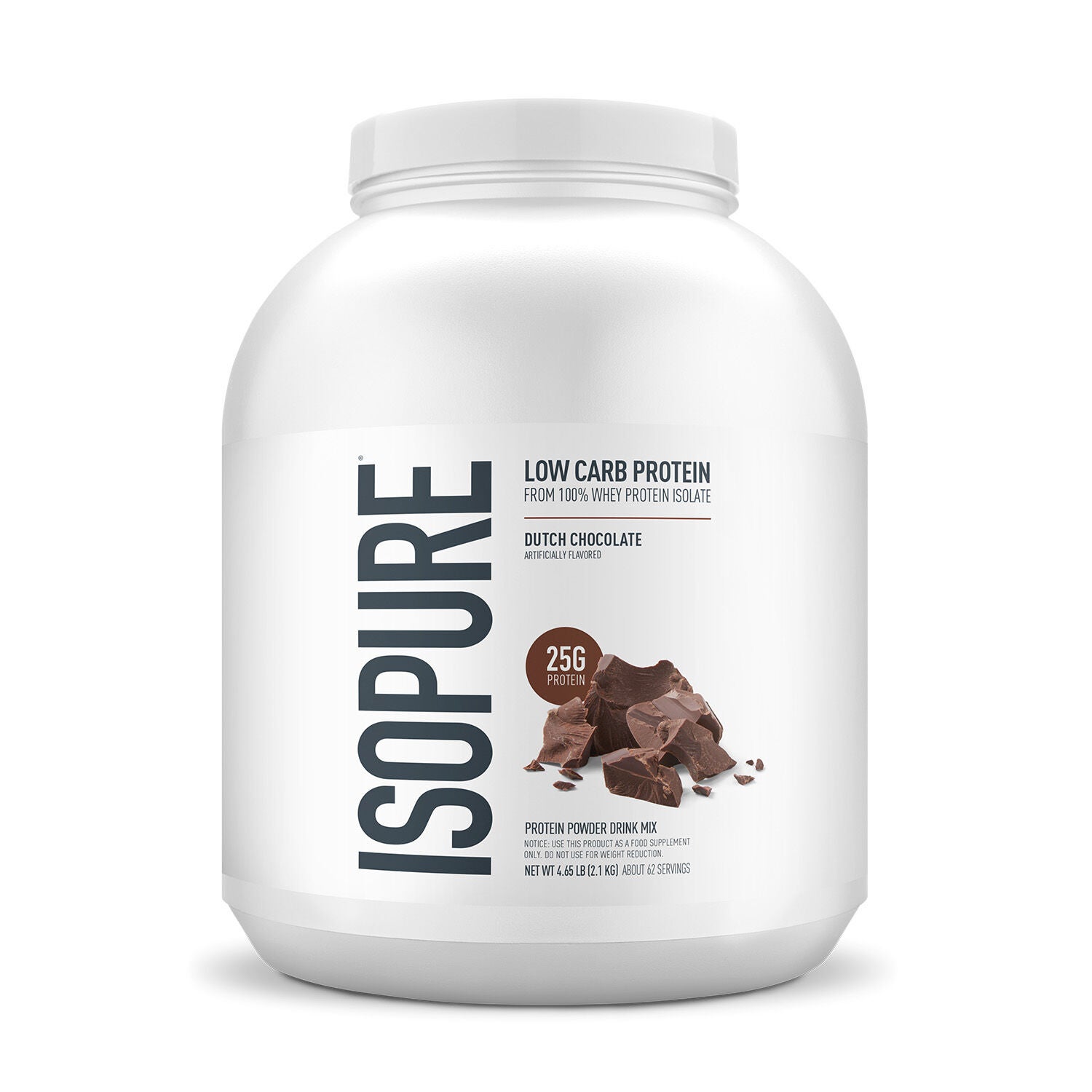
-
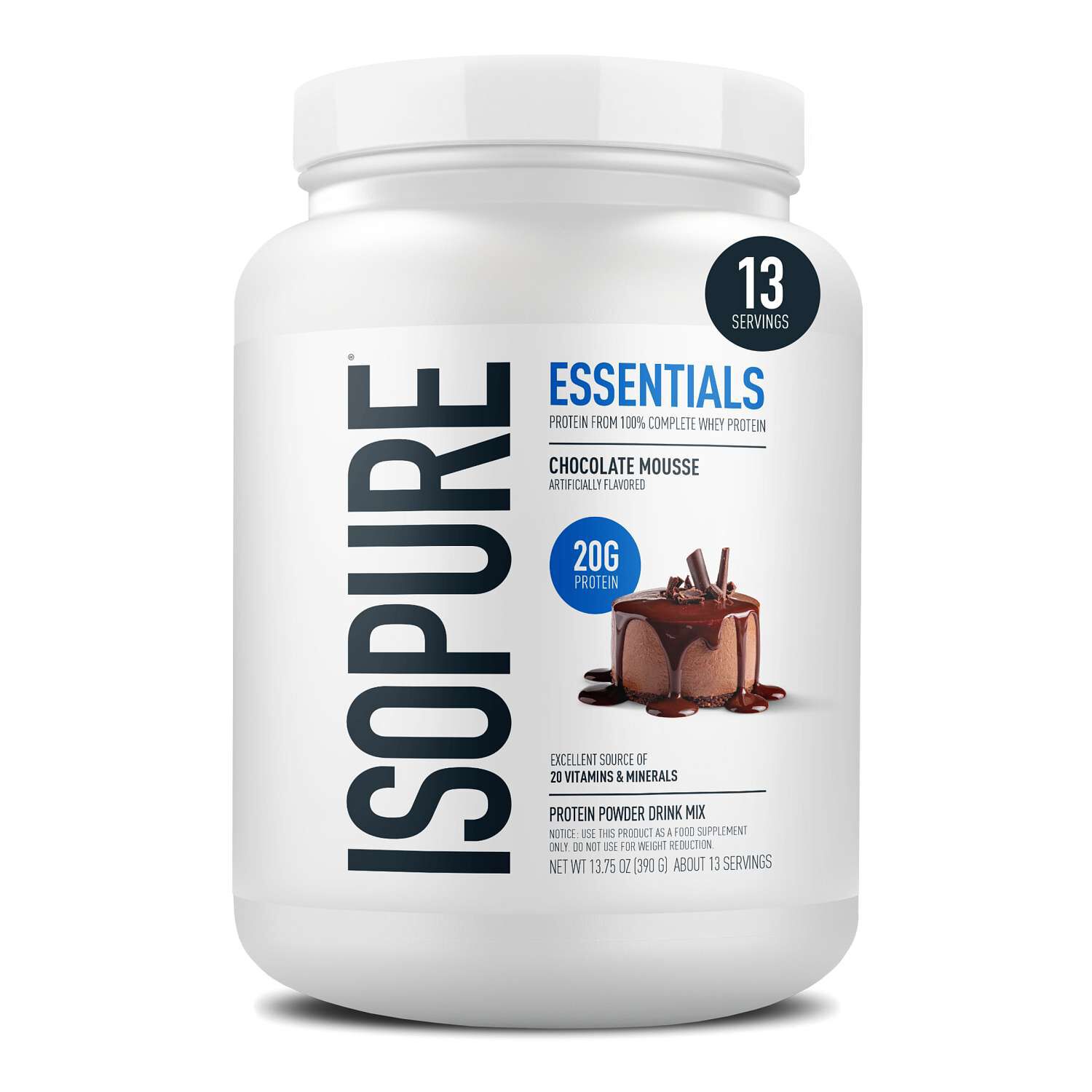 $29.99
-
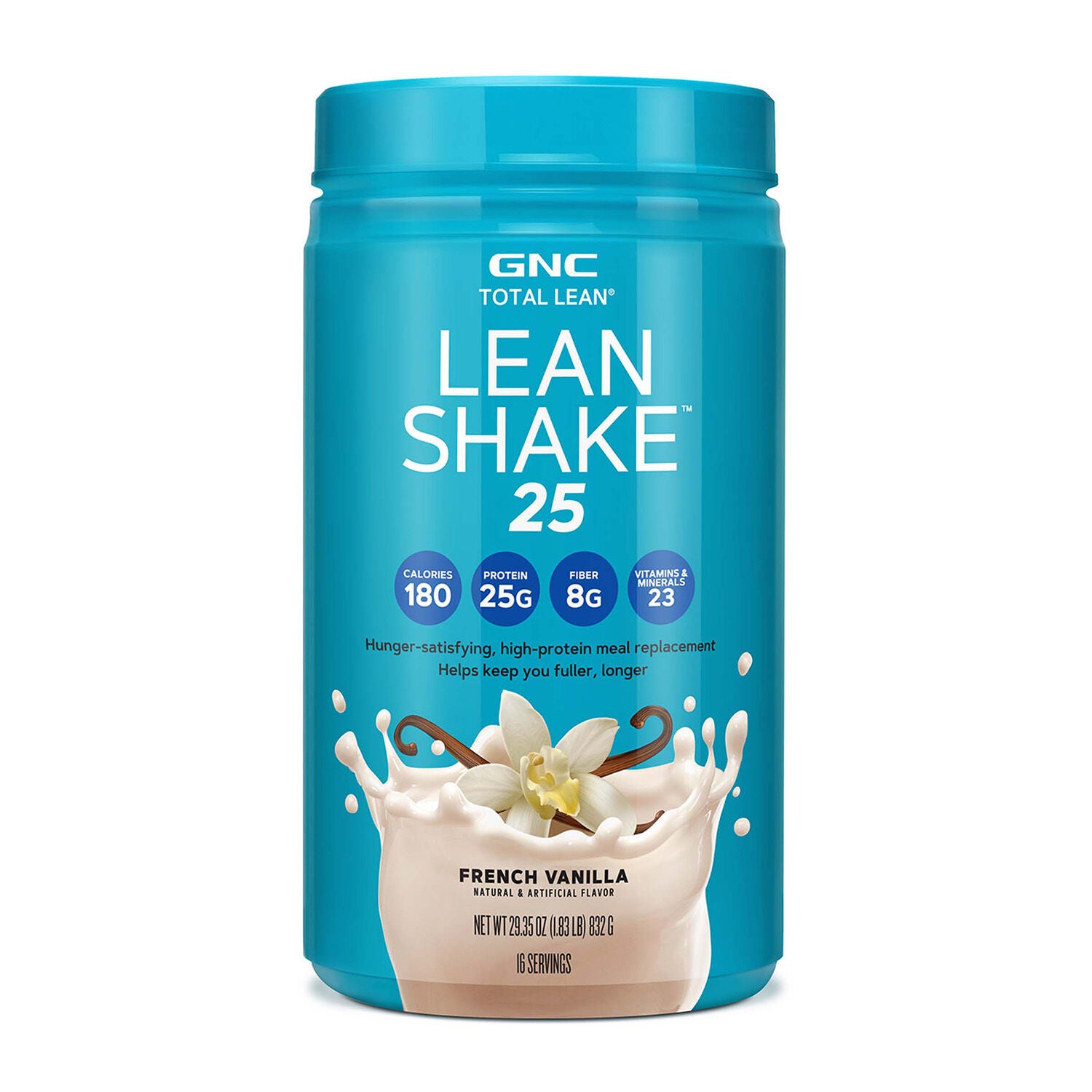
-

-
-
-
-

-

-

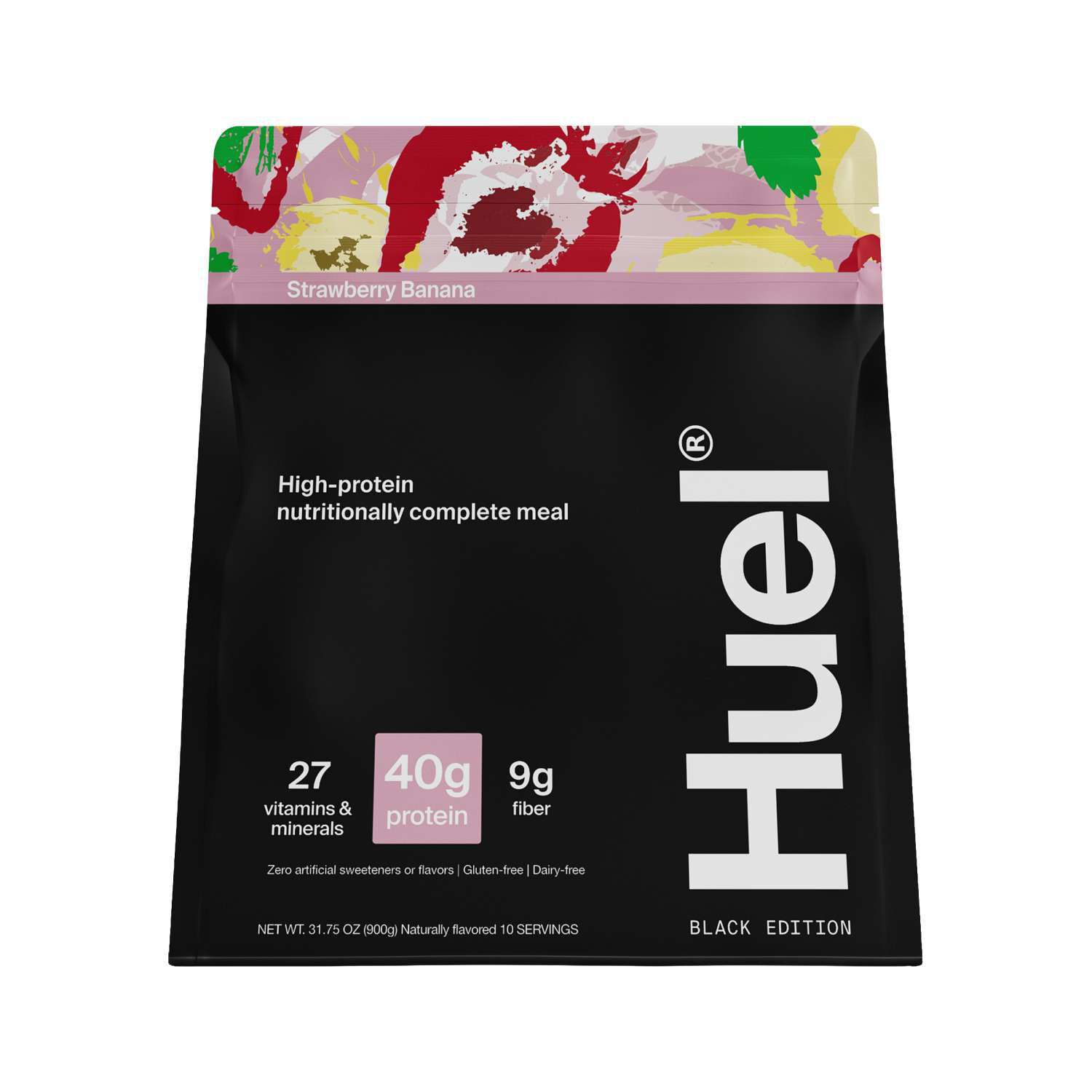
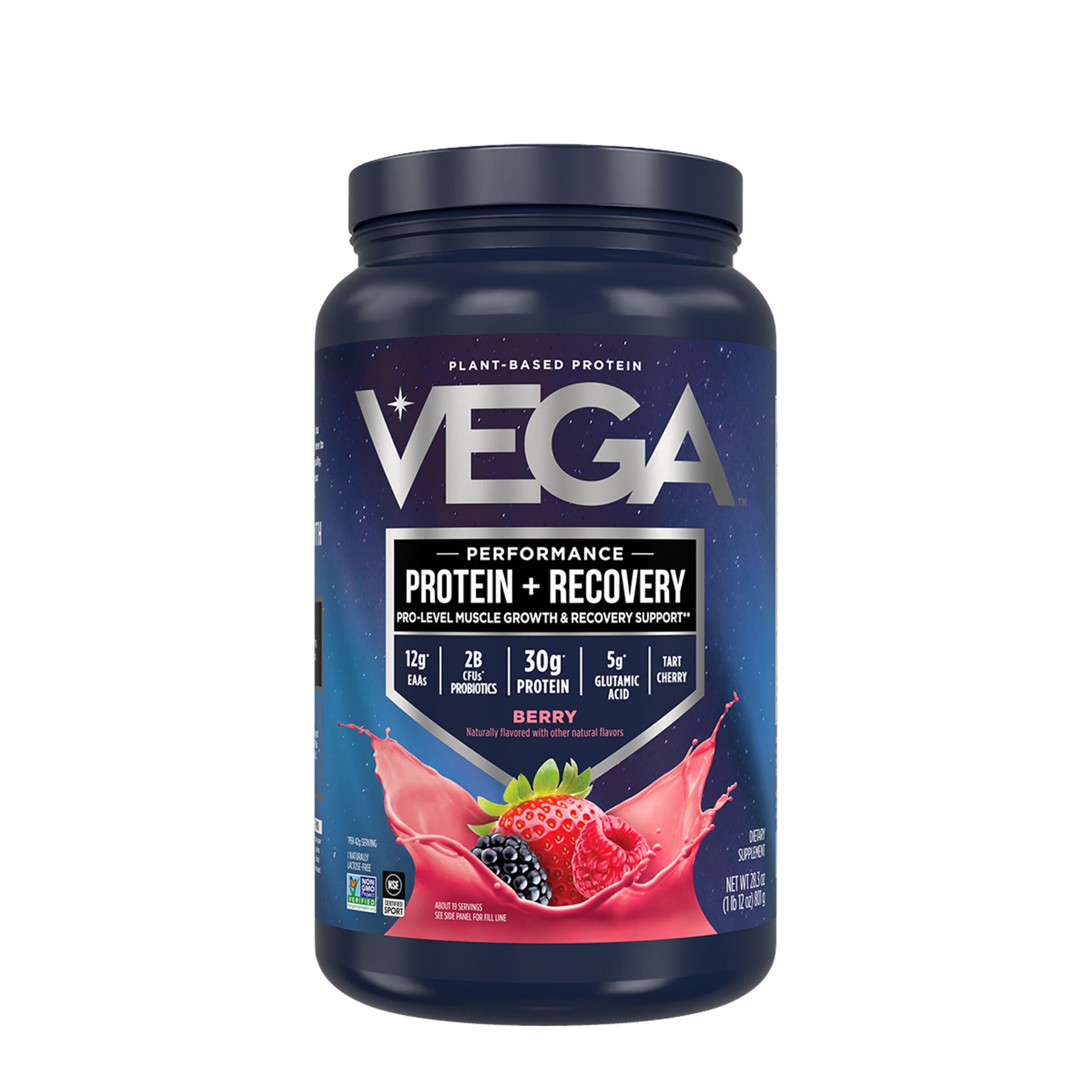
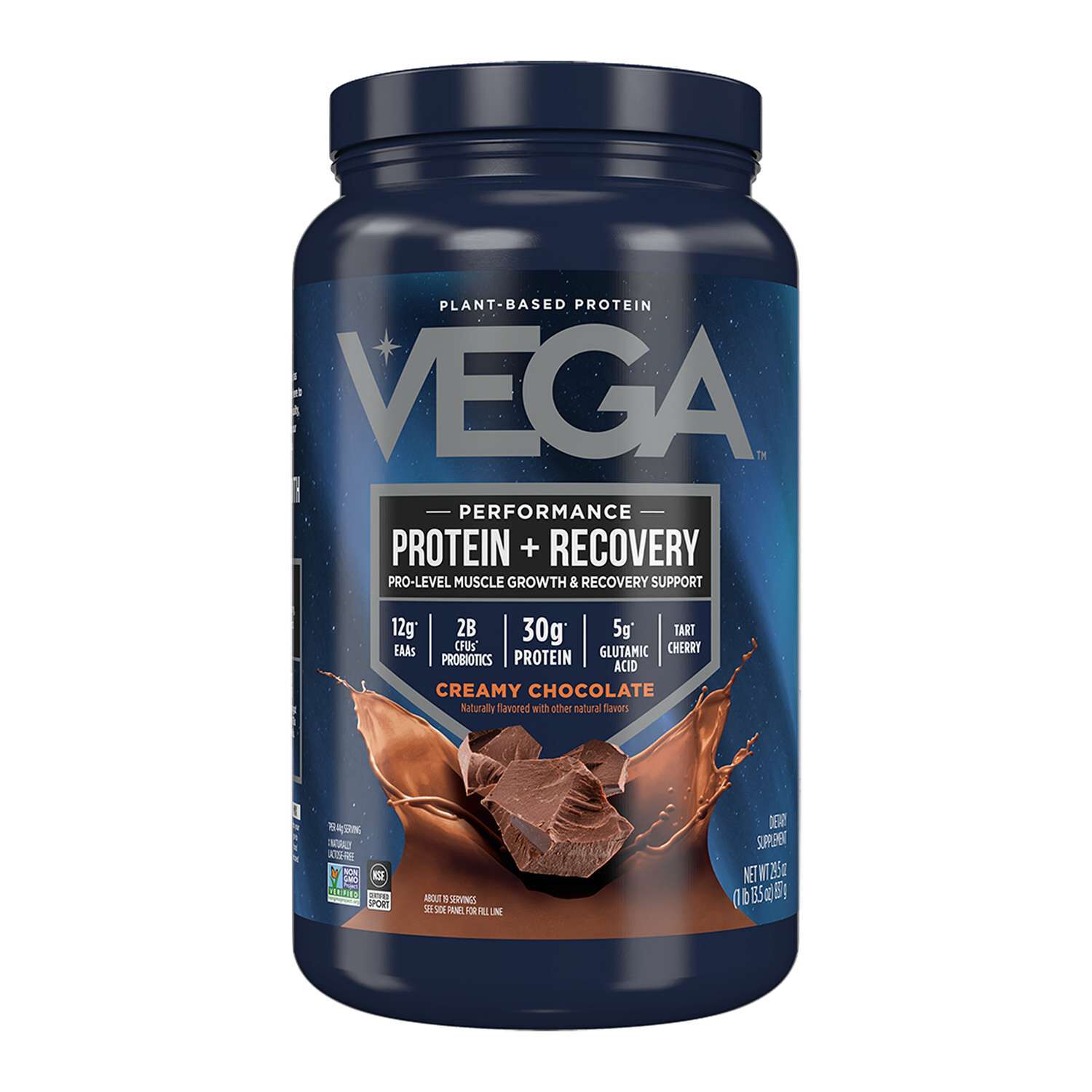
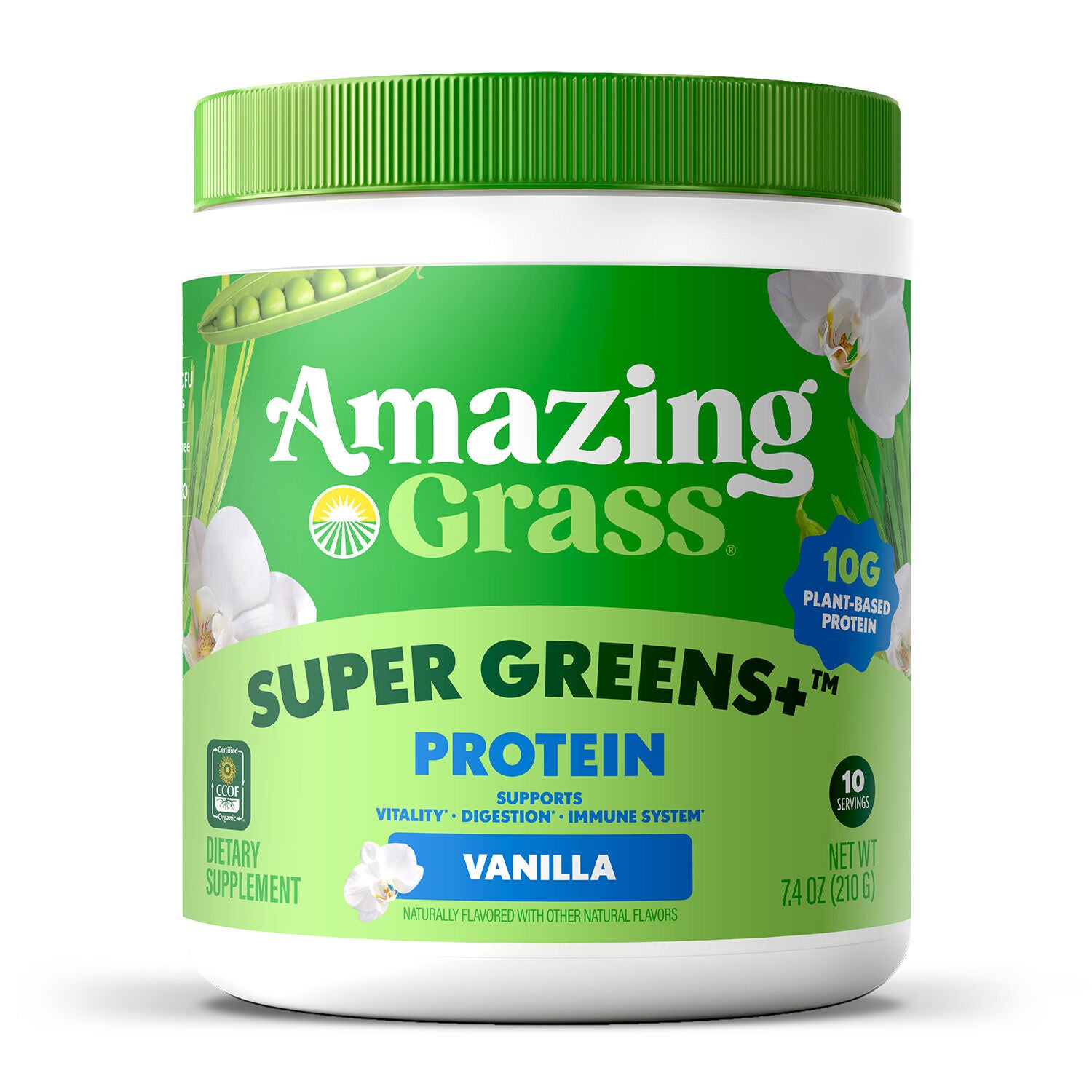
Mineral enriched protein powders combine protein ingredients with minerals such as calcium, potassium, magnesium, and iron. Depending on the formula, those minerals may come from the protein source itself, added mineral ingredients, or a combination of both. This category spans milk-derived proteins, including whey and casein, as well as plant-based options made with ingredients such as pea, soy, rice, or pumpkin seed protein. Some formulas feature a single protein source, while others combine several. The phrase mineral enriched describes a broad product category rather than one uniform recipe, so the ingredient list and Nutrition Facts panel provide the most useful details about an individual formula. A powder featuring calcium and potassium can have a different nutritional profile from one formulated with added iron or magnesium, even when the protein amounts look similar. Mineral content also deserves a serving-by-serving comparison: one scoop is not necessarily the same quantity across different powders, and some serving directions call for more than one scoop. Grams of powder, grams of protein, mineral amounts, and the listed Percent Daily Value each describe a different part of that serving. The amount of powder in a container is another separate detail, distinct from the number of servings it contains. Milk-derived ingredients and plant ingredients also have their own naturally occurring mineral profiles, so the presence of a mineral on the Nutrition Facts panel does not, by itself, mean that mineral was added separately. The ingredient list provides that additional context. Shoppers interested in a narrower mineral focus can also explore Iron Rich Protein Powders, comparing the listed iron content alongside protein sources, serving sizes, and other ingredients. Across the broader category, the meaningful distinction is the combination of protein, minerals, and formulation details—not simply the mineral wording on the front of the container.
Flavor and texture are practical considerations for a powder intended to become part of an everyday routine. Milk-derived formulas may have a creamy character, while plant-based blends may bring earthy, nutty, or grain-like notes, depending on their ingredients. Processing methods, flavorings, sweeteners, and added ingredients may also influence the finished drink. Vanilla, chocolate, and unflavored options lend themselves to different preparations, although unflavored does not necessarily mean tasteless. A powder mixed with water may taste quite different from the same serving blended with milk or a plant-based beverage. The mixing liquid contributes its own flavor and nutritional content, which remains separate from the powder’s label unless the package specifically presents prepared values. For someone carrying a shaker bottle to work, easy mixing and an enjoyable texture may matter more than a flavor designed for elaborate recipes. Someone who regularly makes fruit smoothies may prefer a powder that could complement berries, bananas, or nut butter without dominating the glass. A thicker blend may suit a spoonable smoothie, while another formula may be better suited to a drinkable consistency. Oatmeal, yogurt bowls, and homemade snack recipes offer other possible uses when the package includes suitable preparation directions. Adding powder to a recipe may change its sweetness, thickness, or moisture balance, so familiar baking proportions do not always translate directly. A heavily flavored powder may also bring a noticeably different character to a simple recipe than a lightly flavored one. These everyday details matter because mineral content is only one part of the experience. The most appealing formula for a morning smoothie may not be the same one someone prefers in a shaker bottle after a workout, and the mixing method is part of that distinction.
Choosing among mineral enriched protein powders also involves the less conspicuous details of the formula and package. Ingredient lists may include cocoa, flavorings, sweeteners, thickeners, or ingredients used for mixing consistency, in addition to protein and minerals. For shoppers with established dietary preferences, the protein source and any relevant package certifications provide a starting point, while milk, soy, and other allergen statements deserve their own attention. Plant-based does not describe every aspect of a formula, just as a milk-derived protein name does not describe every other ingredient in the container. Nutritional comparisons are most informative when they use equivalent serving sizes rather than front-label descriptions alone. A person who already uses several fortified foods or supplements may also want a clear picture of what each product contributes, without assuming that a larger mineral amount makes one powder a better match. Recreational exercisers, people who enjoy blended breakfasts, and home cooks experimenting with protein-containing recipes may all approach this category with different priorities. For a gift recipient who already uses protein powder, familiar flavor and ingredient preferences may be more useful than an unfamiliar combination chosen solely for its mineral content. Packaging and care matter after purchase, too. Resealable pouches and tubs have different shapes and storage footprints, especially in a small kitchen or a shared pantry. Package storage directions, date markings, and instructions for prepared drinks provide the reference for handling each formula. A securely closed package and a clean, dry scoop may help limit exposure to moisture during everyday use. Dry powder and a prepared shake have different storage requirements, and preparation directions should remain with the product if it is transferred to another container. Taken together, protein source, mineral content, flavor, serving size, preparation preferences, and storage needs provide a grounded way to distinguish these powders as everyday food products rather than interchangeable formulas.
Best Sellers


Related Pages


Top Collections
- Joint Mobility Supplement Packs
- Daily Collagen Supplements | Top Brands & Deals | GNC
- GLP 1 Support For Adults
- Zinc Supplements | Top Brands at Great Prices | GNC
- Supplements For Yoga Joint Flexibility
- Supplements For Balance
- Capsule Supplements For Energy And Stamina
- Adult Mobility Supplements
- Chronic Fatigue Supplements
- Vitamins For Hair Loss