Iron Rich Protein Powders
(0 Results)
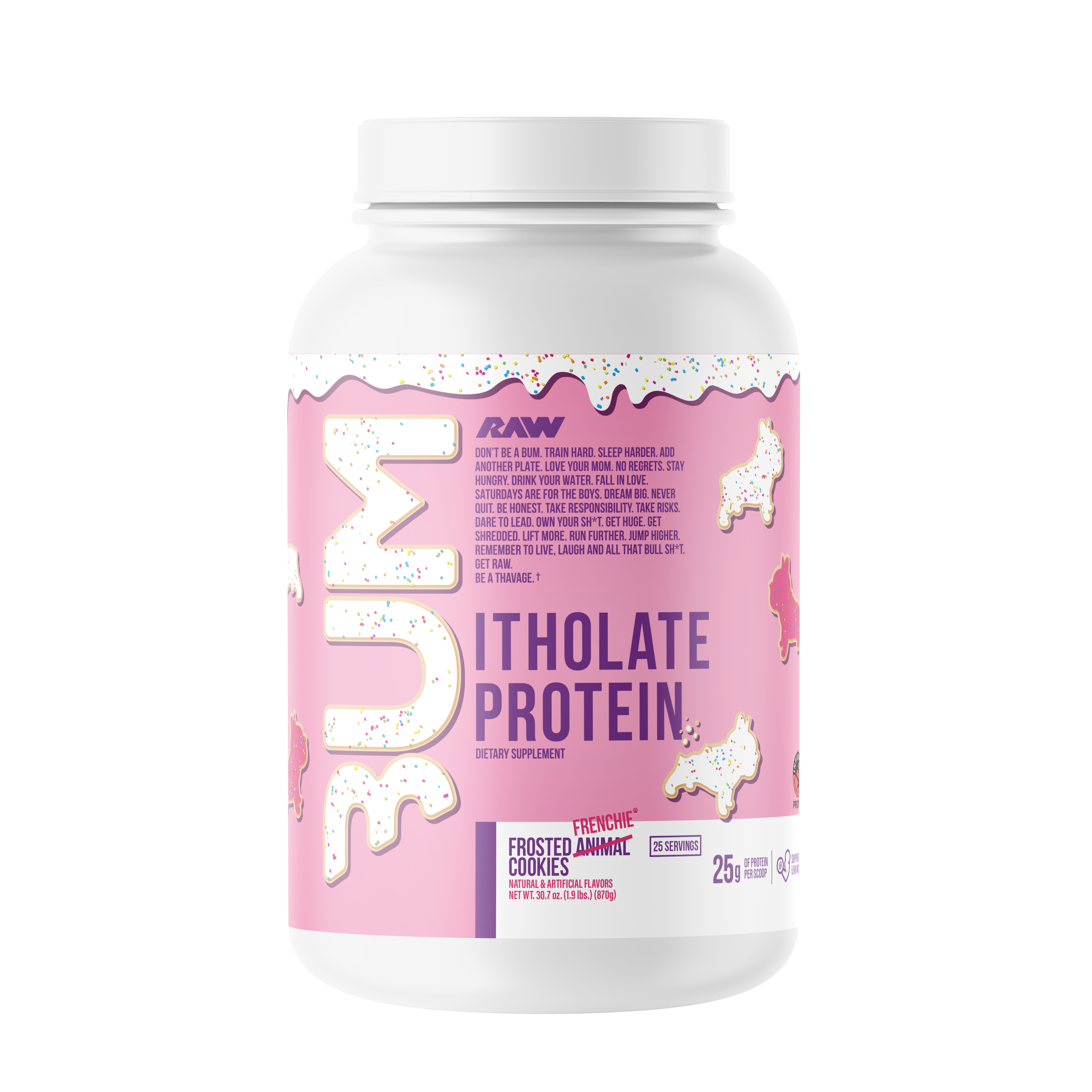
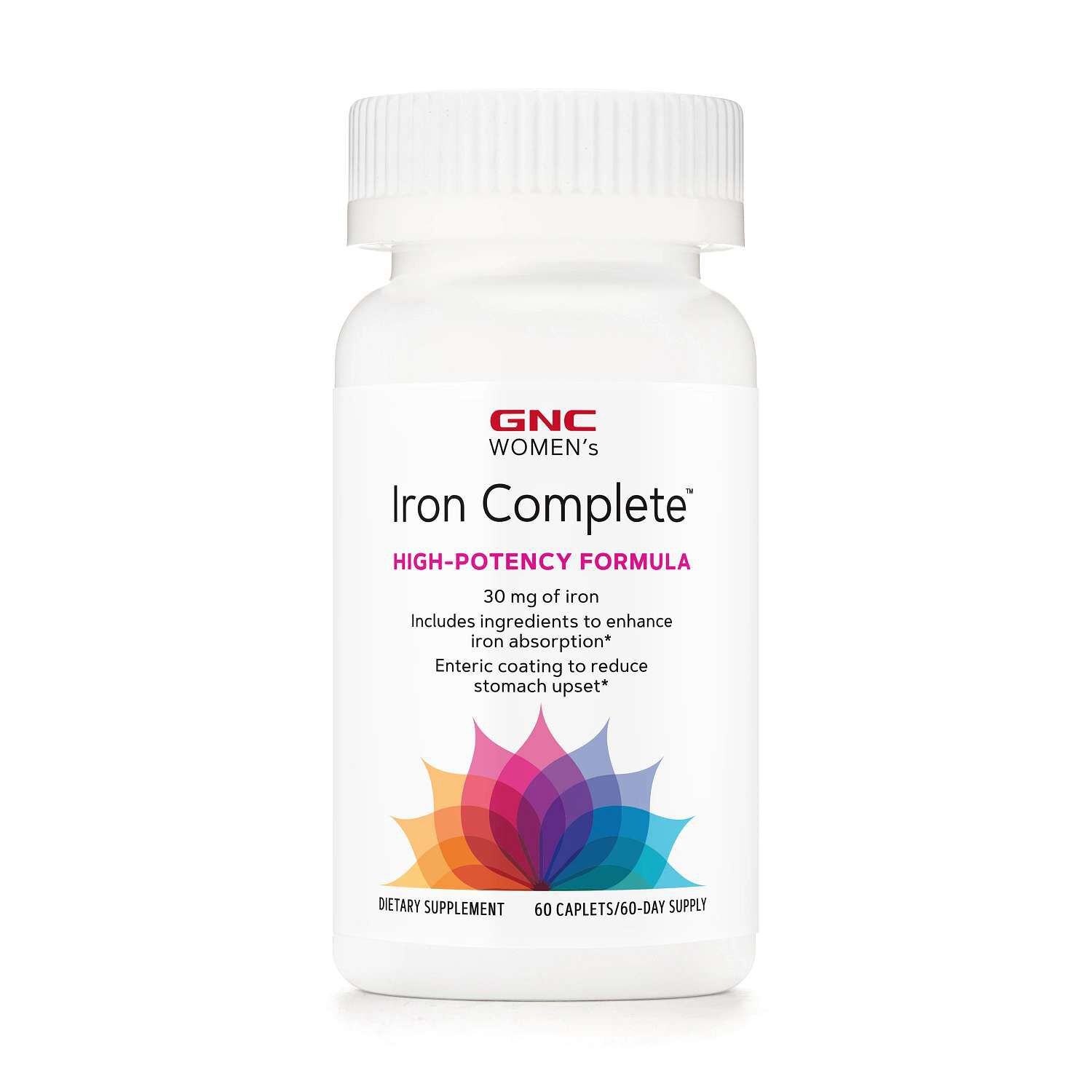
Iron rich protein powders could be a convenient addition to your daily routine for those seeking to support their nutritional goals. These versatile supplements may fit seamlessly into smoothies, shakes, or recipes, offering an easy way to help meet your protein needs while also providing a source of iron. Explore a variety of iron rich protein powders that might suit different dietary preferences and lifestyles.

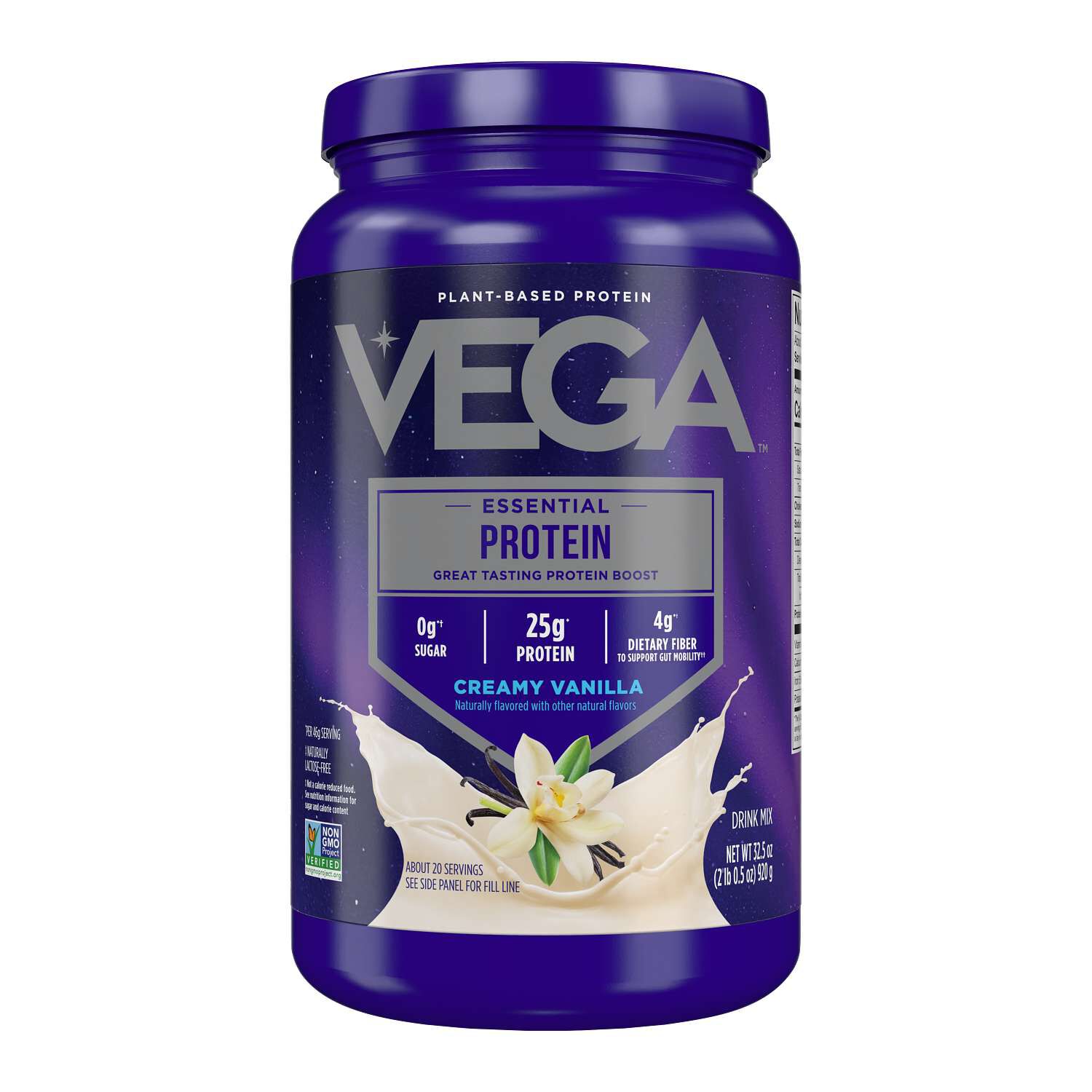


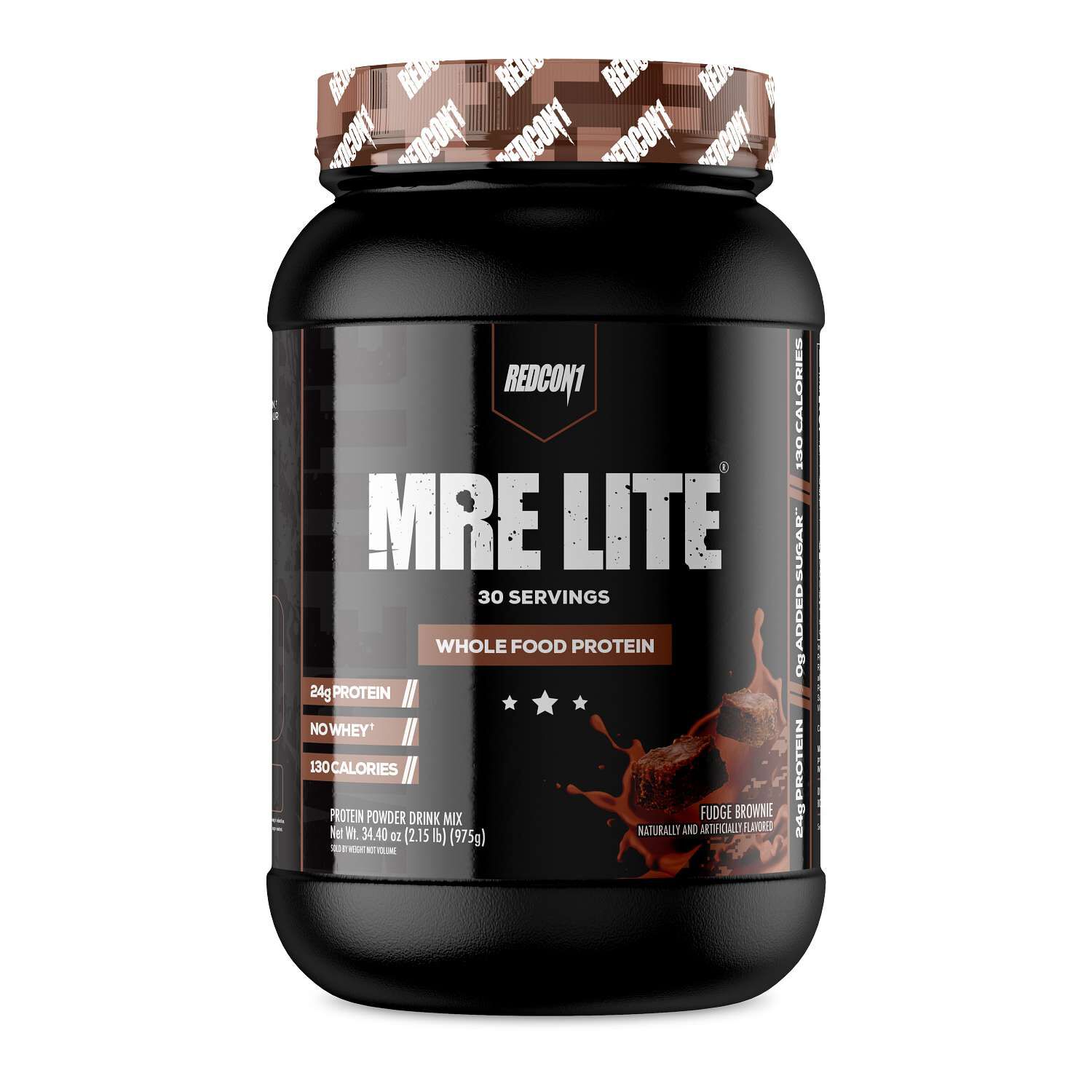
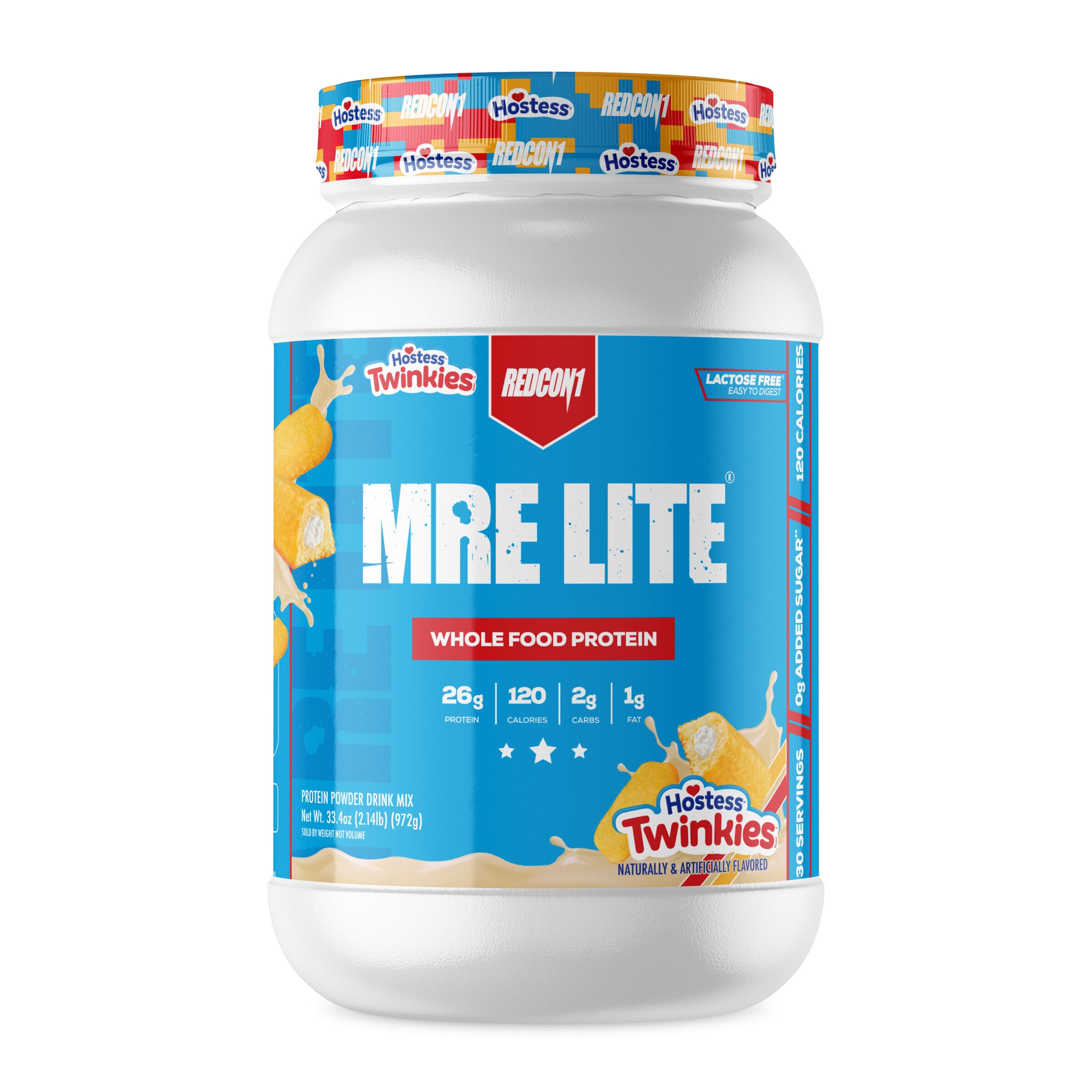
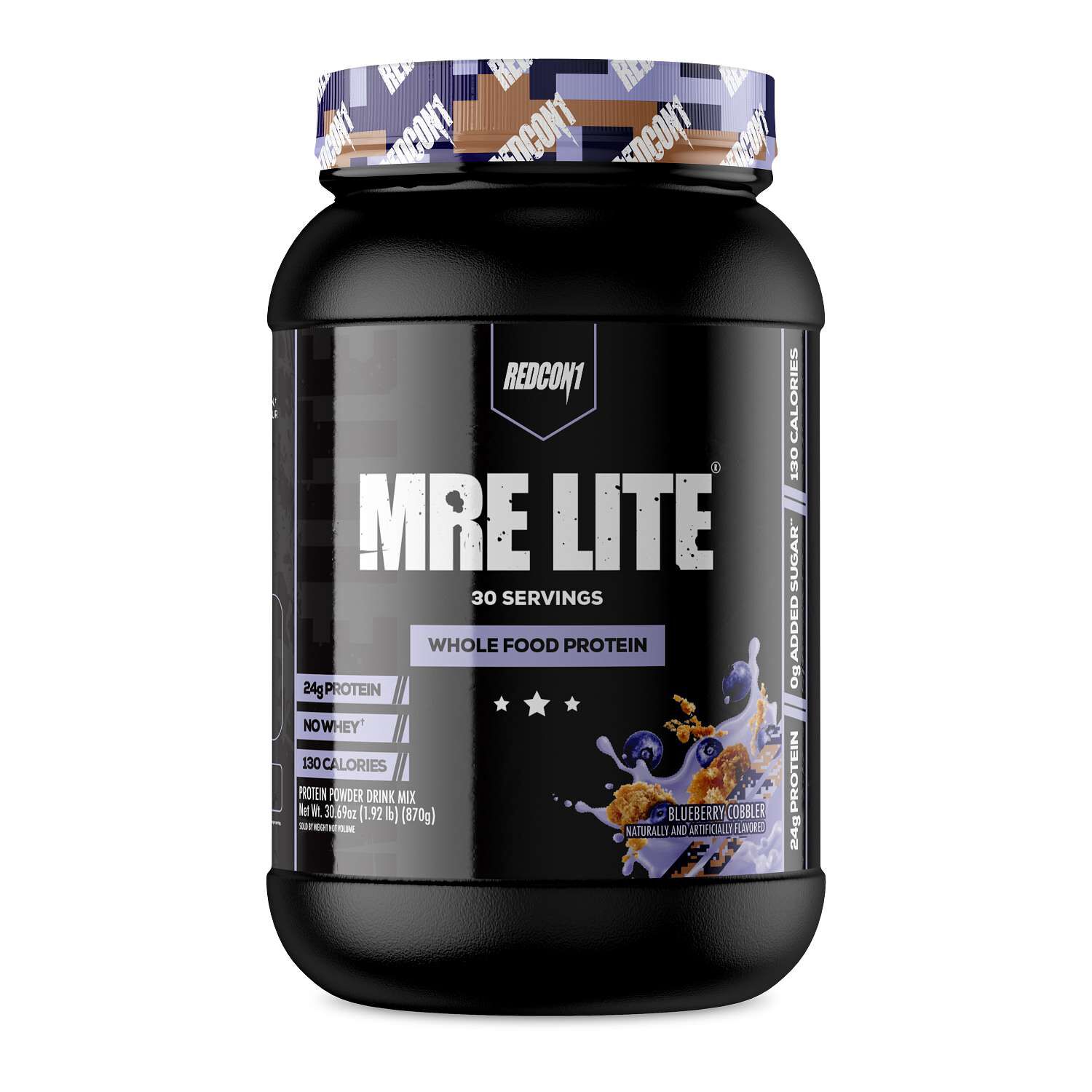
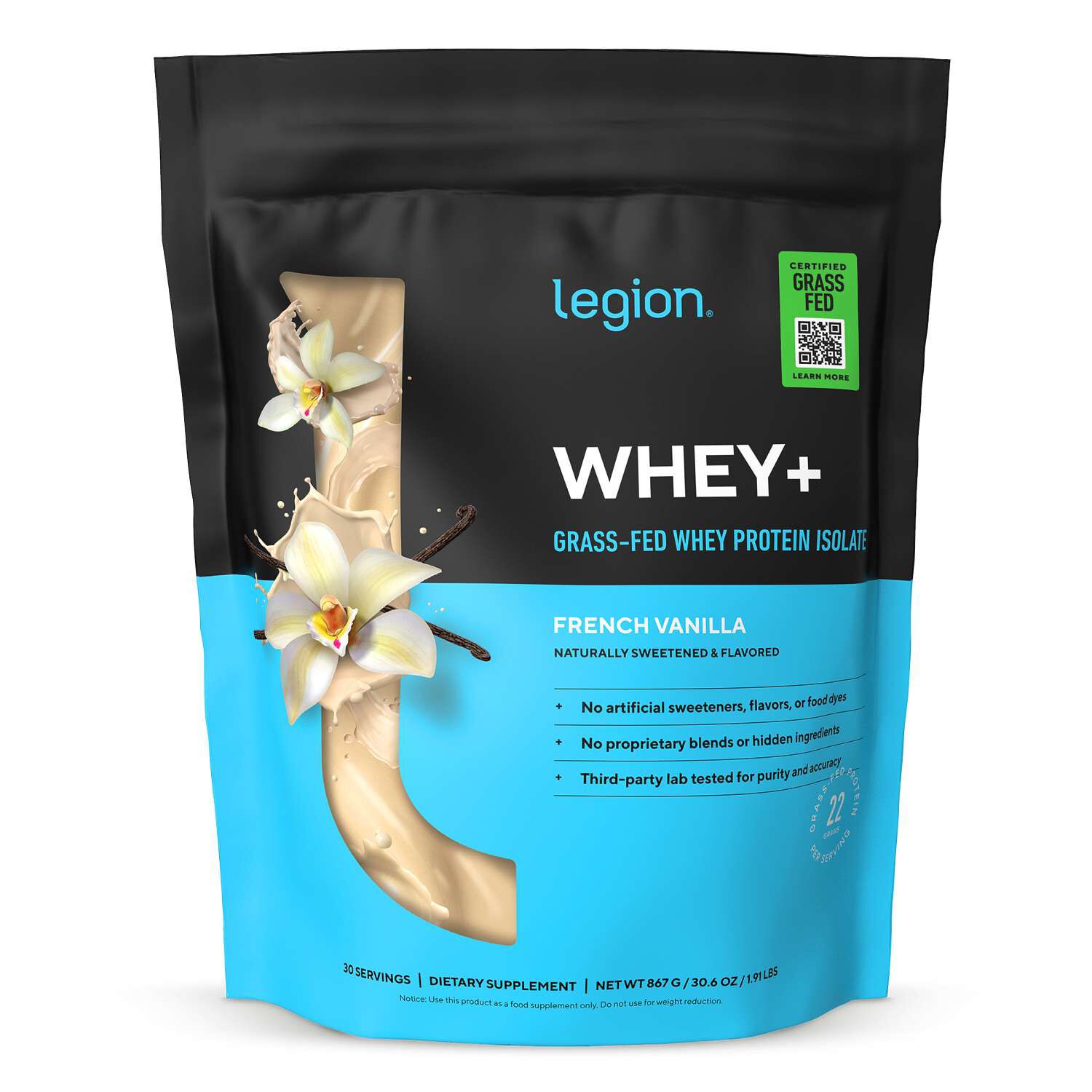
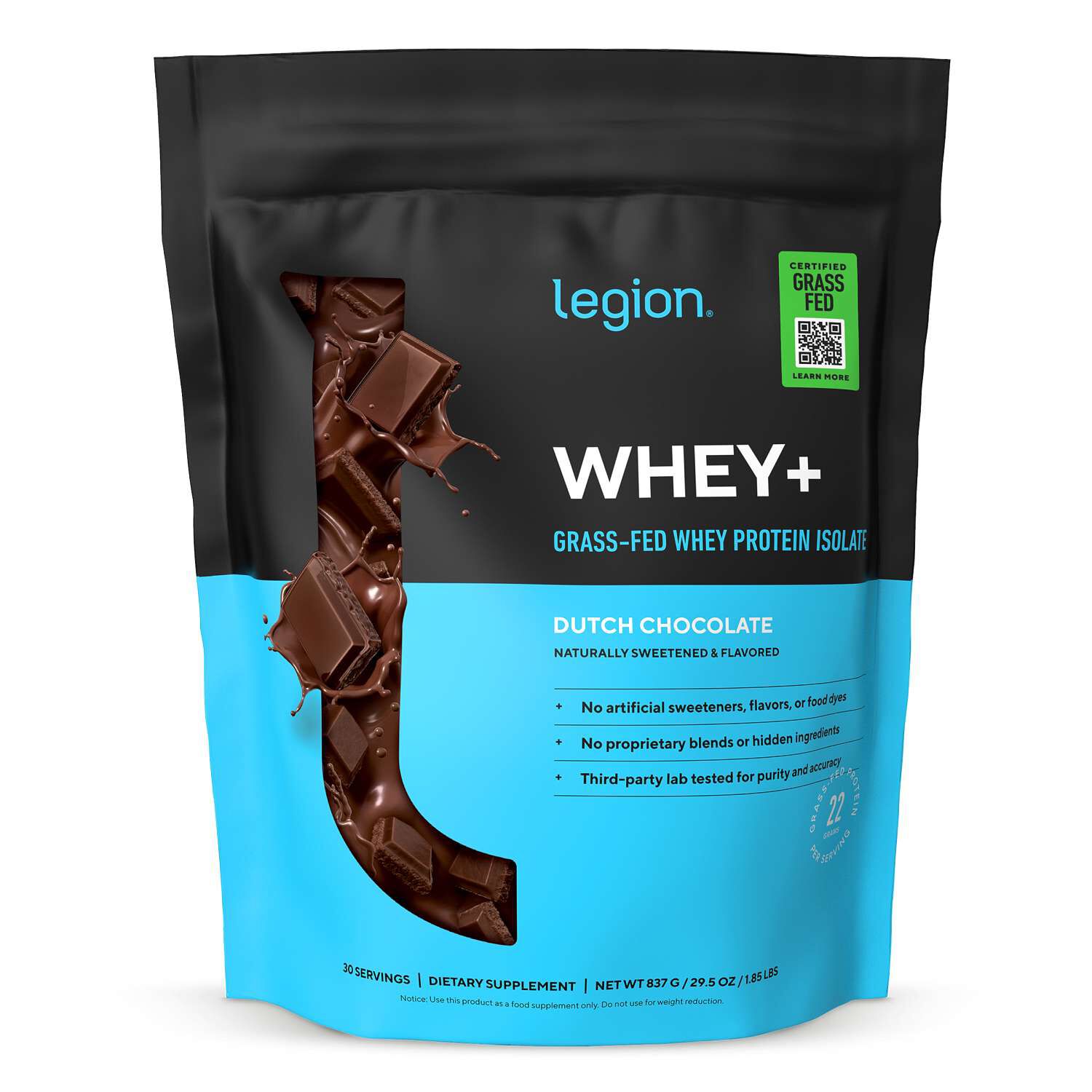


Iron-rich protein powders pair a concentrated protein source with iron supplied by their ingredients, added minerals, or a combination of both. Plant-based formulas made with pea, soy, pumpkin seed, or blends of plant proteins may contain non-heme iron, the form found in plant foods. Other formulas include iron as an added ingredient. The amount varies by recipe, processing method, and serving size, so a plant-based label alone does not establish whether a powder contains a substantial amount of iron. The Nutrition Facts or Supplement Facts panel provides the most useful comparison: protein is listed in grams, while iron is listed in milligrams alongside a percentage of the Daily Value. Those measurements describe different aspects of the formula. A powder with more protein does not necessarily contain more iron, and a longer ingredient list does not necessarily mean a higher iron amount. Whey, casein, and plant-based blends each have their own nutrient profiles, making the individual label more informative than the protein source alone. Serving sizes deserve attention, too. One formula may list a single scoop, while another uses two scoops or a different weight of powder. Comparing the labeled serving weight alongside the protein and iron amounts creates a clearer picture than comparing scoop counts. Preparation details also matter when reading nutrition information. Figures for powder mixed with water differ from figures that include milk or another beverage, because the added ingredients contribute their own nutrients. A Daily Value percentage is a standard labeling reference rather than a personalized target. For shoppers who already pay attention to both protein and iron in their food choices, these details may make an iron-containing powder a practical addition to the pantry. Plant-focused eaters, regular gymgoers, and people who enjoy blended breakfasts may all be interested in this category, although preferences for flavor, ingredients, and preparation can be just as important as the nutrient numbers.
The right iron-rich protein powder for a routine is also about how it tastes and behaves in familiar recipes. Vanilla may work well with banana, oats, cinnamon, or a spoonful of nut butter, while chocolate may pair naturally with berries or coffee. An unflavored option may suit shoppers who prefer to choose the sweetness and seasoning themselves, though unflavored does not necessarily mean tasteless. Pea, seed, soy, and dairy proteins have distinct flavor characteristics, and the rest of the recipe may soften or emphasize those notes. Texture varies as well. Depending on the formula, a drink may turn out light and pourable, thick and creamy, or slightly grainy. Finely milled powders and ingredients such as lecithin may mix more evenly, while gums or added fiber may produce a thicker consistency. Someone preparing a shake at a desk may prefer a formula intended for a shaker bottle; someone blending fruit and ice at home may be comfortable with a denser powder. Package directions are a useful starting point for the ratio of liquid to powder, with small adjustments allowing for personal preference. Adding the liquid before the powder may help reduce dry pockets around the bottom of a bottle or blender jar. For a breakfast bowl, a smaller amount of powder stirred into yogurt or prepared oats may be easier to incorporate than a full serving added all at once. These powders may also suit pancake batter or other recipes, although results depend on the protein source and the amount used. Protein powder is not interchangeable with flour in every recipe, so recipes written for it offer a more predictable starting point. A shake, smoothie, or bowl made with powder also has a different ingredient profile from the powder alone. Fruit, oats, milk, yogurt, and nut or seed butters each contribute their own flavor, texture, and nutrients, making the finished recipe worth considering alongside the scoop.
Ingredient preferences provide another way to compare iron-rich protein powders without relying on front-label language alone. Some shoppers prefer a short ingredient list, while others prioritize a particular texture, a strongly flavored shake, or a blend of protein sources. Sweeteners, added sugars, flavorings, fiber, and mineral ingredients all help distinguish one formula from another. A plant-based protein source does not by itself establish that every ingredient suits a vegan eating pattern, just as an unflavored label does not establish that a formula contains no sweetener. Allergen statements are particularly relevant for powders made with milk, soy, wheat, or nuts, and manufacturing statements provide additional information about shared equipment or facilities. For households with different dietary preferences, separate containers and clearly marked scoops may make everyday preparation simpler. Beyond the ingredient list, packaging details affect how a powder fits into a kitchen or a bag carried between home and work. A resealable pouch may take up less cupboard space, while a sturdy tub may be easier to open and scoop from repeatedly. The labeled number of servings is more useful than the container’s appearance when considering how often it will be used. Storage directions and the printed date also deserve attention. A tightly closed container, a clean and dry scoop, and storage away from moisture may help preserve the powder’s intended quality. Prepared shakes have different storage needs from dry powder, so package instructions remain important after mixing. Shoppers interested in comparing iron alongside other minerals can also explore Mineral Enriched Protein Powders, then check individual labels for the nutrients that matter to their preferences. A thoughtful comparison brings together the iron amount, protein source, serving size, flavor, and intended use rather than treating any one feature as the deciding factor. Whether the routine involves a quick shaker drink, a fruit smoothie, or a spoonable breakfast bowl, those everyday details may help narrow the selection to a powder that fits comfortably into familiar meals and habits.