





Multivitamin Capsules For Teen Summer Camps
(0 Results)
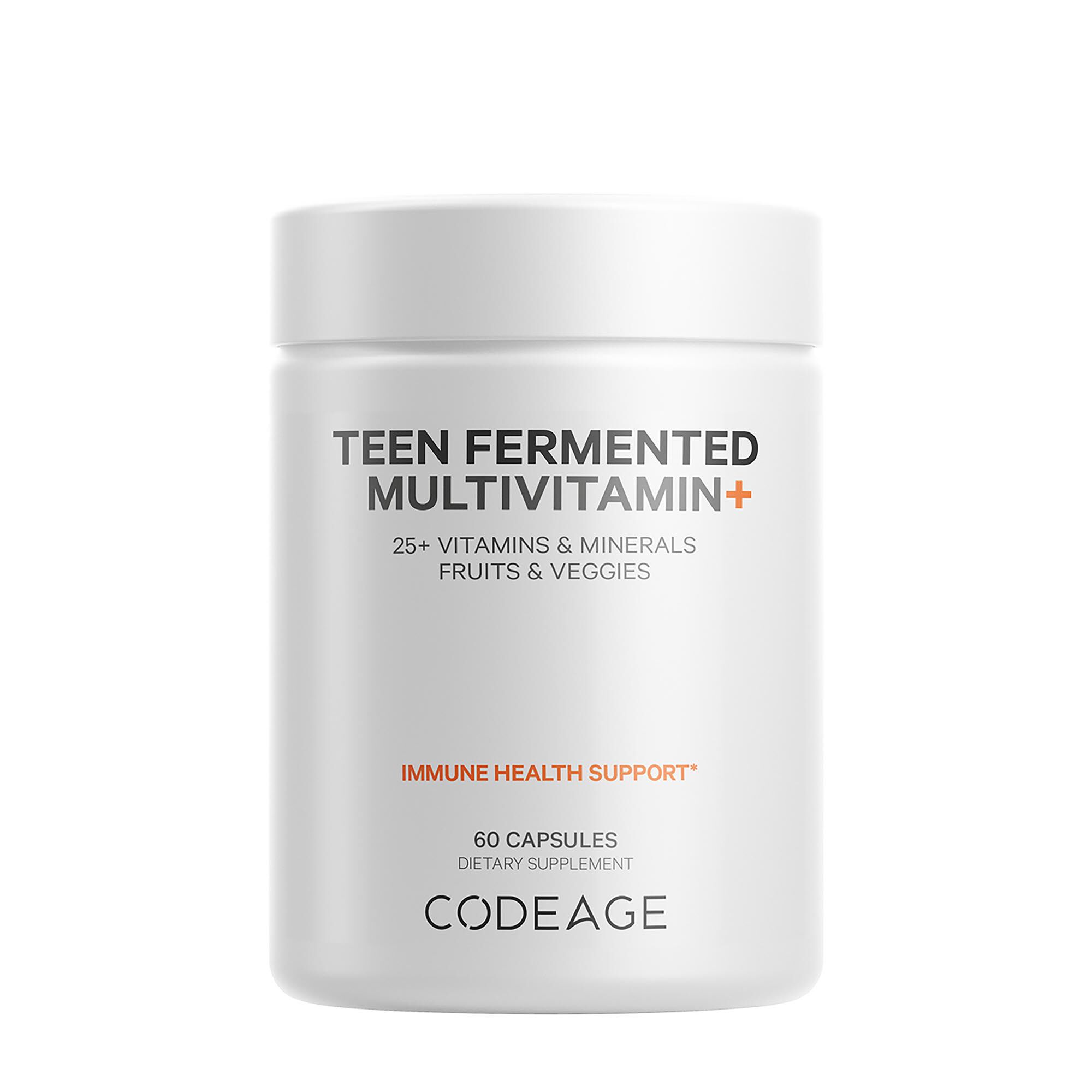
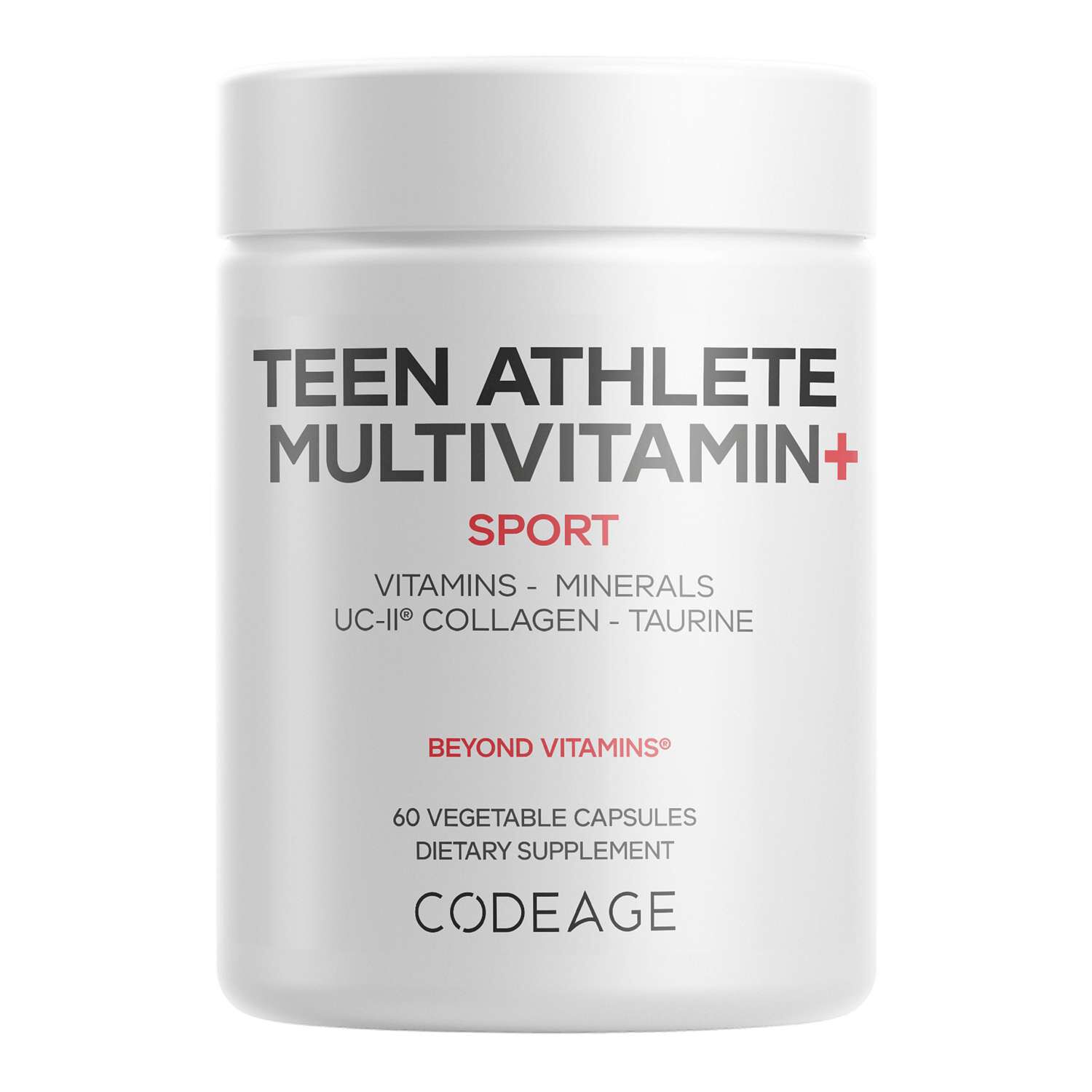
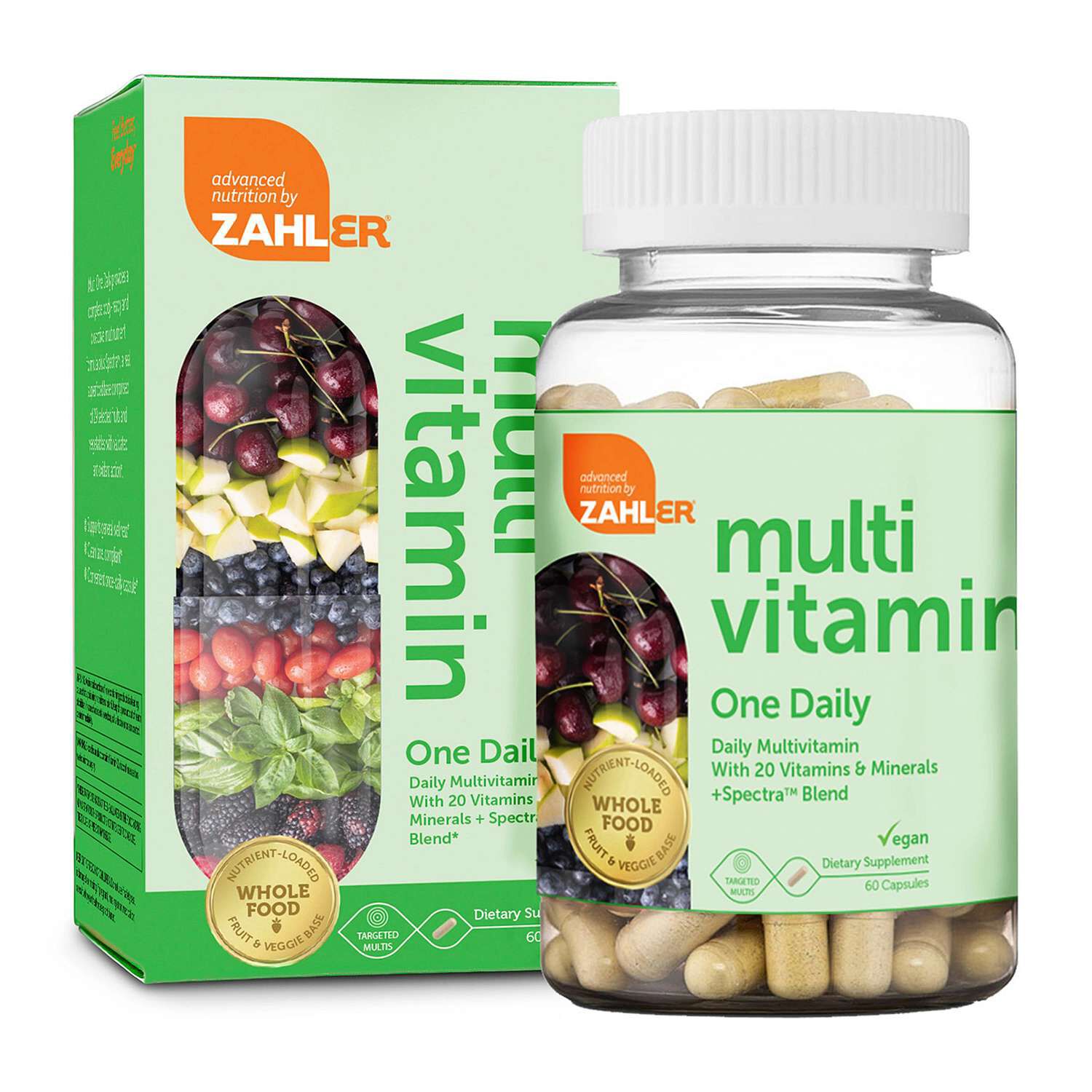
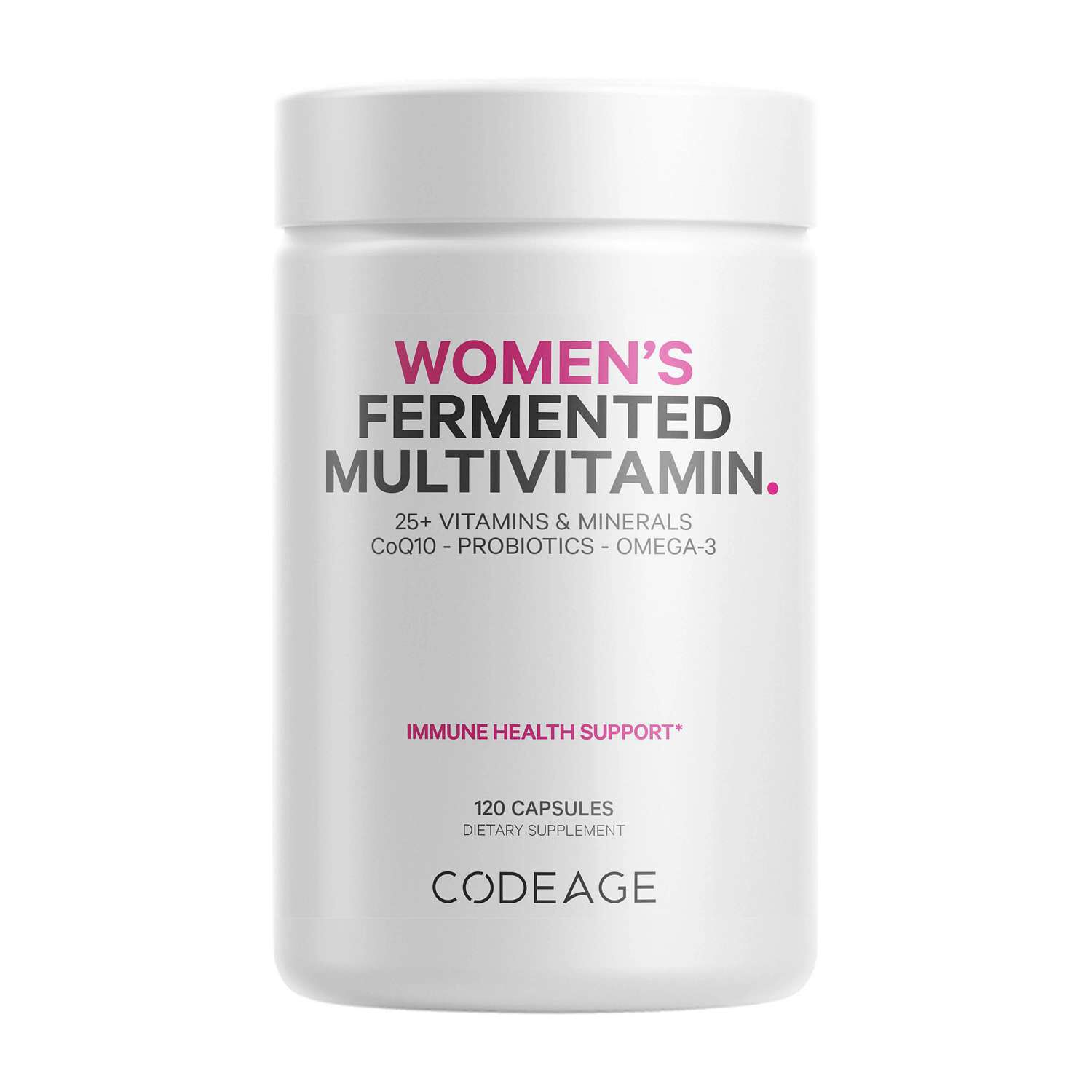
Multivitamin capsules for teen summer camps could offer a convenient way for growing teens to support their wellness routines while away from home. Whether your camper is exploring the outdoors, participating in group activities, or making new friends, these capsules might fit easily into busy summer schedules. With options designed for a variety of preferences and needs, multivitamin capsules for teen summer camps may help parents and caregivers feel confident about adding extra support to their teens’ daily routines during this active season.
-
-
-

-
 $24.99
-

-
-

-
-

-

-
-
-

-
-

-

-

-

-


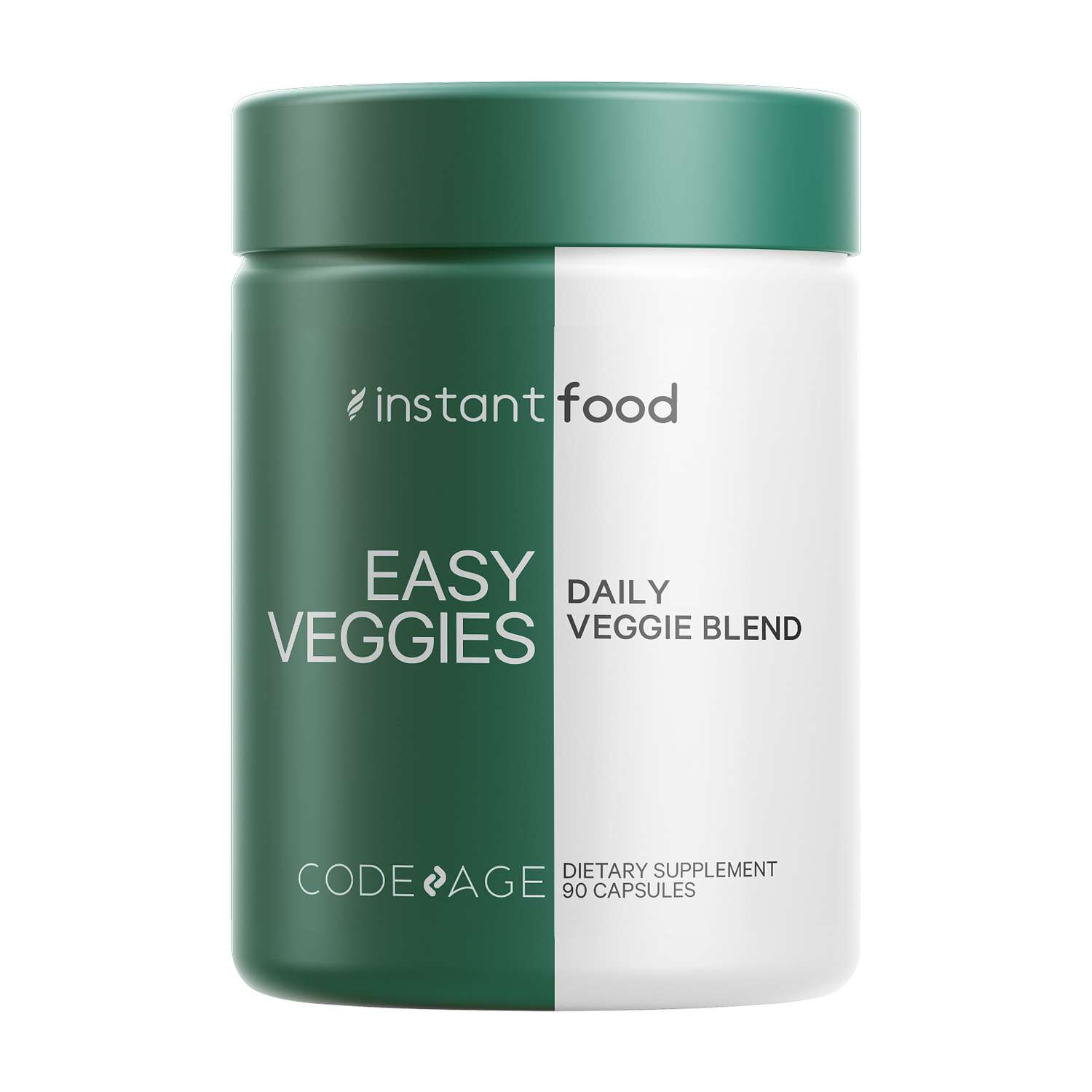
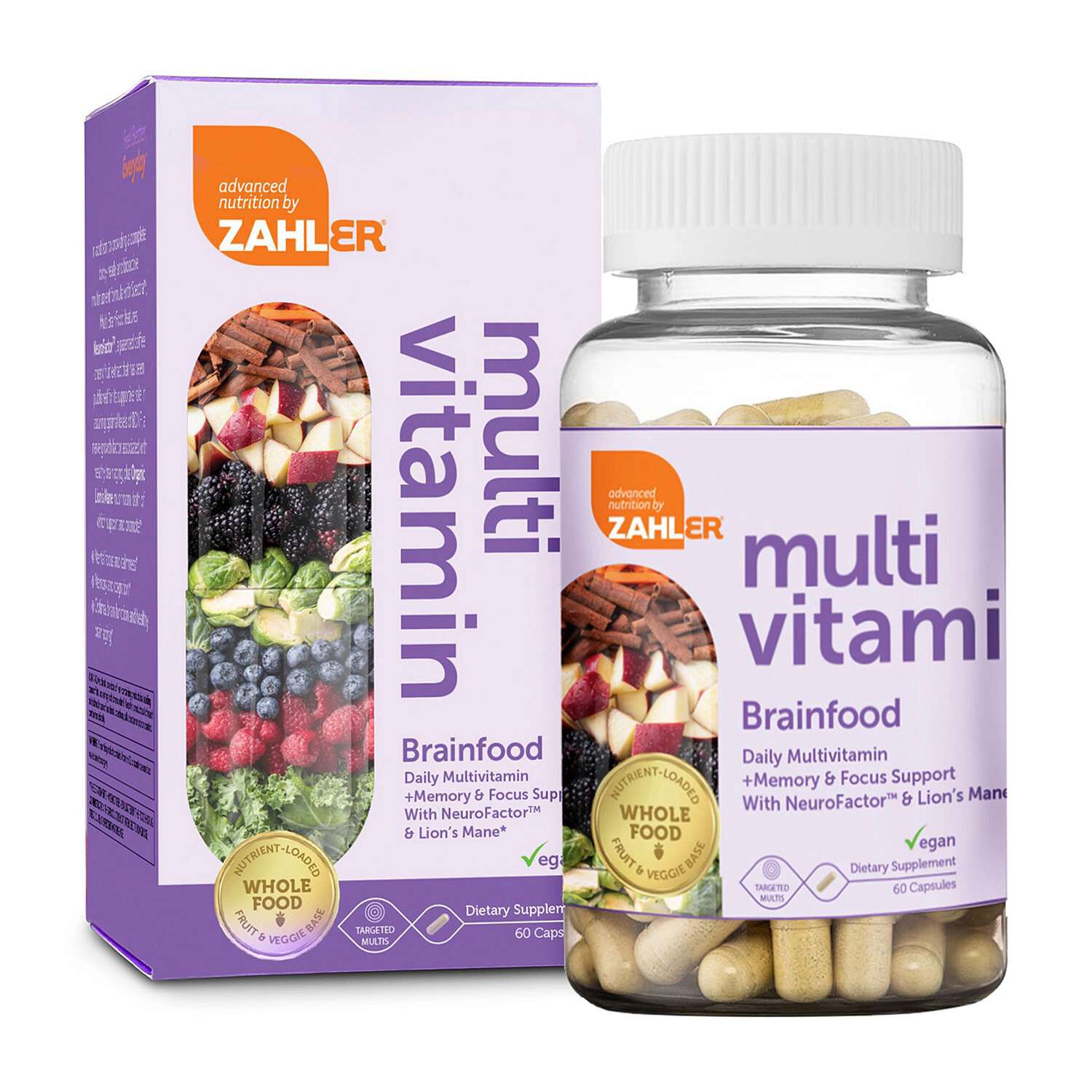
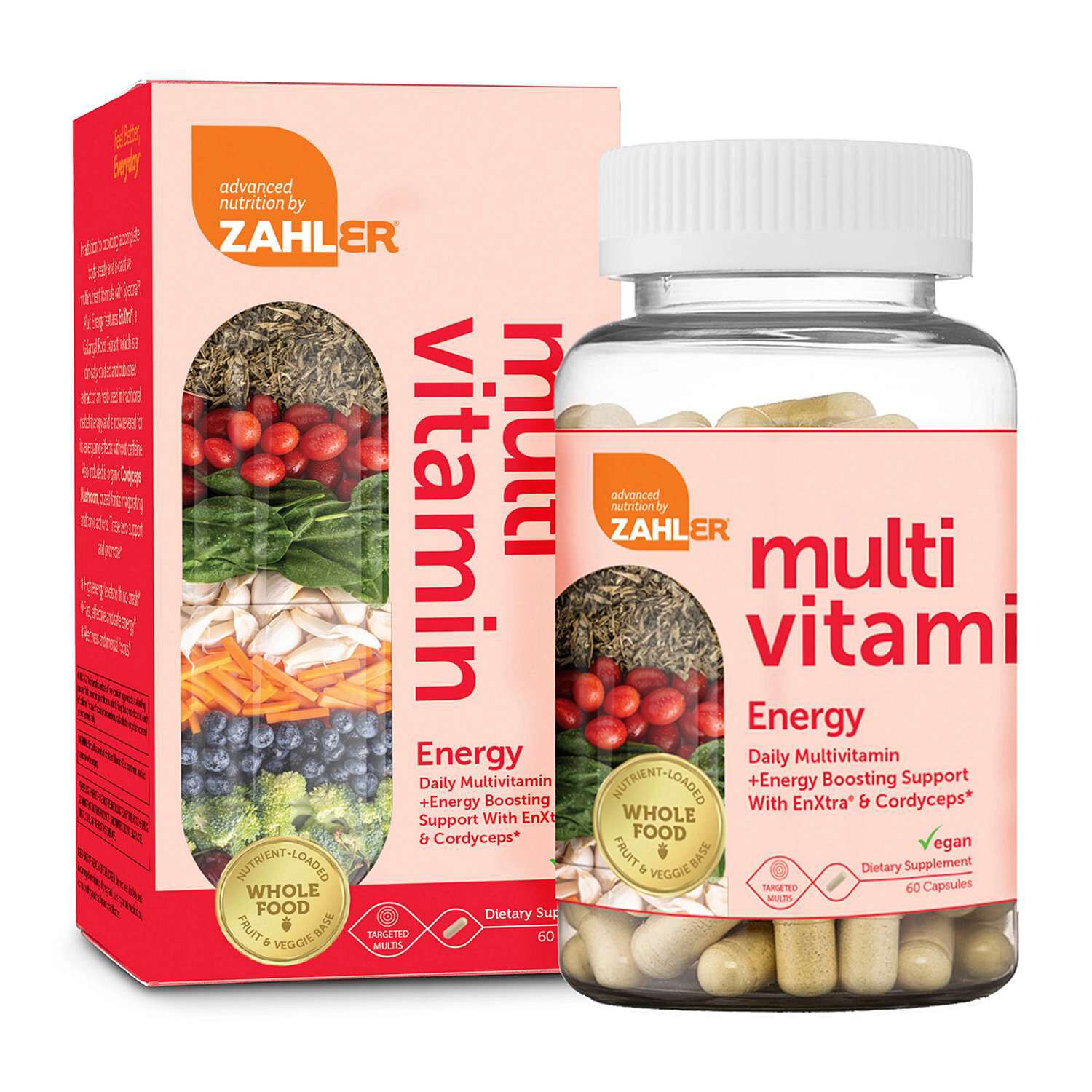
Multivitamin capsules for teen summer camps bring together two distinct considerations: the contents of a supplement and the practical details of taking it away from home. Camp attendance alone does not establish a nutritional need, and a multivitamin is not a substitute for a balanced diet. For families considering this format as part of an existing routine, the most relevant differences begin with the labeled age range, ingredient list, serving information, and capsule construction. A capsule format does not automatically mean a formula is intended for teenagers; products intended for adults can look similar while carrying different age information and ingredient amounts. The number of capsules in a labeled serving also matters when comparing bottles, since one capsule does not necessarily represent one serving. Depending on the formula, a multivitamin may contain a range of vitamins and minerals or a more limited assortment, so the name on the front of the bottle tells only part of the story. The Supplement Facts panel offers a clearer picture of what each serving contains. Capsule shells may use gelatin or plant-derived materials such as cellulose, while other ingredients can differ in ways that matter to household dietary preferences. Allergen statements and ingredient disclosures provide additional context for families who already pay close attention to food and supplement labels. Capsule dimensions, surface texture, and the number included in a serving are practical format considerations, especially for a teen accustomed to a different type of supplement. Photographs do not always communicate size clearly, making written product details useful alongside the package image. Familiarity with a capsule format is separate from whether a particular formula is appropriate for its intended user. For a camp packing list, those distinctions are more meaningful than colorful packaging or a label that simply suggests an active lifestyle. The focus stays on the individual teenager, the product’s stated intended use, and the information supplied on its label rather than on the assumption that every camper needs the same supplement.
Summer camp also introduces packaging and storage considerations that may be less noticeable at home. A bottle that normally sits in a kitchen cabinet could spend camp in a designated office, a supervised storage area, or another location specified by the program. Overnight camps, day programs, and extended outdoor sessions may handle supplements differently, including how they document them, who holds them, and when campers have access to them. Camp policies therefore belong alongside container dimensions and labeled serving information in the practical comparison. Original packaging keeps the ingredient list, directions, lot information, and expiration date connected to the contents, while an intact label gives camp staff a clear reference. A loose assortment of capsules in an unmarked pouch does not offer that same identification. Bottle shape and closure design also affect how a package fits among approved camp belongings, although a sturdy-looking container does not change its stated storage requirements. Summer travel can involve a parked vehicle, a humid cabin, or a duffel carried between buildings, and label directions remain the relevant reference for storage conditions. A zippered pocket or packing pouch is an organizational accessory, not a replacement for the storage conditions printed on the bottle. Container volume deserves attention as well: a large bottle can take up considerably more room than its capsule count suggests, particularly when a camp assigns a small storage bin to each camper. The number of labeled servings, the length of the stay, and the program’s packaging requirements create a more useful comparison than bottle height alone. For a short day-camp session, the supplement may never need to leave home; an overnight program presents a different set of arrangements. These details distinguish multivitamin capsules for teen summer camps from a general supplement purchase. The setting includes permission forms, shared spaces, luggage limits, and staff procedures, not just a spot on a bathroom shelf.
The intended user and the rhythm of the camp matter just as much as the physical package. A teenager attending an arts program may spend the day moving between rehearsal rooms and a dining hall, while another camper may divide the schedule among swimming, nature walks, and cabin activities. Those experiences create different packing demands, but they do not, on their own, determine which supplement belongs in a teen’s routine. Meals, snacks, and drinking water remain separate parts of planning, and a capsule does not stand in for any of them. For families already managing a familiar supplement routine, continuity involves recognizable labeling, a clearly identified formula, and arrangements that fit the camp’s procedures. A longer stay may involve more servings and more paperwork than a weekend program, while a day camp may require no on-site supplement storage at all. The teen’s comfort with the format is another everyday consideration: a capsule that looks modest in a product photo may feel unfamiliar beside the format used at home. Comparing labeled details keeps that distinction visible without treating one format as universally preferable. Household shopping can also include products intended for different family members, particularly when camp preparation overlaps with planning for the next school year. The separate selection of Multivitamin Capsules For Back To School Adults addresses a different intended audience; adult labeling is not interchangeable with teen labeling. Within a camp-focused selection, meaningful comparison comes back to age information, ingredients, capsule materials, serving size, package dimensions, and storage instructions. Together, those details give families a concrete way to understand what distinguishes one capsule format from another. The result is a more thoughtful packing decision grounded in the actual label and the camp setting, whether the destination is a wooded overnight campus, a lakeside cabin, or a neighborhood day program.
Best Sellers

_Front.jpg?sw=305&sh=305&sm=fit "Junior Multi - 90 Tablets - 90 Tablets (90 Servings) | GNC")
Related Pages

Top Collections
- Joint Mobility Supplement Packs
- Zinc Supplements | Top Brands at Great Prices | GNC
- Supplements For Yoga Joint Flexibility
- Supplements For Balance
- Capsule Supplements For Energy And Stamina
- Iron Supplements
- Supplements For Anxiety Relief Support
- Vitamins For Hair Loss
- Cortisol Supplements
- Adult Mobility Supplements