Multivitamins With Ginkgo Biloba
(0 Results)
Multivitamins with ginkgo biloba offer a convenient way to support your wellness routine. Combining essential vitamins and minerals with ginkgo biloba extract, these supplements may fit into a balanced lifestyle. Explore options that could complement your daily regimen and help you stay on track with your health goals. Find the right multivitamins with ginkgo biloba to suit your needs and preferences.
-

-
-
-
 $59.99
-
-

-
-

-

-

-
-
-

-
-
-
-
-

-
-

-

-

-
-
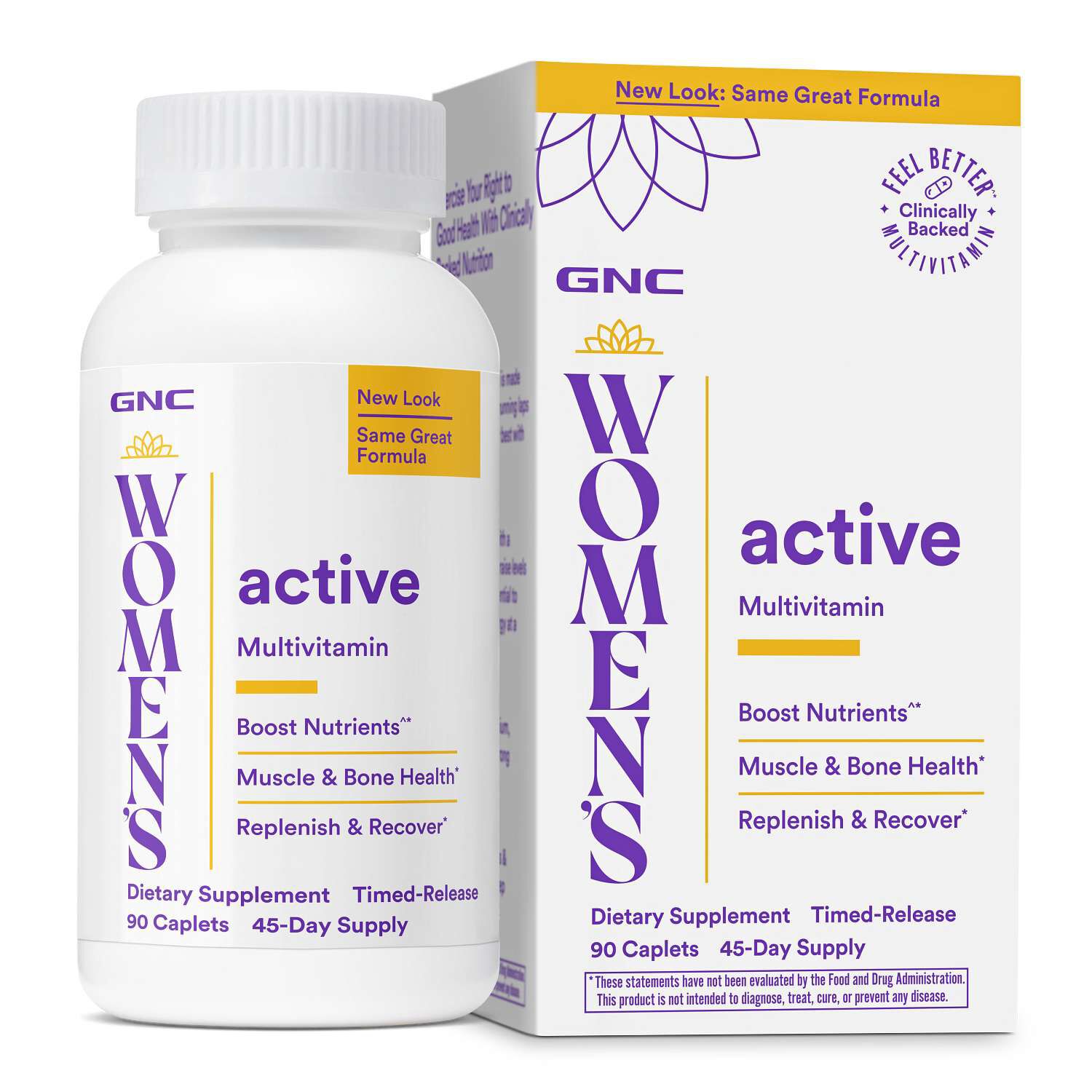
Multivitamins with ginkgo biloba bring together a selection of vitamins and a botanical ingredient derived from the leaves of the ginkgo tree. Some formulas also contain minerals, making this category distinct from supplements that feature ginkgo on its own. The defining feature is the combination: a multivitamin base paired with ginkgo biloba in the same formulation. That combination can appeal to adults who prefer a blended supplement rather than separate bottles for each ingredient. It does not mean that every formula contains the same nutrients, the same quantity of ginkgo, or the same serving size. One label might list vitamins A, C, D, and E alongside several B vitamins, while another might include a different nutrient selection or additional botanical ingredients. Minerals such as zinc, magnesium, or calcium may also appear, with amounts that vary by formula. The Supplement Facts panel provides a clearer picture than a broad description on the front of the package, especially when comparing products with similar names. For example, two multivitamins with ginkgo biloba might have very different vitamin quantities even when their botanical descriptions look alike. A formula intended for a particular adult age range may also differ from a general adult multivitamin in both its nutrient mix and serving directions. This makes the intended audience, ingredient list, and labeled serving useful starting points for understanding the category. These supplements belong within a broader food and nutrition routine rather than taking the place of varied meals. For someone who already keeps a regular breakfast routine or organizes supplements alongside other daily tasks, the practical appeal may be the combined format itself. The relevant comparison is not simply how many ingredients fit into one bottle, but how clearly the formula identifies its contents and how its labeled use fits an established routine.
Ginkgo biloba deserves a closer look on the label because its name alone does not describe every detail of the botanical ingredient. A formula may identify ginkgo leaf, ginkgo leaf extract, or a standardized extract, and those descriptions are not interchangeable. An extract is made by processing plant material to obtain selected constituents, while a standardized extract is identified by a specified proportion of certain constituents. Terms such as flavone glycosides and terpene lactones may appear in that description. They describe groups of plant compounds, not vitamins or minerals, and they provide another point of comparison beyond the amount of extract listed in milligrams. A stated extract amount should also be read separately from any reference to the quantity of leaf material used to produce it. Comparing those numbers as though they describe the same thing can obscure differences between formulas. Serving size matters just as much: the amount shown in the Supplement Facts panel may refer to more than one tablet or capsule. A bottle with a higher capsule count is not necessarily a bottle with more servings. Likewise, the percentage of Daily Value applies to nutrients for which a Daily Value has been established; a botanical ingredient may instead have a notation indicating that no Daily Value is established. Where several botanicals are grouped into a blend, the panel may list an amount for the blend without identifying a separate amount for every ingredient. These details help distinguish a straightforward vitamin-and-ginkgo combination from a broader formulation with numerous components. For shoppers comparing formulas intended for women, Ginkgo Biloba Supplements For Women offers a related category to explore alongside multivitamin blends. Audience wording remains only one part of the comparison. The nutrient amounts, presence or absence of particular minerals, botanical description, and serving directions provide more specific information about the formulation than a general audience label alone.
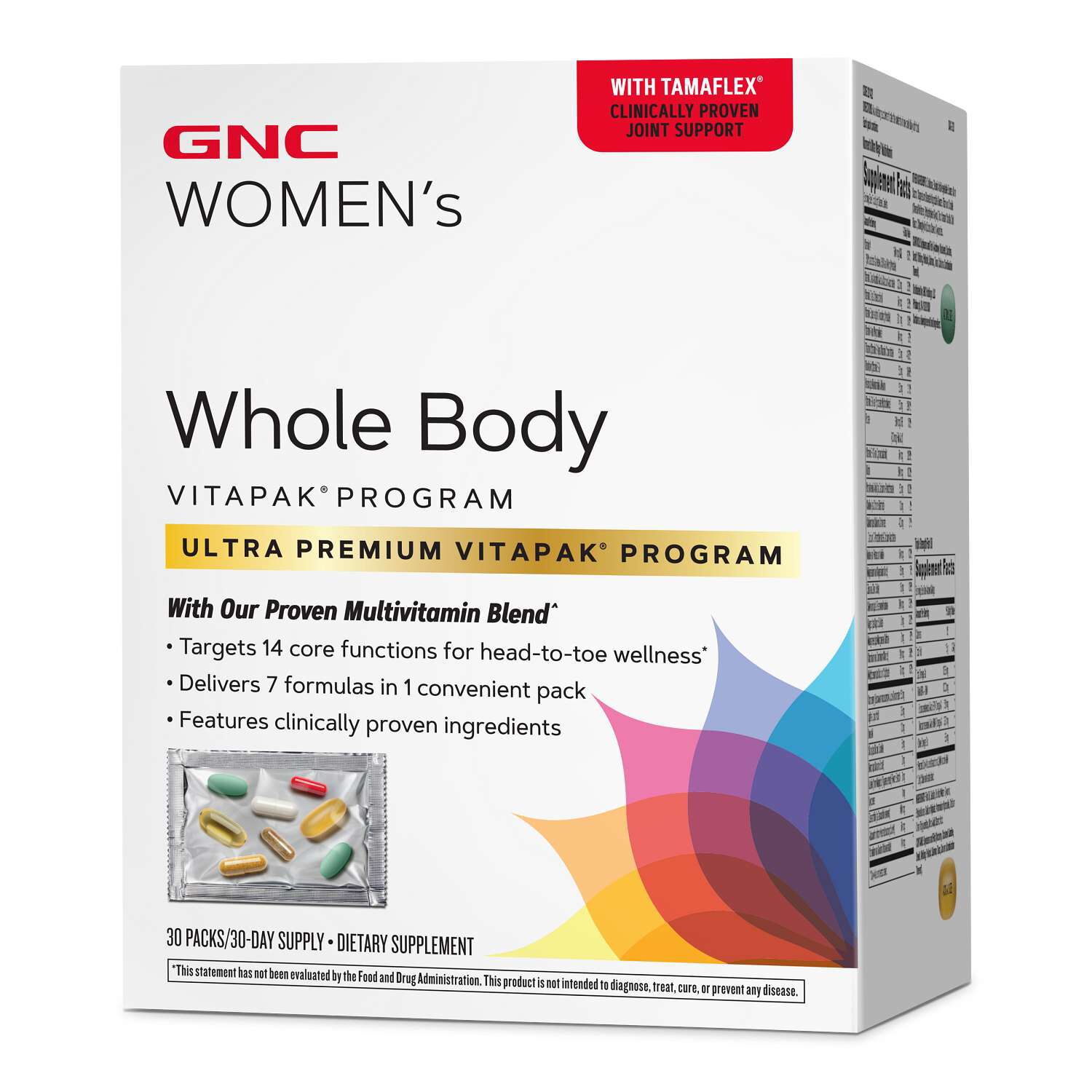
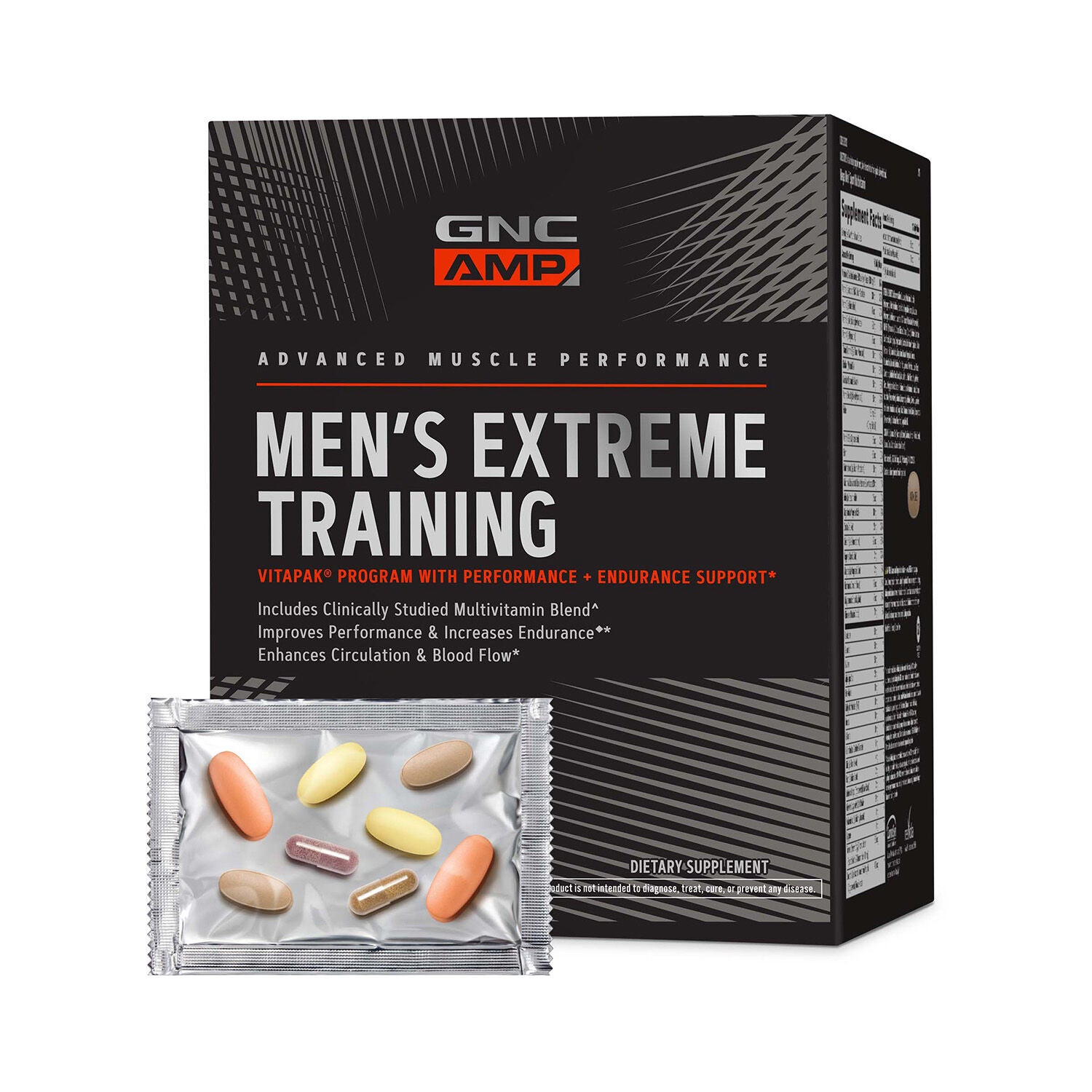
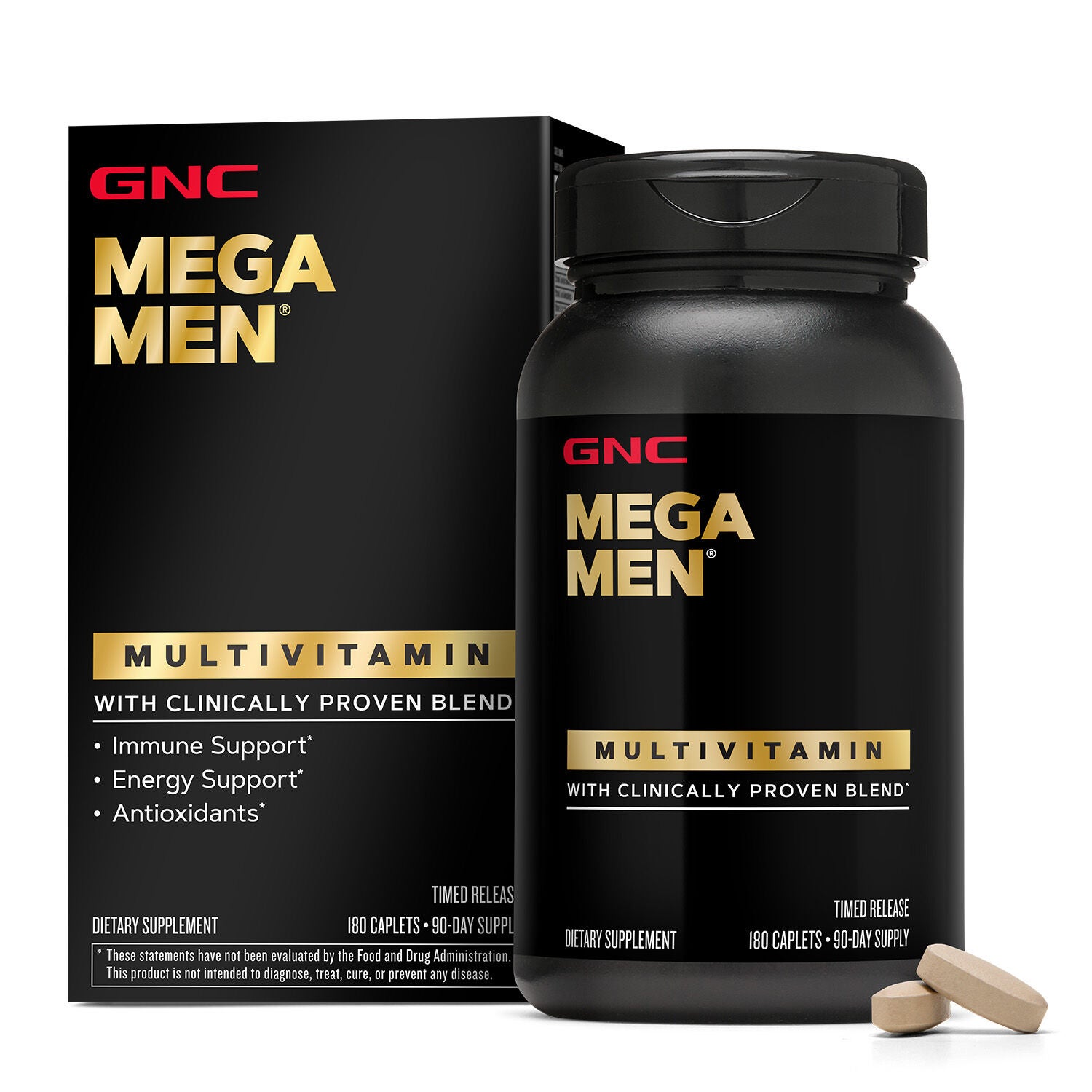
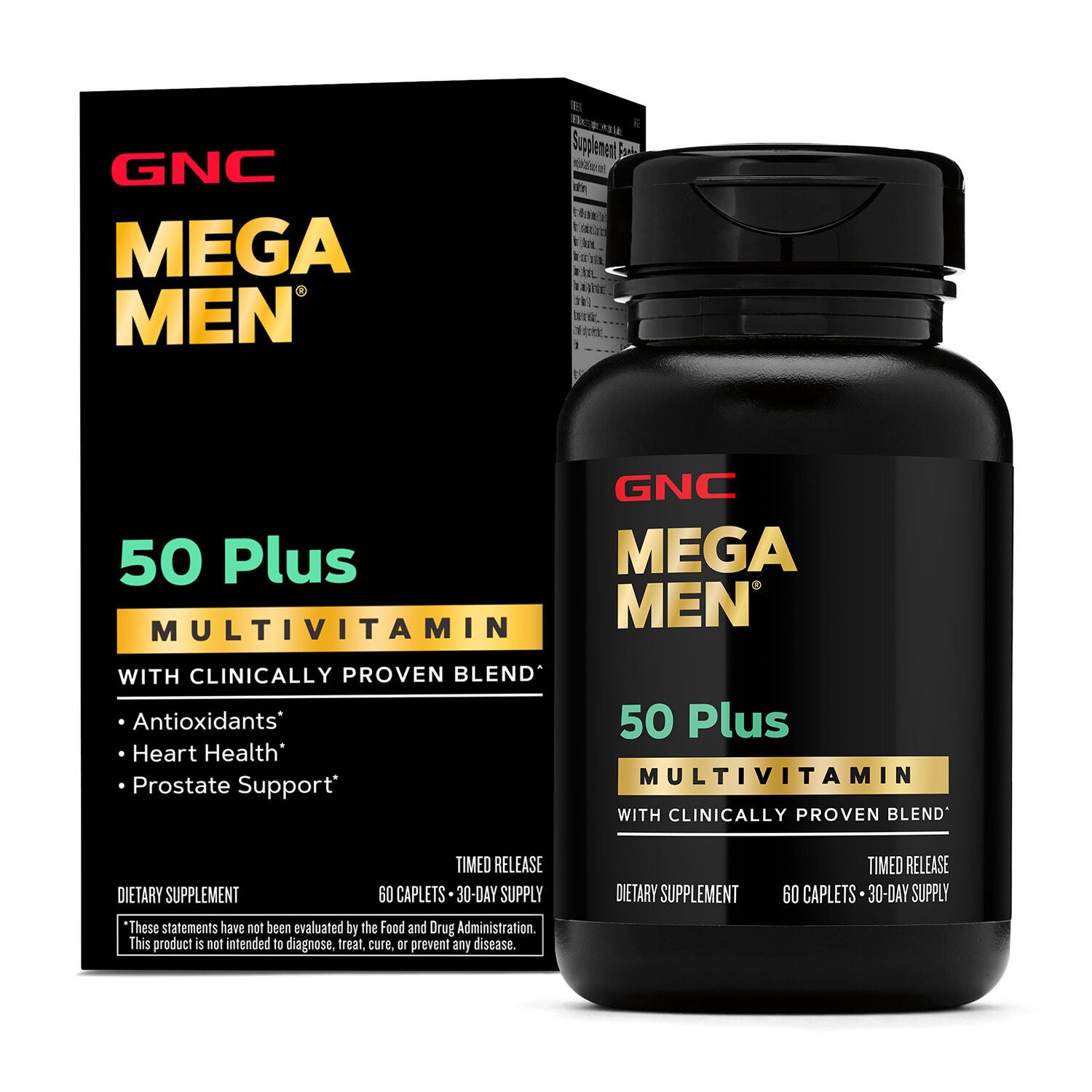
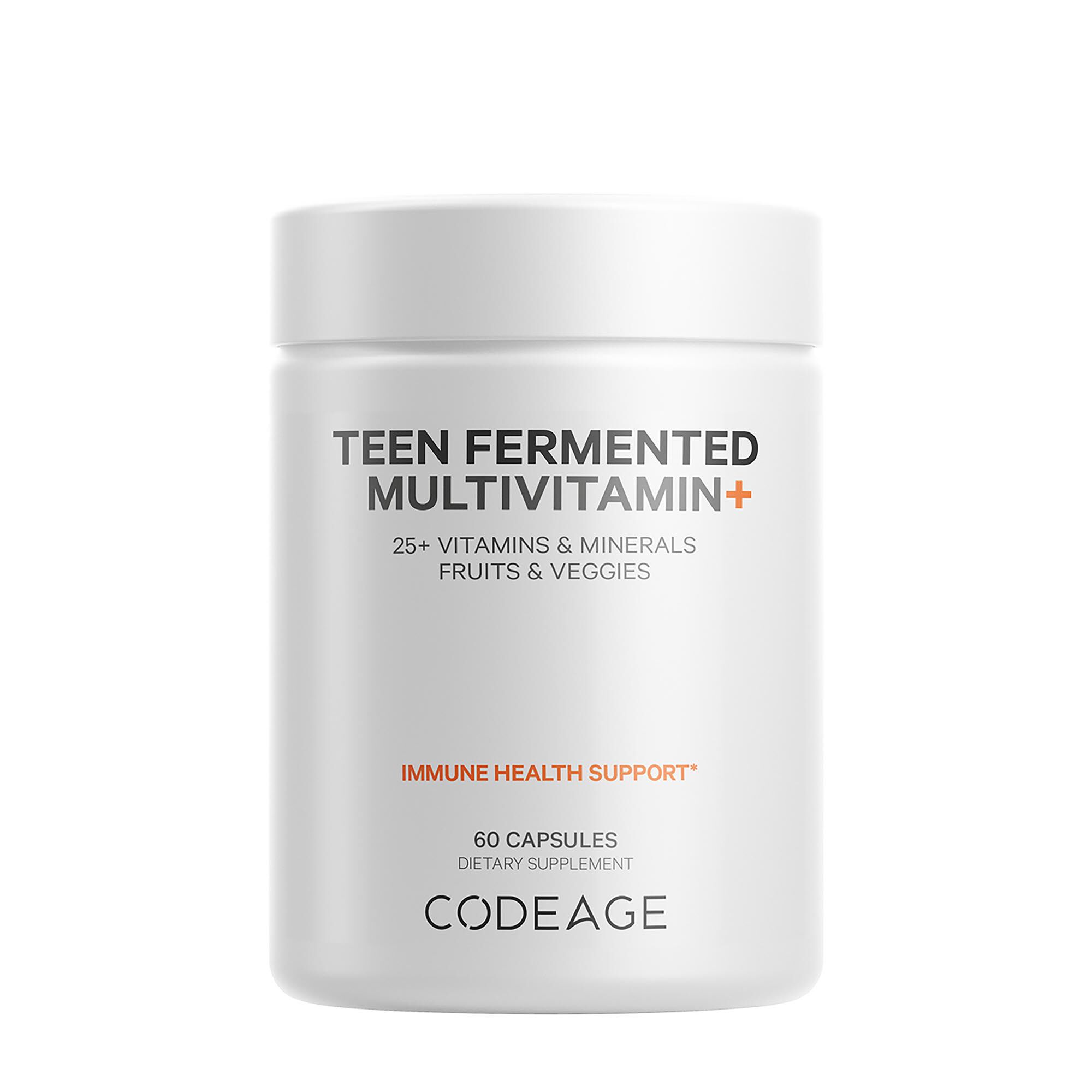
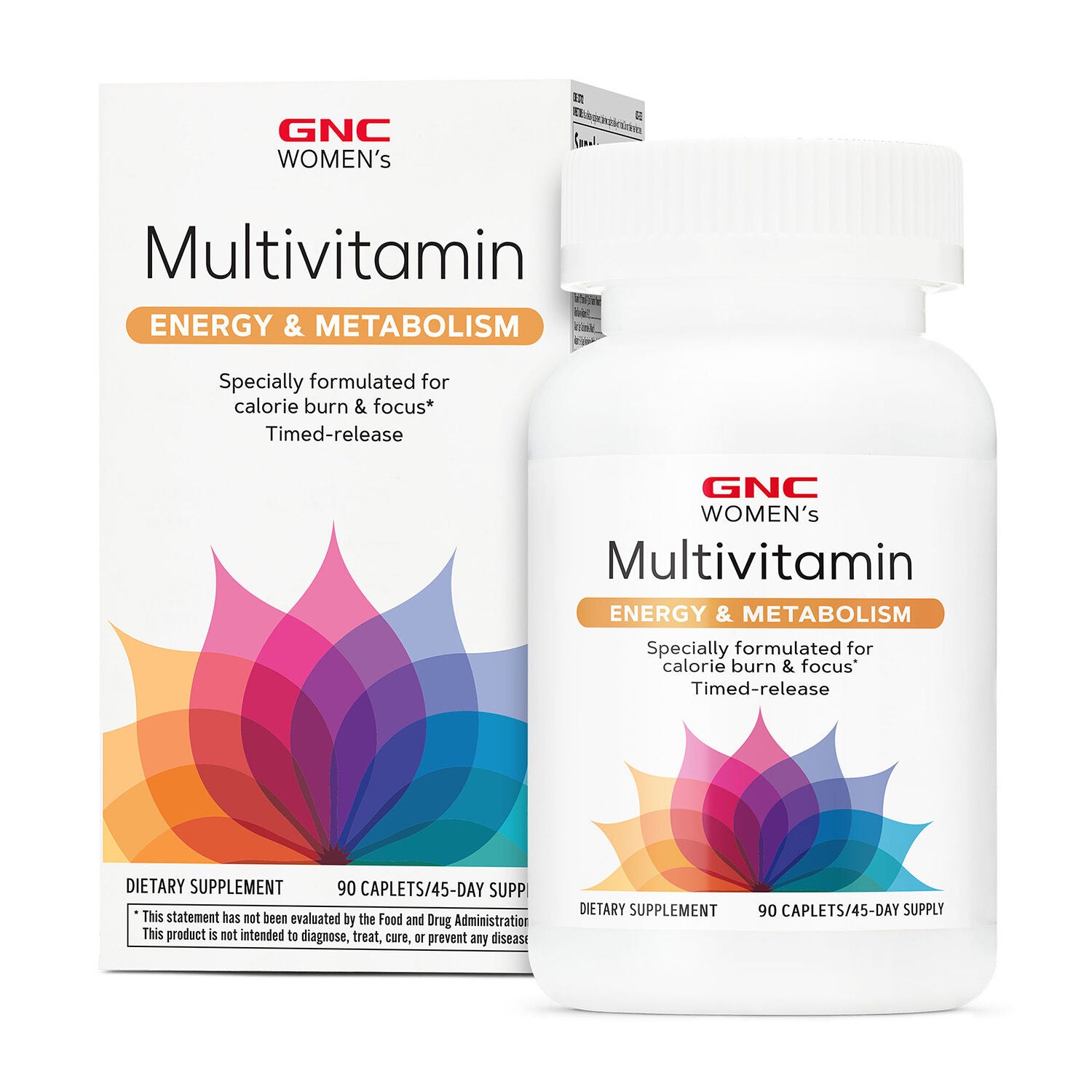
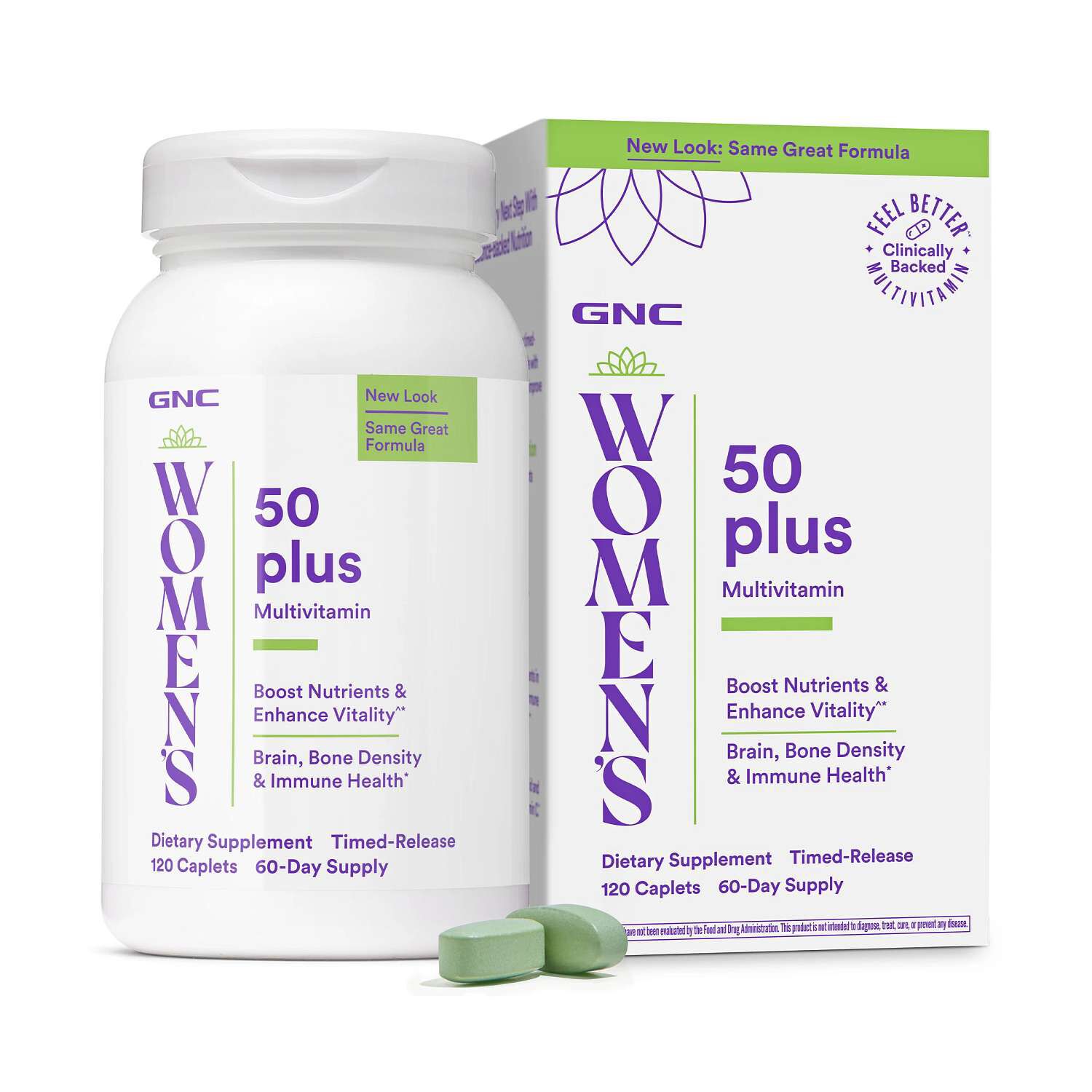
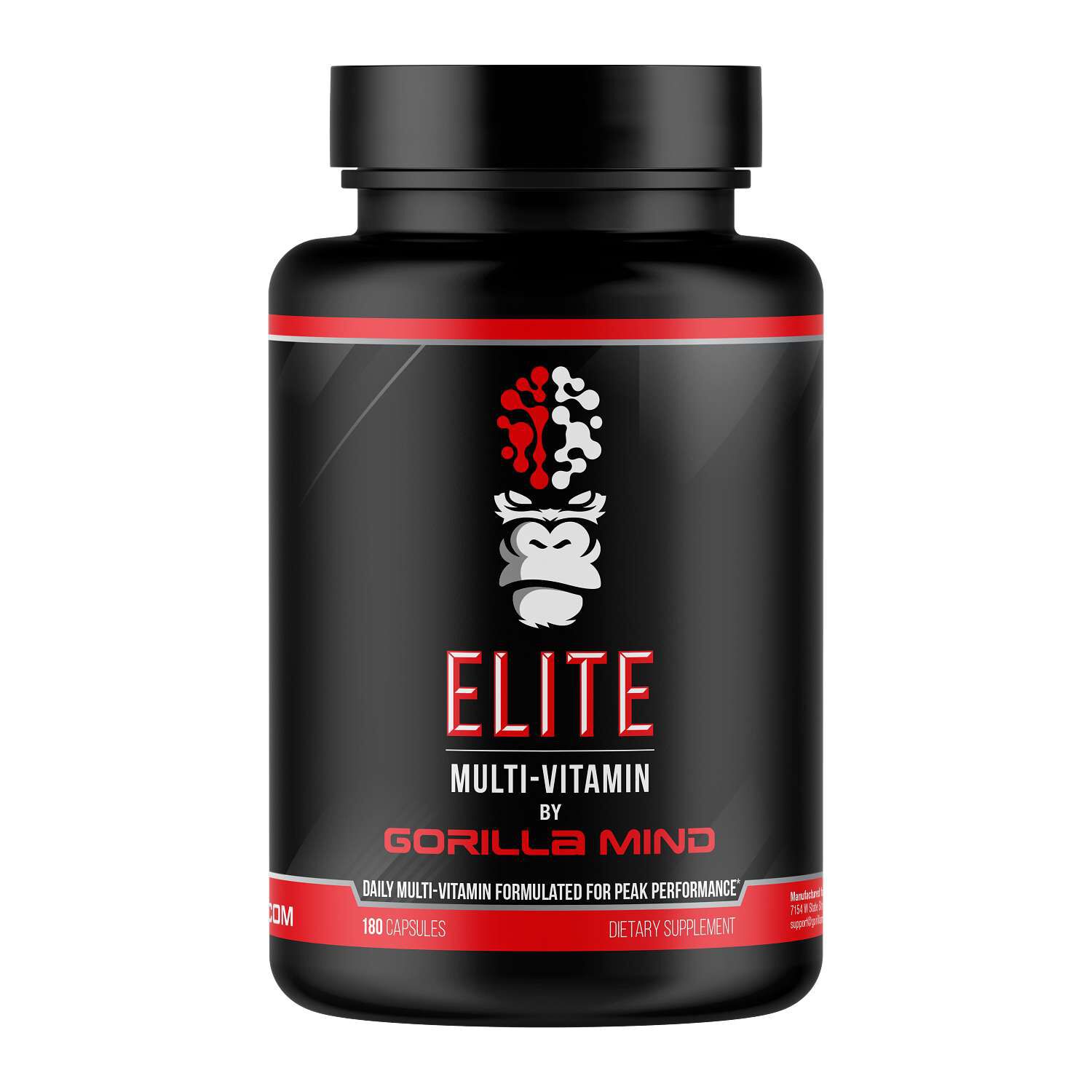
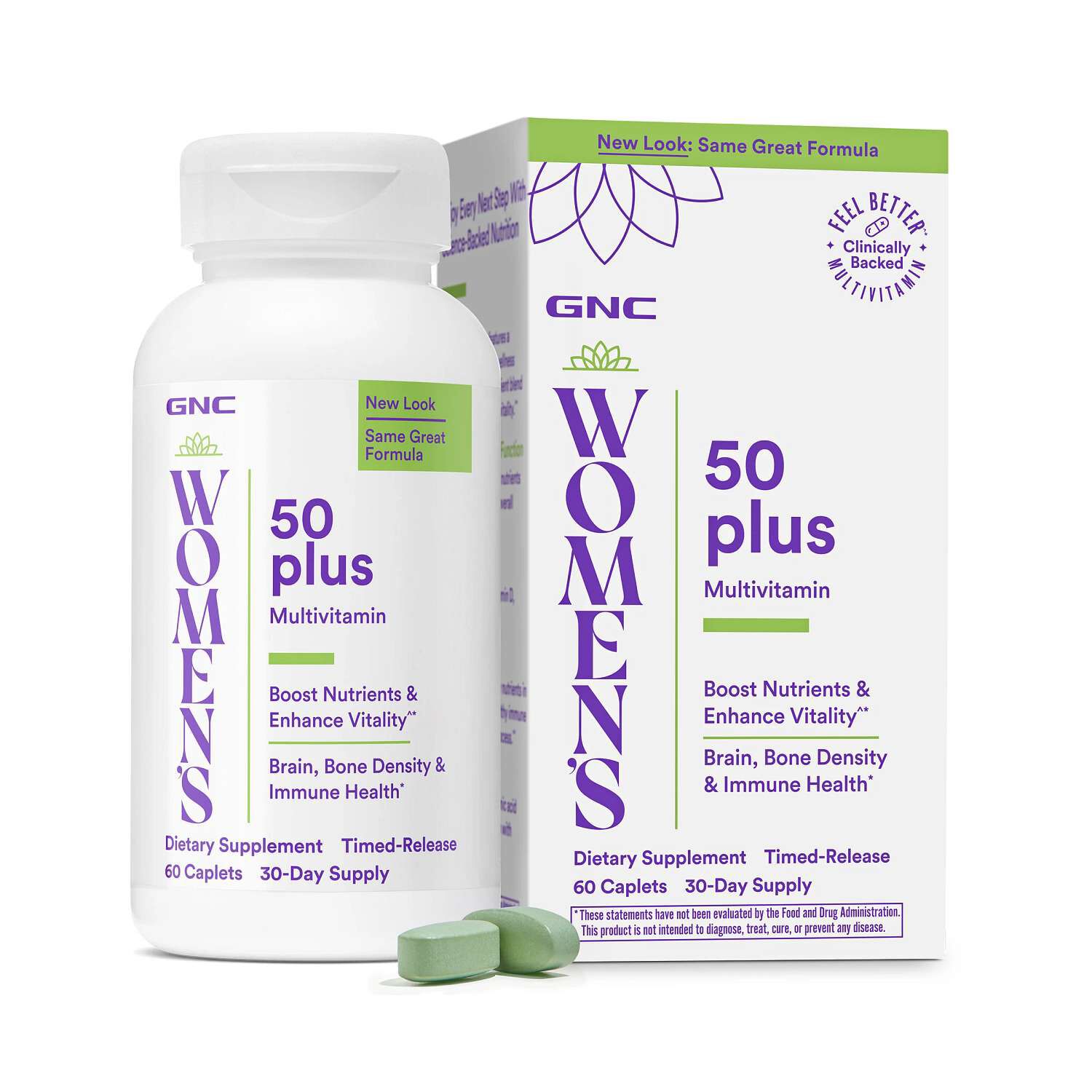
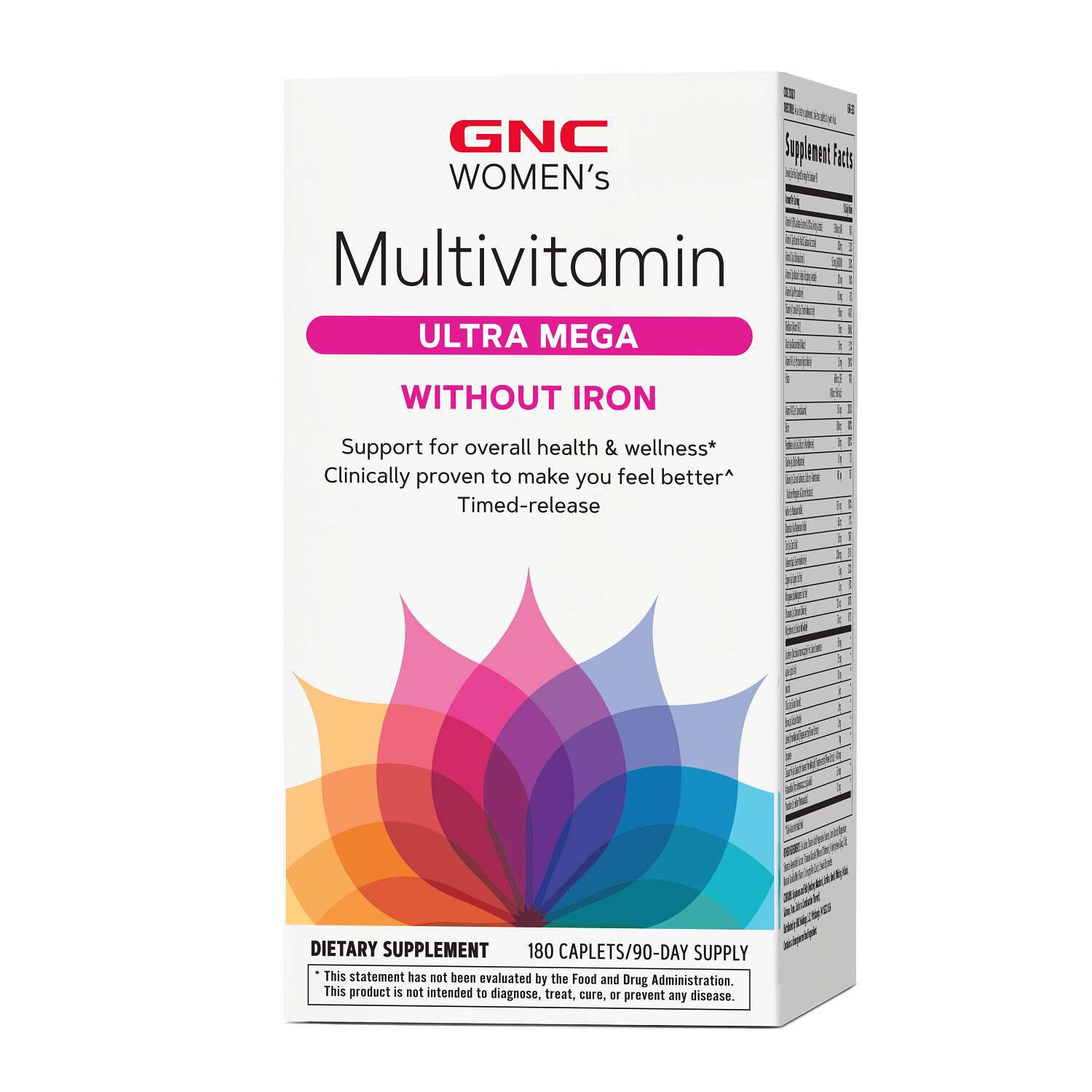
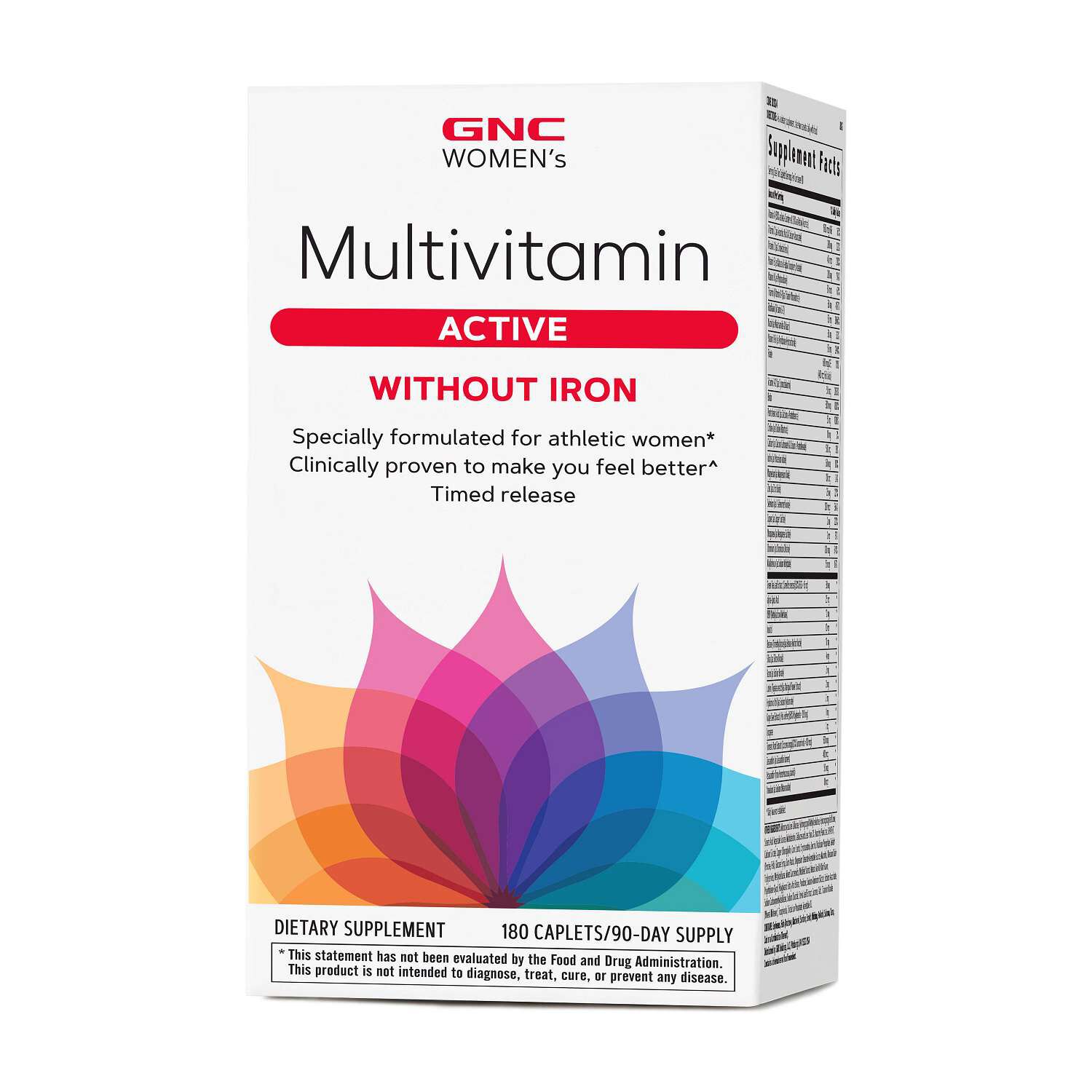
Format, packaging, and storage are the practical details that shape how a supplement fits into everyday life. Tablets, caplets, and capsules have different physical characteristics, including shape, dimensions, coatings, and shell materials. A photograph can show the general appearance, but package information is a better source for any stated dimensions or serving requirements. Capsule shells may contain gelatin or plant-derived materials, while tablets may include binding ingredients or coatings; the other-ingredients list is where those details appear. That section also matters for shoppers with dietary preferences, since the vitamins and ginkgo listed in the Supplement Facts panel do not describe everything used to make the finished supplement. A liquid formulation, when being considered, has its own practical features, such as a measured serving and any directions concerning shaking or storage after opening. Across formats, the labeled serving instructions establish whether a routine involves one unit, several units, or a measured amount. Someone packing a work bag each morning may value clear serving information and a container that closes securely, while someone keeping supplements at home may pay closer attention to bottle dimensions and readable labeling. Care centers on the original package directions: storage conditions, closure instructions, and the printed date are relevant details, especially when a container is opened repeatedly. A kitchen shelf beside a stove, a damp bathroom cabinet, and a sunlit windowsill create different storage conditions, so the location matters as much as the container. Keeping the label with the supplement preserves access to its ingredient information and directions. When comparing multivitamins with ginkgo biloba, bottle size alone says little about how long a package will last; servings per container is the more useful measure. Clear labeling, an appropriate format, and an understandable ingredient profile make the category easier to navigate without assuming that a longer ingredient list or a larger serving is a better match. The most informative comparison brings the nutrient panel, ginkgo description, other ingredients, intended audience, and everyday handling details together.