





Muscle Support Proteins
(0 Results)
Elevate your fitness journey with muscle support proteins, designed to complement your active lifestyle and help you reach your goals. Whether you're an athlete, a fitness enthusiast, or just starting out, these proteins could provide the nutritional foundation needed to support muscle recovery and growth. Explore a variety of options that might suit your dietary preferences and workout routines, offering a delicious and convenient way to nourish your body. Embrace the potential benefits of incorporating muscle support proteins into your daily regimen and see how they might help you achieve peak performance.
-
-
-

-
-
-

-
-

-

-
-
-
-
-

-
-

-

-

-
.jpg?sw=305&sh=305&sm=fit "100% Casein - Vanilla Cream (25 Servings) | GNC")
-
-
 $69.99
-
-

-
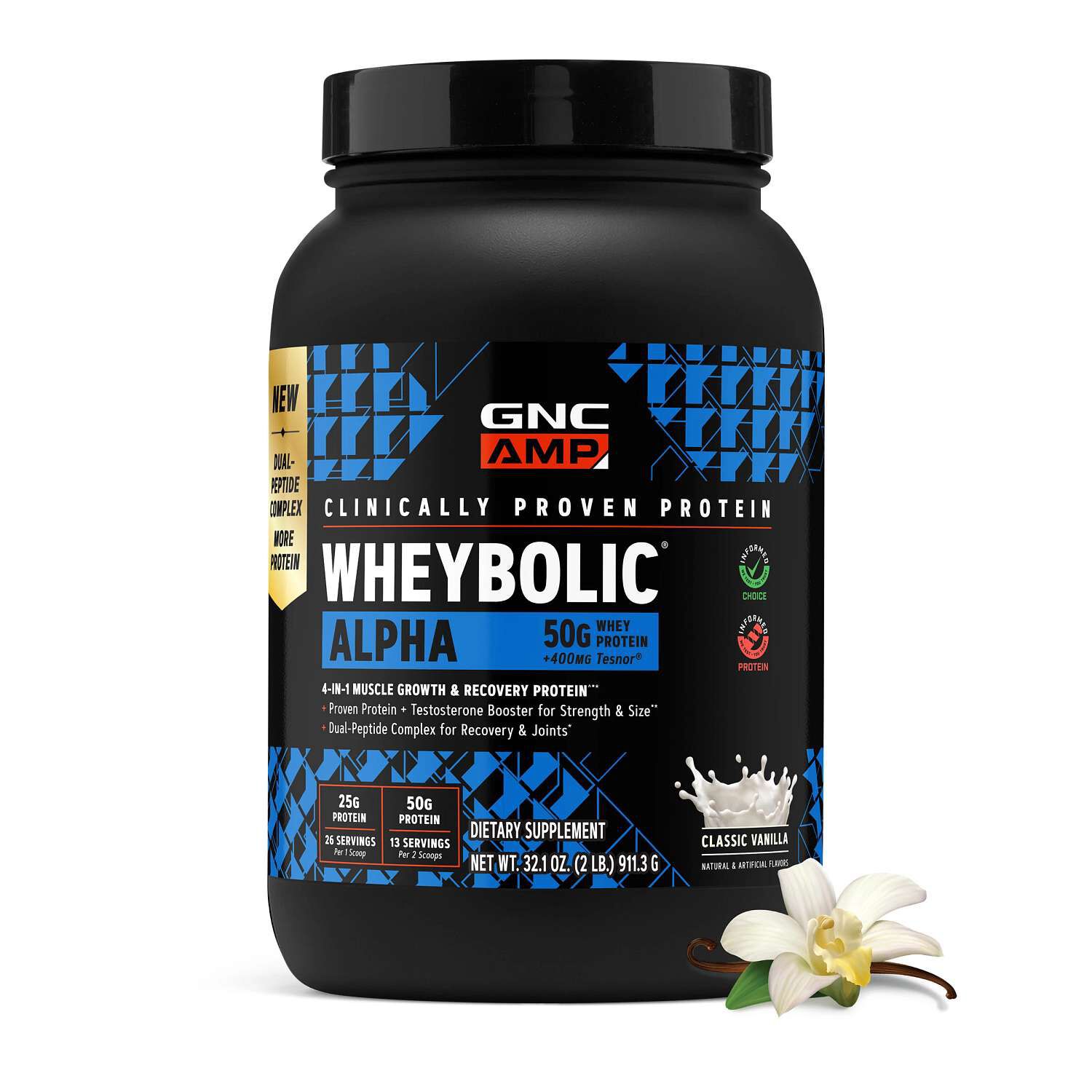
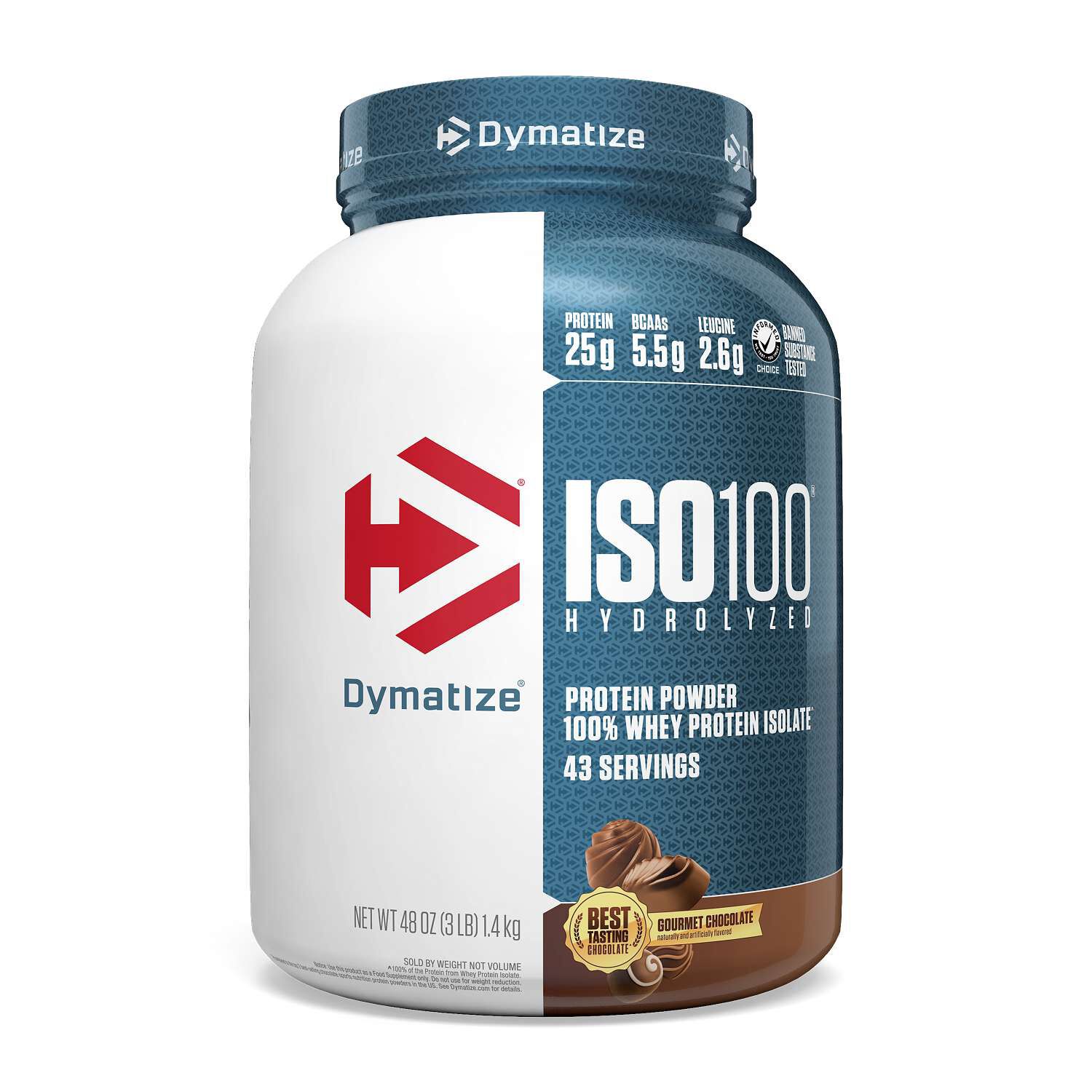
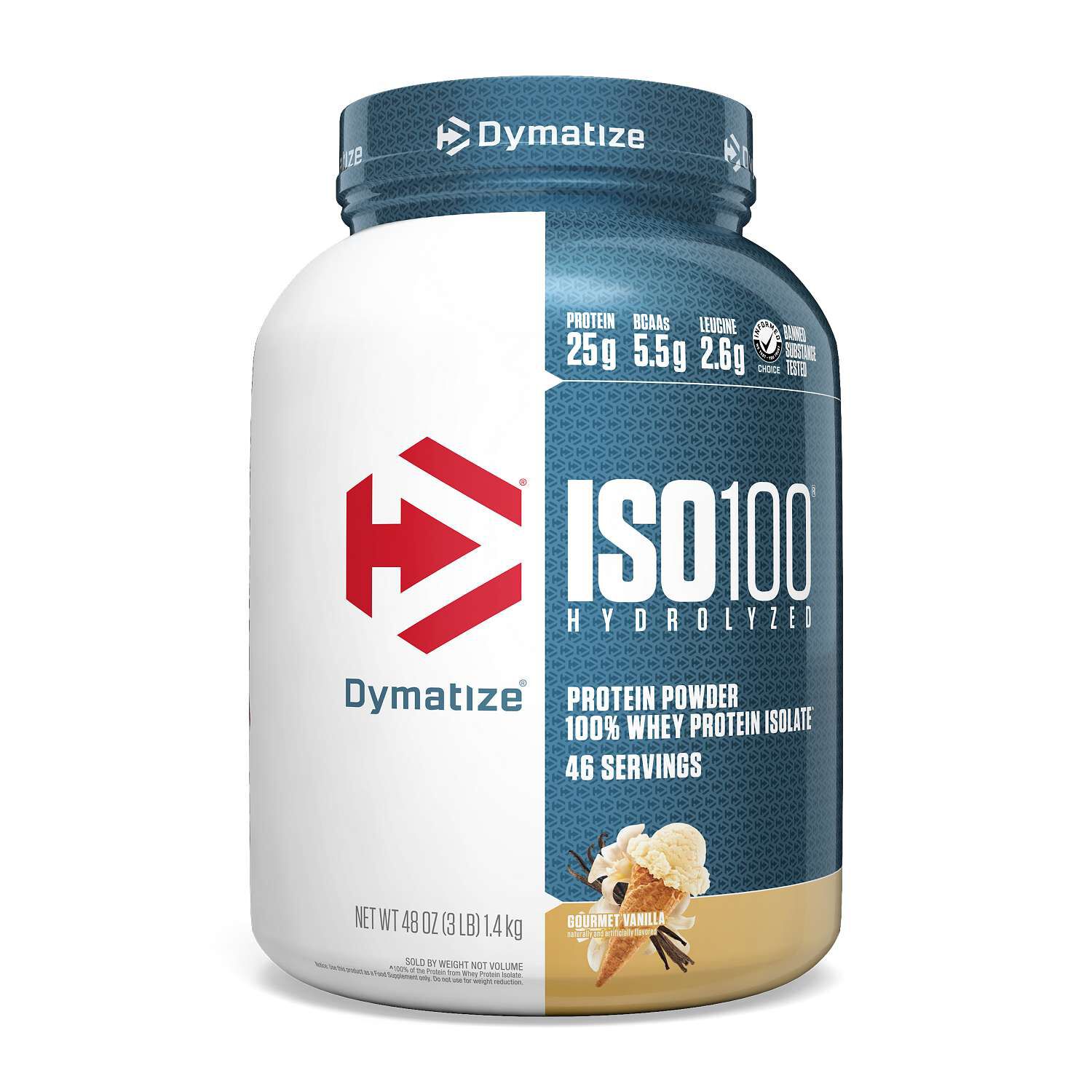
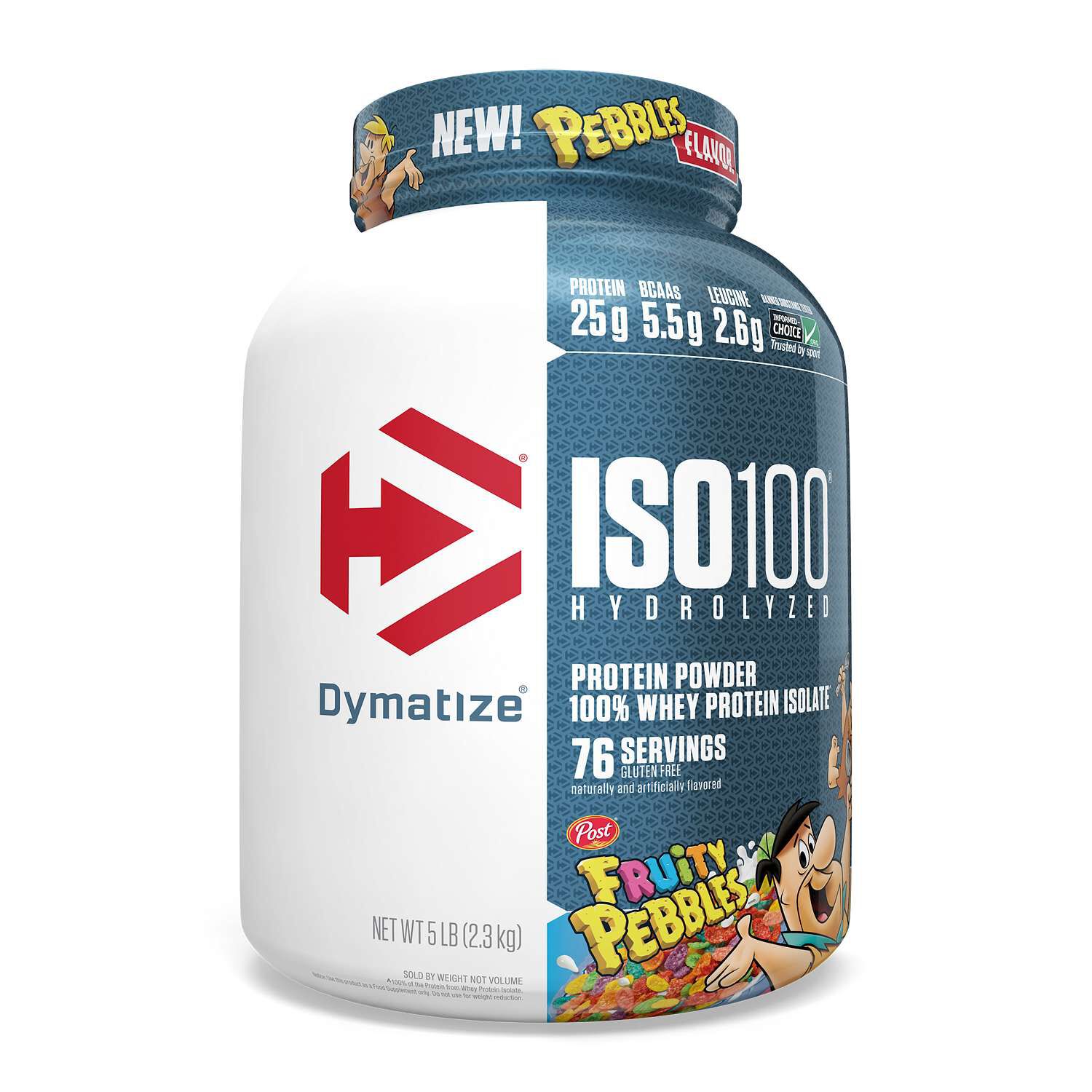
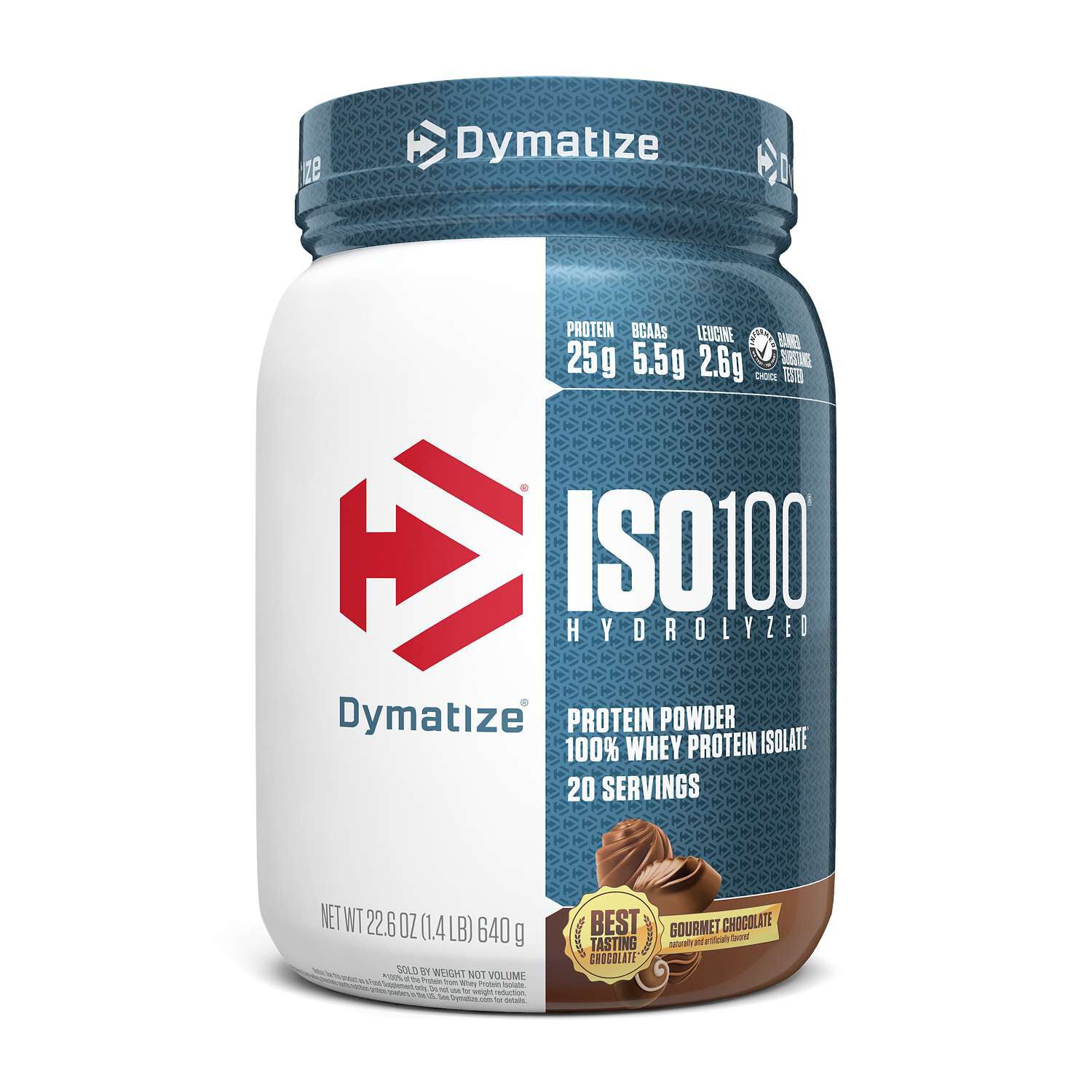
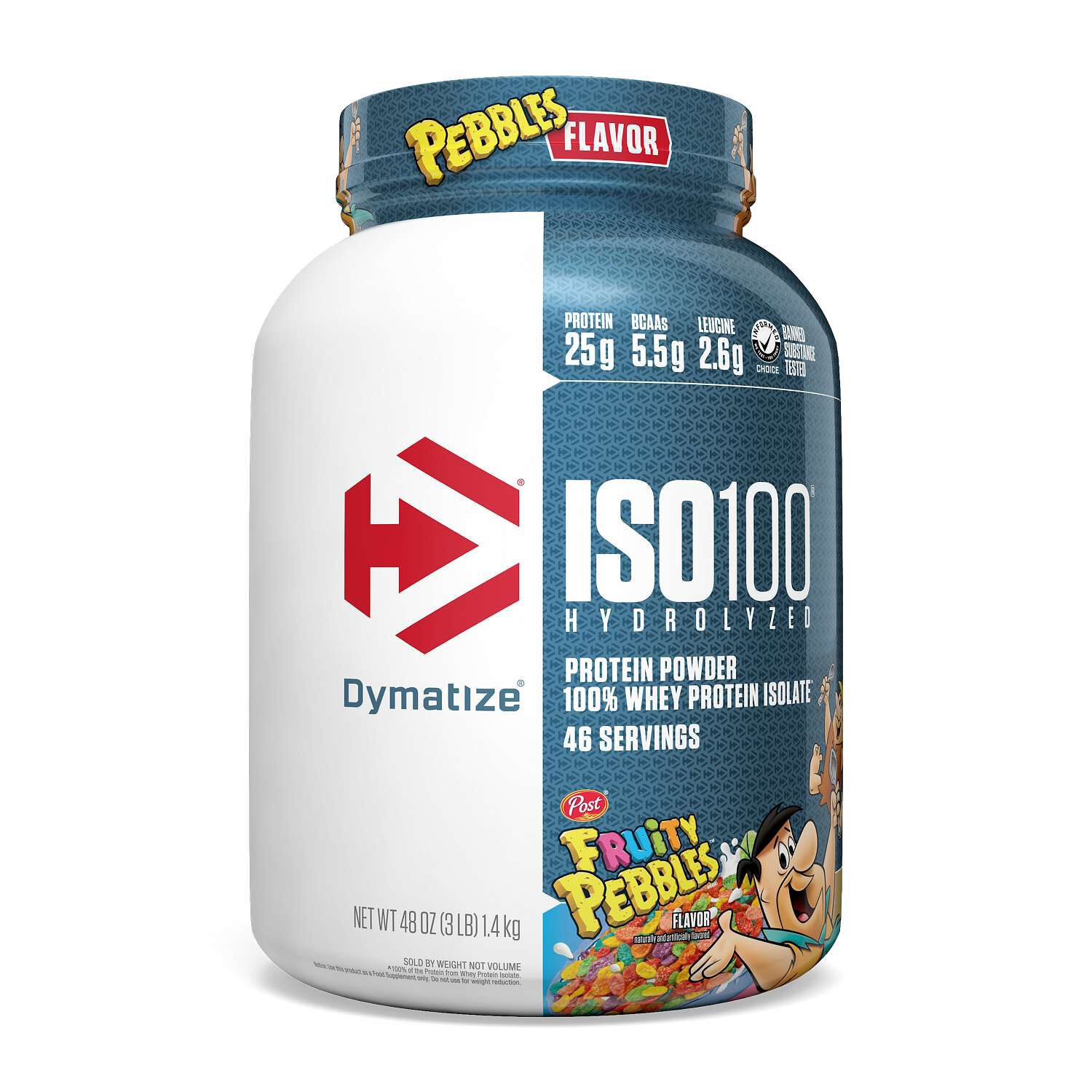
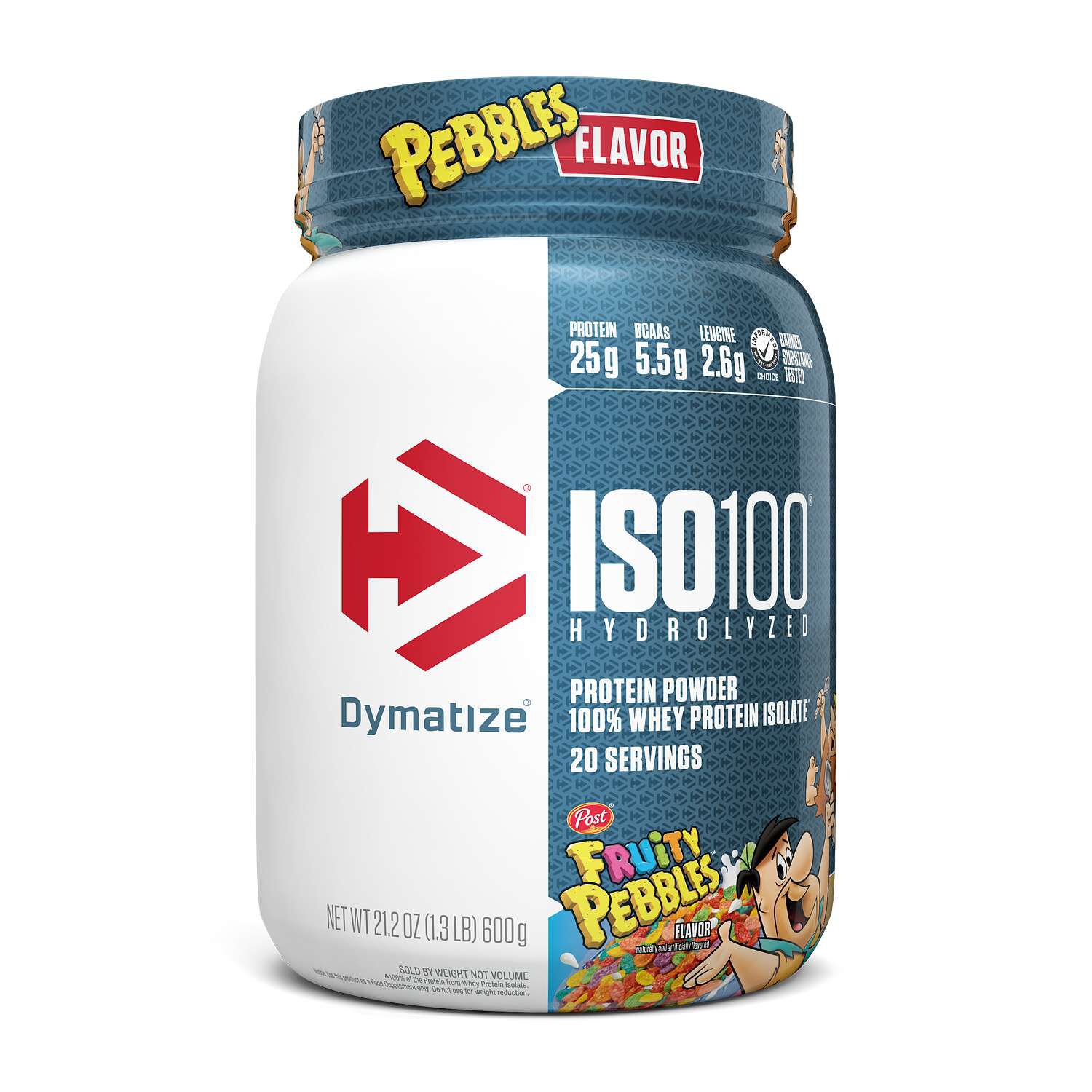
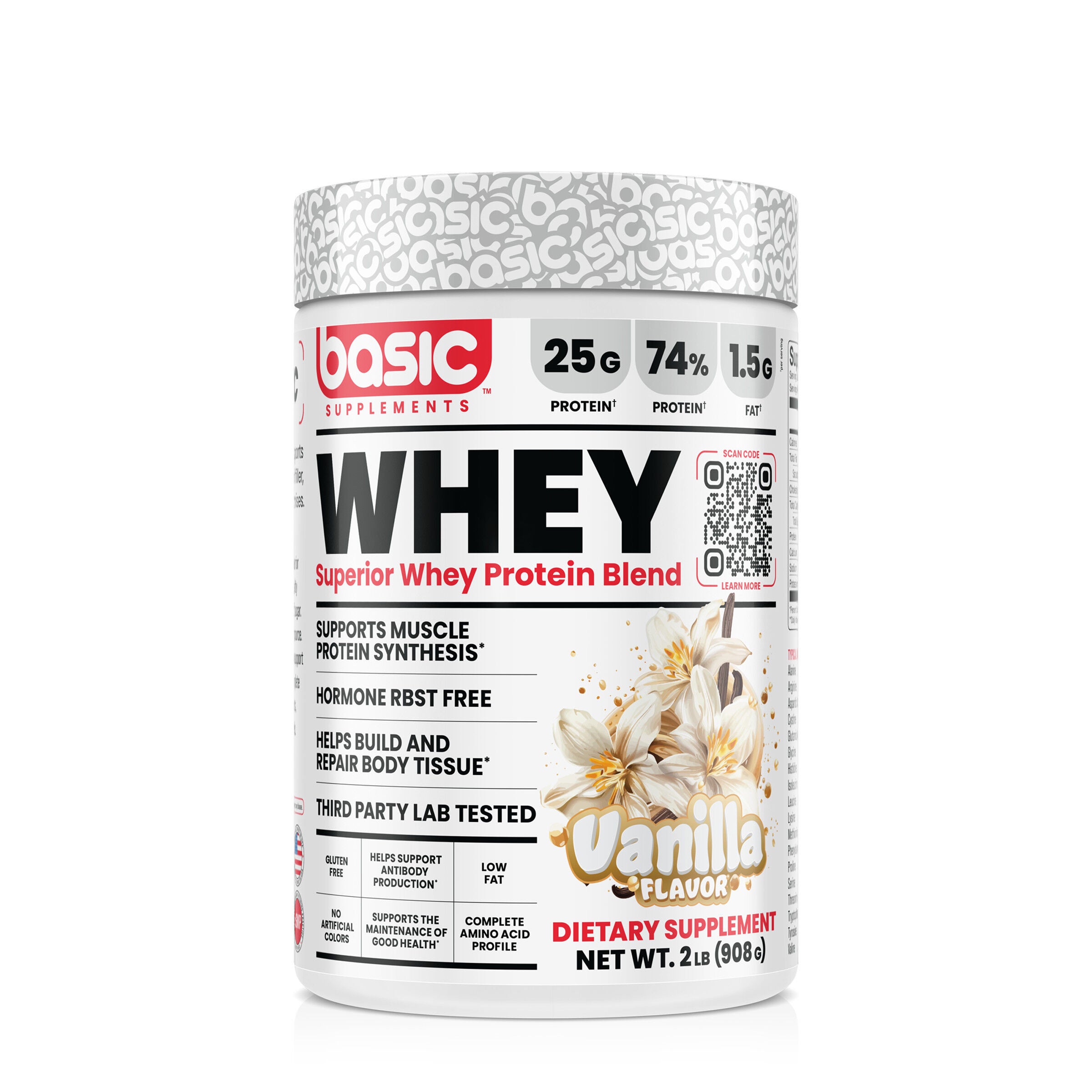
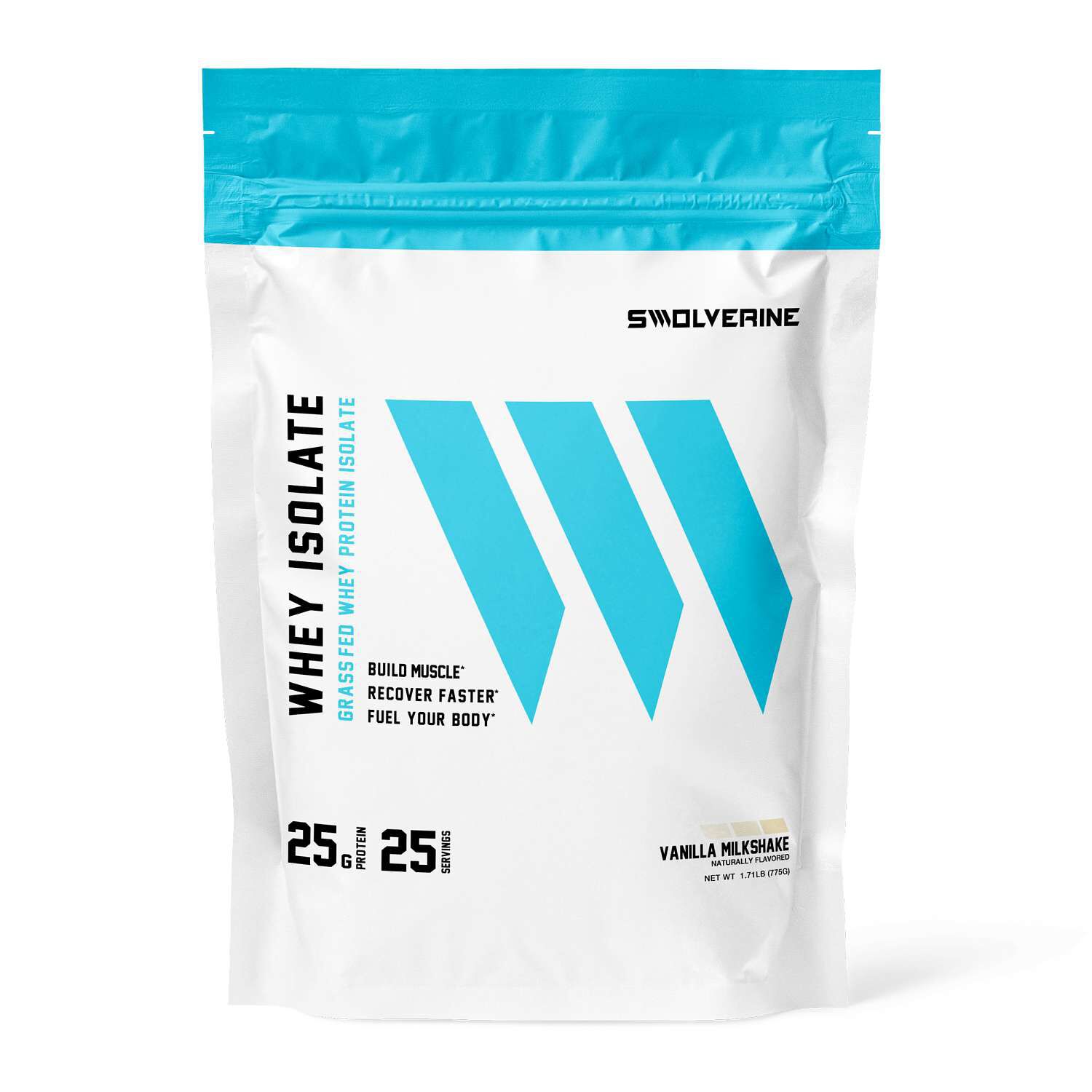
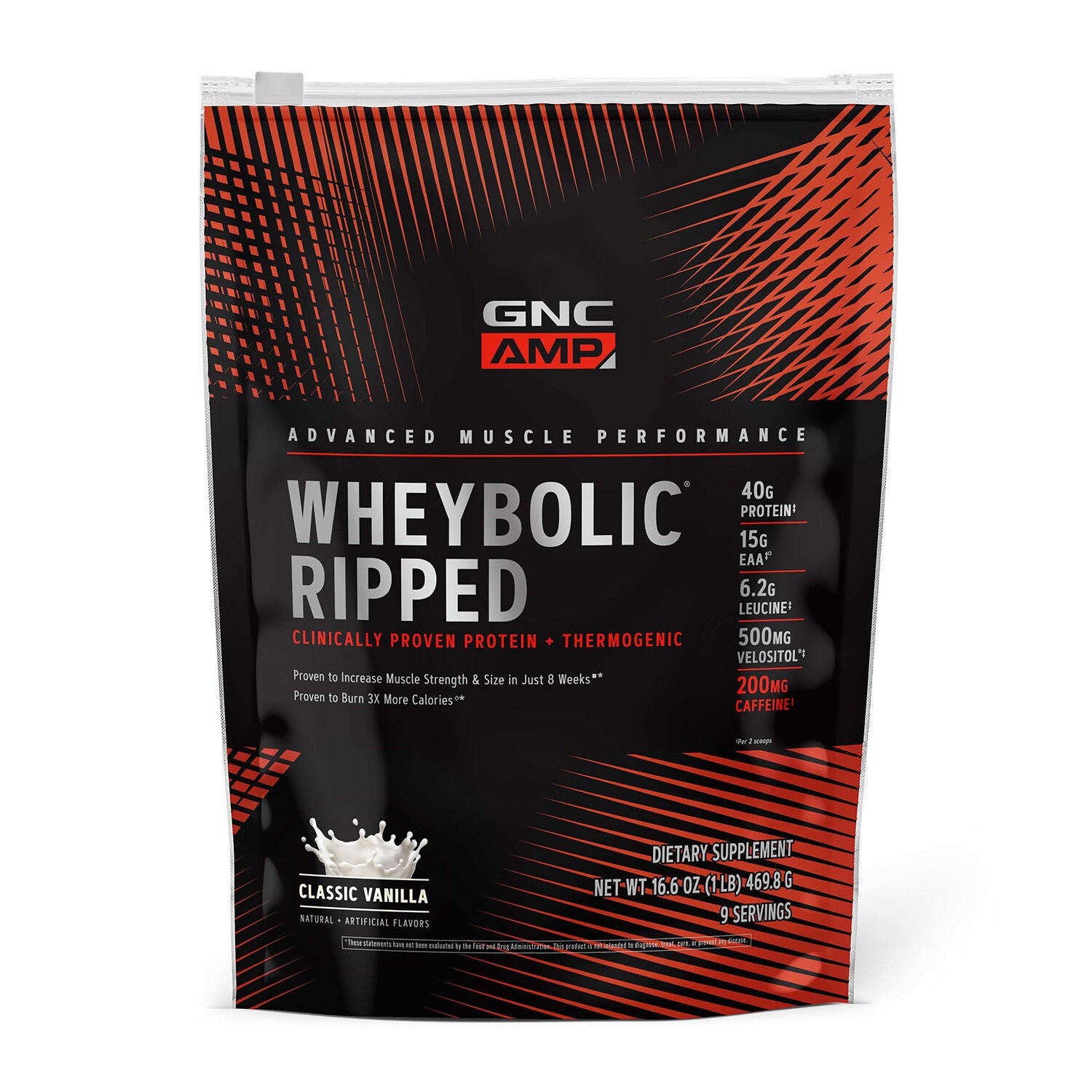
Muscle support proteins are protein powders, shakes, and other protein-focused foods intended to complement meals and an active routine. They may support muscle maintenance and recovery after exercise when paired with resistance training, adequate food intake, and rest. Protein consists of amino acids, which are building blocks of muscle tissue and other proteins in the body. Different protein sources have different amino acid profiles, making the source worth considering alongside flavor, texture, and serving size. Whey and casein come from milk, while plant-based options include soy, pea, rice, and blends of several sources. Whey is a common choice for a shake after a lifting session; casein often appears in thicker shakes and spoonable preparations. Whey may be digested more quickly than casein, although the full recipe and the foods eaten alongside it can influence the experience. Plant-based blends combine sources with different amino acid profiles and suit shoppers who prefer ingredients that do not come from animals. Leucine, an amino acid found in both animal and plant proteins, is another detail sometimes listed on packaging. Its amount varies by source and formulation, so equal grams of protein do not necessarily mean identical amino acid profiles. Still, a protein powder is only one part of a broader eating pattern. Eggs, fish, poultry, beans, lentils, dairy foods, and soy foods can all contribute protein through everyday meals. A shake may be a practical addition for someone who leaves the gym and heads straight to work, while a powder mixed into oatmeal may suit a person who prefers a sit-down breakfast. Recreational lifters, athletes, and adults with active schedules may choose these formats for different reasons, from portability to a preference for a particular protein source. The most useful comparison is not simply which container lists the largest number on the front, but how its ingredients, preparation requirements, and serving information fit the way someone actually eats and trains.
When comparing muscle support proteins, the ingredient list and nutrition panel offer more detail than flavor names alone. Protein grams per serving are useful, but serving sizes differ, and one scoop is not a universal measurement. The listed serving weight provides context for comparing powders with differently sized scoops. Calories, carbohydrates, fat, sodium, and added sugars also vary across formulations, reflecting differences in ingredients and intended use. Whey concentrate generally contains more lactose and milk fat than whey isolate, while isolate undergoes additional processing to separate more of the protein from those components. An isolate still comes from milk; the word does not mean that the powder contains no milk ingredients. Hydrolyzed protein has undergone processing that splits some protein chains into smaller pieces, though that description alone does not establish a better match for every shopper. For plant-based powders, checking whether the formula uses soy, pea, rice, or a blend helps clarify both the source and the likely flavor character. Cocoa, vanilla, fruit flavorings, sweeteners, gums, and other ingredients can influence sweetness, thickness, and how a shake mixes. Some shoppers prefer a short ingredient list and a mild taste, while others want a richer shake that feels closer to a dessert. Unflavored powders may suit savory recipes or breakfasts where a strong vanilla note would be unwelcome, although unflavored does not mean tasteless. Shoppers comparing workout-oriented powder formats can also explore Sport and Performance Protein Powder with the same attention to protein source, serving information, and preparation directions. Milk and soy declarations deserve careful reading when those ingredients are unsuitable for the intended recipient. Plant-based wording alone does not answer every ingredient question, particularly for blends made with additional components. For athletes who participate in organized competition, an independent testing certification may also be a relevant purchasing consideration. The exact certification and its scope matter more than a broad statement about quality, and packaging should identify the testing program clearly enough to check its meaning.
Everyday usability often determines whether a muscle support protein becomes a regular part of a routine or stays at the back of a cupboard. Powder offers flexibility in portioning and preparation according to the label, while a prepared shake requires less equipment when leaving home. A shaker bottle suits a simple powder-and-liquid mixture, whereas a blender accommodates additions such as oats, fruit, or nut butter. Water generally leaves the powder’s own flavor more noticeable; milk or a plant-based beverage changes the texture and nutrition of the finished drink. The amount of liquid matters, too: a smaller amount produces a thicker mixture, while more liquid makes a thinner drink. Following the package directions provides a starting point before adjusting the consistency to personal preference. For a commuter packing a gym bag, carrying dry powder in a separate compartment keeps preparation flexible until there is a suitable place to mix it. At home, stirring powder into yogurt or oatmeal offers a spoonable alternative to another shake, provided the texture works with the chosen recipe. Baking requires more experimentation because protein powder does not behave exactly like flour, and a large substitution can leave muffins or pancakes dense or dry. Storage and container care deserve similar attention. A tightly closed lid, a dry scoop, and storage away from moisture help protect the powder’s condition; the package provides the appropriate storage directions and date information. Prepared drinks may have different refrigeration requirements before and after opening, so those instructions should be checked separately. A reusable shaker with a secure lid, accessible corners, and parts that separate for washing is easier to maintain between uses. Whether the routine involves a morning strength session, an evening workout, or meals packed for a long day, muscle support proteins are most practical when the taste, format, and preparation fit naturally into that routine. Thoughtful comparison keeps the focus on a protein source and eating experience that suit the person using them.
Best Sellers
-
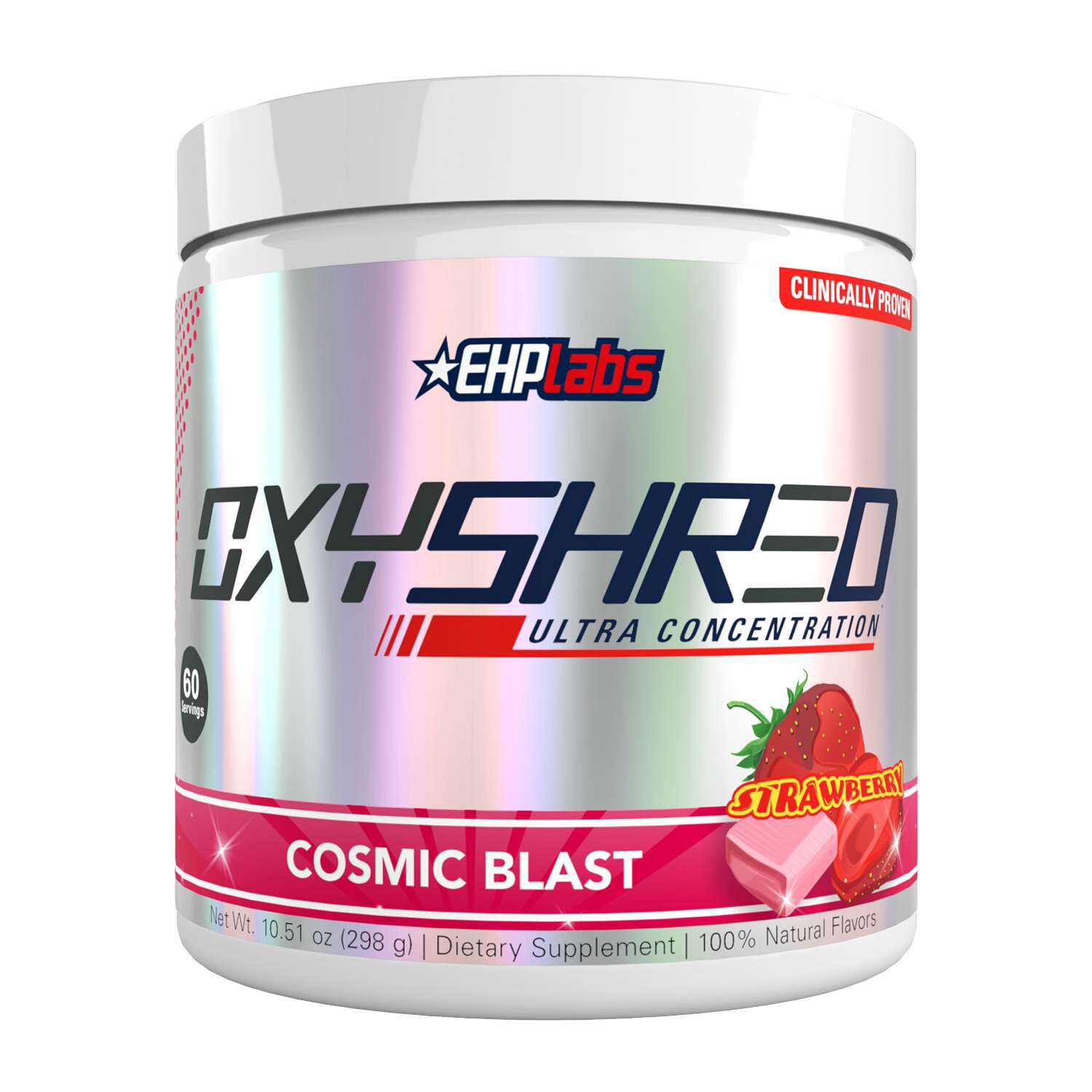 EHP Labs Oxyshred
-
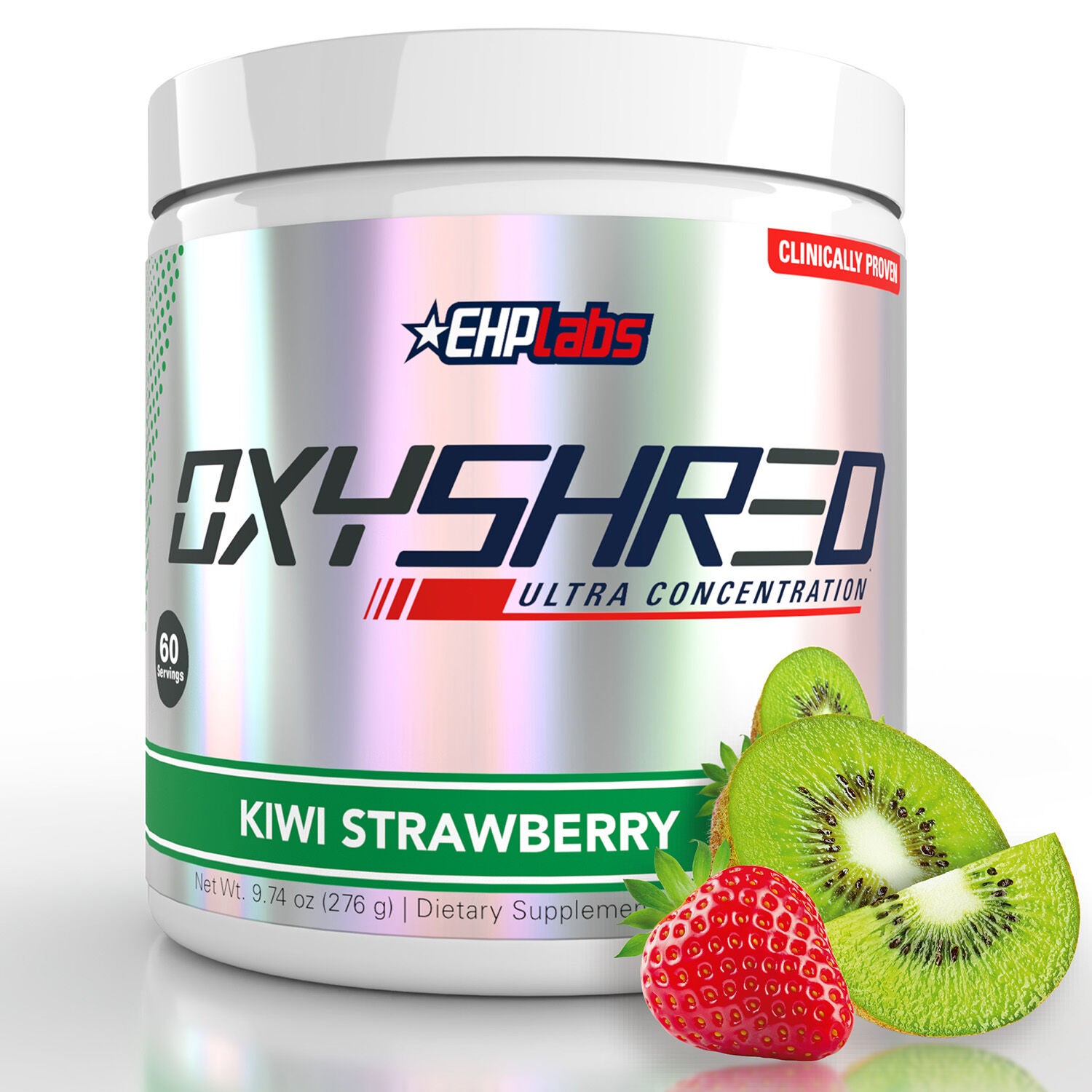 EHP Labs Oxyshred

Related Pages

Top Collections
- Chronic Fatigue Supplements
- Capsule Supplements For Energy And Stamina
- Adult Vitamins
- Supplements For Yoga Joint Flexibility
- Vitamins For Hair Loss
- Zinc Supplements For Men
- Best Brand of Magnesium Glycinate
- Burnout Support Supplements
- Daily Collagen Supplements | Top Brands & Deals | GNC
- Joint Mobility Supplement Packs