Nootropic Capsules For Busy Professionals
(0 Results)
Nootropic capsules for busy professionals offer a convenient way to support your daily routine when you’re on the go. With demanding schedules and packed calendars, finding balance can be challenging—these formulas are designed for those who want to stay at the top of their game. Explore a wide variety of nootropic capsules for busy professionals that could fit seamlessly into your lifestyle, helping you tackle whatever the day brings.
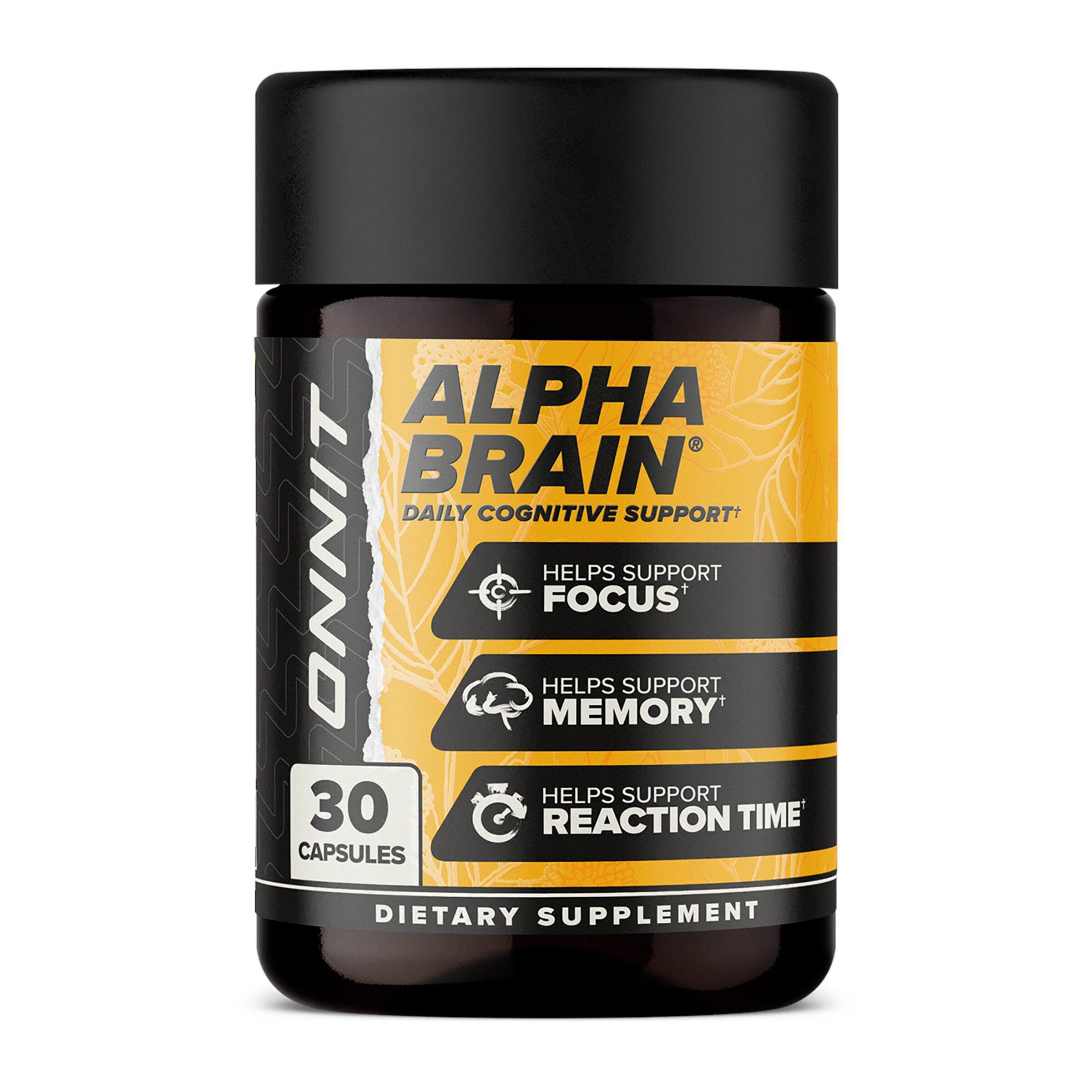
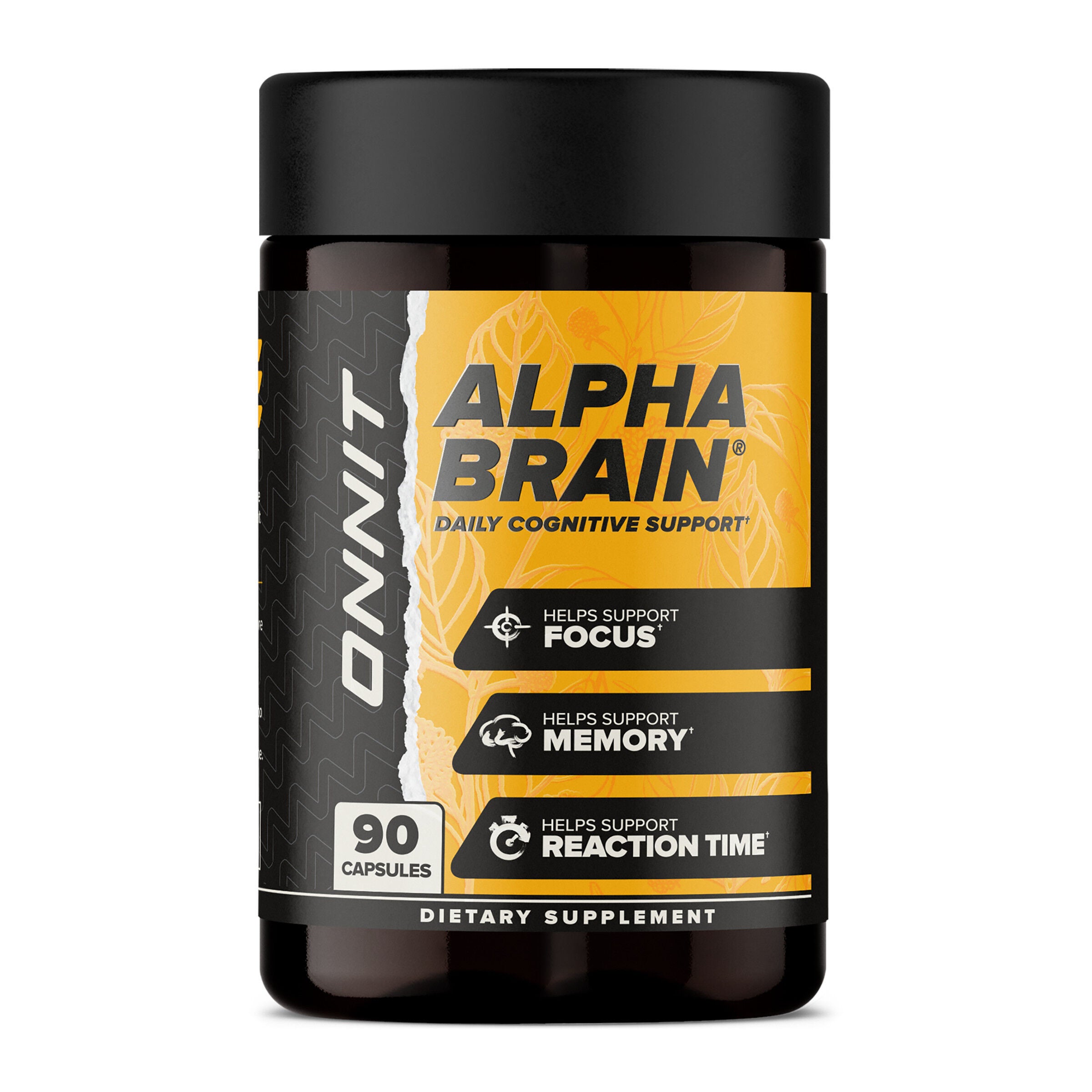
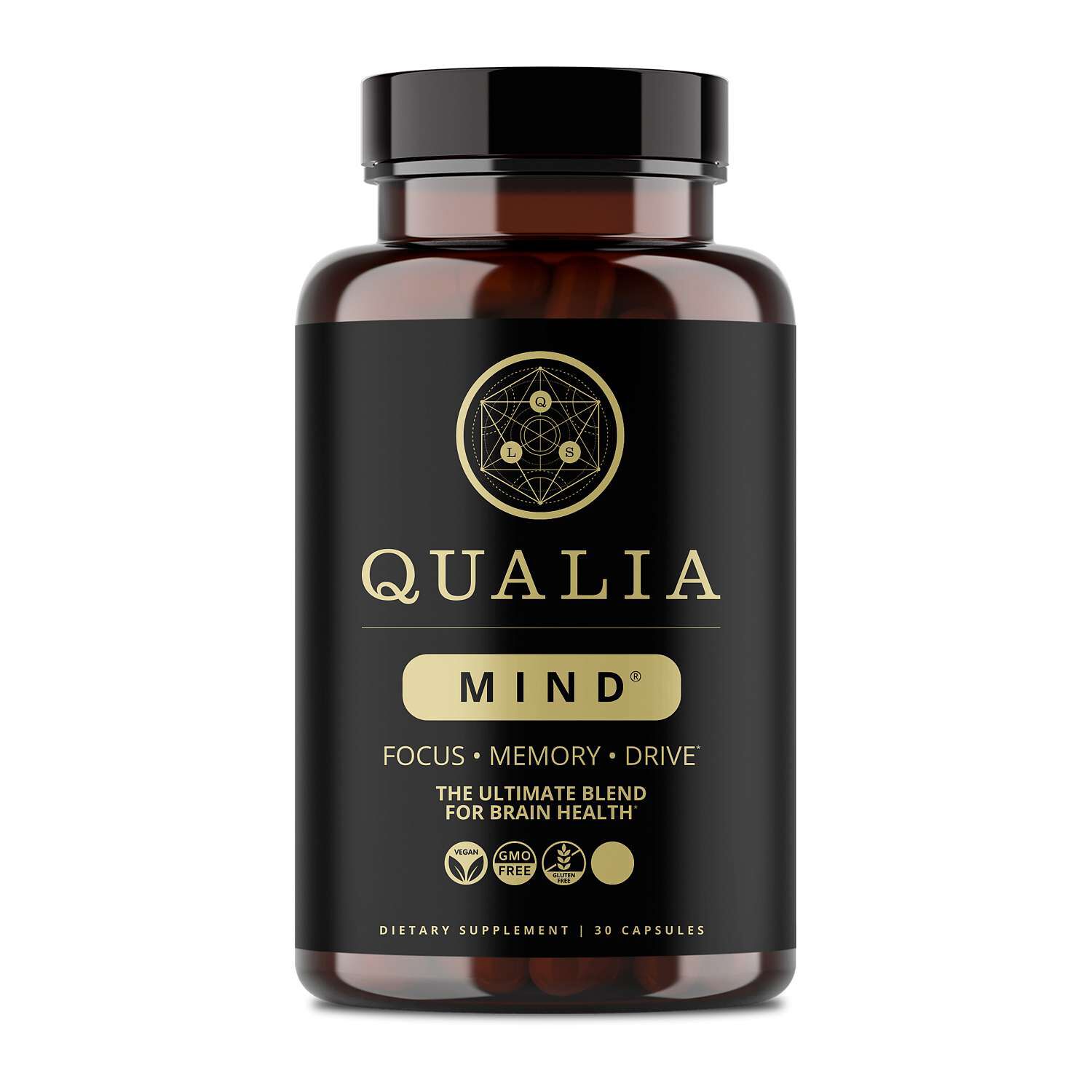
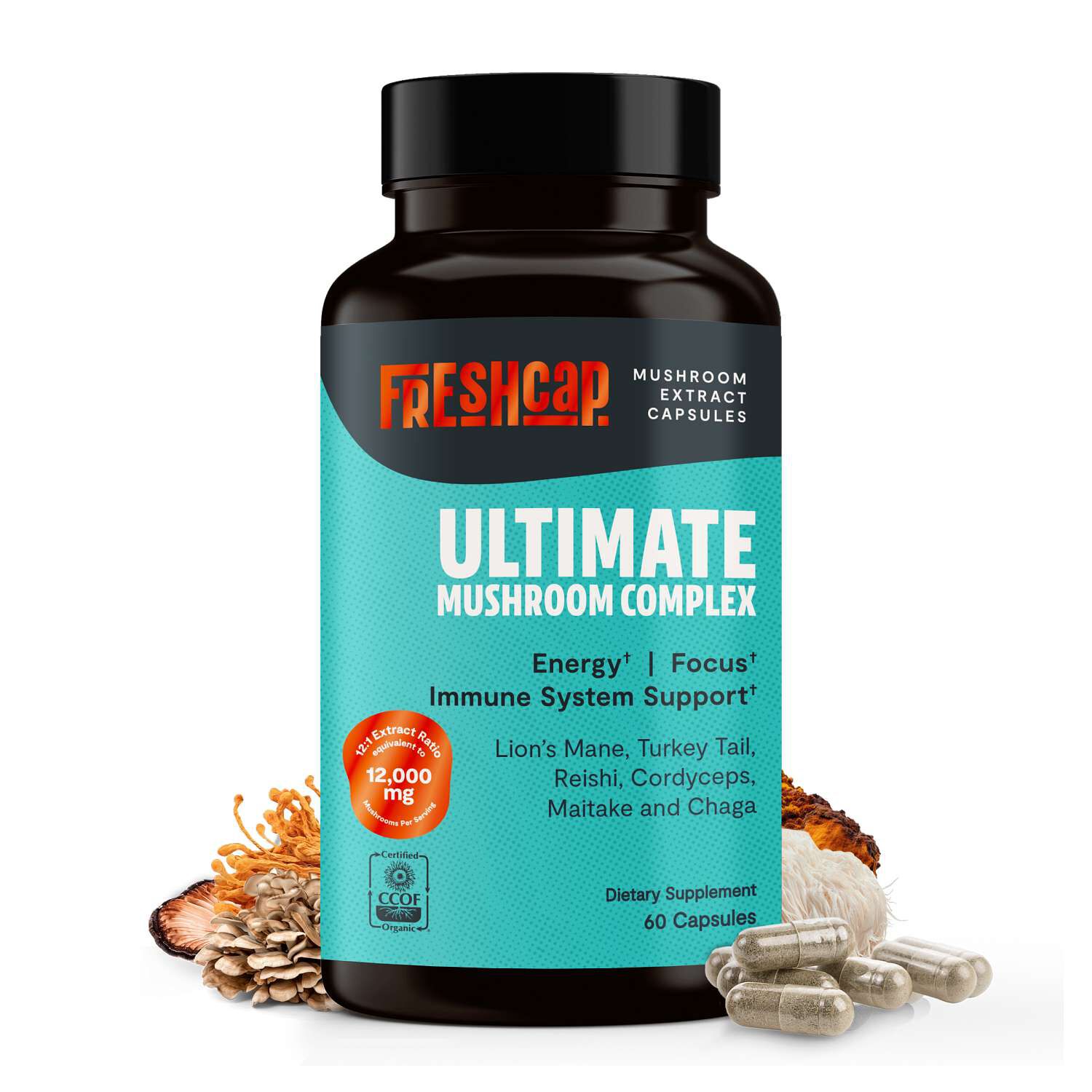
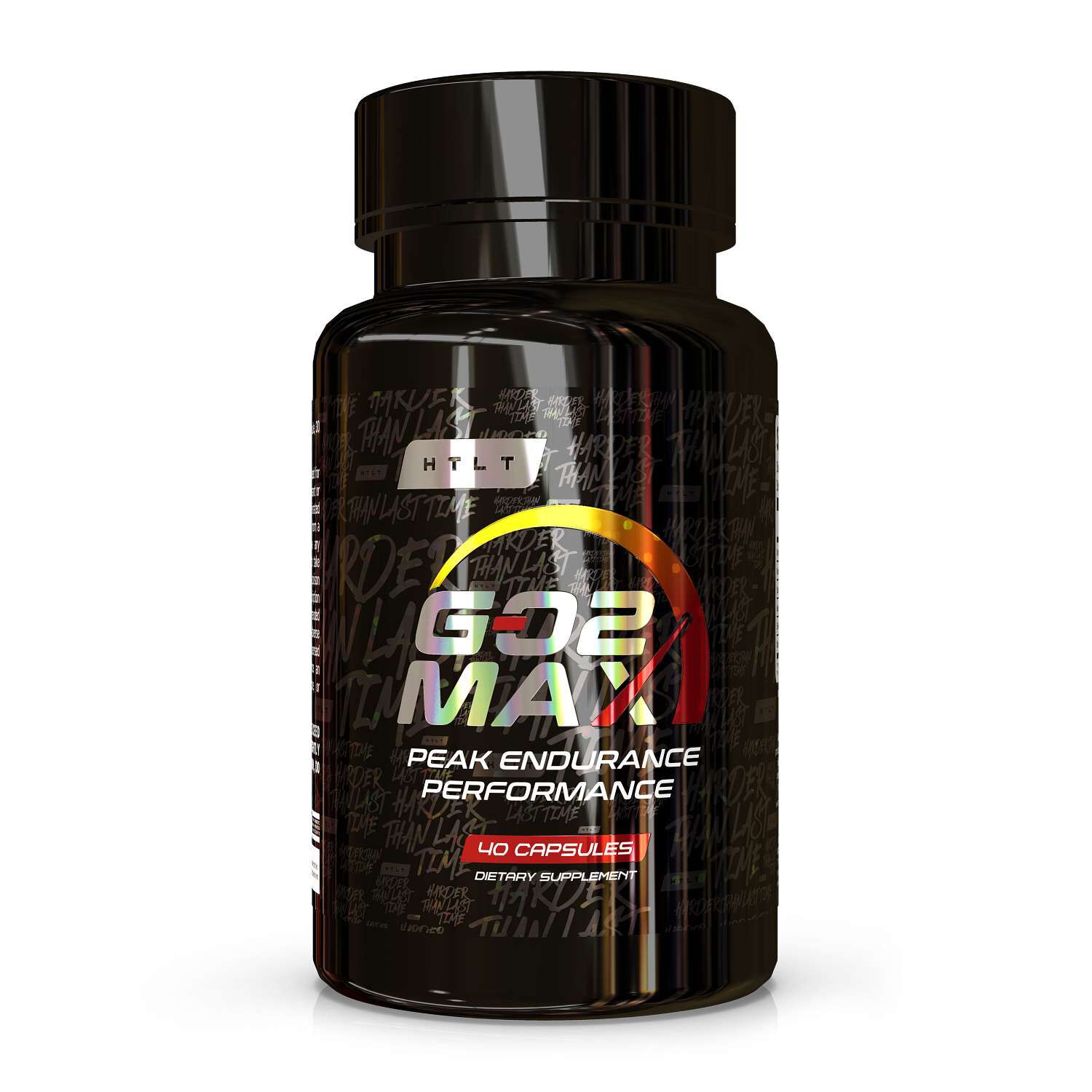

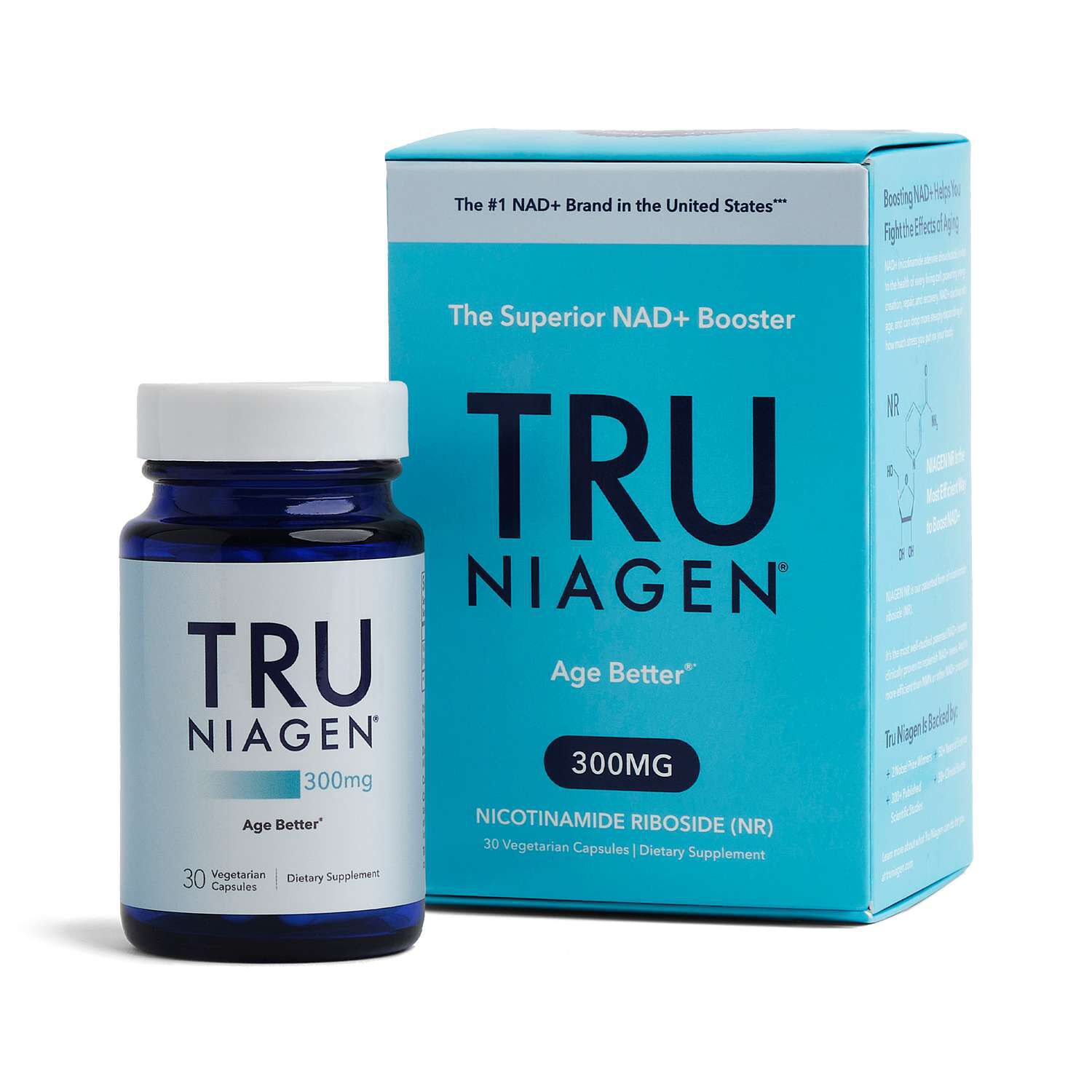


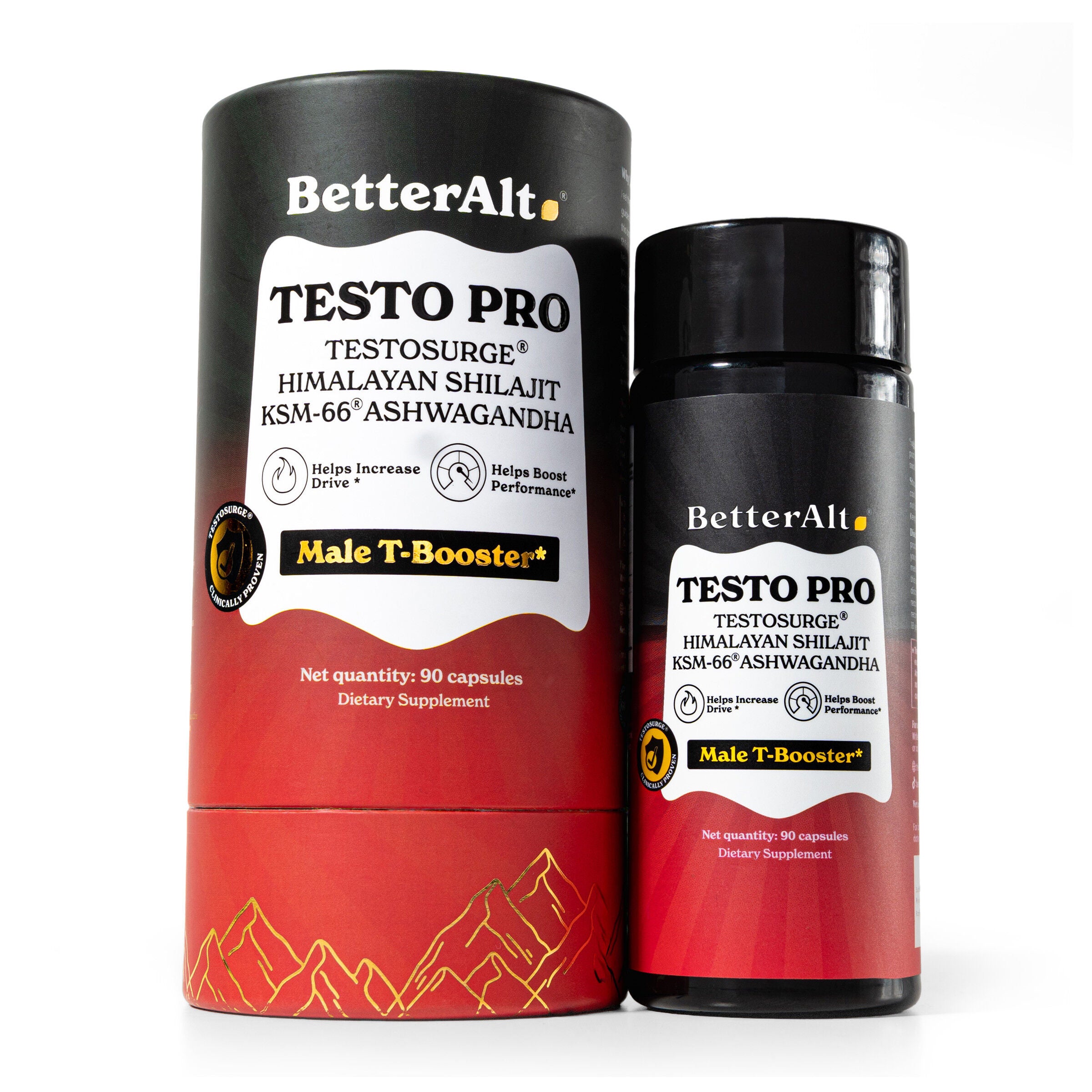
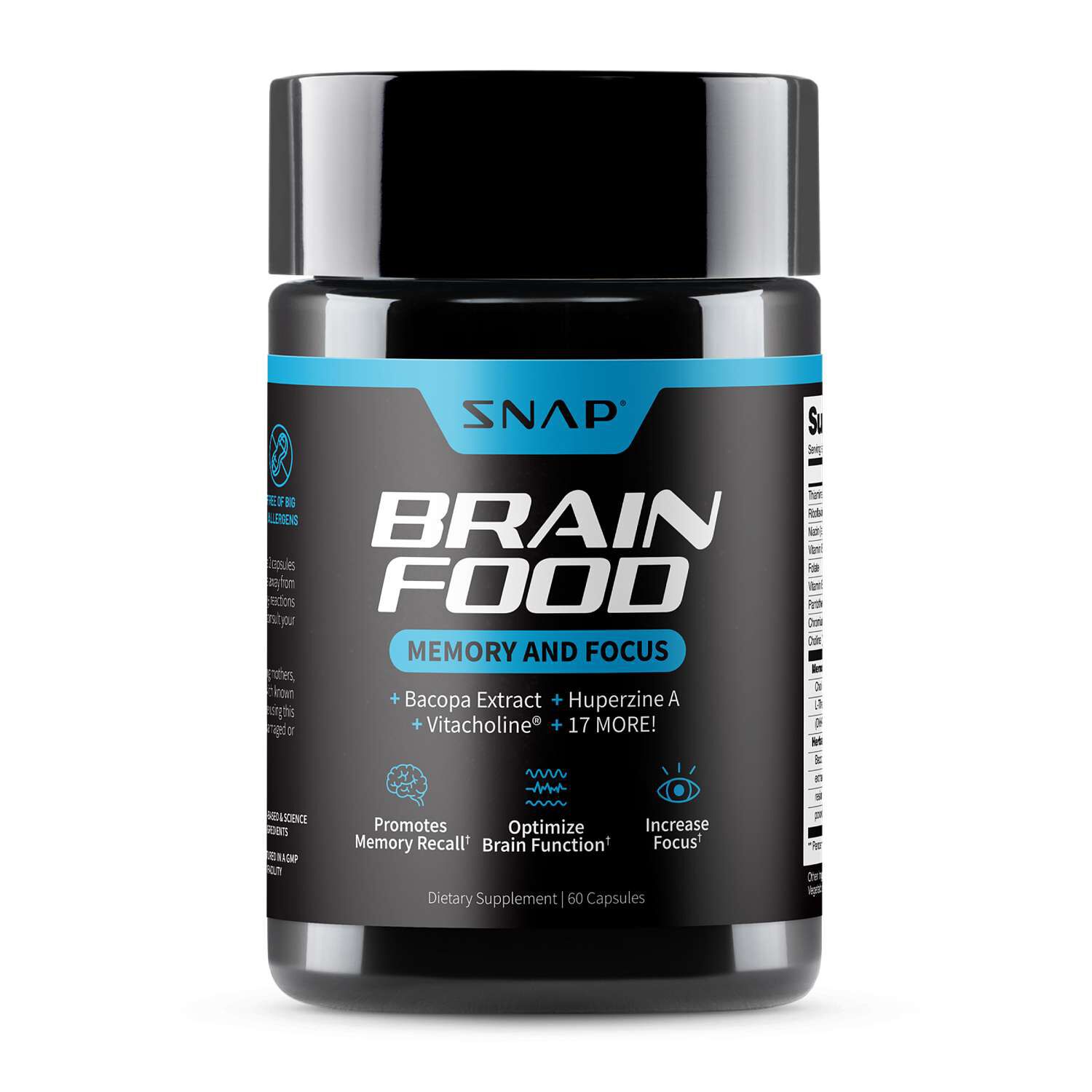
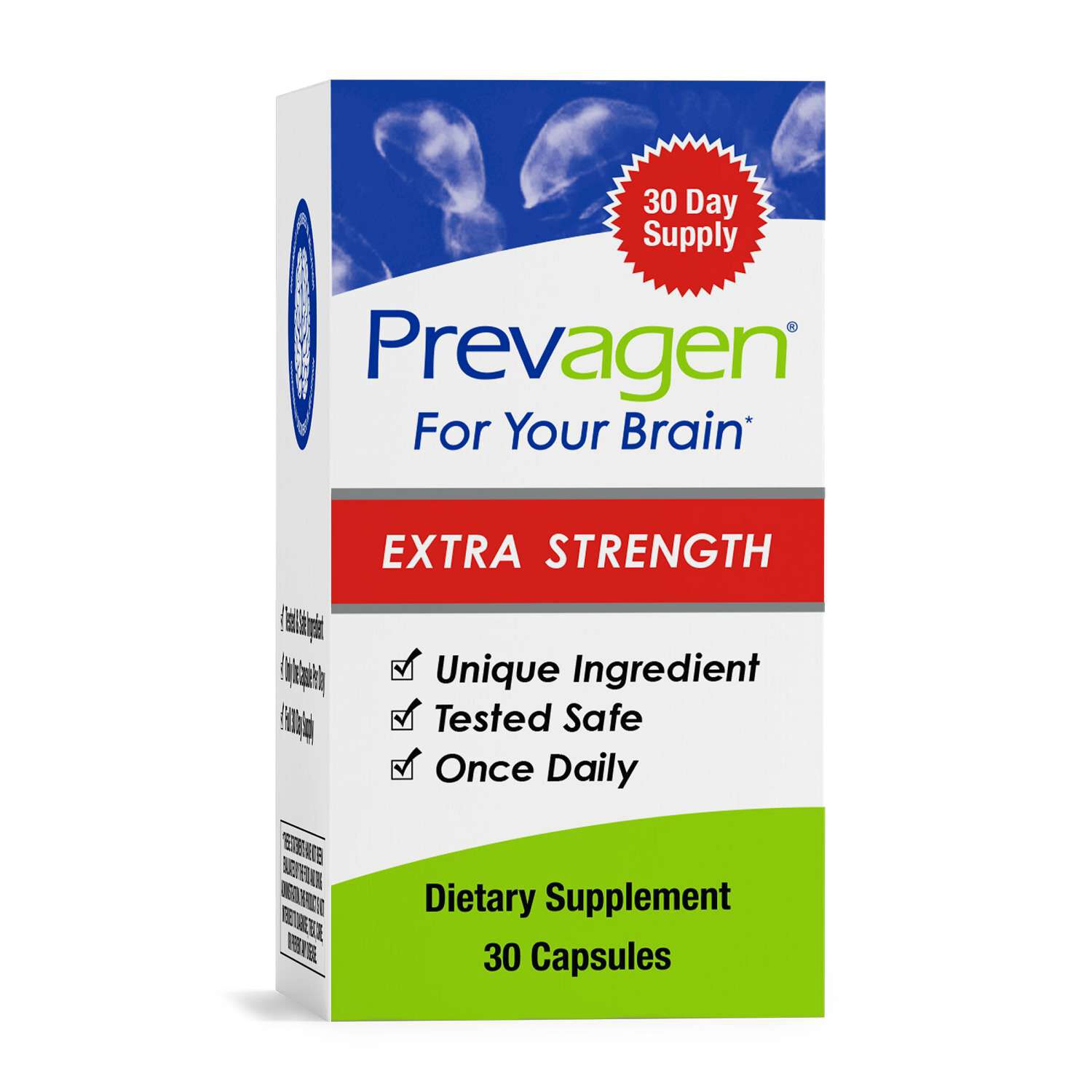

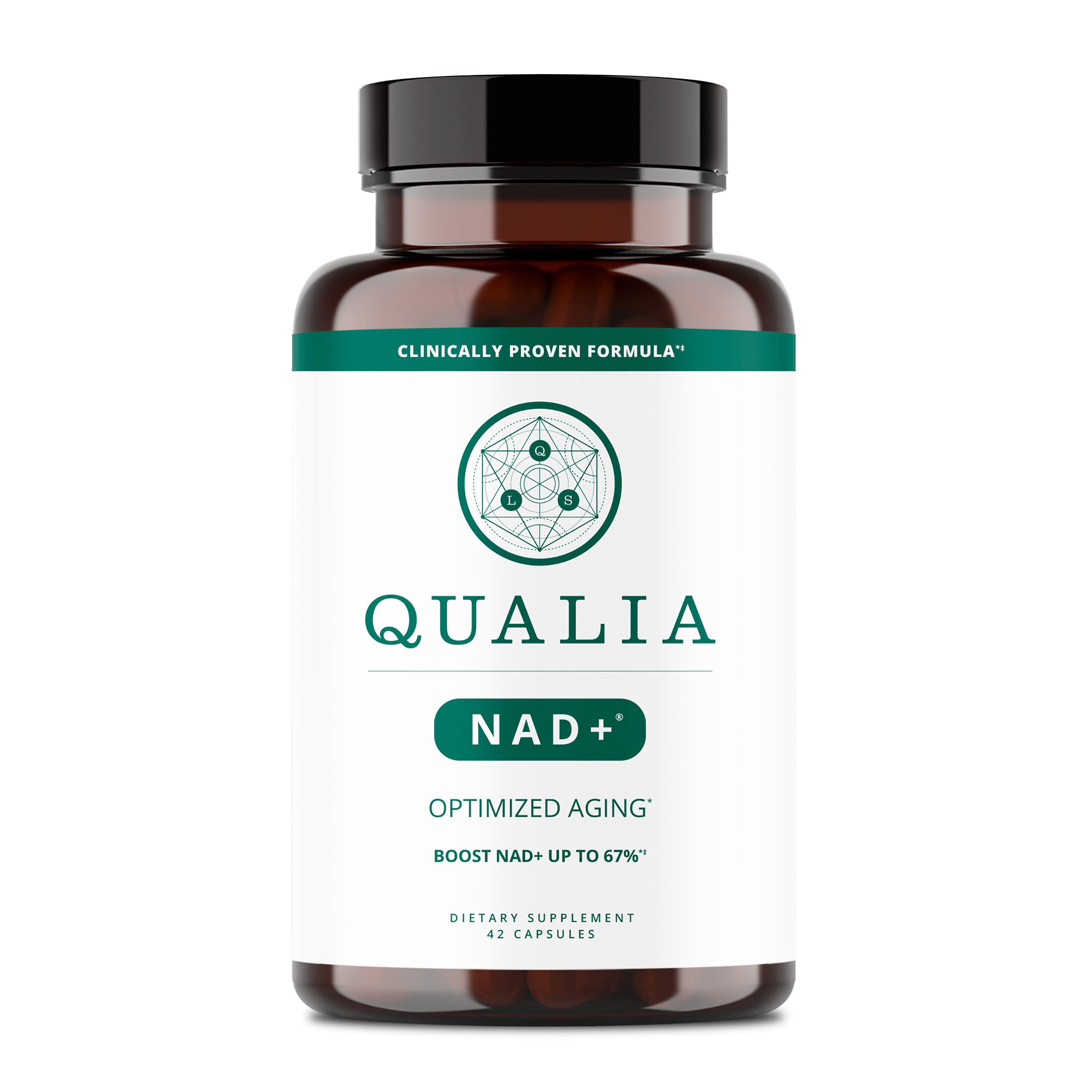
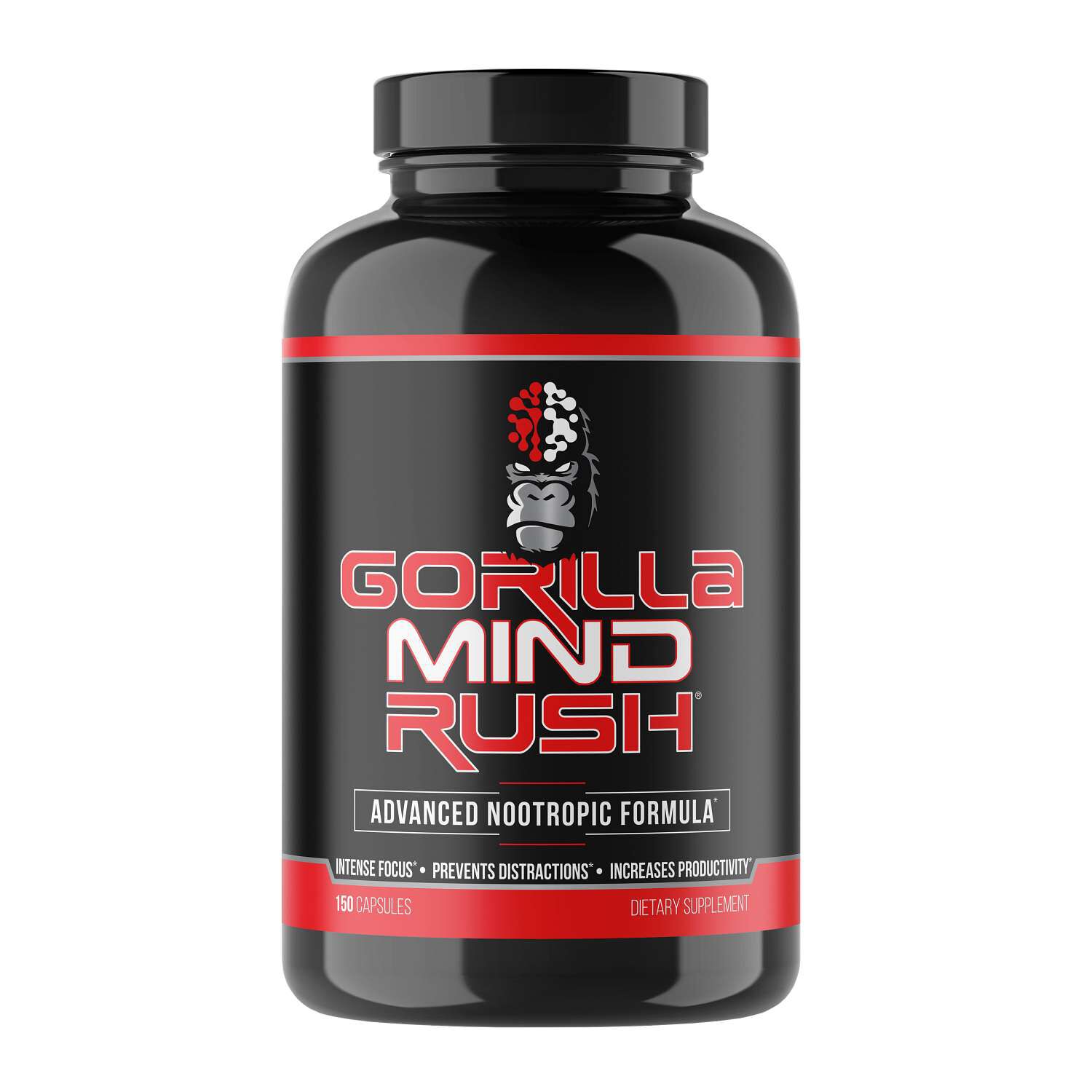
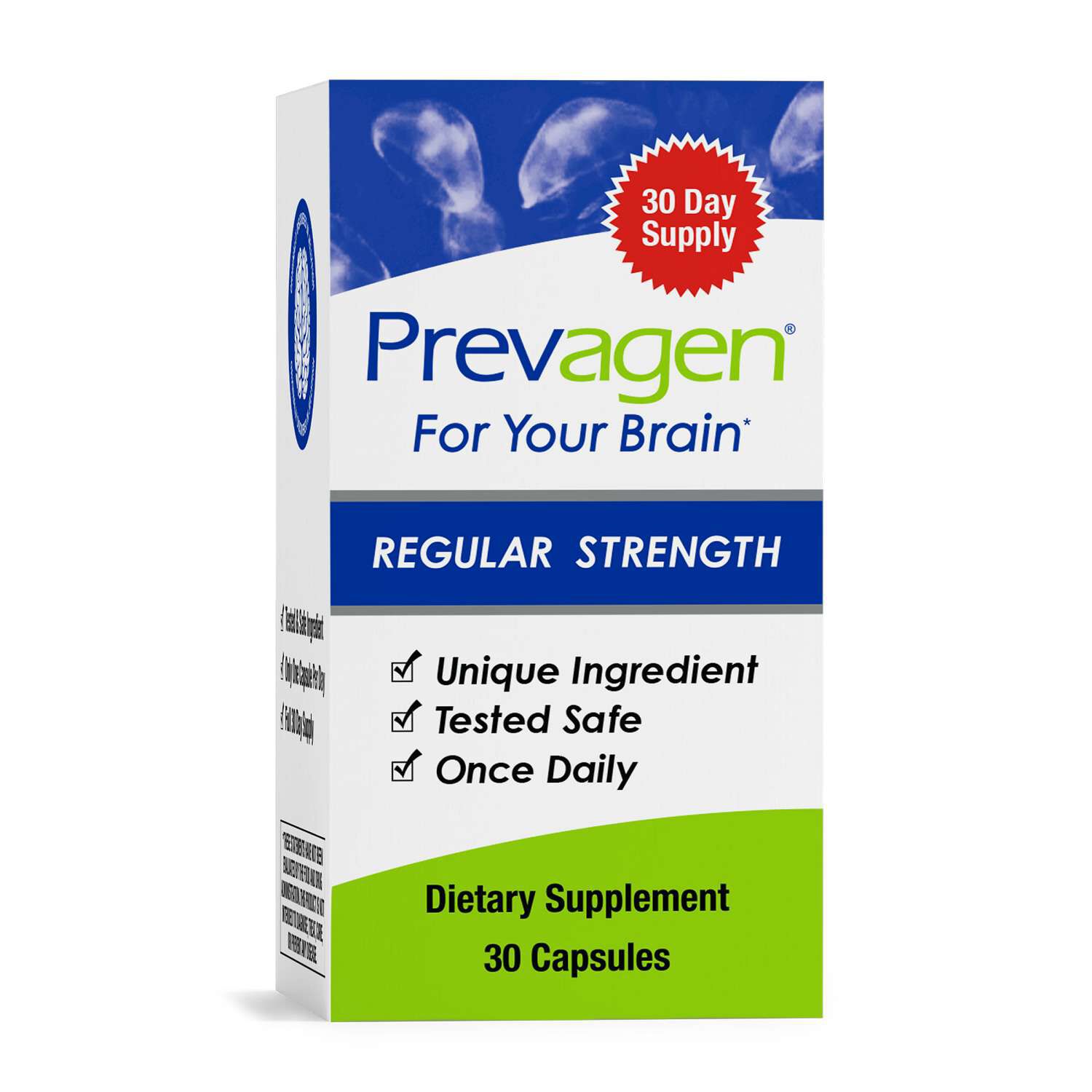
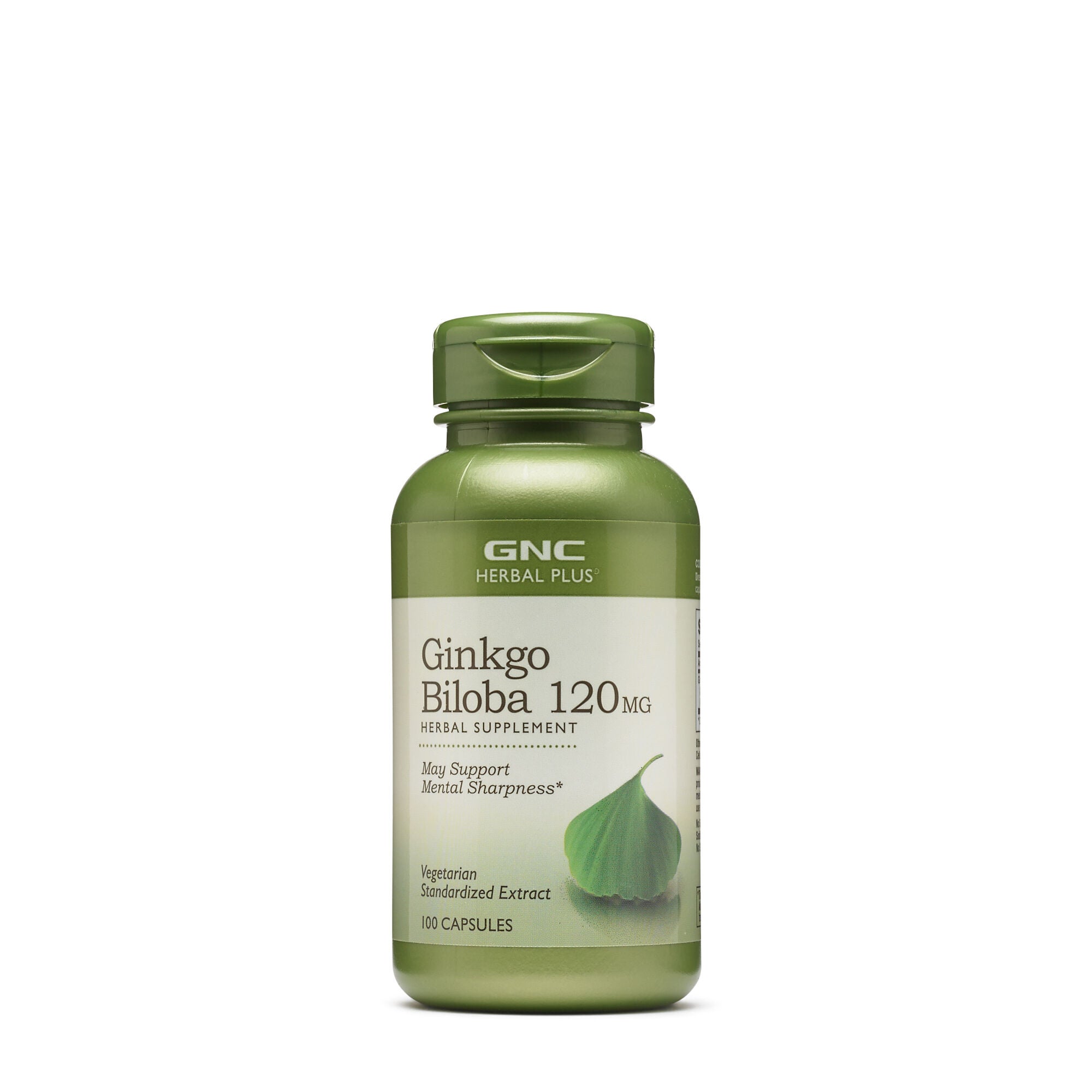
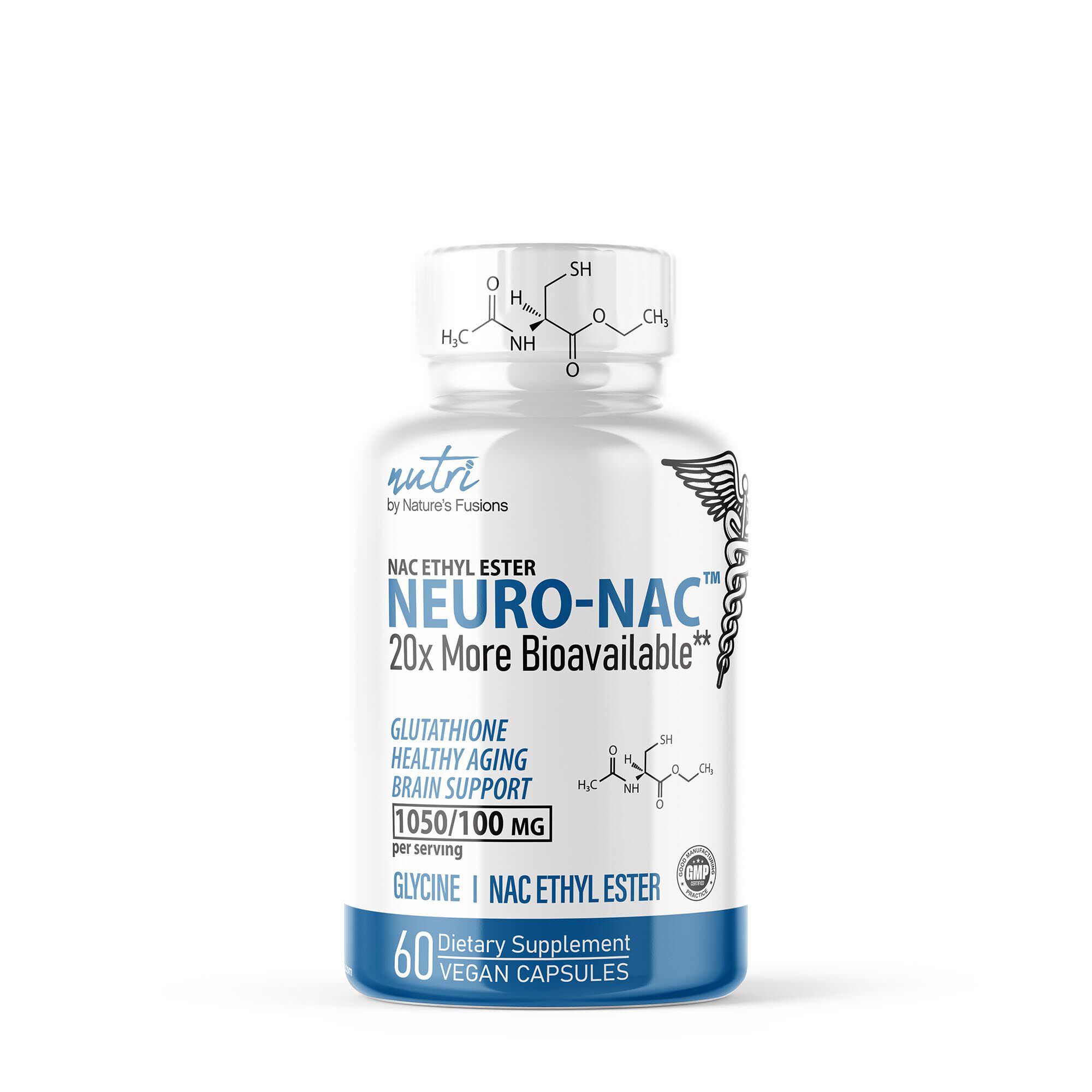
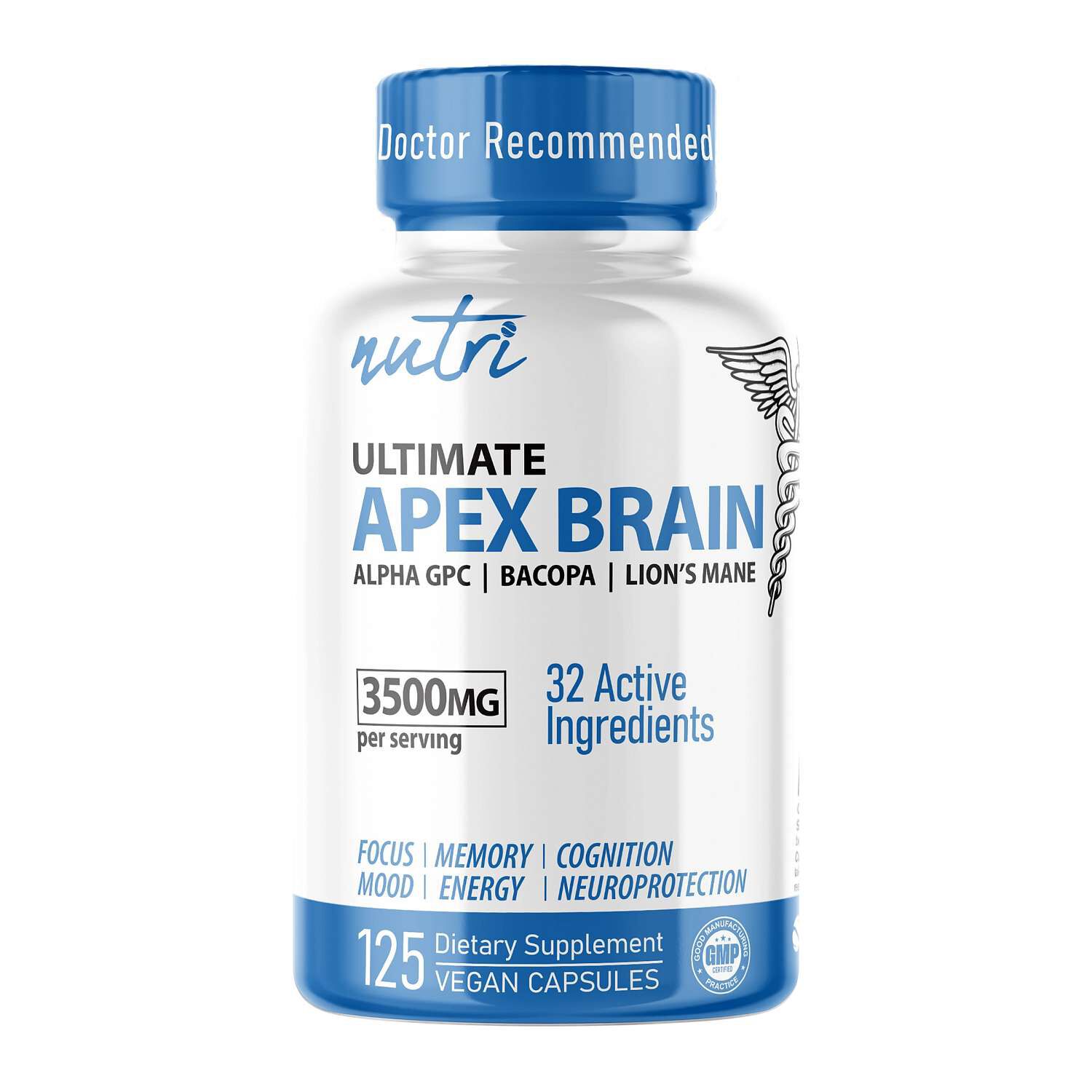

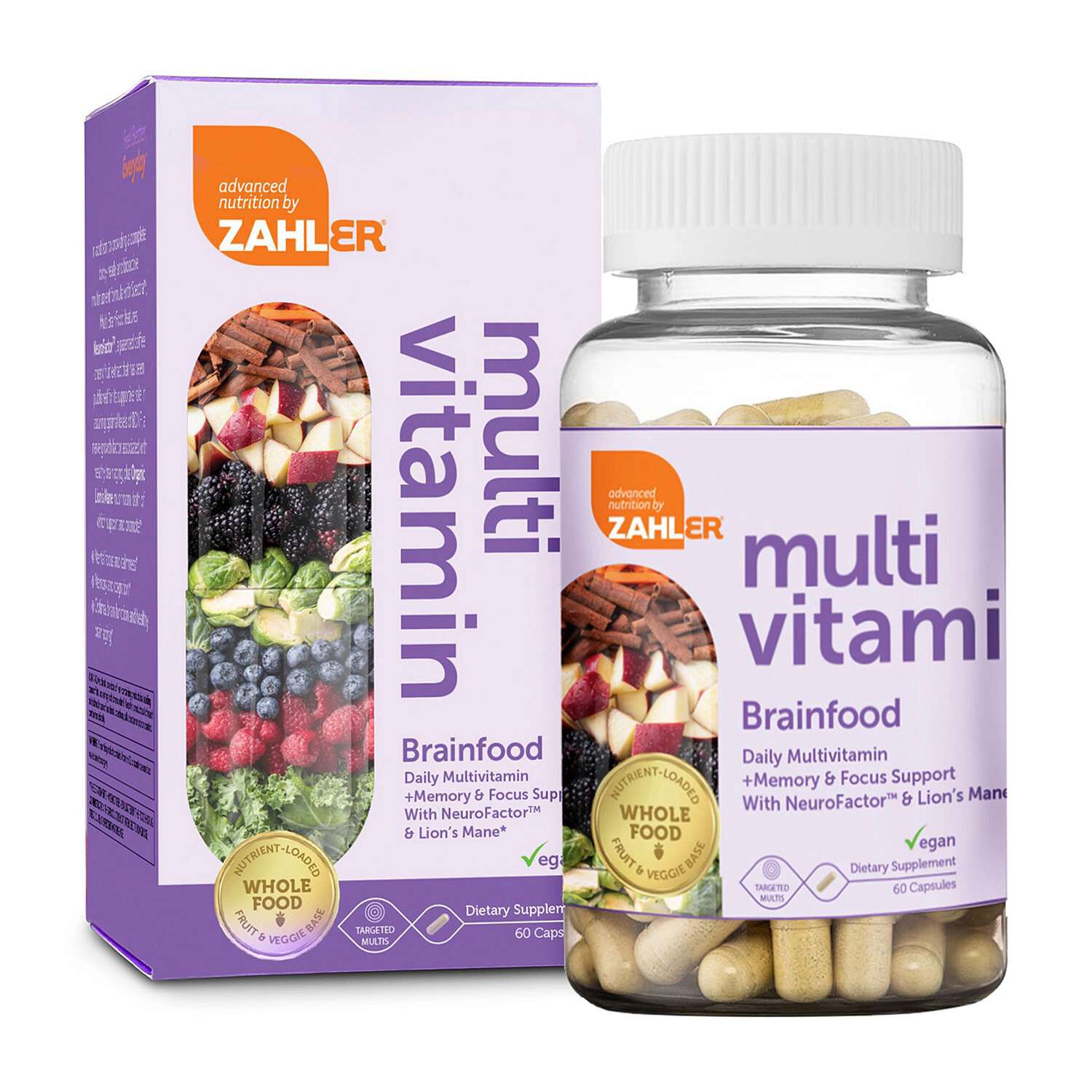

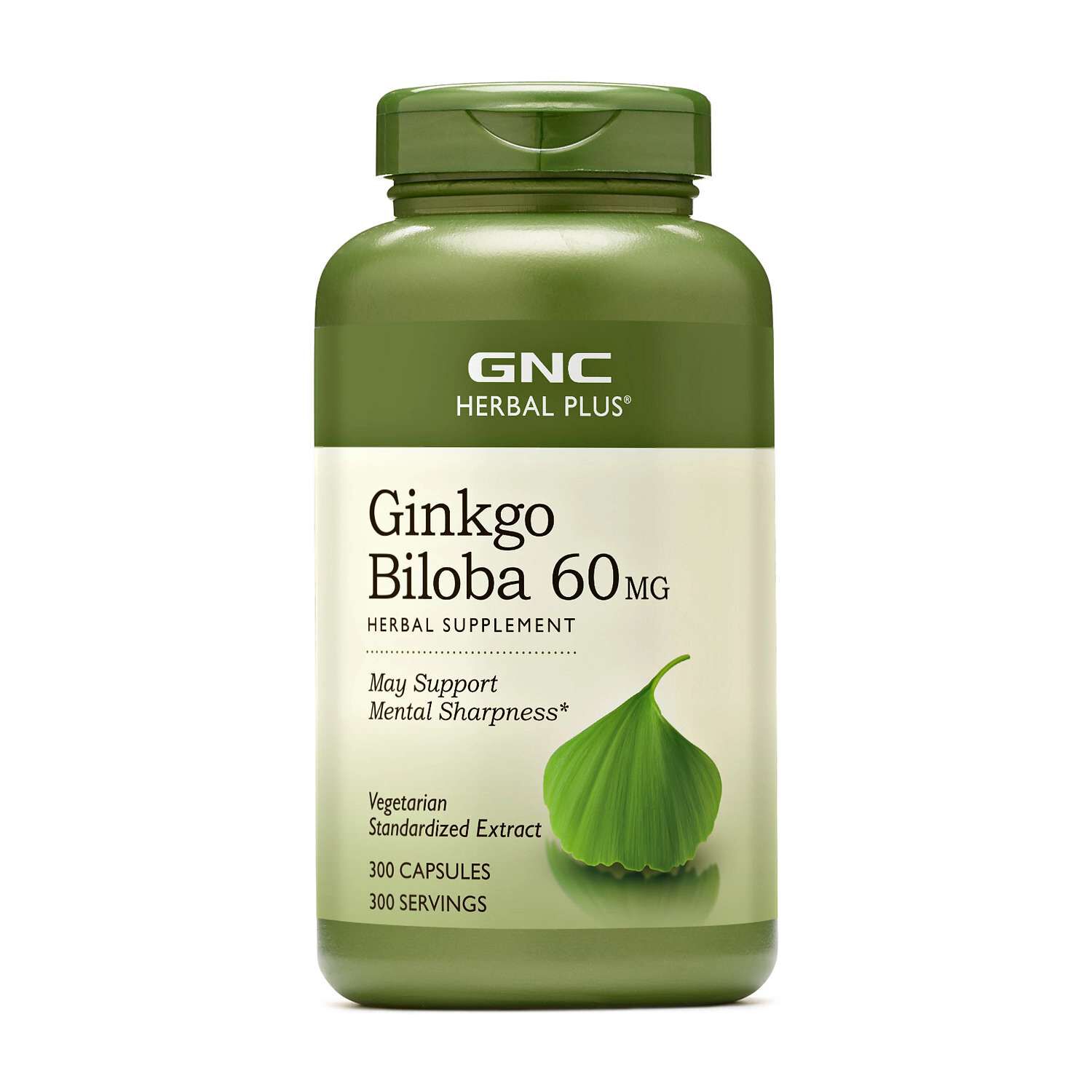
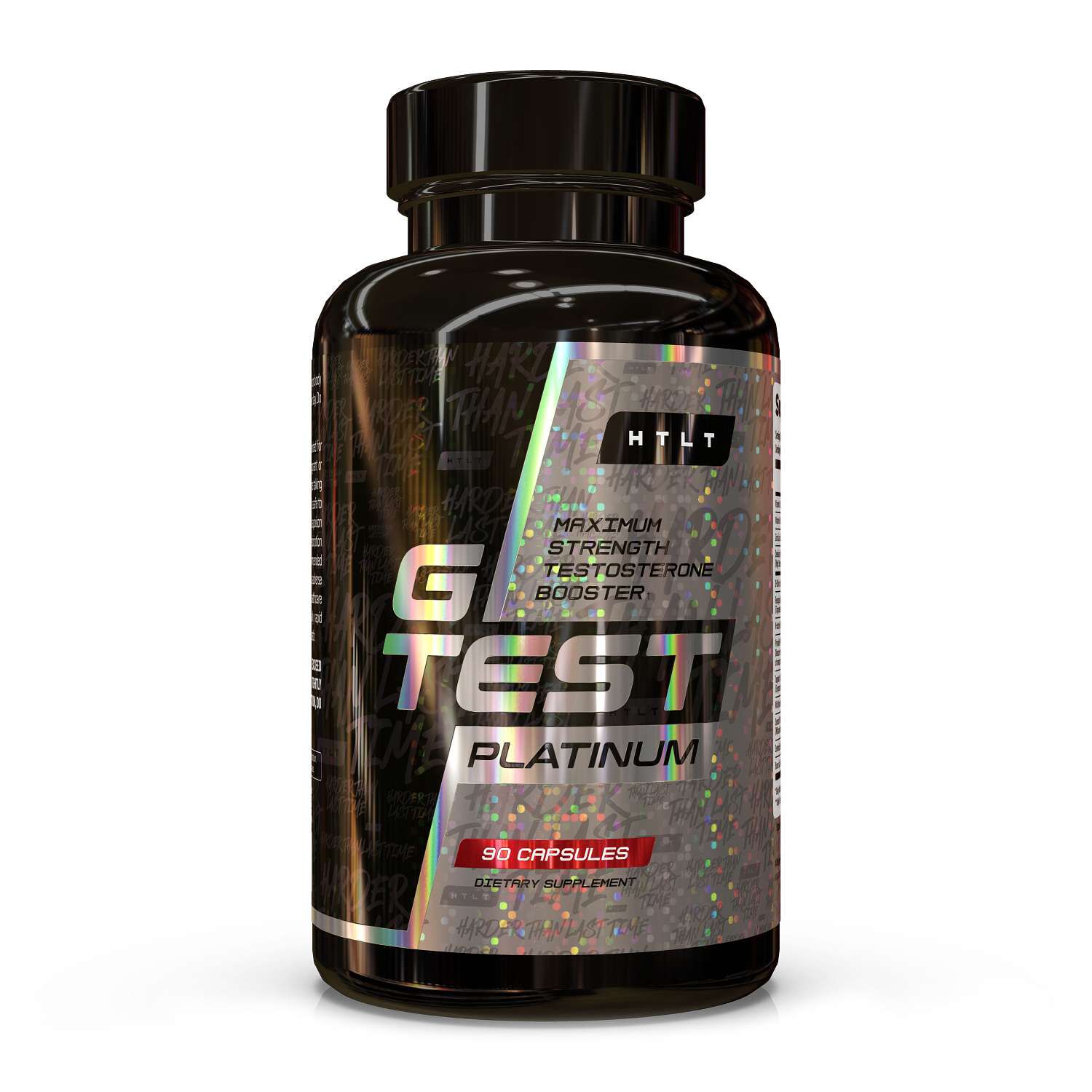
Nootropic capsules for busy professionals are dietary supplements formulated with ingredients that may support everyday focus, memory, and mental stamina. The capsule format is a practical consideration for adults whose workdays move between project planning, meetings, detailed paperwork, and concentrated individual tasks. Unlike powders that need mixing, capsules do not require a shaker or a flavored drink, making them straightforward to store alongside other personal belongings. Within this category, formulas can differ considerably: some center on a single ingredient, while others combine amino acids, nutrients, and botanical extracts. Ingredients commonly associated with nootropic supplements include L-theanine, citicoline, lion’s mane mushroom, and rhodiola rosea, although their presence and amounts vary by formula. Some blends contain caffeine, while others are formulated without it. These distinctions matter more than a broad description on the front of a bottle because two formulas with similar names can have different ingredient profiles and serving sizes. A professional reviewing a lengthy proposal may be interested in ingredients that could support focused attention; someone balancing client conversations with administrative work may look for a formula that could support mental clarity throughout an ordinary workday. Neither situation calls for treating capsules as a replacement for sleep, meals, hydration, or manageable working hours. The category is best understood as an optional addition to an established routine rather than a shortcut around those habits. For shoppers comparing nootropic capsules, useful points of distinction include the ingredient list, the amount of each ingredient per serving, whether caffeine is included, and the number of capsules specified on the label. Those details offer a clearer picture of the product than language suggesting exceptional performance. The intended audience is adults interested in everyday cognitive support, including office professionals, remote workers, consultants, and others whose schedules involve sustained attention to information. Individual experiences may differ, and a formula’s composition alone does not establish how it will fit a particular person’s routine.
The physical details of nootropic capsules deserve attention alongside the formula inside them. Capsule shells may be made from gelatin or plant-derived materials such as cellulose, and the label is the appropriate place to confirm the shell material and any stated dietary attributes. A plant-derived shell does not, by itself, describe every ingredient in the contents. Shoppers with particular dietary preferences can look at both the capsule material and the full ingredient list rather than relying on a single packaging statement. Capsule dimensions also vary, so size can be a practical consideration for people who already know which formats they prefer. Serving size is another important distinction: the amount listed in the Supplement Facts panel may refer to multiple capsules rather than one. A bottle’s capsule count and its number of servings are therefore not necessarily the same. For a blend containing several ingredients, individually listed amounts provide a different degree of detail than a combined blend amount. Botanical entries may also identify the plant part, extract form, or concentration, while mushroom ingredients may specify the source material used. These are product characteristics, not evidence that one formula will deliver a particular result. Caffeine content warrants a separate look, especially when coffee, tea, or other caffeinated beverages are already part of the day. Where caffeine is present, the stated amount per serving helps describe the formula without relying on assumptions about the ingredient name. Added ingredients, allergen statements, and label directions round out the comparison. These details become tangible in everyday settings: a commuter may prefer a capsule format over carrying mixing equipment, while a remote professional may value packaging that fits neatly into a designated cabinet. A serving that involves several capsules may also feel different in practice from one involving a single capsule. Choosing among formats is about matching the product’s stated characteristics to personal preferences, not assuming that a longer ingredient list or a larger serving will produce stronger effects.
Storage and handling are part of keeping nootropic capsules suited to their intended use. The container’s directions should determine where it is kept, including any instructions concerning moisture, light, or temperature. A desk drawer can seem convenient, but its location matters if it sits near a sunny window or another source of heat. The same applies to a work bag that spends hours in a parked vehicle. Keeping the original label with the capsules preserves access to ingredient information, serving directions, and the expiration date; closing the container securely after use helps protect its contents from unnecessary exposure. Capsules are not designed to tolerate every environment simply because they are portable. For professionals who move between home and an office, a consistent storage location can be more practical than repeatedly transferring them into an unmarked container. Routine fit also includes how much complexity a person wants to manage. Someone who already uses several supplements may prefer clearly identified ingredients and straightforward labeling when comparing another formula. Another shopper may be more interested in exploring a single-ingredient option than a broad blend. For those comparing botanical supplement categories, Ashwagandha Capsules For Busy Professionals provides a related collection to browse, with its own ingredient and label details to consider. A related category is an opportunity to compare, not a reason to combine formulas automatically. Nootropic capsules can also be a personal purchase for someone establishing a more organized workday routine, but they are a more individual gift than a notebook or desk accessory. When gifting is appropriate, familiarity with the recipient’s expressed preferences matters, particularly around caffeine, capsule materials, and ingredient choices. Across these situations, the most useful comparison remains grounded in what the label actually states. A capsule formula may support everyday focus or mental clarity, but its place in a busy professional’s day depends on its contents, format, handling requirements, and suitability for that person’s established habits.