





Nutrition Shakes For Adults
(0 Results)
Looking to fuel your day with a nutritious boost? Nutrition shakes for adults might be the perfect addition to your wellness routine. These convenient and delicious shakes could provide essential vitamins and minerals, supporting a balanced diet even on the busiest of days. Whether you're aiming to enhance your energy levels, support muscle recovery, or simply enjoy a healthy snack alternative, nutrition shakes may offer a versatile solution. Explore a variety of flavors and formulations that might align with your dietary preferences and fitness goals, helping you stay on track toward optimal health and vitality.
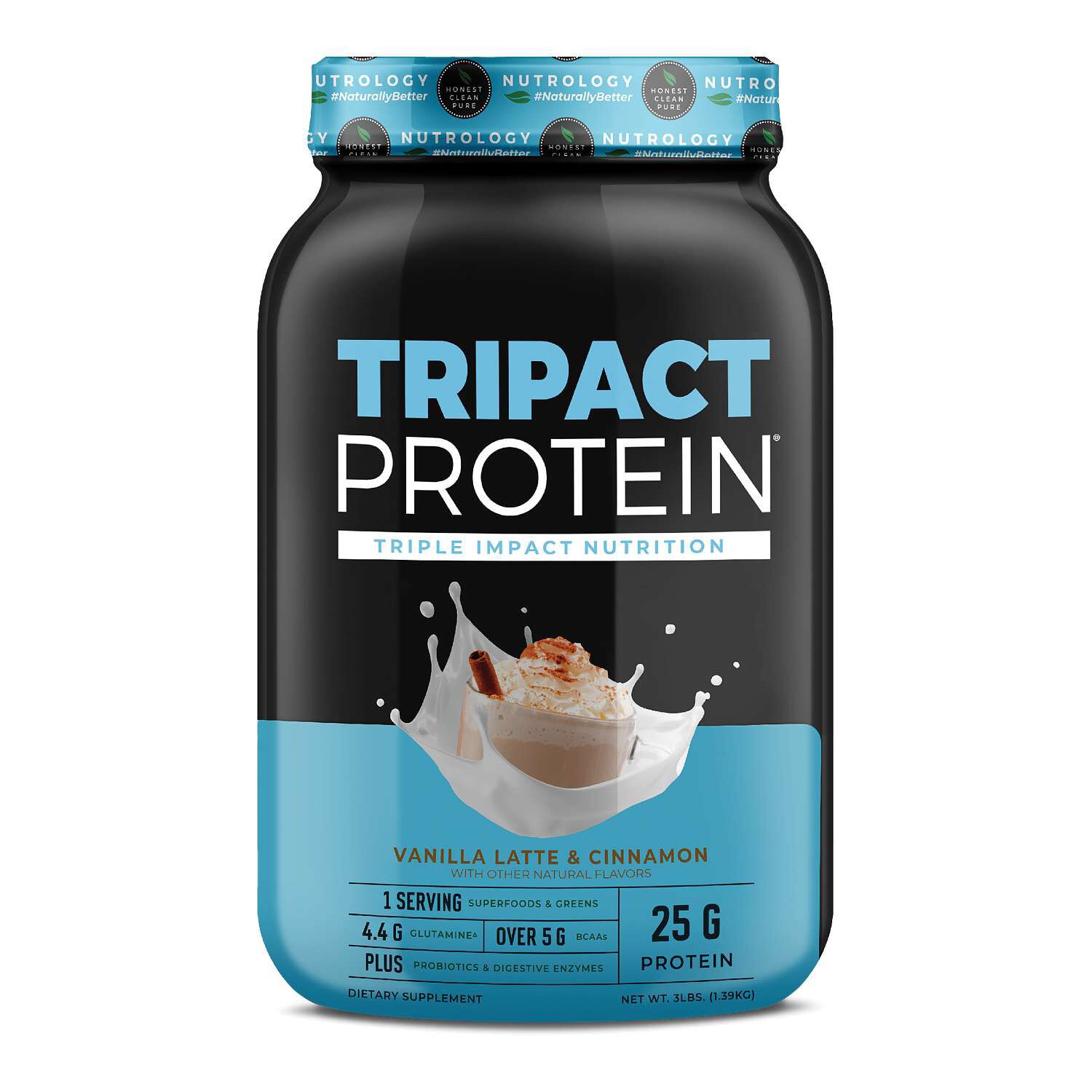

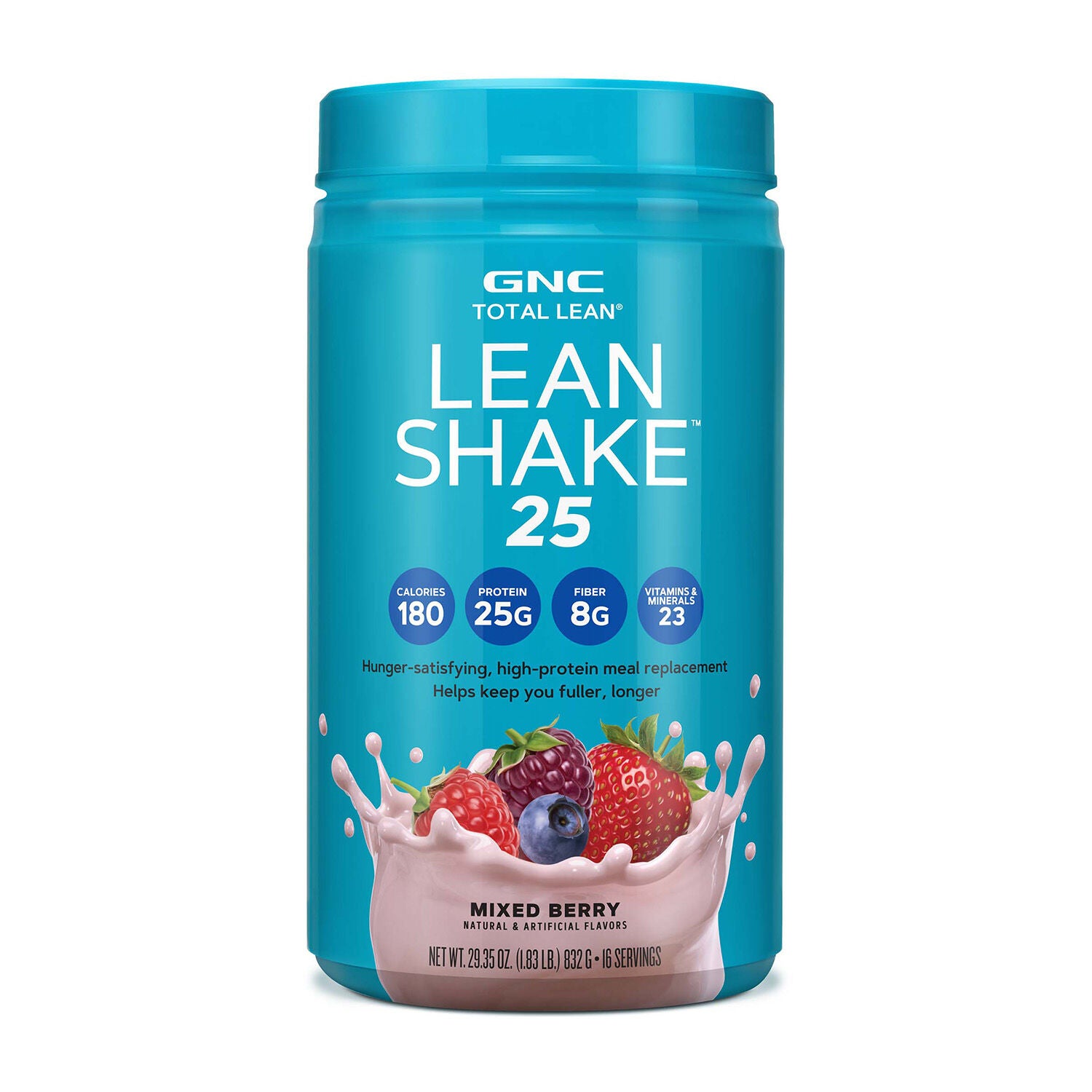
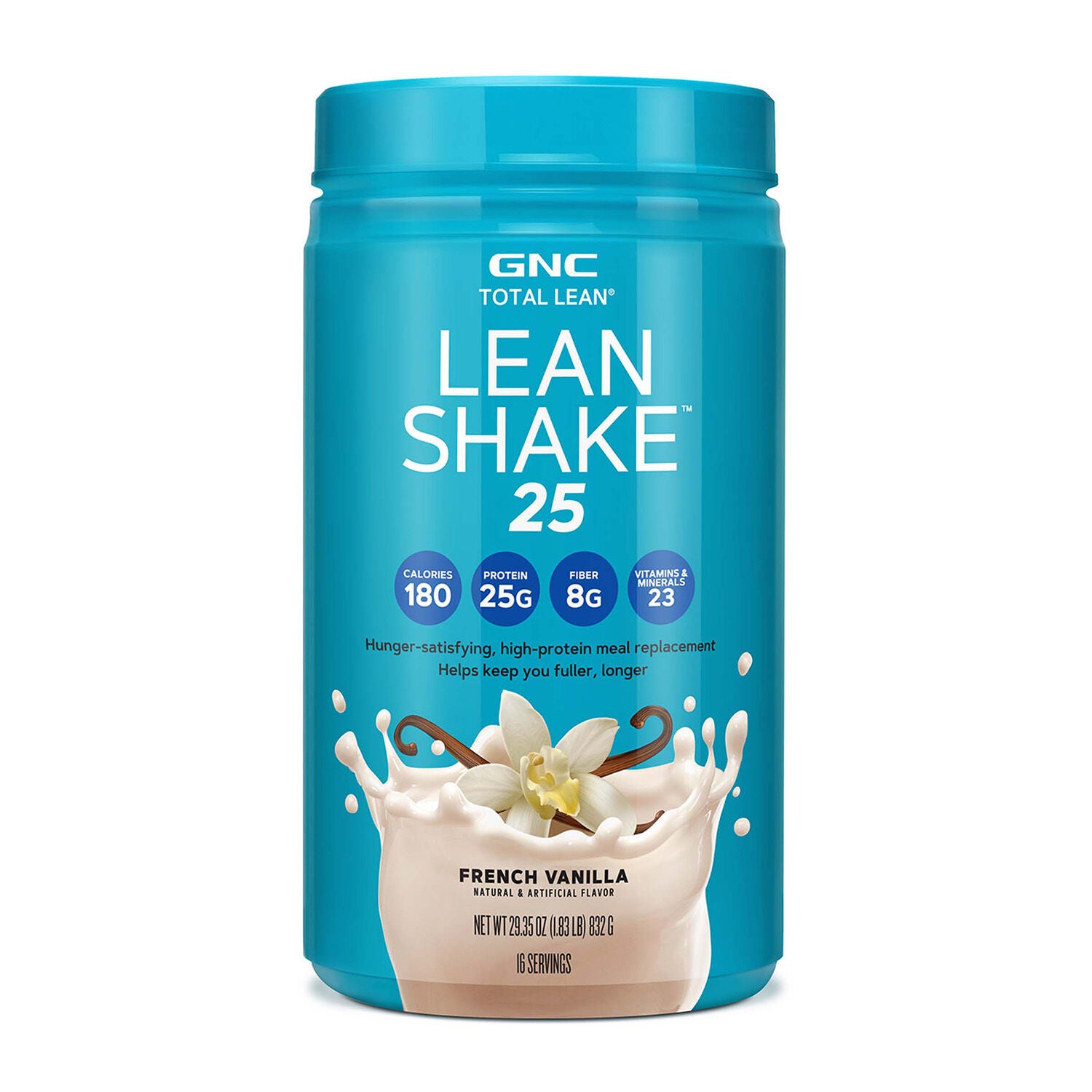
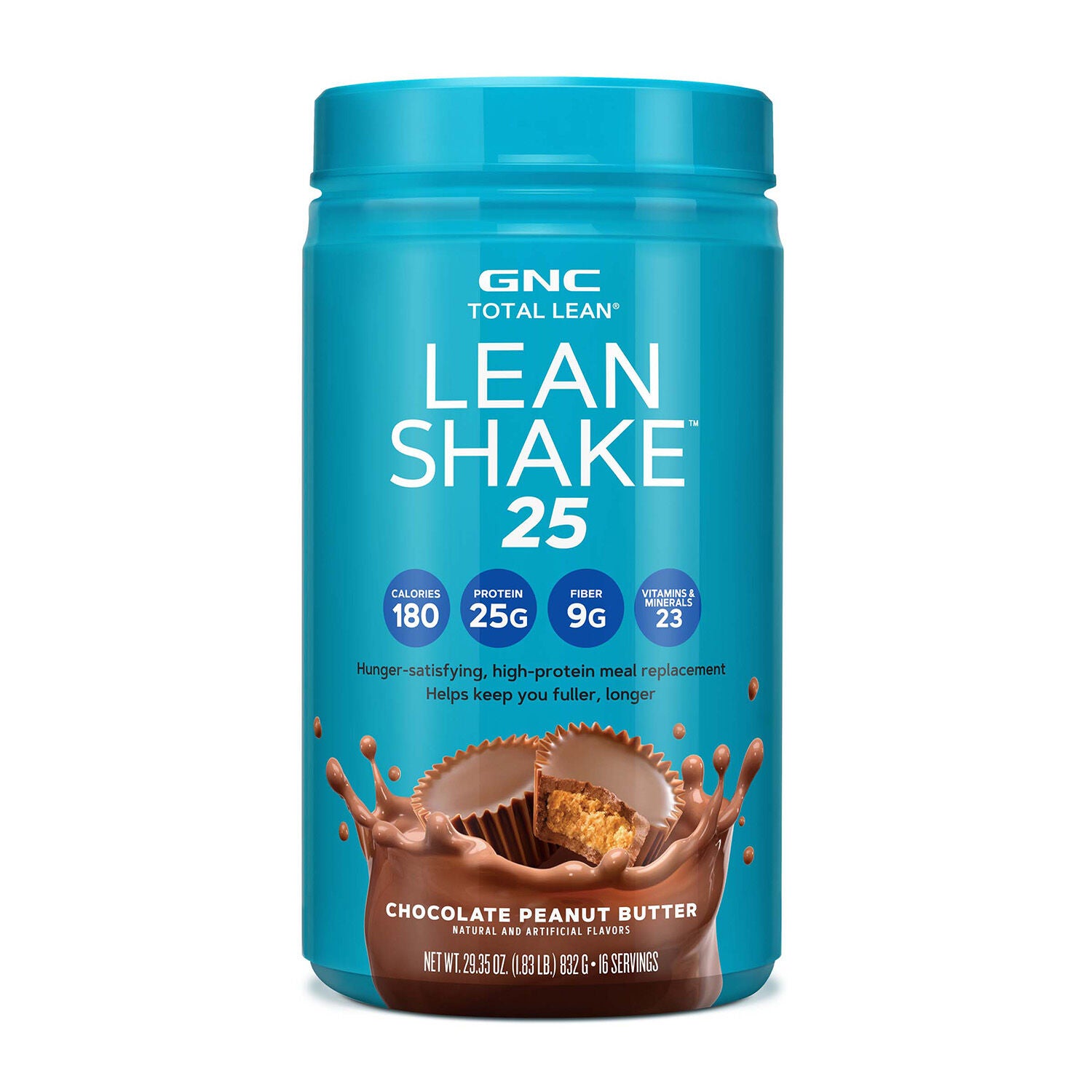


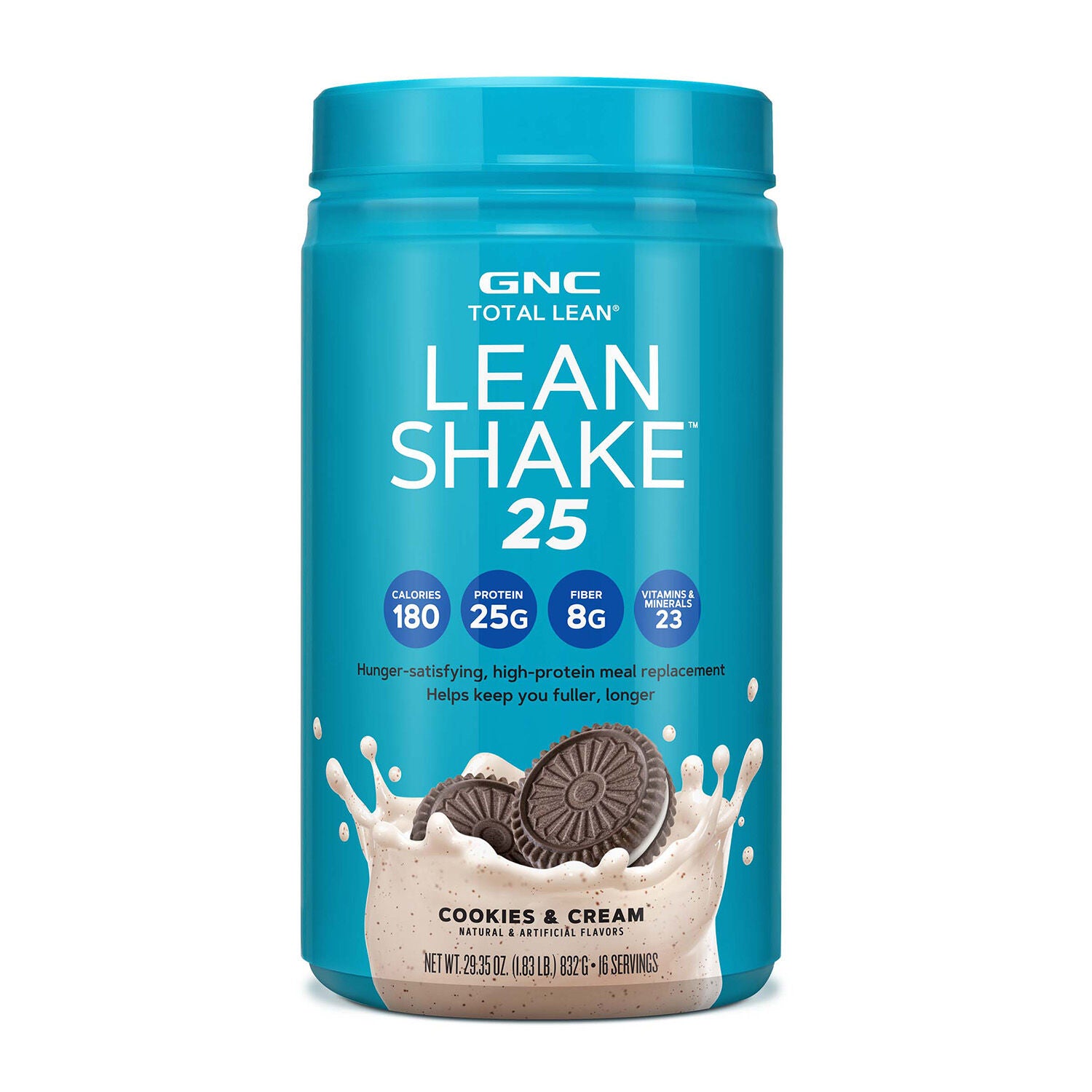
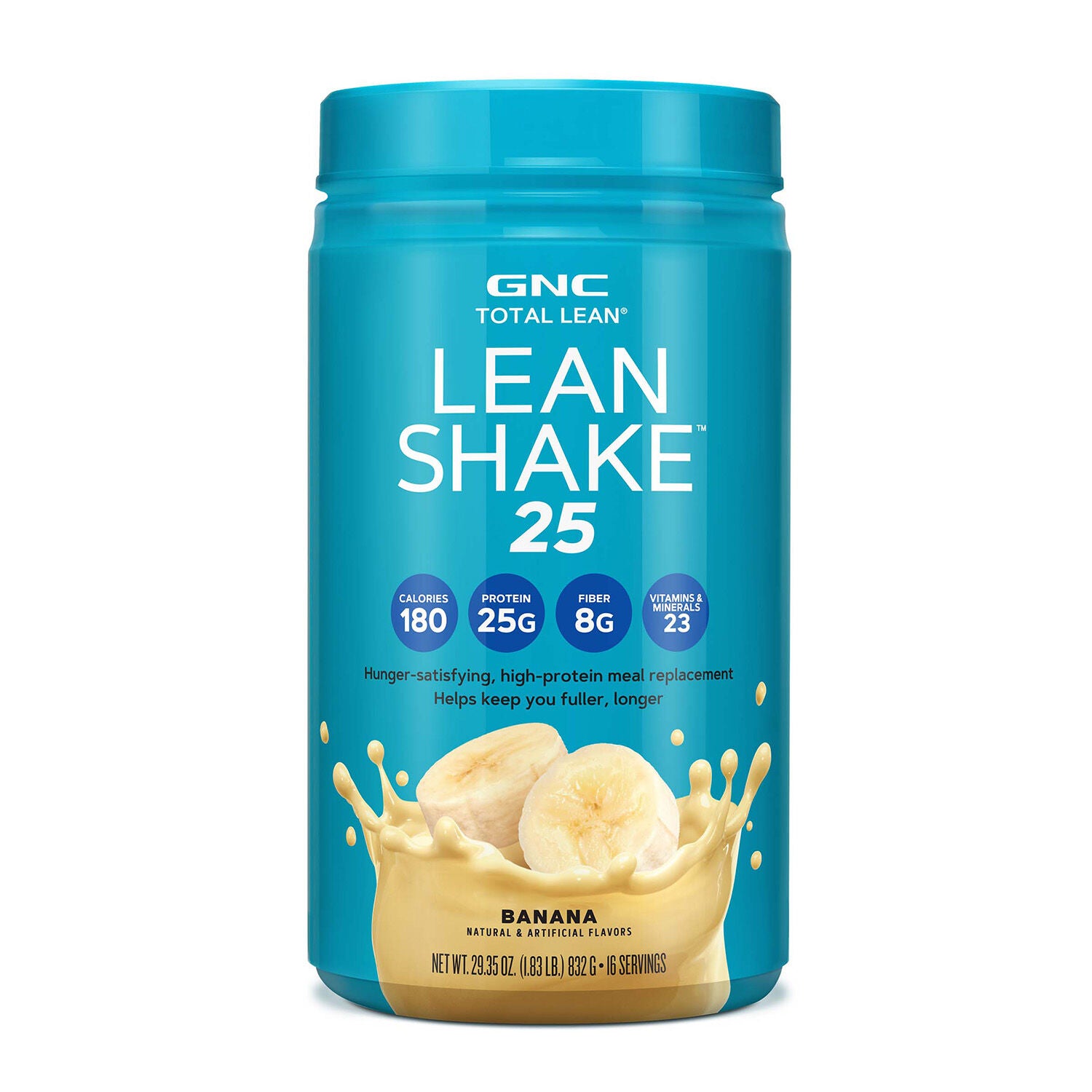
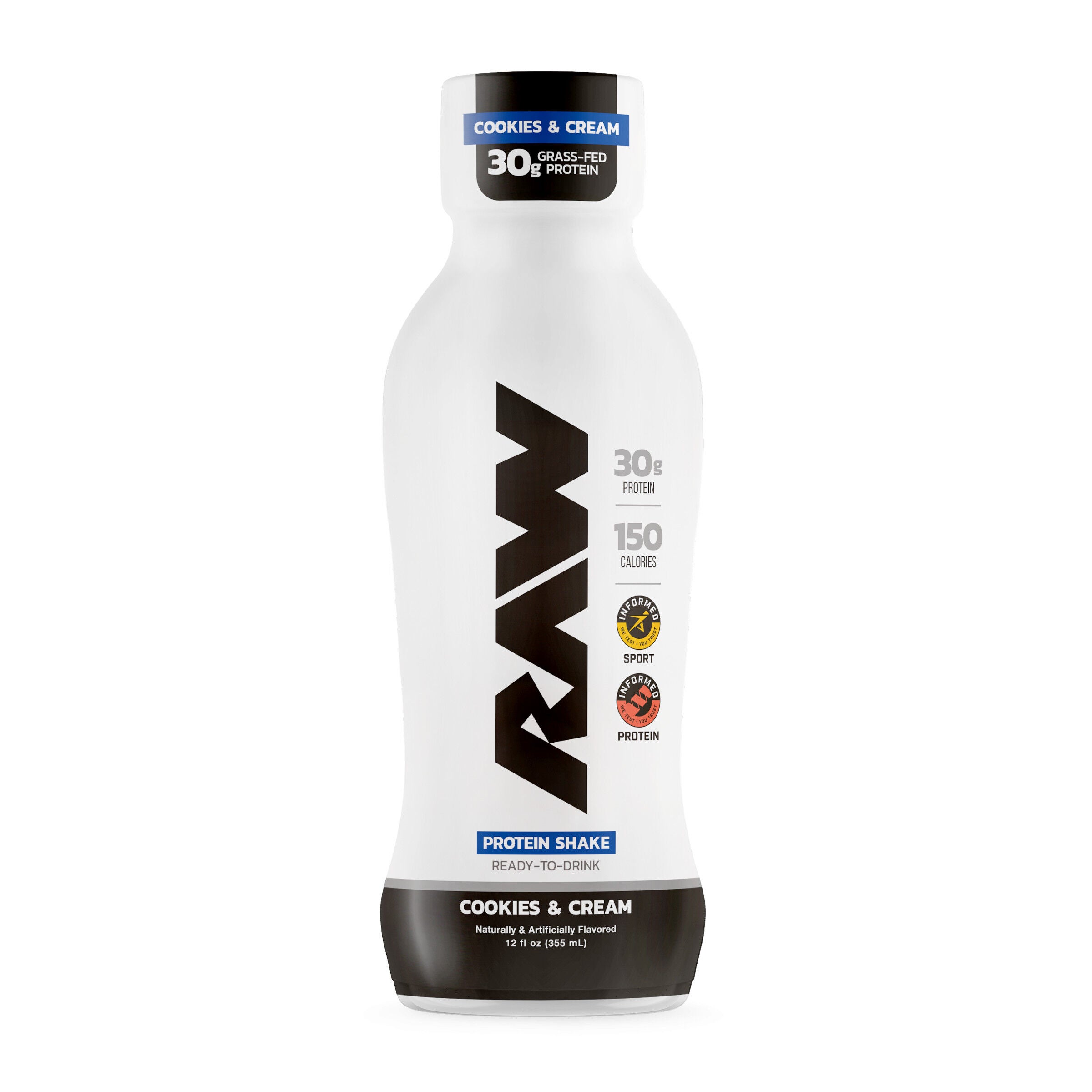
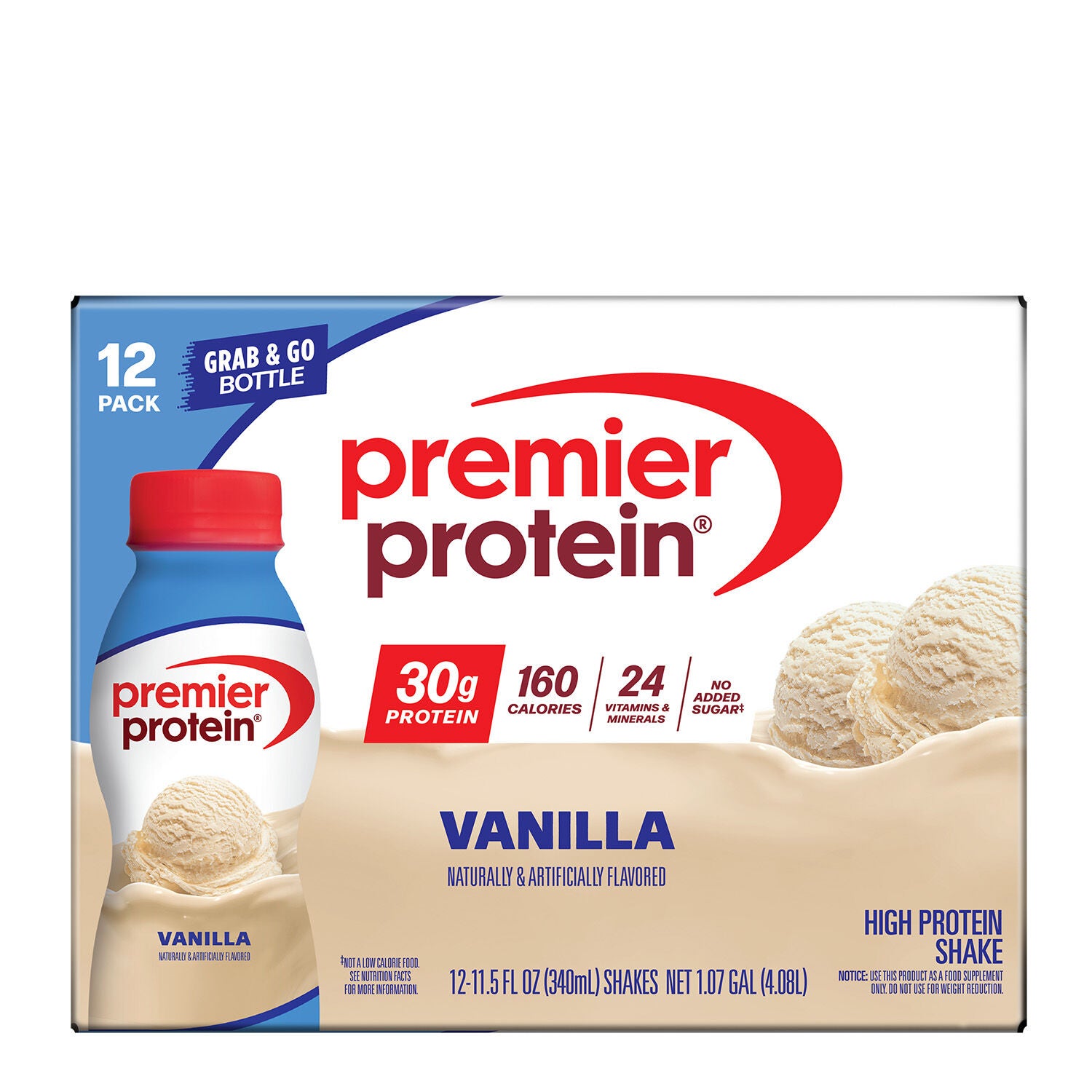


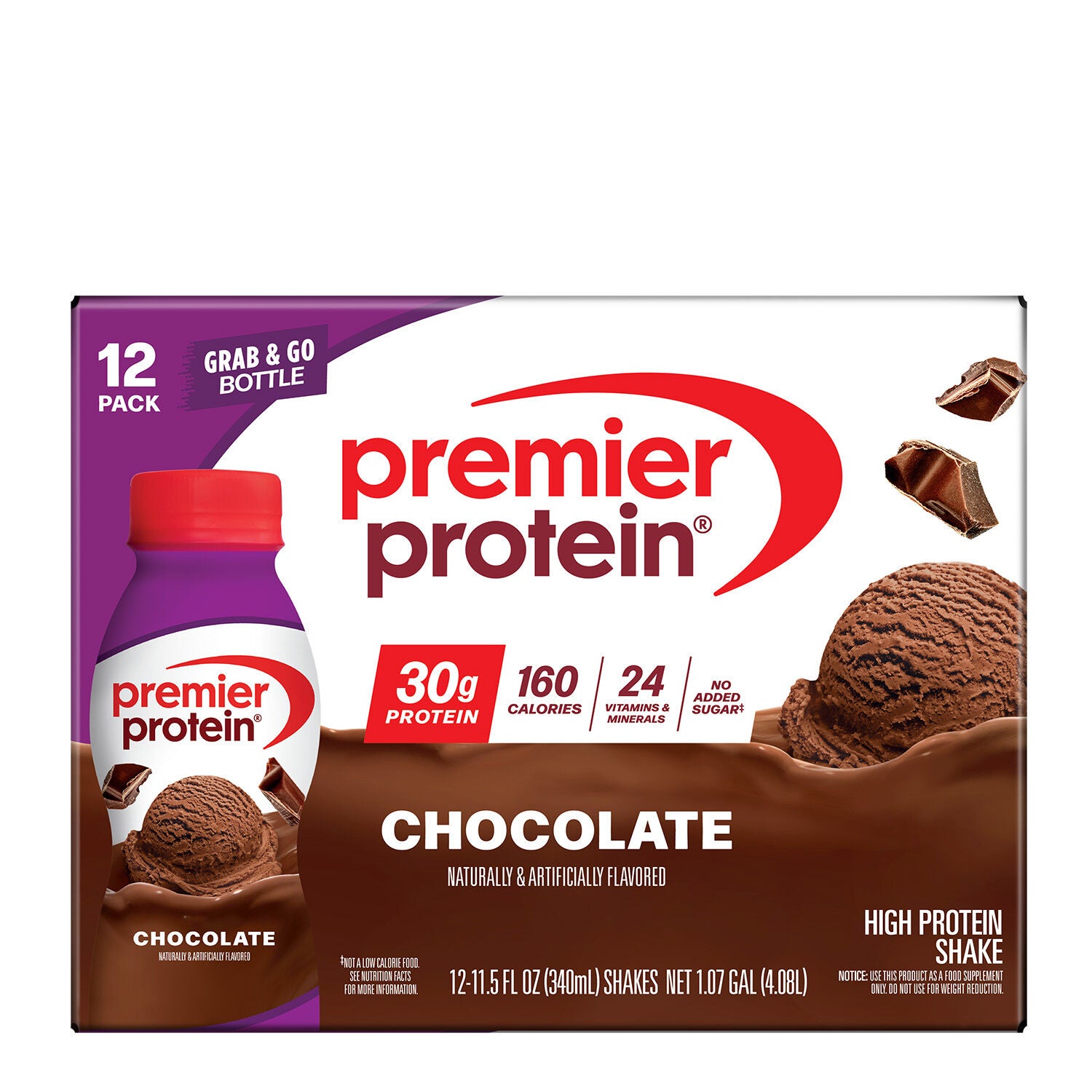

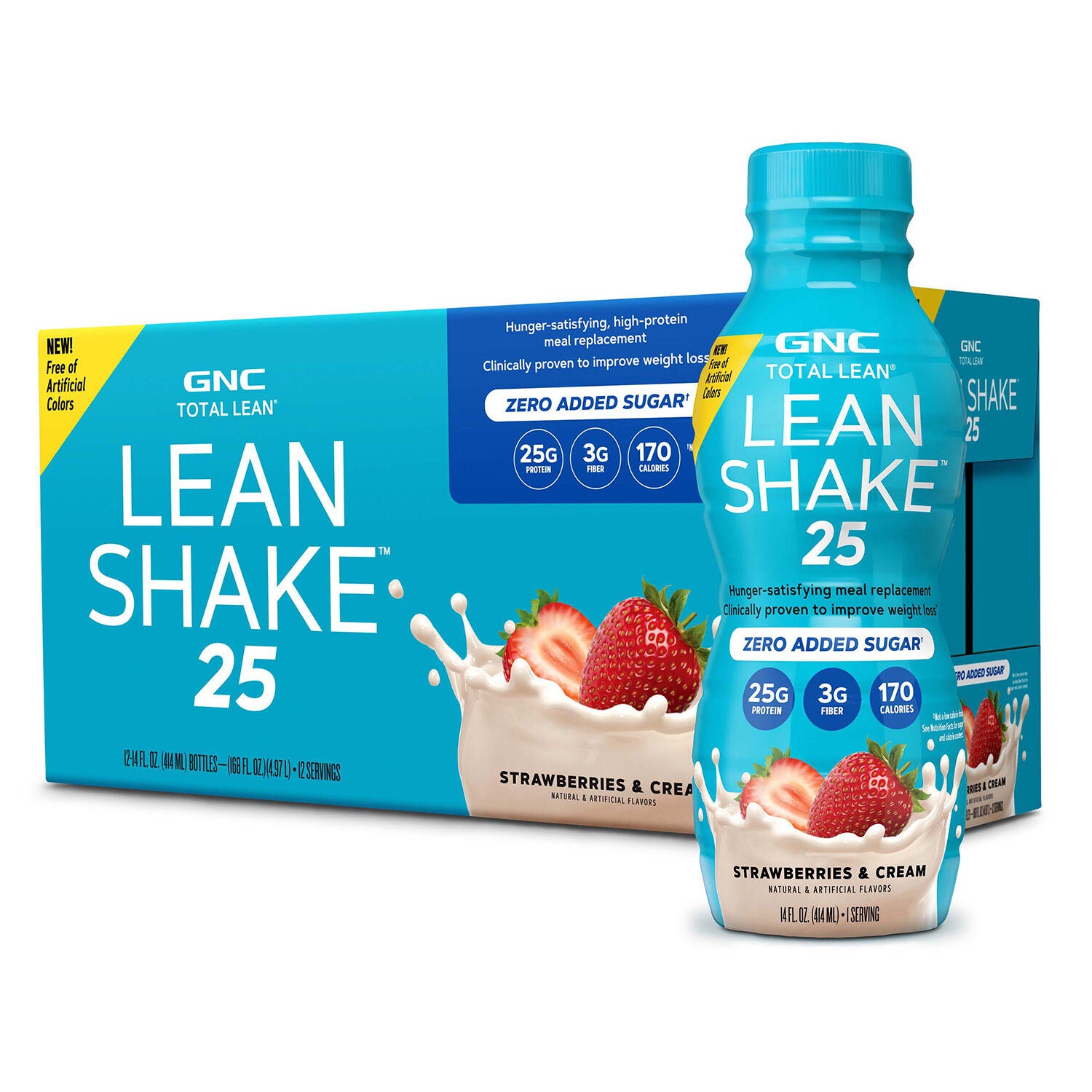
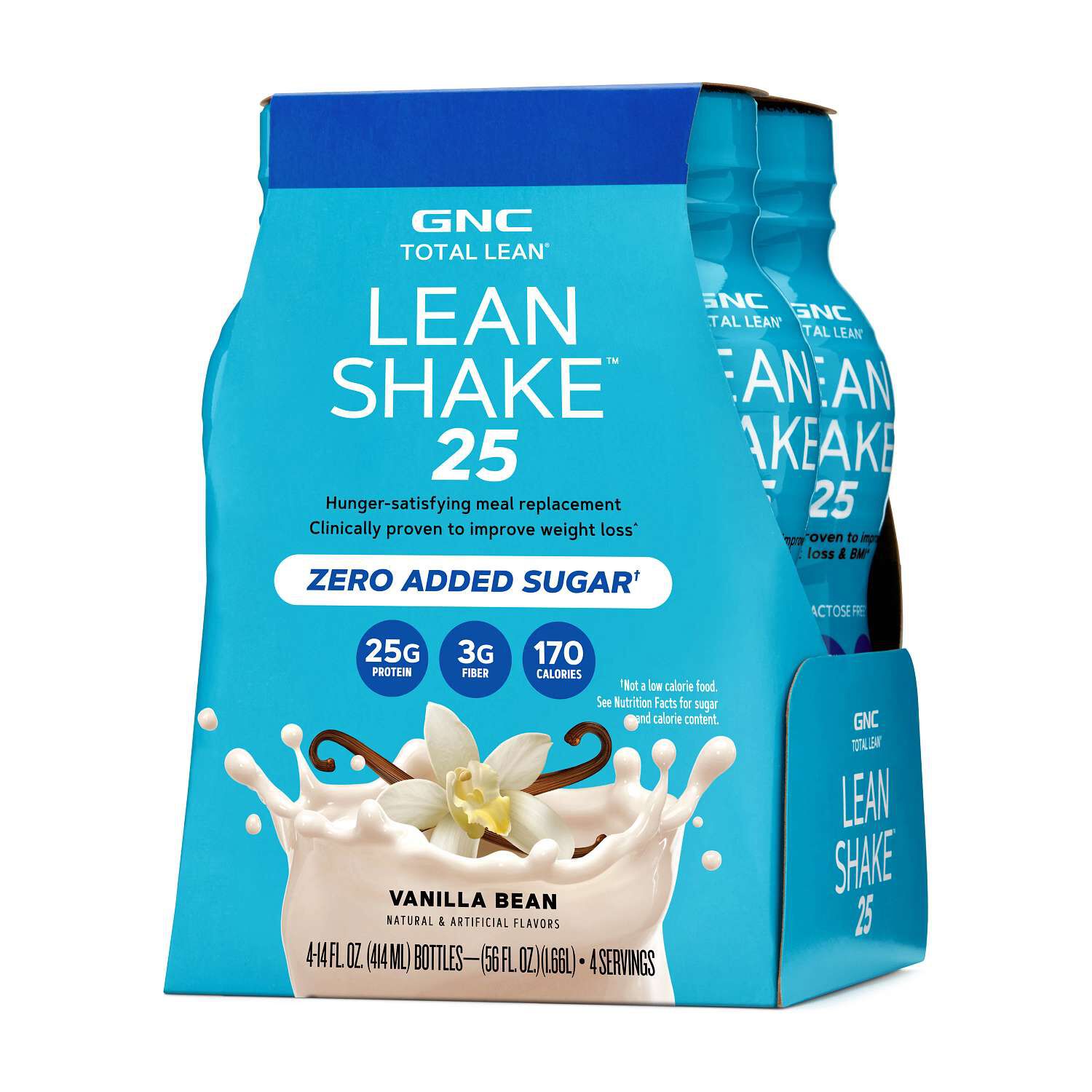
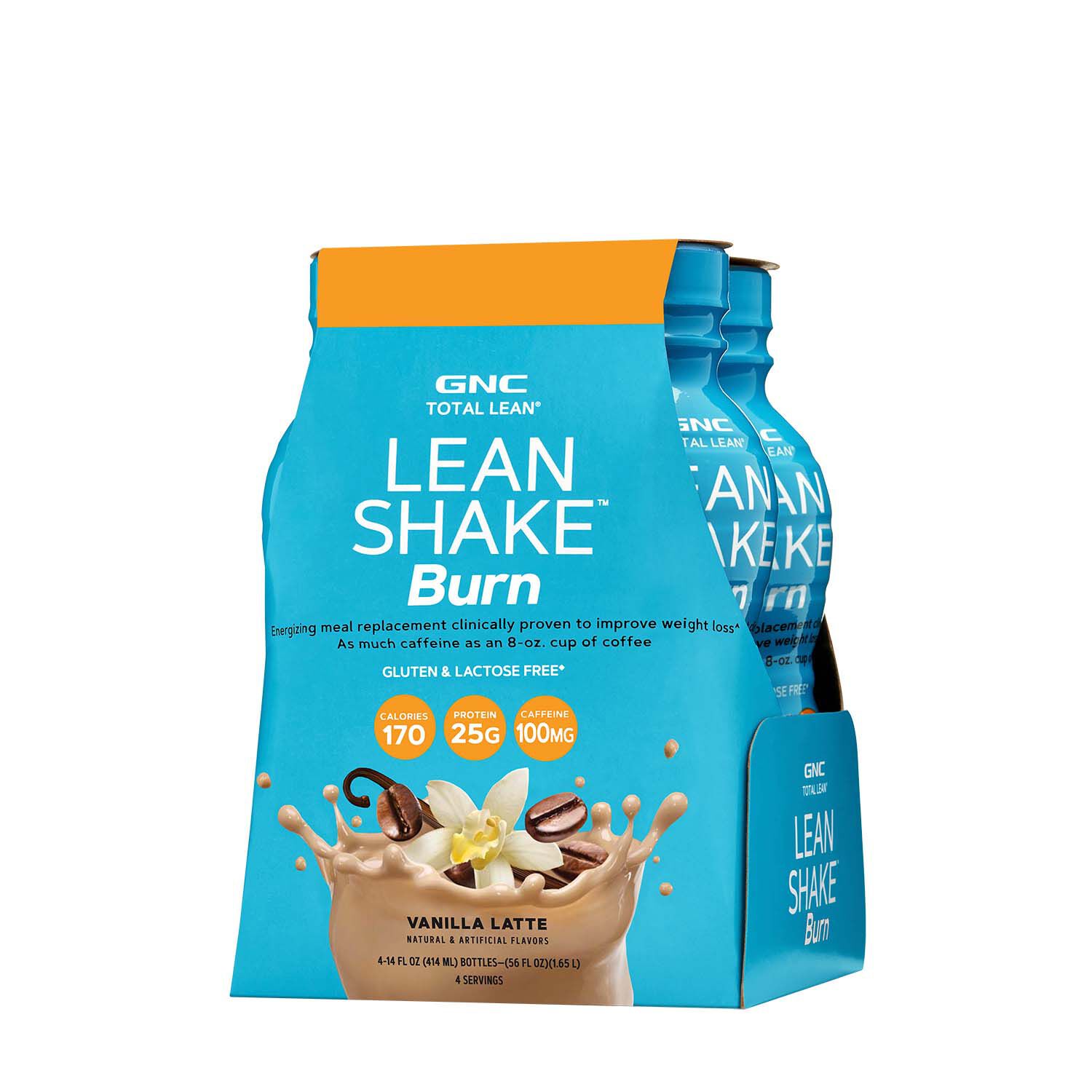
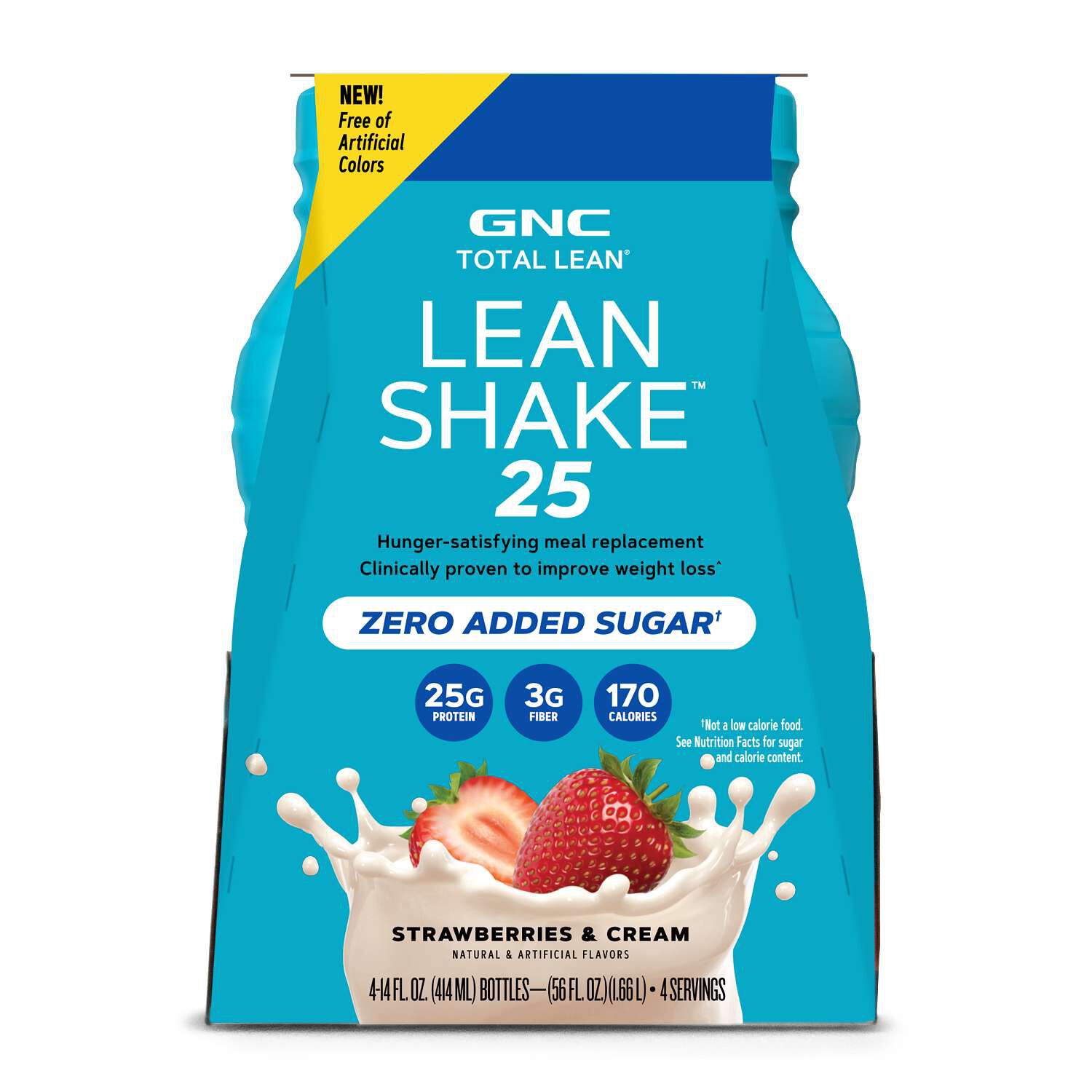
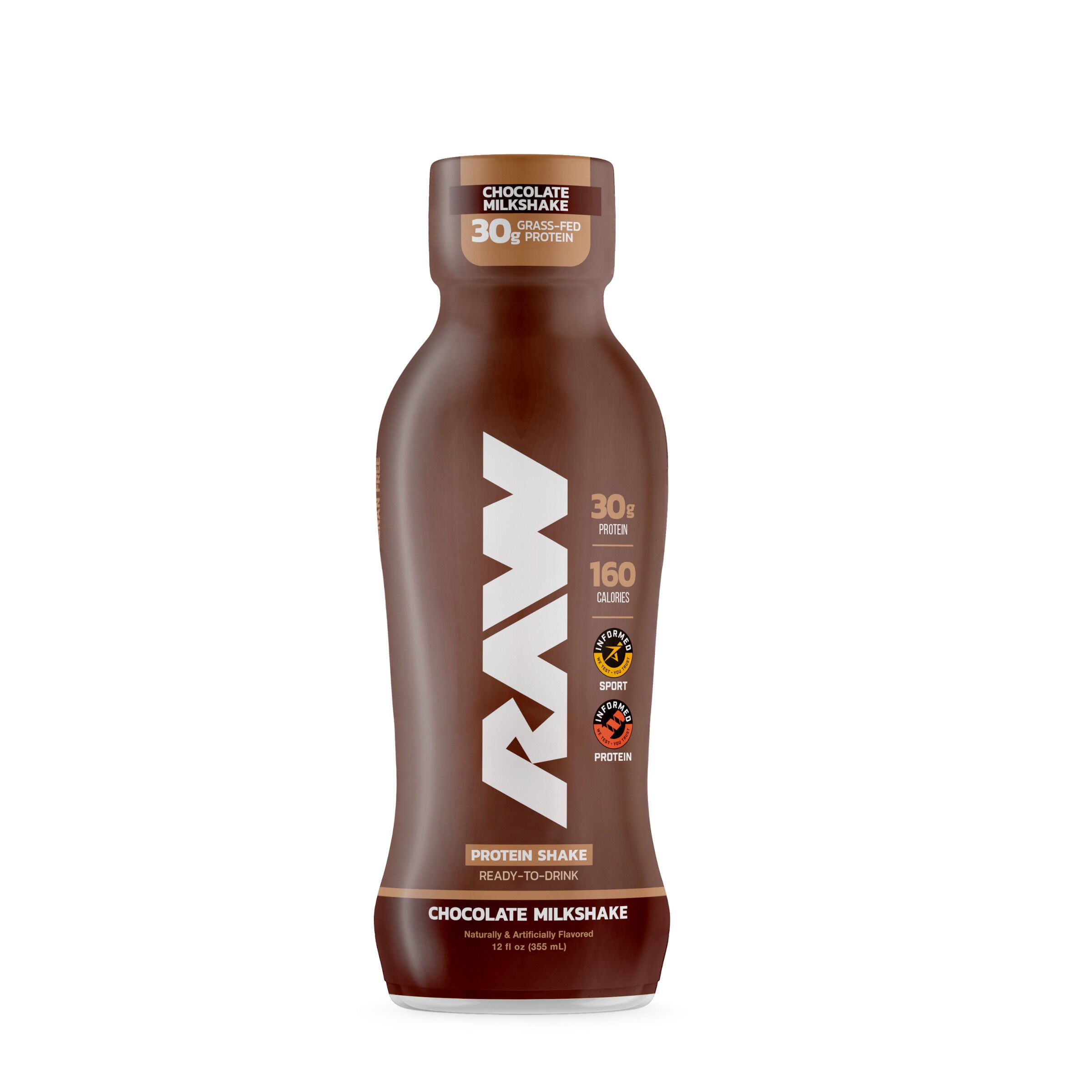

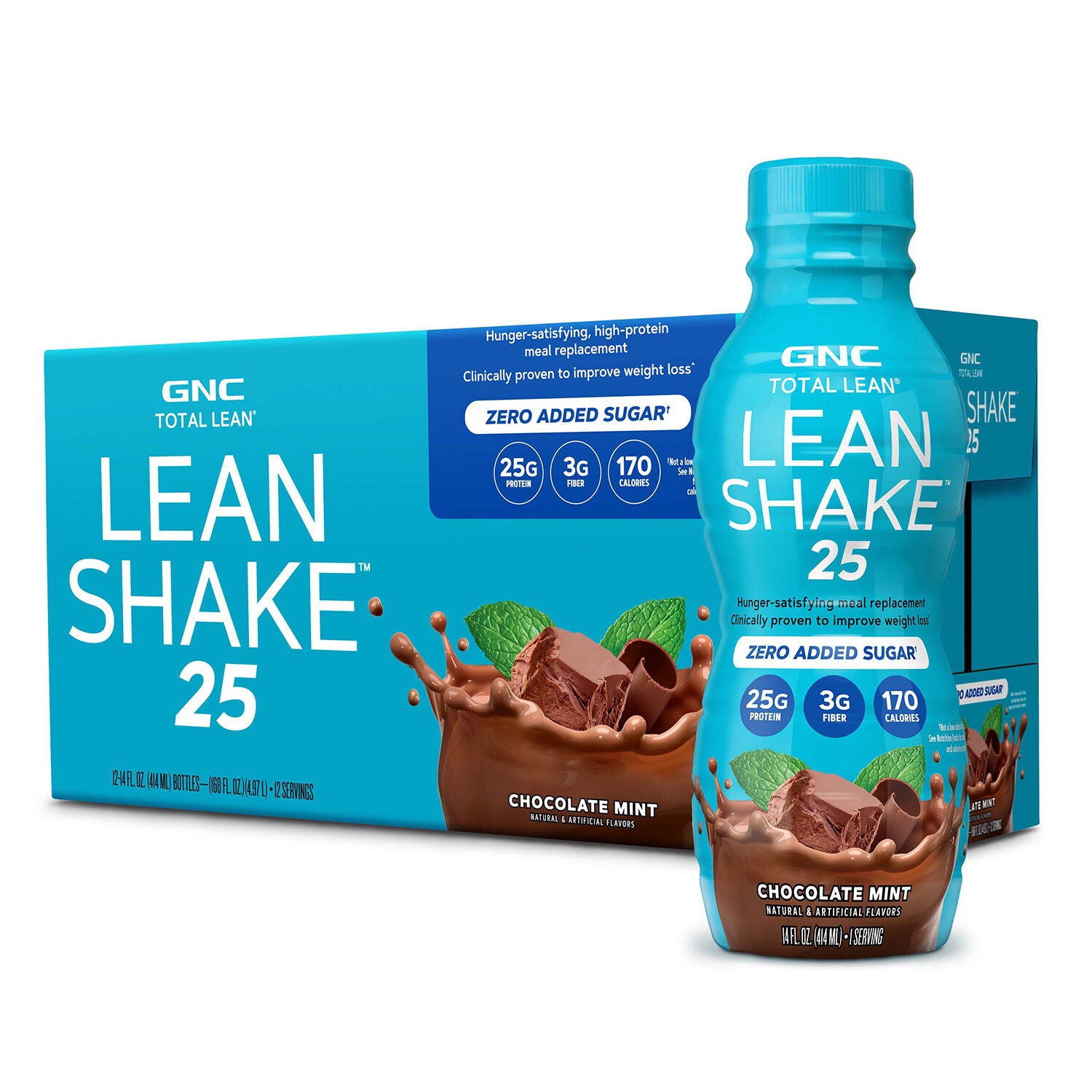

Nutrition shakes for adults include ready-to-drink beverages and mixable powders with different combinations of protein, carbohydrates, fats, vitamins, and minerals. Their intended uses range from a drink alongside breakfast to a protein-focused snack between meals or a meal-oriented option for a packed schedule. The distinction between a protein shake and a nutrition shake is less about the bottle’s appearance than the formula inside it. Protein-focused shakes often contain around 15 to 30 grams of protein per serving, although amounts vary, and some emphasize protein without much carbohydrate or fat. That protein amount alone does not establish whether a drink is intended to replace a meal. Products described as Nutritionally Balanced Meal Shakes generally include a broader combination of macronutrients, often with added vitamins and minerals. Calorie content, fiber, serving size, and preparation directions also distinguish one type of formula from another. A smaller serving intended as a snack is different from a larger serving designed for use at mealtime, even when both feature similar flavors. For an adult heading into back-to-back meetings, a ready-to-drink shake may be a convenient addition to a packed lunch. Someone with a regular exercise routine might prefer a protein-focused drink as part of a planned snack, while another person may want a formula intended for an occasional meal away from home. These are different uses rather than interchangeable reasons to select the highest protein number on a label. Nutrition Facts panels make those distinctions more concrete by listing the amount of each nutrient in a stated serving. With powders, the panel may describe the dry powder alone or include a separate column for the prepared drink. Milk, plant-based beverages, fruit, and other additions change what goes into the glass, so the preparation method belongs in any comparison. The most relevant format is one that matches the intended occasion, food preferences, and the rest of the day’s meals.
Ingredients and texture give adult nutrition shakes much of their character. Milk-derived protein sources include whey and casein, while plant-based formulas may use soy, pea, rice, or a combination of plant proteins. Some blends combine several protein sources; others keep the ingredient list centered on one. For adults who avoid particular ingredients, the ingredient list and allergen statement offer more detail than a flavor name or package color. A plant-based description, for example, does not establish that a formula excludes every ingredient someone may wish to avoid. Milk ingredients and lactose also deserve separate attention because those terms describe different things. Nutrition labels identify sugars and added sugars, while ingredient lists identify sweeteners, oils, fiber sources, and ingredients used for texture. A lower amount of added sugar does not necessarily mean a less sweet drink, since formulas use different sweetening approaches. Flavor preferences matter just as much in everyday use: chocolate may suit someone who enjoys a cocoa-forward drink, while vanilla may work with fruit or a spoonful of nut butter. Coffee-inspired flavors sometimes include caffeine, making that another label detail relevant to the intended drinking occasion. Texture may range from light and easy to sip to thick and creamy, depending on the formula and preparation. Powder mixed with water may taste different from the same serving mixed with milk or a plant-based beverage. A blender offers room for additions such as banana, oats, or yogurt, while a shaker bottle is a simpler preparation format for a desk drawer or gym bag. Those additions also contribute their own calories and nutrients rather than leaving the original serving unchanged. Serving volume is another practical consideration: a compact drink and a large blended shake occupy different places in a routine. Familiar flavors, a preferred consistency, and a manageable portion may matter more for regular enjoyment than an unusually long list of ingredients.
Packaging, storage, and preparation help distinguish nutrition shakes for adults beyond their nutrient profiles. Ready-to-drink bottles and cartons require no measuring or mixing, which may make them convenient for commuting, travel, or a lunch break away from a kitchen. Powders involve an extra preparation step but allow the serving to be mixed according to package directions with a preferred permitted liquid. Individual powder packets suit a different carrying setup than a larger container kept at home, especially when access to a scoop or measuring tools is limited. For reusable shaker bottles, a secure lid, clearly marked measurements, and parts that are straightforward to wash are useful design details. Durable containers intended for repeated use are distinct from disposable beverage packaging, which should be handled according to its labeling. Storage instructions vary: some unopened drinks are labeled for pantry storage, while others require refrigeration. Once a container is opened or a powder is prepared, the package directions specify appropriate handling and storage. Powder containers also have their own closure and moisture precautions, and the scoop’s serving measurement matters when preparing a drink. These details are particularly relevant when a shake travels in a work bag or remains at a desk for part of the day. A beverage carried beside a sandwich has a different role from a powder blended at home with fruit and yogurt, even if both begin with similar protein content. Adults with active schedules, people who prefer drinkable snacks, and those who enjoy a consistent breakfast accompaniment may all find a place for this category in their routines. Older adults may also value an easy-to-open container or a portion size that fits their preferences, without needing a formula selected solely by age. Across these situations, nutrition shakes are best understood through their labeled purpose, ingredients, preparation requirements, and serving size. Those details connect the contents of the package to the everyday occasion, whether that is a midafternoon snack, a drink alongside food, or a meal-oriented format for a day away from home.
Best Sellers


Related Pages


Top Collections
- GLP 1 Support For Adults
- Supplements For Yoga Joint Flexibility
- Supplements For Balance
- Joint Mobility Supplement Packs
- Zinc Supplements | Top Brands at Great Prices | GNC
- Capsule Supplements For Energy And Stamina
- Supplements For Anxiety Relief Support
- Chronic Fatigue Supplements
- Zinc Supplements For Men
- Iron Supplements