





Omega 3 2000mg Supplements
(0 Results)
Omega-3 fatty acids are essential nutrients that play a crucial role in supporting overall health and well-being. Our Omega-3 supplement provides a potent dose of EPA and DHA, with each softgel containing a high concentration of these beneficial fatty acids. Sourced from premium fish oil, our Omega-3 supplement is molecularly distilled to ensure purity and potency, giving you peace of mind knowing you're getting a high-quality product. Incorporating Omega-3 into your daily routine can help support heart health, brain function, and joint flexibility, making it a valuable addition to your wellness regimen.


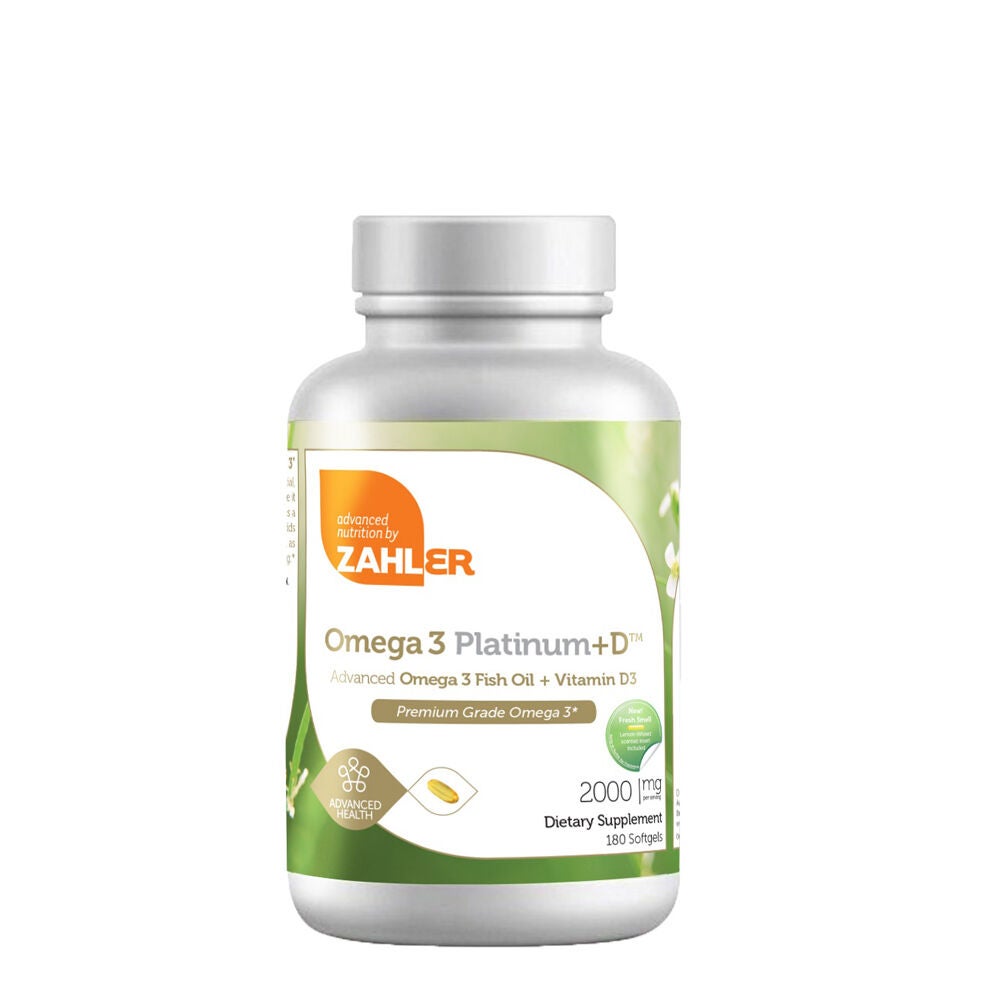
Omega-3 2,000 mg supplements cover a range of formulas, and the number on the front label does not always describe the same thing. A 2,000 mg serving can refer to the weight of fish oil, while the amount of omega-3 fatty acids within that oil is listed separately. Some formulas instead highlight the omega-3 amount itself, making the wording beside the number important. EPA, short for eicosapentaenoic acid, and DHA, short for docosahexaenoic acid, are two omega-3 fatty acids commonly identified on fish oil labels. Their individual amounts provide a clearer comparison than fish oil weight alone. For example, a serving containing 2,000 mg of fish oil, 800 mg of EPA, and 600 mg of DHA supplies 1,400 mg of EPA and DHA combined, not 2,000 mg of those two fatty acids. Other omega-3 fatty acids may appear in the label breakdown as well. The remaining oil can contain other types of fatty acids, so the difference between fish oil weight and EPA plus DHA is not automatically a measure of added ingredients. Serving size is another part of that comparison: 2,000 mg per serving does not necessarily mean 2,000 mg in one softgel. A serving consisting of two softgels divides the stated serving amount across both capsules. These details distinguish a concentrated formula from one that uses a larger quantity of oil to provide a similar EPA and DHA amount. Ratios also vary, with some formulas containing more EPA than DHA and others giving DHA a larger share. Neither the ratio nor the front-label number tells the whole story about ingredients, capsule size, or intended use. Within this category, the Supplement Facts panel, serving directions, and ingredient list describe different aspects of the same formula. Together, they provide a more accurate picture of what the 2,000 mg designation represents and how one serving is packaged.
Oil source and capsule construction give omega-3 supplements another set of differences beyond the milligram amount. Fish-derived oils and algae-derived oils have distinct sourcing, and their EPA and DHA profiles depend on the formula. An algae-derived oil does not automatically establish that the entire supplement meets a vegetarian or vegan preference; the capsule shell and other ingredients matter, too. Softgel shells can contain gelatin, glycerin, water, and additional ingredients used in their construction. Fish sourcing information, gelatin origin, and allergen statements belong alongside the nutrient amounts when dietary preferences are part of the purchase. For someone who avoids fish ingredients or animal-derived gelatin, those details are more informative than a general reference to omega-3s on the front of the bottle. Physical format also shapes the everyday experience. Softgels have a smooth outer shell and enclose a measured amount of oil, but their length, width, and serving count differ. A concentrated oil may allow a formula to provide its labeled omega-3 amount in fewer capsules, although concentration alone does not establish capsule size. Flavoring, coating, and added ingredients are separate considerations. Citrus flavoring may change the taste or aroma, while coatings are described through the manufacturer's labeling rather than the milligram designation. Some formulas identify triglyceride or ethyl ester forms; these terms describe the chemical form of the oil, not the amount of EPA or DHA in a serving. They are not interchangeable with concentration, source, or capsule count. Quality documentation adds another dimension to the comparison. When independent testing information is supplied, it may address ingredient identity, measured omega-3 content, oxidation, or contaminants such as heavy metals. A named testing organization, a stated testing standard, or a report connected to a batch provides more specific information than broad quality language alone. Testing claims also differ in scope, so a statement about omega-3 content should not be read as a statement about every other aspect of the formula.
For adults considering omega-3 2,000 mg supplements as part of an established eating routine, practical fit often comes down to the labeled serving, the capsule format, and the ingredients they prefer. These products are intended to supplement dietary intake rather than replace meals or the variety of nutrients found in foods. Someone who regularly eats seafood may approach the category differently from someone whose meals seldom include fish, while a person choosing plant-derived ingredients may focus first on oil source and capsule materials. The relevant comparison remains the formula as labeled, not an assumption that every bottle carrying a 2,000 mg designation contains the same serving. A bottle on a breakfast shelf, for example, needs to fit the user's routine through its directions and packaging, not merely through a large number on the front. Bottle count and serving count are different measurements, and a multi-softgel serving means the number of labeled servings is smaller than the capsule count. Shoppers comparing this designation with other everyday serving formats can also explore Omega 3 Daily Supplements. Storage and handling deserve similar attention because oils and softgel shells have their own care requirements. The manufacturer's directions describe appropriate storage, including any instructions about refrigeration, light, or moisture. Keeping the container securely closed and retaining its original label preserves access to the ingredient list, serving directions, expiration date, and batch information. For travel or a crowded kitchen cabinet, the bottle's closure and readable labeling are practical details worth considering alongside capsule size. Any outer coating, added flavoring, or additional nutrient should remain part of the comparison rather than being treated as an incidental feature. A well-understood omega-3 formula is defined by its source, EPA and DHA amounts, serving format, ingredient composition, and documented quality—not by the 2,000 mg number alone.
Best Sellers
-
 Nordic Naturals
-
 Nordic Naturals
-
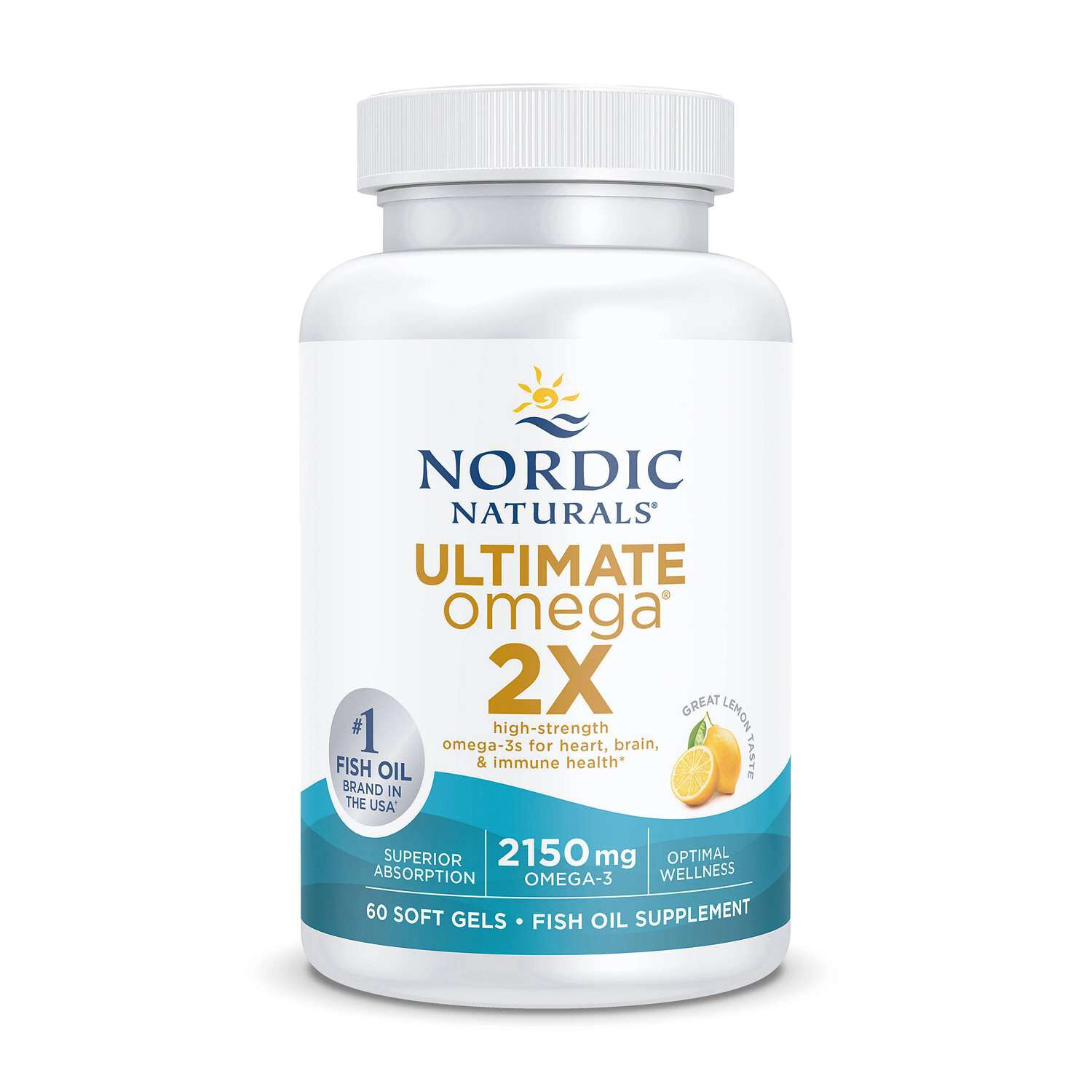 Nordic Naturals
Top Collections
- Joint Mobility Supplement Packs
- Daily Collagen Supplements | Top Brands & Deals | GNC
- GLP 1 Support For Adults
- Zinc Supplements | Top Brands at Great Prices | GNC
- Supplements For Yoga Joint Flexibility
- Supplements For Balance
- Capsule Supplements For Energy And Stamina
- Adult Mobility Supplements
- Chronic Fatigue Supplements
- Vitamins For Hair Loss