Natural Mushroom Blend Supplements
(0 Results)
Natural mushroom blend supplements offer a convenient way to incorporate a variety of mushrooms into your daily routine. These blends often feature carefully selected mushrooms that are prized for their traditional wellness uses. Whether you’re looking to support overall vitality or simply curious about the benefits of functional mushrooms, natural mushroom blend supplements could be a great addition to your supplement regimen. Explore options that fit your lifestyle and wellness goals.
-
-

-

-
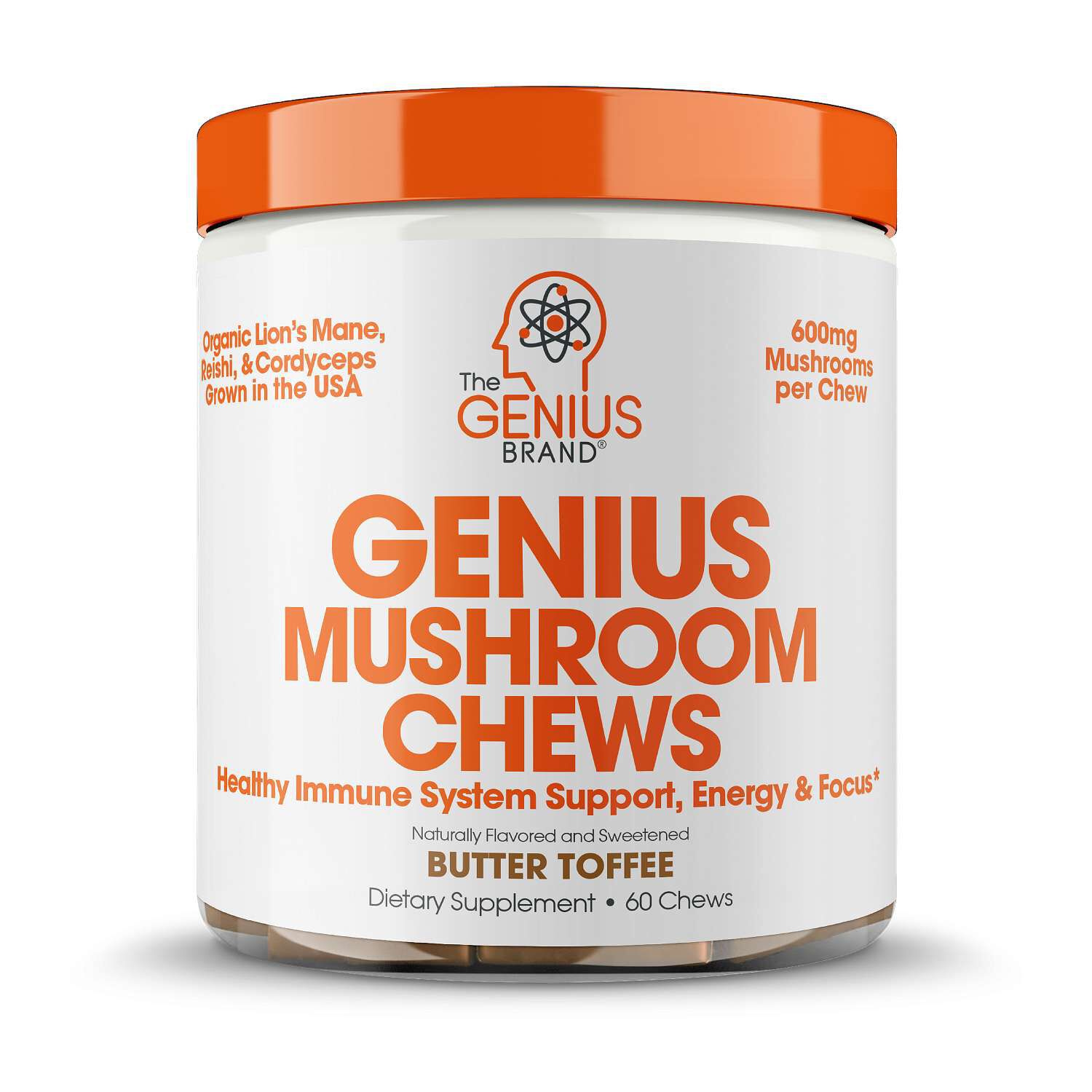 The Genius Brand$29.99
-
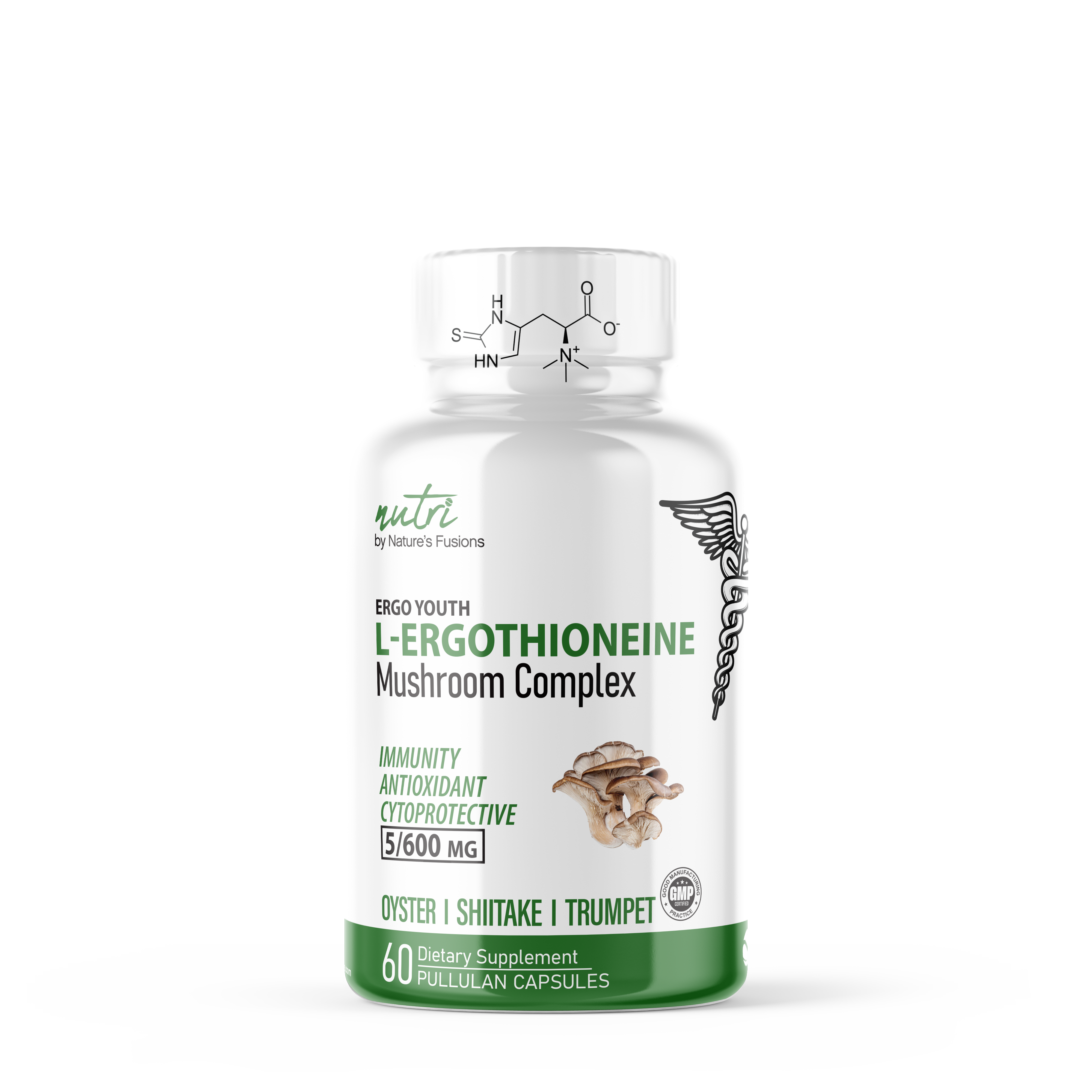 Nature's Fusions$32.99
-

-
-
 NDS Nutrition$49.99
-

-

-

-
 $24.99
-
 $27.99
-

-

-

-

-

-
-

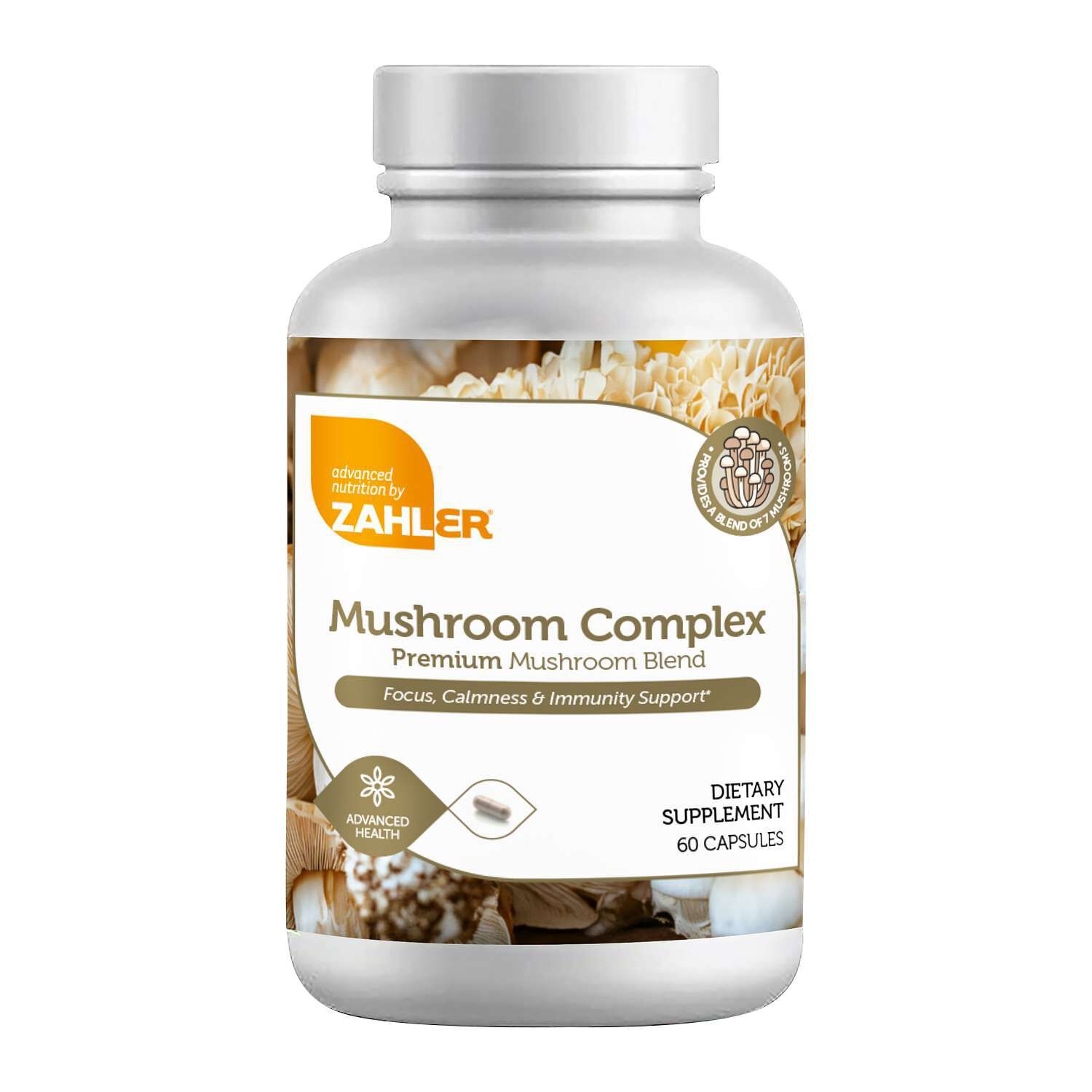
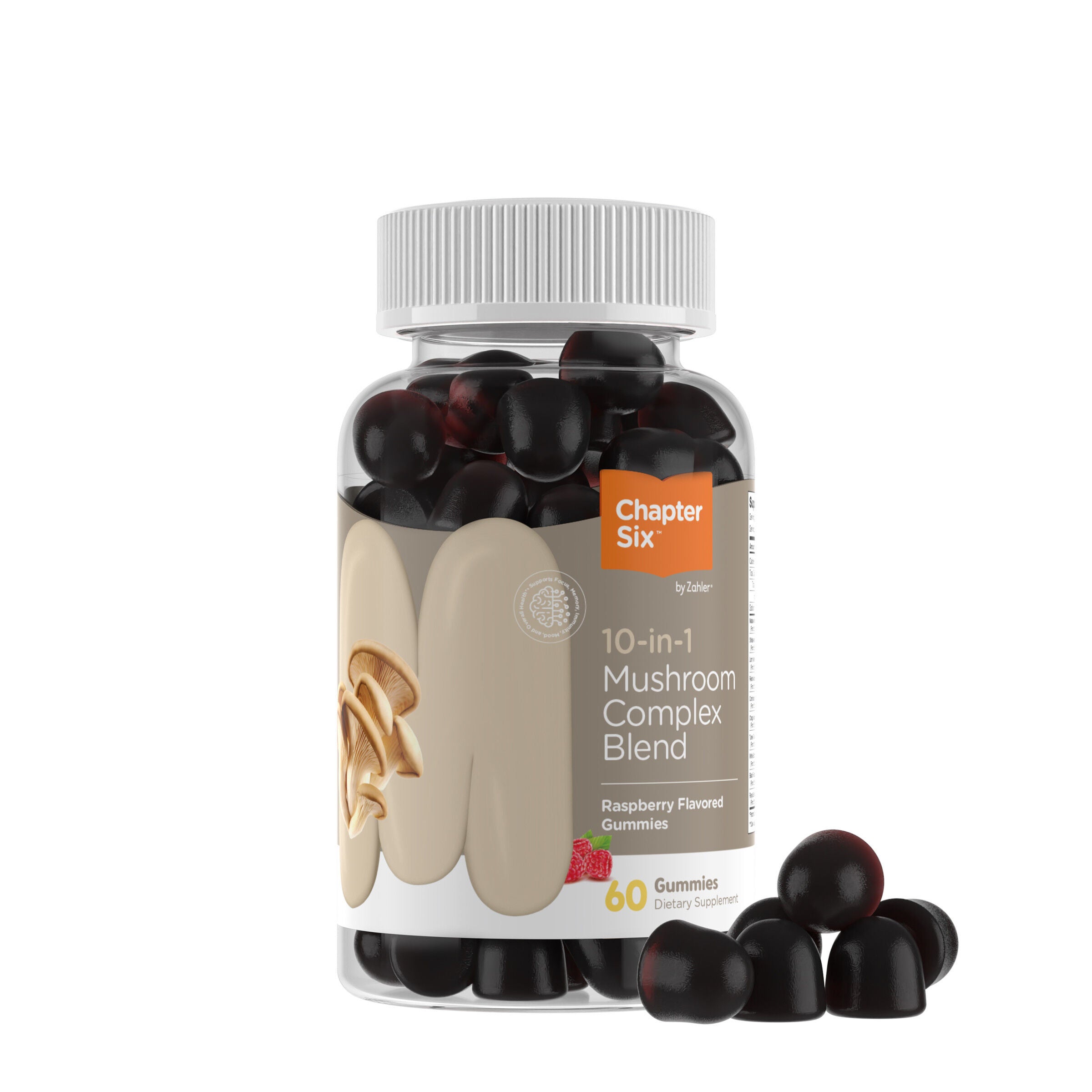

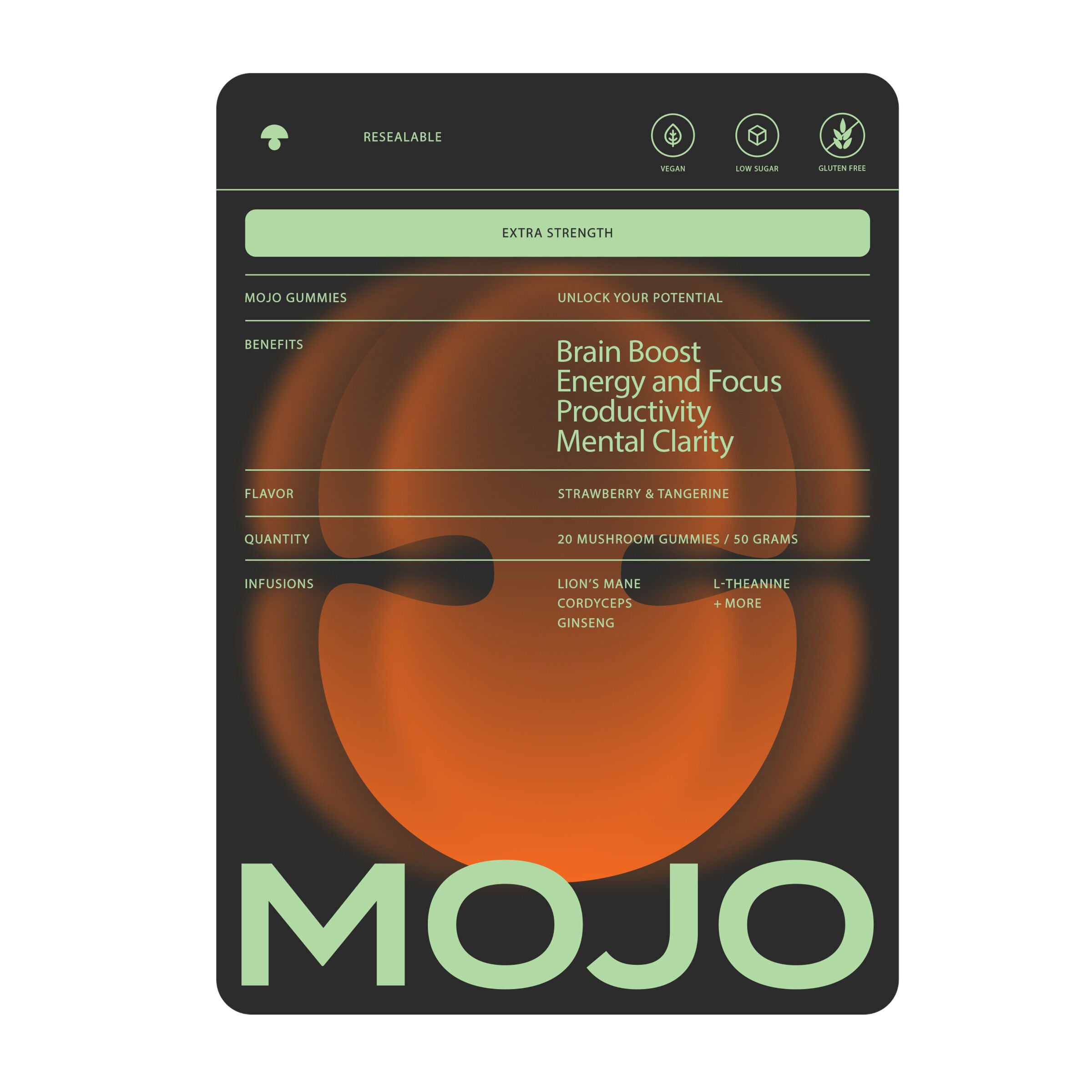
Natural mushroom blend supplements combine two or more mushroom ingredients in a single formula, often featuring lion’s mane, reishi, cordyceps, chaga, or turkey tail. Common formats include capsules, powders, and liquids, with each offering a different way to incorporate mushroom ingredients into an everyday routine. The defining feature is the combination: rather than focusing on one mushroom variety, a blend brings several together in proportions established by the formula. Those proportions matter when comparing labels, since a blend with five mushroom ingredients is not necessarily similar to another formula with the same five names. One may list an amount for each ingredient, while another may state one amount for the combined mixture. Mushroom materials can also differ. The fruiting body is the recognizable structure associated with many mushrooms, while mycelium is the branching network through which a fungus grows. Labels may identify fruiting bodies, mycelium, extracts, or a combination of these materials. Some mycelium ingredients are cultivated on grain, making information about the growing medium useful for understanding what a formula contains. Mushroom powder and mushroom extract are not interchangeable descriptions, either. A powder may consist of dried, milled material, while an extract involves processing selected constituents from that material. Extraction methods can include water or alcohol, depending on the ingredient and the intended composition. An extraction ratio describes the relationship between starting material and resulting extract, but it does not, by itself, establish how two finished supplements compare. Some labels also identify beta-glucans, a group of naturally occurring polysaccharides found in fungal cell walls. These details provide context about composition without making every blend equivalent. For adults interested in mushroom-based supplements, the most useful starting point is a readable ingredient panel that identifies the mushroom varieties, the form of each ingredient, and the amount supplied in a labeled serving. The word “natural” alone does not explain those details, so the surrounding label information deserves just as much attention as the name on the front.
Choosing a format is largely a matter of taste, preparation, and how a supplement might fit into daily life. Capsules may appeal to someone who prefers a measured serving without stirring mushroom powder into a drink or meal. Capsule size, the number included in a serving, and the capsule shell material are practical details to compare, particularly for someone who already has a preferred supplement format. Powders offer a different experience: depending on the formula, they may add earthy, woody, or mildly bitter notes to familiar foods and beverages. A serving stirred into oatmeal may be less noticeable than the same powder mixed with plain water, while a smoothie with banana, cocoa, or nut butter may accommodate a stronger mushroom flavor. Texture varies as well. Finely milled powders and extracts can behave differently when stirred, and preparation directions help clarify whether a formula is intended for mixing, blending, or another method. A powder that settles between sips is a different experience from one that mixes evenly, so taste and texture preferences are worth considering alongside the ingredient list. Liquid formats typically use a dropper or another measuring method; the serving instructions identify how the amount should be measured. Gummies and chewable formats have their own considerations, including sweeteners, flavorings, and serving count. The mushroom ingredients are only part of the formula, and other components can influence whether a particular format suits someone’s preferences. Vegetarian or vegan labeling may be relevant when reviewing capsule shells, gummies, and other added ingredients. A mushroom-based formula can still contain ingredients from other sources. Some blends also pair mushrooms with coffee, cacao, vitamins, or botanical ingredients, making the entire ingredient panel more informative than the mushroom list alone. For someone who enjoys preparing a morning drink, a powder may feel like a natural fit; for someone who prefers keeping preparation separate from meals, capsules may be more convenient. Neither format should be assumed to provide the same mushroom amounts as another simply because the names look similar.
Storage, packaging, and clear directions also contribute to a practical choice among natural mushroom blend supplements. A securely closed container helps protect powders from moisture and keeps capsules organized in their original packaging. Follow the storage conditions printed on the label, and consider where the container will actually live: beside a kettle, near a sink, or in a humid bathroom may present different conditions from a dry cabinet. Keeping the original label with the supplement preserves access to the ingredient list, serving instructions, lot information, and any date printed on the package. For powders, a dry measuring utensil and a clean container opening are straightforward care considerations. For liquids, the package directions may include instructions about shaking or storage after opening. The number of servings per container is another useful distinction from the weight or capsule count displayed on the front, especially when comparing formats with different serving sizes. Information about ingredient sourcing and testing can provide additional context, but broad testing language is most useful when it explains what was evaluated and who performed the evaluation. Similarly, a longer mushroom list does not automatically make a formula a better match for someone’s preferences. A clearly described blend with familiar ingredients may be easier to evaluate than a formula with many components and little detail about individual amounts. The related Superfood Mushroom Blends collection offers another way to explore mushroom combinations and formats. These supplements may interest adults who already enjoy mushroom ingredients, prefer botanical-style supplement routines, or want a format that fits their existing habits. When considering a supplement as a gift, knowing the recipient’s preferred format and dietary preferences is more useful than choosing by packaging alone. A thoughtful comparison comes back to tangible details: which mushrooms are included, how they are prepared, what else is in the formula, how a serving is measured, and how the container needs to be stored. Those details help distinguish mushroom blends that might otherwise look alike at a glance.