Organic Superfood Drink Mixes
(0 Results)
Organic superfood drink mixes offer a convenient way to enjoy a blend of nutrient-rich ingredients in your daily routine. With a variety of flavors and ingredient combinations, these mixes may fit seamlessly into smoothies, shakes, or simply mixed with water. Whether you’re looking to support your wellness journey or add more plant-based options to your diet, organic superfood drink mixes could be a versatile addition to your pantry. Explore the selection and discover how these blends might complement your lifestyle goals.
-
-
-
-
-

-

-
-
-
$29.99
-
-
$29.99
-
 Divine Health$44.99
-

-
-

-

-

-

-
-
 $32.99
-

-

-


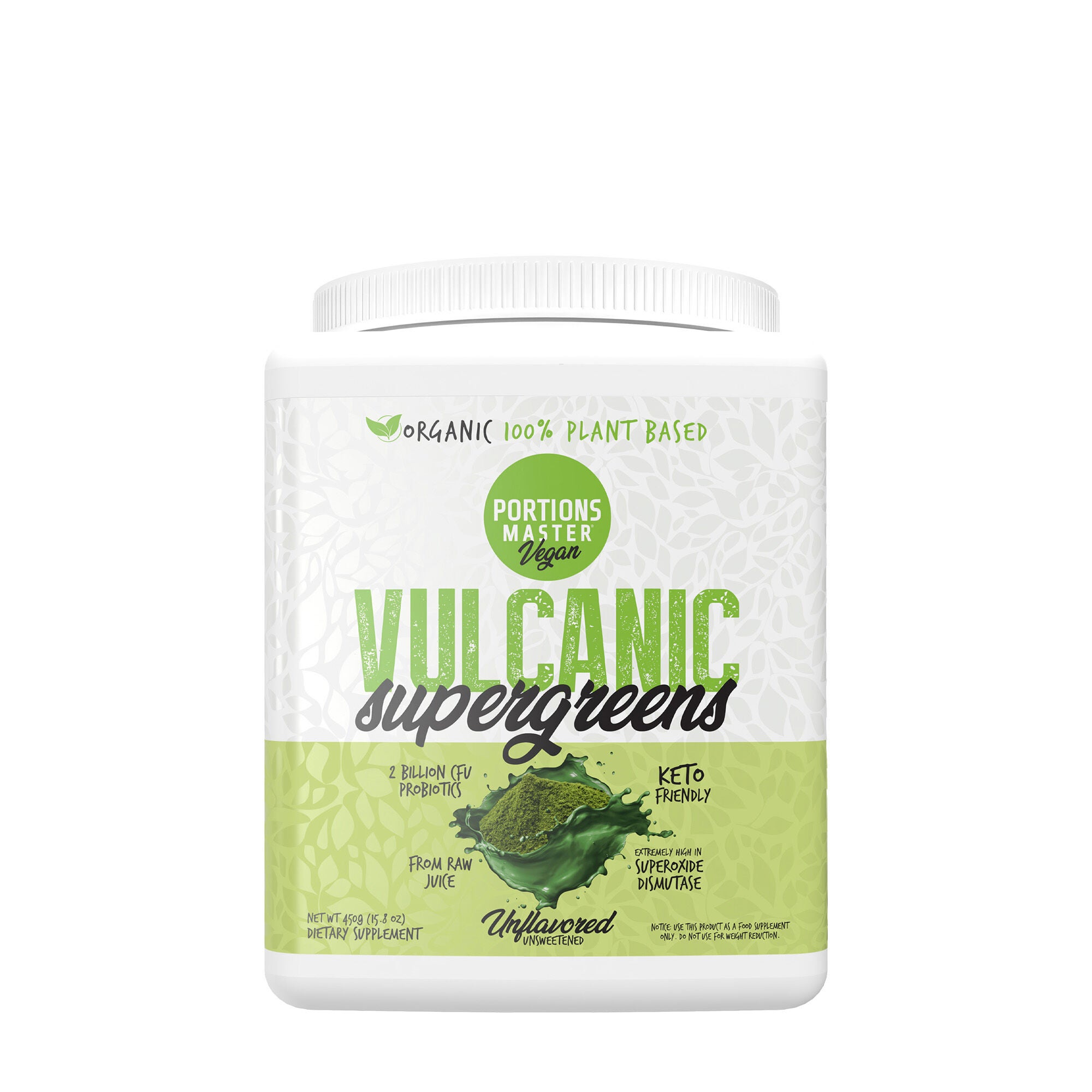
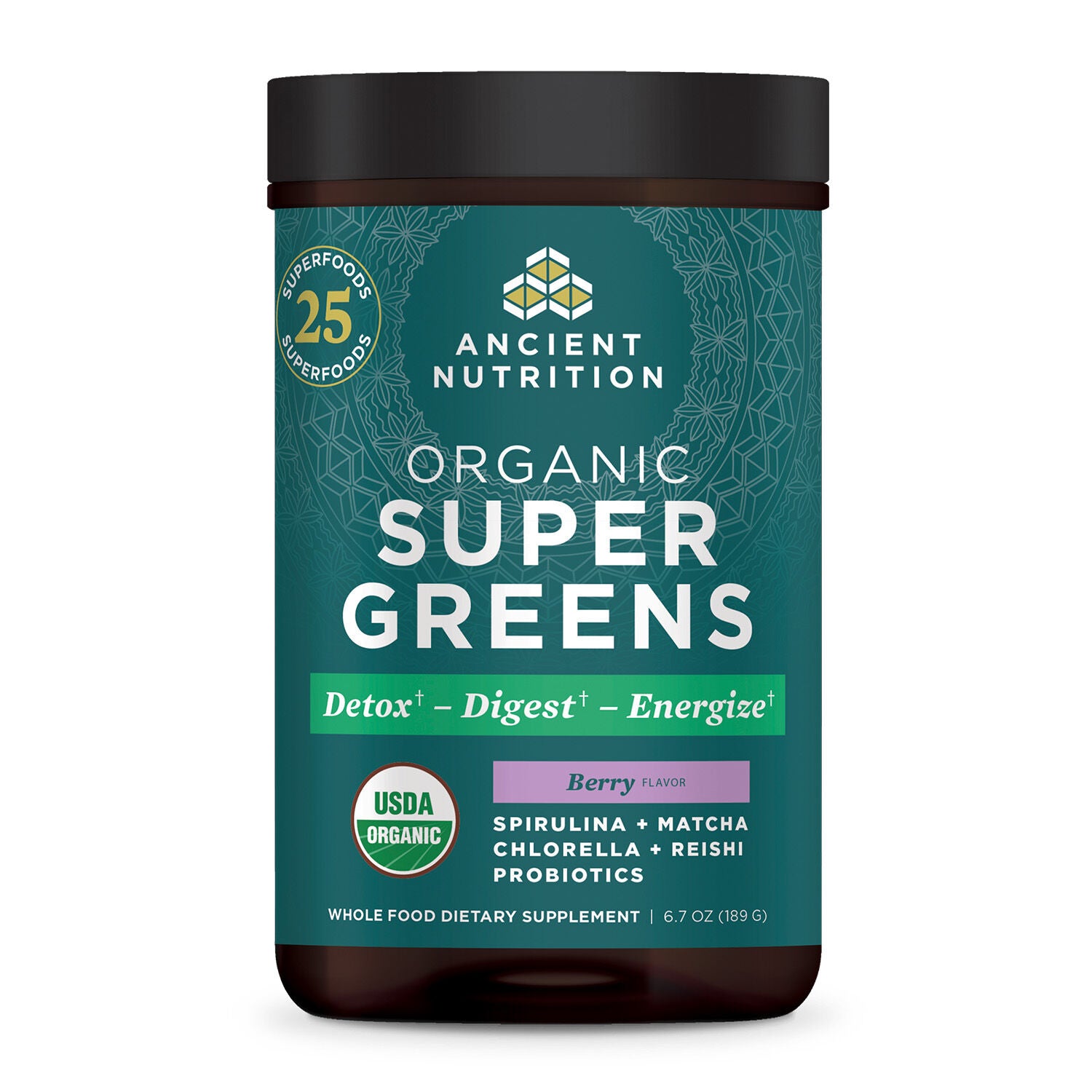
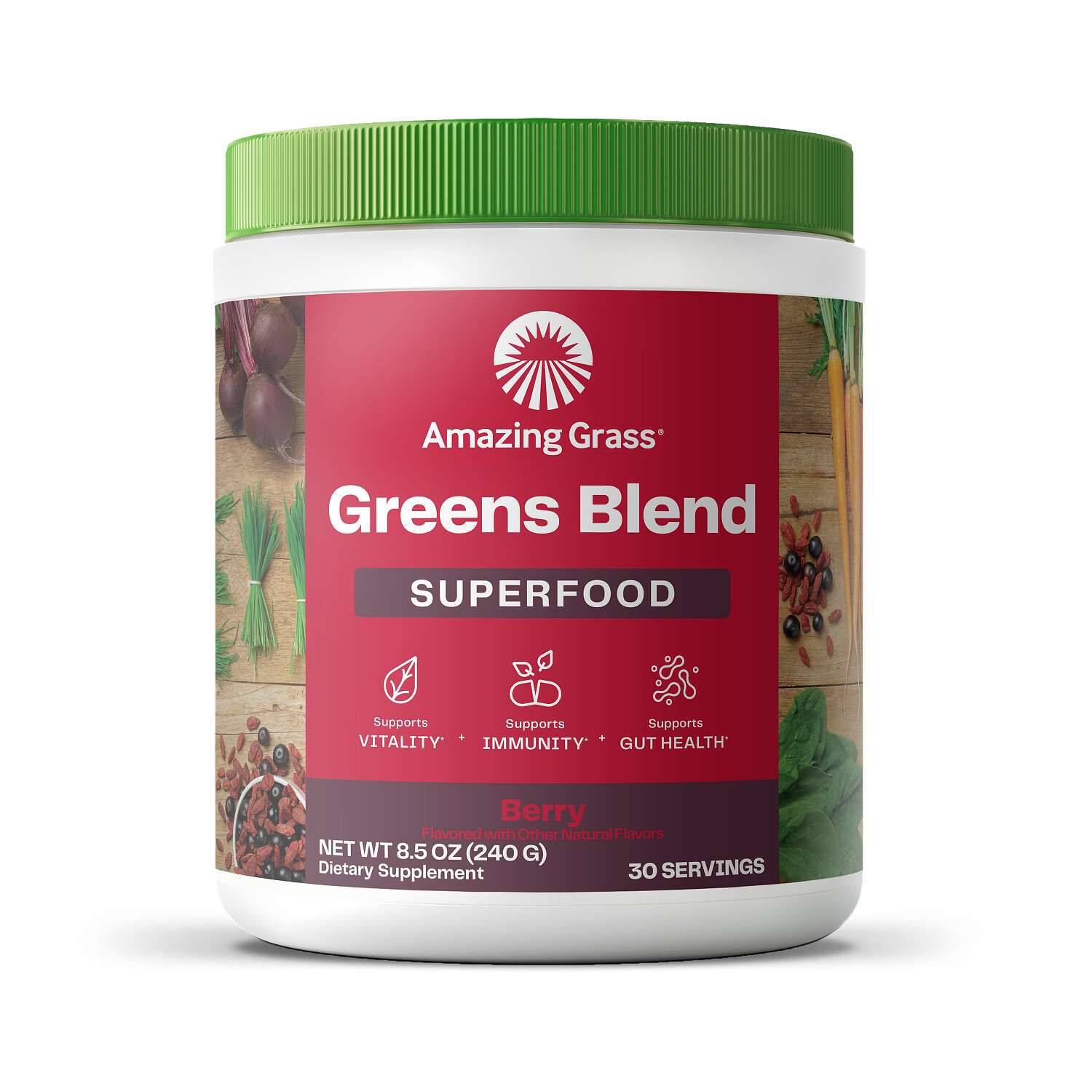
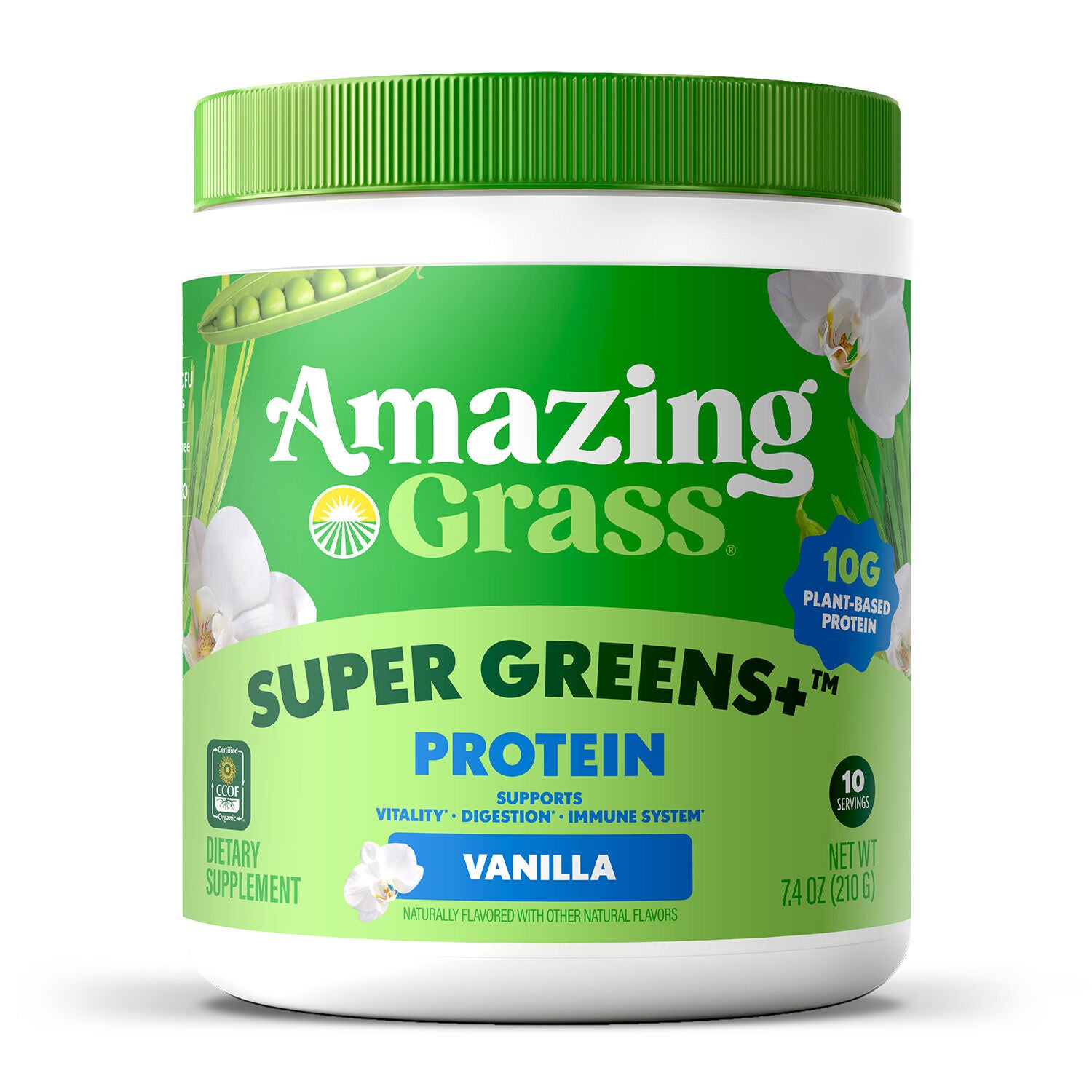
Organic superfood drink mixes are powdered blends made for mixing into water, milk, plant-based beverages, or smoothies. Ingredients vary by formula, with combinations that may include leafy greens, fruit powders, vegetable powders, grasses, seeds, and other plant ingredients. Some blends focus on greens such as spinach and kale, while others bring together berries, beetroot, cacao, or a wider assortment of ingredients. The word “superfood” describes a broad product category rather than a single ingredient or a uniform nutritional standard. A greens-focused blend and a fruit-forward powder can have very different serving sizes, flavors, and nutrition information, even when both are described as organic superfood drink mixes. These products may contain vitamins, minerals, and naturally occurring antioxidant compounds from their ingredients, but the amounts depend on the formula and processing methods. Nutrition Facts or Supplement Facts panels offer more useful detail than a long list of plants alone. Organic labeling relates to agricultural production and handling requirements; it does not establish that one powder has more nutrients than another. For shoppers who value organic sourcing, a USDA Organic seal and the certification information on the package are relevant details to review. Ingredient lists also distinguish a simple blend of plant powders from a formula with added vitamins, protein, fiber, sweeteners, or flavorings. A serving of concentrated powder is not nutritionally identical to a serving of fresh produce, and these mixes fit alongside varied meals rather than standing in for them. Someone who already enjoys fruit smoothies might prefer a berry-based blend, while someone looking for a separate beverage might favor a powder intended for water. Matching the mix to an existing routine, a preferred flavor profile, and the information on its label gives the category a practical place in everyday shopping. The amount of each ingredient, where disclosed, matters as much as the number of ingredients named on the front of the container.
Flavor and texture are important parts of choosing a powder that suits its intended use. Greens and grasses may contribute earthy or grassy notes, while berry ingredients may bring tartness and cacao may add a more familiar cocoa character. Added flavors and sweeteners also shape a formula’s taste, so a fruit pictured on the package does not necessarily describe the entire drinking experience. Unsweetened blends appeal to shoppers who prefer to choose their own beverage ingredients, while sweetened formulas suit those who want a mix designed to drink with water. For a breakfast smoothie with banana, oats, and a preferred milk, a modestly flavored powder might fit more naturally than a strongly flavored blend. In a simple glass of water, the powder’s own taste and texture are more noticeable. Finely milled ingredients may disperse differently from powders containing more fibrous plant material, and some mixtures may settle after standing. Preparation directions help distinguish a formula intended for a shaker bottle from one better suited to a blender. The suggested amount of liquid is useful context, too: a small serving of powder mixed into a tall glass is a different drinking experience from a larger serving blended into a thicker smoothie. A shaker bottle may suit a desk-side beverage, while a blender may suit a mixture containing frozen fruit or nut butter. Mixing order and stirring time should follow the package directions rather than assumptions based on another powder. For shoppers who prefer a short preparation routine, serving size, the need for measuring, and the recommended mixing method deserve attention alongside ingredients. Those who enjoy experimenting with familiar foods might look for a flavor that fits several existing smoothie combinations. The most practical choice is not necessarily the blend with the longest ingredient list; it is the one whose composition, taste, and preparation requirements align with how it will actually be used.
Packaging, storage, and dietary preferences help narrow the differences between organic superfood drink mixes. Resealable pouches and containers are common formats, while individually portioned packets offer a different approach to measuring and carrying a serving. A container’s serving count is worth reading together with its stated serving size, particularly when comparing powders with different ingredient combinations. For someone making a drink at home, a scoop and a securely closing lid may fit comfortably into the kitchen routine. For someone preparing a beverage at work, a portioned packet might be easier to carry alongside a mixing bottle. Powder care is straightforward but specific to the package: storage directions, closure instructions, and date markings remain relevant after opening. A dry measuring utensil and a tightly closed package may help limit exposure to moisture, while the original container keeps ingredient and preparation information close at hand. Dietary details deserve the same attention as format. Plant ingredients alone do not establish that every formula suits every preference; blends may also contain milk-derived ingredients, soy, wheat, nuts, or other components. Statements about vegan suitability, gluten content, and manufacturing practices should come from the package rather than assumptions about the category name. Organic powders sit within the wider Superfood Drinks category, with differences in ingredients, flavor, and preparation style. Their intended use is generally a prepared beverage or an addition to a familiar smoothie, subject to each formula’s directions. As a gift, a mix is most thoughtful for an adult who already enjoys this kind of drink and whose ingredient preferences are known. A familiar flavor profile is often a more considerate starting point than an unusually complex formula. For personal use or gifting, clear labeling and a manageable preparation routine make comparison more grounded than broad claims on the front of a package.
Best Sellers
-
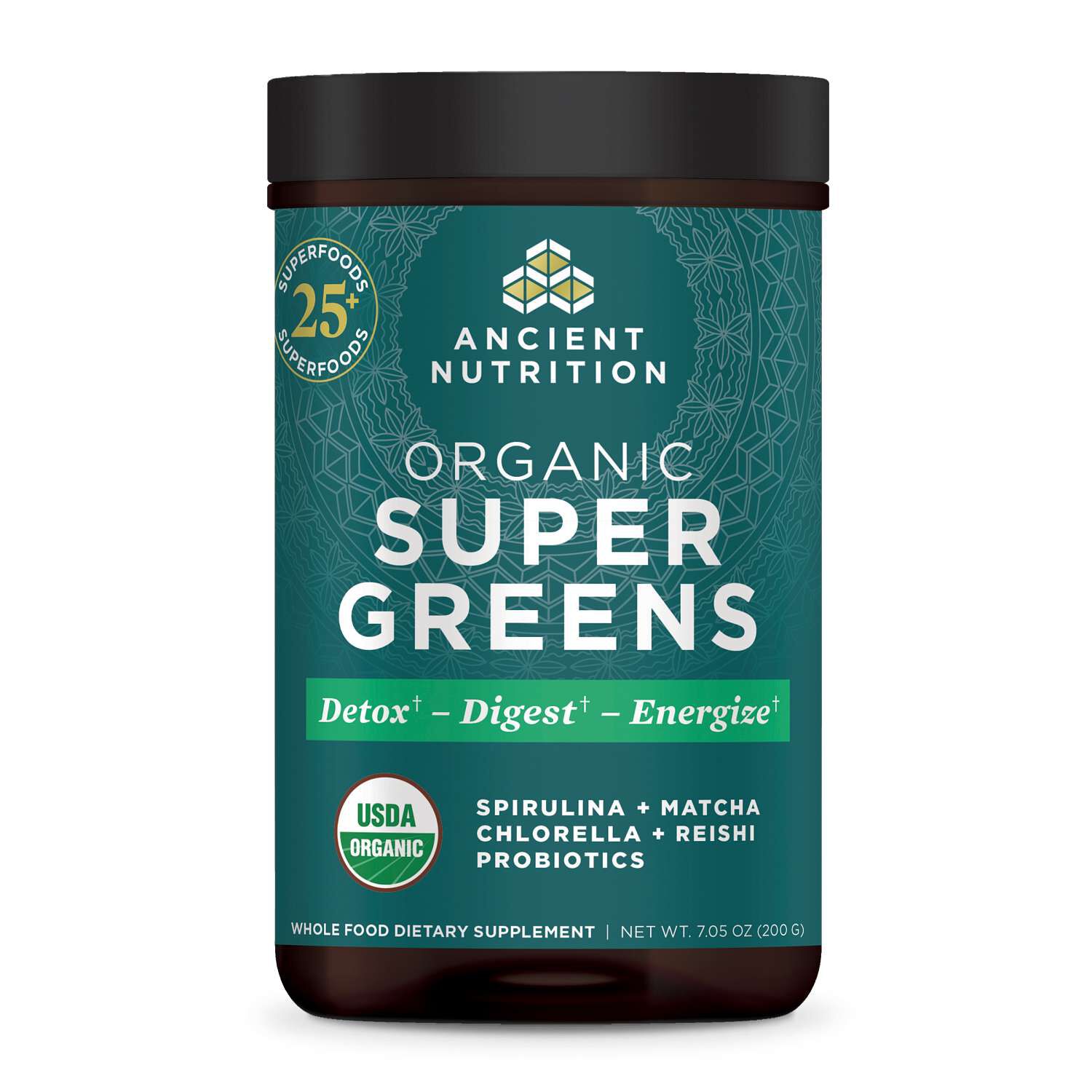
Ancient Nutrition
-
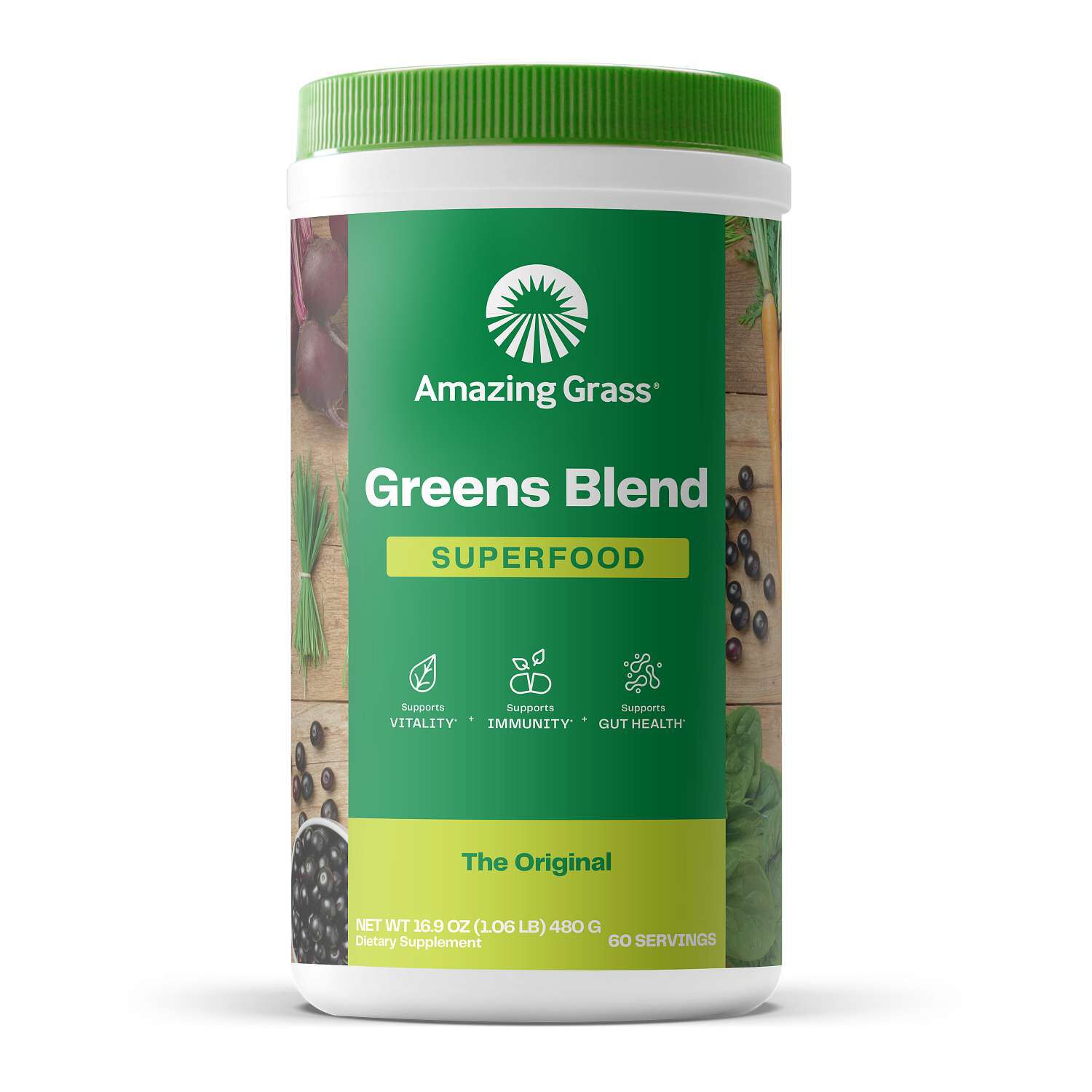
Amazing Grass