





Phytosome Supplements
(0 Results)
Phytosome supplements could revolutionize your wellness journey by enhancing the bioavailability of essential nutrients. These innovative formulas may ensure that your body absorbs and utilizes vitamins, minerals, and herbal extracts more effectively. Whether aiming to boost energy levels, support immune health, or promote overall vitality, phytosome technology might offer a superior solution. Discover how these advanced supplements could optimize your health regimen and unlock the full potential of nature's most powerful ingredients.
-

-

-
-
 57$54.99
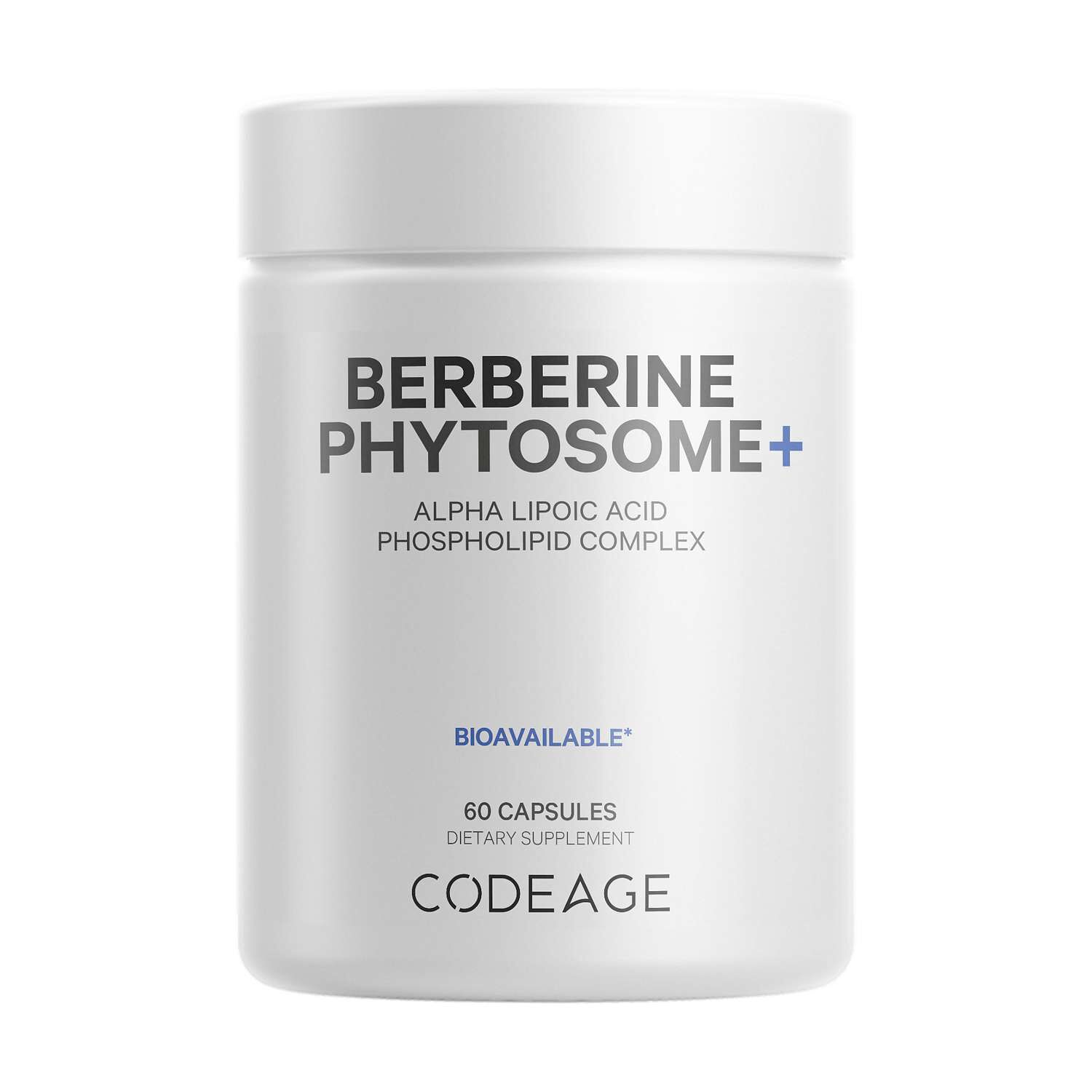
Phytosome supplements combine concentrated plant extracts with phospholipids, a class of fat-like compounds that includes phosphatidylcholine. The term describes an extract-and-phospholipid complex rather than a particular herb, vitamin, or mineral. Phospholipids have both water-attracting and fat-attracting regions; in a phytosome formulation, these molecules associate with selected compounds from a botanical extract. This arrangement may help the body absorb certain plant compounds compared with the corresponding extract taken on its own, although results can vary with the ingredient and formulation. Turmeric-derived curcumin, milk thistle, green tea, and grape seed are examples of botanical ingredients used in this type of formulation. The botanical component and the delivery format tell different parts of the story: one identifies the plant-derived ingredient, while the other describes how that ingredient is prepared. A turmeric extract capsule is therefore not necessarily a curcumin phytosome, and a formula containing lecithin alongside an herb is not necessarily an extract-phospholipid complex. Product descriptions and ingredient panels can help clarify that distinction. For shoppers who already prefer botanical supplements, phytosome formulas offer another format to consider alongside conventional extracts. Their intended place is within a dietary supplement routine, with the specific botanical, serving instructions, and other ingredients defining each formula. The delivery format alone does not establish the suitability of a supplement for every person or make different botanicals interchangeable. It also does not describe the amount of a plant compound in a serving. Two bottles with similar front-label wording can differ in extract composition, phospholipid source, capsule material, and the number of capsules per serving. Those details are often more useful for comparing formulas than the size of the bottle or the prominence of a botanical name. A clearly described formula keeps the plant source, extract composition, and phospholipid component recognizable as separate pieces of information, even though they are combined within the finished supplement.
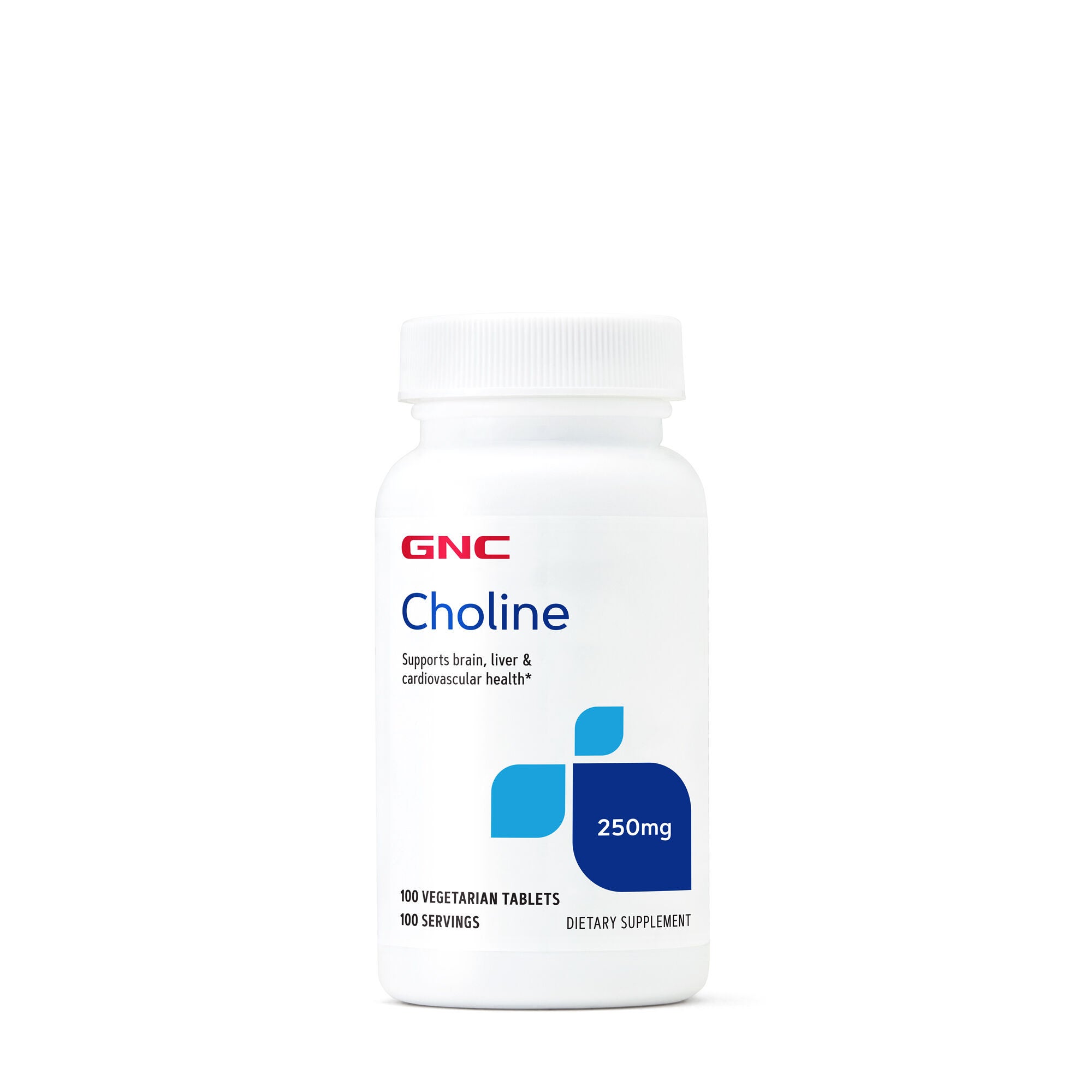
The Supplement Facts panel adds context to the botanical name on a phytosome supplement label. A listed amount may describe the weight of an extract-phospholipid complex rather than the weight of the botanical compounds alone. Milligrams of a named complex, milligrams of plant extract, and the stated amount of a particular plant constituent are different measurements, so matching numbers do not necessarily indicate matching compositions. Some extracts are standardized to a stated percentage of selected compounds, such as curcuminoids in a turmeric extract. That percentage describes a feature of the extract; it does not, by itself, establish how much the body may absorb or how someone may respond to the formula. The plant part also adds useful context, since a root, leaf, seed, or fruit extract is not the same ingredient description as an unspecified botanical powder. A single-botanical formula keeps the focus on one plant source, while a blend brings several ingredients into the same serving. Neither arrangement makes the phospholipid source less relevant. Phosphatidylcholine may be obtained from sources such as soy or sunflower, and those origins matter to shoppers with particular dietary preferences. The capsule shell and other ingredients deserve the same attention: gelatin, cellulose, fillers, and processing ingredients are separate from the botanical complex itself. A plant-derived extract does not automatically mean that every component of the finished capsule is plant-derived. Phosphatidylcholine also contains choline, which explains its connection to the related category of Choline Supplements. The two categories are not interchangeable, however. A phytosome formula centers on a botanical extract paired with phospholipids, while a choline supplement centers on choline as a nutrient. The presence of phosphatidylcholine in a botanical formula should not be treated as a stated serving of choline unless the label supplies that information. For someone comparing several botanical formats, these distinctions create a clearer picture of what each serving actually contains, without relying on assumptions about the delivery system.
Everyday fit matters alongside formulation details. Capsule size, tablet dimensions, serving count, and package design all affect how a supplement fits into an established routine. A shopper who prefers fewer capsules may compare the number required per serving, rather than judging by the amount printed prominently on the front of a bottle. Someone who avoids gelatin may focus on the capsule shell, while another person may prioritize a clearly identified phospholipid source. A simple botanical formula may appeal to a shopper who wants fewer ingredients to keep track of; a combination formula requires attention to each listed component, especially when other supplements are already part of the routine. Directions also differ, so instructions about food, timing, and handling belong to the individual label rather than to the phytosome category as a whole. There is no universal serving schedule established by the word phytosome. Packaging and care are practical considerations, too. The container’s closure, protective seal, storage directions, and printed date provide information about handling and expected shelf life. A tightly closed bottle kept according to its label directions is a different storage situation from a container left open beside a steamy sink. Bathroom cabinets, crowded gym bags, and kitchen counters next to cooking appliances can present different conditions, making the stated storage requirements worth considering before choosing a regular spot. Original packaging also keeps the ingredient list and directions together, which is useful when several similar-looking capsules share a cabinet. For travel or a long day away from home, access to those details remains useful even when a separate organizer is part of the routine. Phytosome supplements are best understood through this combination of botanical identity, phospholipid composition, serving information, and practical format. Shoppers interested in plant extracts can compare those features against their existing preferences, whether the priority is a particular botanical, a capsule material, or a straightforward ingredient panel. The most informative comparison stays grounded in what the label actually states, with the formulation name providing context rather than standing in for the rest of the product information.
Best Sellers



Related Pages



Top Collections
- Joint Mobility Supplement Packs
- Daily Collagen Supplements | Top Brands & Deals | GNC
- GLP 1 Support For Adults
- Zinc Supplements | Top Brands at Great Prices | GNC
- Supplements For Yoga Joint Flexibility
- Supplements For Balance
- Capsule Supplements For Energy And Stamina
- Adult Mobility Supplements
- Chronic Fatigue Supplements
- Vitamins For Hair Loss