





Plant-Based Protein For Workout Recovery
(0 Results)
Shop plant-based recovery protein powders for your post-workout routine. Compare vegan options by protein source, nutrition per serving, ingredients, and flavor. Whether you prefer a shake or a smoothie, use the label details to choose a powder that fits your food preferences and preparation plans.

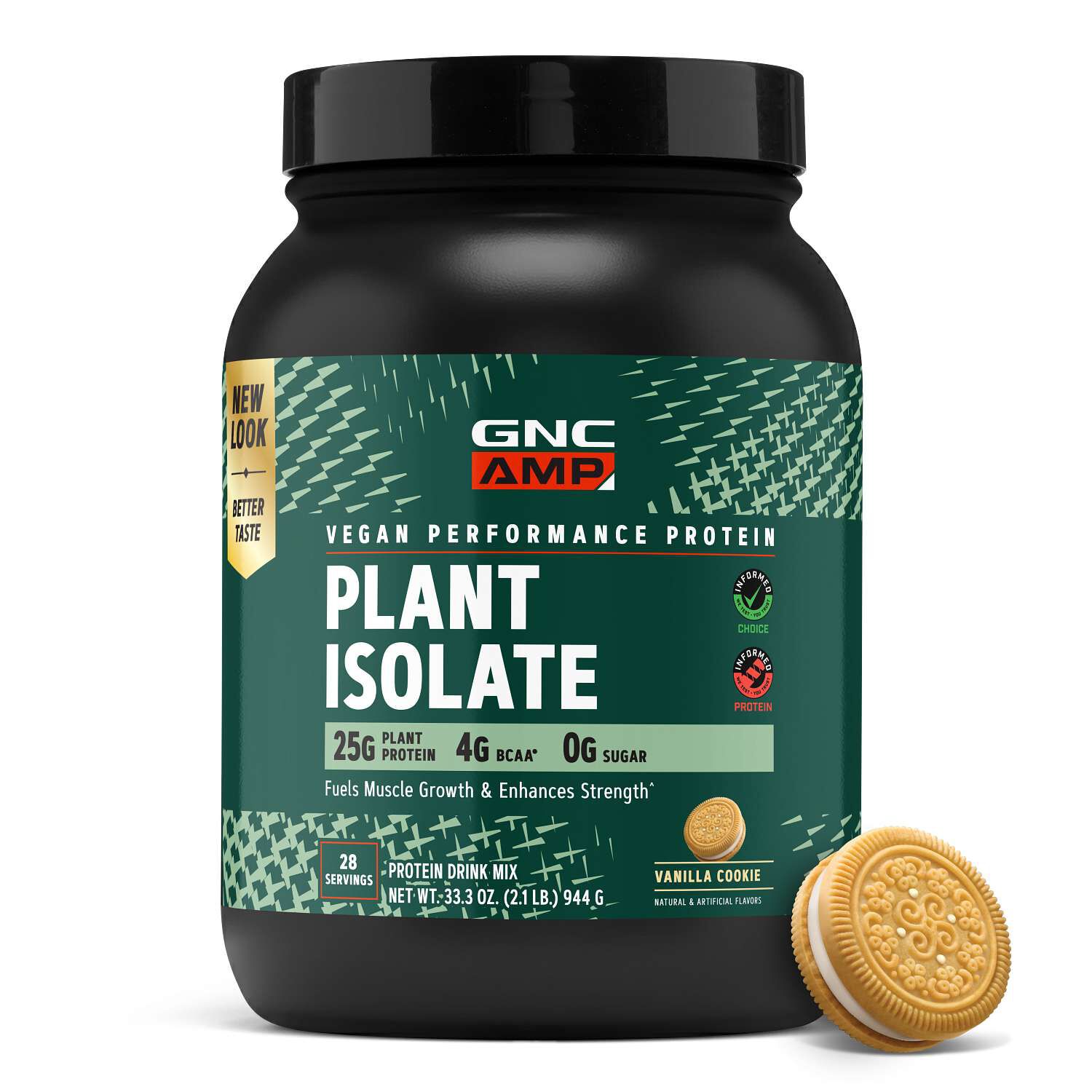


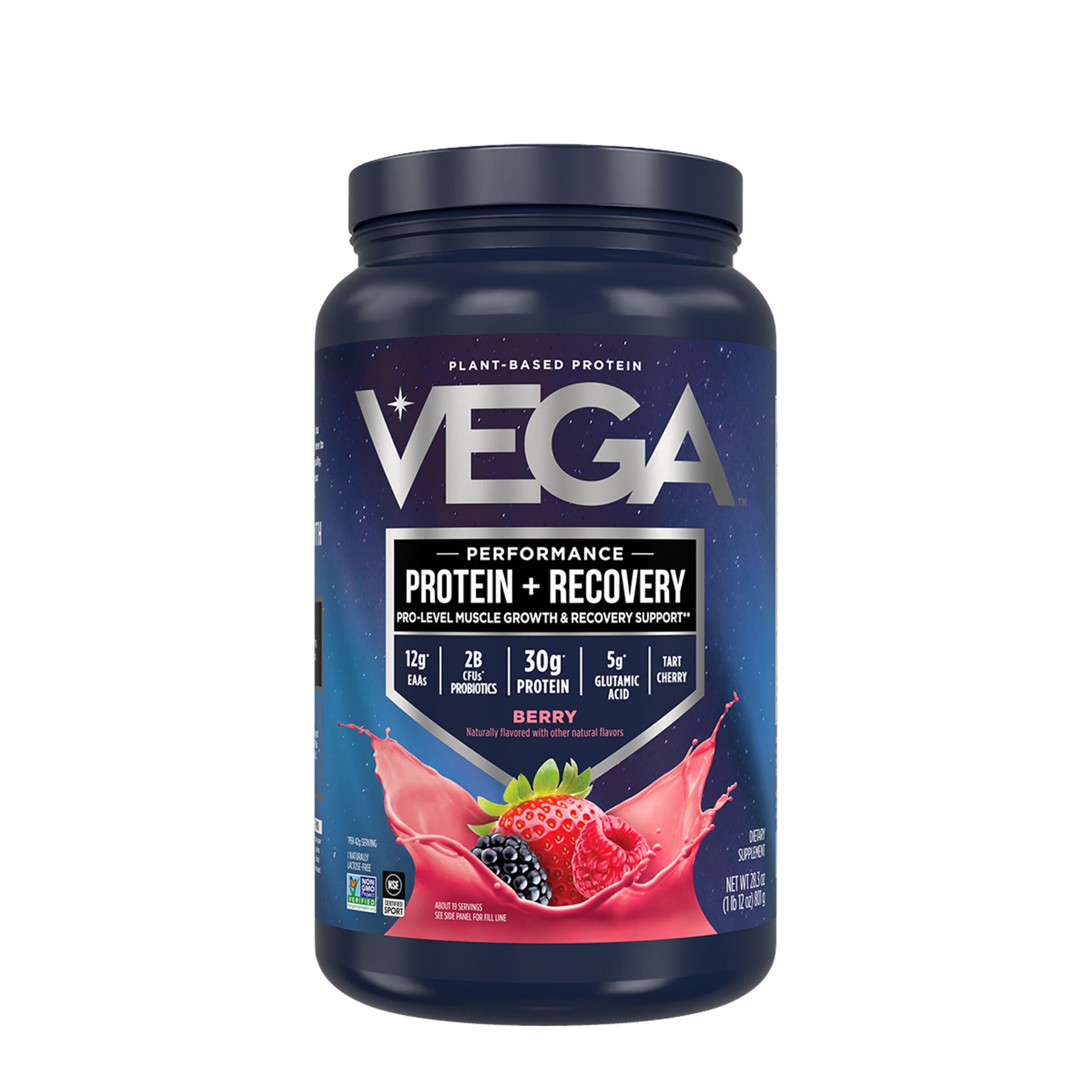
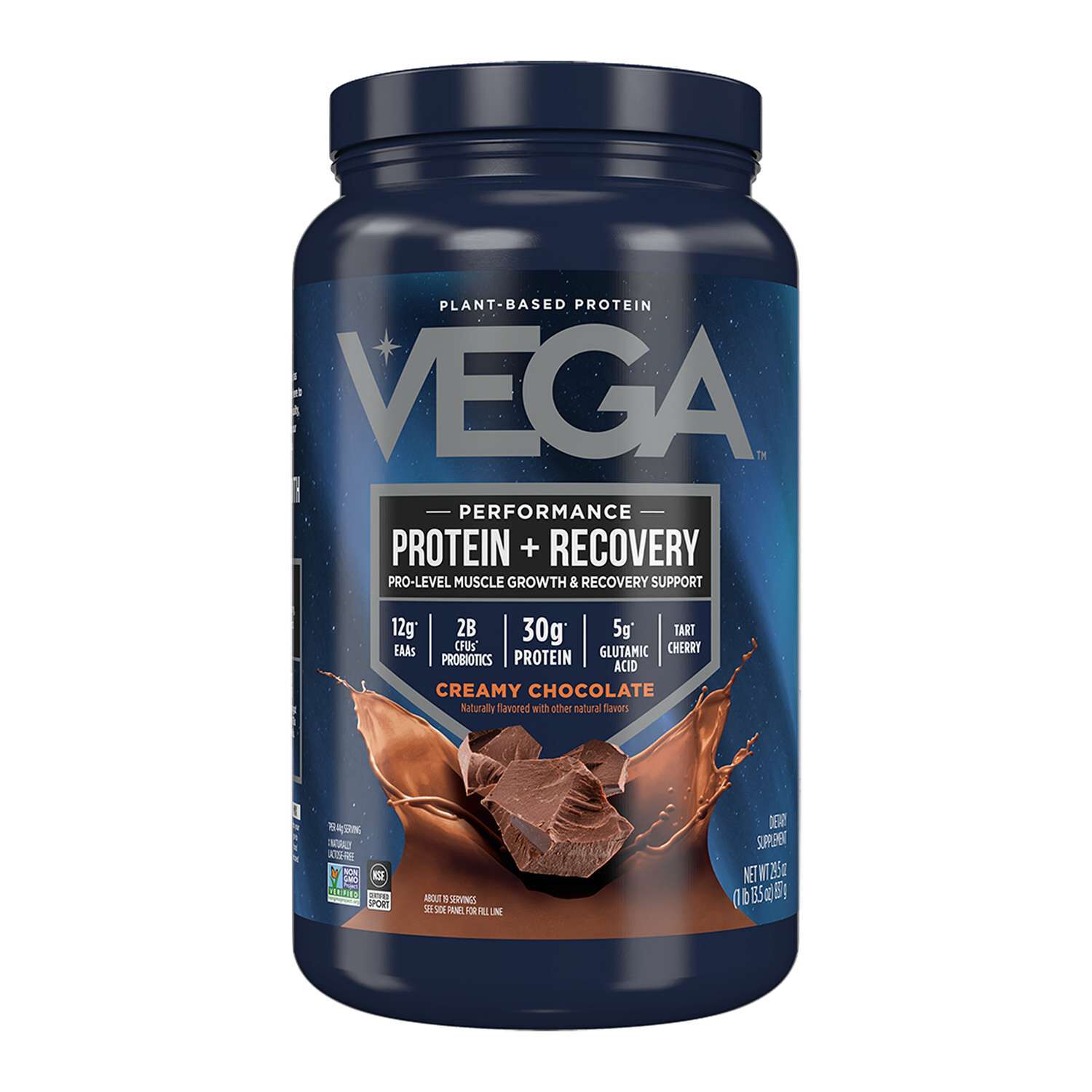
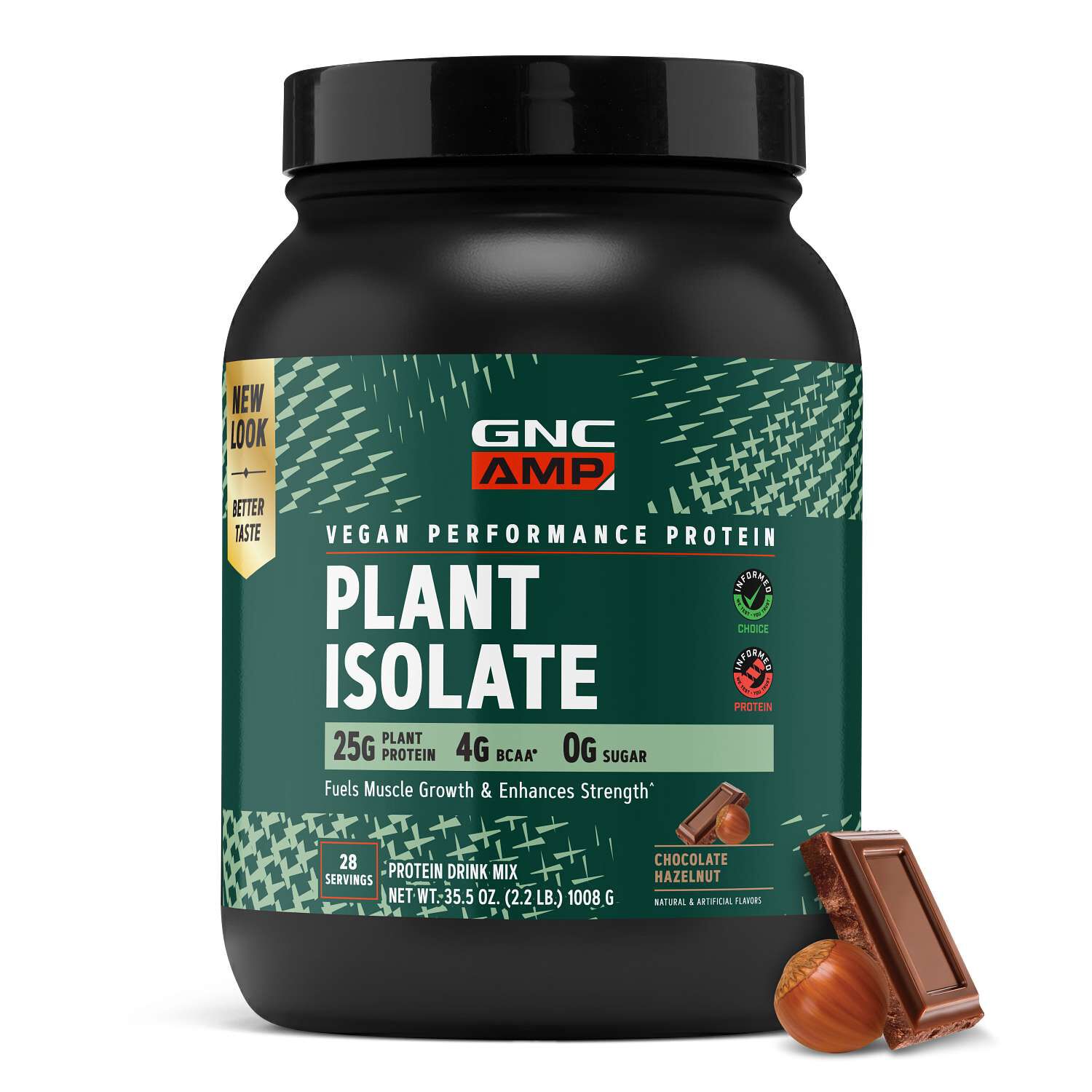
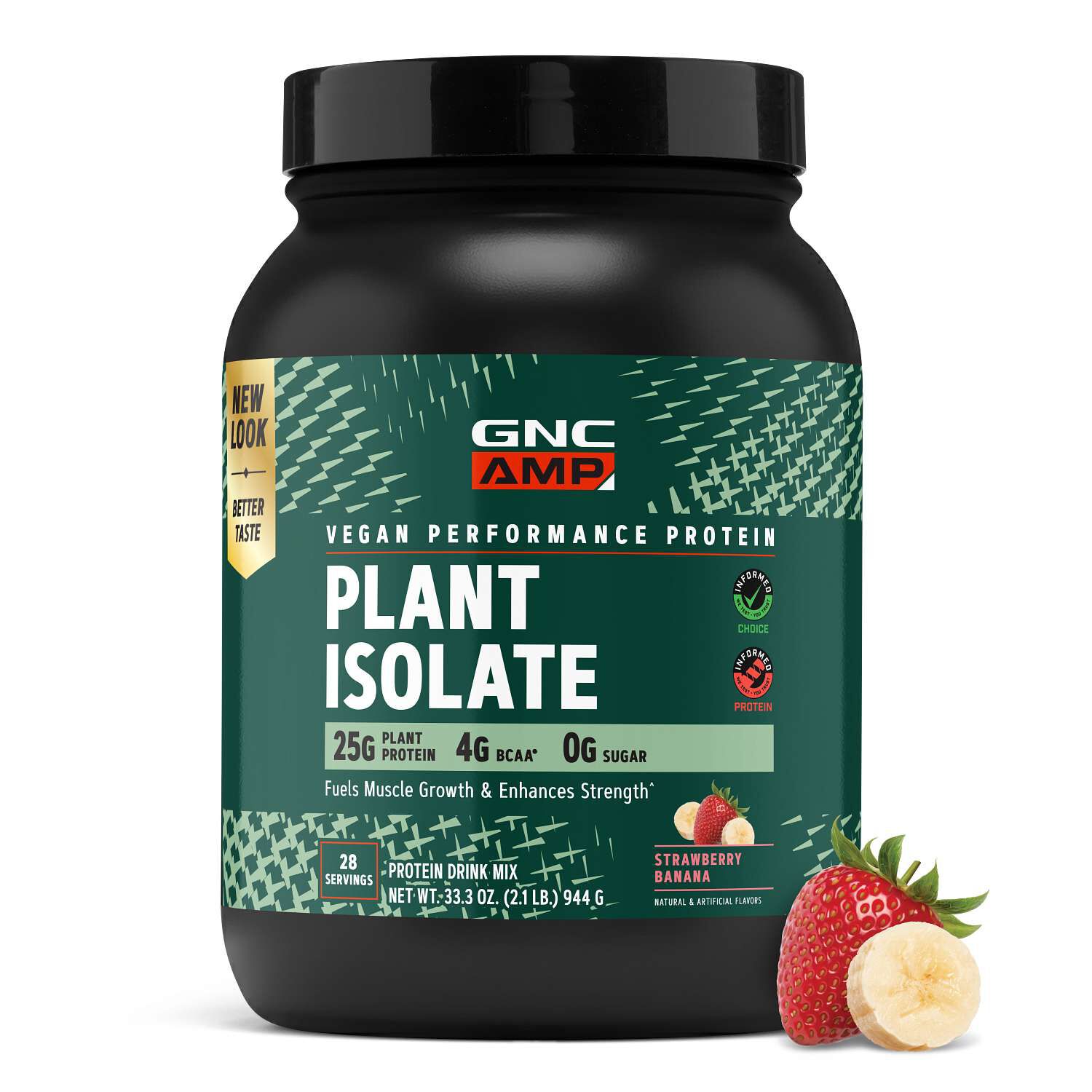
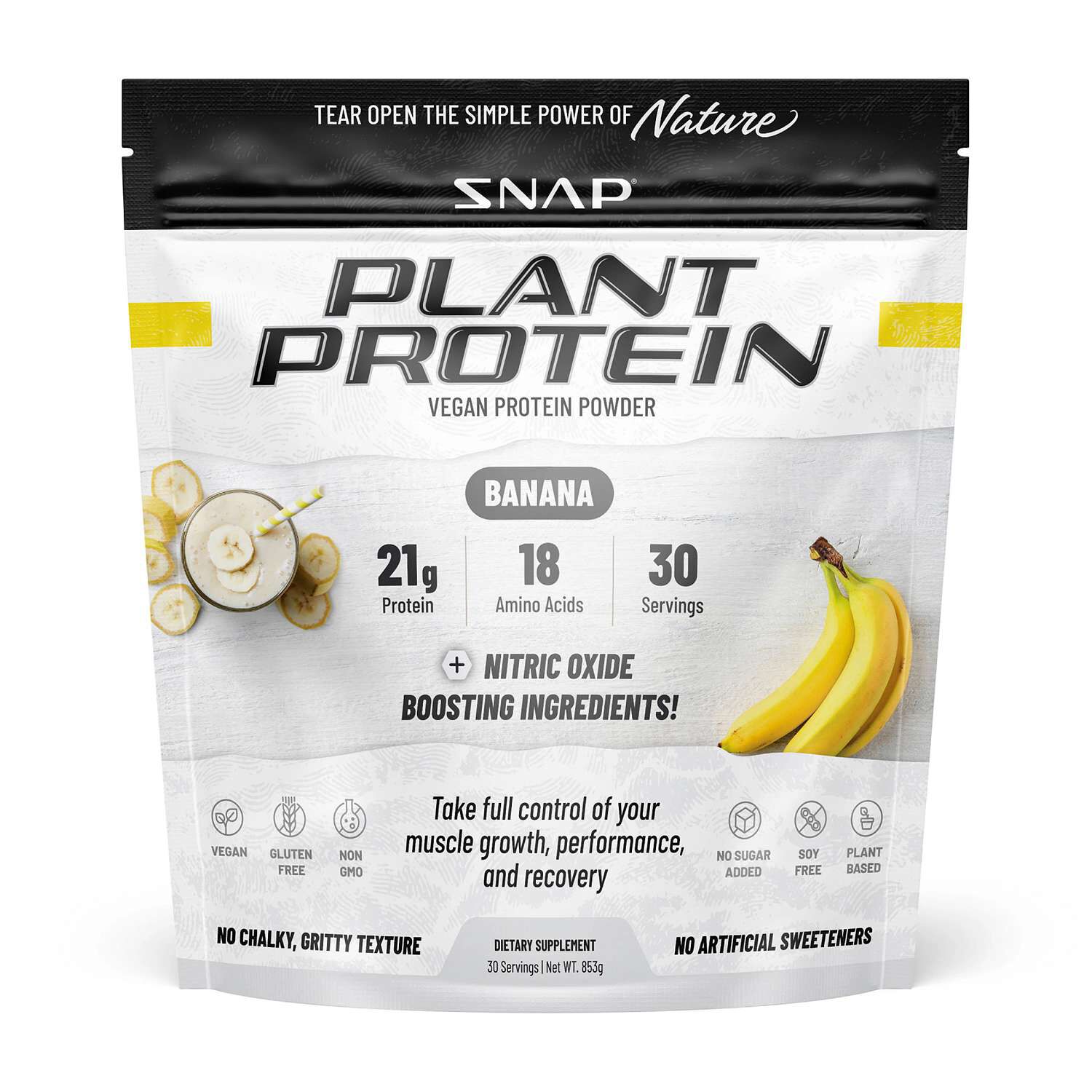

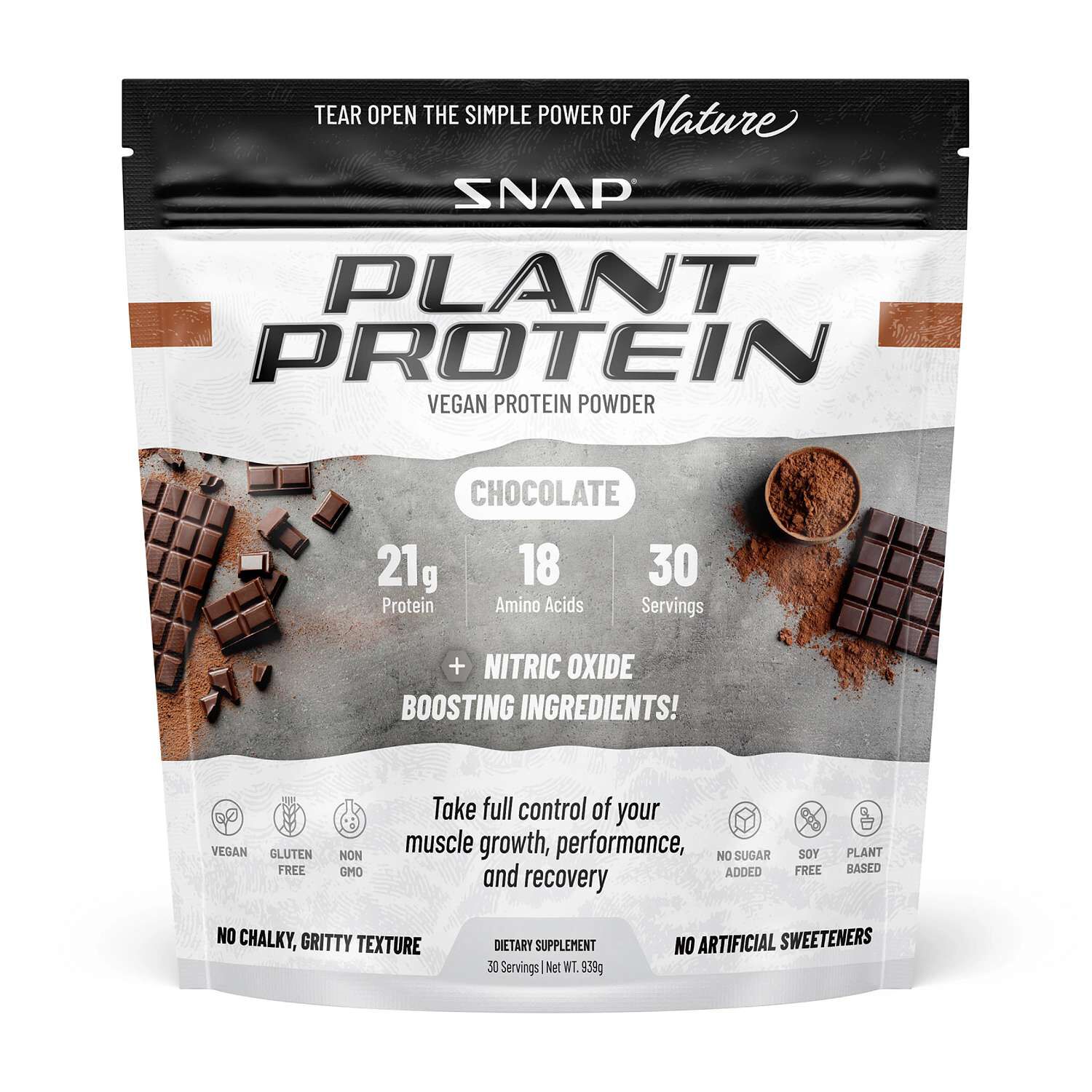


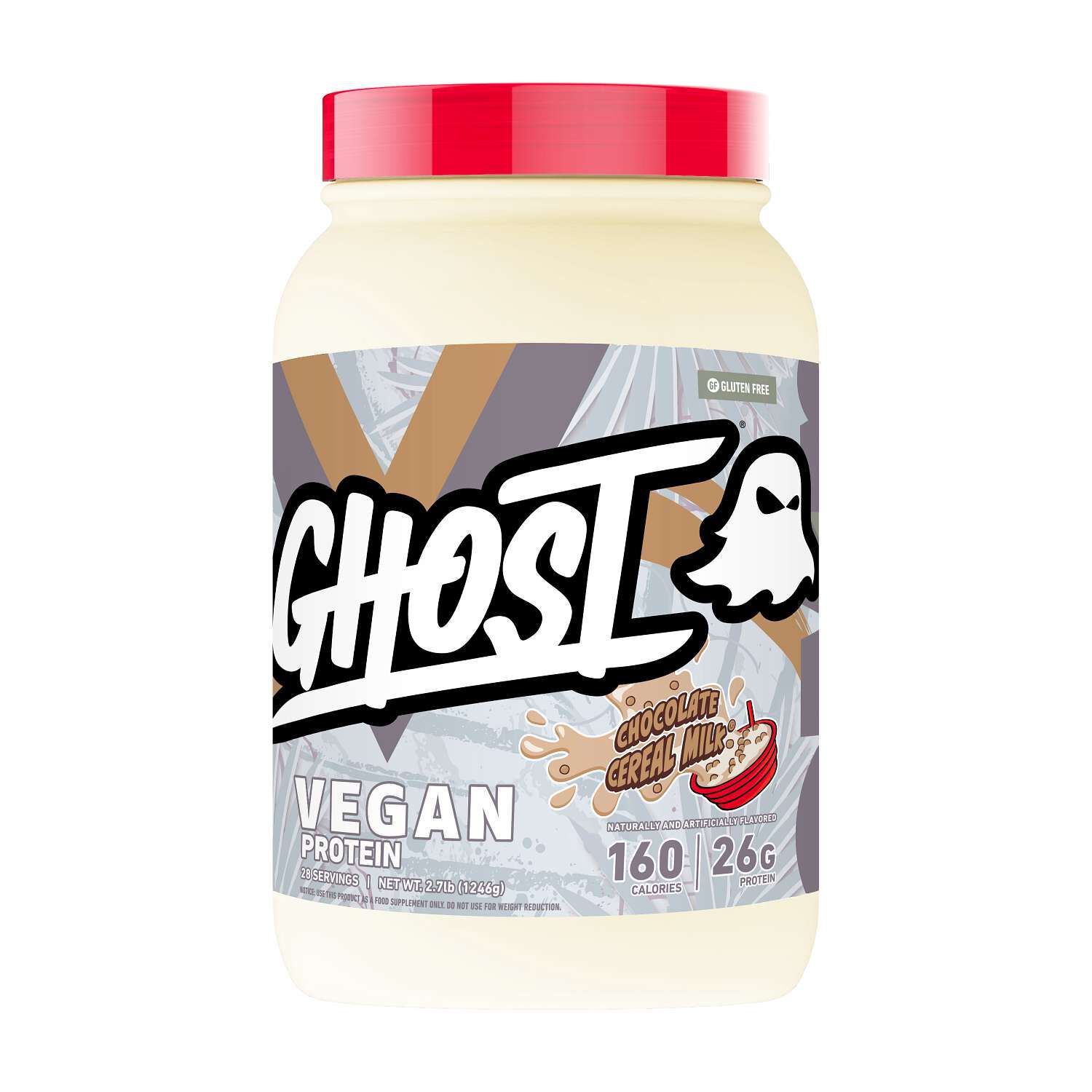

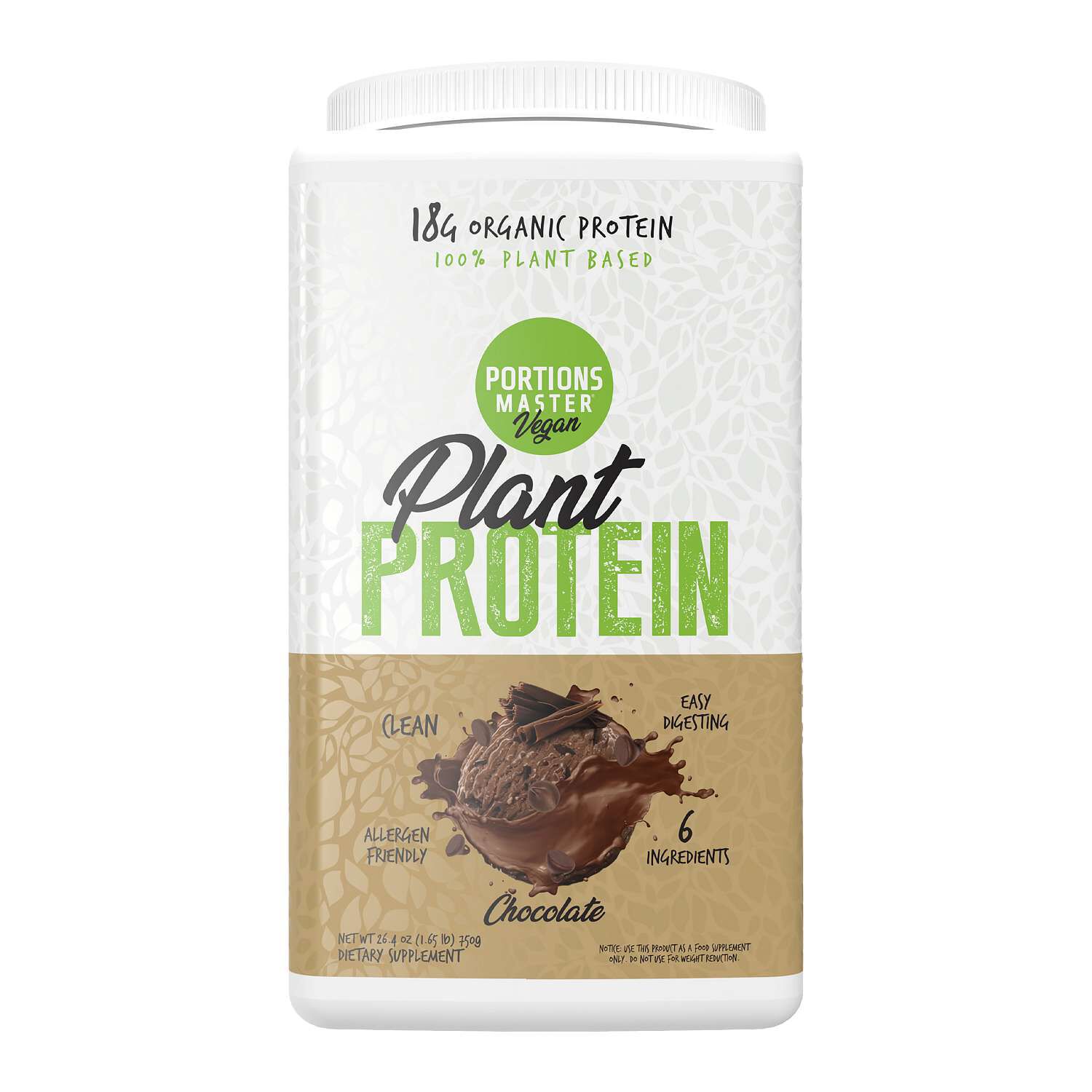
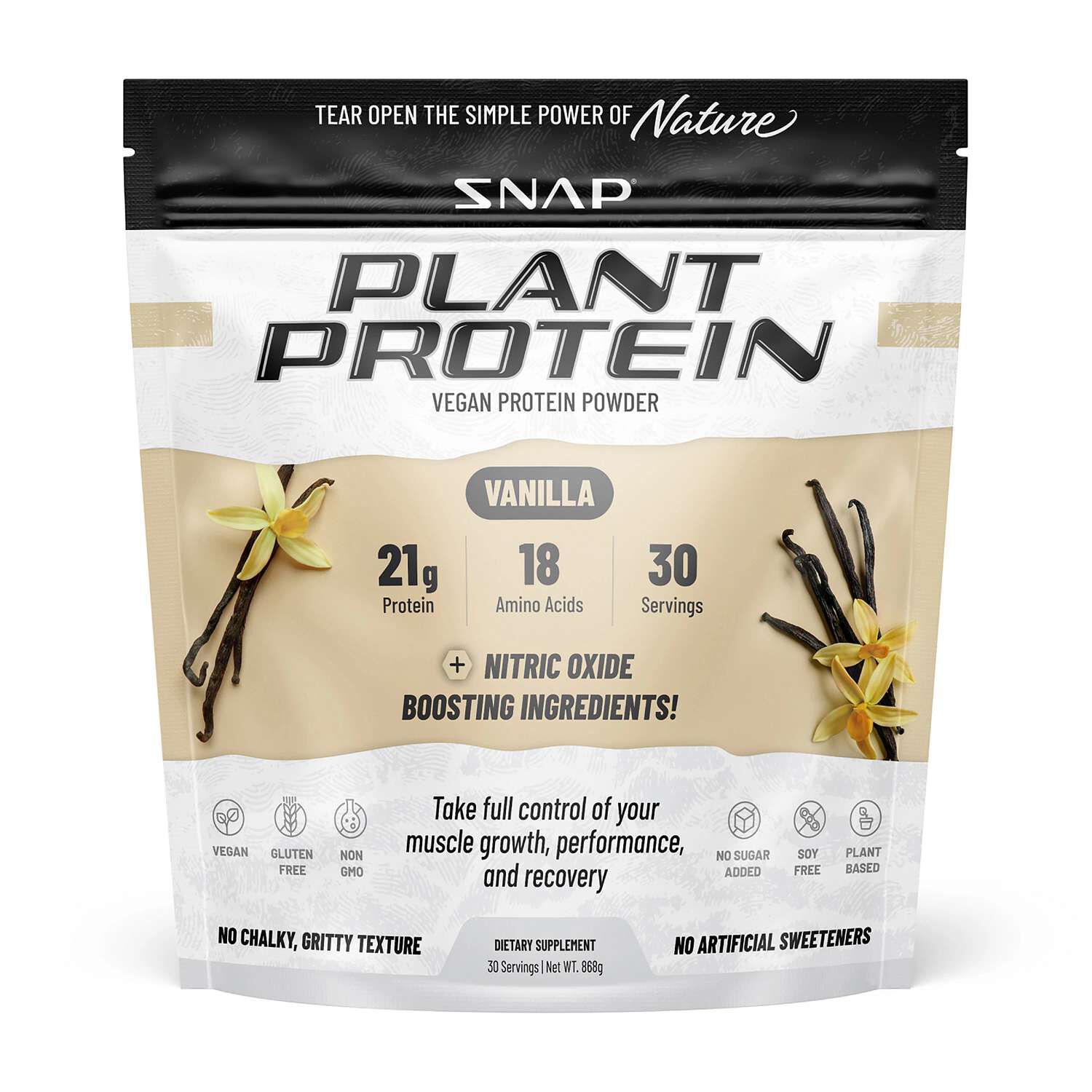
Choosing a plant-based protein powder for your workout recovery routine starts with understanding the formula. Protein sources can include peas, brown rice, pumpkin seeds, and other plant ingredients, either individually or in blends. Look at the ingredient list to identify the sources rather than relying on the product name alone. Next, compare protein grams alongside calories, carbohydrates, sugars, and fats per labeled serving. Serving amounts can differ between formulas, so scoop counts alone are not a consistent basis for comparison. Keep your ingredient preferences in view, too: vegan labeling, sweetener choices, and added ingredients are separate details worth checking rather than assuming every plant protein powder is alike. Your preparation plans are another useful way to narrow the choices. Think about whether you want a flavored shake mixed according to the label or an unflavored powder for recipes with their own distinct taste. Read the ingredients for sweeteners as well as flavorings, since an unflavored label does not by itself describe sweetness. For smoothies, consider how the powder's flavor will pair with your usual fruit, plant-based beverage, or other ingredients. Include those additions in your nutrition comparison rather than comparing the powder alone with a finished drink. Finally, review the preparation directions and suggested uses for each option. A familiar flavor and a preparation method that fits your schedule are practical selection criteria for your training routine.
- Q: What protein sources are used in plant-based recovery powders?
A: Plant-based protein powders can use ingredients such as pea, brown rice, pumpkin seed, or fava bean protein. Some use one source, while others combine several. Check the ingredient list to see which sources a formula contains. - Q: Are plant-based and vegan protein labels the same?
A: The terms describe different aspects of a product. Plant-based identifies the origin of the protein, while vegan labeling addresses the formula's exclusion of animal-derived ingredients. Look for an explicit vegan designation if that matches your preferences. - Q: What should I compare on plant protein nutrition labels?
A: Compare protein, calories, carbohydrates, sugars, and fats on the same labeled-serving basis. Read the ingredient list separately for protein sources, sweeteners, flavorings, and other added ingredients. - Q: Does unflavored plant protein mean unsweetened?
A: Not necessarily. Unflavored and unsweetened describe different characteristics. Review the ingredient list for sweeteners rather than using the flavor name or sugar amount alone to judge sweetness. - Q: Can plant-based protein powder be used beyond shakes?
A: Some formulas include suggested uses in smoothies, oats, or baked goods. Check the product's directions for supported preparation methods, and consider how its flavor will pair with the other ingredients.
Best Sellers
Related Pages


Top Collections
- GLP 1 Support For Adults
- Supplements For Yoga Joint Flexibility
- Joint Mobility Supplement Packs
- Supplements For Balance
- Zinc Supplements For Men
- Chronic Fatigue Supplements
- Capsule Supplements For Energy And Stamina
- Zinc Supplements | Top Brands at Great Prices | GNC
- Supplements For Anxiety Relief Support
- Adult Mobility Supplements