Pre Workout Gummies
(0 Results)
Fuel your workouts with our energizing Pre Workout Gummies, designed to give you that extra boost of energy and focus you need to crush your fitness goals. Packed with a powerful blend of vitamins, minerals, and amino acids, these delicious gummies are a convenient and tasty way to enhance your performance at every gym session. Whether you're looking to increase endurance, sharpen mental alertness, or simply take your workouts to a new level, our Pre Workout Gummies are here to support you every step of your fitness journey.
-
-
-
-

-
-

-
 2,436$59.99
-
-

-
-

-

-
-

-
-
 Axe & Sledge Supplements20$49.99
-
-
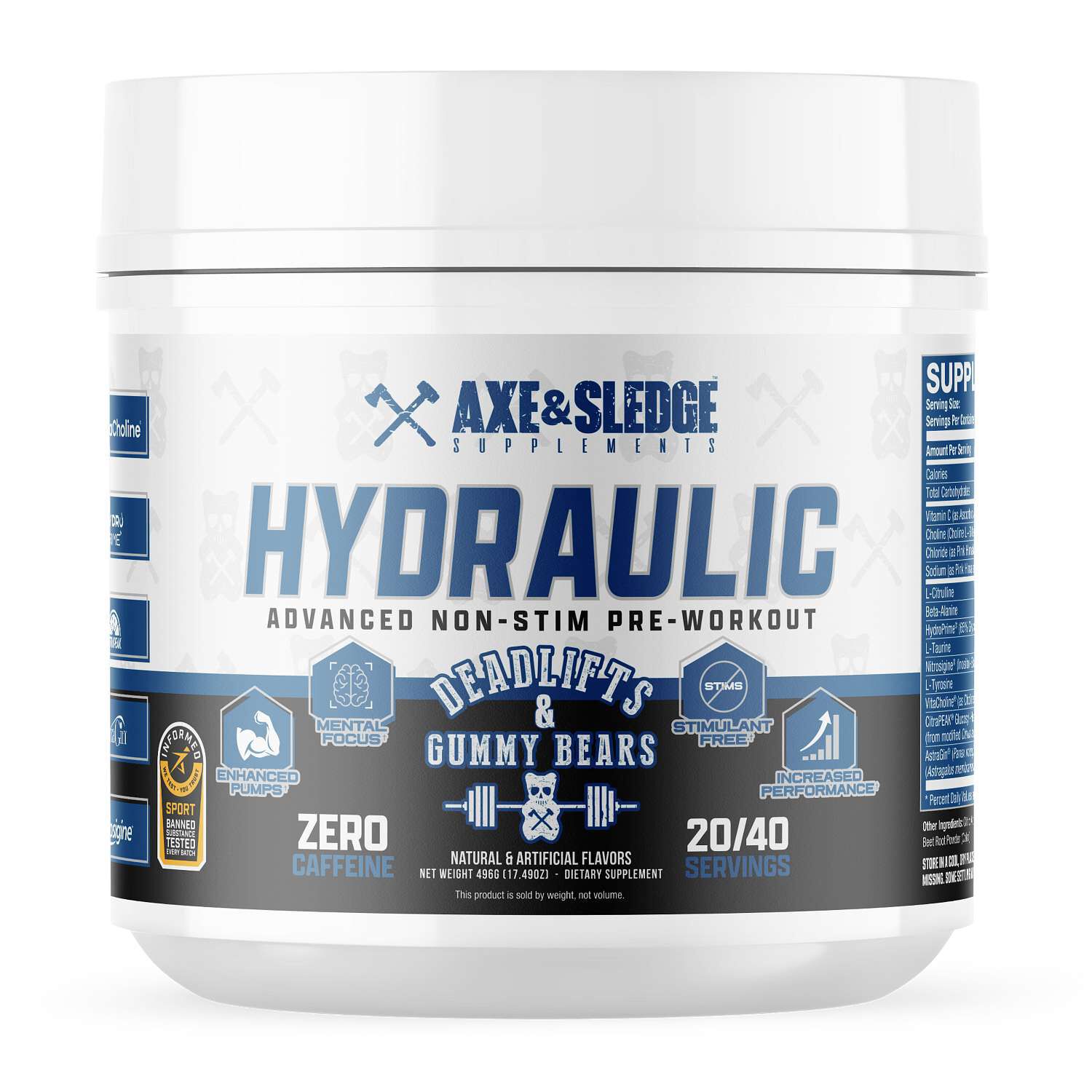 Axe & Sledge Supplements81$54.99
-

-
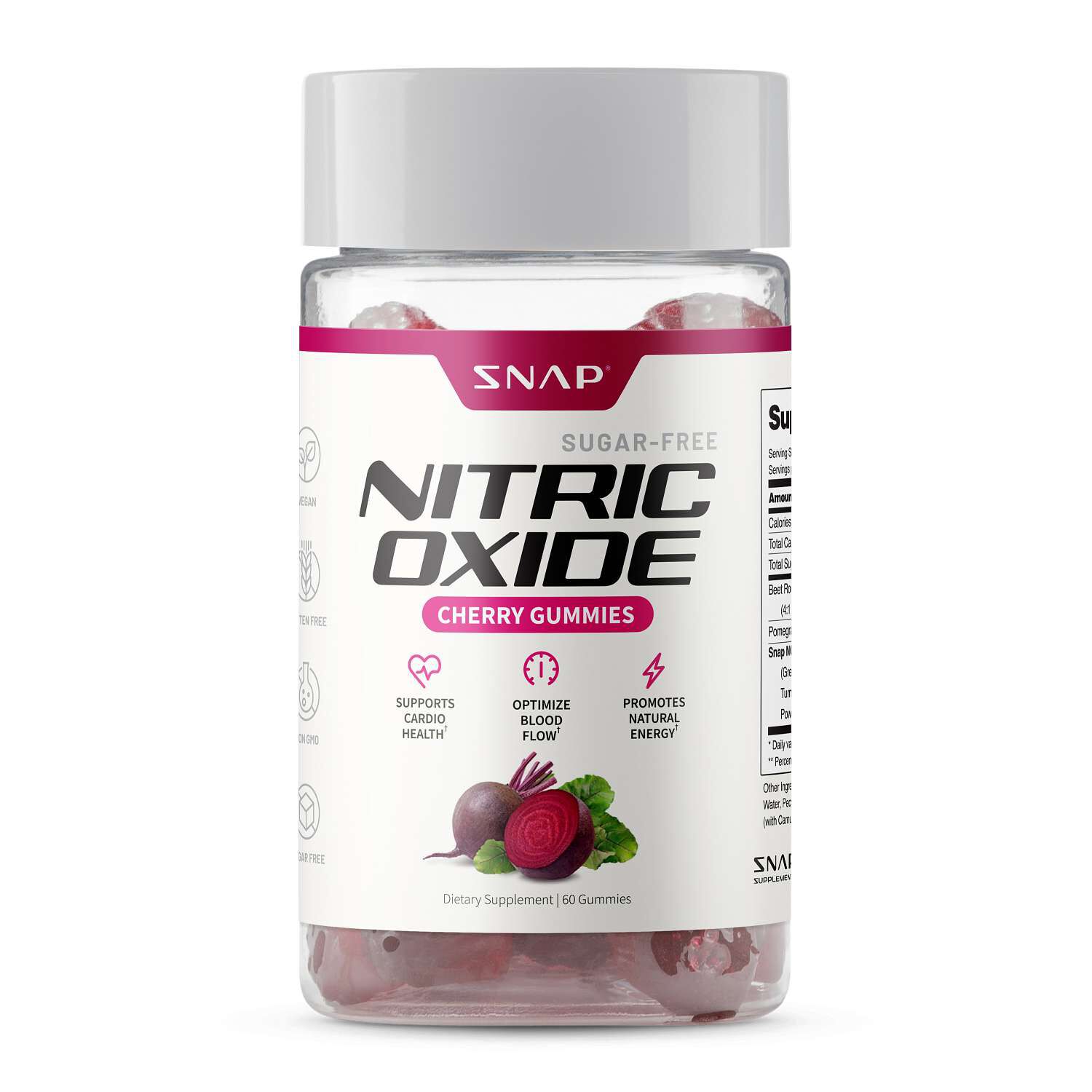 229$24.99
-
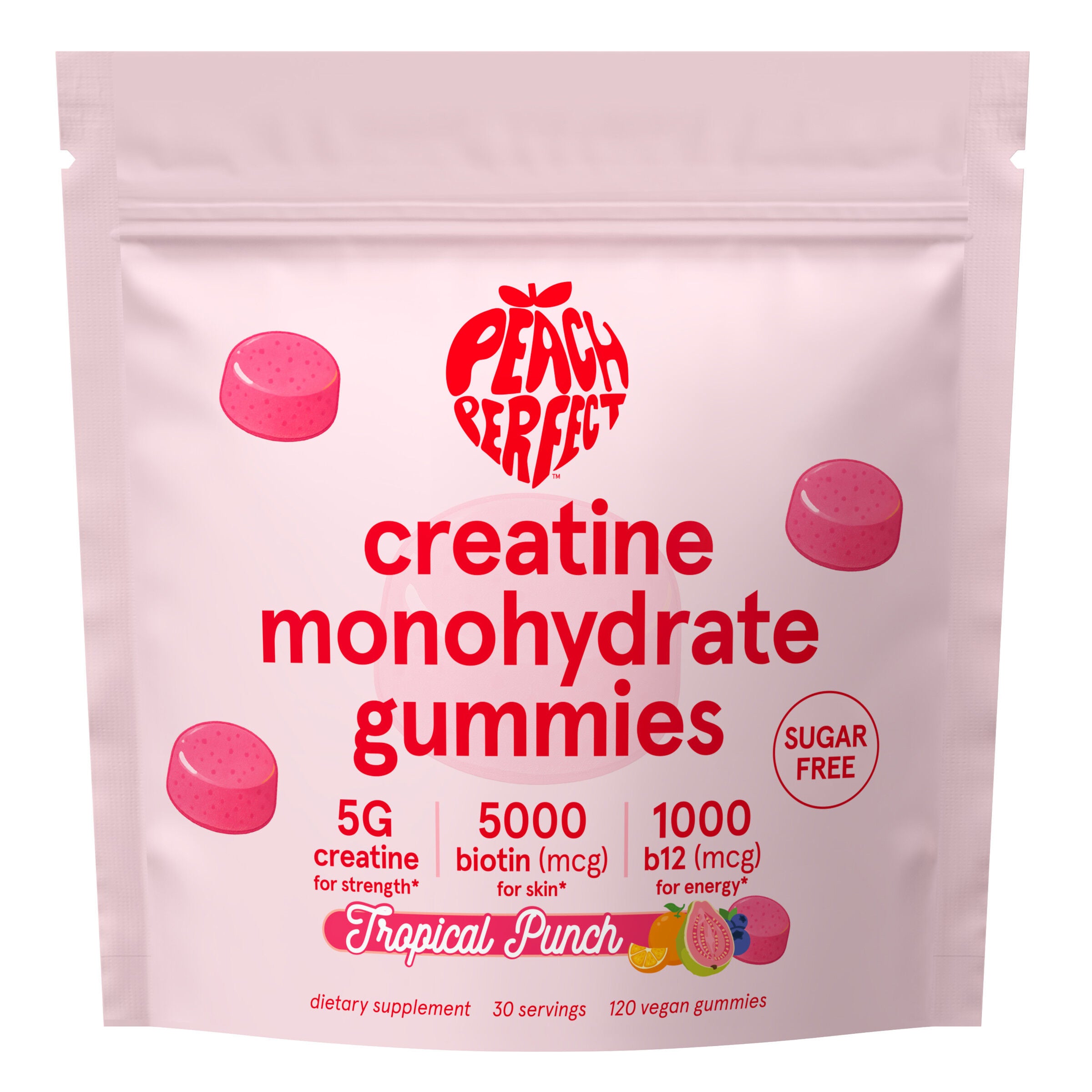 144$34.99
-
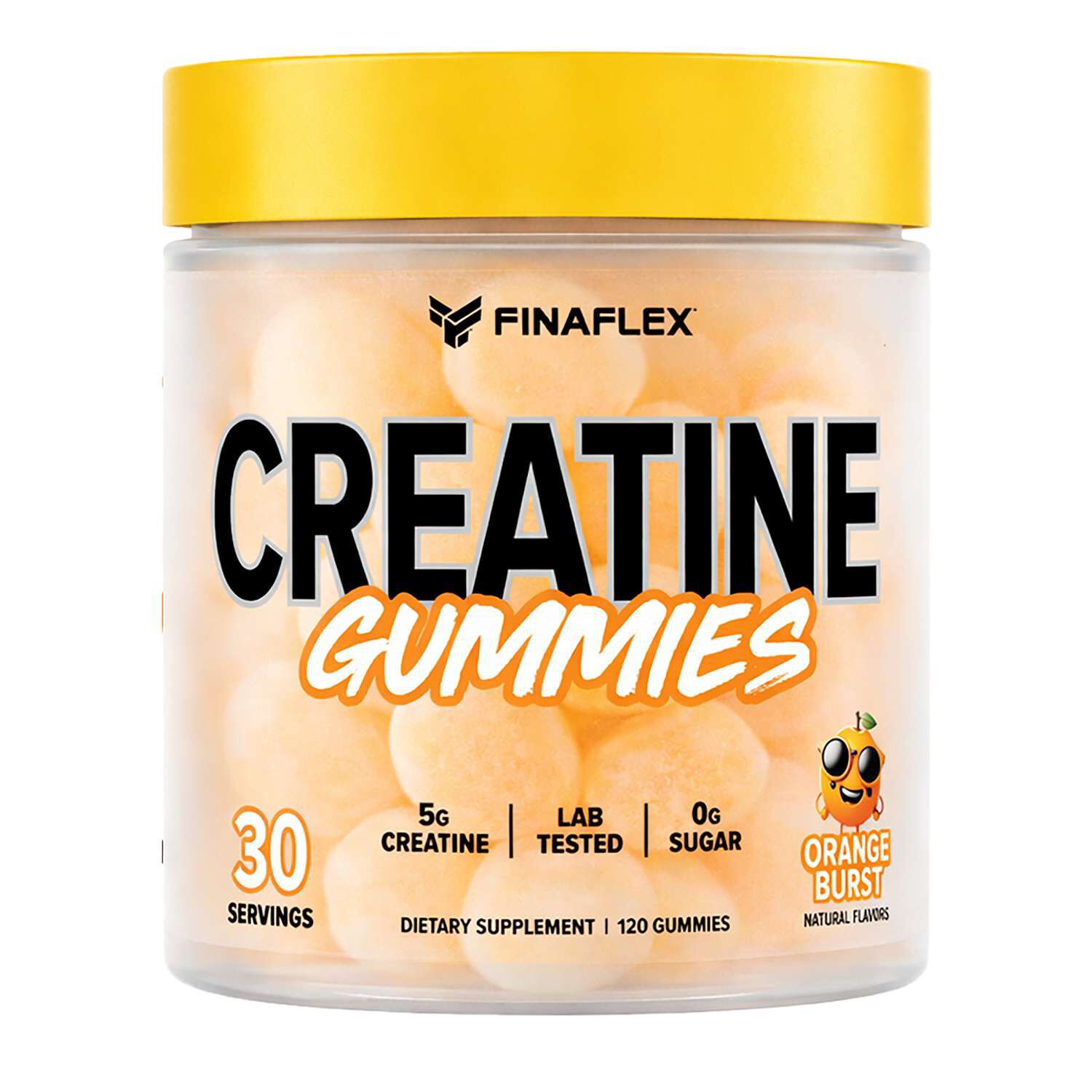
-
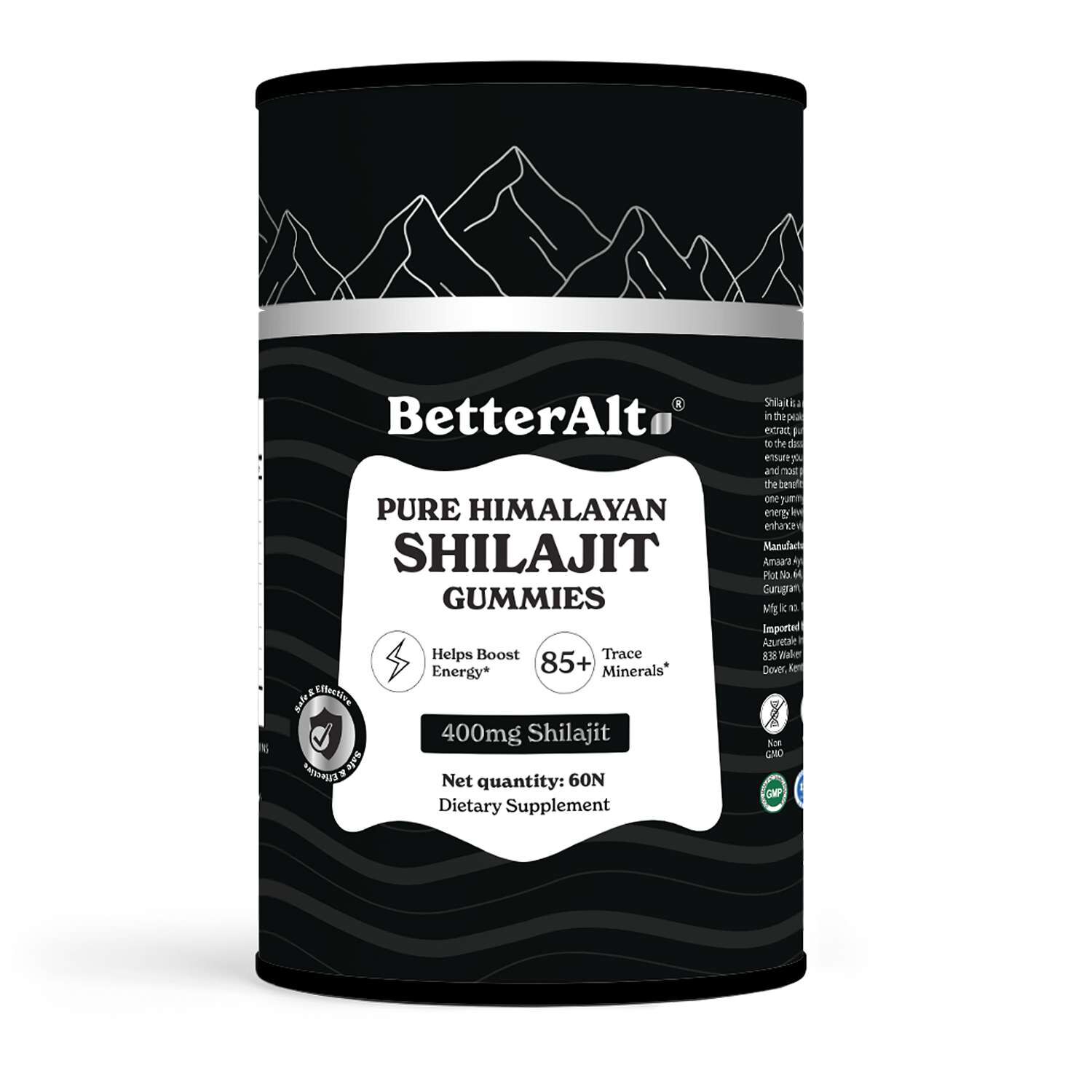
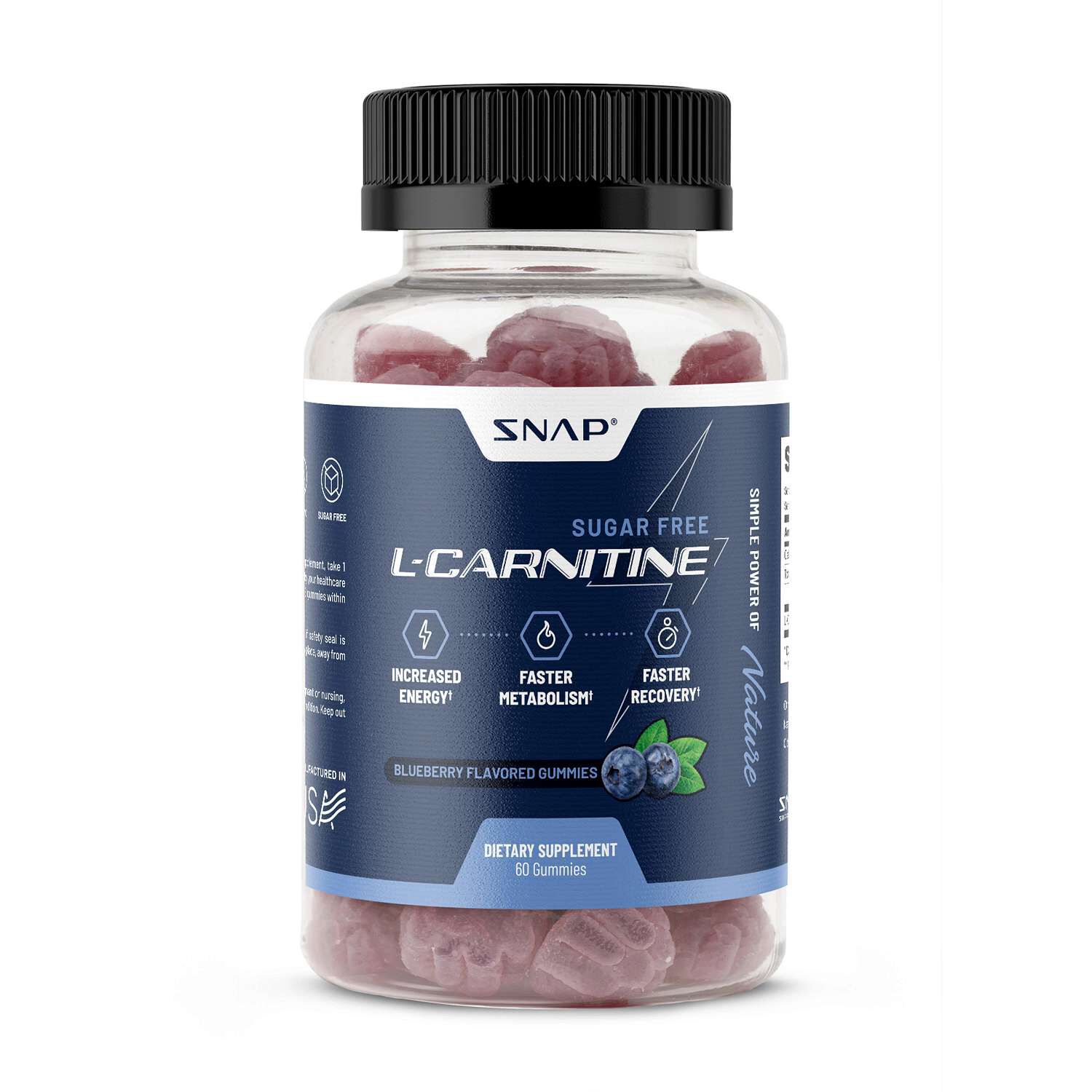
Pre-workout gummies are chewable dietary supplements designed for use before exercise, with ingredients, serving sizes, and directions that vary by formula. Unlike powders mixed into liquid, gummies do not require a shaker bottle or a mixing step, making the format straightforward to carry alongside training gear. For an adult heading from a desk to a fitness class or packing a gym bag with shoes, headphones, and a towel, that difference can matter more than an elaborate preparation routine. Depending on the formula, pre-workout gummies may support energy or focus during exercise, but the gummy format alone does not determine those effects. Ingredient amounts and the labeled serving provide more useful context than the shape, color, or flavor of the chew. These supplements are intended to fit around an exercise routine, not replace meals, hydration, sleep, or a thoughtful warm-up. Their appeal also includes the eating experience: fruit-inspired flavors, a chewy texture, and a format that does not involve drinking a flavored beverage before training. A gummy may have a softer bite, a firmer chew, or a surface coating, and those details can influence whether the format suits someone’s preferences. Berry, citrus, and other fruit-style flavor descriptions offer a starting point, although sweetness and texture can differ between formulas. Someone who dislikes mixing powders might appreciate a chewable option, while another person may prefer a beverage as part of getting ready for exercise. Neither format is automatically stronger or more suitable simply because of how it is consumed. A serving may consist of several gummies rather than a single piece, so the size of an individual chew is not a reliable measure of ingredient content. For shoppers comparing pre-workout gummies with other supplement formats, the most useful distinction is the combination of labeled ingredients, serving size, taste, and how the package fits into an established training routine.
The Supplement Facts panel gives pre-workout gummies their most meaningful context. Caffeine is included in some formulas and may support alertness, while other formulations are made without added caffeine. The amount listed per serving matters more than whether caffeine comes from a plant-derived source or another source identified on the label. Coffee, tea, energy drinks, and other supplements may also contain caffeine, making those beverages and products relevant to understanding how a pre-workout gummy fits into a day. Ingredients such as L-theanine, L-tyrosine, L-citrulline, and beta-alanine may appear in pre-workout formulations, but the ingredient names alone do not establish how a particular serving might affect a workout. The amount of each ingredient, the combination used, and the directions are all part of the comparison. A formula with a longer ingredient list is not automatically a better match, and a gummy should not be assumed to contain the same amounts as a similarly described powder. Serving information also deserves attention when comparing packages: an amount listed for a multi-gummy serving is different from an amount listed for one gummy. Beyond the featured ingredients, the rest of the label explains much of the product’s character. Sugars, alternative sweeteners, flavorings, colors, and gelling ingredients contribute to the finished chew. Gelatin and pectin are examples of ingredients used to create gummy texture, and their presence can matter to shoppers with particular dietary preferences. A fruit-flavored gummy is not necessarily made with fruit as its primary ingredient, just as a plant-derived gelling ingredient does not establish every other aspect of the formula. Dietary suitability comes from the full ingredient list and any relevant labeling, rather than appearance or flavor alone. Allergen statements, package cautions, and directions provide additional context for intended use. Although the shape and sweetness may resemble candy, pre-workout gummies are supplements, and their labeled serving should remain the reference point. These details make it possible to compare the category on substance rather than relying only on an appealing flavor name or a familiar ingredient.
Packaging and storage are practical considerations for a supplement that may travel between home, work, and a workout space. A resealable container can suit a regular gym-bag routine, while portioned packaging can make labeled serving information easier to keep with the gummies when away from home. Package design does not change the formula, but it does affect how the product is carried and identified. A secure closure, readable label, and container that fits comfortably beside other belongings are useful details for everyday handling. Keeping gummies in their original packaging preserves access to ingredient information, directions, and the printed date; loose chews in an unmarked pouch lose that context. Storage directions also matter because gummy texture can change with handling and exposure to moisture. Closing the package after use, keeping it away from direct sunlight, and following the manufacturer’s storage instructions are sensible considerations for maintaining its intended condition. A serving left loose beside a damp towel is a different storage situation from a closed container in a designated bag pocket. For intended use, the category can appeal to adults who prefer a chewable supplement before resistance training, a cardio session, or a scheduled fitness class. The convenience is about format and preparation, not a set outcome: gummies do not establish how much weight someone might lift, how long someone might run, or how a session might feel. A person who enjoys a familiar flavor before a solo workout may prioritize texture and packaging, while someone moving directly from work to a class may focus on carrying the labeled serving without additional mixing equipment. For training with a partner or attending a scheduled class, Pre Workout Products For Group Workouts offers a related way to explore pre-workout formats. Shared training does not mean everyone has the same supplement preferences, so individual ingredients and directions remain relevant even when the workout is the same. Across these situations, pre-workout gummies are best understood as a distinct delivery format whose suitability rests on the formula, the label, and the practical details of an adult’s exercise routine.