

Probiotic Enzymes
(0 Results)
Probiotic enzymes are essential supplements that can support your digestive health and overall well-being. By combining probiotics, which are beneficial bacteria that promote gut health, with enzymes that help break down food for better absorption, these supplements can help enhance your digestion and nutrient absorption. Whether you're looking to alleviate digestive issues or simply want to optimize your gut health, probiotic enzymes are a convenient way to support your body's natural processes. Discover our selection of probiotic enzyme supplements below and take a step towards better digestive health today.
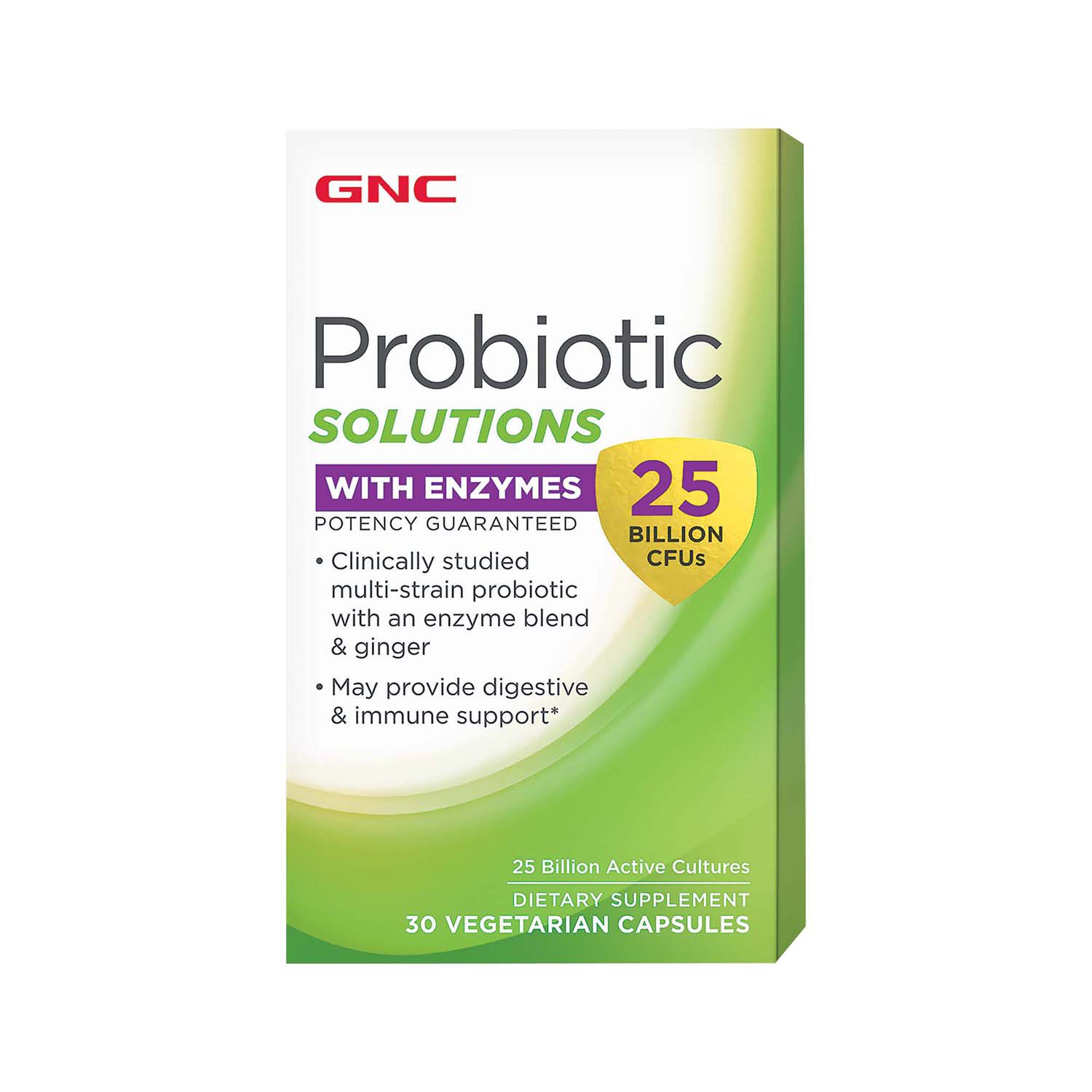

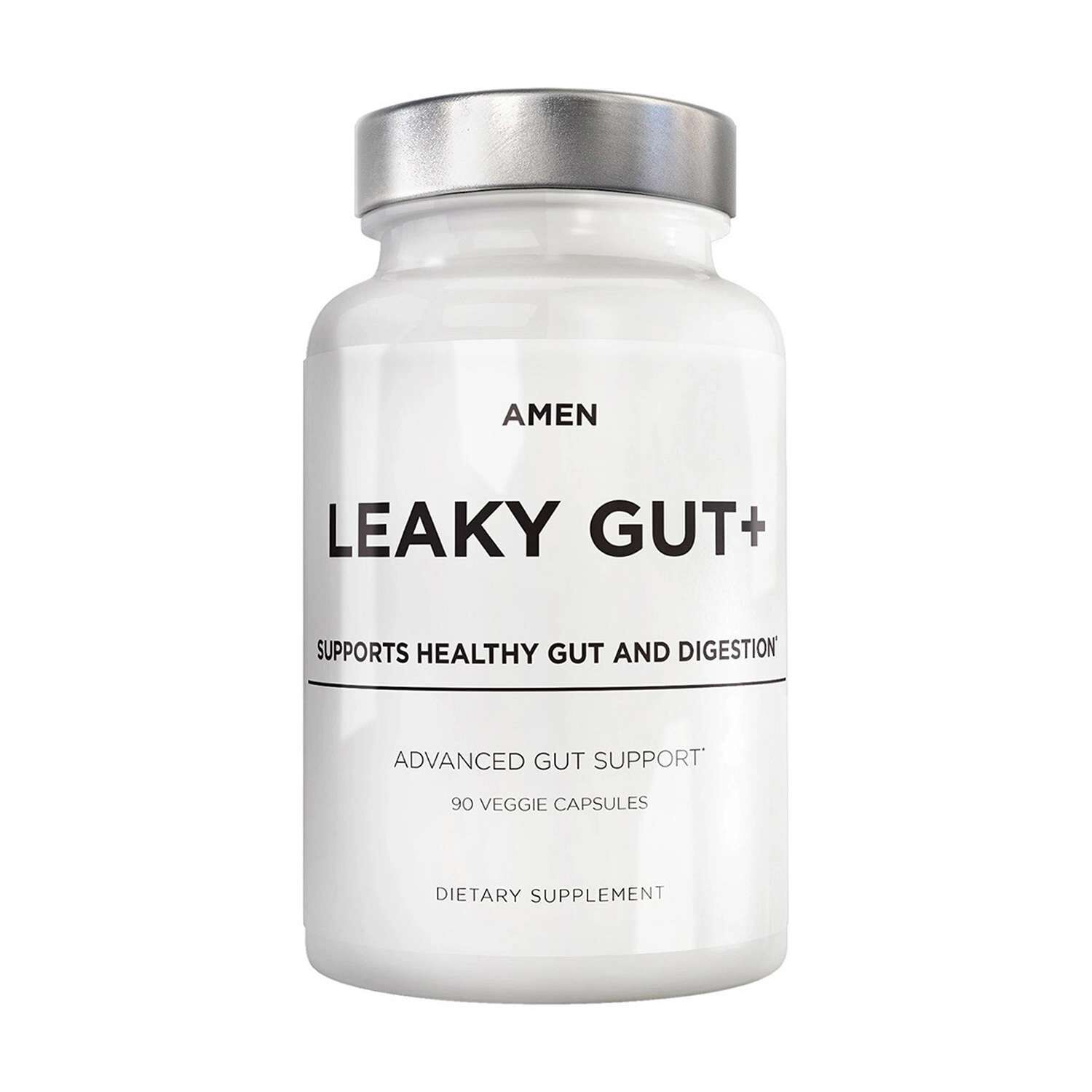
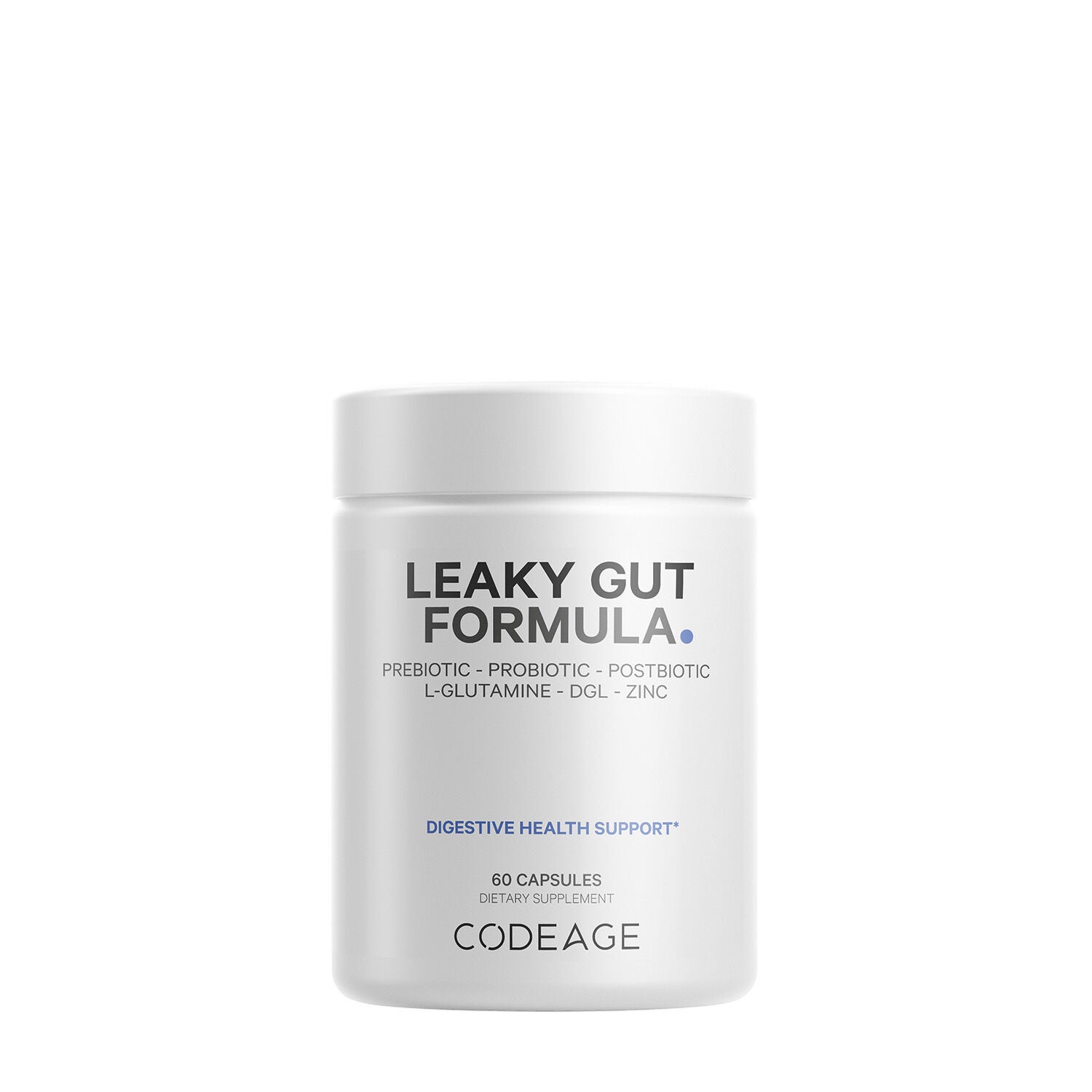
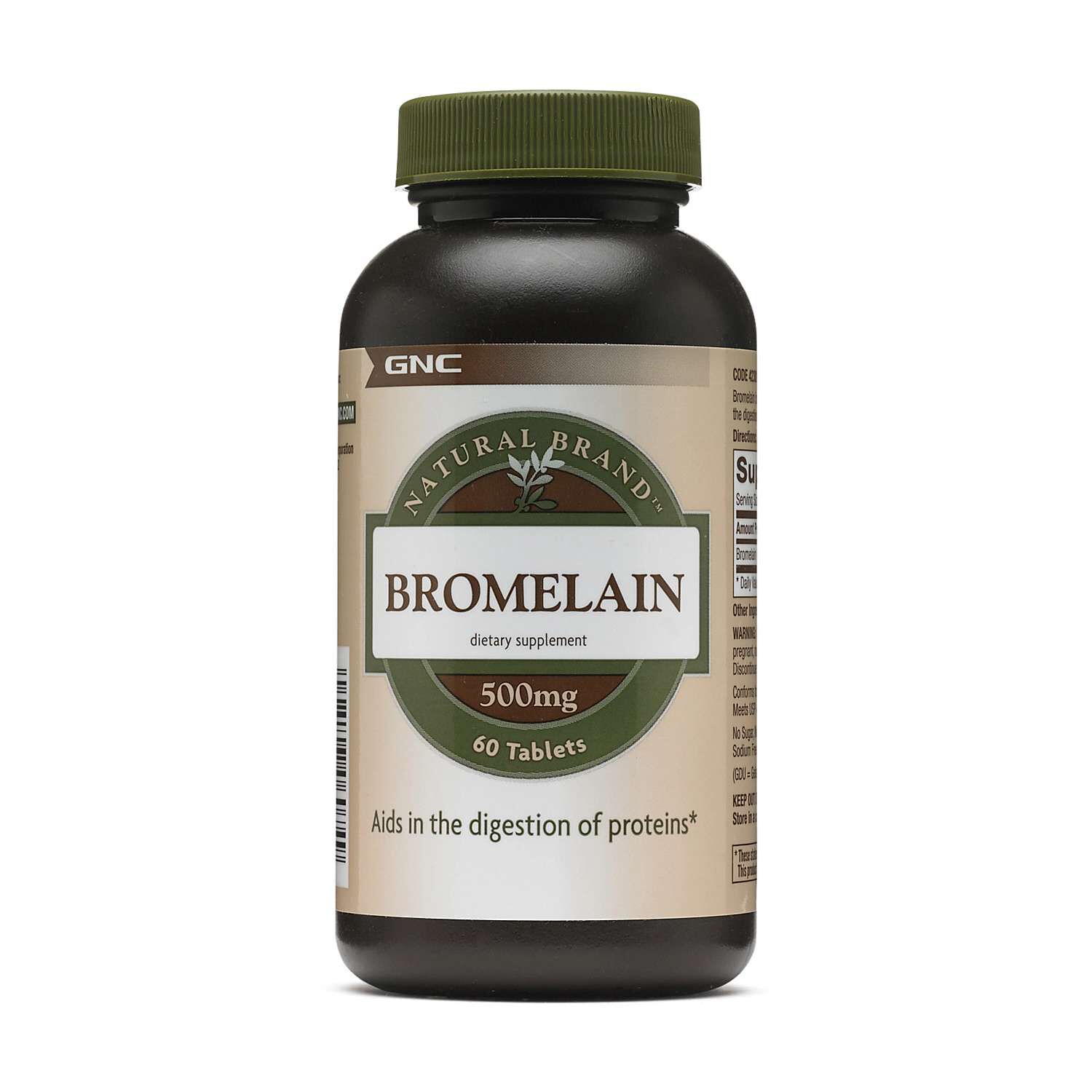


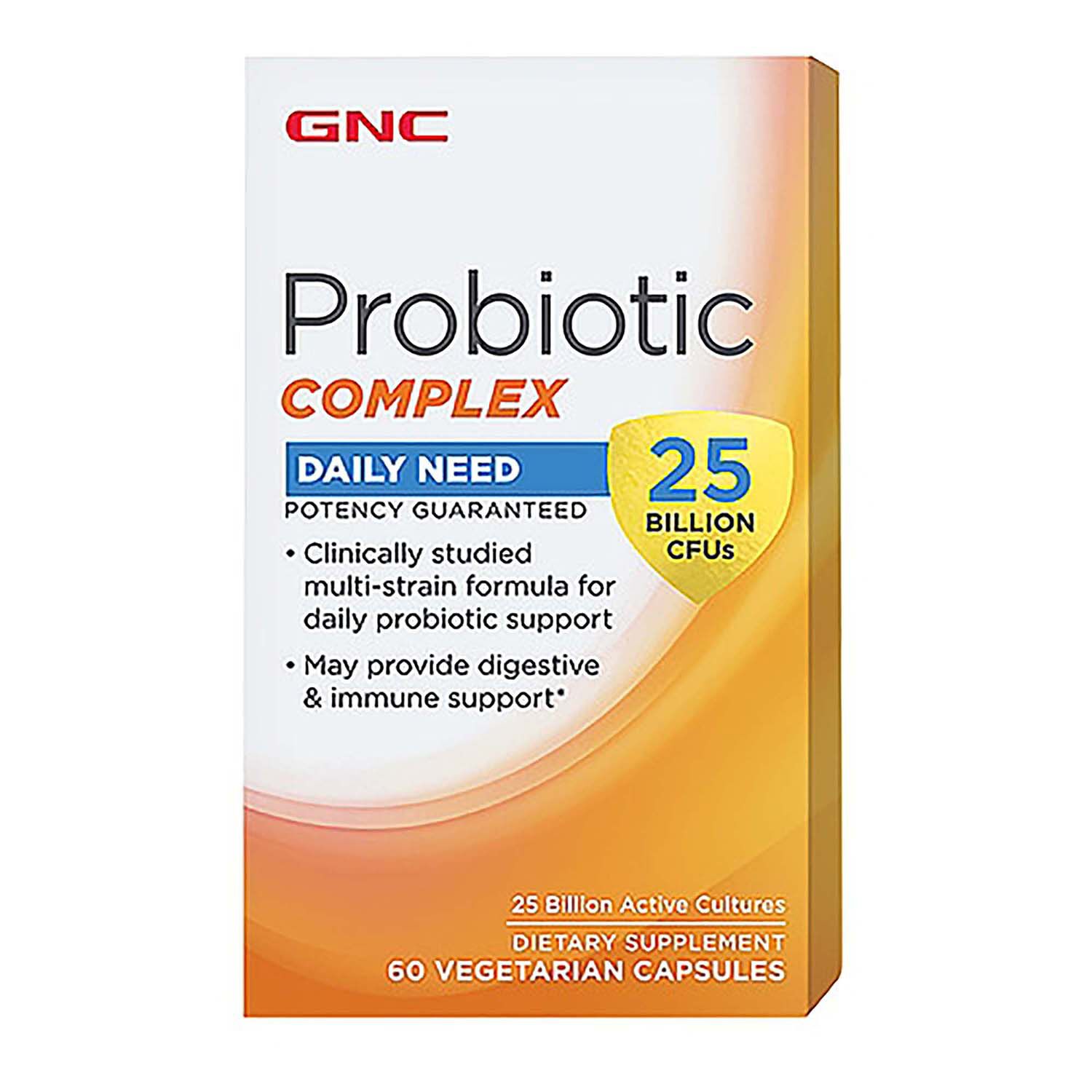

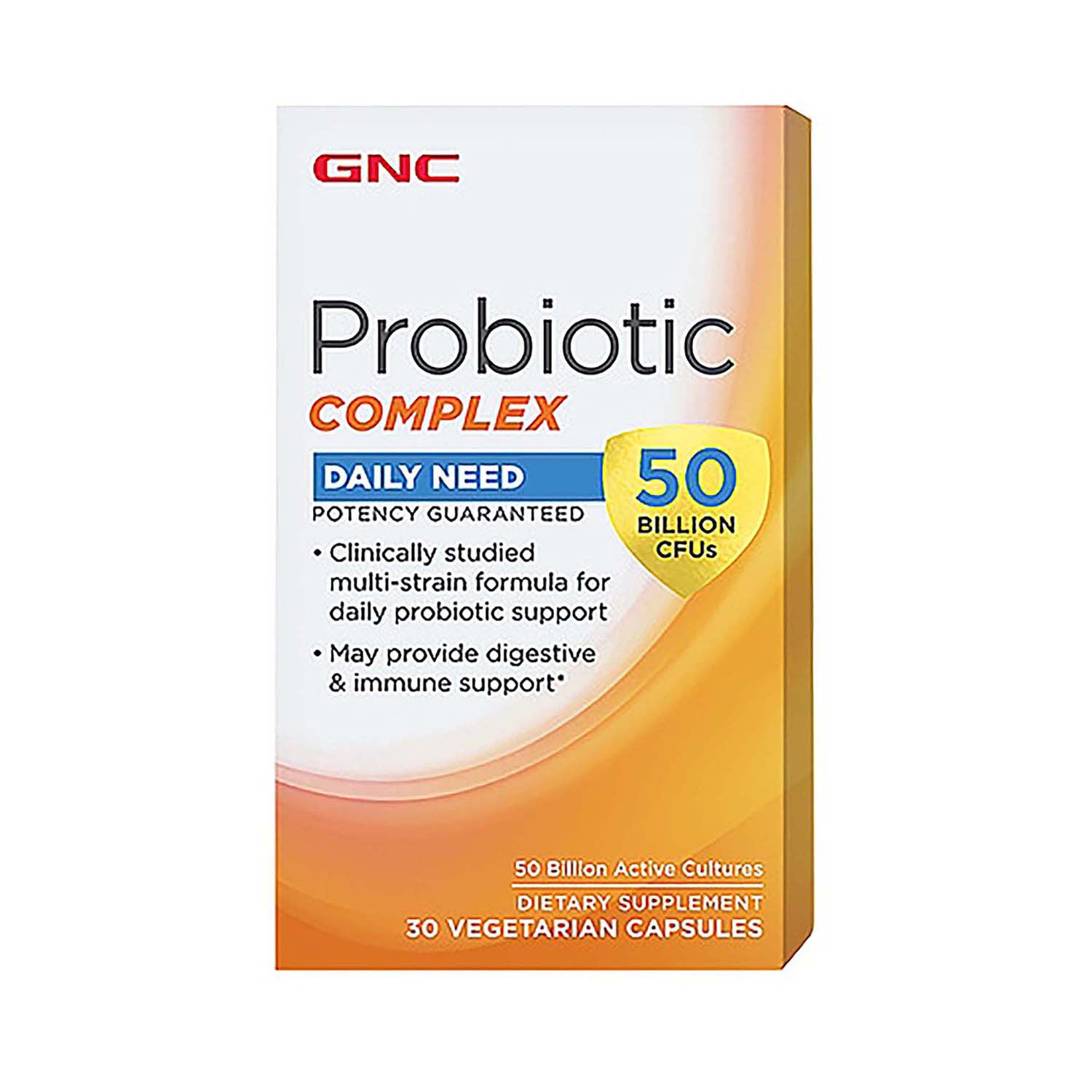


Probiotic enzymes bring together two distinct categories of ingredients that shoppers may see in one formula. Digestive enzymes are proteins that may help break food into smaller components during the digestive process. Common examples include amylase, which is associated with carbohydrate digestion; protease, which is associated with protein digestion; and lipase, which is associated with fat digestion. Probiotics are live microorganisms, often identified by genus, species, and strain, that may support a balanced gut environment. Prebiotics are certain types of fibers that may provide nourishment for beneficial microorganisms. Because these ingredients serve different roles, a combined supplement may appeal to people who prefer a streamlined approach to their daily wellness routine. Some shoppers look for probiotic enzymes after noticing that rich restaurant meals, large family dinners, or changes in their usual eating pattern can leave them feeling less comfortable than expected. Others may choose them as part of a broader routine built around varied foods, regular hydration, movement, and mindful meal habits. These products are not all alike, so reading the Supplement Facts panel can make the shopping process more useful. Look for the specific enzyme names and the probiotic strains included, along with serving size, storage guidance, and directions for use. A formula designed for use with meals may be taken immediately before or alongside food, allowing the enzymes to mix with what is being eaten. A probiotic product may have different instructions, including whether it should be taken with food or at another time of day. Since formulas vary, the label provides the best starting point. Shoppers may also compare capsule count, serving frequency, vegetarian or vegan suitability, allergen statements, and whether the product fits their preferred routine. For those avoiding particular ingredients, checking the full label matters more than relying on a short front-panel description. People who prefer a simple morning ritual might keep a bottle near their breakfast items, while someone with a busier schedule could pair the serving with a regular lunch or dinner. Keeping supplements in a cool, dry place according to label directions may help preserve product quality. Anyone who is pregnant, nursing, managing a health condition, or taking prescription products may wish to speak with a qualified healthcare professional before adding a new supplement.
The best probiotic enzyme choice often comes down to personal preferences, meal patterns, and the type of routine that feels easy to maintain. A person who enjoys hearty, varied meals may appreciate a formula that combines multiple digestive enzymes with probiotic cultures, while another shopper may prefer a simpler enzyme blend or a probiotic formula taken separately. Strain names can be useful when comparing products, since different probiotic strains may have different properties and serving recommendations. The number of organisms listed on a label can also vary by product, and a larger number does not automatically make one option a better match for every shopper. Storage instructions deserve attention as well: some products may be shelf-stable, while others may call for refrigeration. Travel plans, kitchen temperature, and available storage space could all influence the most convenient choice. People shopping for a thoughtful wellness gift may consider probiotic enzymes for a friend who enjoys cooking, a family member building a more organized self-care routine, or a host who appreciates practical additions to a pantry. They may pair the gift with a reusable water bottle, a recipe journal, or a basket of colorful pantry staples without suggesting a particular health outcome. During warmer weather and into the cooler months, routines often shift around travel, gatherings, and seasonal meals, making a clearly labeled supplement that fits an established schedule appealing to some shoppers. Those exploring a combined option can browse Prebiotic Probiotic Enzyme Capsules as one category to consider. As with any supplement, following the package directions is important, and introducing a new product gradually may make it easier to notice how it fits into an individual routine. A personal record of serving time, meal habits, and general comfort could help shoppers discuss their experience with a healthcare professional, without treating a supplement as a substitute for personalized care. With attention to ingredients, format, storage, and daily convenience, probiotic enzyme products may offer a practical addition to a thoughtful wellness shelf.
Best Sellers
-
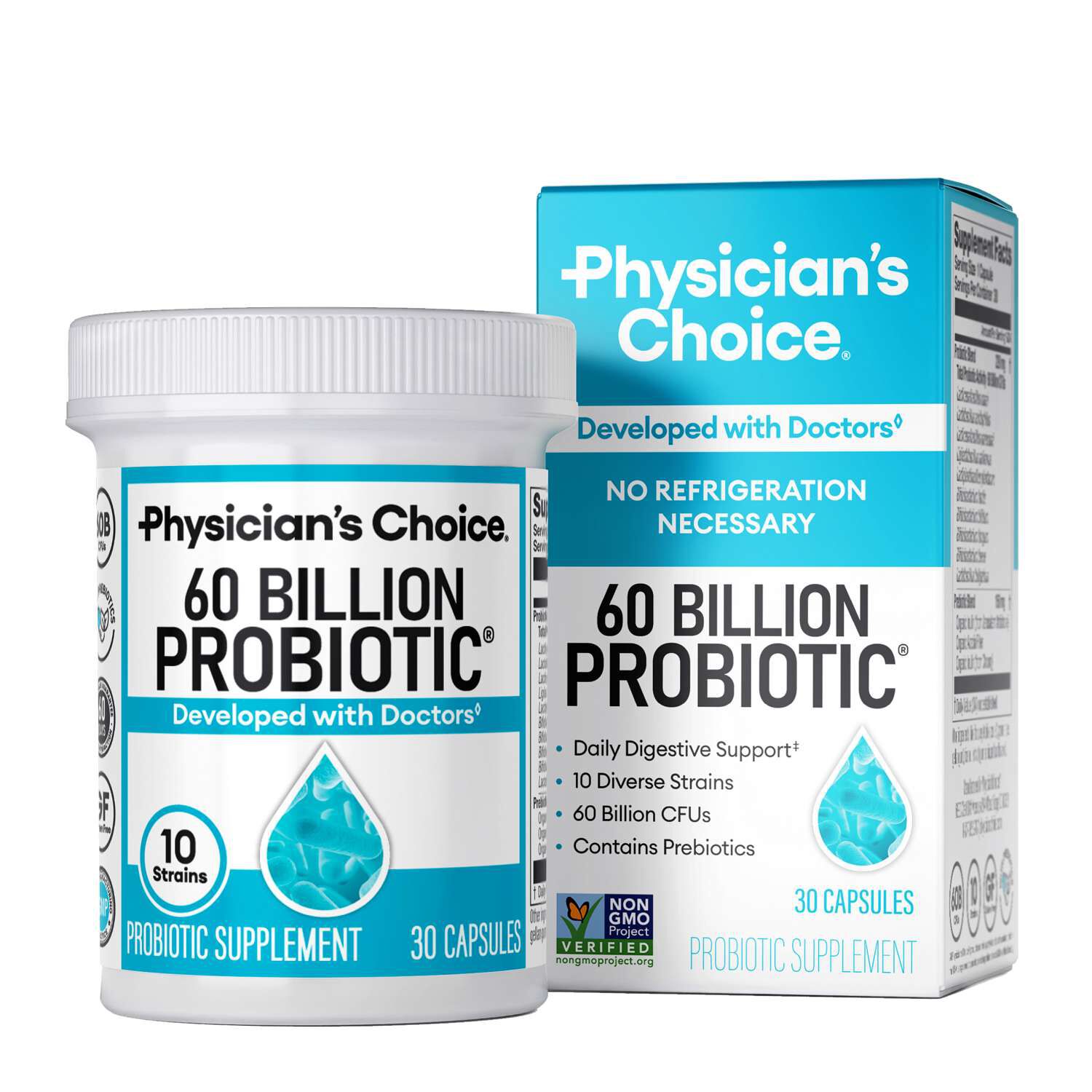 Physician's Choice