Prebiotic Wellness Products
(0 Results)
Discover how prebiotic wellness products could support your journey to better digestive health and overall well-being. These specialized supplements may help nourish the beneficial bacteria in your gut, creating an environment that supports optimal balance. Whether you’re looking to enhance your daily routine or complement your nutrition plan, prebiotic wellness products might offer a convenient solution for those seeking to prioritize their gut health. Explore a variety of options designed to fit seamlessly into any lifestyle.
-
 $26.99
-

-

-

-

-

-
-
-

-

-
 209$34.99
-
 $17.99
-
-
-
-
-
 $26.99
-
 $15.99
-

-


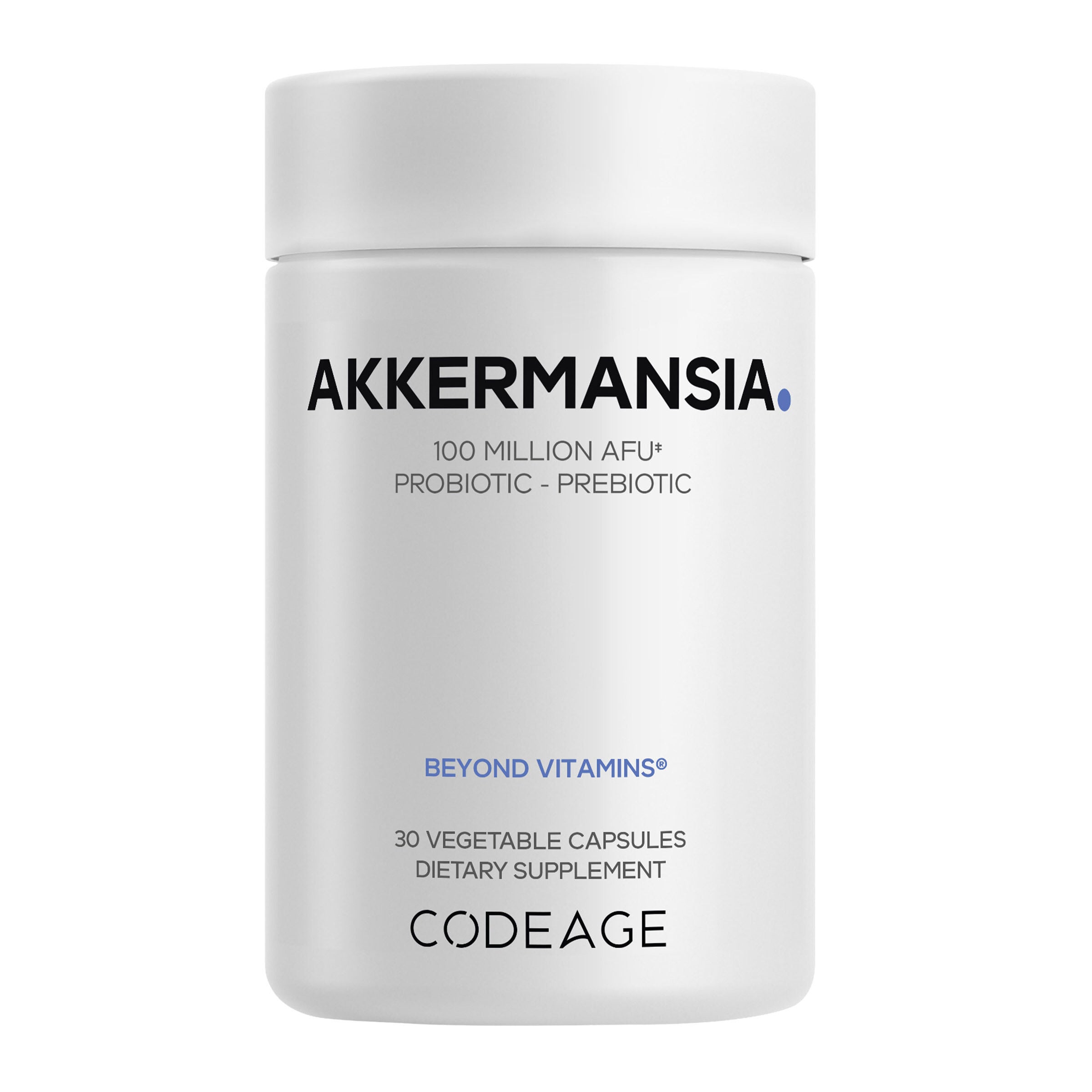
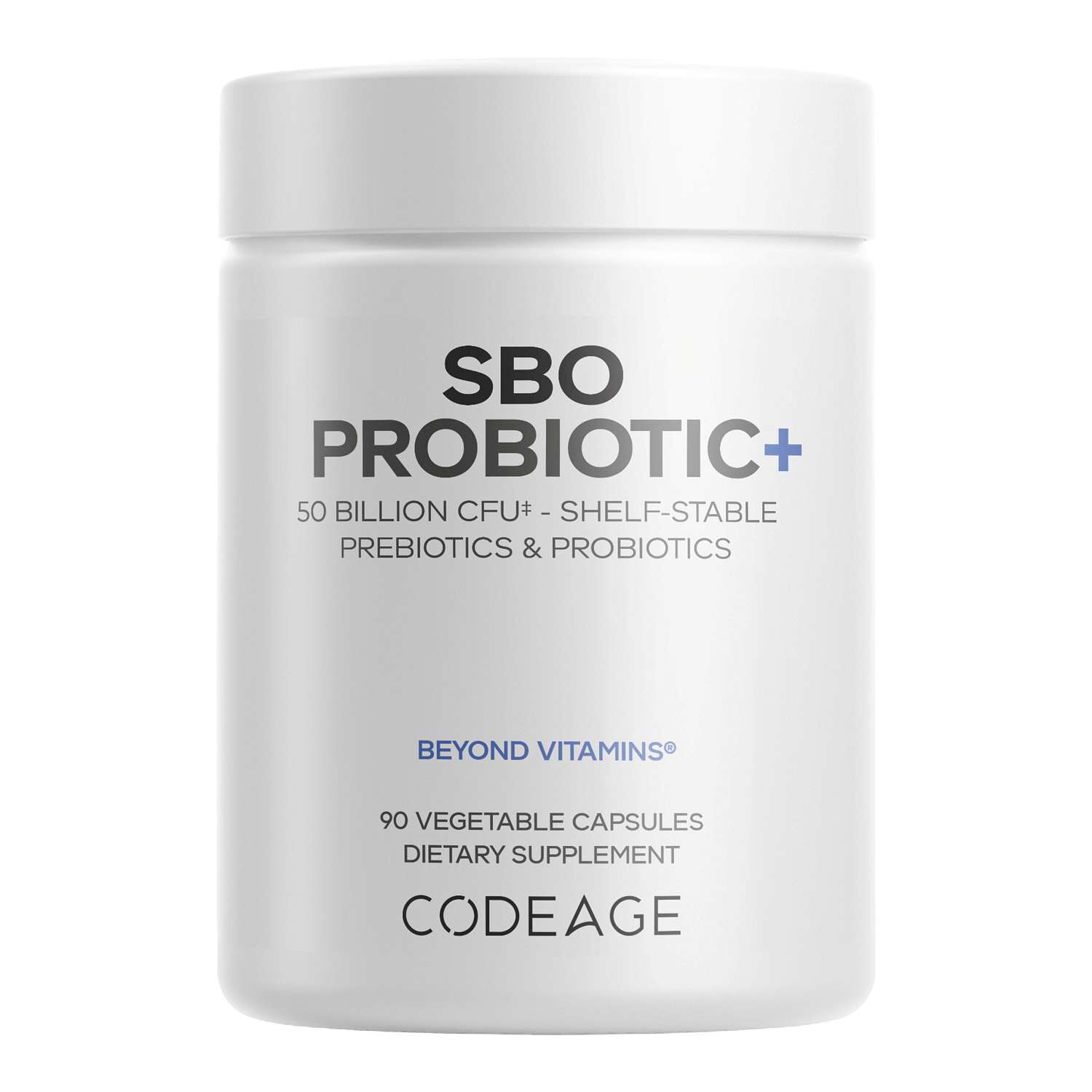

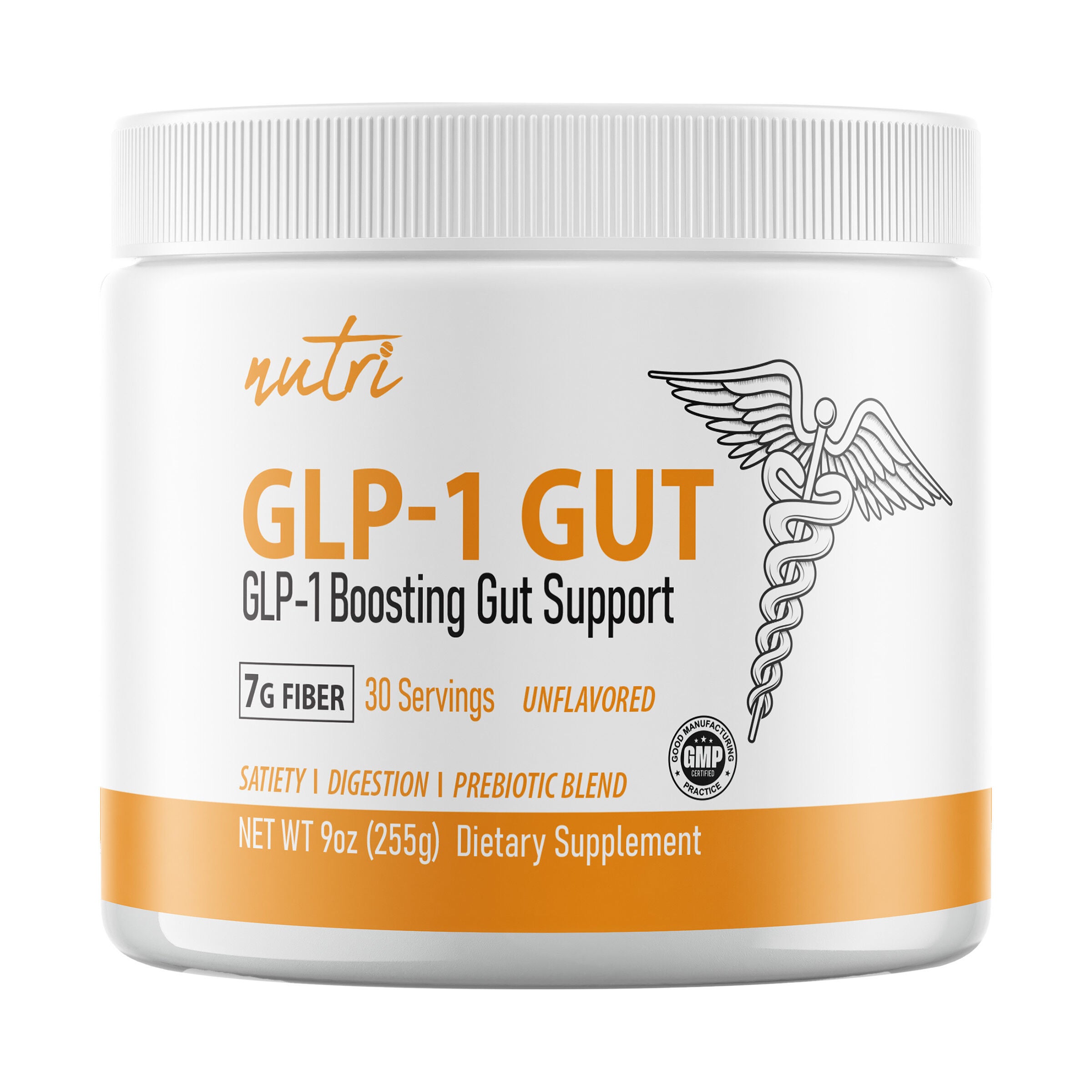
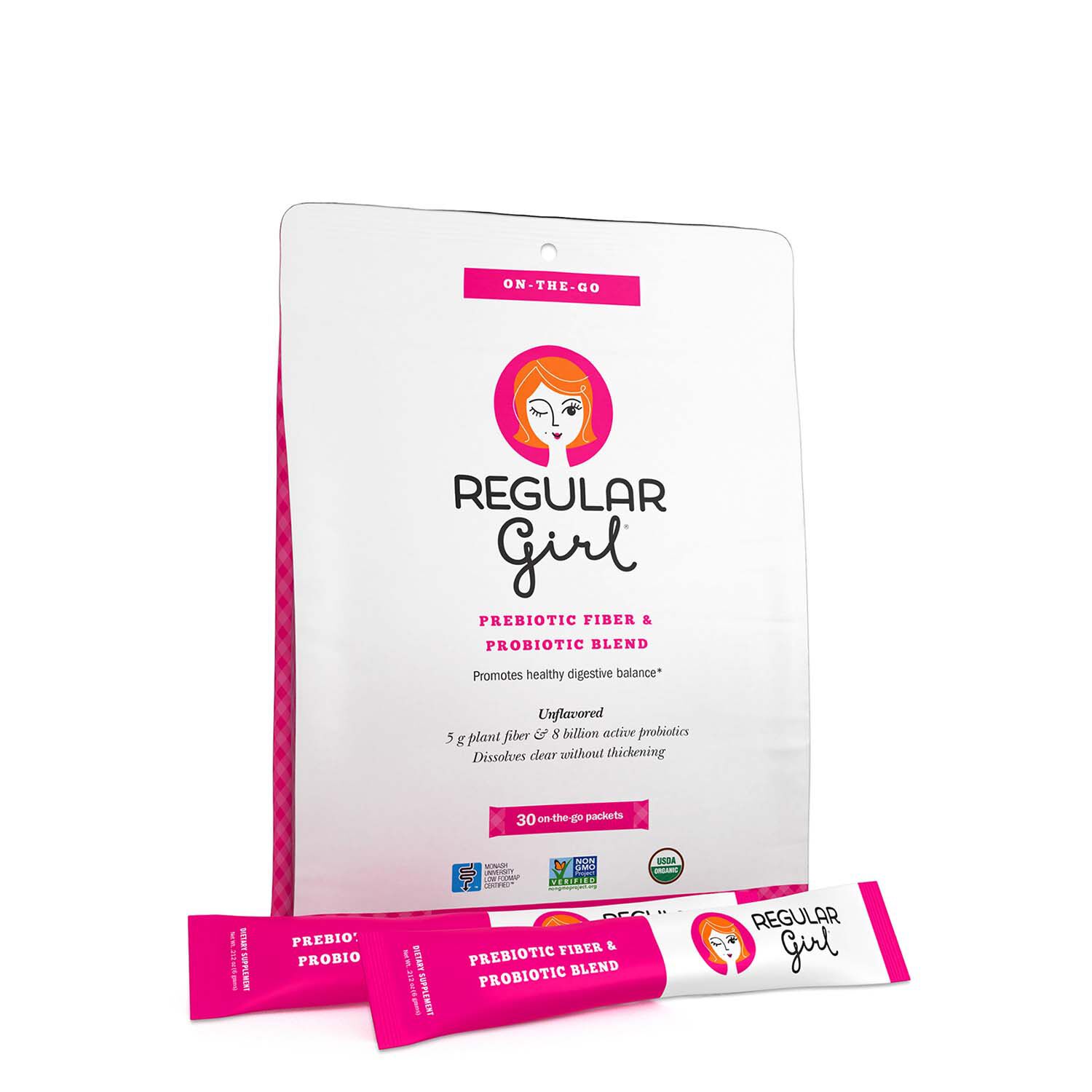
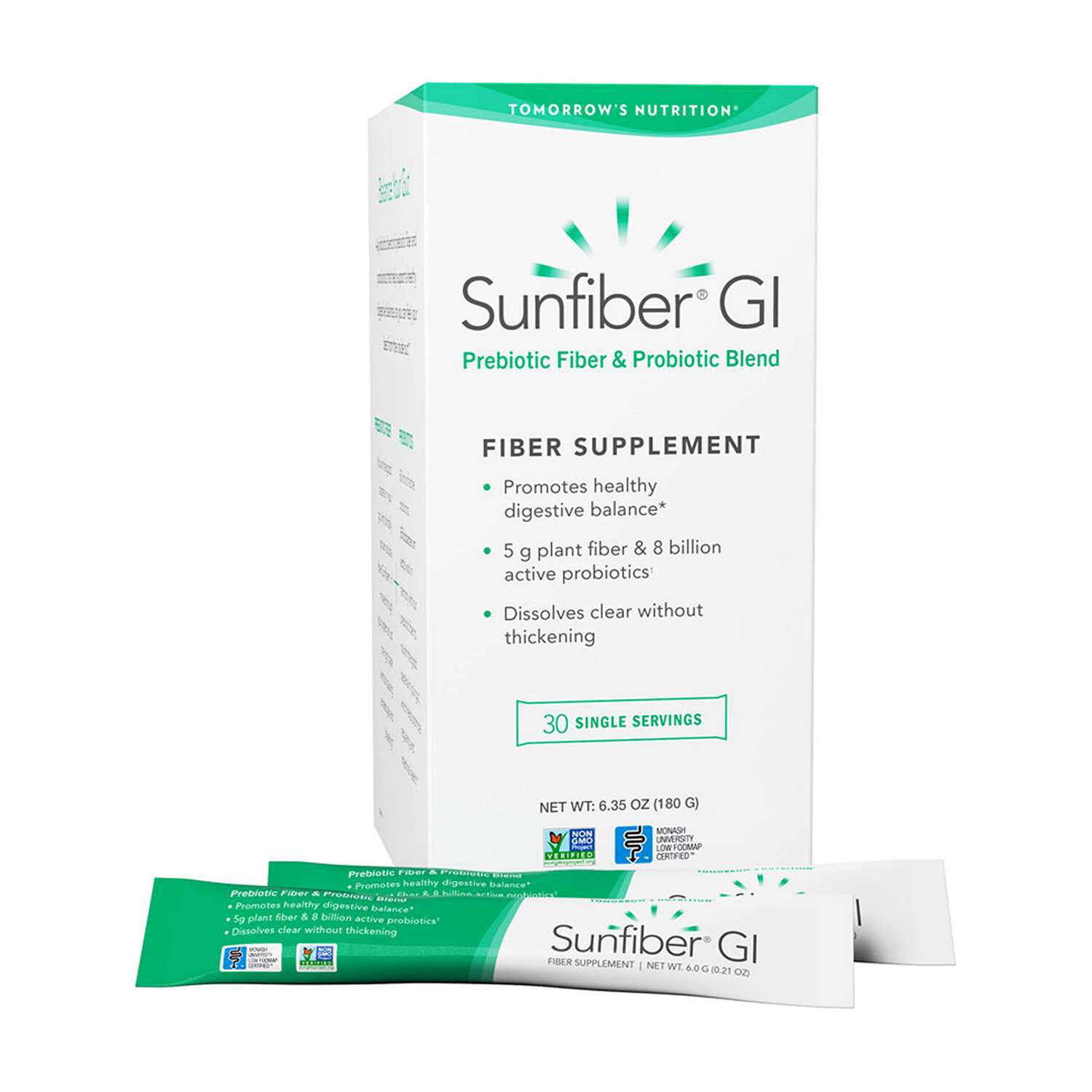
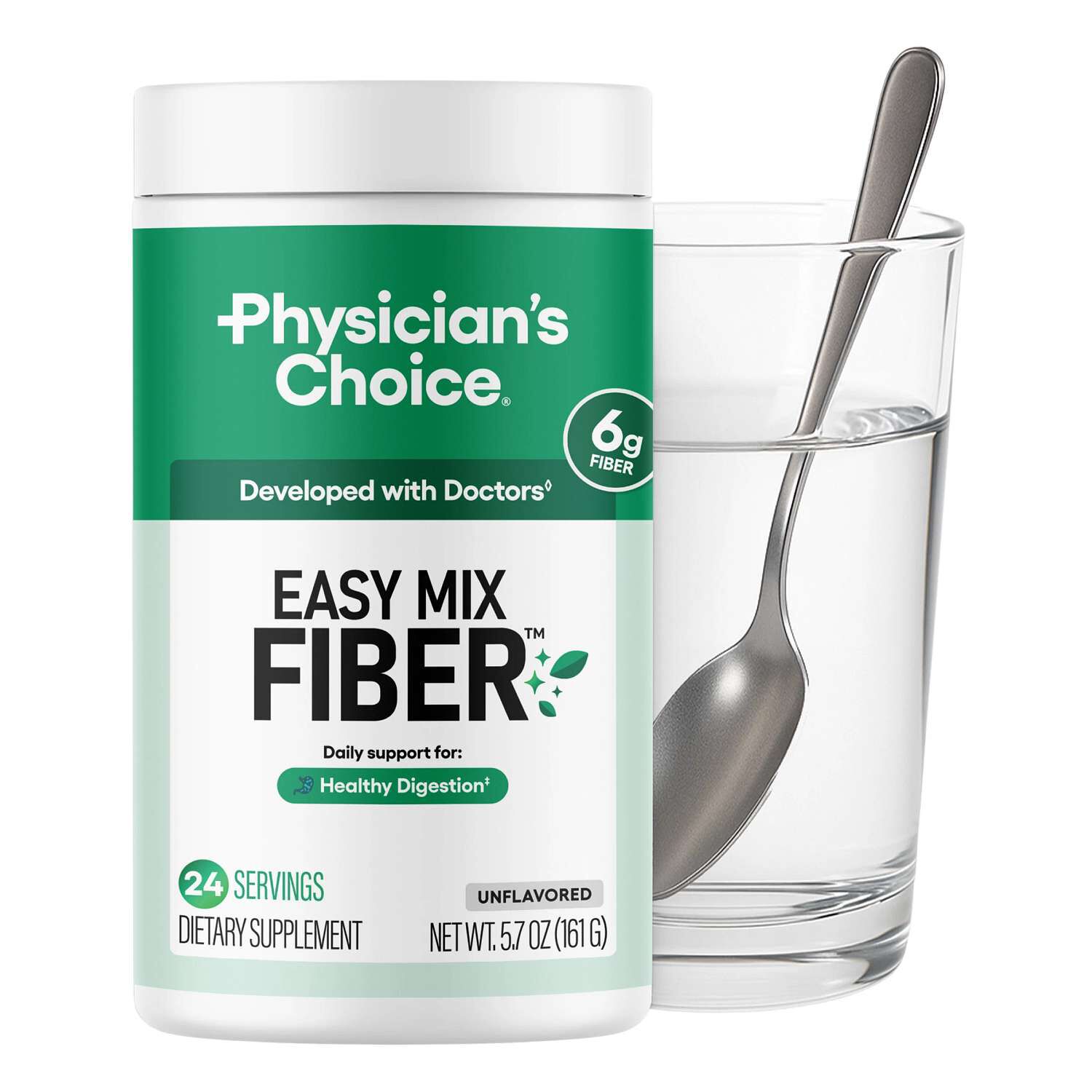
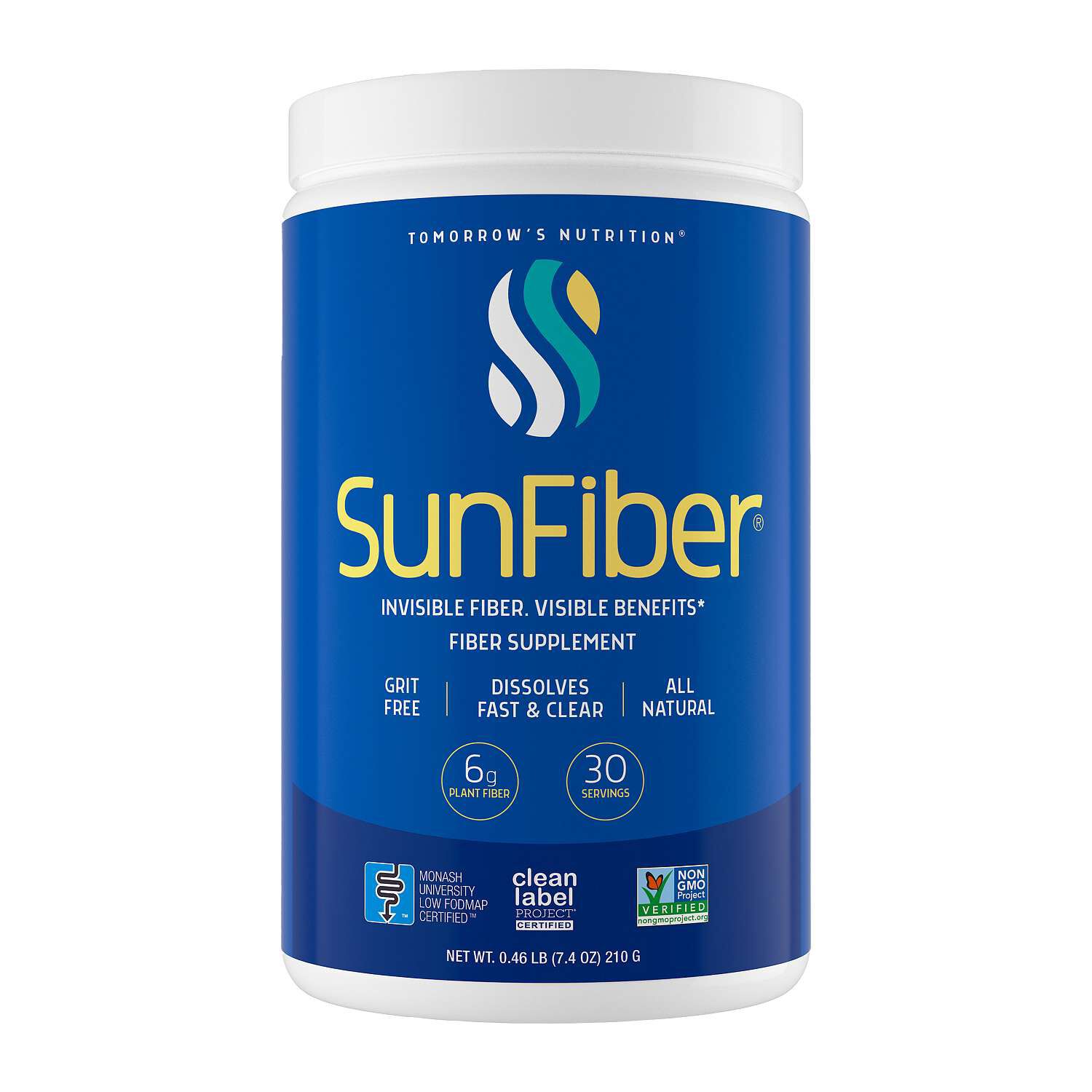
Prebiotic wellness products include dietary supplements, fiber powders, chewable formats, and beverages made with ingredients that may nourish beneficial microorganisms in the gut. Prebiotics differ from probiotics: prebiotics are substances that microorganisms can use, while probiotics contain live microorganisms. A product can include either category or bring both together in one formula. Many familiar prebiotic ingredients are plant-derived carbohydrates, including inulin from chicory root, fructooligosaccharides, often abbreviated as FOS, and galactooligosaccharides, commonly called GOS. Some formulas also feature acacia fiber or other sources of dietary fiber. Although the terms sometimes appear side by side on packaging, dietary fiber and prebiotics are not interchangeable descriptions; not every fiber has the same properties or intended role. The ingredient list provides a more useful starting point than the front label alone, especially when comparing a single-source fiber powder with a blend containing several ingredients. Prebiotic ingredients also occur naturally in foods such as onions, garlic, oats, and bananas, placing these products within a broader conversation about everyday food choices rather than making them a substitute for varied meals. For adults interested in a prebiotic supplement, the most meaningful distinctions often involve ingredient source, serving size, preparation, and format. A scoop stirred into a breakfast smoothie offers a different experience from a capsule taken according to its label or a ready-to-drink beverage enjoyed with lunch. Those differences matter even when products share a similar ingredient. A beverage can contain a smaller amount of fiber per serving than a concentrated powder, while a capsule serving can consist of more than one capsule. The package’s Supplement Facts or Nutrition Facts panel identifies the serving size and relevant amounts, making it possible to compare products on the same basis. Looking at the amount of a named prebiotic ingredient alongside the listed dietary fiber can also clarify what a formula contains, since a blend’s weight and its fiber content are not necessarily the same measurement.
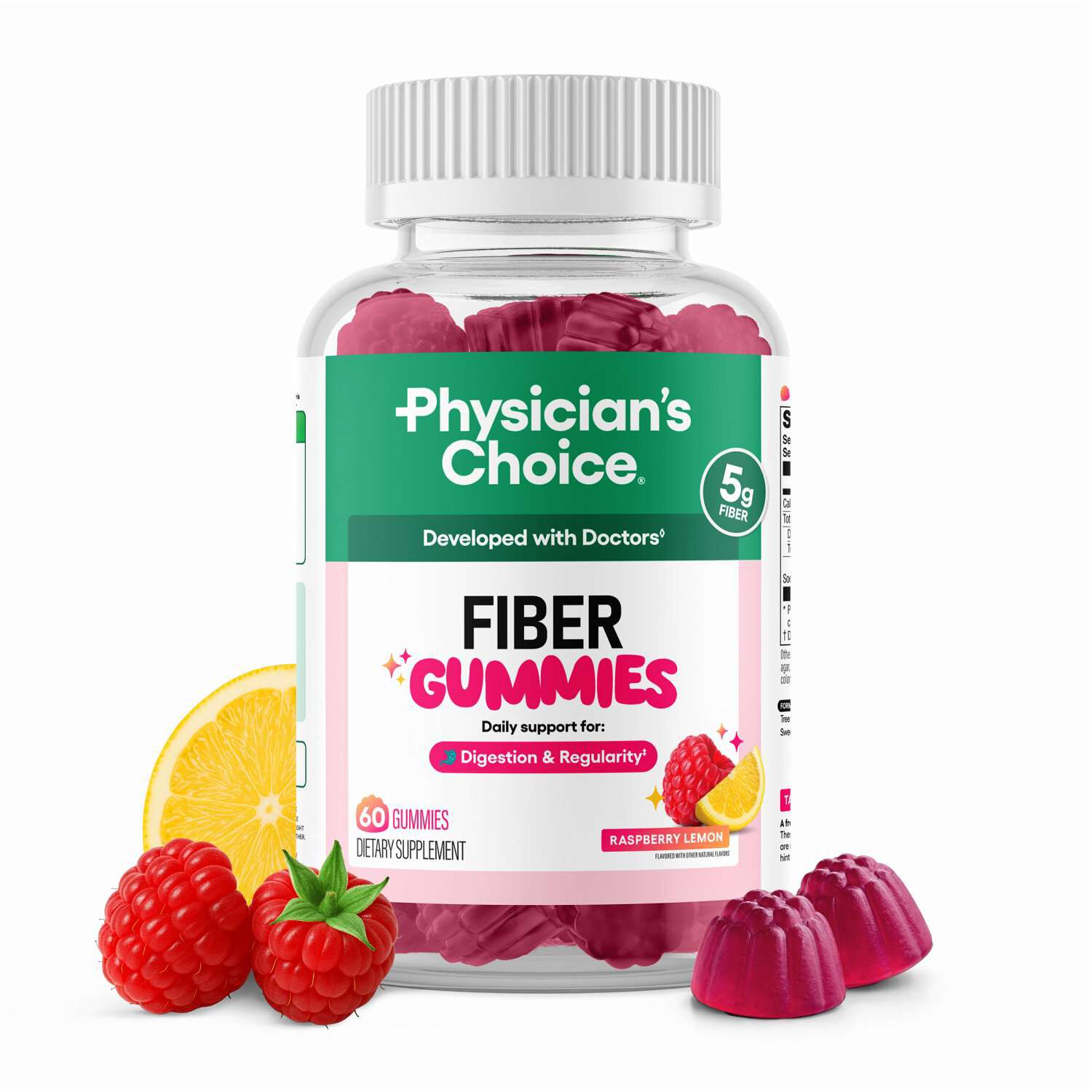
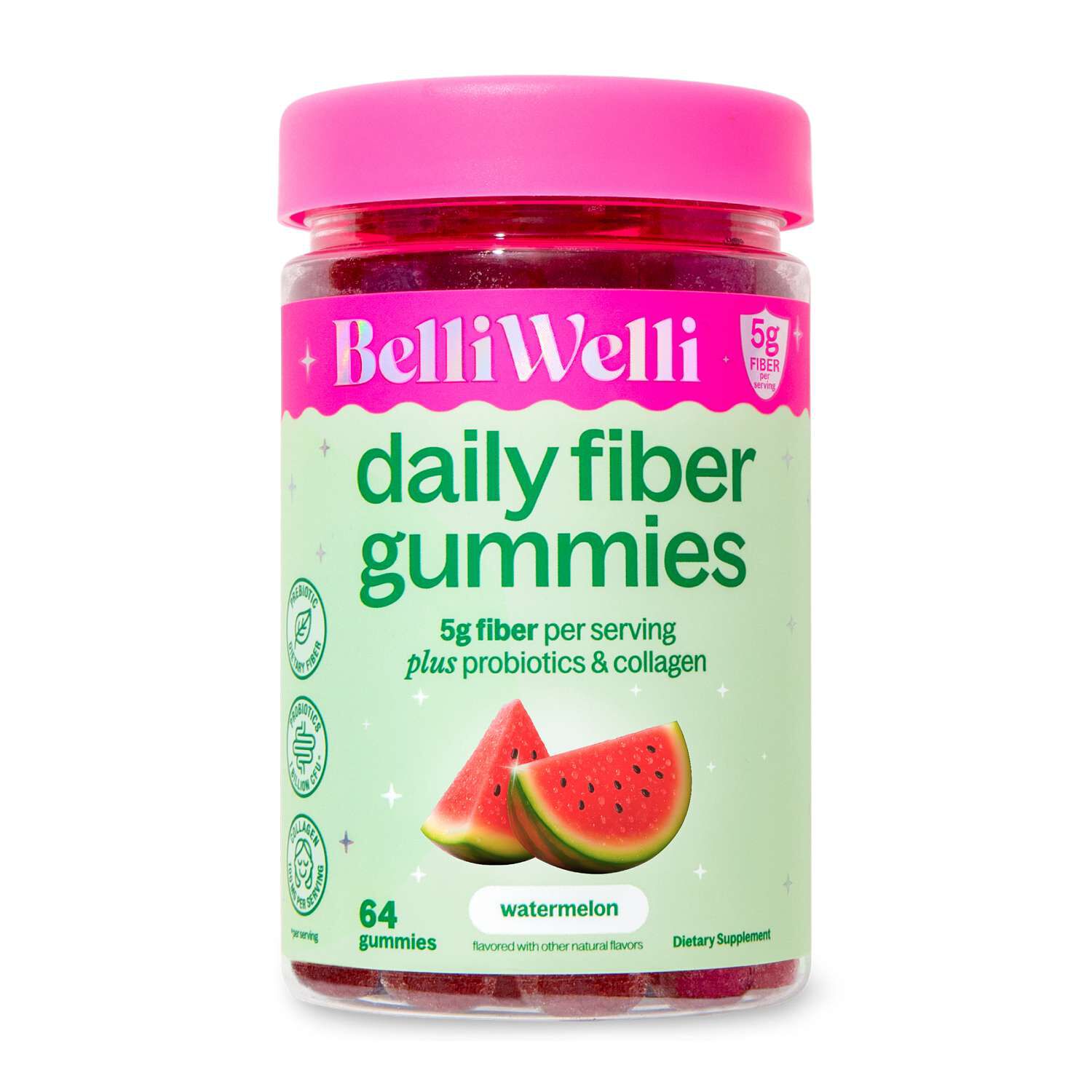
Format shapes how prebiotic wellness products fit into ordinary routines, from the kitchen counter to a desk drawer or an overnight bag. Powders offer flexibility in preparation, with flavored and unflavored versions suited to different preferences. An unflavored powder is not necessarily without a noticeable taste or texture; its ingredient source can contribute mild sweetness, a thicker consistency, or a subtle finish. Mixing directions matter, particularly when a powder is intended for a certain quantity of liquid or requires thorough stirring. A formula prepared in a small glass of water may feel different from the same labeled serving blended into a smoothie with fruit and yogurt. For someone who already uses a shaker bottle at breakfast, a powder may be a practical match, provided the product’s directions allow that method of preparation. Capsules and tablets involve less preparation, but capsule dimensions, the number per serving, and the capsule shell’s ingredients remain useful considerations. Some shoppers prefer plant-derived capsule materials, while others focus on a short ingredient list or packaging that travels neatly. Gummies and other chewable formats bring their own considerations, including texture, flavor, added sugars, sugar alcohols, and the number of pieces in a serving. Their familiar appearance does not change their intended use as supplements, and the labeled serving remains the reference point. Prebiotic beverages place flavor and drinking experience alongside ingredient content. Carbonation, sweetness, portion size, and the amount of fiber in each container can distinguish one style from another. A crisp, sparkling drink with lunch and a powder mixed into breakfast are different ways of incorporating a product into the day, not equivalent servings by default. Across formats, dietary preferences deserve attention beyond the primary prebiotic ingredient. Flavorings, sweeteners, capsule materials, and other components can influence suitability for a particular eating pattern. Anyone shopping around a food allergy can find ingredient and allergen information on the package rather than relying on a broad description such as plant-based.
Choosing among prebiotic wellness products also involves deciding how much complexity belongs in a daily routine. A single-ingredient formula offers a straightforward ingredient profile, while a blended formula can include several fiber sources or additional components. Neither a longer ingredient list nor a larger serving automatically makes a product a better match. Clear labeling, a preferred format, and preparation that fits the intended setting are more useful distinctions. For shoppers comparing formulas that pair prebiotic ingredients with live microorganisms, Prebiotic Probiotic Supplements For Gut Health provides a related category to explore. These combinations are often described as synbiotics, although the individual ingredients and their amounts still warrant attention. A prebiotic quantity listed in grams and a probiotic count expressed in colony-forming units describe different components and cannot be compared as though they measure the same thing. Labels may also identify probiotic microorganisms by genus, species, and strain, adding detail beyond a general blend name. Packaging and care are equally practical parts of the purchase decision. Resealable powder containers call for secure closure after use, and measuring scoops work best when kept clean and dry. Individually portioned packets reduce measuring steps, though the package still determines the intended serving and mixing method. Bottled beverages can have separate storage directions before and after opening, while products containing live microorganisms may have handling requirements that differ from those of a plain fiber powder. The printed storage instructions and date markings are the appropriate reference for each format. Keeping products in their original packaging preserves access to directions, ingredient details, and serving information; supplements also belong out of children’s reach. For a shared household, clearly labeled containers can help distinguish one person’s chosen formula from another’s. For a frequent traveler, package size, closure design, and preparation needs may matter more than flavor variety. For someone with a settled breakfast routine, texture and ease of mixing may carry more weight. These everyday details make a prebiotic product easier to evaluate as a practical purchase, with attention to what it contains, how it is used, and how well its format suits the person choosing it.
Best Sellers
-
Tomorrow's Nutrition
-
Physician's Choice
-
Tomorrow's Nutrition