Products For Mind And Body
(0 Results)
Products for mind and body offer a diverse selection of supplements and wellness essentials designed to support your overall well-being. Whether you’re looking to enhance your daily routine or complement your active lifestyle, these options may help you feel your best from head to toe. Explore products for mind and body that could fit seamlessly into your wellness journey, providing support for both mental and physical vitality.
-
-
 Trace Minerals$14.99
-
-
 $34.99
-
 $39.99
-

-
 $39.99
-

-

-
 Purity Products$39.99
-
-

-
 $49.99
-
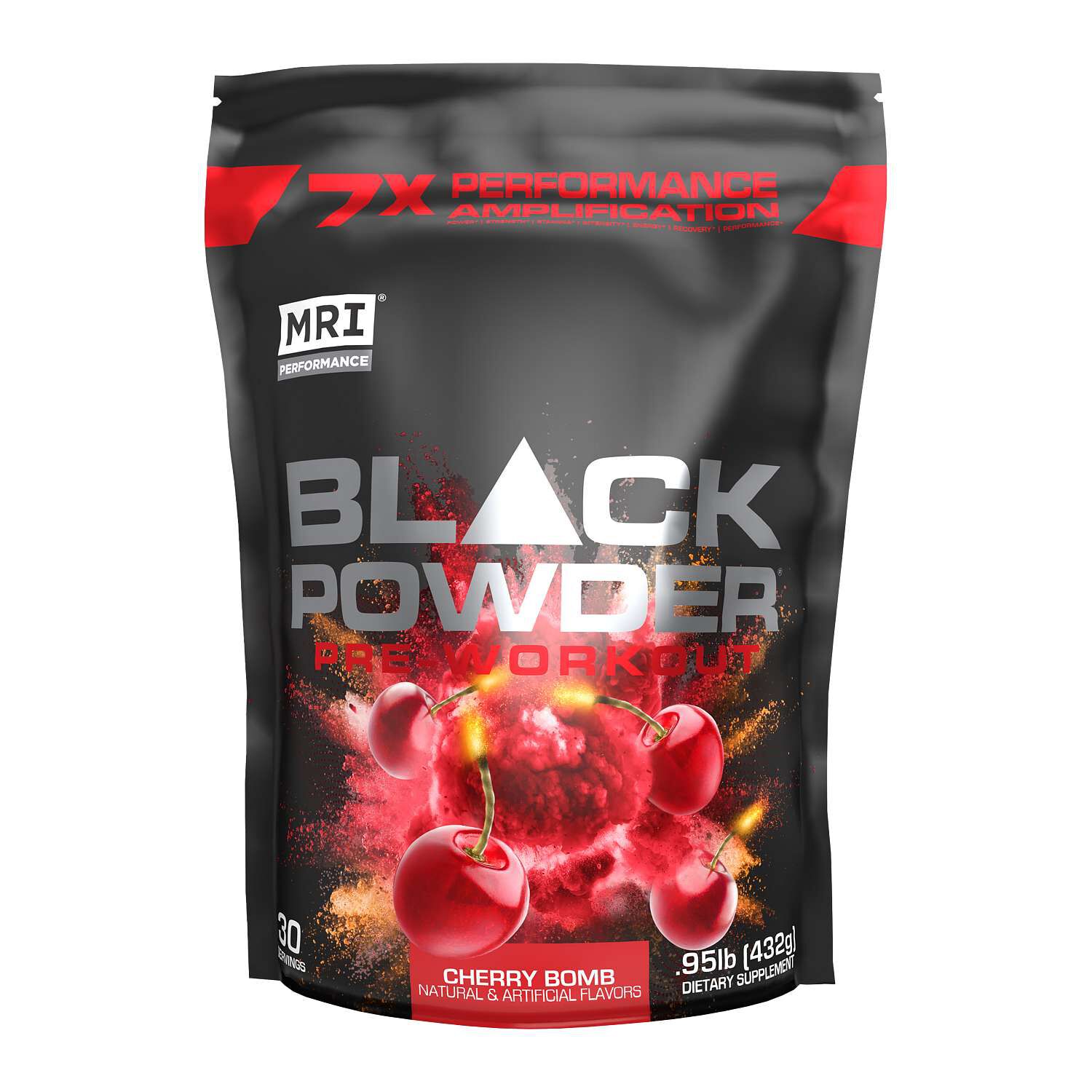 MRI Performance$39.99
-
-
-
-
-
-

-
-
 Nature's Fusions$54.99
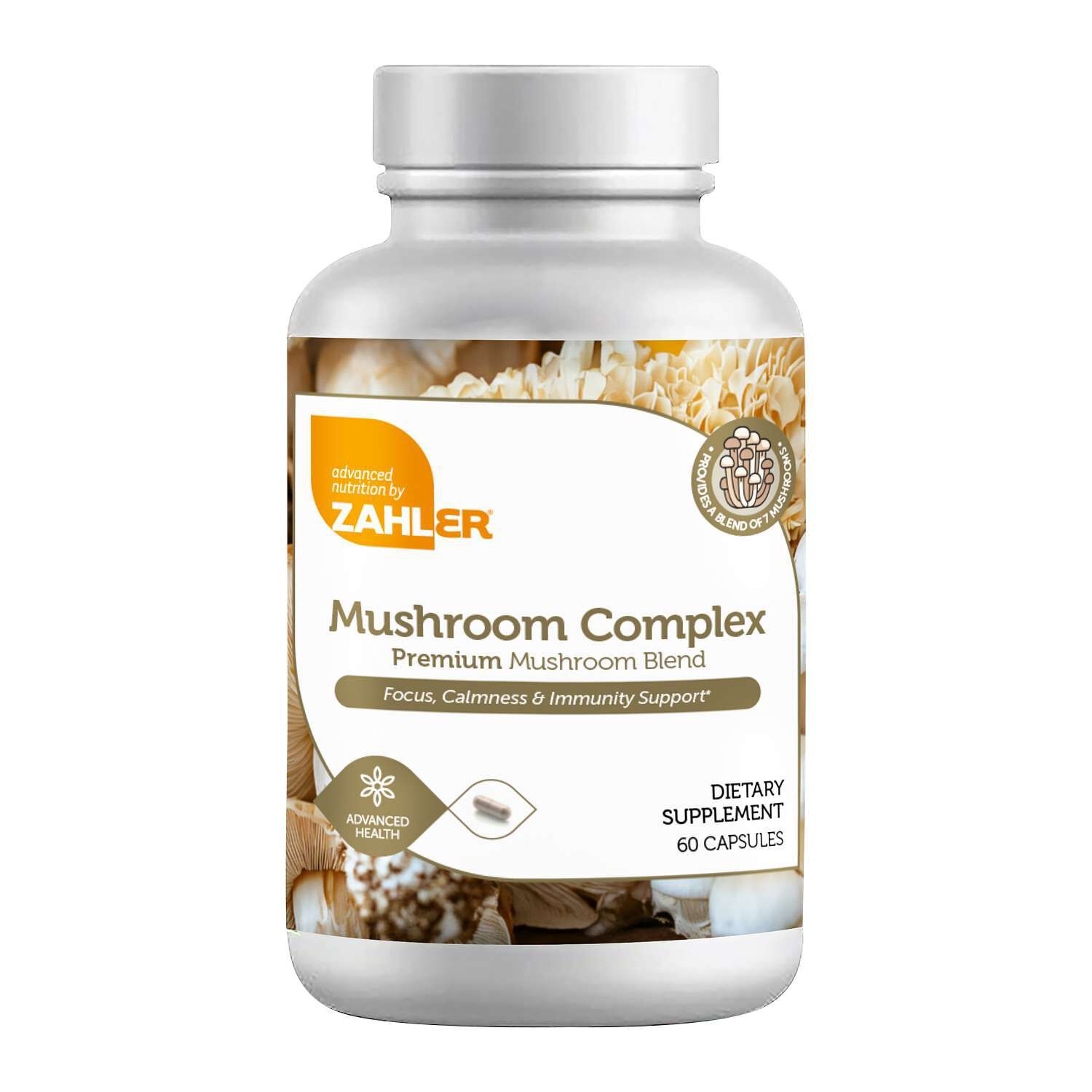

Products for mind and body bring together supplements and nutritional options intended for everyday wellness, from multivitamins and minerals to protein powders, omega-3s, and botanical blends. The category spans different priorities rather than one universal routine: everyday focus, time to unwind, balanced nutrition, and an active lifestyle. Some shoppers want a straightforward addition to breakfast, while others are comparing a powder for their gym bag or a capsule format that fits neatly into a busy schedule. Understanding those differences starts with the ingredient list, the serving size, and the form of the product. A multivitamin combines several nutrients in one formula, while a single-ingredient supplement takes a narrower approach. B vitamins and magnesium appear in many everyday nutrition formulas, and omega-3 supplements can come from fish or algae. Protein powders commonly use dairy sources, such as whey or casein, or plant sources, such as pea or soy. Botanical products may contain individual plant ingredients or blends, with labels identifying the plant part and extract information where applicable. These distinctions matter more than a front-label phrase alone because two formulas with similar positioning can have very different compositions. For someone who spends the day moving between a desk, errands, and a workout, a manageable routine may be more appealing than a crowded shelf of containers. For another shopper, the main consideration is whether a formula contains caffeine or whether its texture and flavor suit a familiar drink. Products for mind and body are best understood as a broad collection of choices with different intended uses, not interchangeable answers to every wellness goal. Supplements are additions to a routine, rather than substitutes for varied meals, regular movement, or time set aside for rest. Looking at the purpose of each category alongside its ingredients creates a clearer picture of what belongs in an individual shopping comparison. A simple formula and a longer ingredient list offer different things to evaluate; the number of ingredients alone does not explain how well a product matches a preference.
Format is often where a product’s fit with everyday life becomes most apparent. Capsules and tablets have little preparation involved, although their dimensions and the number per serving can differ. Gummies offer a chewable option, with flavor, texture, sweeteners, and serving count adding other points of comparison. Powders require a little more preparation but provide choices in flavor and mixing method. A vanilla protein powder stirred into a thick smoothie creates a different experience from a fruit-flavored drink mixed with water, and an unflavored powder may still have a noticeable taste or texture. Preparation directions help distinguish products intended for a shaker bottle from those better suited to blending or stirring. Serving information also deserves attention: one scoop, one gummy, or one capsule does not necessarily represent the serving listed on the package. Ingredient amounts are typically presented for that stated serving, making it an important reference when comparing formats. Beyond the main ingredients, shoppers can review capsule materials, coatings, flavorings, colors, and sweeteners. Someone who avoids animal-derived ingredients might look at both the nutrient source and the capsule shell, while a shopper with dietary restrictions will have different label details to consider. Allergen statements and ingredient lists provide information that flavor names alone cannot convey. Caffeine content is another useful distinction among products positioned around focus or activity, especially for shoppers who already include coffee or tea in their day. For blends, clearly listed ingredient amounts provide more detail for comparison than a combined blend weight. Label transparency matters when several products share overlapping vitamins, minerals, or botanical ingredients. Shoppers comparing this theme with a broader selection of everyday nutrition categories can also explore Products For Daily Wellness. Across either collection, the practical details remain personal: taste, texture, preparation, ingredient preferences, and the amount of space a container takes up on a kitchen shelf. Those ordinary considerations often determine whether a format feels convenient enough to become part of an established routine.
Storage, packaging, and intended use round out the comparison, particularly for products that travel between home, work, and a fitness bag. With supplements and nutritional powders, care is less about wear and tear than about following the package’s storage directions and keeping the contents properly enclosed. A securely closing lid, readable label, and container that fits its storage space are useful features to examine. Powders can leave residue around the opening, and a damp scoop introduces moisture, so clean, dry utensils and attention to closure are sensible parts of handling them. Original packaging keeps ingredient information, serving directions, lot details, and date markings together. A container left in a car or placed beside a steamy shower may encounter conditions outside its labeled storage recommendations; a location chosen with those directions in mind is a more thoughtful fit. For portability, packaging dimensions and closure design deserve as much attention as the serving format. Someone carrying a drink powder to work may prefer a compact package, while someone preparing smoothies at home may place more value on an opening that is easy to scoop from. The same practical approach applies to choosing products as gifts. A familiar flavor or an ingredient category the recipient already uses is more personal than selecting a formula based on assumptions about how that person feels. Dietary preferences, comfort with capsules, and interest in mixing powders all shape whether a wellness gift suits its recipient. Products intended for adults should not be treated as interchangeable with formulas labeled for other age groups, and package directions and cautions remain important parts of the product information. For personal shopping, a useful comparison returns to a few concrete details: what the product contains, what its stated purpose is, how it is prepared, and where it fits into the day. Whether that means a chewable format alongside breakfast or a protein powder kept near the blender, the strongest match is grounded in clearly described ingredients and realistic habits rather than an elaborate routine.