

Protein Digestion Help For Athletes
(0 Results)
Protein digestion help for athletes could play a key role in supporting your training goals and recovery needs. Optimizing how your body breaks down and absorbs protein may contribute to muscle growth, energy levels, and overall performance. Whether you’re a seasoned competitor or just starting your fitness journey, exploring options for protein digestion help for athletes might offer support as you strive to get the most out of every workout. Discover supplements and solutions that could help maximize the benefits of your protein intake.

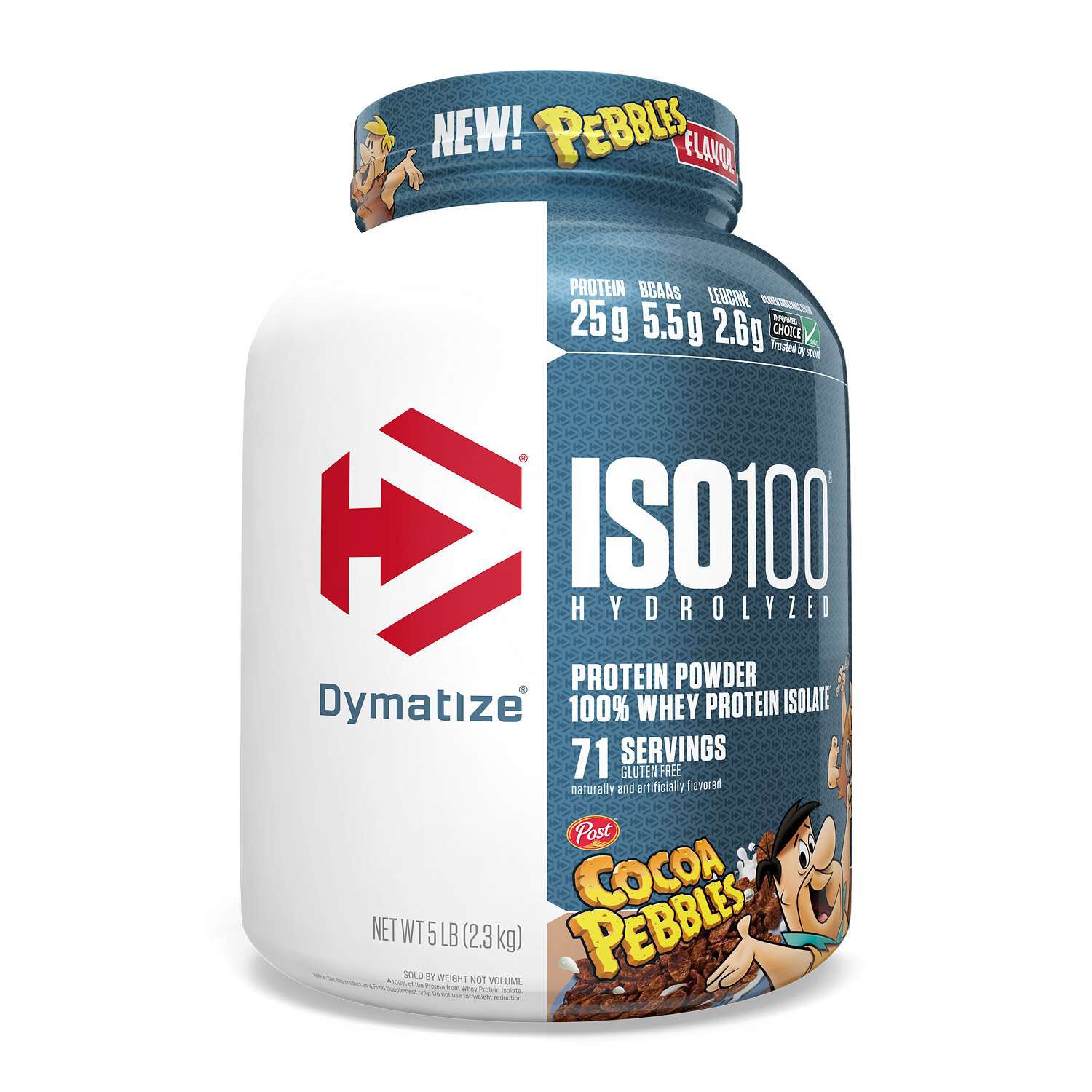
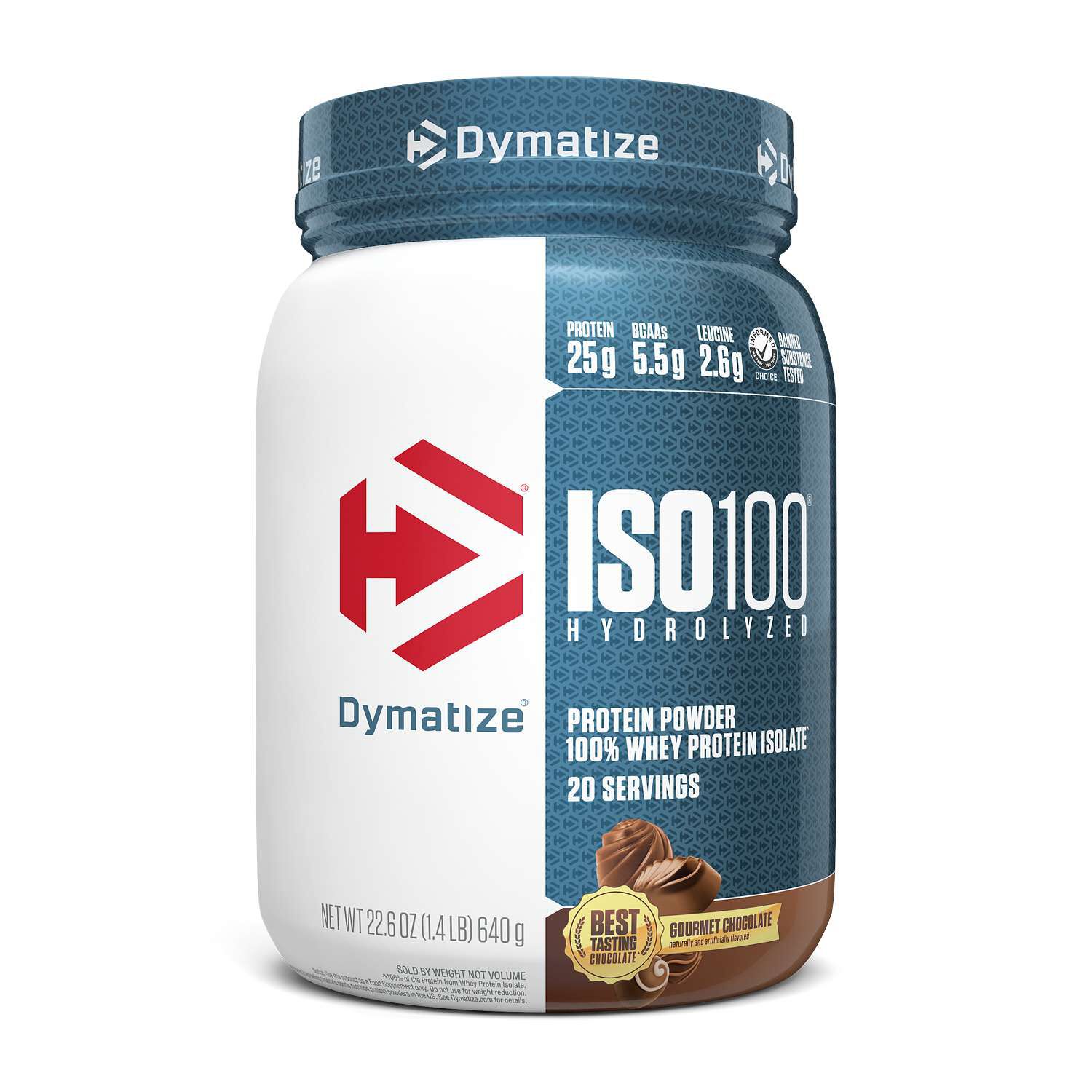
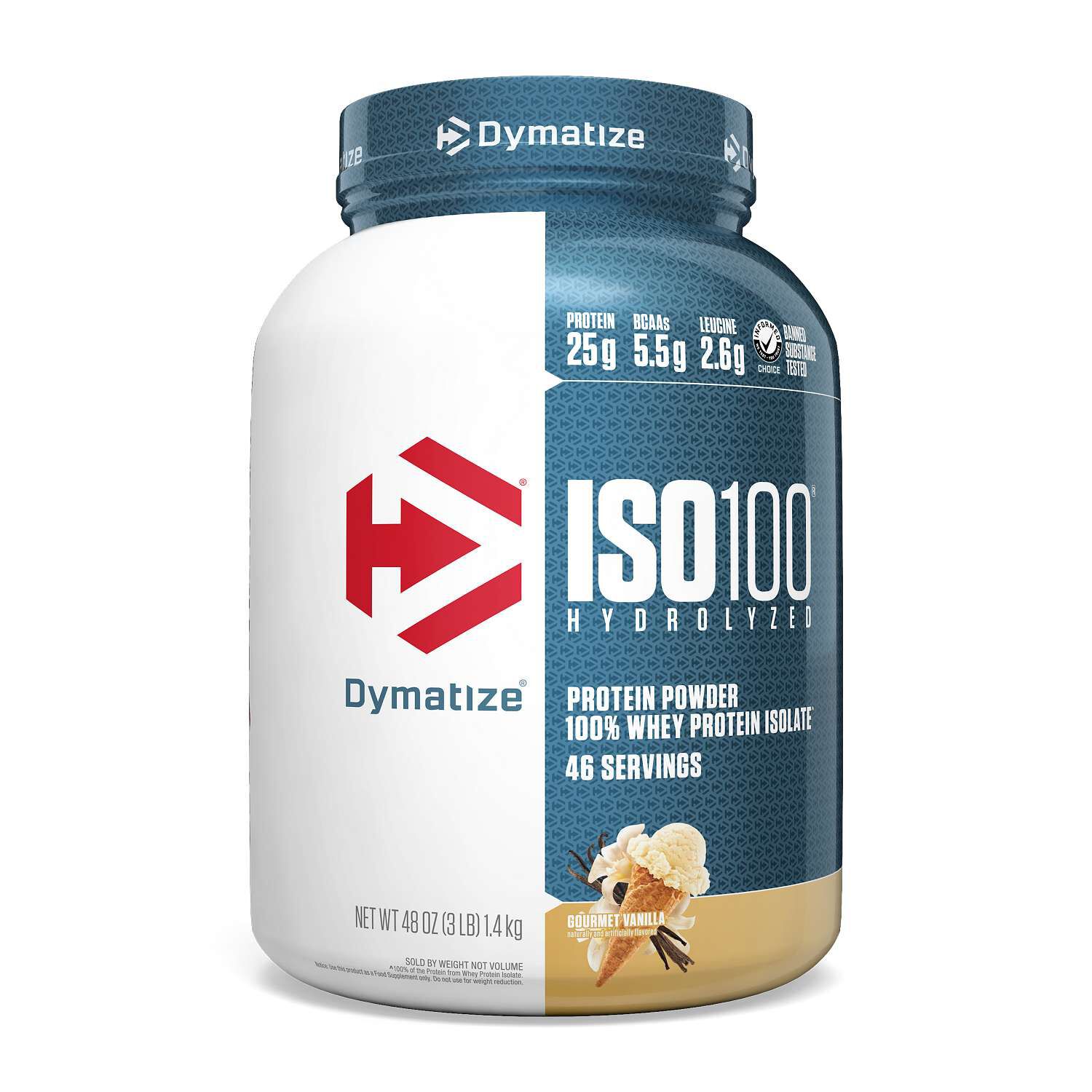

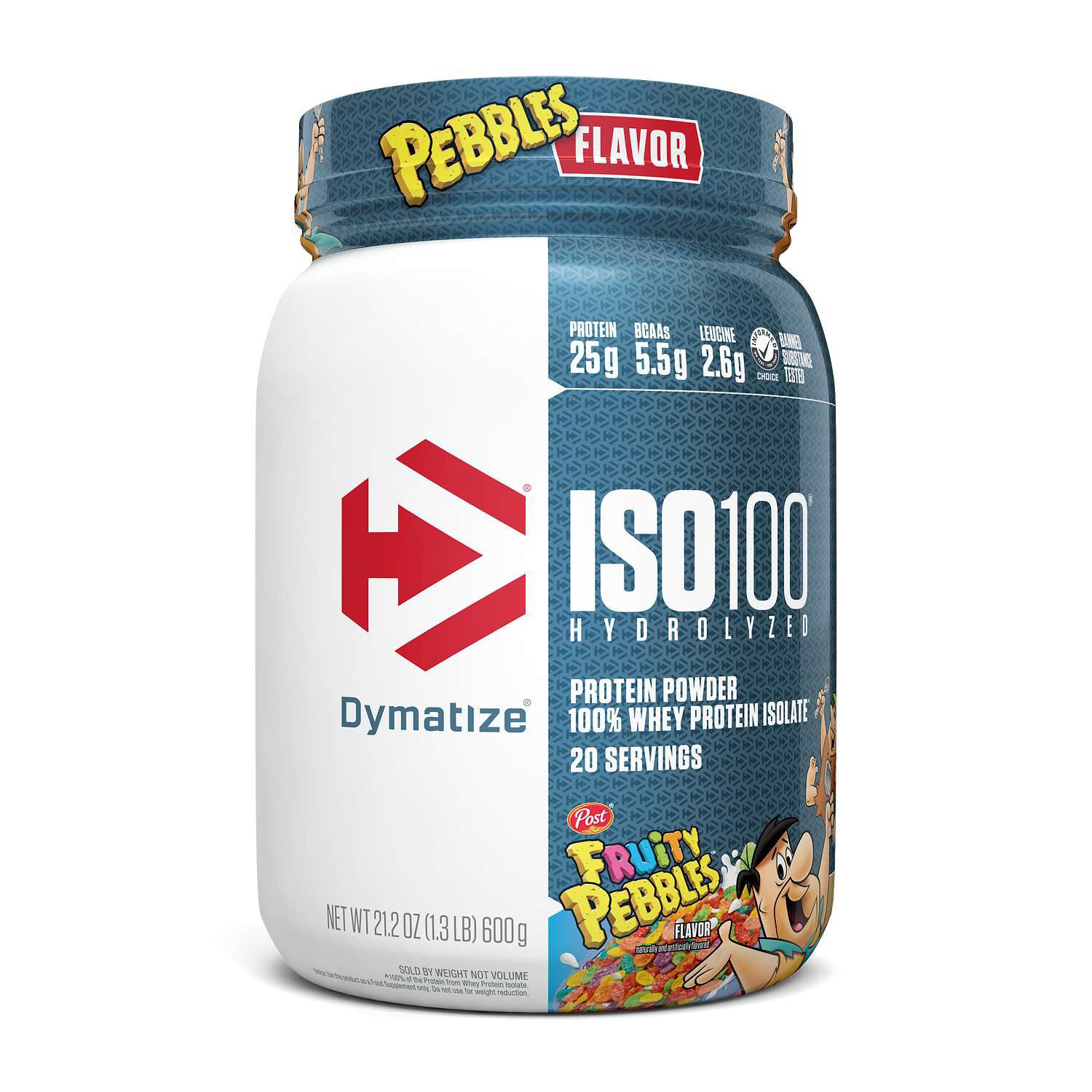


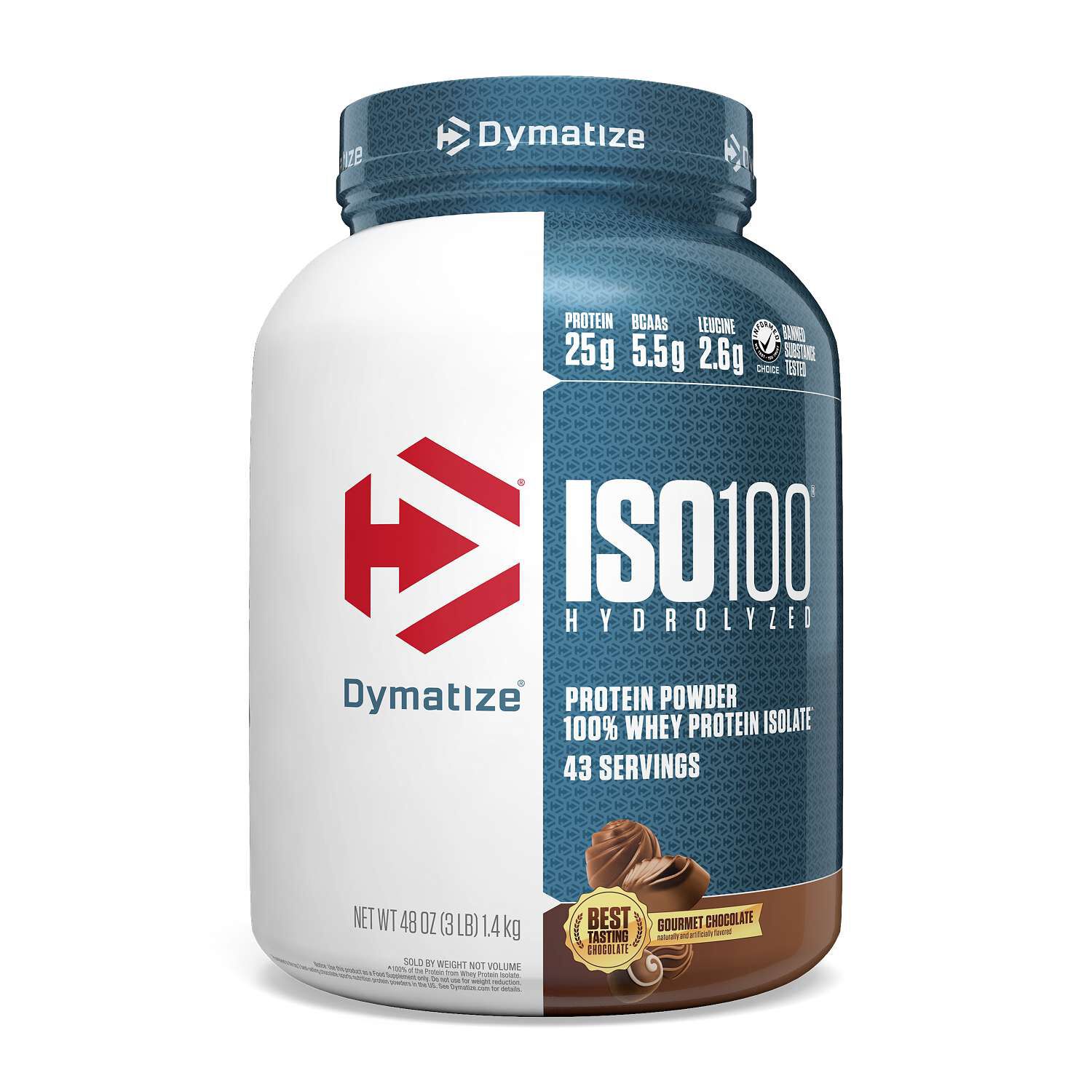
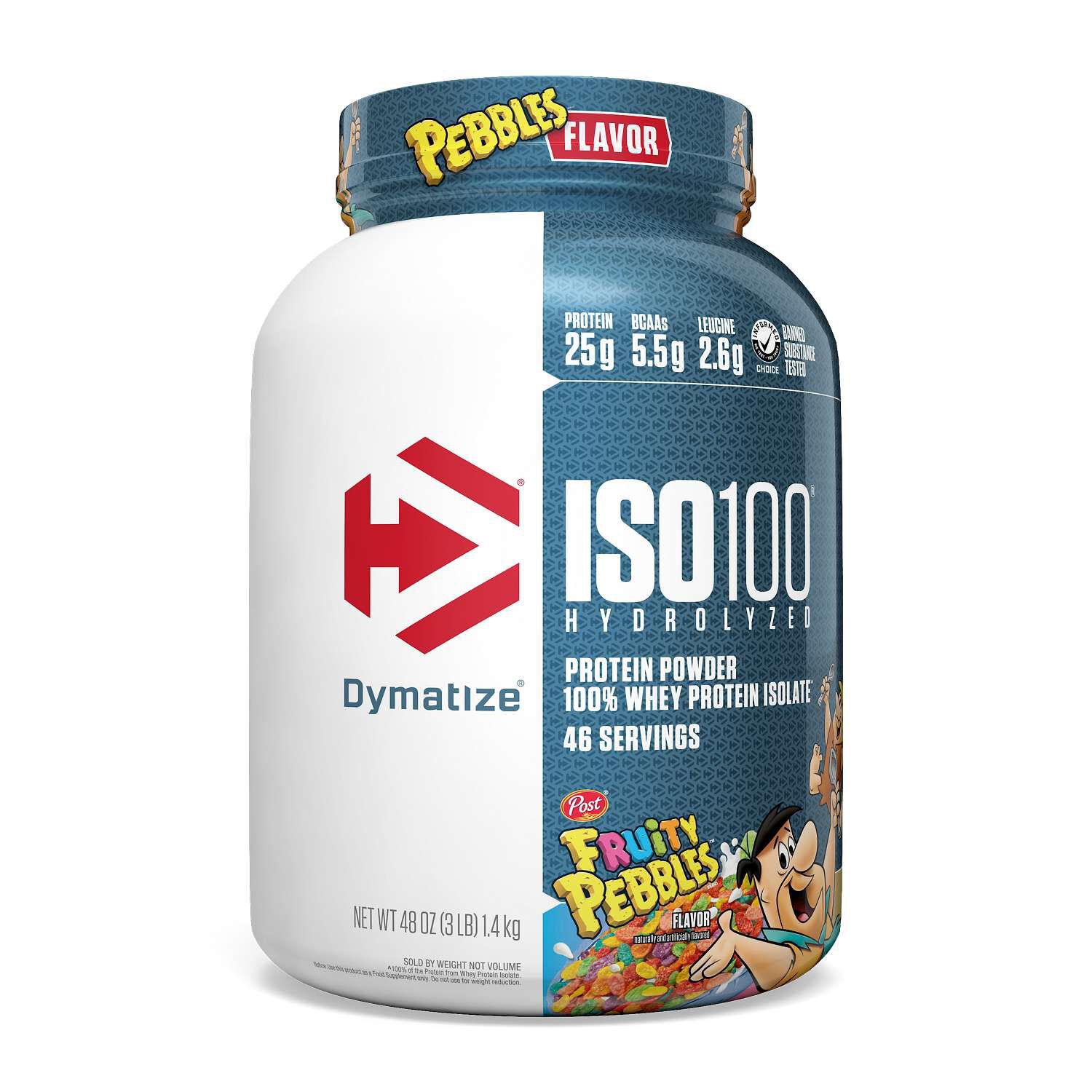
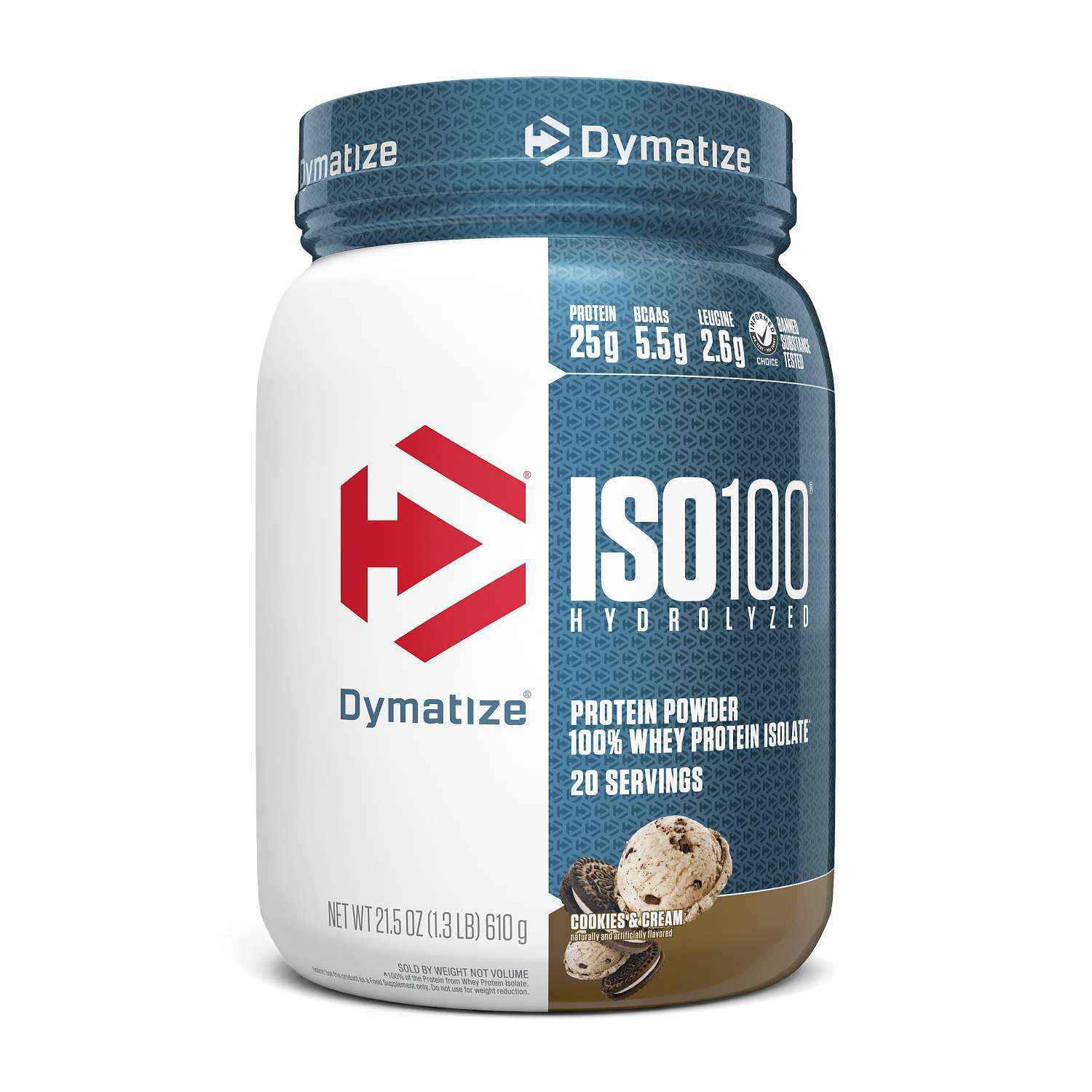
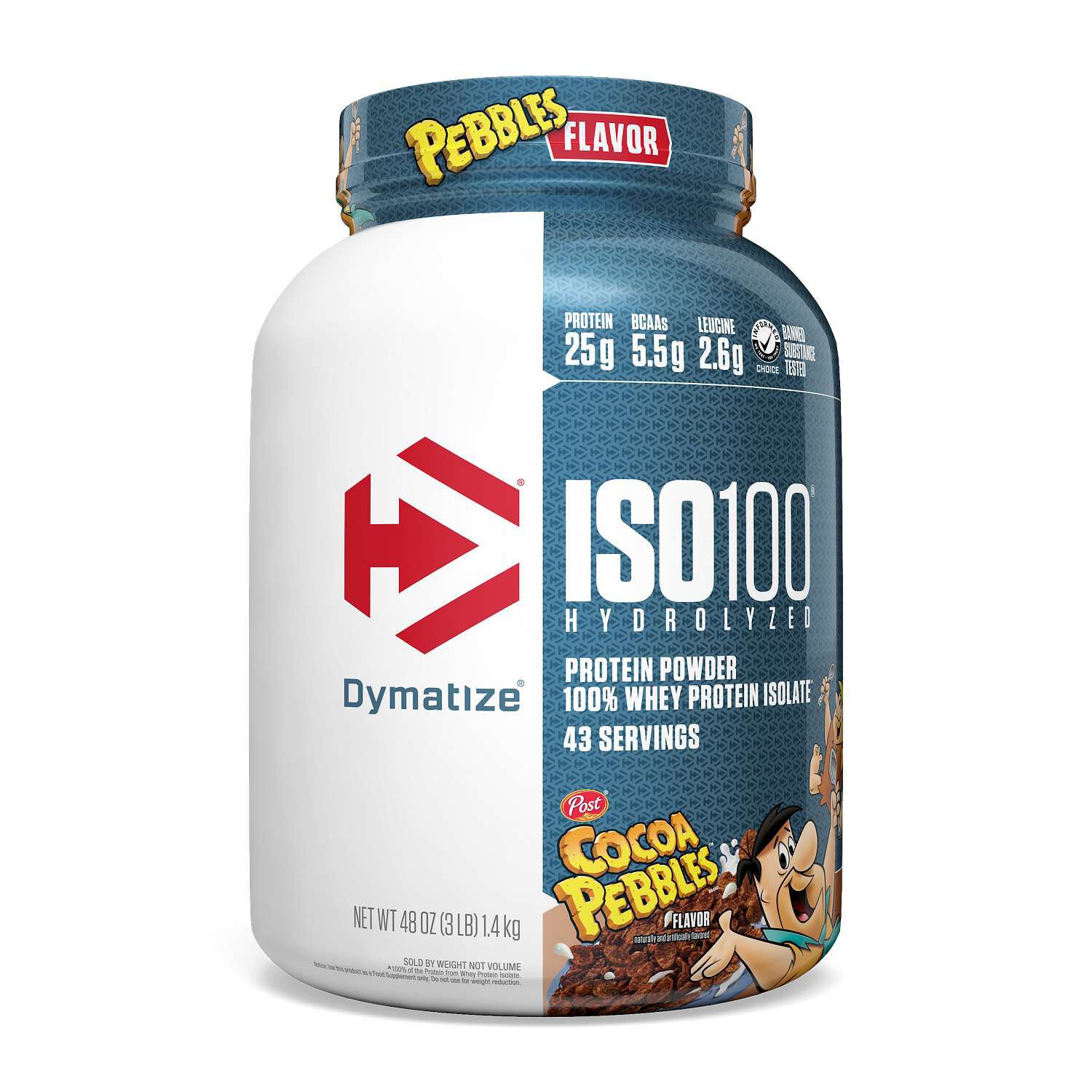


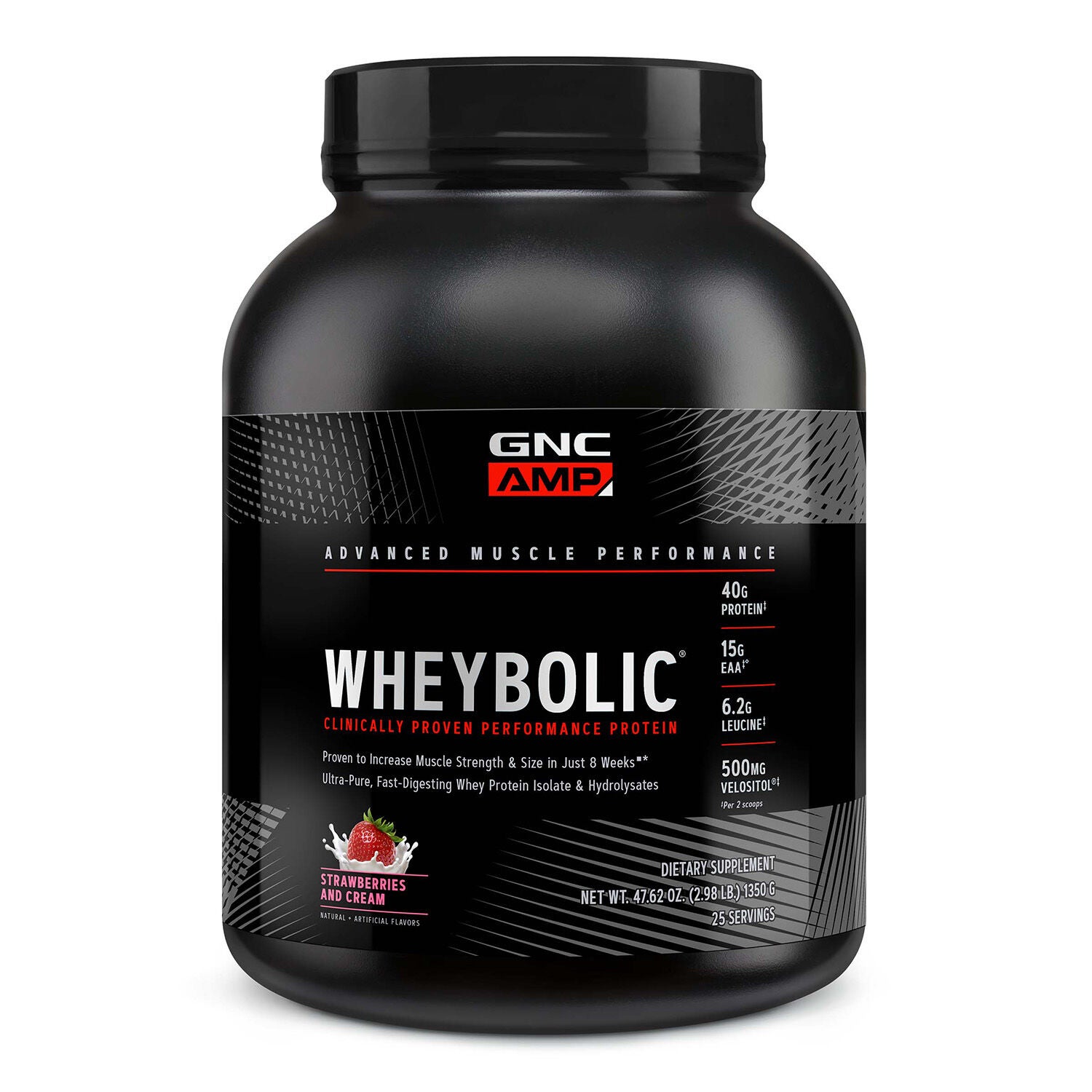


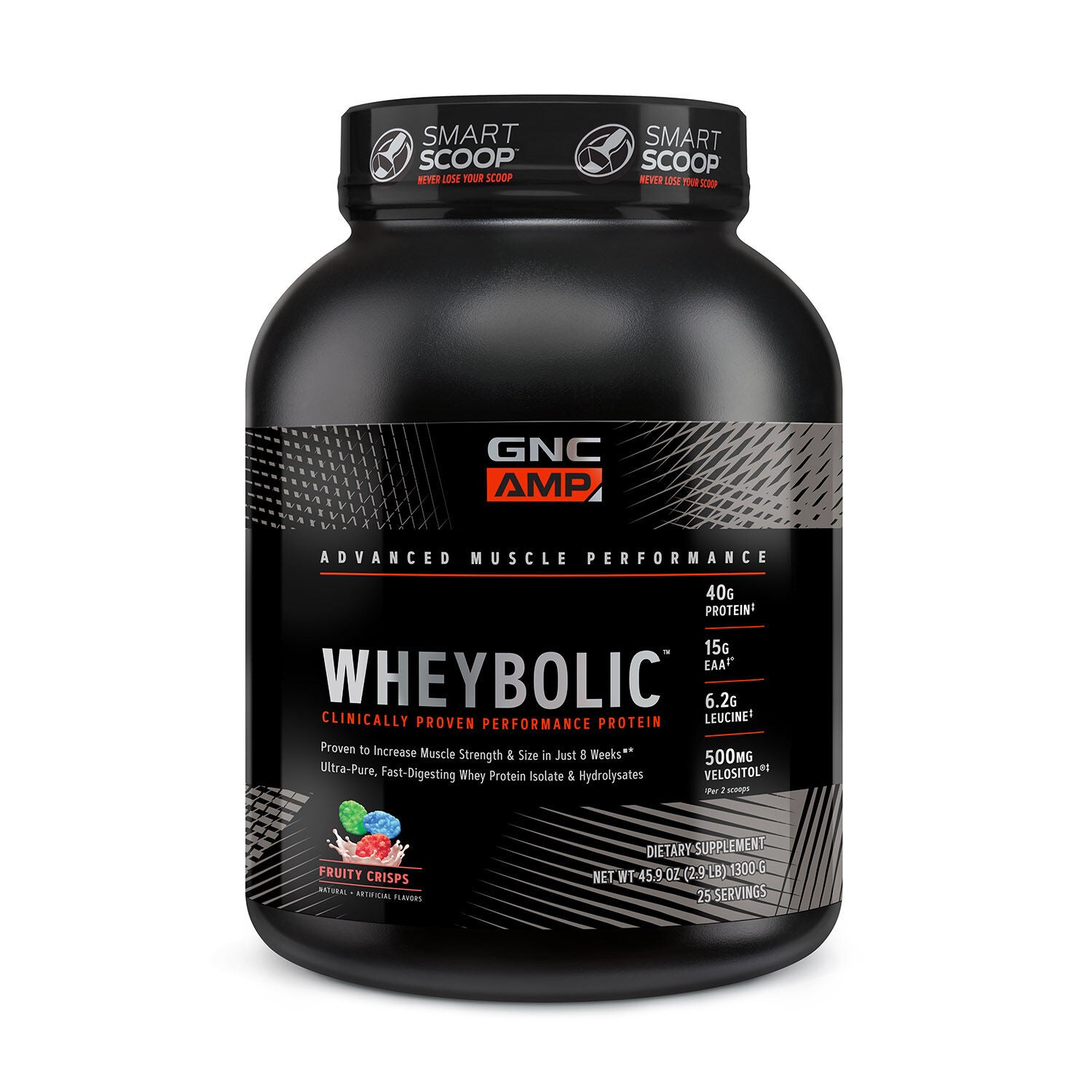

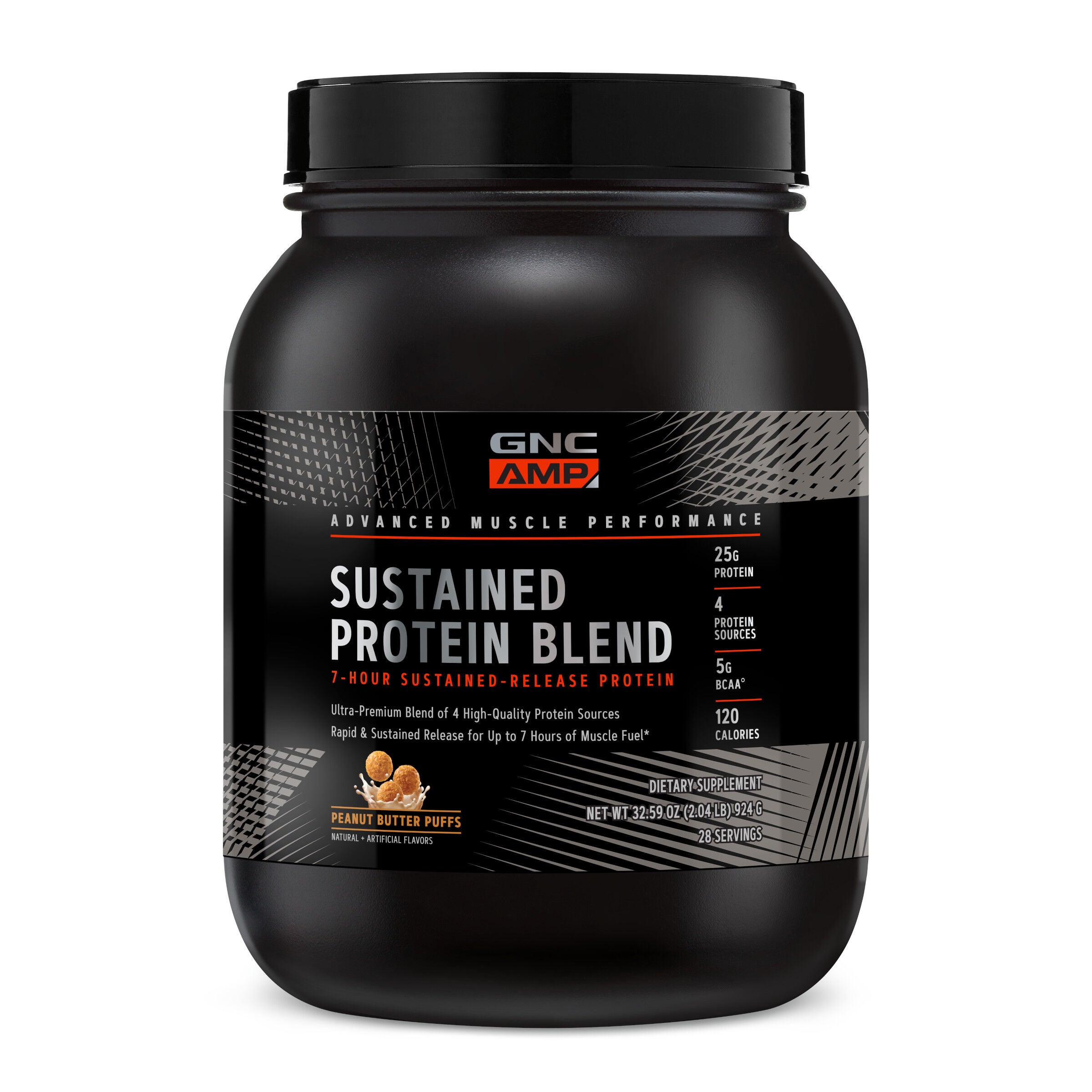

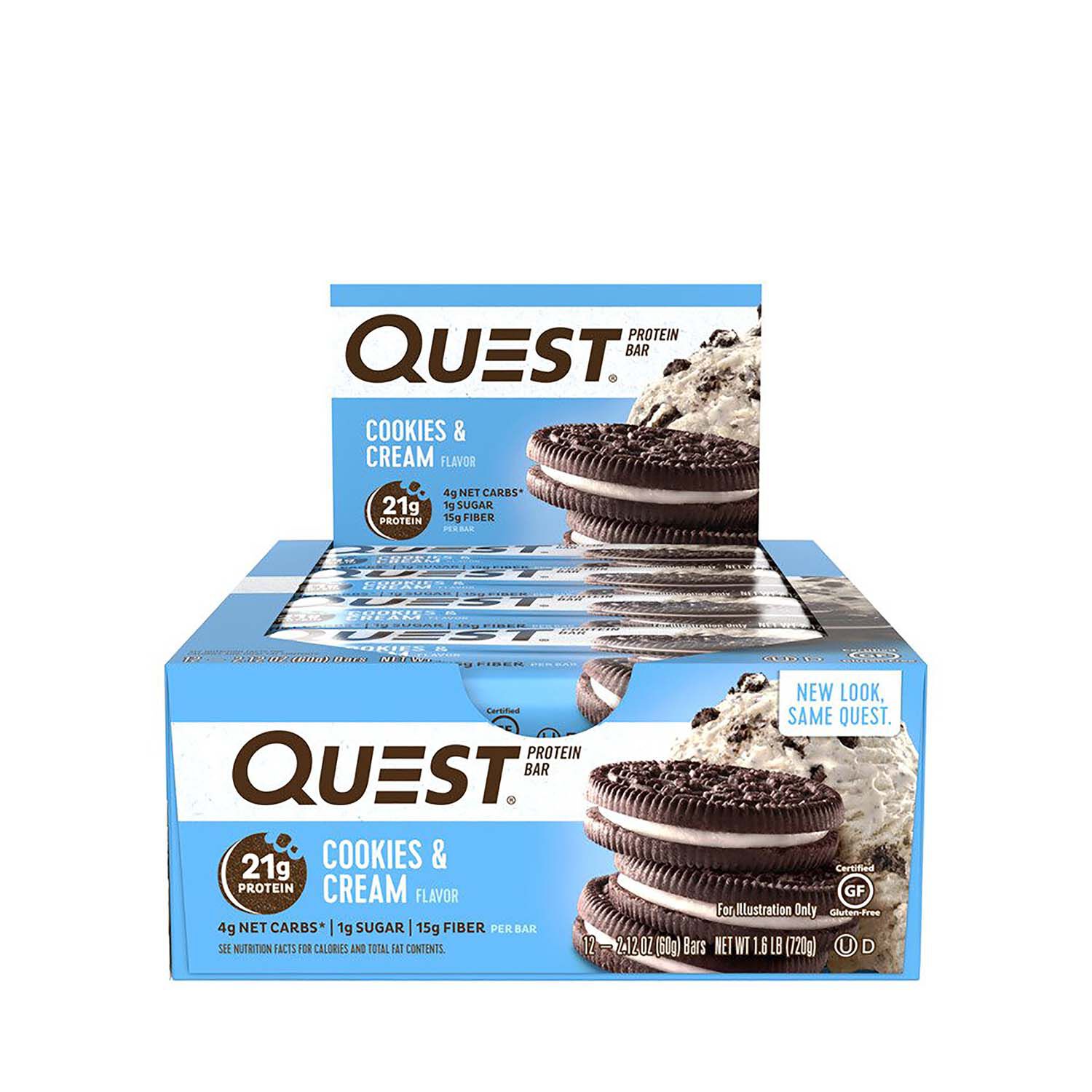
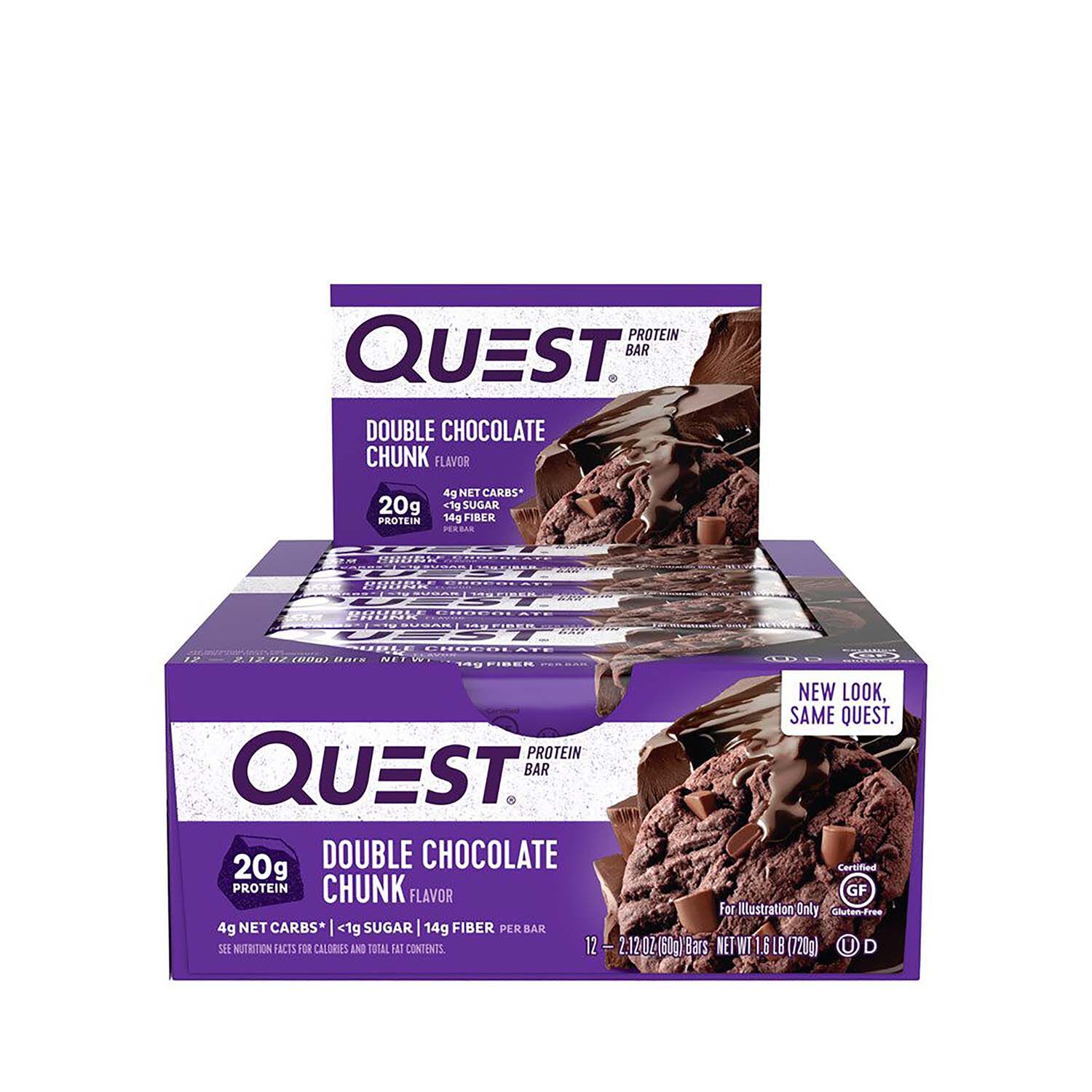
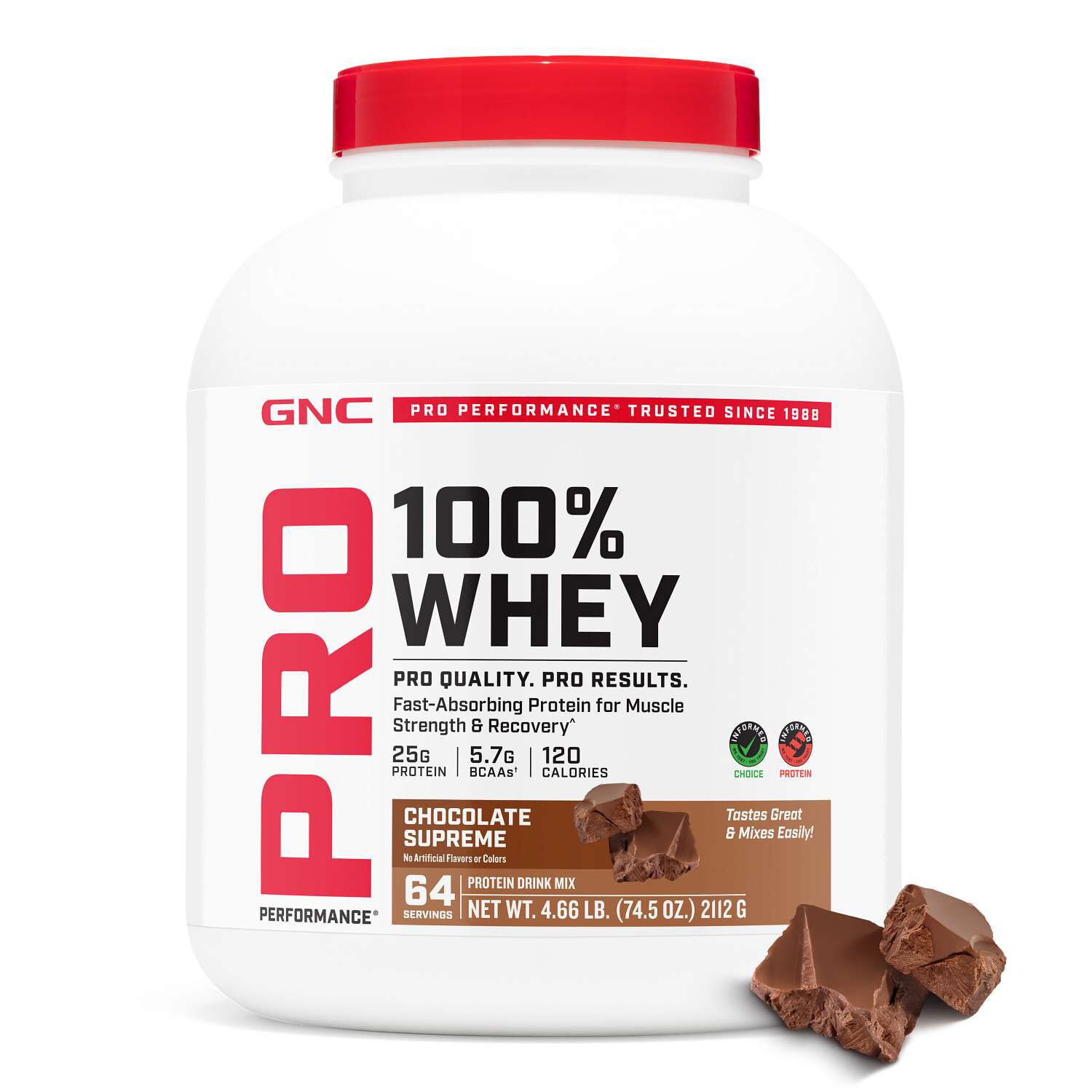
Athletes often look for protein digestion support when their training schedule includes frequent shakes, bars, smoothies, or protein-rich meals. The right choice may depend on the type of protein, serving size, meal timing, and how an individual’s routine responds to different ingredients. Whey isolate is commonly selected by people seeking a lower-lactose option, while hydrolyzed whey may appeal to athletes who prefer protein that has been broken into smaller components before it is mixed into a shake. Plant-based options, including soy, pea, rice, and blended formulas, could suit athletes who avoid dairy or simply enjoy a different approach to daily protein. No single format works the same way for everyone, so reading the nutrition panel can help shoppers compare protein sources, sweeteners, fiber, fat, and added ingredients before placing an order. A powder with a shorter ingredient list might be easier to fit into a familiar routine, while a formula with added enzymes may be worth considering for someone seeking digestive support alongside their protein intake. Enzymes such as protease are often included in these products because they may help the body process protein, although individual experiences can vary. Athletes who are new to protein supplements could start with a modest serving mixed into water or a familiar beverage, then pay attention to how it fits into their day. Using a shaker after practice, blending a scoop with fruit in the morning, or stirring protein into oatmeal can make supplementation feel less like another task and more like part of an established routine. For a broader look at options suited to training schedules, explore Protein Powders For Athletes.
Timing and preparation can matter just as much as the protein source. A large shake immediately before a hard workout may feel too heavy for some athletes, while a moderate serving after training could be easier to incorporate alongside water and a balanced meal. Before a game, long run, lifting session, or practice, many people prefer meals that are moderate in protein and lower in fat and fiber, since those choices may sit more comfortably during movement. A simple smoothie, yogurt alternative, toast with a familiar spread, or fruit paired with a measured protein serving could work well when convenience matters. During the cooler months, warm breakfasts and indoor training sessions can make protein powders easy to use in blended oatmeal, pancake batter, or a post-workout drink, while portable shaker cups remain useful for athletes moving between school, work, the gym, and the field. Hydration throughout the day may also support a comfortable routine when protein intake rises, particularly when training takes place in dry indoor air or layered outdoor clothing. Foods such as pineapple, papaya, kiwi, and figs contain naturally occurring enzymes, and adding them to a smoothie or snack may provide variety without making the routine feel overly technical. Athletes shopping for themselves may want to compare protein source, flavor, texture, serving size, sweeteners, and mixability; shoppers choosing a gift could look for versatile flavors, a durable shaker, or a formula that fits the recipient’s known dietary preferences. A thoughtful gift for a runner, team athlete, lifter, or active student might pair a protein powder with a shaker and a small selection of shelf-stable snacks, giving the recipient several easy ways to use it around training. Anyone with ongoing digestive concerns, a known food intolerance, or a specialized nutrition plan may wish to review the ingredient panel with a qualified healthcare professional before trying a new supplement. A steady approach—moderate portions, familiar ingredients, enough fluids, and attention to personal preferences—could make protein supplementation easier to enjoy across busy practices, early workouts, weekend competitions, and everyday active living.