





Protein Sources For Athletes
(0 Results)
Protein sources for athletes play an important role in supporting active lifestyles and fitness routines. Whether you’re training for a competition or simply looking to maintain your goals, choosing the right protein options could help you meet your daily needs. Explore a wide variety of protein sources for athletes, including convenient powders, delicious bars, and other nutritious choices designed to fit into any routine. With so many options available, finding the best match for your preferences and activity level may be easier than ever.


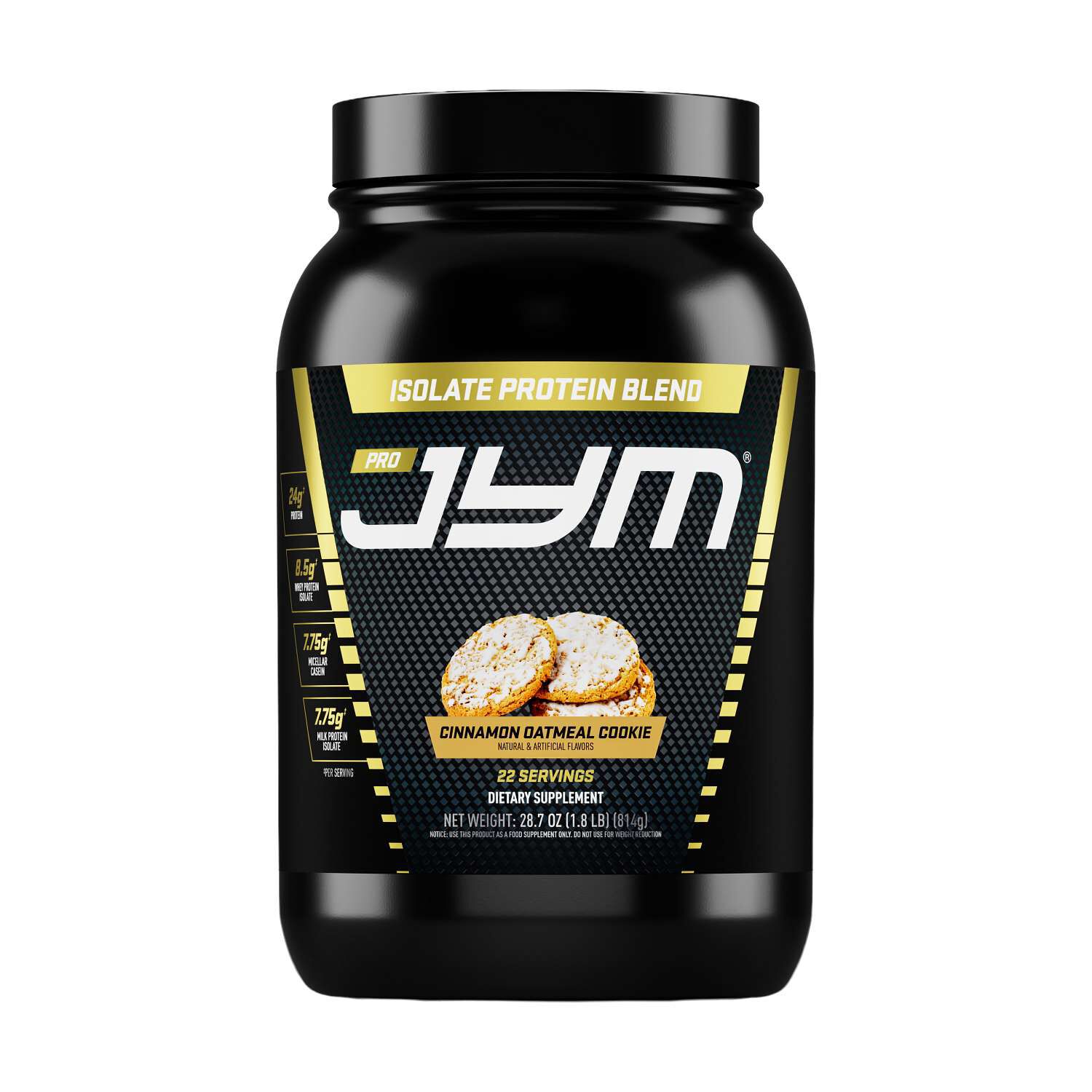


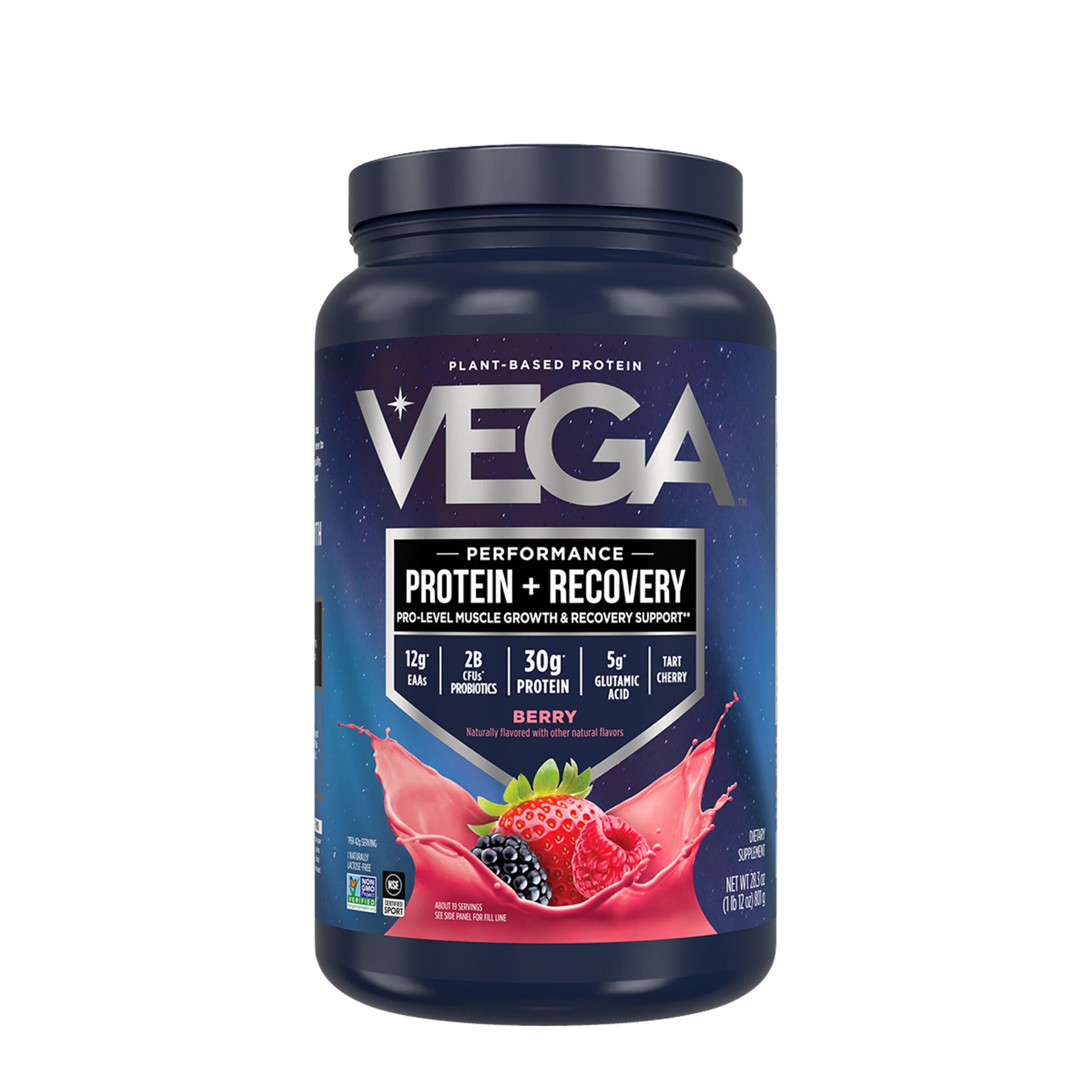
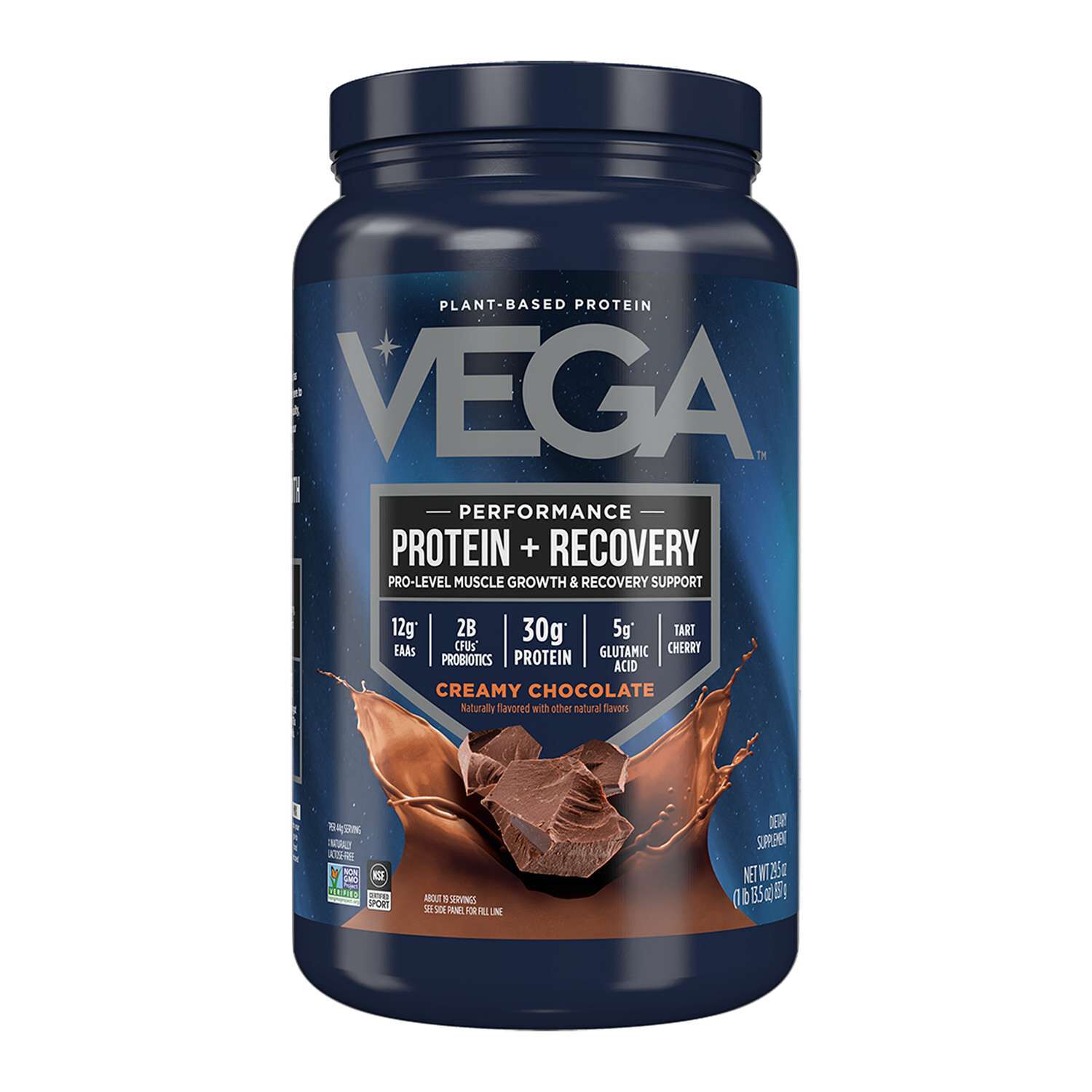
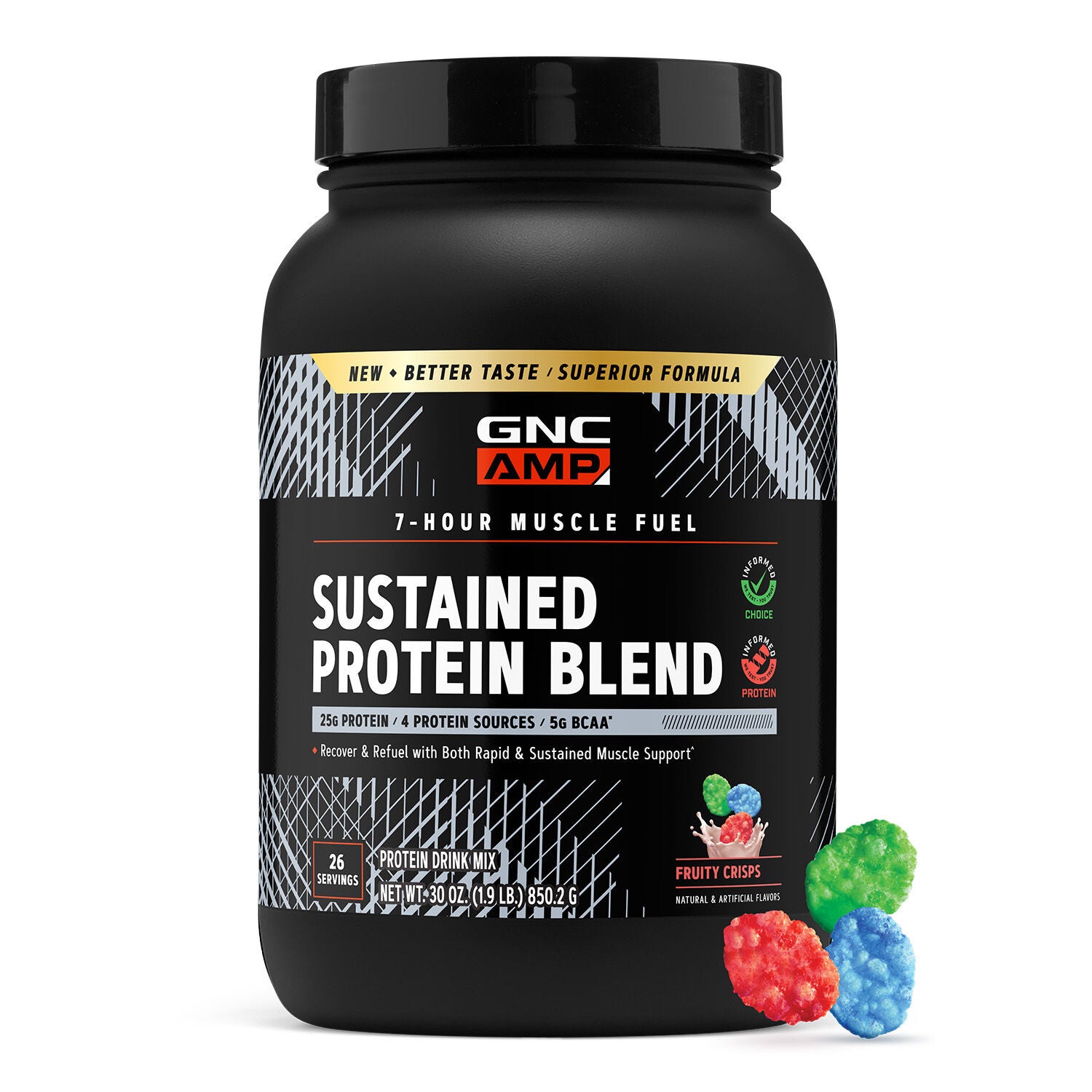
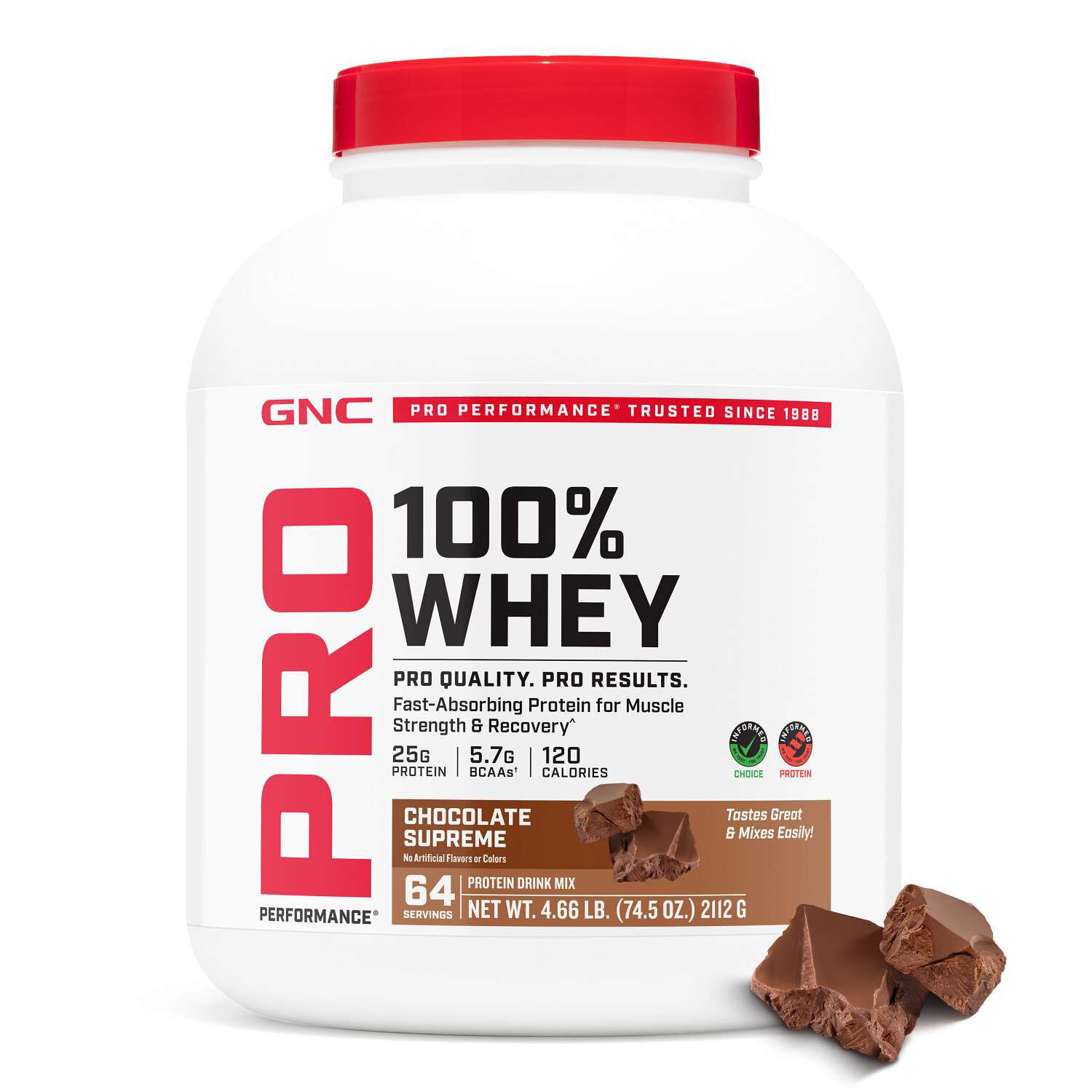
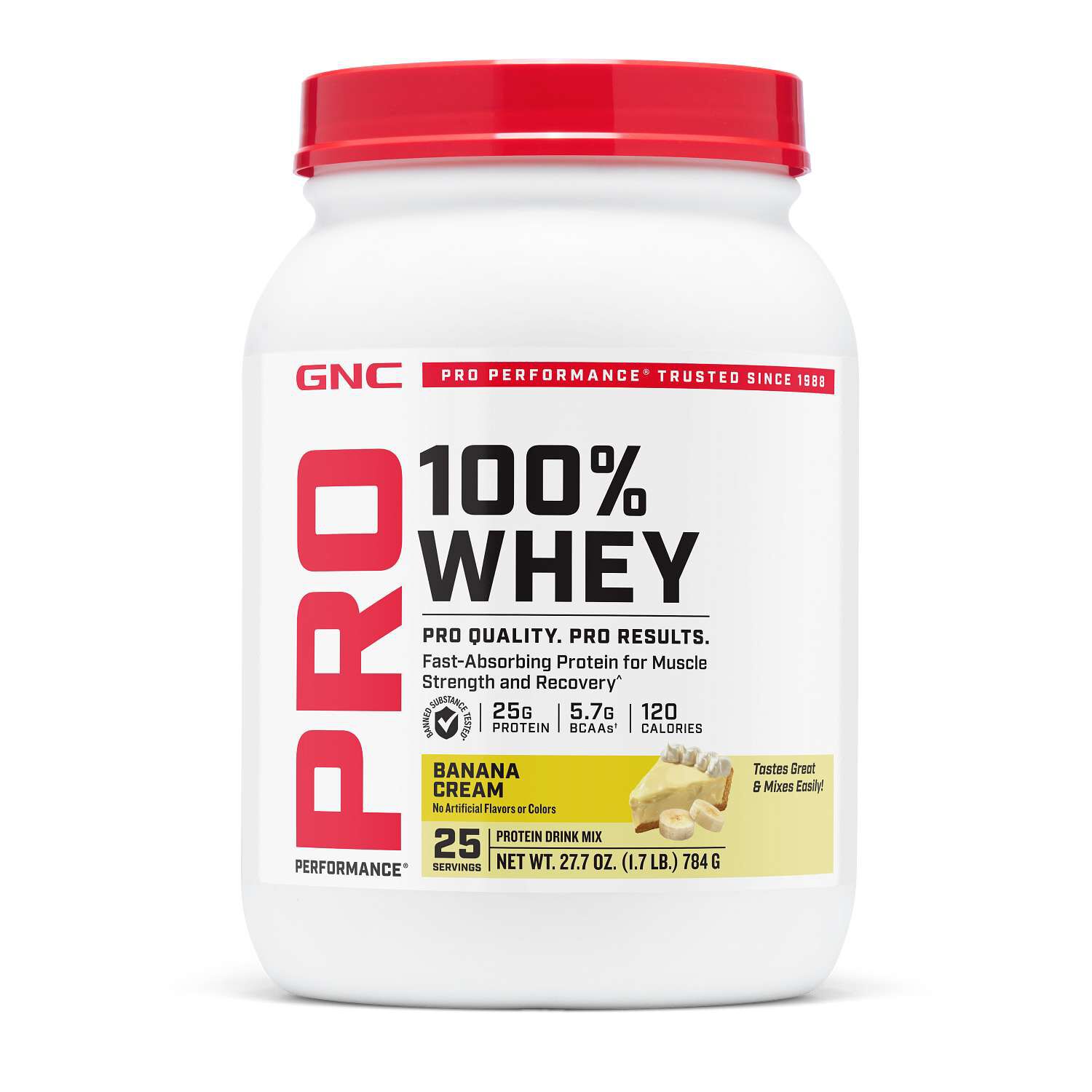
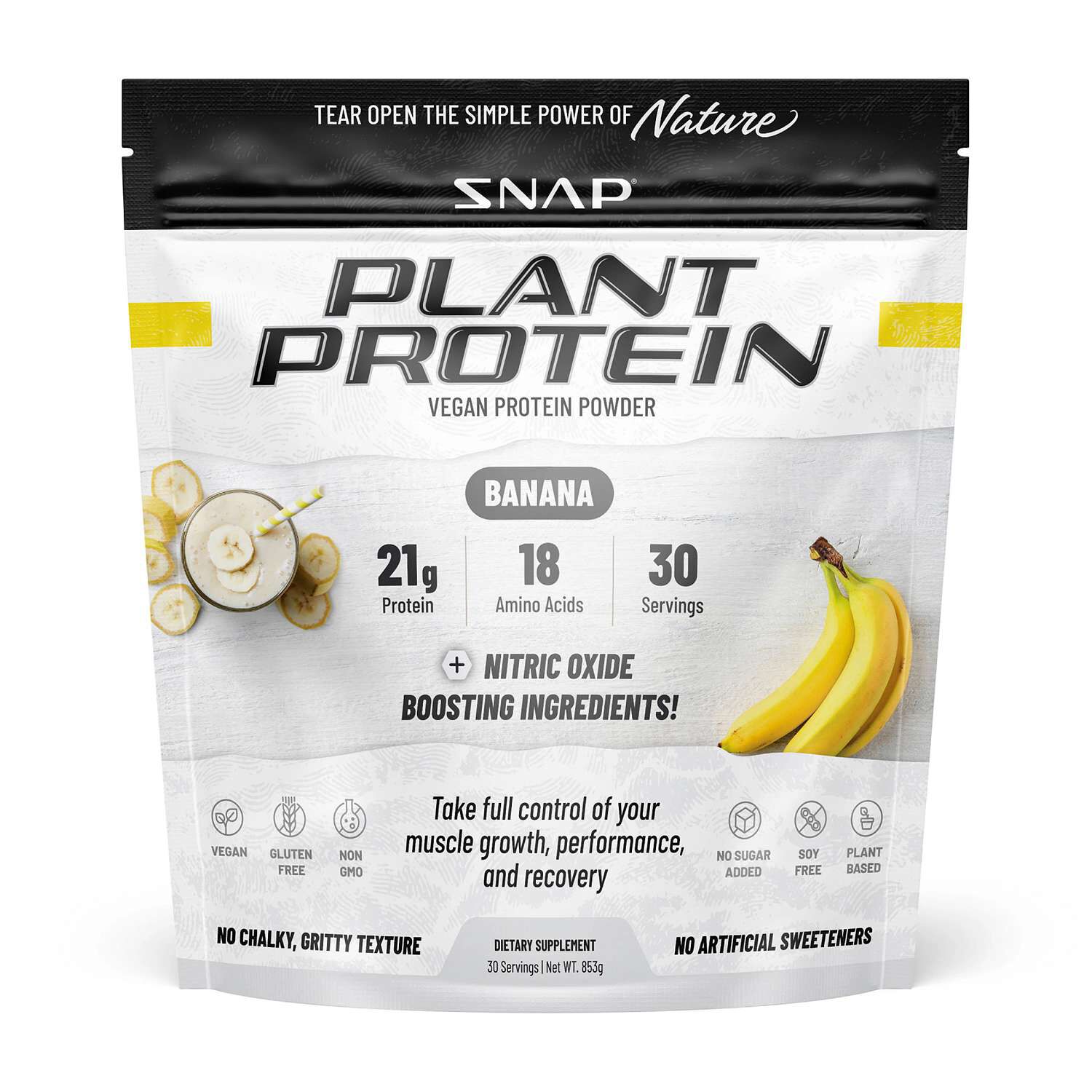
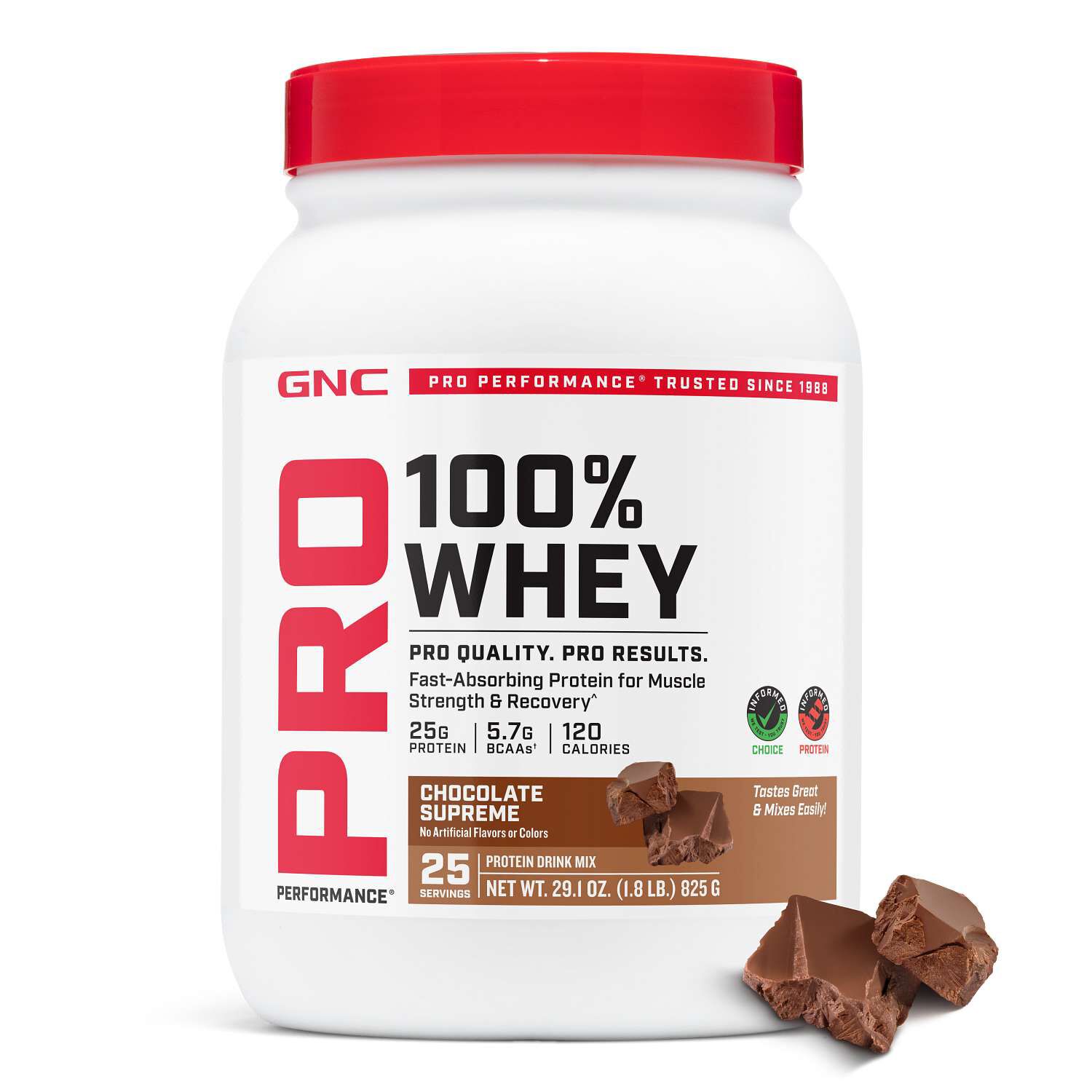
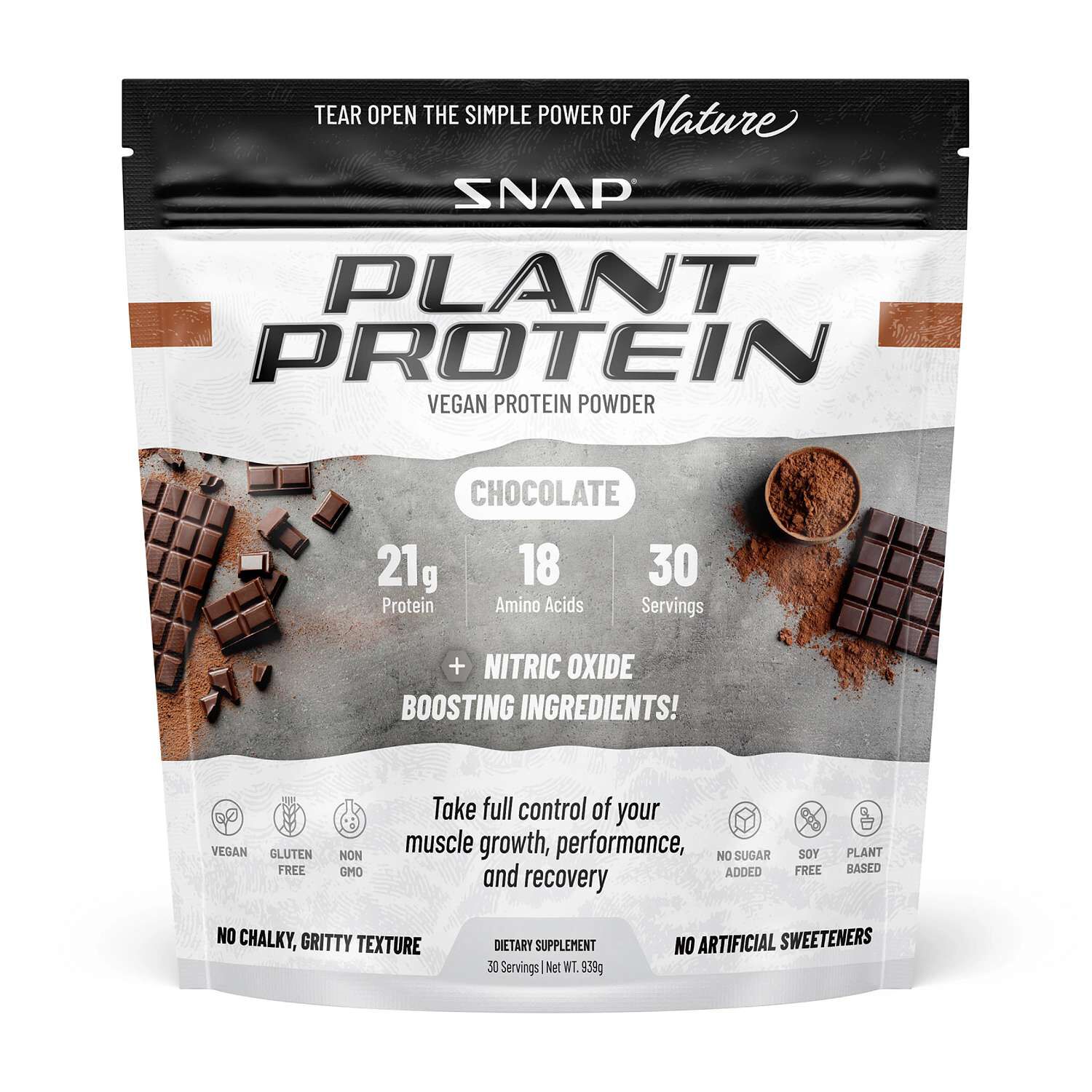

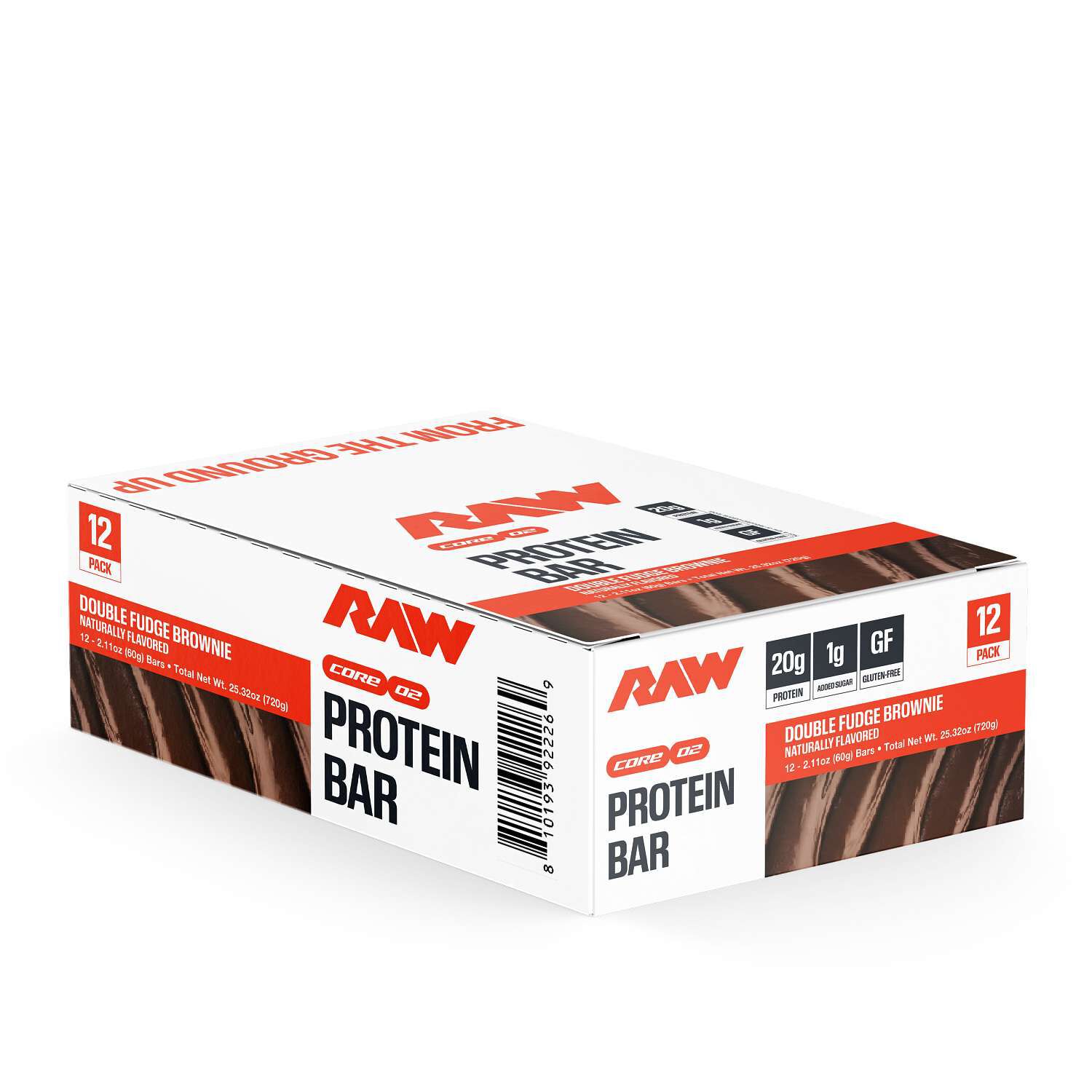
Protein sources for athletes include everyday foods and purpose-made nutrition formats, from eggs, milk, yogurt, fish, poultry, beans, lentils, tofu, and tempeh to powders, ready-to-drink shakes, and protein bars. For runners logging long sessions, lifters organizing meals around training, and teammates moving between practice and work, dietary protein may support muscle maintenance and recovery after exercise. General sports nutrition references commonly discuss daily protein intakes of approximately 1.2 to 2.2 grams per kilogram of body weight, or about 0.5 to 1.0 gram per pound, for adult athletes. Individual needs vary with training demands, activity, and eating patterns, so that broad range does not represent one fixed amount for every athlete. Protein distributed across regular meals and snacks may fit an established routine more comfortably than a single large serving. The source matters alongside the amount: fish, eggs, dairy, and meat contain protein within foods that also contribute other nutrients, while beans and lentils contain both protein and fiber. Tofu, tempeh, nuts, and seeds bring additional variety to plant-based meals, although their protein content differs by food and portion. Alongside these foods, protein supplements for athletes may offer a convenient option when a sit-down meal does not fit between a training session and the next commitment. A shake tucked into a lunch bag, a bar carried to a tournament, or powder mixed into breakfast each serves a different occasion. These formats are not interchangeable with every meal, and protein content alone does not describe their nutritional makeup. Serving size, carbohydrate content, fat, fiber, and ingredients all contribute to the comparison. A scoop’s weight also differs from its protein content because powders can contain flavorings and other ingredients. The grams of protein listed per serving provide a more useful comparison than the size of the scoop or container.
Dairy-based, egg-based, and plant-based protein powders have distinct ingredient profiles, textures, and preparation characteristics. Whey concentrate and whey isolate both come from milk, while their processing and composition differ. Isolate generally has a higher proportion of protein and less lactose than concentrate, although the label remains the reference for a particular formula. Both are milk-derived ingredients. Casein is another milk protein, often found in powders with a thicker consistency when mixed. Egg white protein offers a nondairy animal-derived source, while soy, pea, rice, and blends of plant proteins provide other options for different eating preferences. Milk, egg, and soy proteins contain all nine amino acids that the body must obtain through food. Plant blends combine sources with differing amino acid profiles, and the specific ingredients matter more than a broad plant-based description alone. Flavor and texture also shape how a powder fits into everyday meals. Vanilla or unflavored varieties may suit oatmeal, yogurt, or a fruit smoothie, while chocolate varieties may suit a shake mixed with milk or a preferred plant beverage. Some plant proteins have a more noticeable earthy flavor or slightly grainy texture; dairy-based powders may feel smoother, depending on the formula and preparation. The mixing liquid changes the finished drink as well. Water contributes no additional protein, while milk and some plant beverages add protein and other nutrients in amounts shown on their labels. A thicker blend may suit a spoonable breakfast bowl, while a lighter shake may be more appealing between appointments. Powders are only one part of the category: ready-to-drink shakes come already mixed, and bars offer a chewable format without a shaker bottle. Their ingredient lists can differ substantially, including the presence of milk, soy, nuts, sweeteners, added sugars, and fibers. Those details matter for dietary preferences and personal taste, especially when a familiar texture or flavor is part of a consistent training-day routine.
Packaging, portability, and storage are practical considerations for athletes who carry nutrition between home, work, school, and training facilities. A resealable tub may suit a kitchen counter where measuring and mixing happen regularly, while single-serving packets may be easier to tuck into a gym bag without carrying a separate powder container. Ready-to-drink bottles eliminate the mixing step, although their weight and shape occupy more bag space than dry powder. Individually wrapped bars offer another format for a desk drawer, travel bag, or tournament backpack, subject to the storage conditions stated on the package. Secure lids, intact wrappers, and containers suited to repeated opening are useful packaging details for frequent handling. Powder care also matters: a dry scoop, a firmly closed lid, and storage according to the label may help preserve the intended texture and quality. Prepared shakes and opened beverages have different storage requirements from unopened powders, so package directions determine whether refrigeration is needed and how soon the contents should be consumed. Intended use brings these details together. A swimmer heading straight from practice to class may prefer an already-mixed drink, while someone preparing breakfast at home may prefer a powder that blends into oats or a smoothie. An athlete traveling with a team may value individual portions and clear ingredient information when shared meals vary from day to day. For competitors subject to sport organization rules, third-party sport certification may be another relevant comparison point. Certification programs differ in their testing scope, so the certification name and its stated criteria deserve attention rather than assumptions based on athletic imagery alone. Taste, serving size, preparation, and packaging remain relevant even when a formula has sport-focused testing. A protein source that fits an athlete’s food preferences and daily schedule may be easier to incorporate consistently, whether it appears in a meal, a snack, or a mixed drink. The most meaningful comparison considers the protein source, nutrition label, intended use, and practical details together rather than treating a larger serving or a longer ingredient list as inherently preferable.
Best Sellers


Related Pages

Top Collections
- Joint Mobility Supplement Packs
- Zinc Supplements | Top Brands at Great Prices | GNC
- Supplements For Yoga Joint Flexibility
- Supplements For Balance
- Capsule Supplements For Energy And Stamina
- Iron Supplements
- Supplements For Anxiety Relief Support
- Vitamins For Hair Loss
- Cortisol Supplements
- Adult Mobility Supplements