Protein For Cardio
(0 Results)
Protein for cardio may play a supportive role in helping you stay fueled and active during your favorite workouts. Whether you enjoy running, cycling, or high-energy group classes, choosing the right protein for cardio could help you meet your nutrition goals. Explore a variety of options that fit seamlessly into your routine, so you can focus on staying motivated and moving forward. Discover convenient forms and flavors designed to complement your active lifestyle.
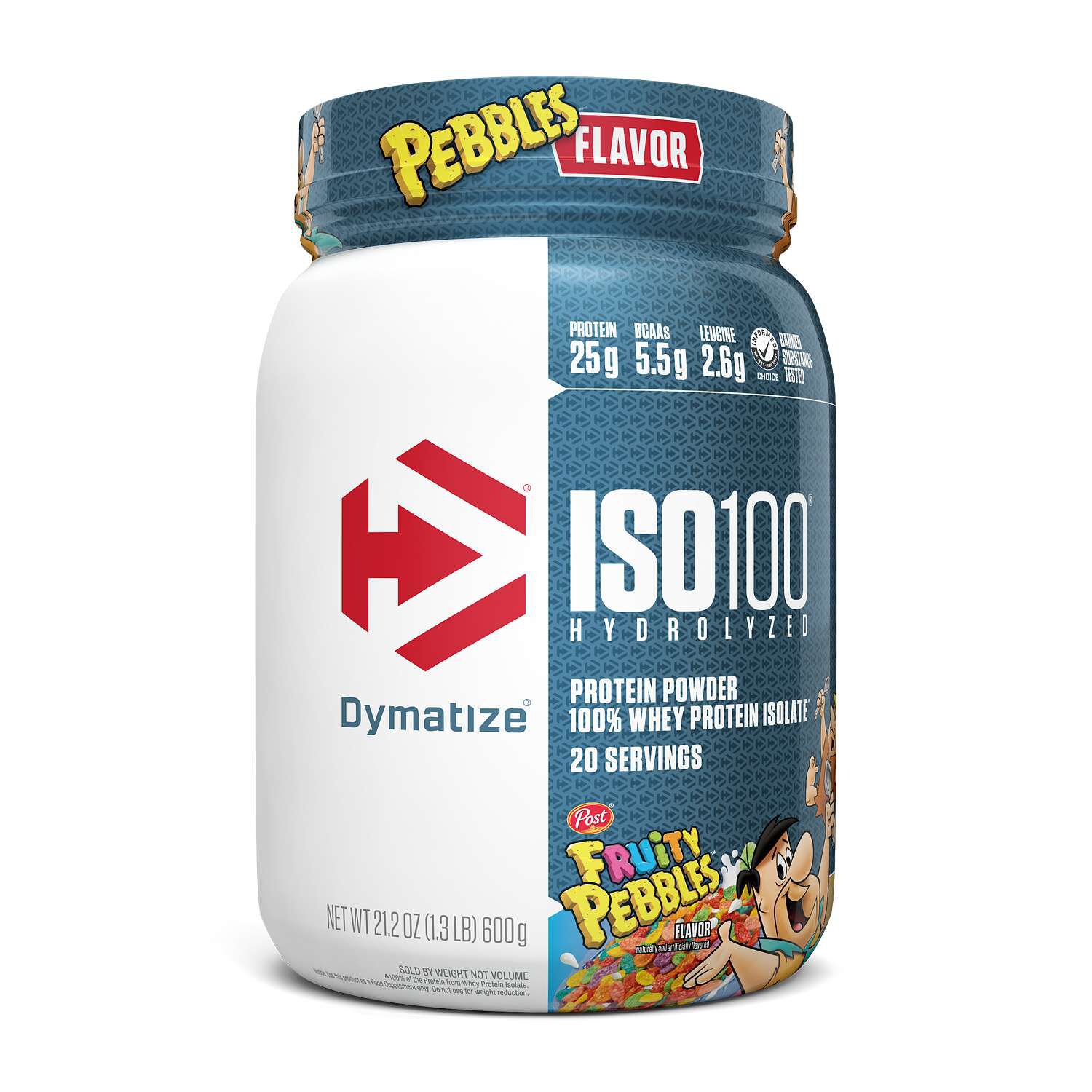

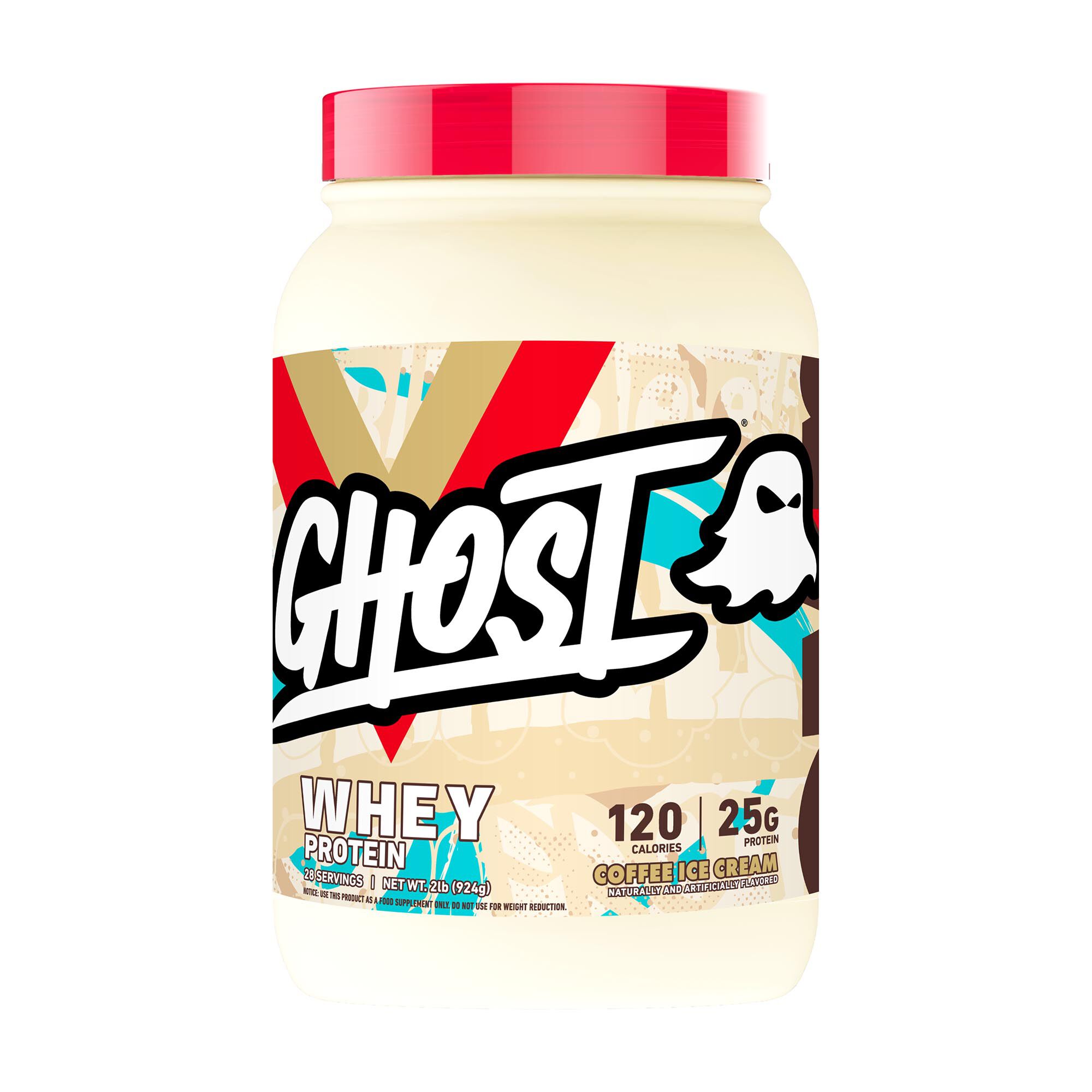


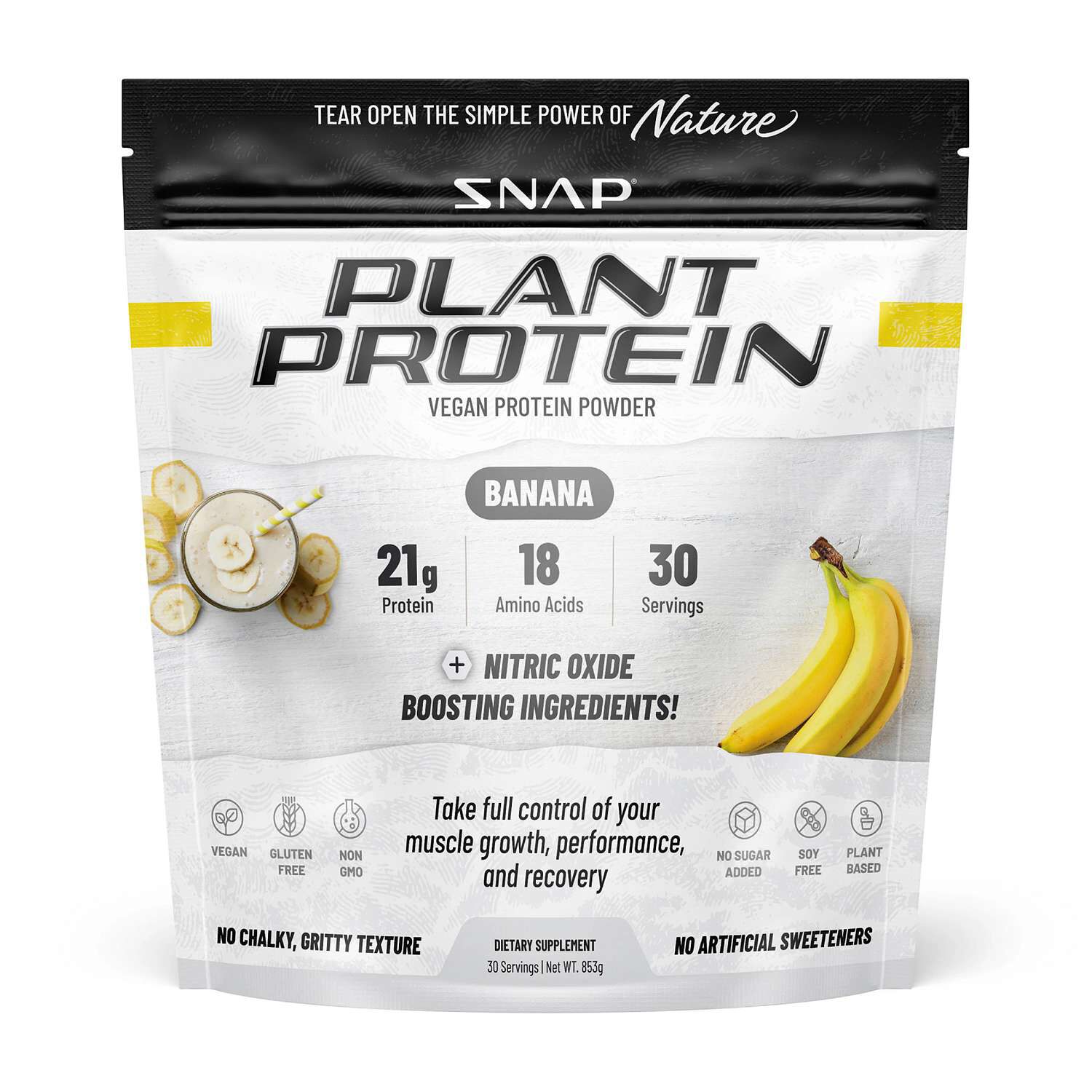
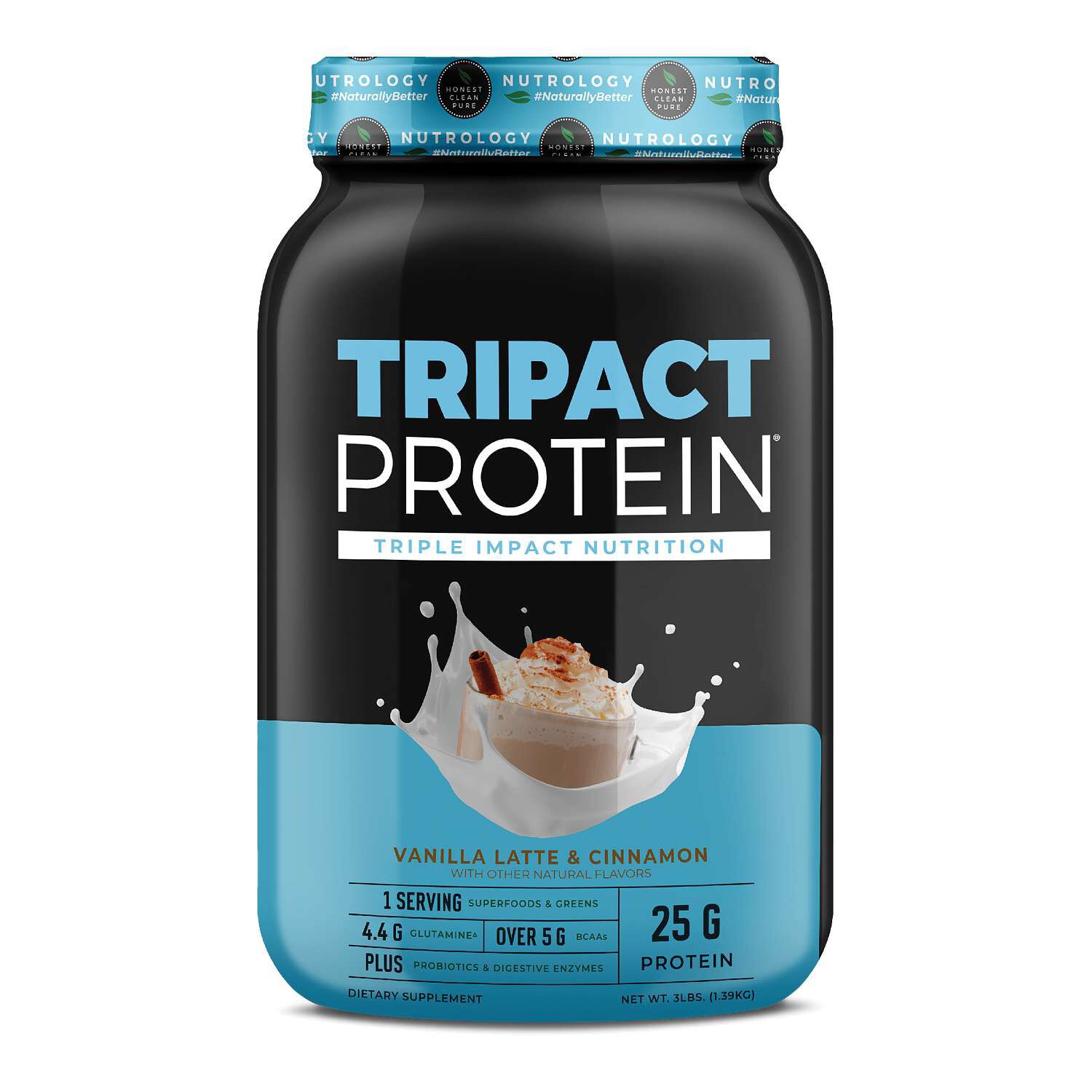
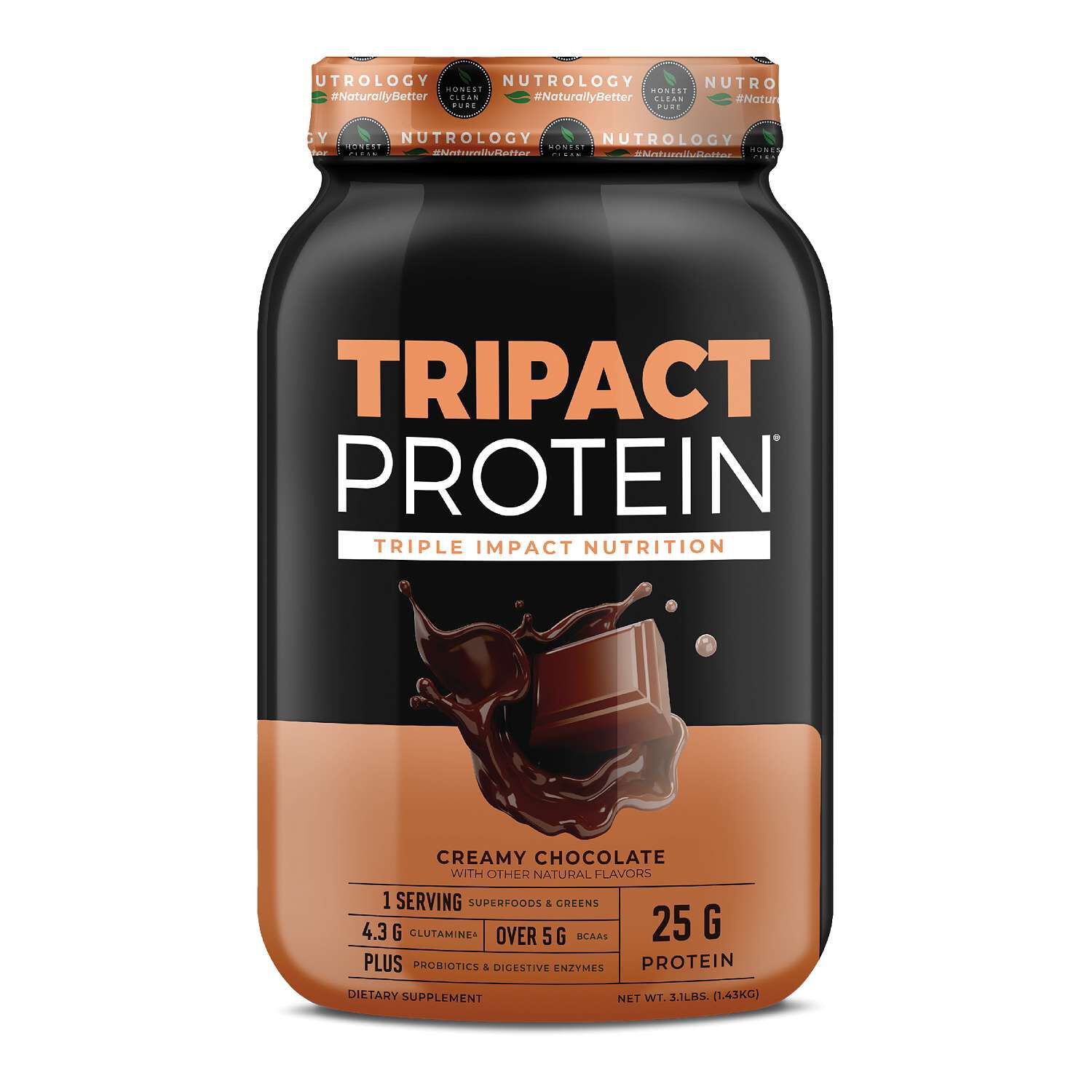


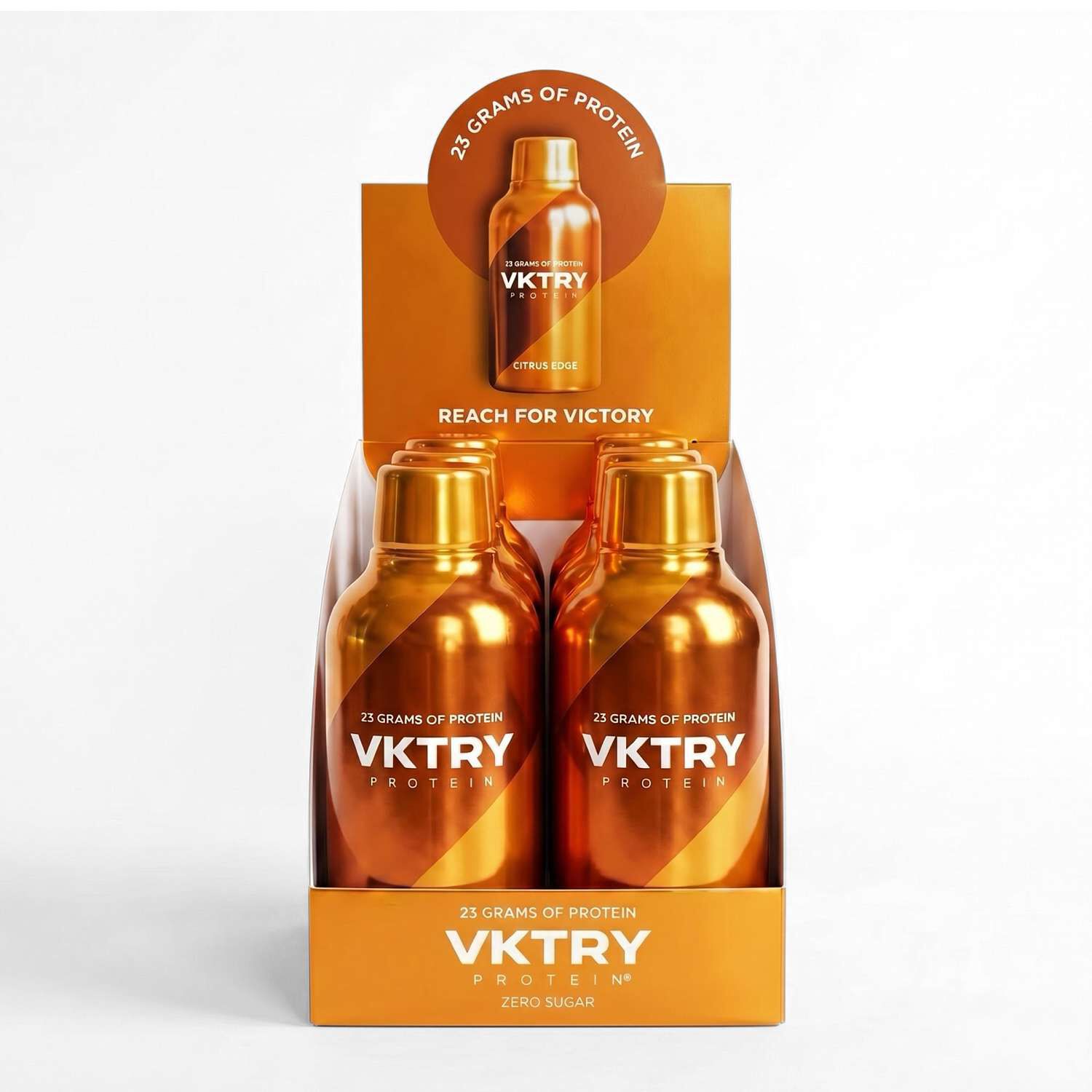


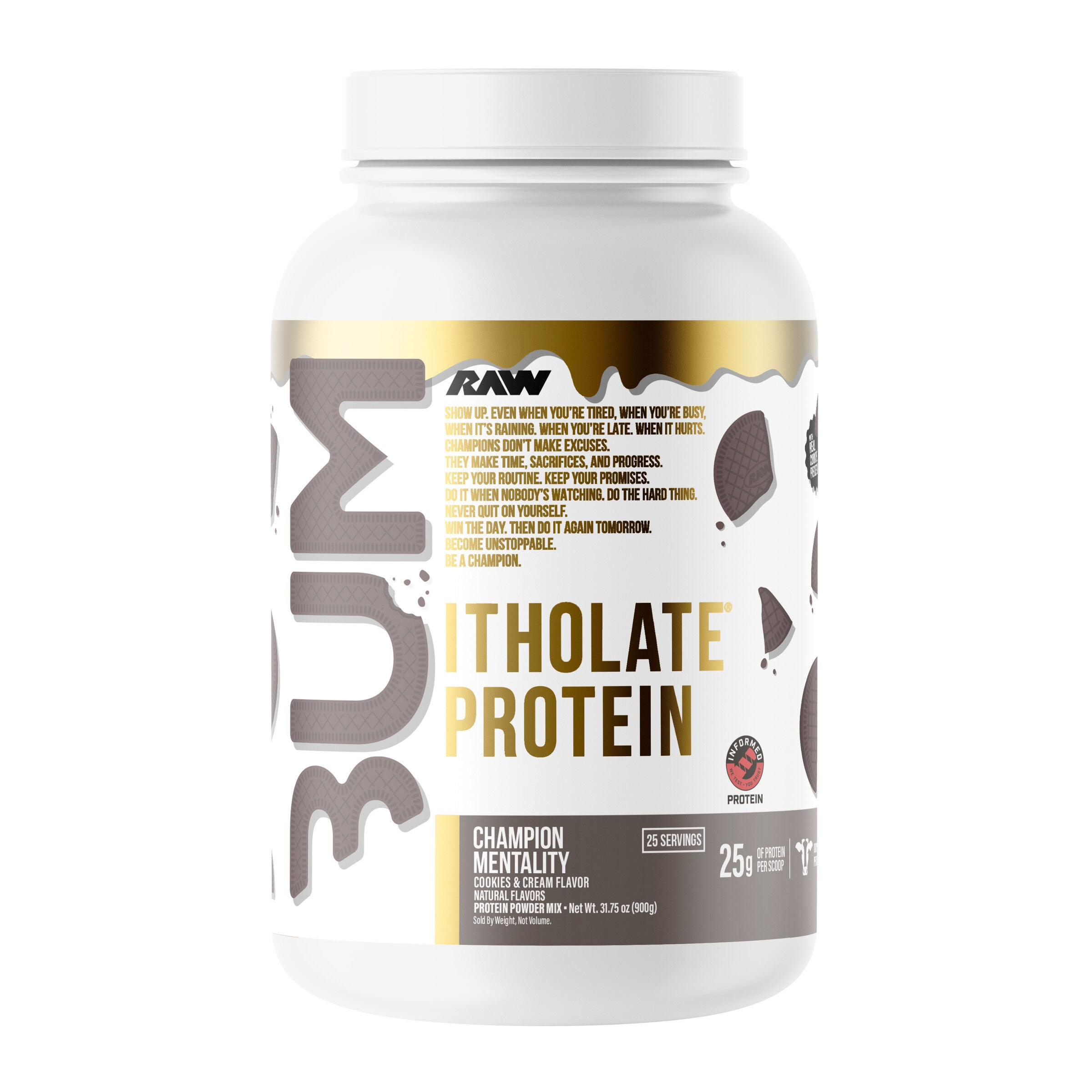
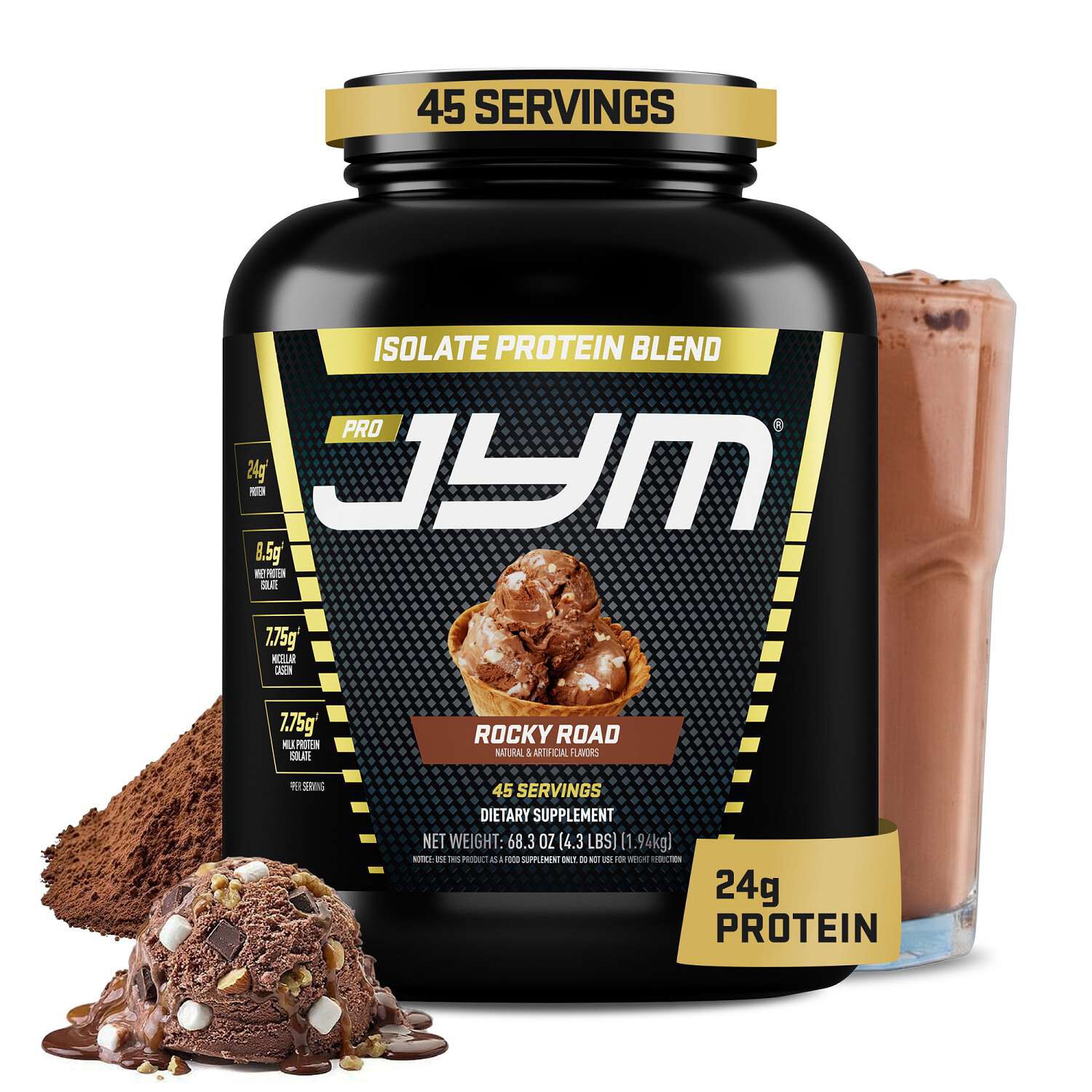

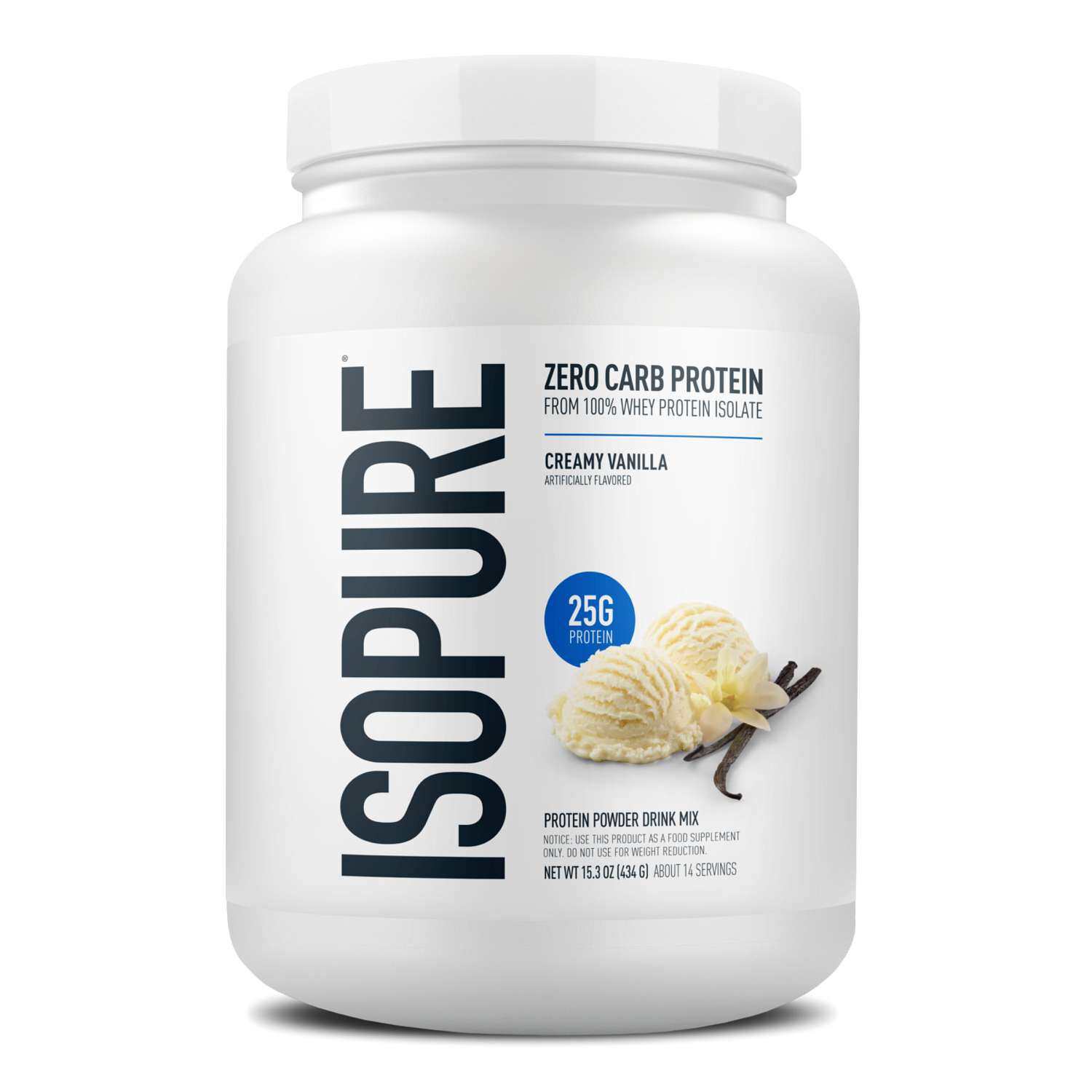
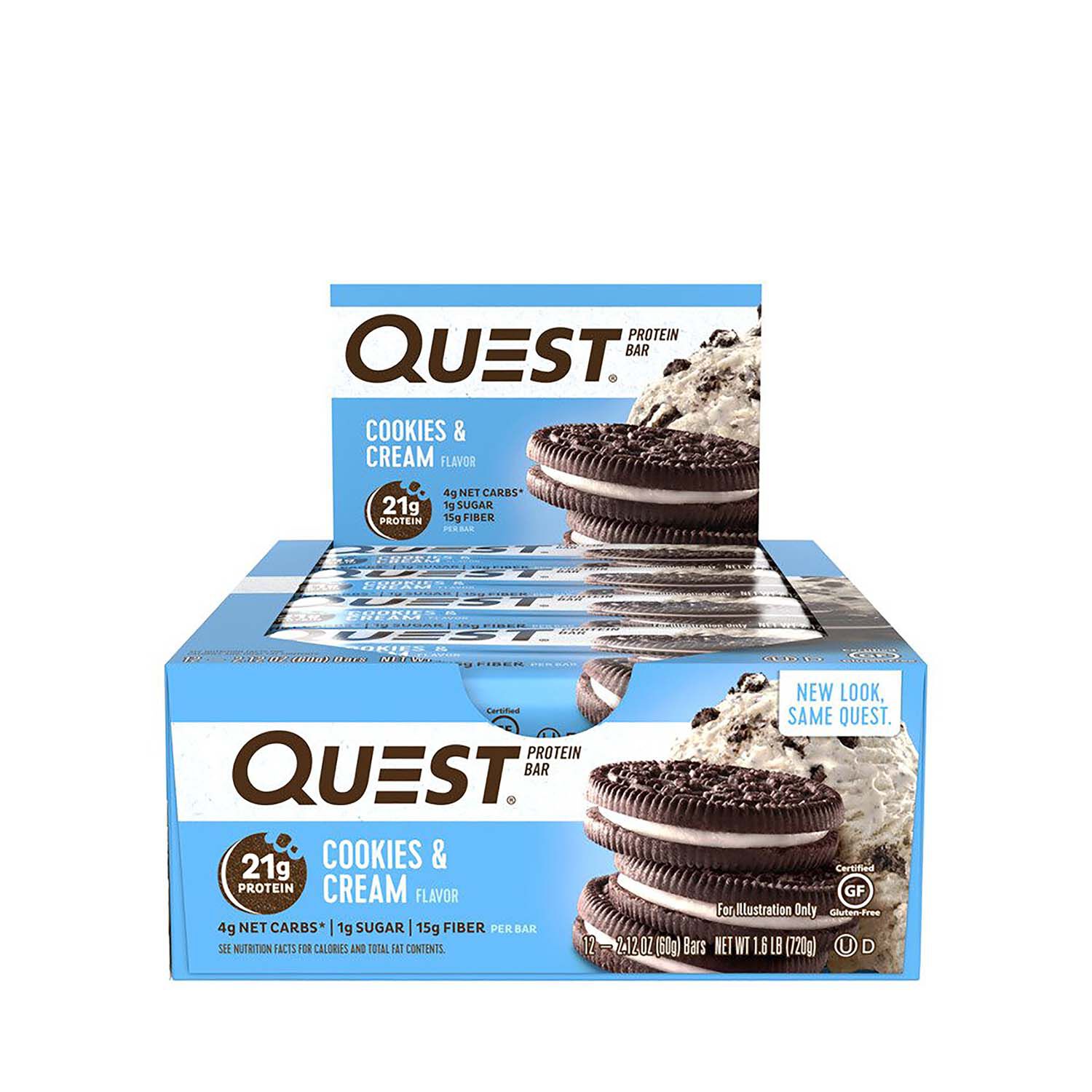
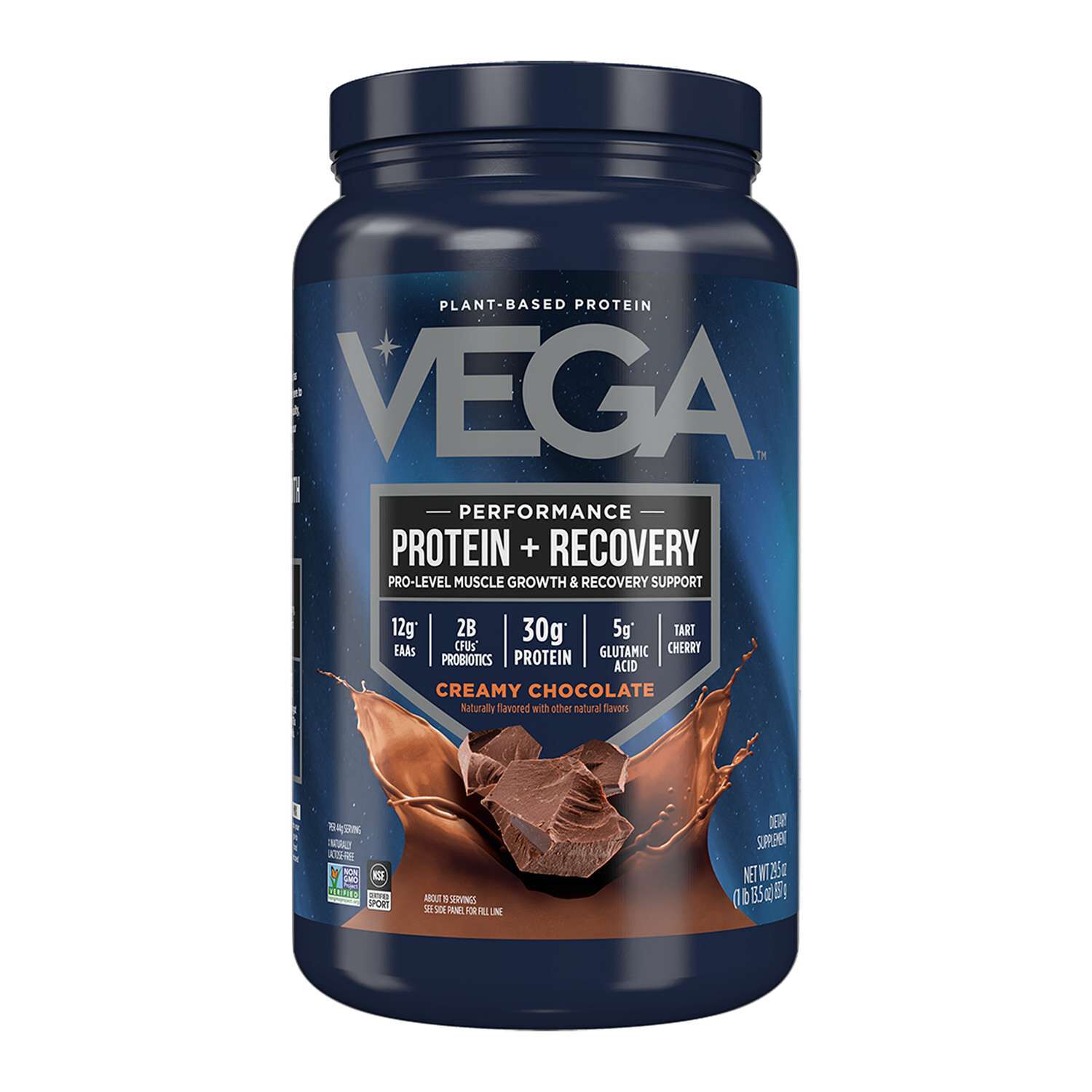
Protein for cardio may support muscle recovery and maintenance after running, cycling, swimming, rowing, and other activities built around repeated movement. Powders, ready-to-drink shakes, and bars offer different ways to include protein alongside meals and snacks, whether a workout means twenty minutes on a stationary bike or a long stretch on a recreational trail. The connection is not limited to lifting weights: cardio also involves working muscles, and dietary protein supplies amino acids that may support normal muscle recovery after exercise. Protein supplements are one option within a broader eating routine, rather than a replacement for regular meals, carbohydrates, hydration, or rest. Their place in that routine depends on the person, the activity, and what is practical to eat before or afterward. Someone heading from a morning swim to the office may prefer a drink that requires no preparation, while a runner returning home may favor powder blended into a familiar breakfast. A recreational cyclist might keep a packaged snack in a bag for the drive home rather than carry a shaker on the bike. These situations call for different formats, even when the underlying interest in protein is similar. Short interval sessions, steady treadmill walks, dance workouts, and longer endurance efforts also create different schedules around eating. Comparing protein for cardio is therefore as much about everyday usability as it is about the number of grams on a label. Serving size, protein source, carbohydrate content, texture, and preparation requirements all belong in that comparison. A supplement that suits an unhurried breakfast may be less convenient beside a gym locker, and a portable snack may not suit someone who prefers to drink something after exercise. The most useful starting point is the actual routine: where the workout happens, how soon a meal follows, what food is already part of the day, and which flavors and textures remain appealing with repeated use. Those details give the category a practical purpose beyond a single workout or training goal.
Protein source and format provide another way to compare the choices. Whey and casein come from milk, while plant-based options may use soy, pea, rice, or combinations of plant ingredients. Ingredient lists matter more than broad descriptions when particular foods do not fit someone's preferences or dietary restrictions. A plant-based label, for example, does not describe every ingredient, and milk-derived protein powders can differ in their composition. The Nutrition Facts or Supplement Facts panel shows the labeled serving size and protein amount, while the ingredient list provides details about sweeteners, flavorings, oils, and other additions. Allergen information also deserves attention, especially when comparing powders with bars that contain nuts, milk, soy, or wheat. For cardio routines, carbohydrate content is another meaningful distinction: two options with similar protein amounts can have quite different nutrition profiles. Neither a short ingredient list nor a larger protein number tells the whole story on its own. Flavor and texture are equally tangible parts of the decision. Chocolate mixed with water may taste different from the same powder stirred into milk, and an unflavored option still has the taste of its underlying ingredients. Some powders are intended for shaking, while others may work well in a blender with foods such as oats, banana, or yogurt, according to their preparation directions. A thick blend may suit a relaxed breakfast after a ride; a thinner drink may be more appealing after a rowing session. Bars offer a chewable format without measuring or mixing, though coatings, fillings, and dense textures create a different eating experience from a drink. Ready-to-drink formats remove the measuring step but come with their own container size and storage directions. Paying attention to these differences makes the comparison concrete. Protein for cardio does not need to look identical for a lap swimmer, a studio cycling regular, and someone alternating brisk walks with strength workouts.
Practical handling matters once protein becomes part of a regular workout bag or kitchen routine. Powder requires a clean container, accurate measuring according to the label, and enough liquid for the intended preparation. The labeled serving may be described by weight as well as by a scoop, so the scoop size alone is not a reliable comparison between different powders. A wide container opening can make measuring less awkward, while a securely closing lid matters when a tub is moved between a pantry and a cabinet. Individually portioned formats reduce measuring on the go, although their packaging takes up space in a bag. Shaker bottles should be washed after use and allowed to dry, and prepared drinks should be handled according to their storage directions rather than left in a gym bag for an extended period. Bars and packaged shakes also have storage instructions and date markings worth checking. For someone moving between a fitness studio, a commute, and a desk, those details may matter more than elaborate preparation options. For someone with a blender at home, flexibility in mixing may carry more weight. Longer-distance routines introduce another set of practical considerations, including how a protein snack or drink fits around planned meals and other training food. Protein For Endurance Athletes provides a related category for shoppers whose activities center on extended runs, sustained rides, and similar efforts. Across these activities, protein may support post-exercise muscle recovery, but the supplement format remains a matter of personal preference and routine. A familiar flavor, readable label, manageable portion, and suitable storage method can make one format a better match than another. Whether the setting is a poolside locker room, a home exercise space, or the kitchen after a neighborhood run, the comparison comes back to how the protein fits into an ordinary day.
Best Sellers
-
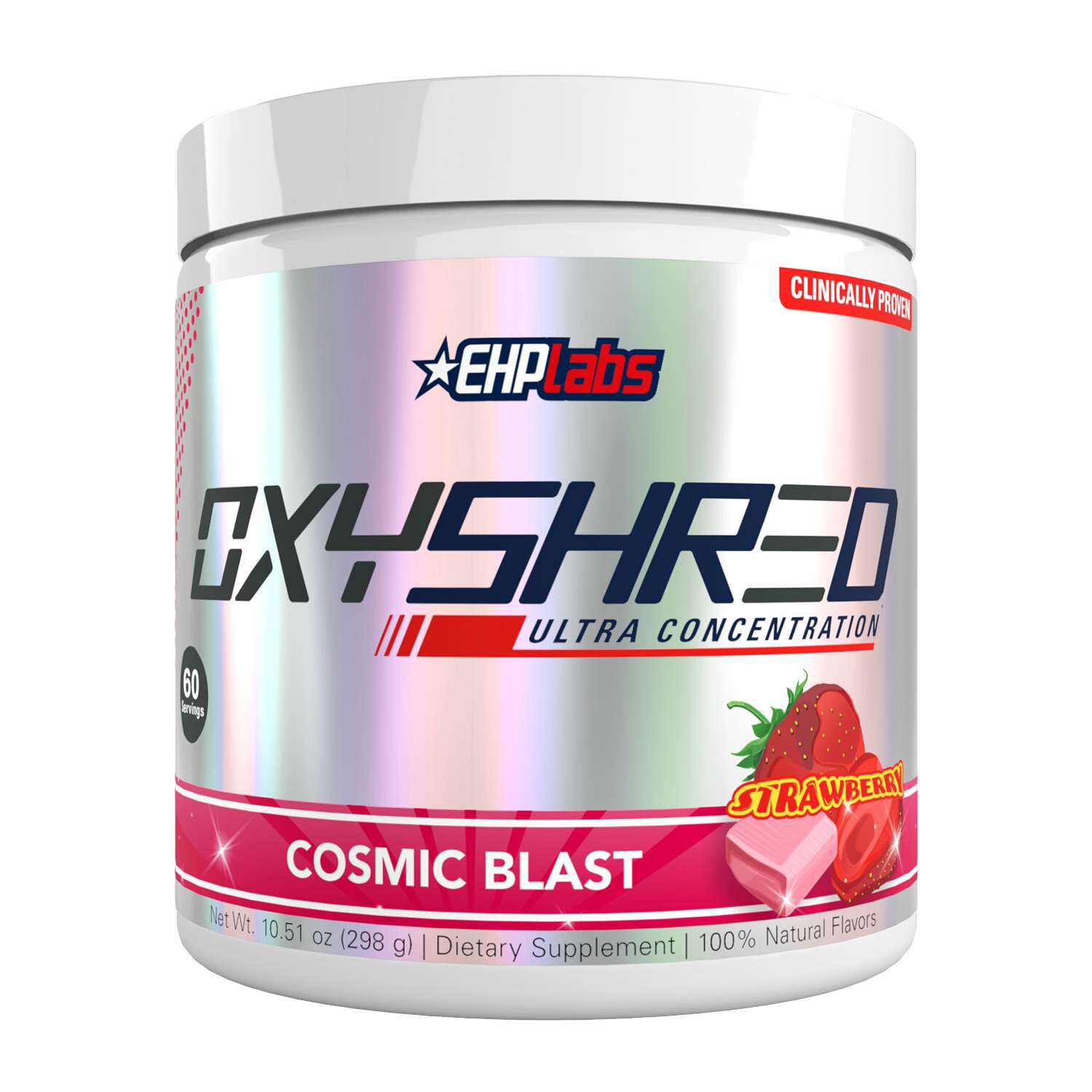 EHP Labs Oxyshred
-
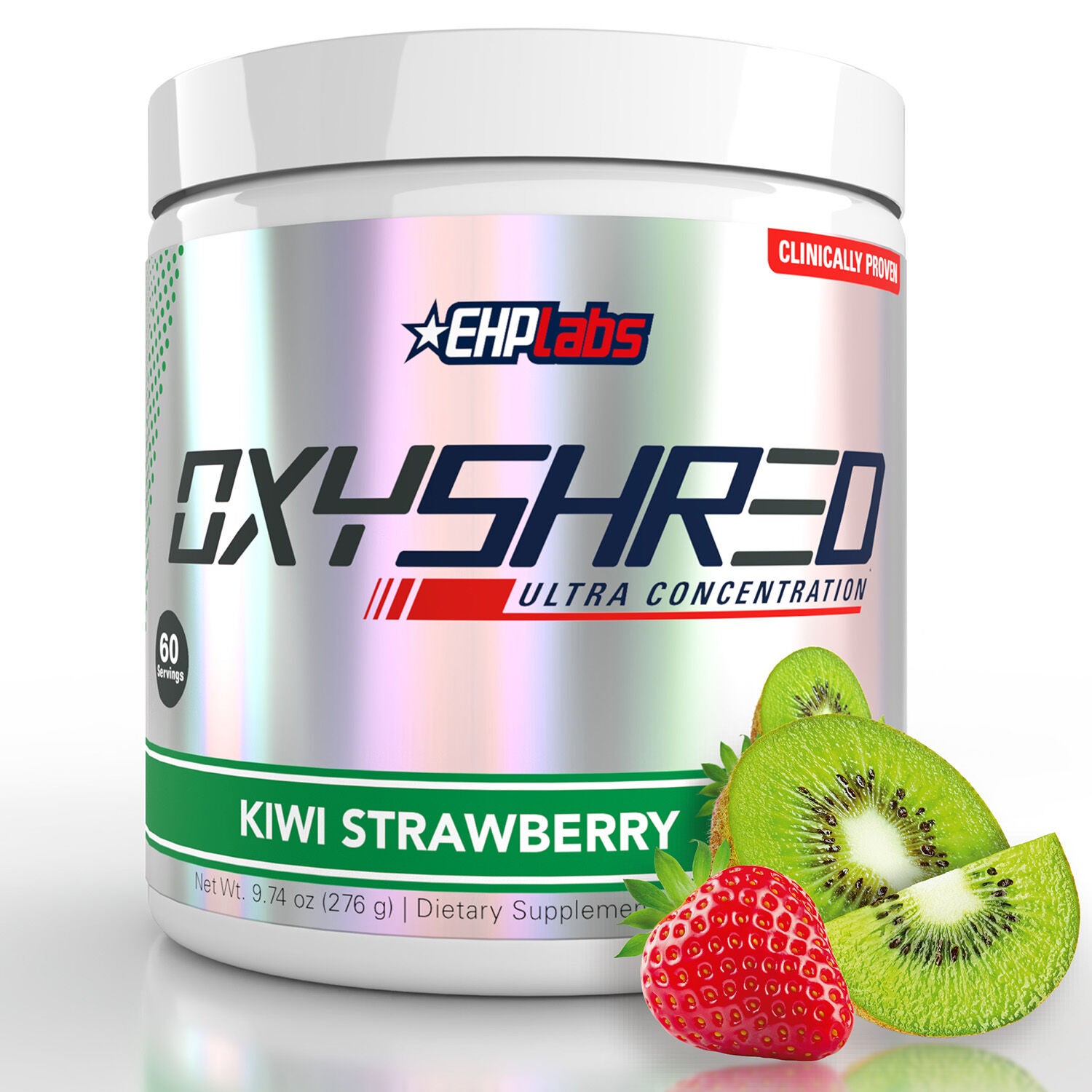 EHP Labs Oxyshred