





Protein Replacements
(0 Results)
Protein replacements offer a convenient option for those looking to support their nutrition goals with alternative sources of protein. Whether you’re on the go, managing a busy schedule, or seeking variety in your routine, these products may fit seamlessly into your lifestyle. Explore a wide selection of protein replacements that could help you discover new ways to enjoy balanced nutrition every day.
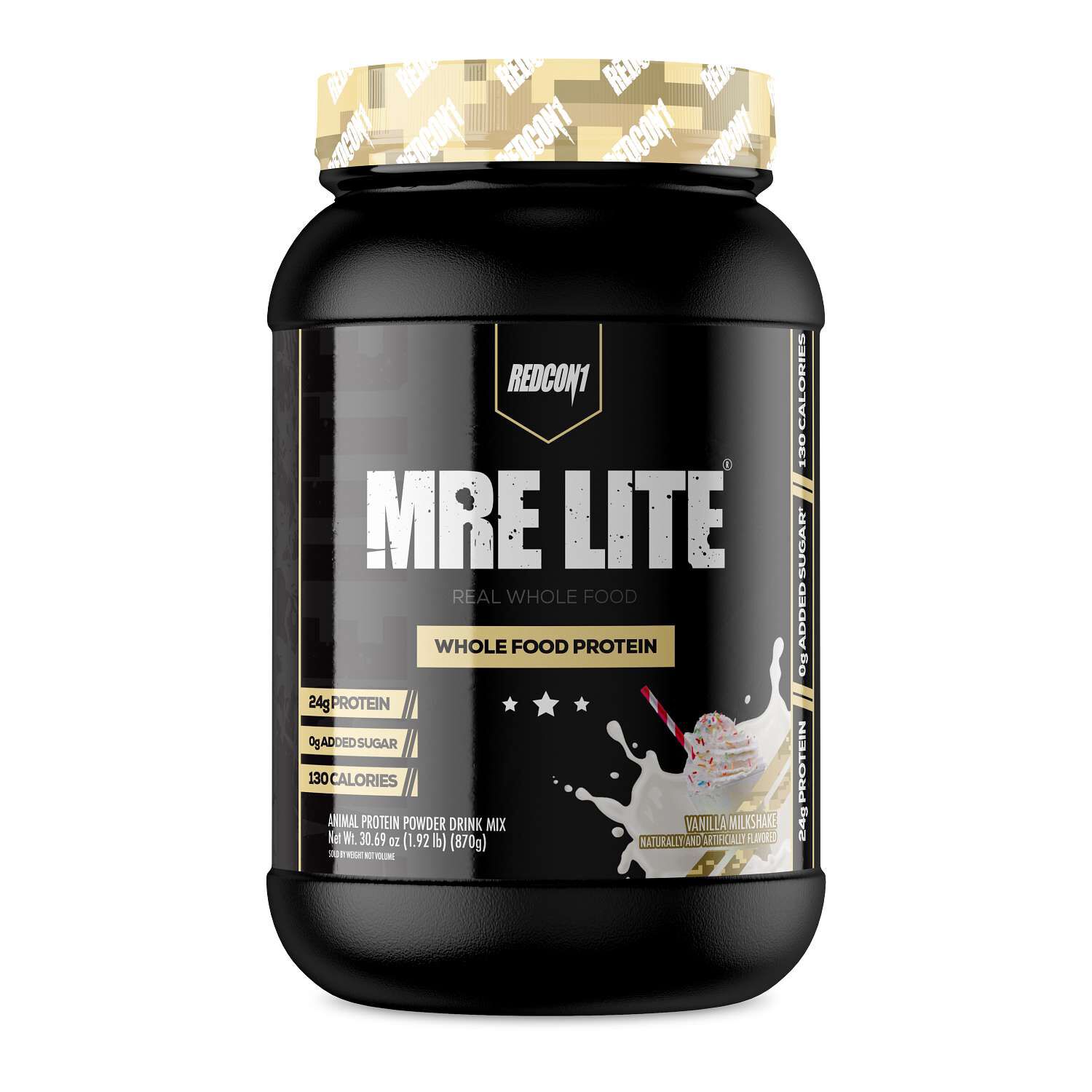

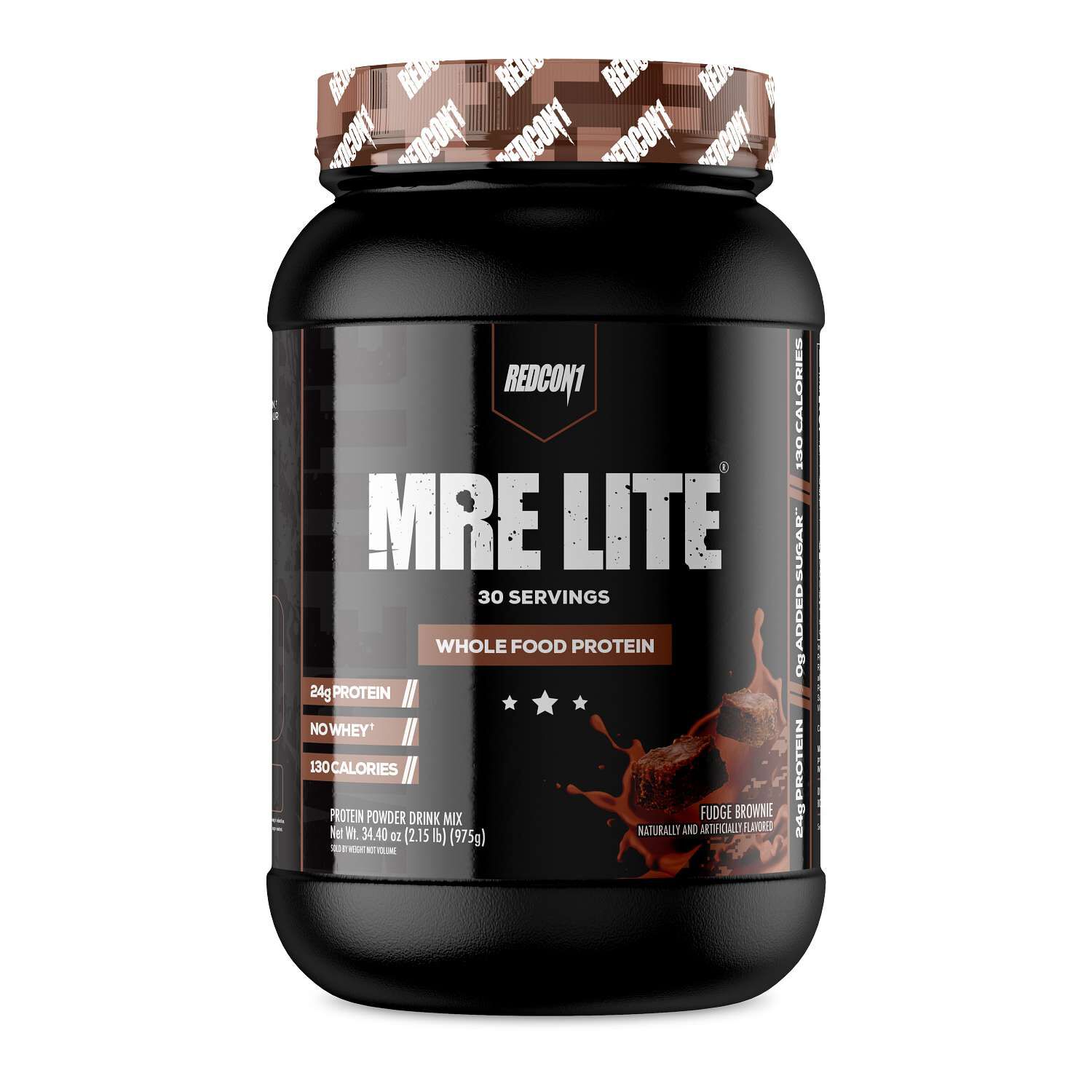
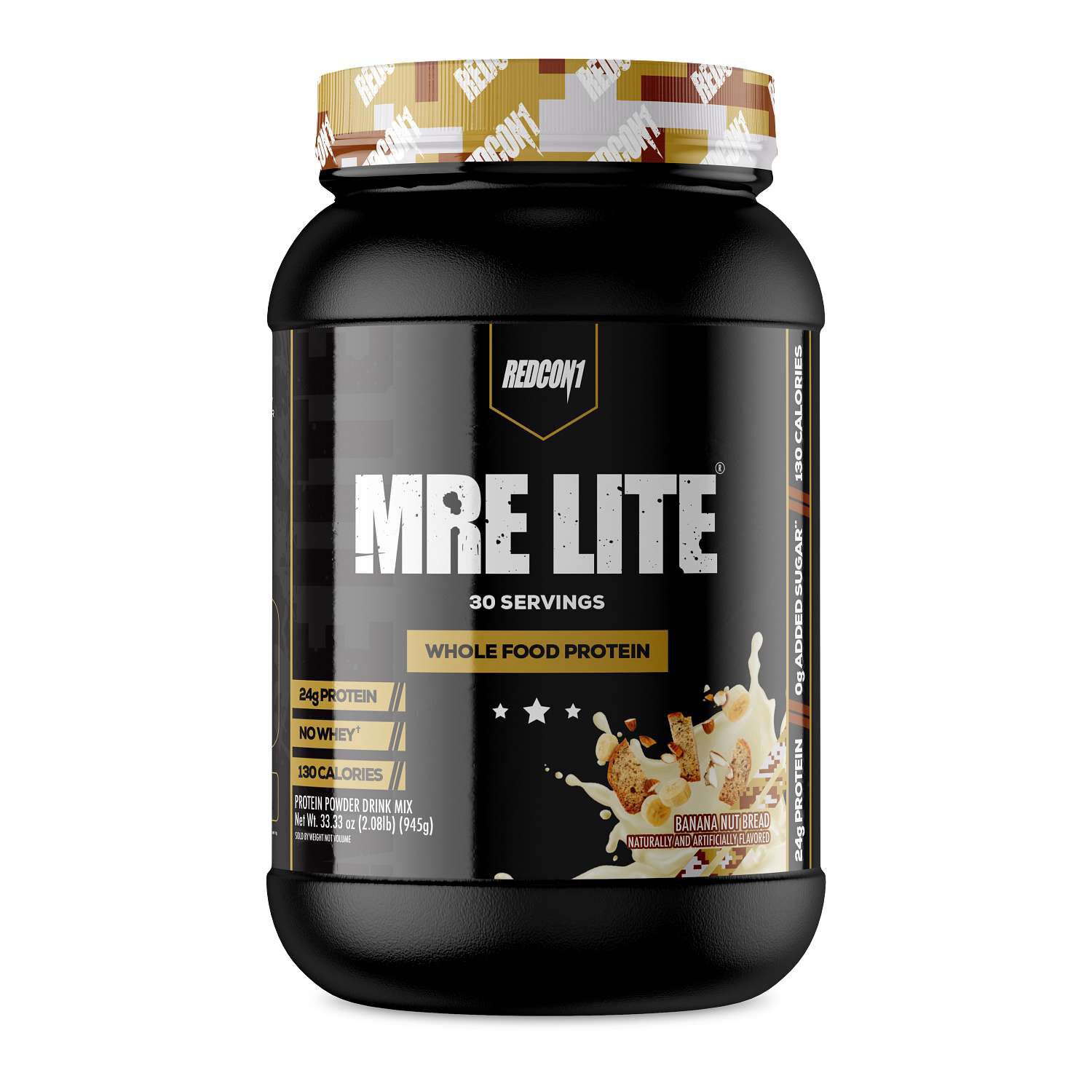


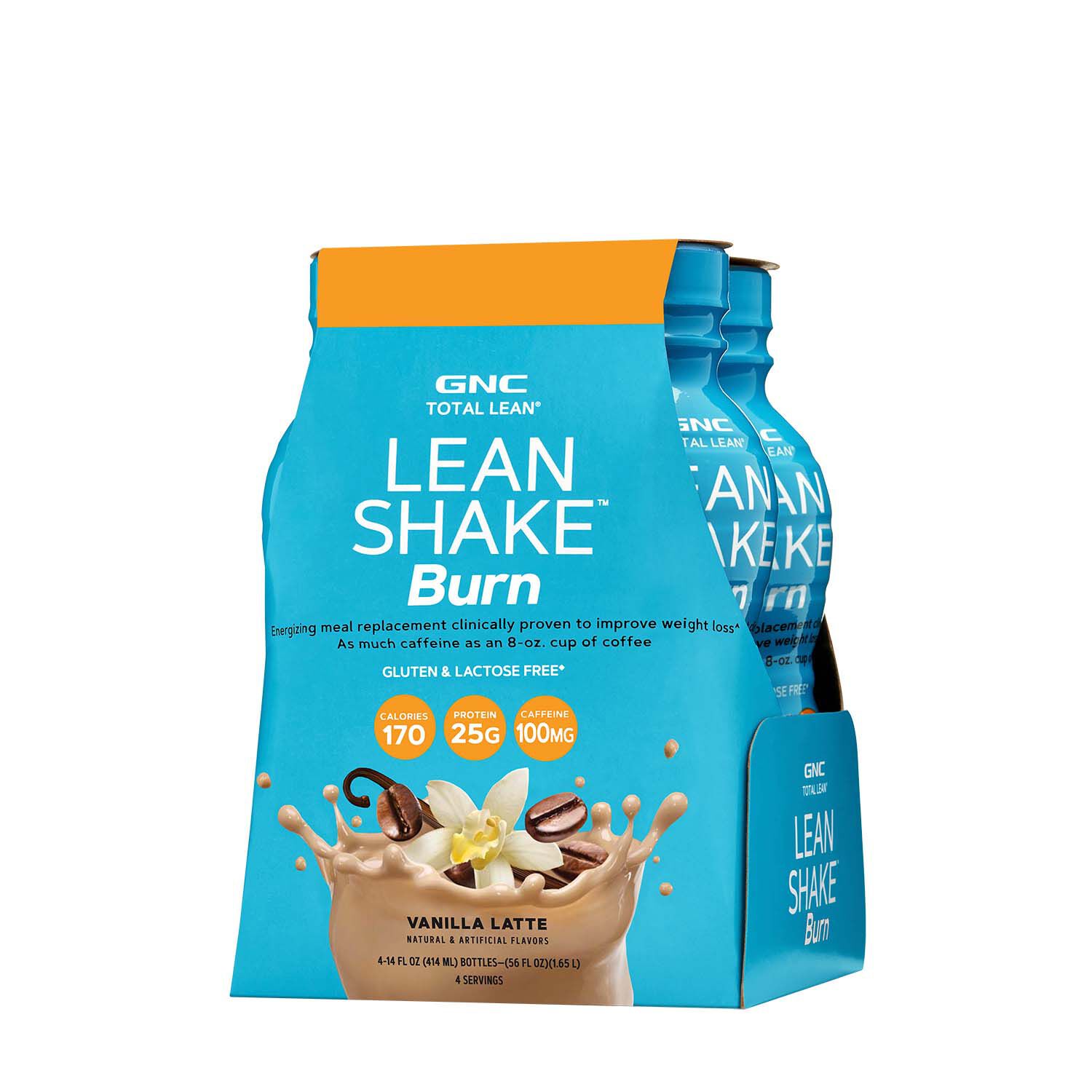


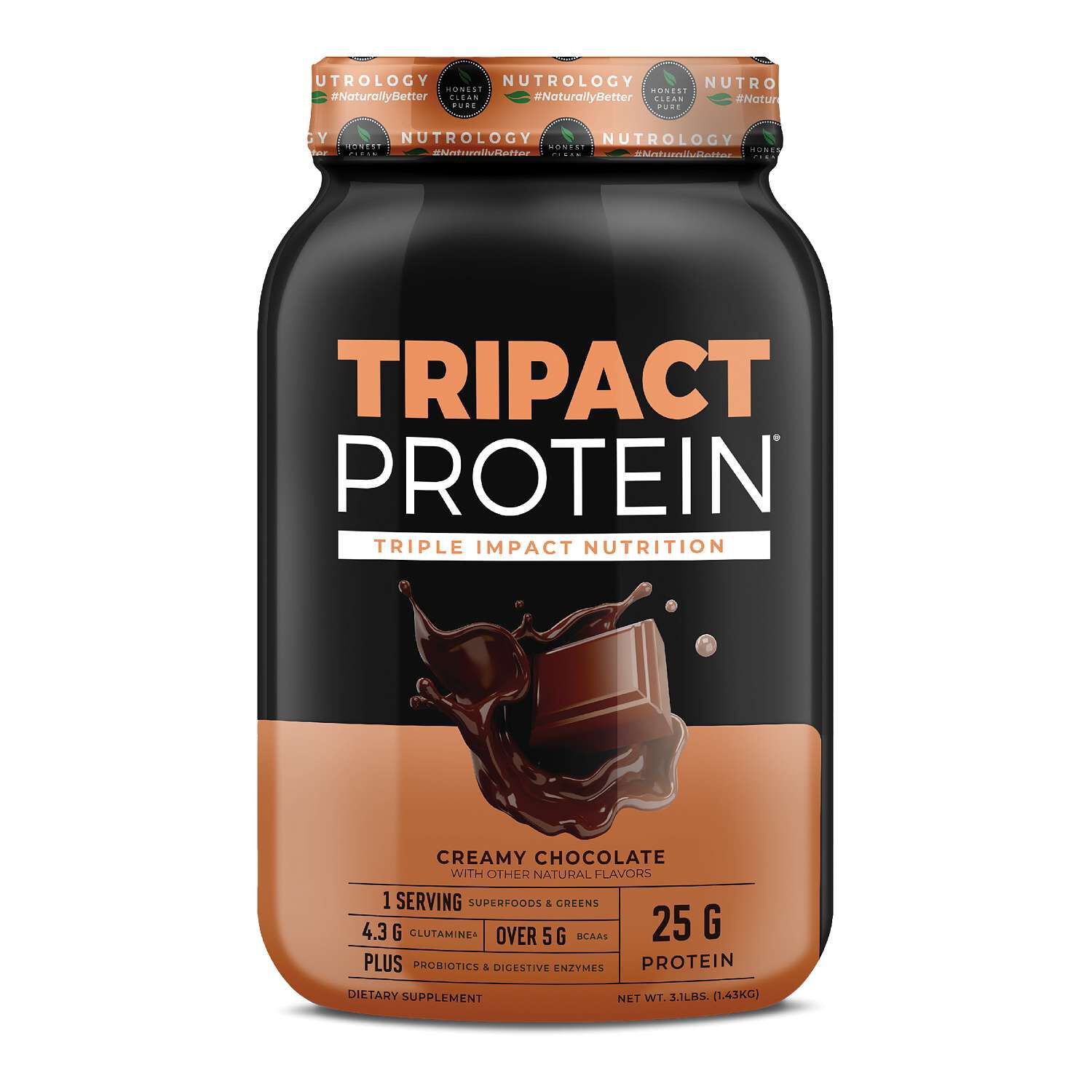

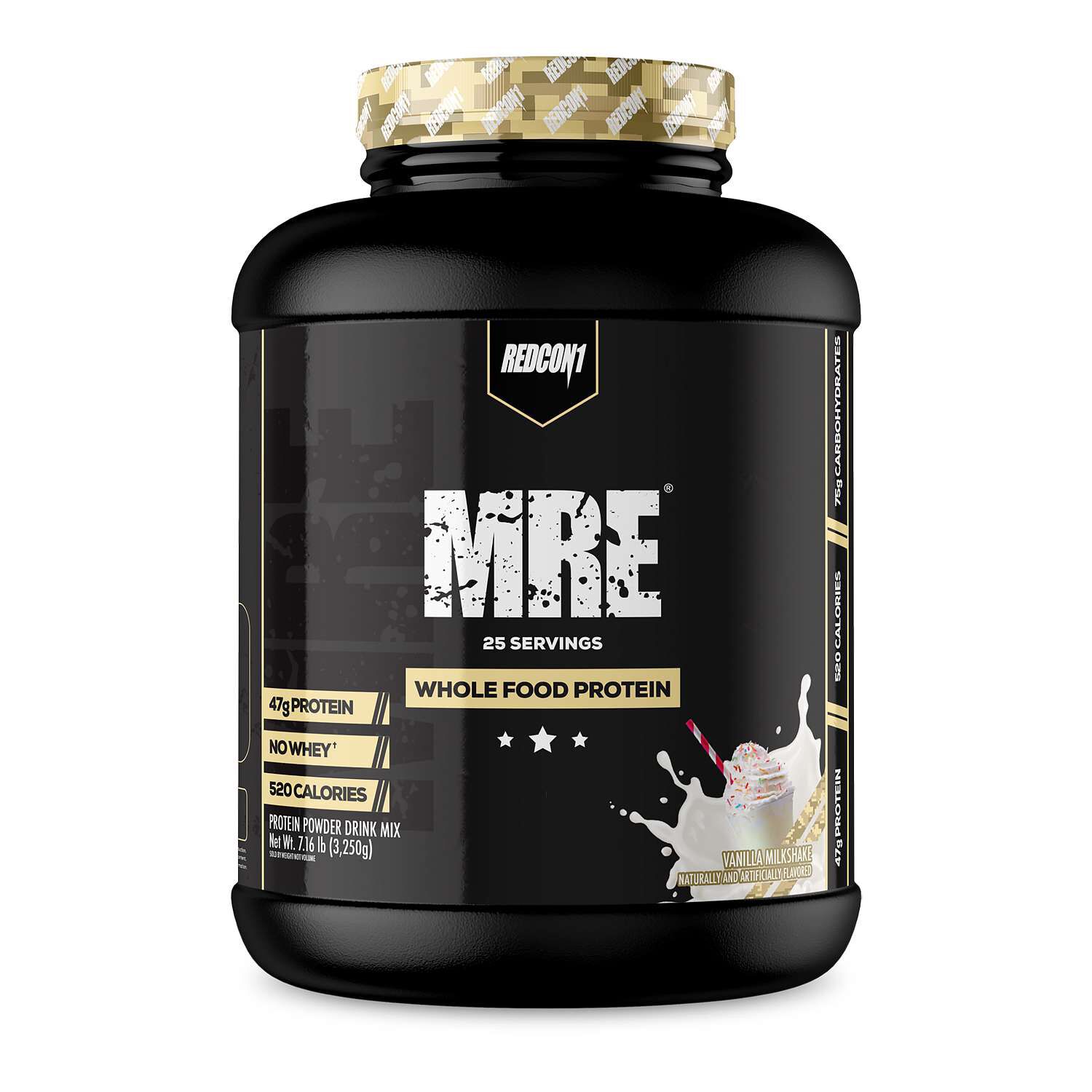

Protein replacements are foods and nutrition products used in place of a familiar protein source, such as meat, dairy, or a usual protein shake. The category includes options for changing ingredients, choosing a different format, or finding something that fits an everyday eating routine. For someone moving away from meat, beans, lentils, tofu, tempeh, and edamame are familiar food-based alternatives. A cooked cup of lentils or many varieties of beans provides roughly 15 to 18 grams of protein, although the amount varies by food and preparation. Greek yogurt, cottage cheese, and eggs offer other ways to include protein without meat, while nuts and seeds contribute protein alongside fats and, in many cases, fiber. Seitan is another option made from wheat gluten, with a chewy texture that works in savory dishes. Packaged protein powders, shakes, and bars offer a different approach, with labeled serving sizes and formats suited to mixing, sipping, or carrying in a bag. These options are not interchangeable in every respect: a serving of lentils brings a different combination of nutrients and a different eating experience than a shake mixed with water. Protein itself is made of amino acids, and the proportions of those amino acids vary among ingredients. That makes the protein source, serving size, and surrounding ingredients useful points of comparison. A replacement might mean choosing a plant-based powder instead of a milk-based one, taking a packaged shake along instead of preparing a snack, or adding tofu to a meal that usually contains meat. The context matters as much as the protein amount. Someone looking for an ingredient to stir into oatmeal has different needs from someone looking for a beverage to pack for a commute. Across these uses, protein replacements may make room for different food preferences and preparation habits without requiring every meal or snack to follow the same pattern.
The main ingredient often shapes the character of a packaged protein replacement. Whey and casein come from milk, while soy, pea, and rice proteins are plant-derived options found in powders and other nutrition products. Egg-based protein offers another source, and some formulas combine several ingredients. Plant blends may offer a different amino acid profile from a single-source formula, but the amount of protein per labeled serving remains an important distinction. Texture and flavor also deserve attention. One powder might mix into a light drink, while another may produce a thicker shake or leave a more noticeable texture in yogurt. Chocolate, vanilla, and fruit-inspired flavors lend themselves to different combinations; an unflavored option may suit someone who prefers to add ingredients such as cocoa, cinnamon, or fruit separately. Mixing liquid changes the result as well. Water adds no protein, while milk or a protein-containing plant beverage contributes nutrients beyond those listed for the powder alone. The nutrition panel reflects the serving and preparation specified on the package, so a scoop blended with milk, oats, and nut butter represents a different combination than the same scoop stirred into water. Protein replacements also differ from meal replacements. A protein-focused product is not automatically formulated to stand in for a meal, and protein grams alone do not describe its broader nutritional content. Meal replacement formulas often contain carbohydrates, fats, vitamins, and minerals in addition to protein, with amounts that vary by formula. That distinction is relevant when browsing Casein Meal Replacements, a related category centered on a milk-derived protein source. Ingredients, calories per serving, fiber, added sugars, and serving directions provide a clearer picture of intended use than the category name alone. Dietary preferences also shape the choice: a milk-derived formula does not fit a vegan eating pattern, and products made with soy, egg, or wheat have different ingredient considerations. Allergen statements and the full ingredient list help distinguish these options without relying on flavor names or front-label descriptions.
Everyday practicality gives protein replacements much of their appeal. A powder may suit a kitchen routine built around a blender, measured ingredients, and a few minutes of preparation. A ready-to-drink format may fit a workday with little access to mixing equipment, while a wrapped bar may be easier to tuck into a desk drawer or carry alongside other snacks. Students, commuters, recreational athletes, and people with busy household schedules might consider these formats for different reasons, but convenience does not mean every option serves the same purpose. A compact snack and a meal replacement have different roles, and the labeled serving size helps clarify that distinction. For someone heading from a workout to an afternoon meeting, preparation time and portability may matter most. For someone sharing a pantry with several household members, recognizable ingredients and individual flavor preferences may carry more weight. The amount of preparation involved is another consideration: a powder requires liquid and a suitable container, while a packaged beverage comes already mixed. Repeated use also makes packaging and storage relevant. Resealable tubs and pouches may suit an at-home routine, while individual portions reduce the need to measure servings away from the kitchen. Secure closures, readable labels, and packaging that holds up during ordinary handling are practical details for products carried in a backpack or work bag. Storage directions vary, especially between unopened beverages and those already opened. Powders are generally kept dry, with a clean, dry scoop and a tightly closed package; prepared drinks and opened containers need care according to their labels. Best-by dates, intact seals, and legible preparation directions remain useful considerations regardless of format. Shaker bottles and reusable containers need washing after use, particularly around lids, threads, and removable mixing pieces where residue can collect. Beyond handling, the most useful match is one that fits the way someone actually eats: a familiar flavor for a simple shake, a neutral powder for mixing into food, or a portable option for a day spent away from home. Protein replacements offer several ways to vary protein sources, with differences in ingredients, nutrition, texture, and preparation that make the details worth considering.
- Q: What are protein replacements?
A: Protein replacements are products designed to provide a convenient source of protein, often used as an alternative to whole food protein sources. They come in various forms such as shakes, bars, and powders. - Q: Who might benefit from using protein replacements?
A: Protein replacements can be beneficial for individuals with busy lifestyles, athletes, those looking to increase their daily protein intake, or people who have difficulty consuming enough protein through regular meals. - Q: What types of protein are commonly found in protein replacement products?
A: Common types of protein in replacement products include whey, casein, soy, pea, rice, and other plant-based proteins. Some products may also blend multiple sources for a broad amino acid profile. - Q: How can I incorporate protein replacements into my daily routine?
A: Protein replacements can be enjoyed as meal substitutes, snacks between meals, or post-workout recovery options. They are easy to take on-the-go and can be mixed with water, milk, or blended into smoothies. - Q: Are there plant-based options available for protein replacements?
A: Yes, many protein replacement products offer plant-based options made from sources like pea, rice, or soy proteins. These are suitable for vegetarians and vegans seeking non-animal-derived protein sources.
Best Sellers
Related Pages

Top Collections
- Daily Collagen Supplements | Top Brands & Deals | GNC
- Joint Mobility Supplement Packs
- Zinc Supplements | Top Brands at Great Prices | GNC
- GLP 1 Support For Adults
- Supplements For Yoga Joint Flexibility
- Supplements For Balance
- Capsule Supplements For Energy And Stamina
- Adult Mobility Supplements
- Chronic Fatigue Supplements
- Vitamins For Hair Loss