





Pycnogenol Supplements For Summer Travel
(0 Results)
Pycnogenol supplements for summer travel could be a thoughtful addition to your routine as you prepare for new adventures. Whether you're planning a road trip, flying to a distant destination, or exploring the outdoors, these supplements might offer support while you're on the go. Explore options that may fit your travel needs and help you make the most of your summer journeys.
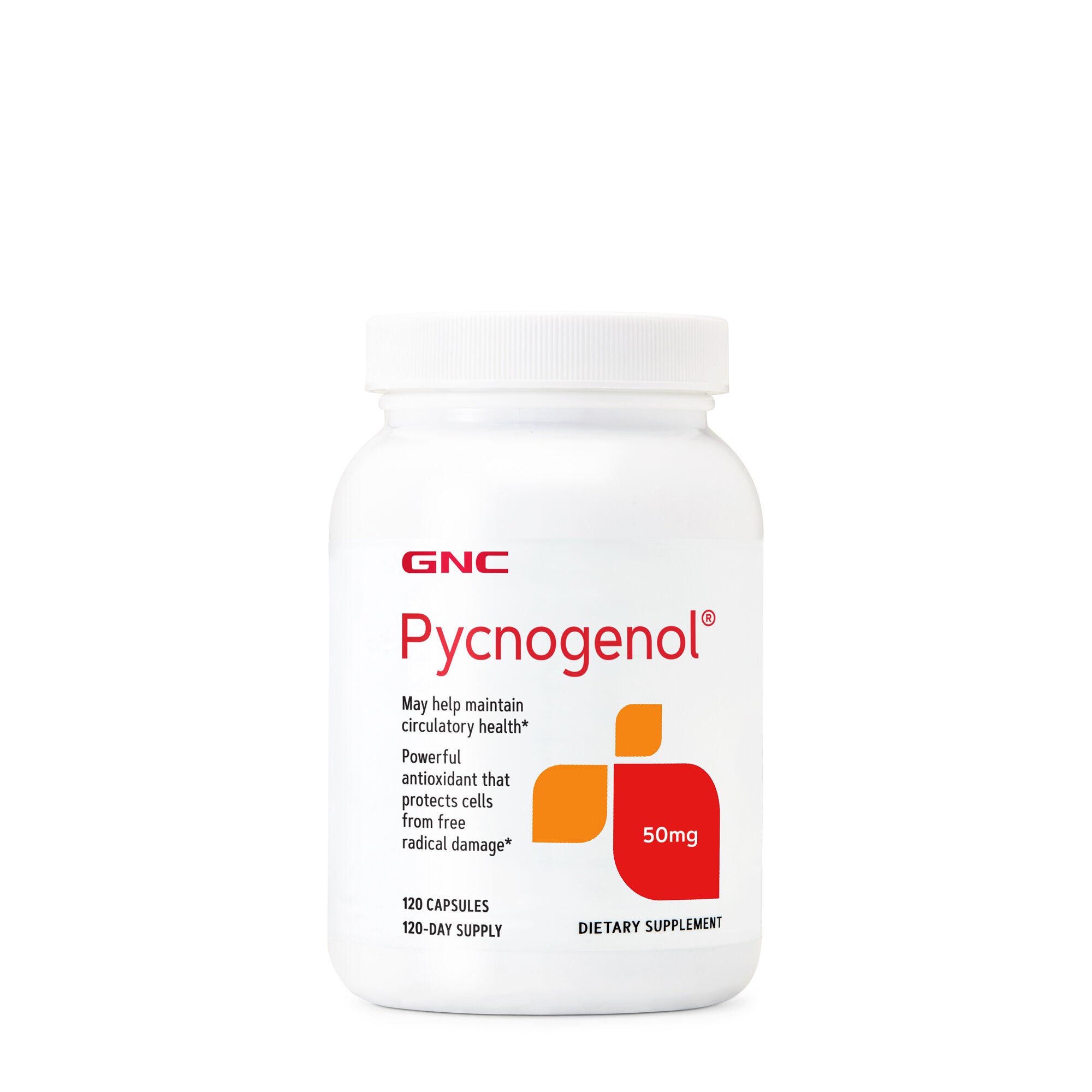

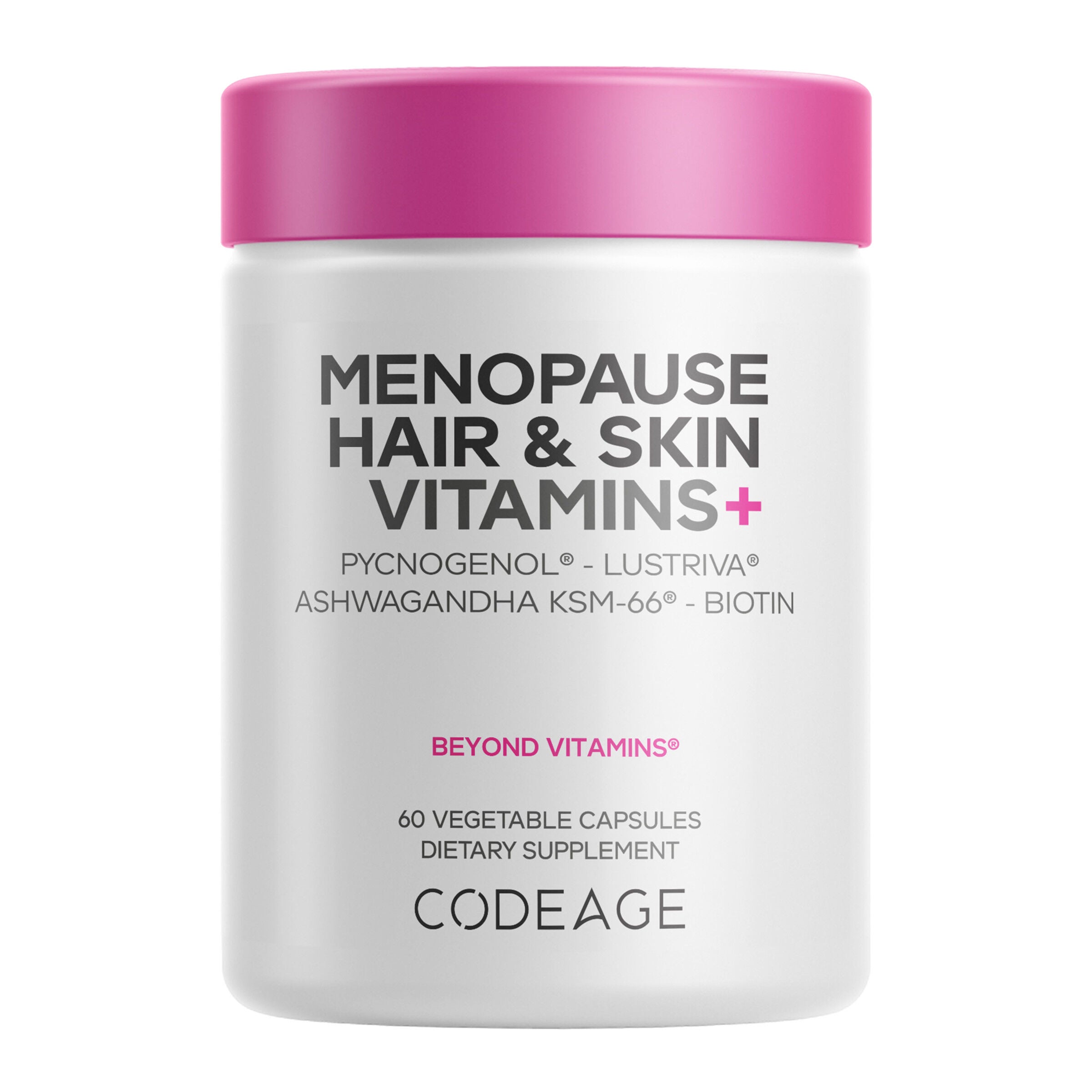
Pycnogenol supplements for summer travel center on a botanical ingredient with a specific identity: a standardized extract made from the bark of French maritime pine, Pinus pinaster. The extract contains plant compounds called polyphenols, including procyanidins, which distinguish it from familiar travel supplements built around vitamins, minerals, or protein. Pycnogenol is not simply another name for any pine bark powder or extract, so the ingredient wording on a package matters when comparing formulations. Botanical source, extract identity, and the amount listed per serving provide a more useful starting point than a beach image or travel-oriented package design. For adults who already include this ingredient in their supplement routine, summer trips bring practical considerations such as container size, serving format, storage conditions, and the number of servings needed for time away. A week at a lakeside rental, a flight followed by a coastal road trip, and a longer stay with family each create a different packing situation, even when the ingredient itself stays the same. The summer setting does not establish a separate serving amount or make every pine bark formulation interchangeable. Instead, the connection to travel is largely about choosing a clearly labeled format that may fit an established routine outside the home. Single-ingredient formulations keep the focus on the named extract, while combination formulas include additional ingredients that deserve their own attention. Neither a longer ingredient list nor a larger number on the front of a bottle establishes a better match for a particular traveler. The distinction between an extract and unextracted botanical material also matters: their weights alone do not describe equivalent compositions. Clear labeling brings these differences into view without relying on broad wording about performance. For a collection of Pycnogenol supplements, the most informative product details are therefore concrete ones: what the botanical ingredient is, how it is presented, what else appears in the formula, and how the manufacturer describes its intended use.
Comparing Pycnogenol supplement formats involves more than looking at the milligram amount printed prominently on the package. The Supplement Facts panel identifies the serving size and amount per serving, while the ingredient list describes capsule materials and other components used in the formulation. Milligrams per capsule and milligrams per serving are not necessarily the same measurement when a labeled serving contains more than one capsule. Likewise, the number of capsules in a container does not always equal the number of servings. These distinctions become especially relevant when matching a bottle to a travel itinerary rather than a bathroom cabinet. A short weekend visit and an extended vacation involve different packing needs, but trip length alone is not a basis for changing labeled use. Capsule dimensions, shell materials, and the presence of additional ingredients may also influence a shopper’s preference. Some capsule shells use gelatin, while others use plant-derived materials; the actual package description is the place to confirm that distinction. Dietary preferences and ingredient exclusions are best evaluated through explicit label statements rather than assumptions based on the pine source. A botanical ingredient does not automatically describe every material in the finished capsule. Combination products introduce another layer of comparison because their additional vitamins, minerals, or botanical extracts have separate identities and amounts. Similar-looking bottles may therefore represent meaningfully different formulations. Readable serving instructions, a legible ingredient list, and a clearly marked date provide useful context before a container goes into a suitcase. Package photographs can help show bottle shape and closure style, while written specifications provide details that an image may not reveal. For travelers with limited space in a toiletry pouch or carry-on compartment, dimensions and serving count are practical characteristics, not measures of ingredient quality. Familiarity with the format may matter as much as compact packaging, particularly when a trip already involves different meal schedules, unfamiliar accommodations, and several changes of location.
Summer travel also puts the packaging and care of supplements into focus. A bottle that ordinarily stays in a shaded cupboard may spend part of a journey in a carry-on bag, beside a sunny hotel window, or near an open suitcase during an afternoon check-in. Manufacturer storage directions remain relevant in each setting, especially where heat, moisture, or direct sunlight are involved. A closed container with an intact label may be a practical fit for travelers who want the ingredient name, serving information, and storage wording together. Smaller containers may occupy less room, but closure design and readable identification still deserve attention. A travel organizer offers a different arrangement from an original bottle; the two do not necessarily provide the same protection from the surrounding environment. Package durability is therefore about more than whether a container fits neatly between sunglasses and a charging cable. The condition of the closure, the legibility of the label, and the storage requirements all contribute to its usefulness away from home. Domestic and international itineraries may also involve different rules for carrying supplements, making destination requirements another consideration separate from the formula itself. Within a broader shopping routine, travelers comparing distinct ingredient categories can also browse Lutein Supplements for Summer Travel, which focuses on a different ingredient rather than another form of pine bark extract. Each category retains its own composition and labeled use; appearing alongside the same seasonal occasion does not make different ingredients interchangeable. For Pycnogenol supplements, a thoughtful comparison stays grounded in the named extract, serving information, additional ingredients, and packaging suited to the journey. The most relevant details are often ordinary ones: a label readable in a dim hotel room, a container that fits the intended bag, and storage directions compatible with the planned accommodations. Those practical distinctions give the summer travel theme substance without treating a vacation destination, a long flight, or a busy itinerary as evidence of a particular product effect.
- Q: What is pycnogenol and why might it be popular for summer travel?
A: Pycnogenol is a natural plant extract derived from the bark of the French maritime pine tree. It's popular among travelers during the summer months because it contains antioxidants that may help support overall wellness, especially when dealing with changes in routine, long flights, or increased outdoor activities. - Q: How can I incorporate pycnogenol supplements into my travel routine?
A: Many people choose to add pycnogenol supplements to their daily regimen before and during travel. They are typically available in convenient capsule or tablet form, making them easy to pack and take on-the-go while exploring new destinations. - Q: Are there any specific times during summer travel when taking pycnogenol might be beneficial?
A: Some travelers prefer to take pycnogenol before long flights, road trips, or periods of increased sun exposure. It can also be included as part of a daily supplement routine throughout your trip for ongoing support. - Q: Can I combine pycnogenol with other supplements while traveling?
A: Yes, pycnogenol is often combined with other vitamins and supplements as part of a comprehensive wellness plan. Many travelers pair it with multivitamins, vitamin C, or hydration-focused products to help maintain their health on the go. - Q: What should I look for when choosing a pycnogenol supplement for travel?
A: When selecting a pycnogenol supplement for your summer travels, consider factors like portability, serving size, and whether the product fits easily into your daily routine. Look for reputable brands and check ingredient lists to ensure you're getting a quality product.
Best Sellers
-
 Rho Nutrition
-
 Rho Nutrition
-
 Doctors' Preferred
Related Pages

Top Collections
- Daily Collagen Supplements | Top Brands & Deals | GNC
- Natural Collagen Supplements | Top Brands & Deals | GNC
- Top Rated Collagen | Shop Customer Favorites | GNC
- Cortisol Supplements
- Vitamins For Hair Loss
- Spirulina Tablets
- NAD+ Supplement Tablets
- Peptide Supplements
- Best Brand of Magnesium Glycinate
- Vitamins That Help Support Weight Gain