





Reproductive Health For Men
(0 Results)
Explore a range of products that could support reproductive health for men, offering potential benefits such as enhanced vitality and overall well-being. These supplements may include essential vitamins, minerals, and herbal extracts that are thought to play a role in maintaining hormonal balance and supporting fertility. Whether you're looking to support your energy levels or promote general health, these options might provide a comprehensive approach to male reproductive wellness. Prioritize your health journey by exploring choices that could align well-being and lifestyle goals.
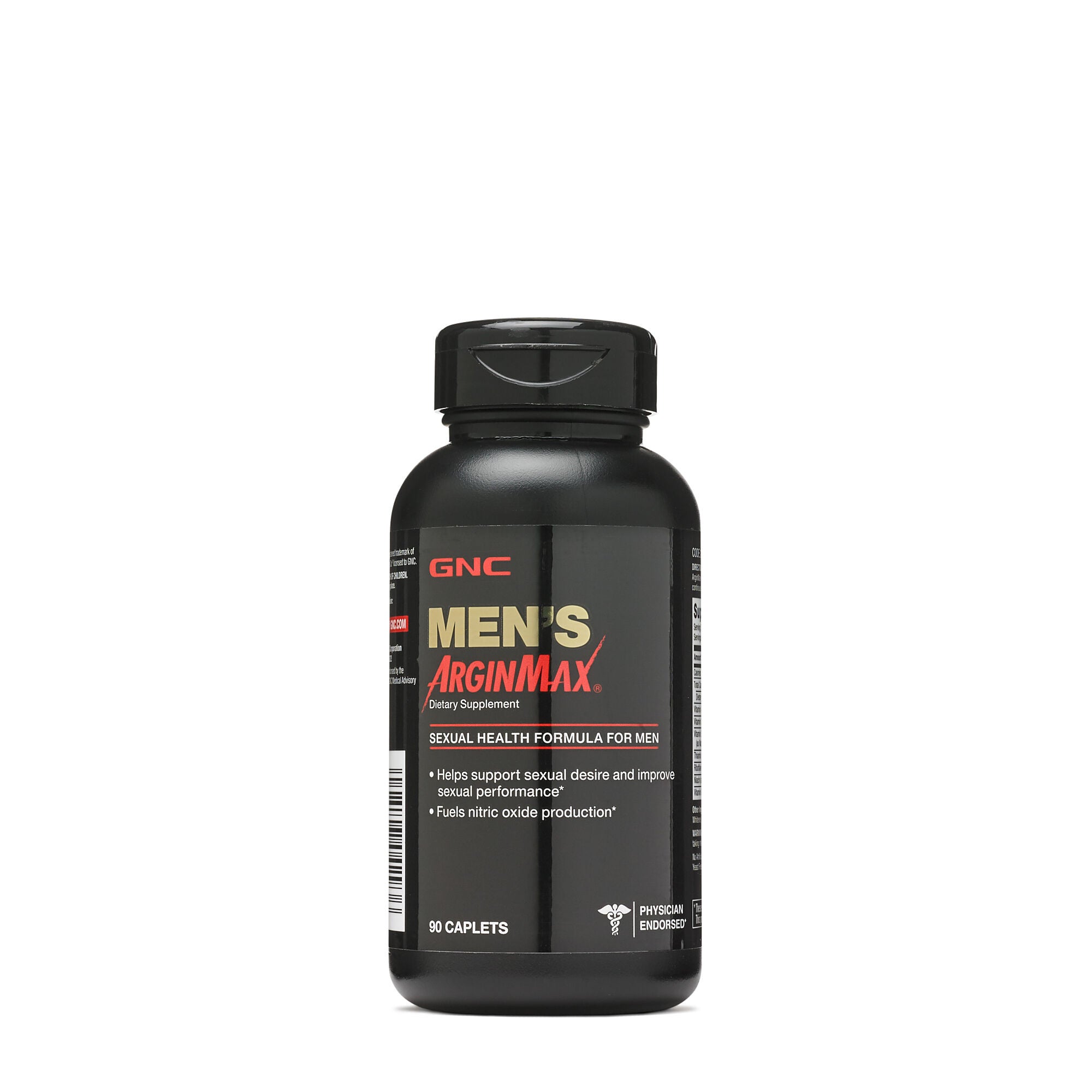
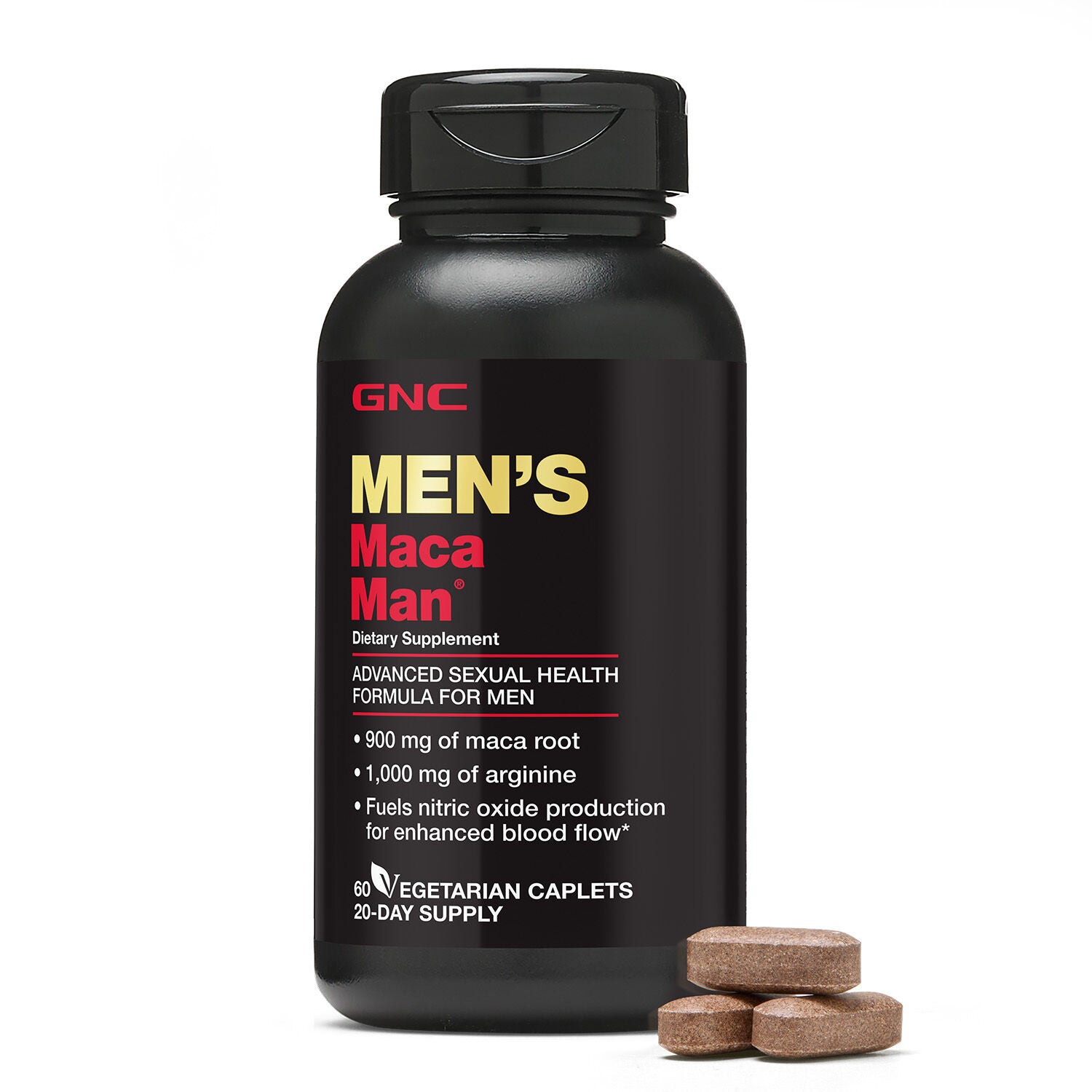


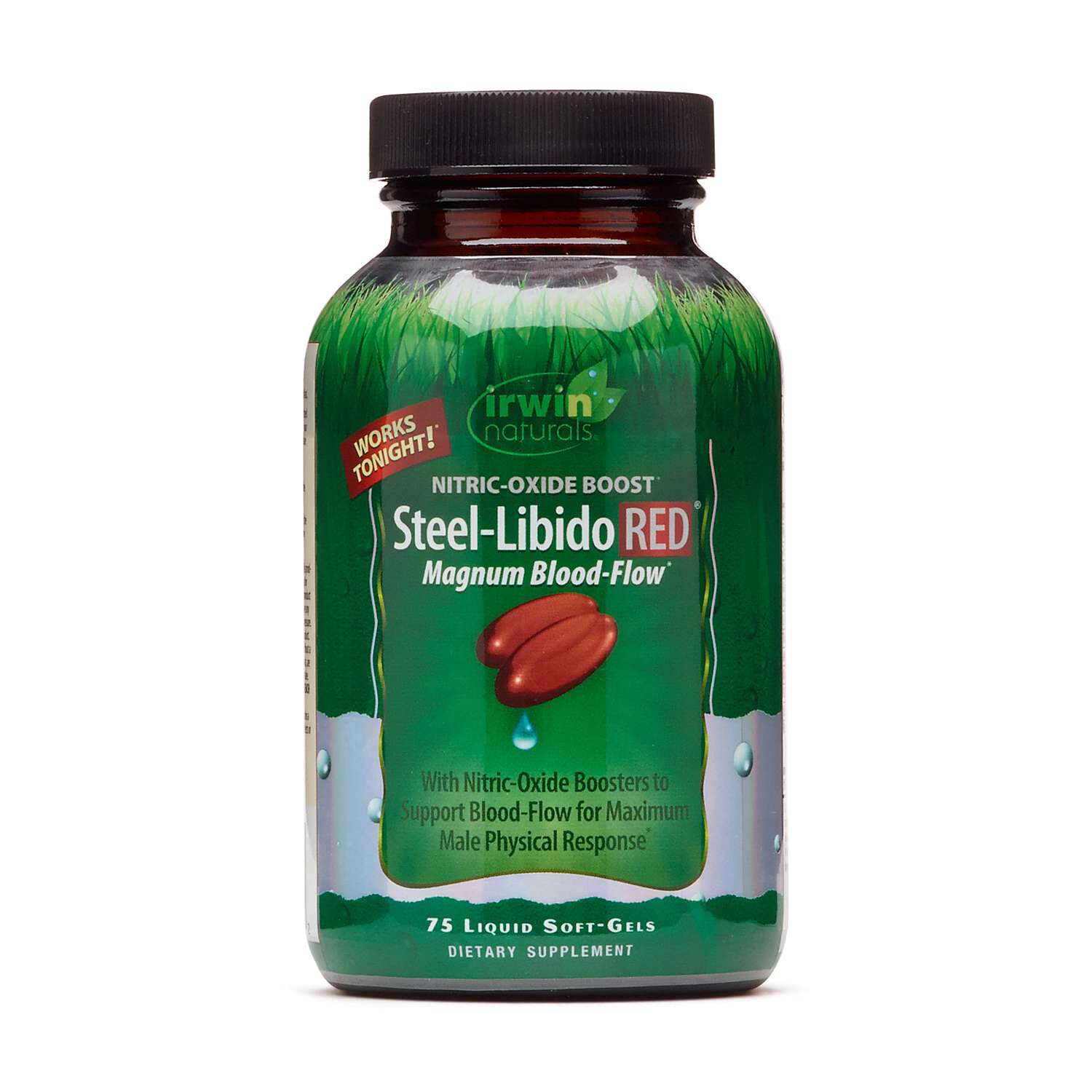


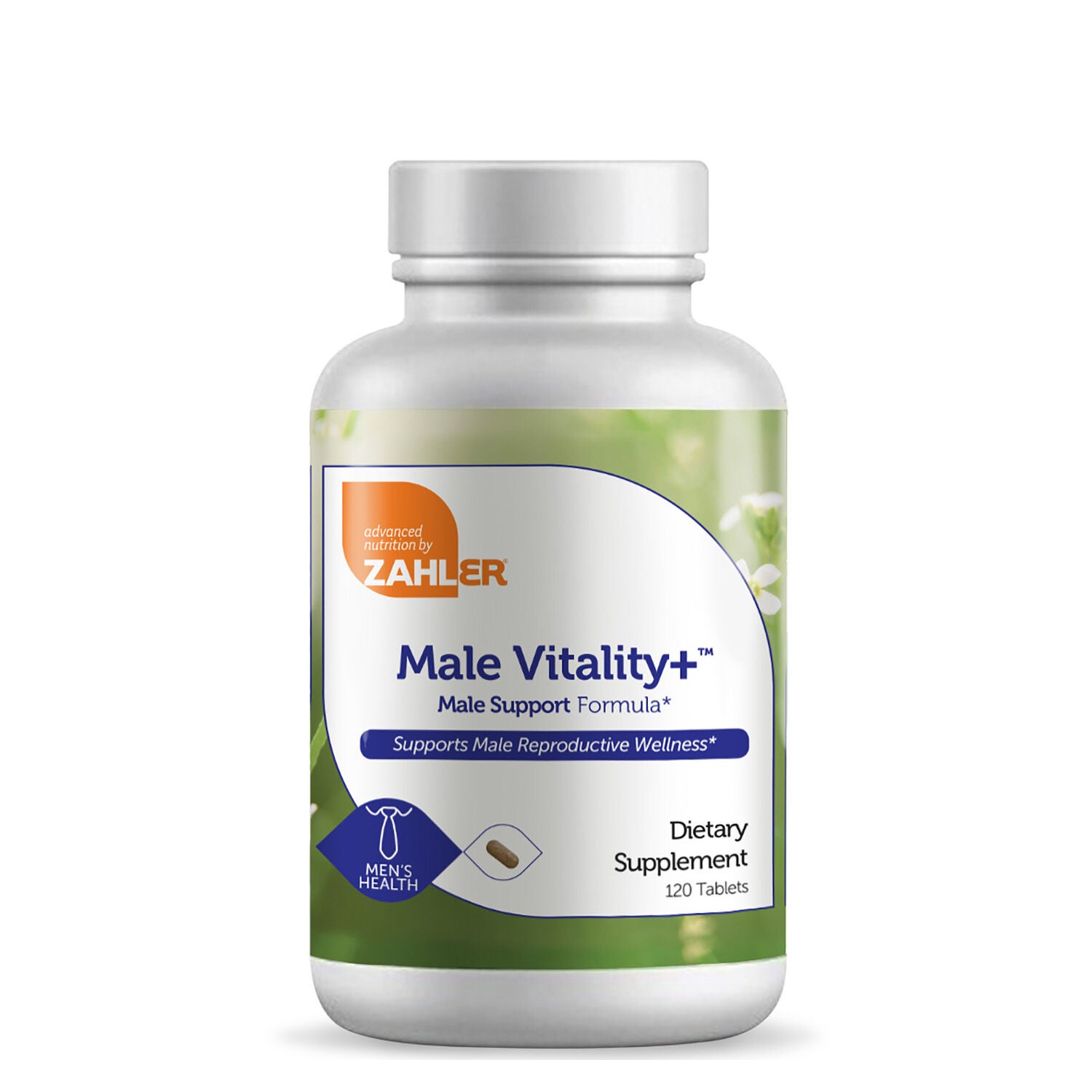
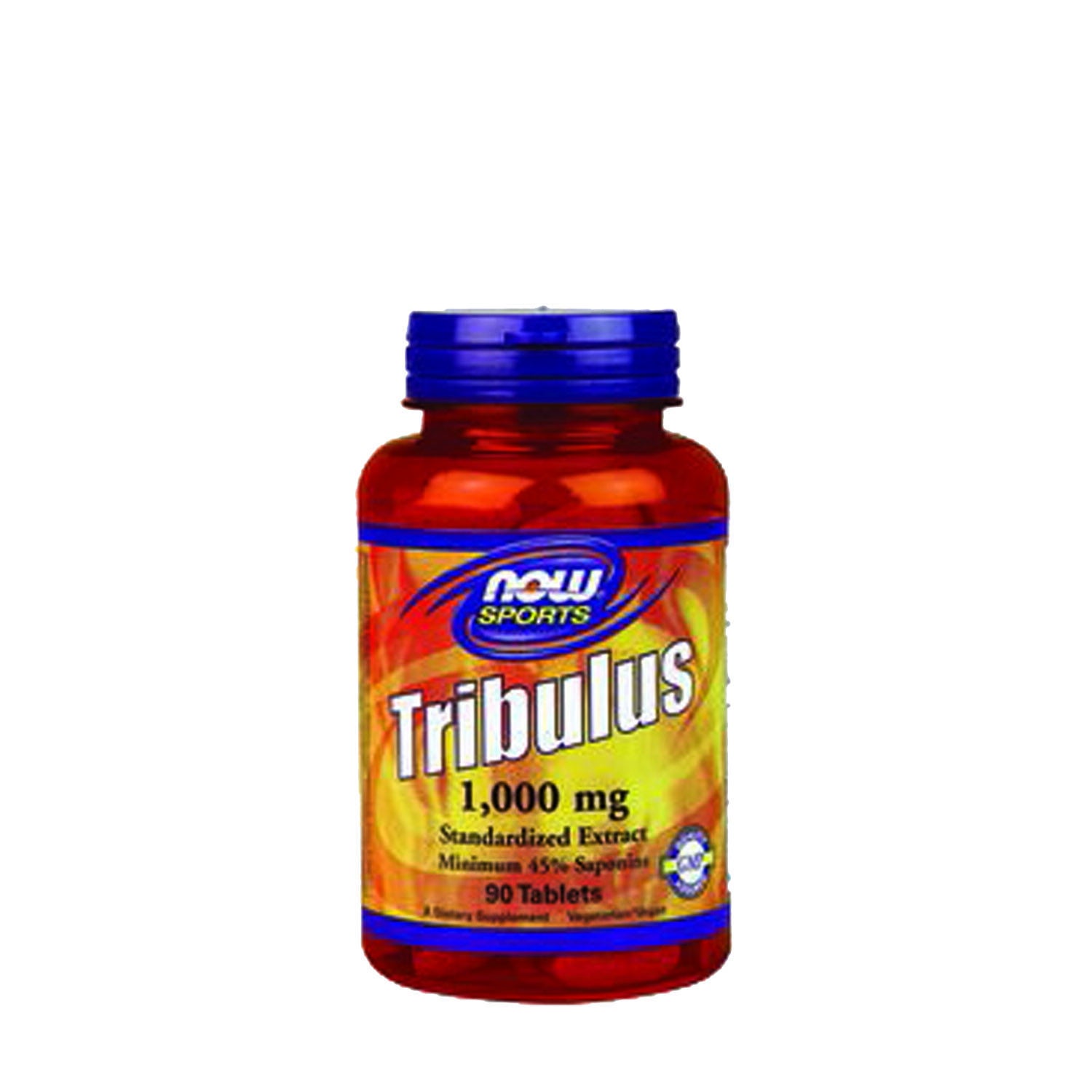
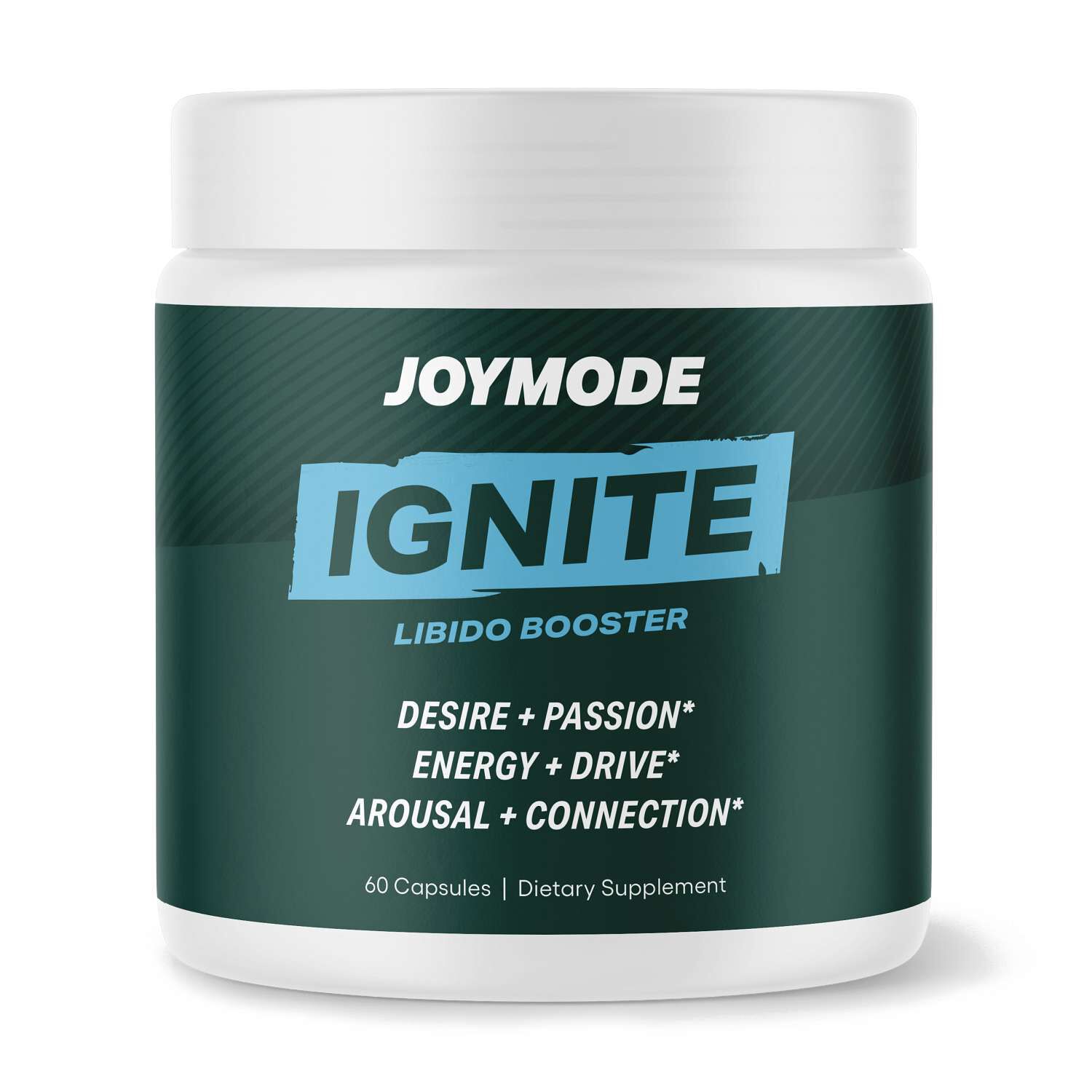

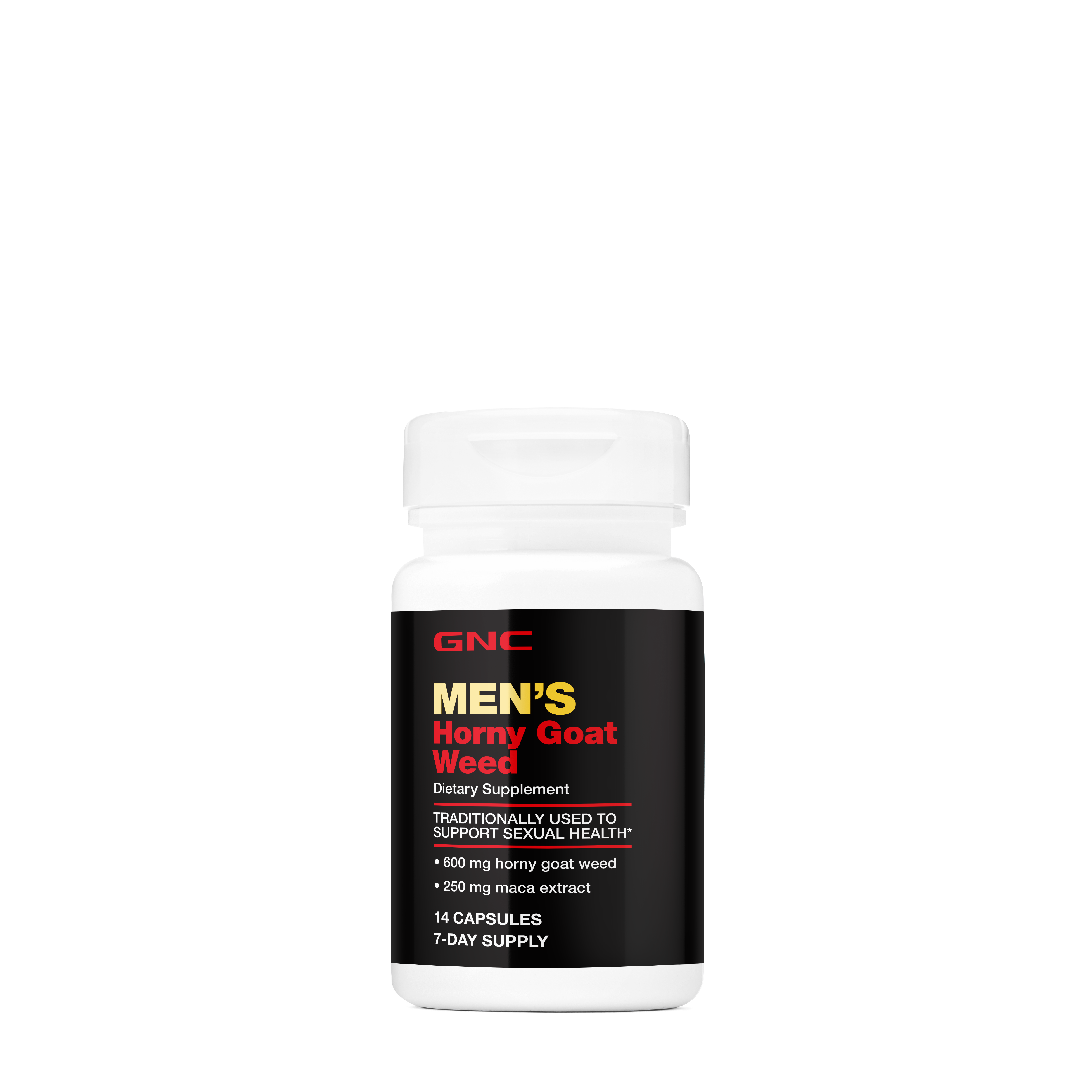
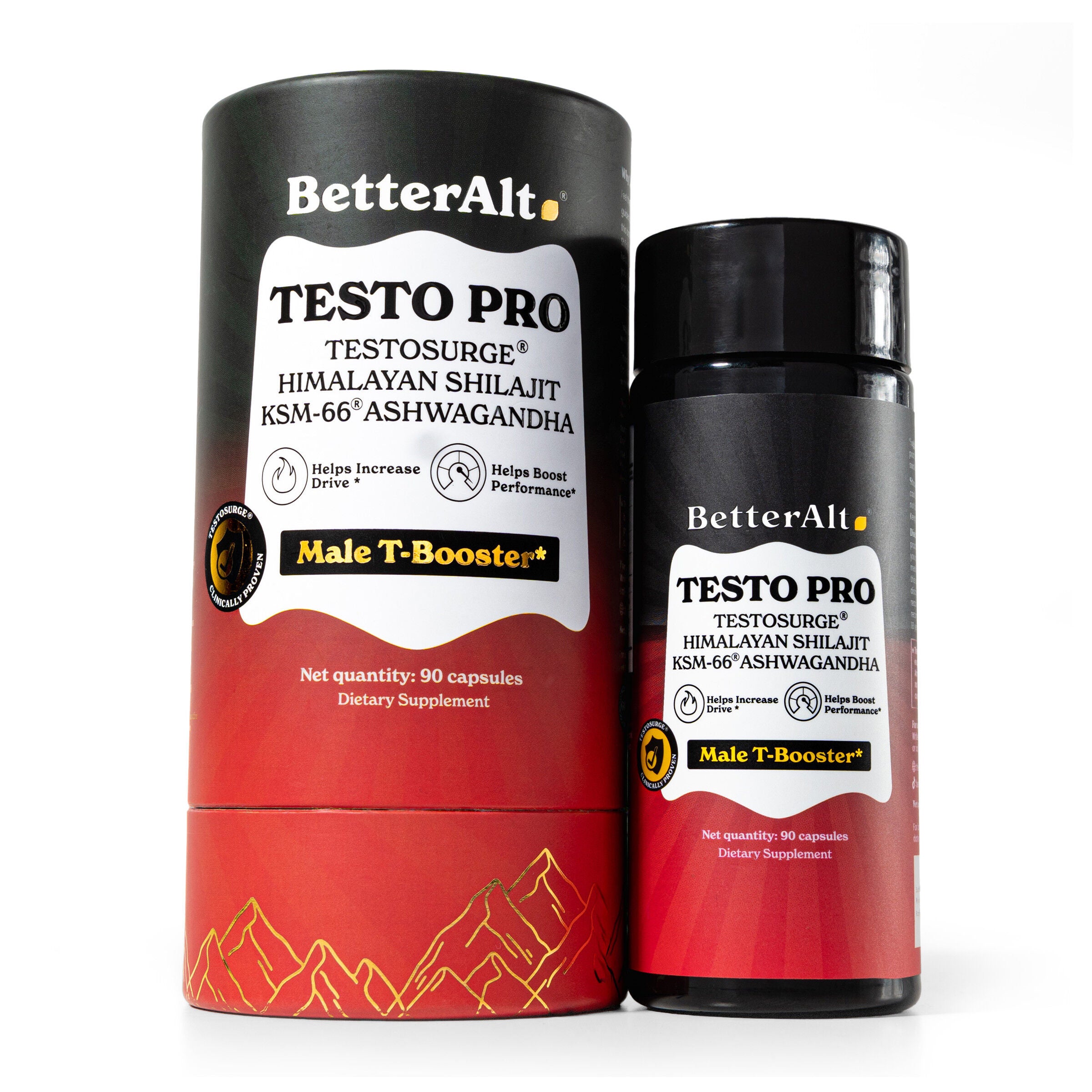
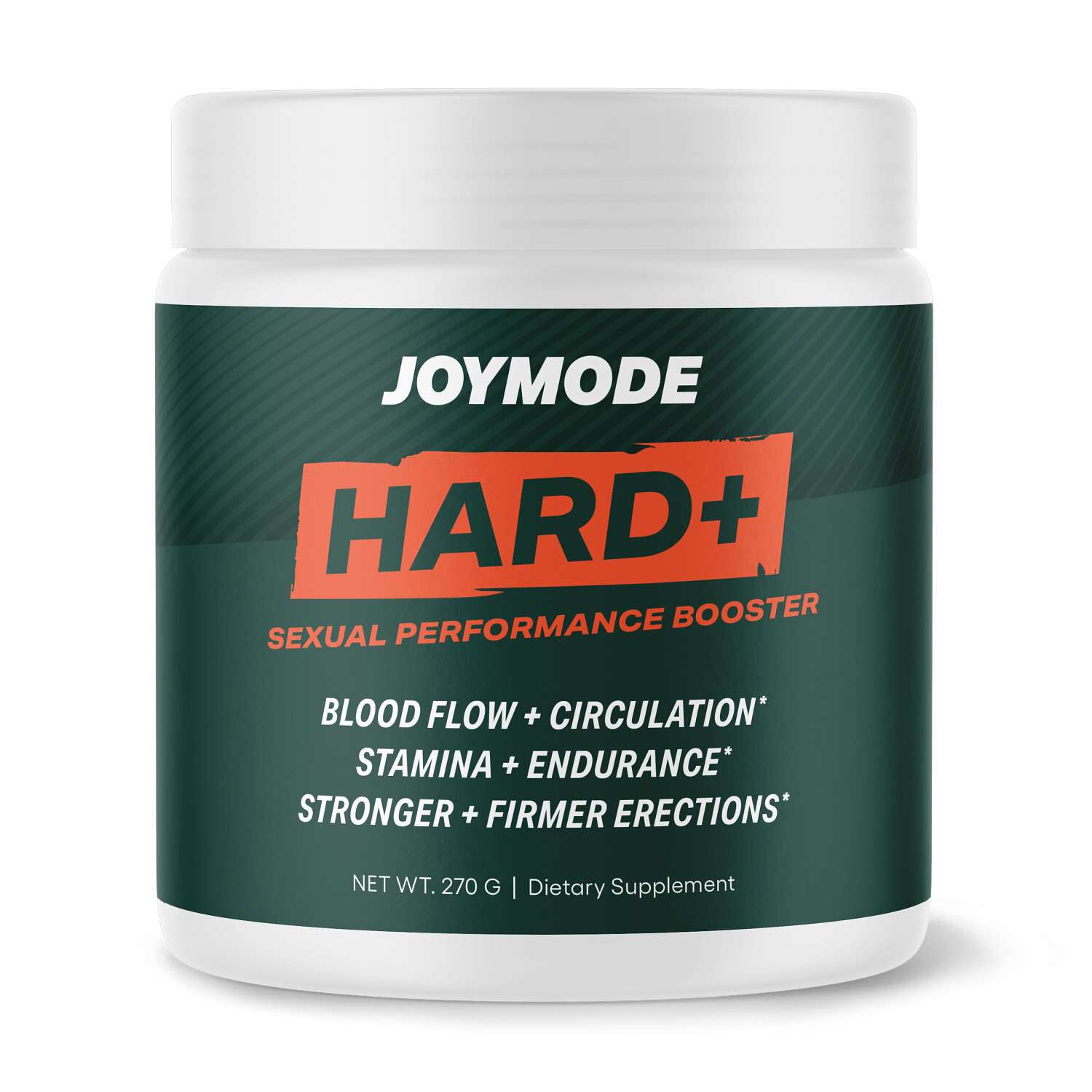
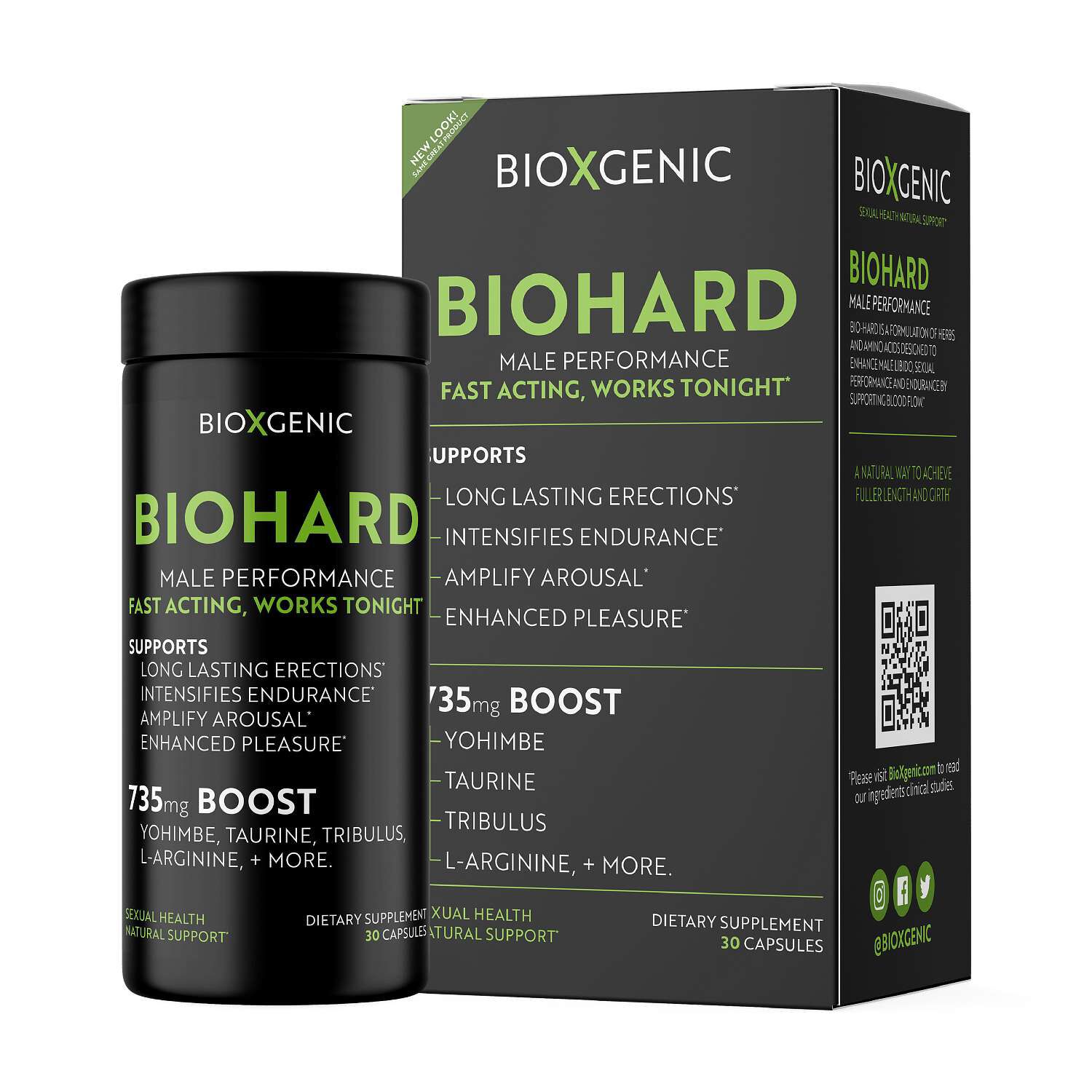

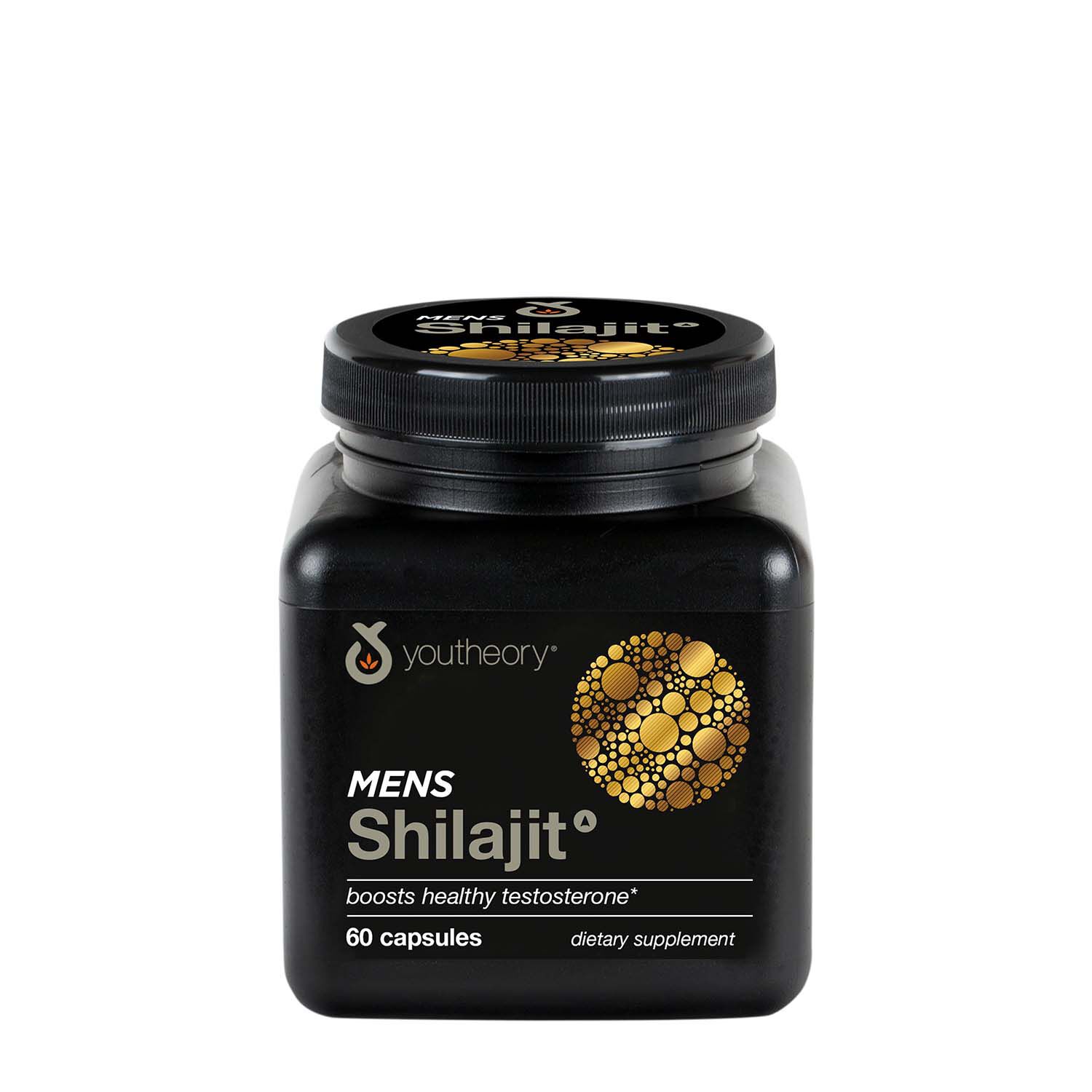


Reproductive health for men encompasses the organs and processes involved in sperm production, hormone production, and reproduction. The testicles produce sperm and testosterone, while other structures transport sperm and contribute the fluids that form semen. Sexual function, fertility, and hormone production are related parts of this subject, but they are not interchangeable measures of well-being. A person’s interest in reproductive wellness may center on future parenthood, a broader understanding of nutrition, or a more deliberate approach to everyday habits. Supplements associated with this category belong within that nutritional context: they may complement food choices, but a bottle label does not describe an individual’s fertility or reproductive function. Formulas associated with men’s reproductive wellness may contain minerals such as zinc and selenium, vitamins such as folate and vitamin E, or combinations of nutrients and botanical ingredients. Each ingredient has its own identity, amount, and labeling considerations; simply appearing in the same category does not make different formulas equivalent. Foods such as seafood, beans, eggs, nuts, and leafy vegetables also contribute a range of nutrients to everyday eating patterns. The relationship between food and supplements matters because a supplement is an addition to a diet, not a replacement for meals or an assessment of nutritional needs. Someone who regularly eats a varied mix of foods brings a different nutritional background to this category than someone whose meals follow a narrow rotation. Likewise, interest in becoming a parent is different from an interest in general men’s wellness, even when both lead to similar product categories. This distinction gives reproductive health supplements a clearer place in the shopping experience: they are nutritional products with defined ingredients and intended uses, rather than a measure of readiness for parenthood. Category names provide a starting point for understanding the subject, while the ingredient panel, serving information, and intended audience provide the details that distinguish one type of formula from another.
The most useful differences among men’s reproductive health supplements often appear in the details of the label rather than in the wording on the front of the package. A single-nutrient formula and a multinutrient blend represent different approaches to formulation. One centers on a particular vitamin or mineral, while the other combines several ingredients in a shared serving. The Supplement Facts panel identifies the declared nutrients, their amounts per serving, and the serving size used for those figures. A bottle containing many capsules does not necessarily contain the same number of servings, since a labeled serving may consist of more than one capsule. Milligrams and micrograms are different units, so a larger printed number alone does not establish that a formula contains more of a nutrient. The ingredient form also matters when comparing labels: two formulas may name the same mineral while listing different compounds that supply it. Those distinctions describe composition, not a reason to assume a different personal outcome. Capsules, tablets, softgels, chewable formats, and powders also present different practical considerations. Capsule shells and softgel coverings may use gelatin or other materials, while tablets may contain binders, coatings, or additional ingredients used during manufacturing. Flavorings and sweeteners may be relevant to someone comparing a chewable format with an unflavored capsule. Dietary preferences and food sensitivities make the other-ingredients statement and allergen information important parts of the description. A powder introduces measuring and mixing into the routine, while individually portioned formats may offer a different kind of convenience. Someone eating breakfast at home may have different format preferences from someone who packs meals before a long commute. Existing multivitamins and other supplements also form part of the comparison, since the same nutrient may appear in several formulas. A longer ingredient list, a larger container, or a more concentrated serving is not, by itself, evidence of a better match. The relevant comparison is the formula’s stated contents and intended use within the person’s broader nutritional routine.
Practical fit continues beyond the ingredient panel. Storage directions, packaging, expiration information, and the condition of the container are part of understanding a supplement as a physical product. These are consumable goods, so durability is less about years of wear and more about packaging integrity and the storage period stated on the label. A tightly closing container, a legible label, and an intact seal are concrete packaging details. A bottle kept near a shower or cooking surface occupies a different environment from one stored according to its labeled directions. Original packaging keeps serving information, ingredient details, lot information, and storage language together; a loose capsule in a travel organizer no longer carries that context. For someone who travels frequently, container size and the ability to retain identifying information may matter as much as the format itself. At home, a routine shared with breakfast or another familiar daily activity may feel more manageable than one involving several separate preparation steps. Convenience, however, is a matter of personal fit rather than a statement about reproductive outcomes. Related categories, including Men's Hormonal Health Supplement, reflect the overlap between reproductive wellness and hormone-focused nutrition without making those subjects interchangeable. Testosterone, sperm production, and sexual function belong to the broader reproductive picture, but a supplement’s name does not establish how any of those processes are functioning in an individual. These products are generally framed for adult use, with the intended audience and any restrictions described on the label. The personal nature of this category also makes the recipient’s preferences especially relevant when supplements are considered as a gift; assumptions about fertility or sexual wellness may not match the person’s interests. Whether the focus is future family planning or general nutritional awareness, a clear understanding of ingredients, format, packaging, and intended use keeps the category grounded in what the products actually are: supplements that may complement an everyday eating pattern, with distinct formulations and practical considerations rather than a single outcome shared by everyone.
Best Sellers
Related Pages


Top Collections
- Joint Mobility Supplement Packs
- Daily Collagen Supplements | Top Brands & Deals | GNC
- GLP 1 Support For Adults
- Zinc Supplements | Top Brands at Great Prices | GNC
- Supplements For Yoga Joint Flexibility
- Supplements For Balance
- Capsule Supplements For Energy And Stamina
- Adult Mobility Supplements
- Chronic Fatigue Supplements
- Vitamins For Hair Loss