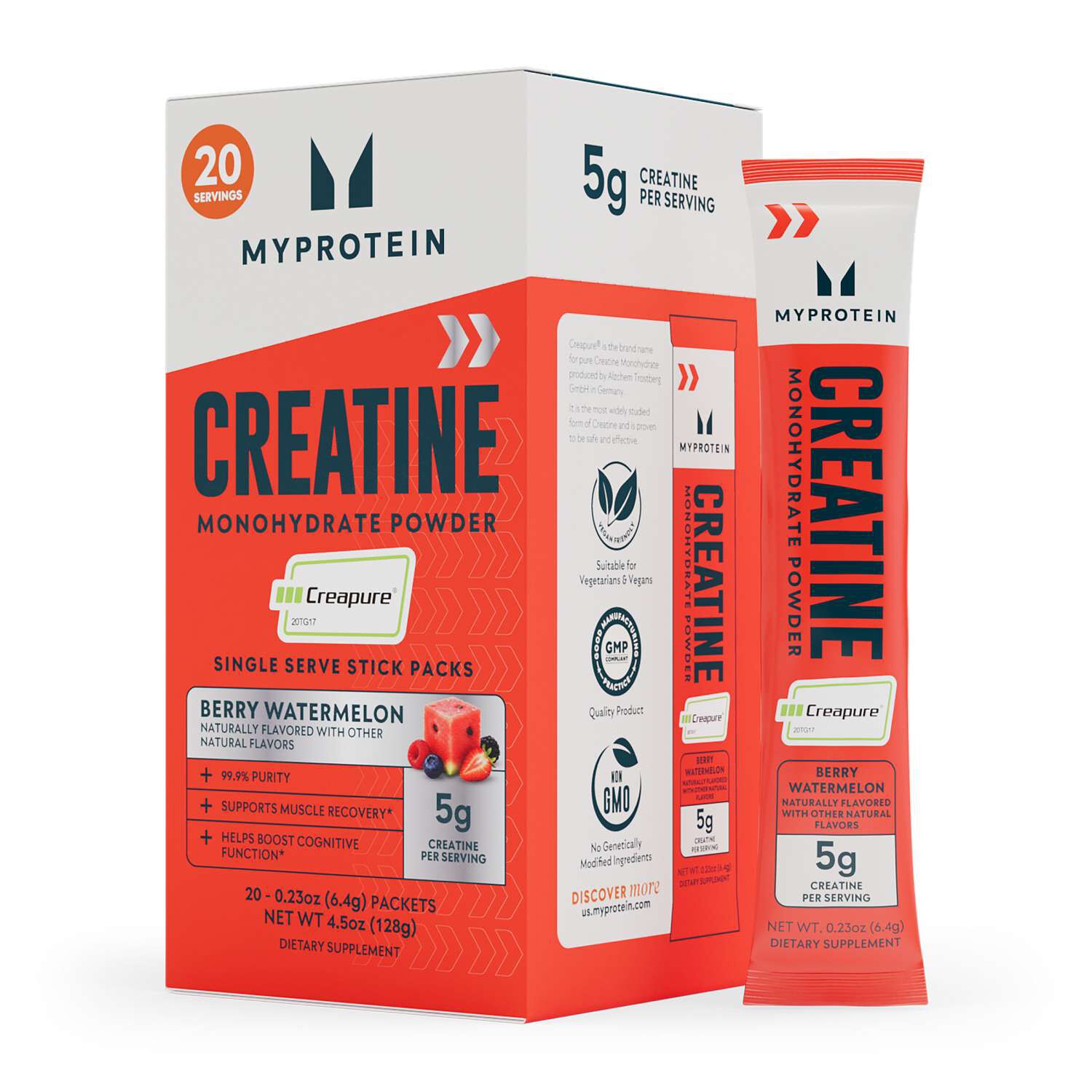
Single-Serving Fiber Packets
(0 Results)
Travel fiber packets offer individually packaged servings of fiber powder for trips, workdays, and everyday routines. Compare flavored and unflavored options by fiber per serving, ingredients, and preparation directions to find a format that fits your preferences.
-
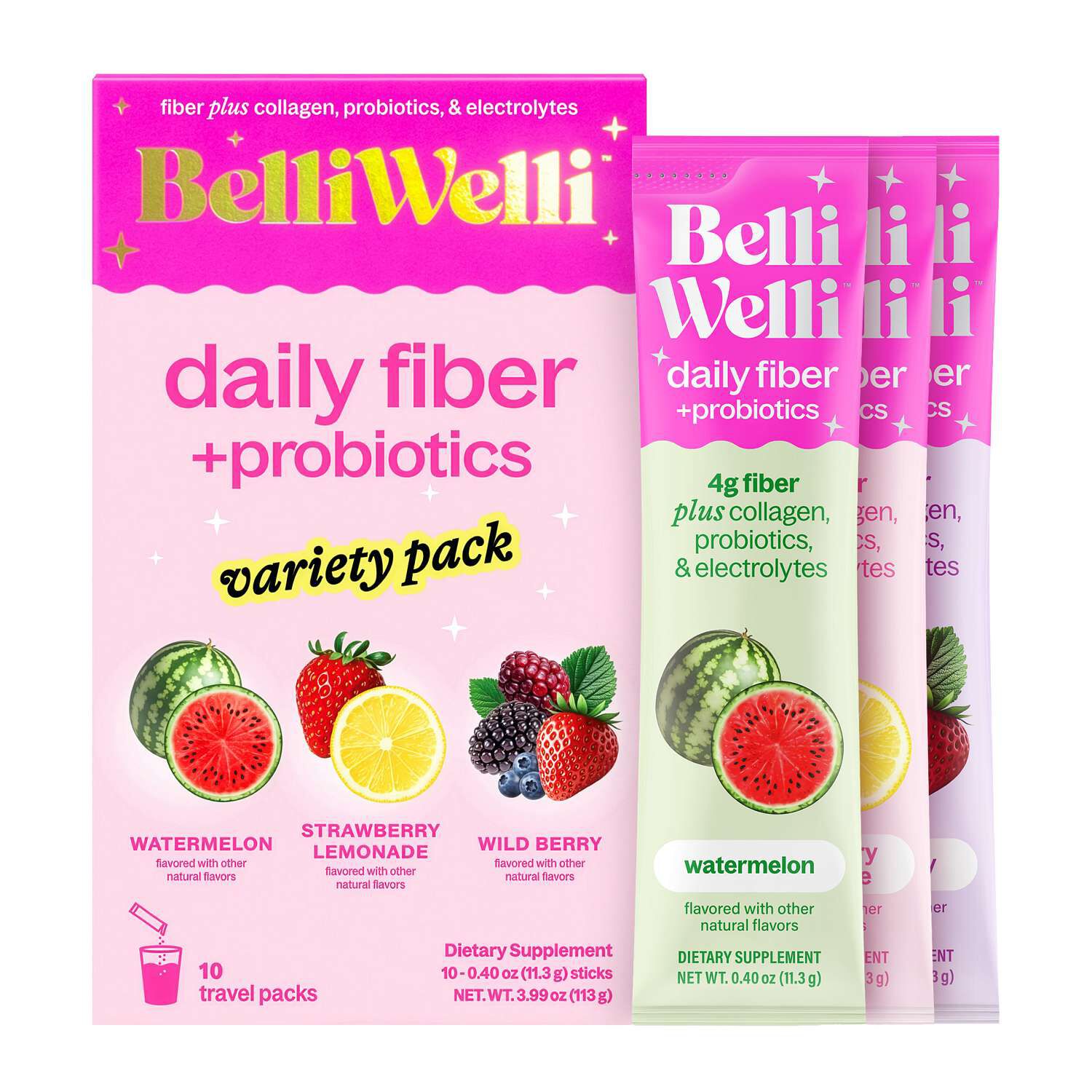 $17.97
-
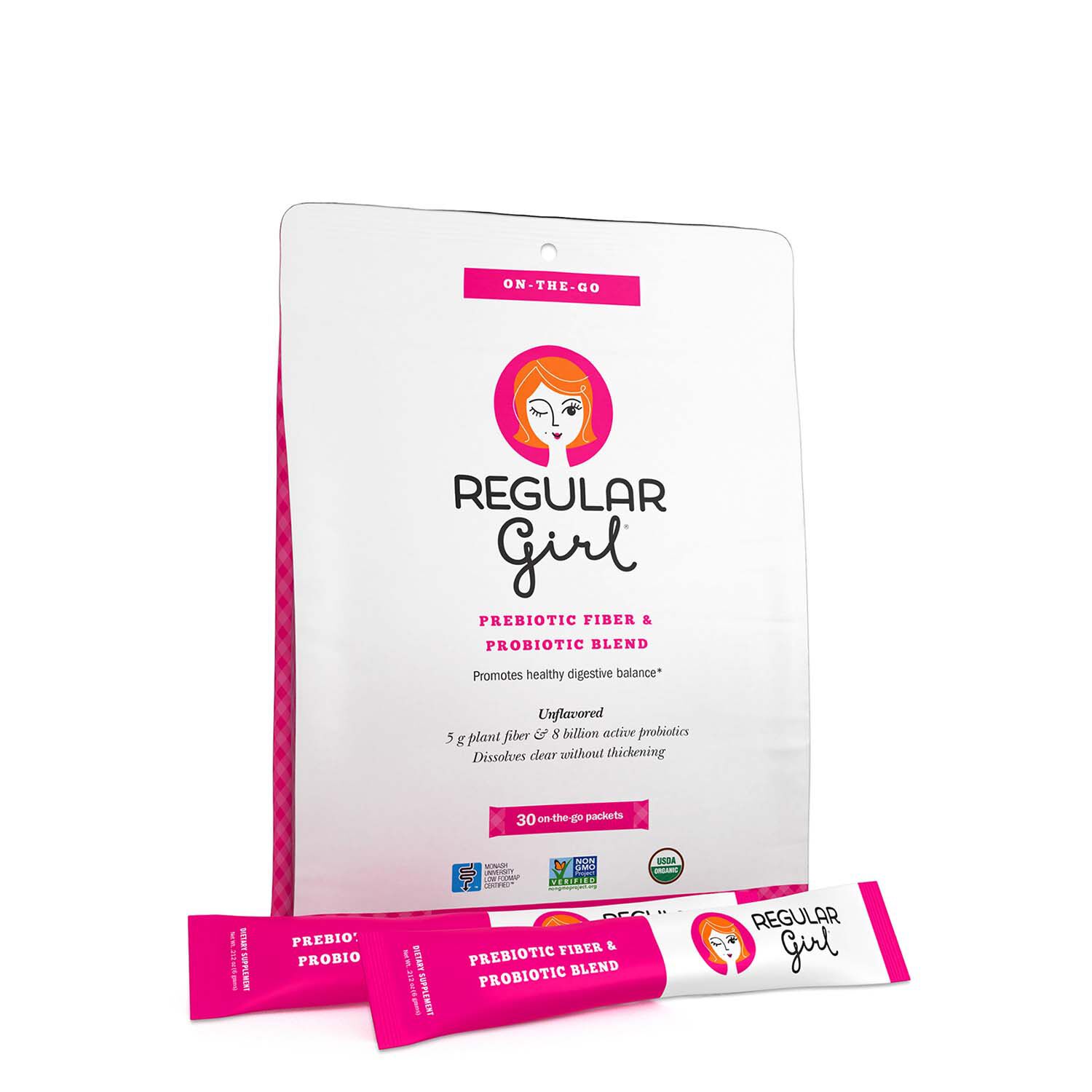 209$34.99
-
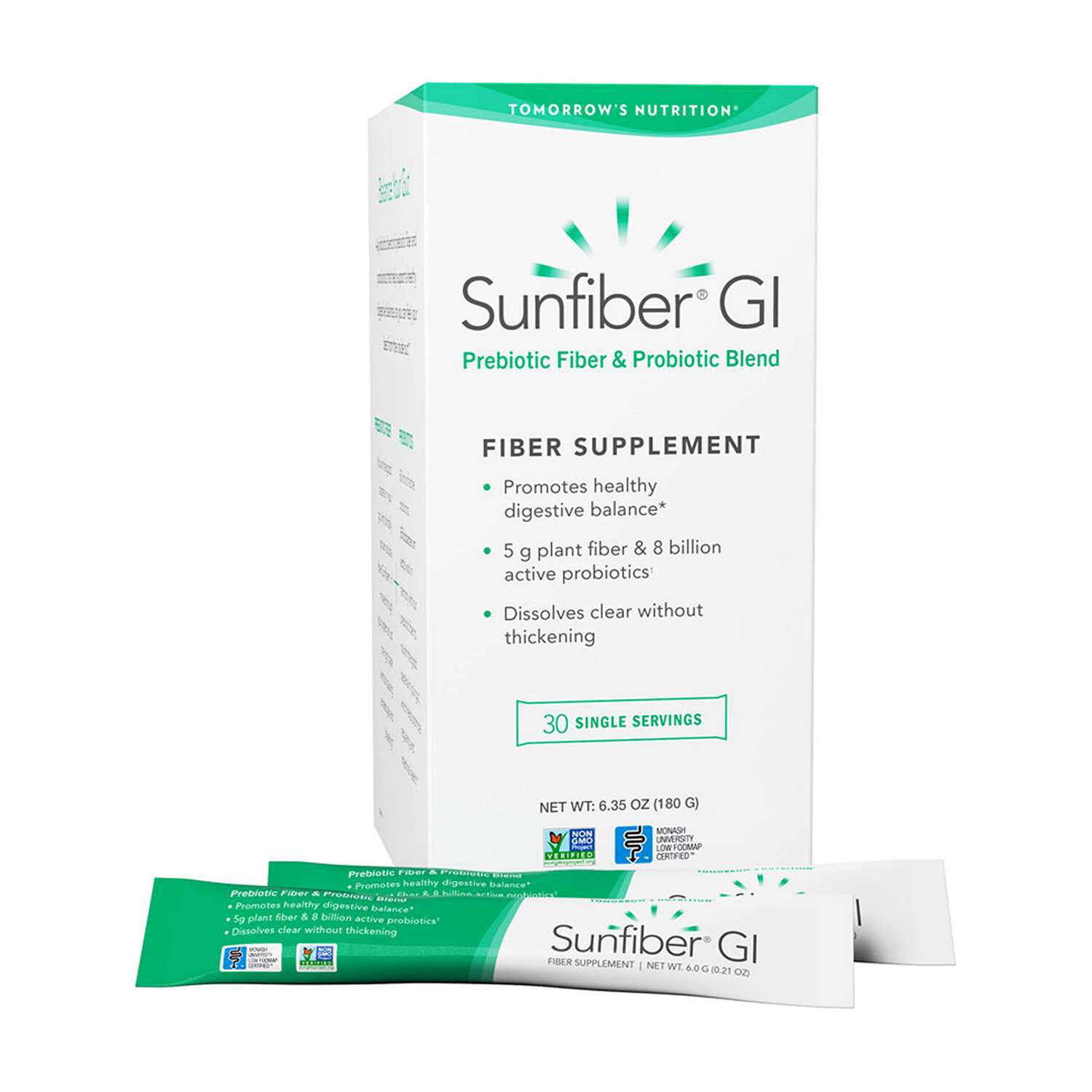
Single-serving fiber packets are individually packaged portions of powdered dietary fiber, designed to be mixed with a beverage or food according to the package directions. Their small format may suit people who prefer a measured portion without carrying a larger container or measuring powder with a scoop. The category includes flavored and unflavored powders made with ingredients such as psyllium husk, wheat dextrin, inulin, acacia fiber, or soluble corn fiber. These ingredients are not interchangeable in every respect: the source, amount of dietary fiber, texture, and preparation instructions can differ from one formula to another. Soluble and insoluble describe how fiber behaves in water, but those terms alone do not tell the whole story of how a powder might mix or taste. Some formulas may blend into a relatively smooth drink, while others may produce a thicker consistency or leave a noticeable texture. For a useful comparison, look at the grams of dietary fiber listed per serving rather than the weight of the packet itself. A packet’s contents can include flavoring, sweeteners, coloring ingredients, or other components in addition to fiber, so two similarly sized sleeves do not necessarily contain the same amount of dietary fiber. The serving size on the Nutrition Facts or Supplement Facts panel also deserves attention; individual packaging does not replace the directions for the particular formula. Unflavored options may appeal to someone who wants to keep the familiar taste of a usual beverage, while fruit-flavored powders may suit a person who prefers a distinct taste in water. Unflavored does not necessarily mean undetectable, however, since aroma, mouthfeel, and the character of the base ingredient may still be noticeable. Reading the ingredient list alongside the nutrition panel gives a clearer picture than relying on a flavor name or front-label description. Dietary fiber also occurs naturally in foods such as beans, oats, vegetables, fruit, nuts, and seeds. A packet may complement those food choices, but it is a different format from eating the foods themselves, with their variety of nutrients, textures, and uses at meals.
Preparation is an important distinction among single-serving fiber powder packets, especially when the same bottle or cup is part of an everyday routine. Check the directions for the recommended mixing medium, liquid quantity, stirring method, and timing rather than assuming every powder works in the same way. A formula intended for water may have different instructions from one that also lists soft foods or other beverages as suitable options. Likewise, a powder described as suitable for a cool drink should not automatically be treated as suitable for hot coffee. Follow the stated preparation method instead of adding powder dry or using less liquid simply to fit a smaller cup. For someone mixing a packet at a desk, the practical details include access to water, a container with enough room for the directed amount, and a utensil or mixing method permitted by the label. At home, a clear glass may make it easier to see whether powder remains along the bottom or sides. If the directions call for drinking the mixture promptly, prepare it when it can be used as directed rather than leaving it on a desk for later. Texture preferences matter here: a person who enjoys a pulpy beverage may have different expectations from someone who prefers a lighter mouthfeel. Flavored powders may also taste different in plain water than in another permitted beverage, and a strongly flavored base may make a combination less appealing. Storage deserves the same attention as mixing. Keep unopened packets in the conditions specified on the package, and check that each sleeve is sealed before use. A dry compartment in a work bag may be a more suitable place than a pocket beside a damp towel or a bottle that sometimes leaks, provided the storage directions allow it. Avoid relying on a loose sleeve whose printed directions are missing or unreadable. Keeping the outer carton, or retaining access to its instructions, may be useful when individual packets carry only limited preparation information.
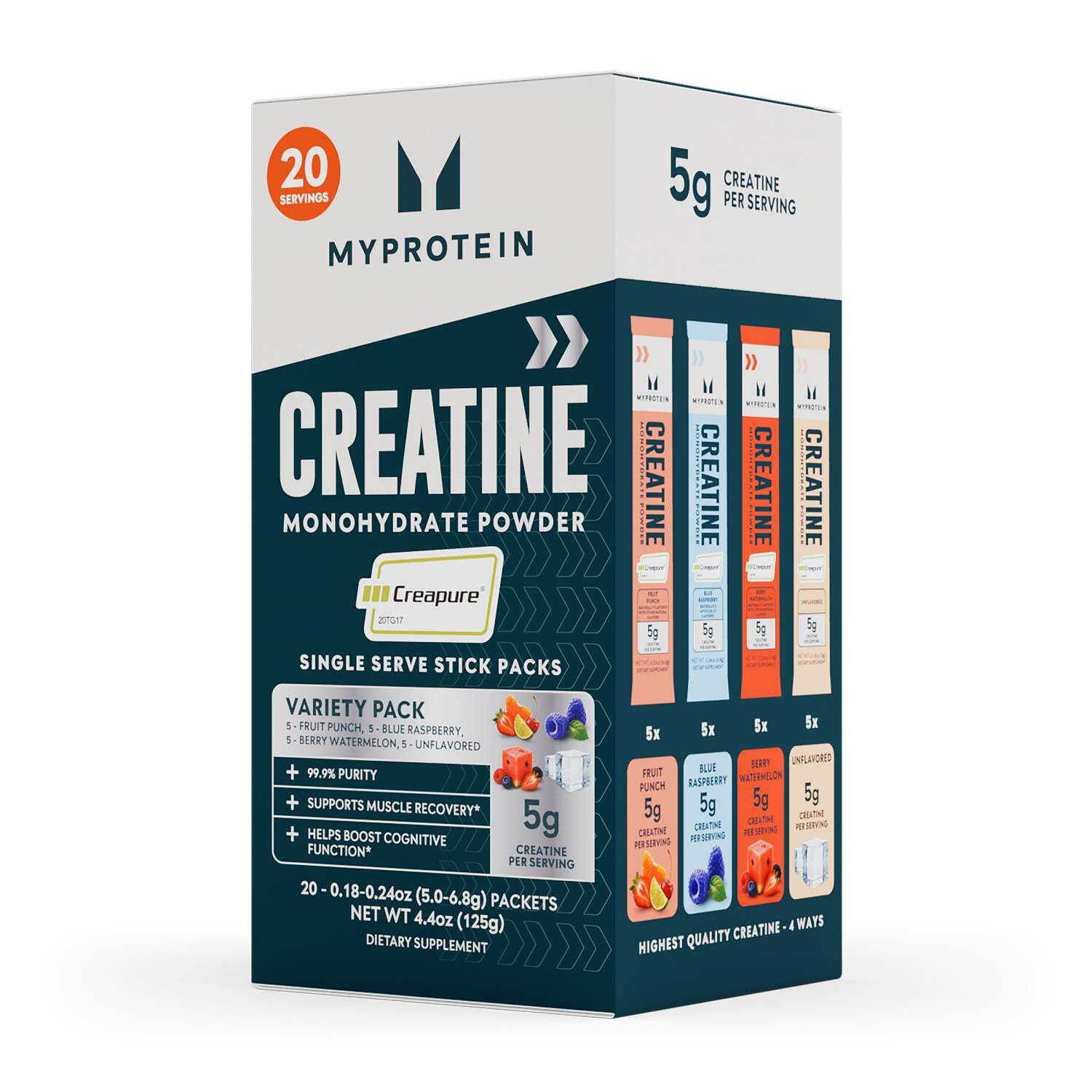
The appeal of single-serving fiber supplements often comes down to how the packaging fits a particular day. An adult who divides time between home and an office may prefer a format that may be easier to carry between locations. Someone packing for an overnight stay may appreciate not having to transfer powder into an unlabeled container. A person who already uses a larger container at home may prefer packets for occasions when carrying that container would be awkward. These are different shopping situations, and the most suitable choice depends on more than the size of the sleeve. Compare the fiber source, dietary fiber per serving, flavor, ingredient list, allergen information, and preparation requirements together. For dietary preferences or ingredient restrictions, look for clear statements and relevant certifications on the package rather than making assumptions from terms such as plant-derived. Sweetener preferences can also influence the choice: some shoppers prefer a sweetened drink, while others want a powder without an added sweet taste. Neither preference says much about texture, so consider those qualities separately. Packaging details are worth checking, too. A narrow sleeve may fit neatly in a small pouch, but readable labeling and an intact seal matter more than its appearance. Packet materials and local disposal rules vary, so consult the packaging information rather than assuming that every empty wrapper belongs in curbside recycling. Shoppers exploring other individually portioned supplement formats can also browse Single-Serve Creatine Packets, a separate category with different ingredients and intended uses. Similar packaging does not mean similar contents or preparation directions. For fiber packets, a useful comparison stays grounded in the details that affect everyday use: what is inside, how much dietary fiber a serving contains, what the label says to mix it with, and whether that process fits the setting where it will be used. A familiar flavor, a suitable texture, and clear directions may matter more in daily practice than an especially compact sleeve. Those details may make it easier to choose a packet format that fits alongside established meals and routines.
- Q: What are travel fiber packets?
A: Travel fiber packets are individually packaged servings of fiber powder. The packet format is distinct from loose powder in a larger container, gummies, or ready-to-drink beverages. - Q: Are fiber powder packets flavored or unflavored?
A: Fiber powder packets come in flavored and unflavored formats. Check the flavor description on each product to choose according to your taste preferences. - Q: How do I prepare fiber powder packets while traveling?
A: Use the liquid and preparation method listed on the product label. Review those directions before packing a bottle, shaker, or cup, since mixing requirements vary by formula. - Q: Do all fiber packets contain the same ingredients?
A: No. Formulas differ in their fiber sources and additional ingredients. Some include probiotics, collagen, or electrolytes, so compare ingredient lists rather than relying on the packet format alone. - Q: How can I compare fiber packets for dietary preferences?
A: Review each product's ingredient list and stated dietary attributes, such as vegan or kosher. Those attributes vary by formula and should be checked for each option.
Best Sellers
-
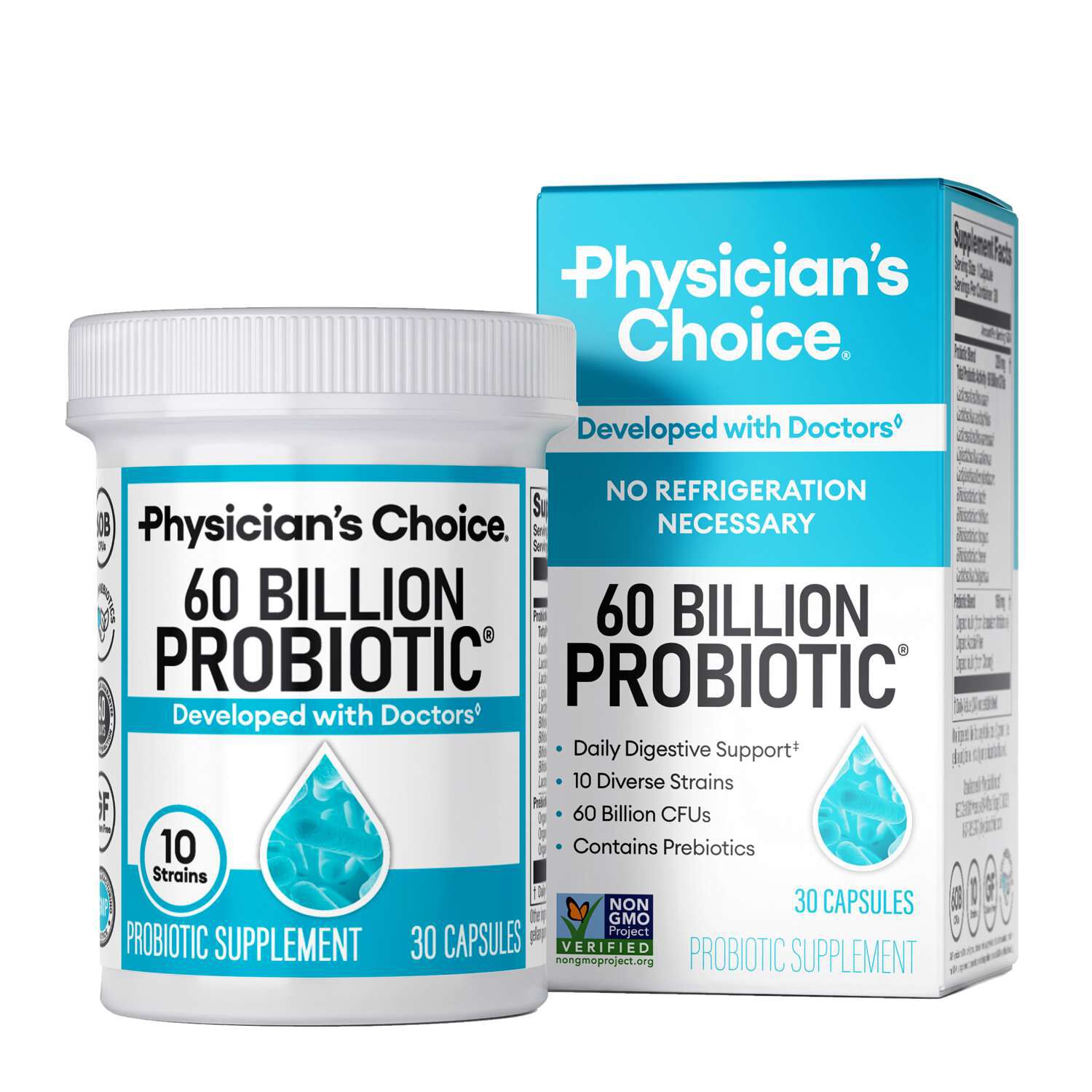 Physician's Choice