





Single-Serve Protein Powder Packets
(0 Results)
Shop single-serve protein powder packets for individually packaged portions to take to work, the gym, or on a trip. Compare protein per serving, ingredients, and mixing directions to find an option that fits your routine without committing to a full-size container.
-

-
 $12.99
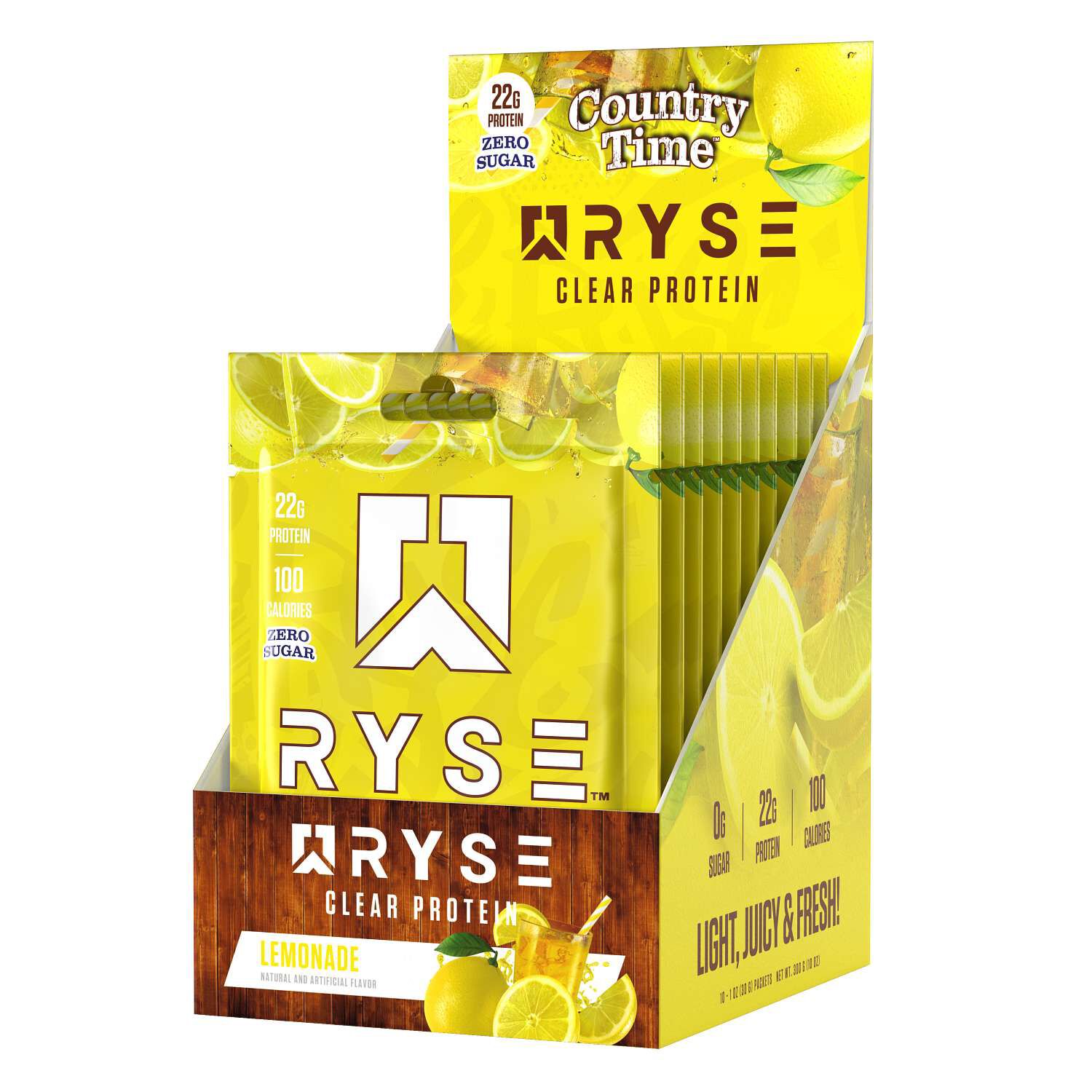
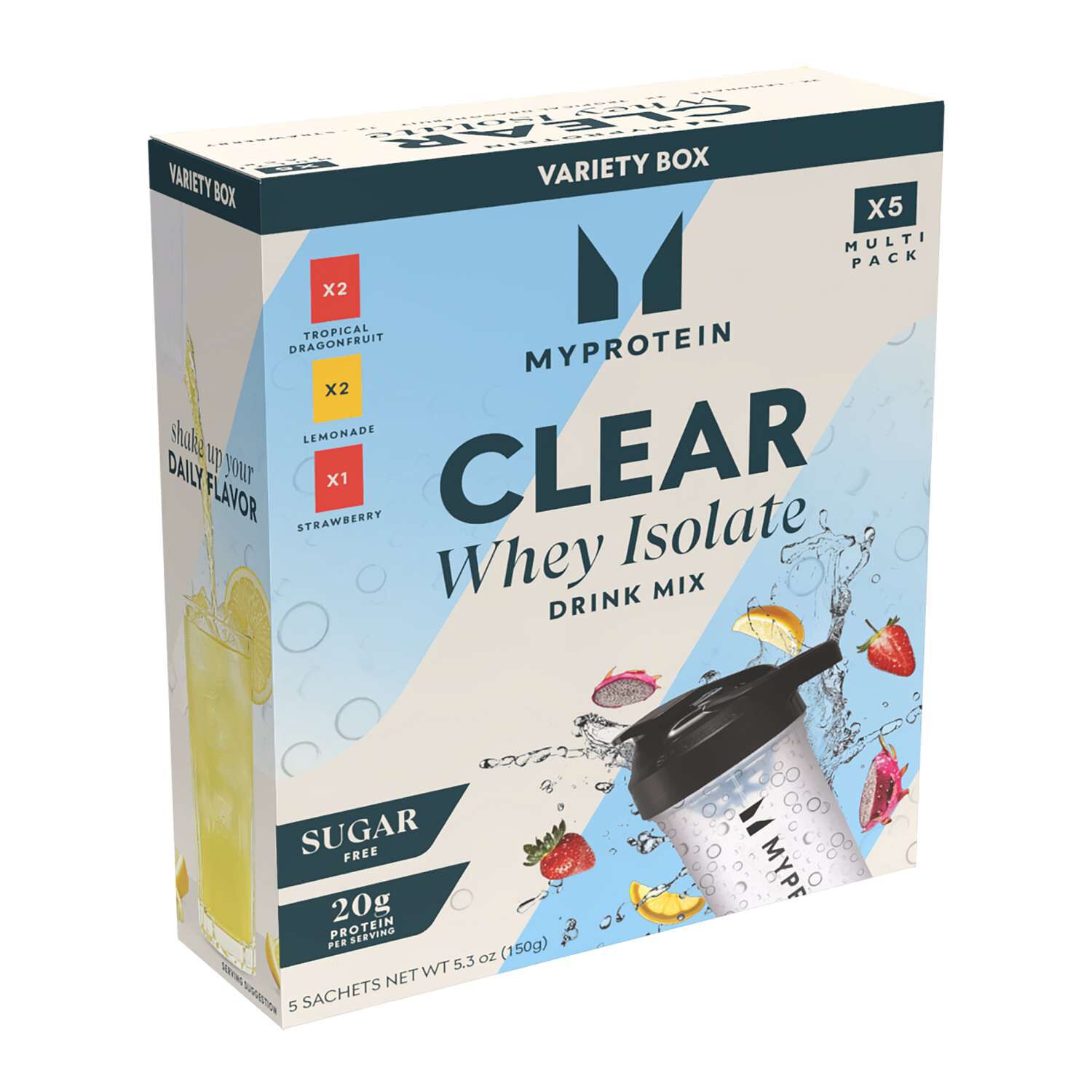
Single-serve protein powder packets are individually packaged portions of protein powder intended to be mixed with water, milk, or another beverage according to package directions. Unlike ready-to-drink protein shakes, they contain dry powder and require liquid before drinking. The format puts a measured portion in a small pouch or stick pack rather than a larger container with a separate scoop. For someone heading from home to the gym, packing lunch for an office day, or spending several days away, that smaller format may make protein powder easier to include in an existing routine. A packet may tuck into a lunch bag, backpack pocket, or compartment beside a shaker bottle, with the powder sealed until it is time to prepare it. Single-serving packaging also offers a way to try different flavors or protein sources without choosing a larger container of each. Serving size still deserves attention: two packets with similar dimensions do not necessarily contain the same amount of powder or protein. The Nutrition Facts panel identifies the protein per serving, along with calories, carbohydrates, sugars, fat, and sodium, while the directions explain how much liquid to use. Some packets are designed for a standard shaker bottle; others specify a smaller or larger volume. That distinction matters when matching a packet to the bottle already carried to work or a workout. A narrow opening, limited bottle capacity, or a lid that does not seal securely may make preparation less convenient. Single-serve protein powders are also distinct from meal replacement powders, even when the packaging looks similar. The product’s stated purpose and nutrient information provide a clearer picture than packet size alone. For shoppers comparing portable protein options, the useful details are straightforward: the protein source, the amount in each serving, the flavor, the preparation method, and whether the packet fits the way it will actually be used.
Protein source is one of the main differences among single-serve protein powder packets. Whey concentrate, whey isolate, and casein are milk-derived options, while pea, soy, rice, and combinations of plant proteins appear in other formulas. A plant-based description does not by itself explain every ingredient, so the full ingredient list and allergen statement remain important for shoppers with dietary restrictions. Likewise, a milk-derived powder should not be assumed to have the same composition as another milk-derived powder. Flavorings, sweeteners, added ingredients, and the proportions of different protein sources vary by formula. Some shoppers prefer a short ingredient list; others prioritize a particular flavor or a powder intended for mixing into foods. Neither preference makes the details on the label less relevant. Vanilla, chocolate, and fruit-inspired flavors offer different starting points for a shake, smoothie, or other preparation, and the chosen liquid may change the finished taste. Water may leave the powder’s flavor more prominent, while milk or a plant-based beverage may contribute its own sweetness and texture. A packet stirred into plain yogurt may taste different from the same powder blended with banana and milk. Sweetener choice also matters to personal preference: a powder sweetened with sugar may have a different finish from one made with stevia, monk fruit, or another sweetener. Texture is another consideration, especially for shoppers who plan to mix by hand rather than use a blender. Some powders are formulated for a creamy shake, while others are intended for a lighter beverage. The package directions are a better reference than assuming every protein packet mixes the same way. For someone who enjoys a simple drink after a workout, an uncomplicated flavor may suit the routine. For someone who regularly prepares smoothies, the powder’s flavor may need to work alongside fruit, oats, yogurt, or nut butter. Ingredients already going into the cup belong in the comparison, too, because the prepared drink includes more than the contents of the packet.
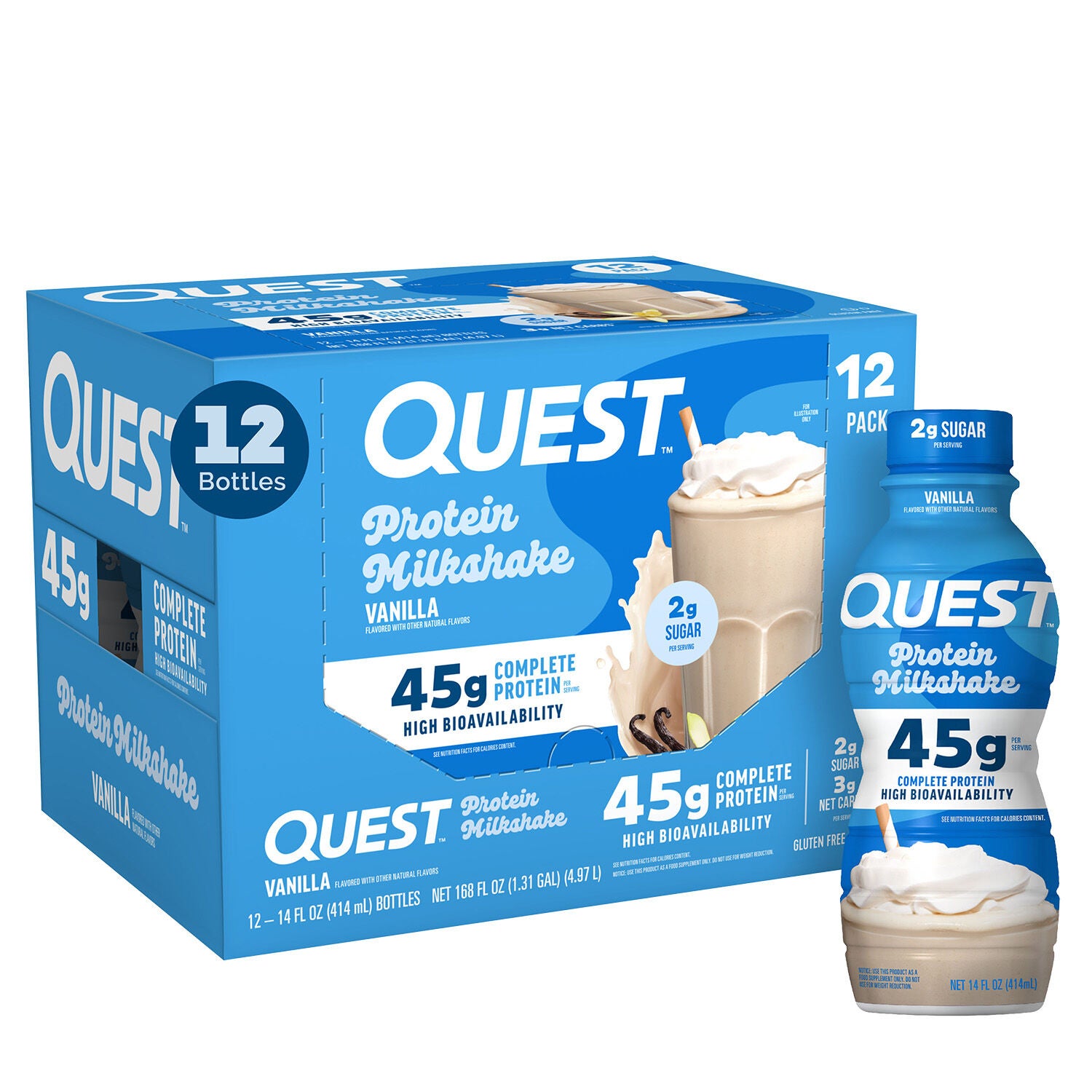
Preparation and storage are part of choosing a practical single-serving format. A shaker bottle with a secure lid and enough room for the recommended liquid may suit a desk drawer or gym bag, while a blender may suit a packet intended for a thicker smoothie at home. Following the stated liquid amount provides a consistent starting point; where the directions allow, a small adjustment may produce a thinner or thicker drink to match personal preference. Pouring and mixing instructions vary, so the package is the reference for whether liquid or powder goes in first. Single-use packaging removes the need to measure from a larger tub, but it does not remove the need for a clean bottle, suitable liquid, and proper handling after preparation. An unopened packet belongs in the storage conditions listed on its label, generally away from moisture and direct sunlight. Keeping packets separate from damp workout clothing, wet towels, or a leaking water bottle may help protect the packaging. An intact seal and a readable date are useful details to inspect before use, particularly when a packet has spent time at the bottom of a bag. Once mixed, handling and storage should follow the directions for the powder and the liquid used. For shoppers deciding between powder and a prepared drink, the difference is largely one of routine: powder requires mixing, while a ready-to-drink shake is packaged as a beverage. Four Pack Vanilla Protein Shakes offers a related format to consider alongside single-serve powders. Packets may suit someone who already carries a shaker or prefers to choose the mixing liquid each time. Prepared shakes may suit occasions when mixing equipment is not part of the plan. The most practical choice is the format that matches the setting, preparation time, flavor preferences, and label details that matter to the person drinking it.
- Q: What protein sources are used in single-serve protein powder packets?
A: Protein powders may use dairy-based sources, such as whey or casein, or plant-based sources, such as pea, soy, or rice. Check the ingredient list to identify the protein source in a packet. - Q: How do I mix single-serve protein powder packets?
A: Follow the preparation directions on the packet, including the recommended liquid and mixing method. Depending on those directions, you might use a shaker bottle, blender, or spoon to combine the powder with water or milk. - Q: Can I use single-serve protein powder packets in recipes?
A: Protein powder may work in recipes such as smoothies, overnight oats, or yogurt bowls. Choose a recipe written for protein powder, and follow any preparation guidance on the packet. The powder’s flavor and ingredients may affect the recipe’s taste and texture. - Q: How do I choose a protein powder packet flavor?
A: Start with flavors you enjoy and consider what you plan to mix with the powder. Chocolate may pair well with banana or peanut butter, while vanilla may complement berries. Review the flavor description and ingredient list before choosing. - Q: What information should I compare on protein powder packet labels?
A: Compare the protein source, protein amount per serving, ingredient list, sweeteners, and preparation directions. These details can help you choose a powder that fits your dietary preferences and the way you plan to prepare it.
Best Sellers


Related Pages

Top Collections
- Joint Mobility Supplement Packs
- Daily Collagen Supplements | Top Brands & Deals | GNC
- GLP 1 Support For Adults
- Zinc Supplements | Top Brands at Great Prices | GNC
- Supplements For Yoga Joint Flexibility
- Supplements For Balance
- Capsule Supplements For Energy And Stamina
- Adult Mobility Supplements
- Chronic Fatigue Supplements
- Vitamins For Hair Loss