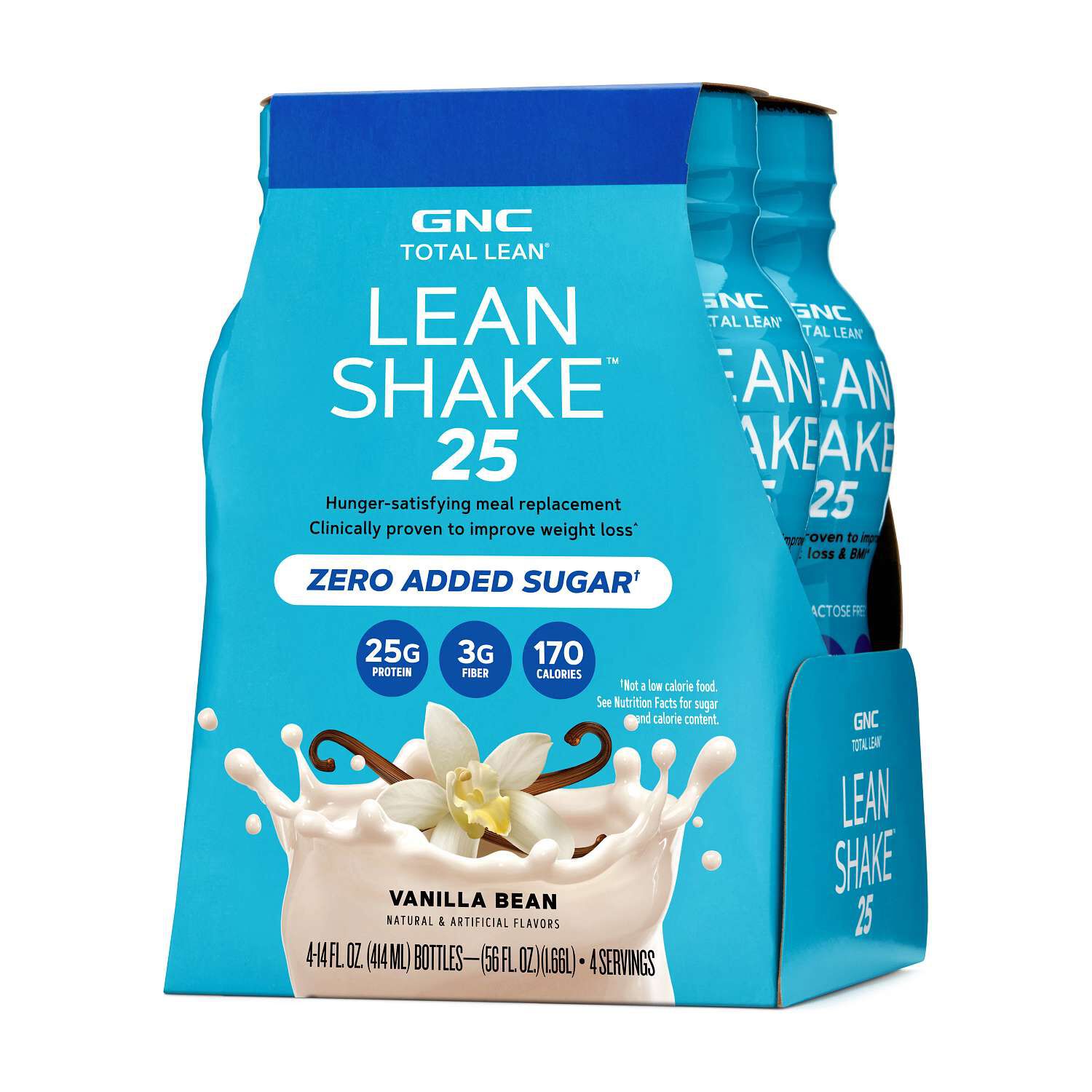
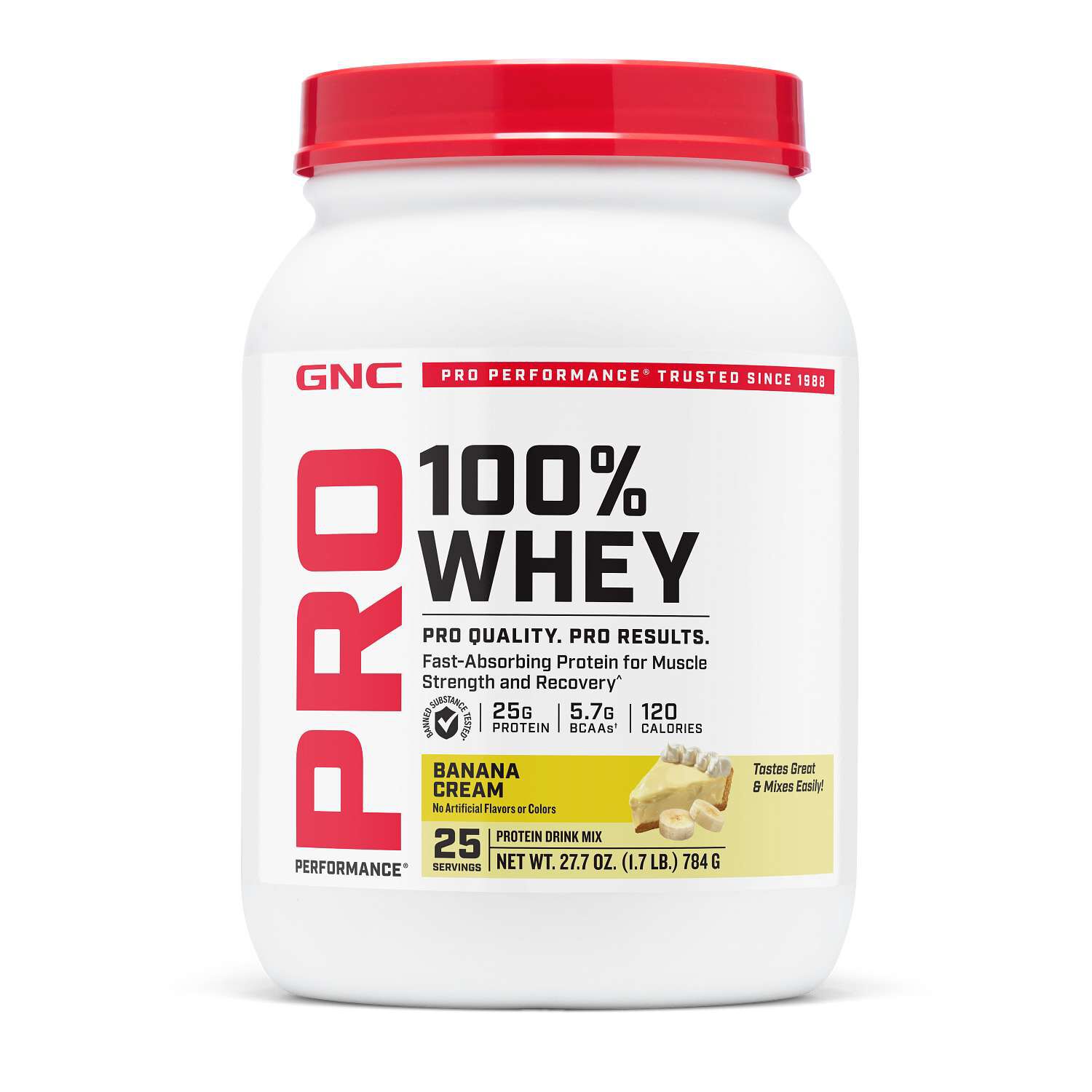
Single Serve Protein Shakes
(0 Results)
Single serve protein shakes offer a convenient way to enjoy a delicious source of protein wherever your day takes you. Perfect for busy schedules or on-the-go lifestyles, these ready-to-drink options may fit seamlessly into your daily routine. With a variety of flavors and formulations available, single serve protein shakes could be a great choice for anyone looking to support their nutrition goals in a simple, portable format. Explore the selection and discover options that might suit your taste and preferences.
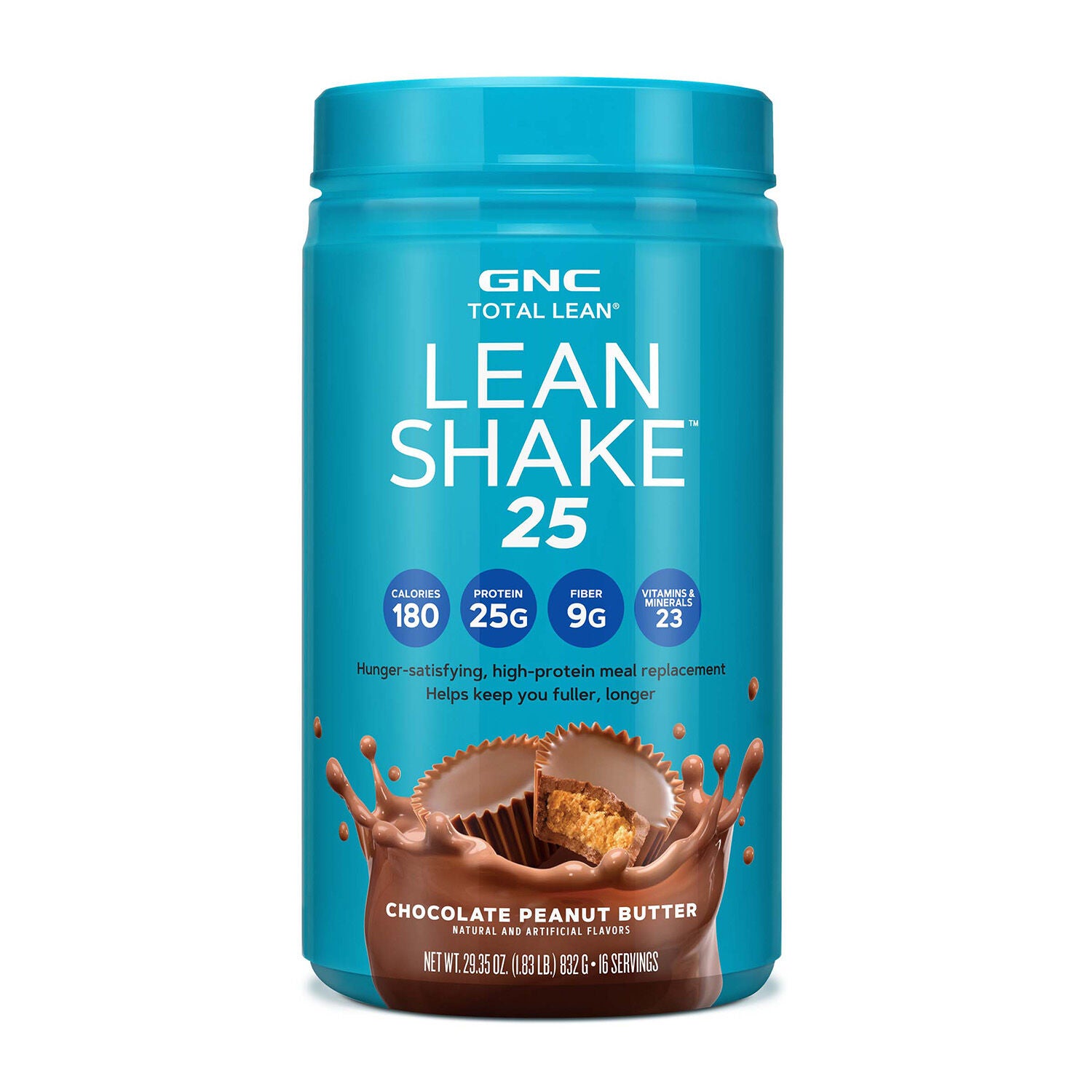

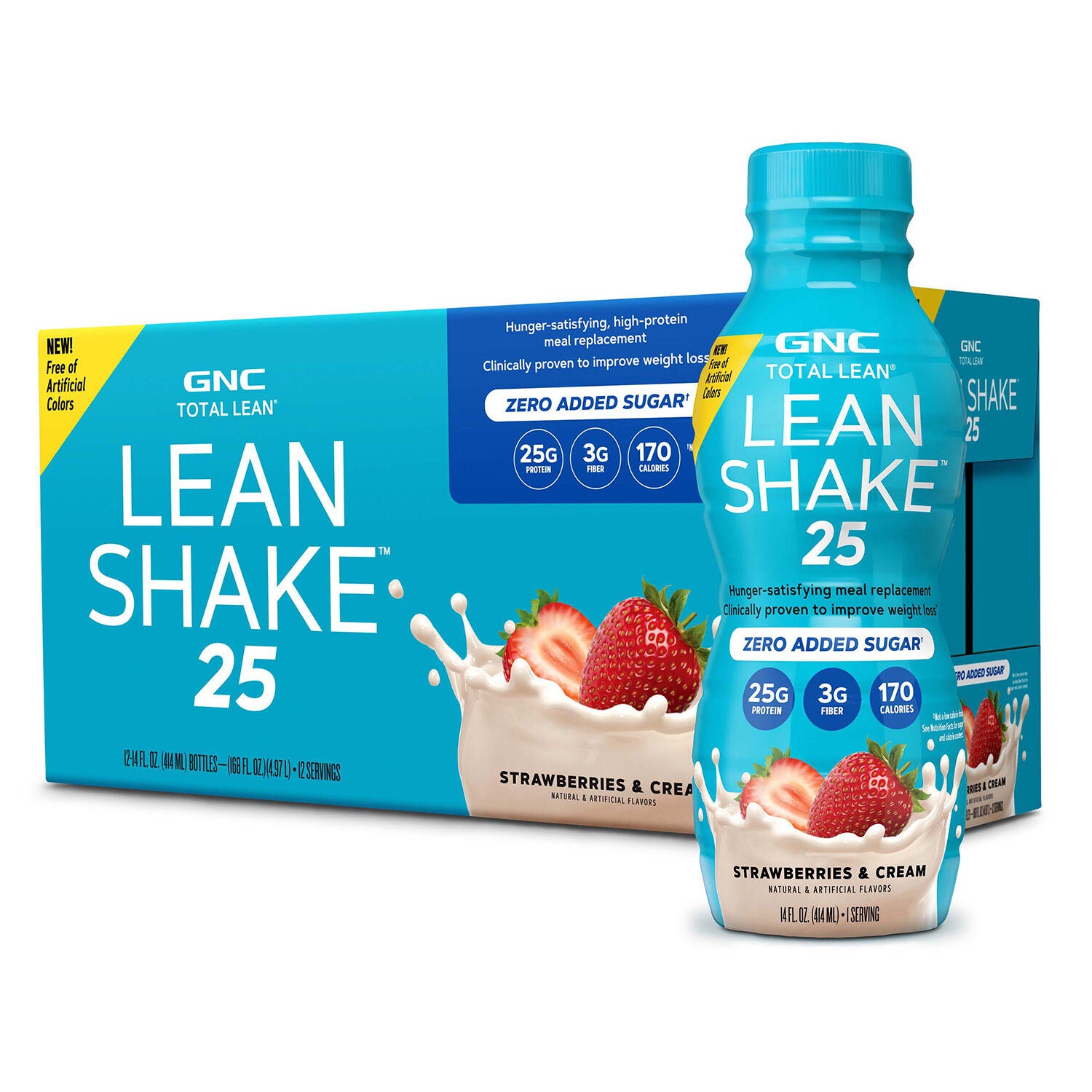
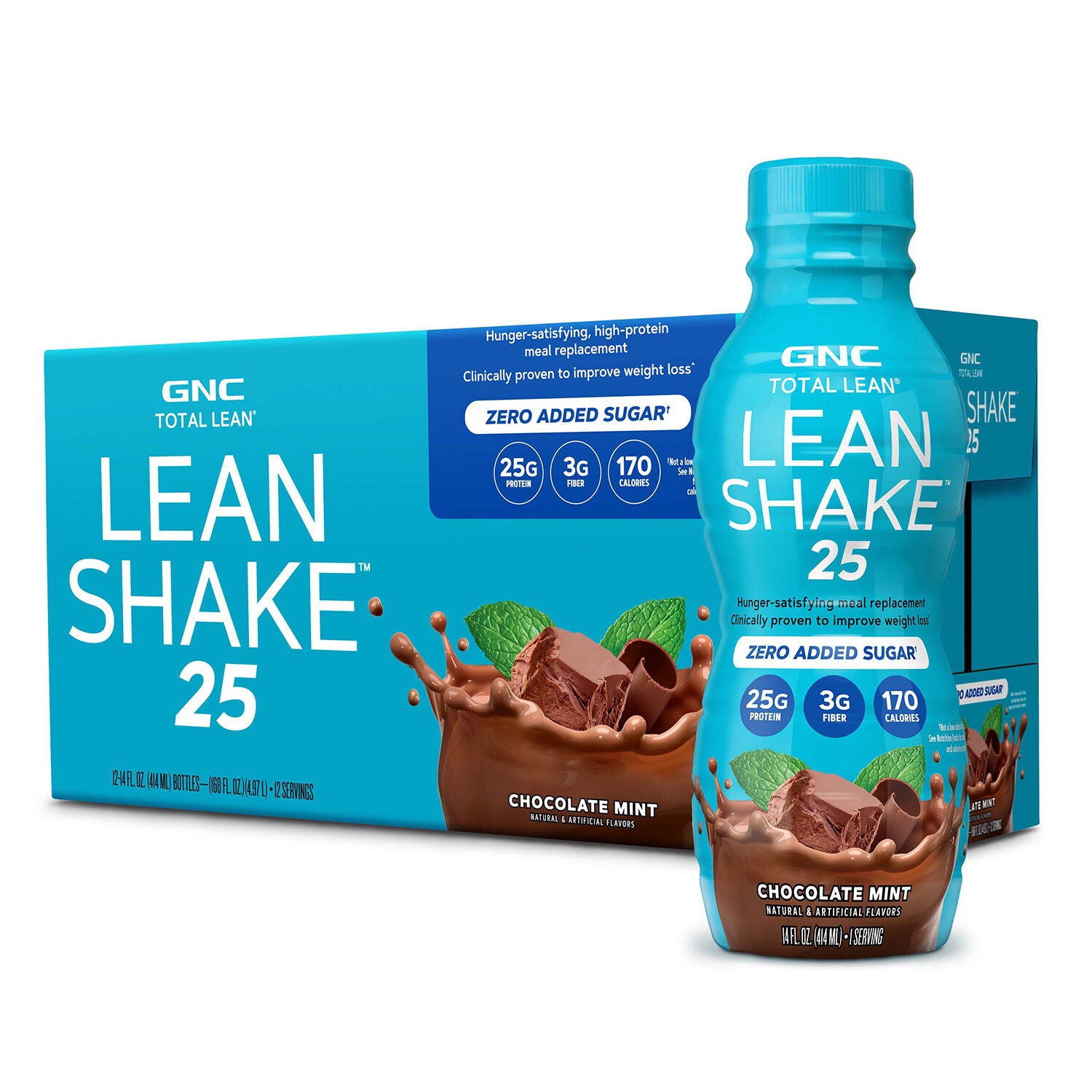
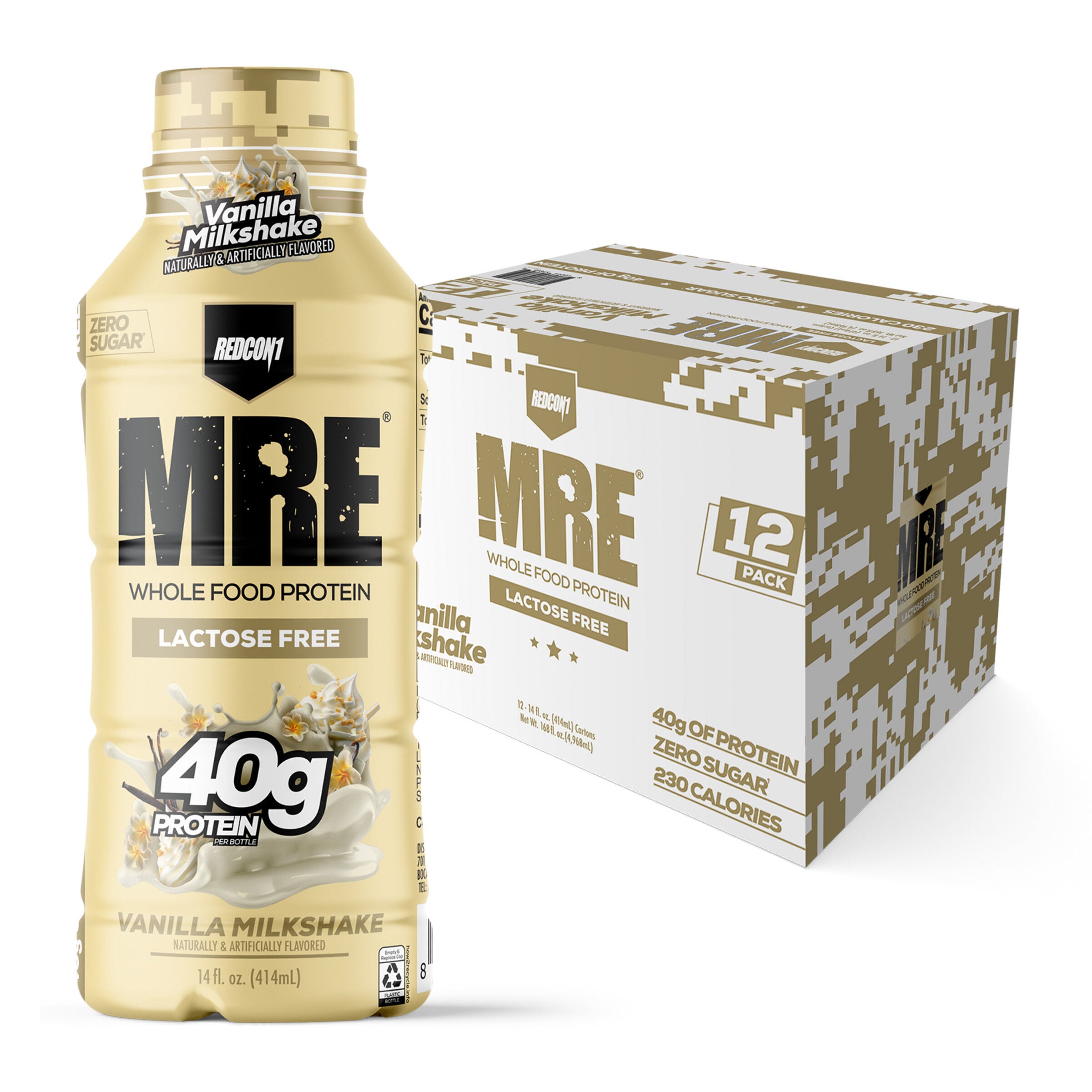
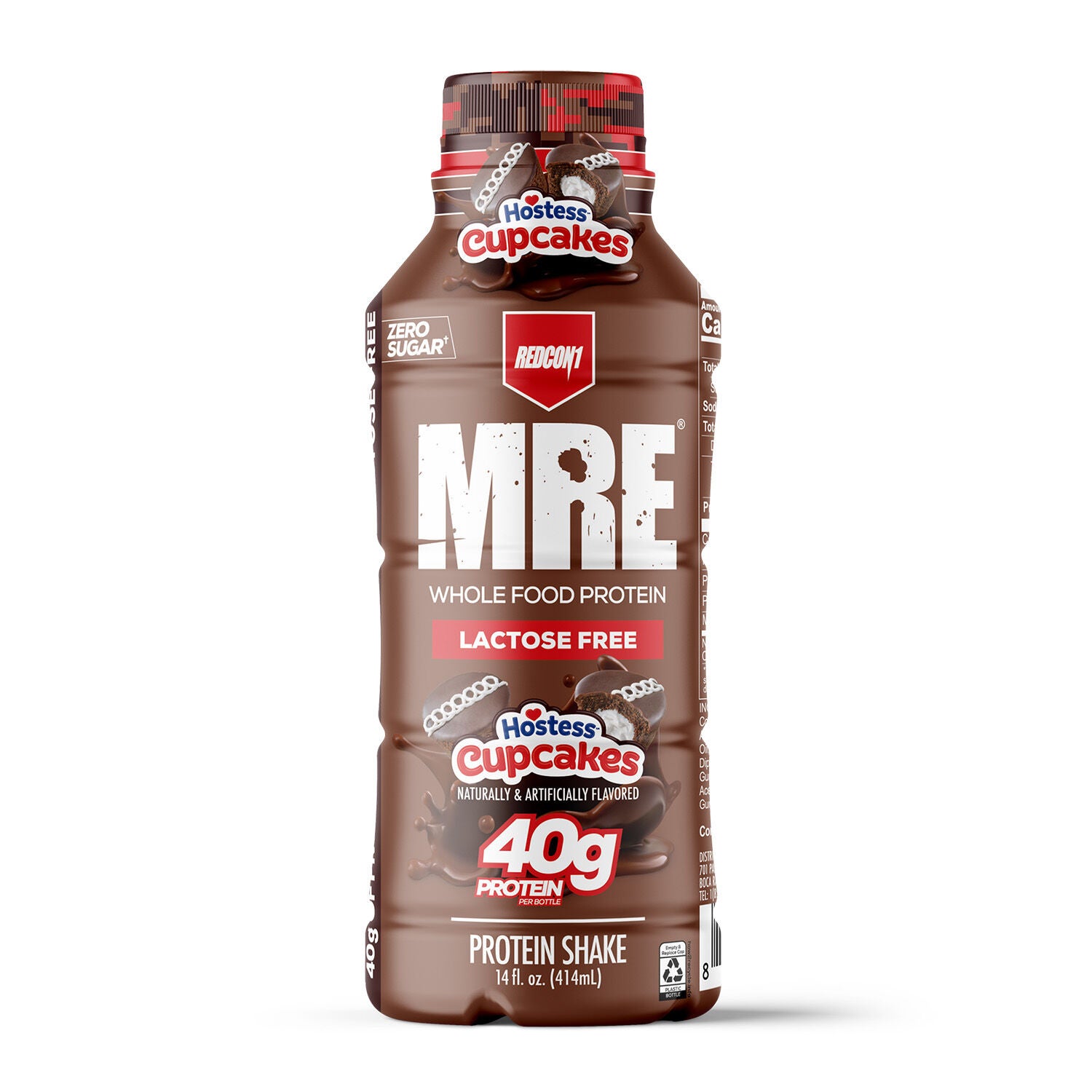


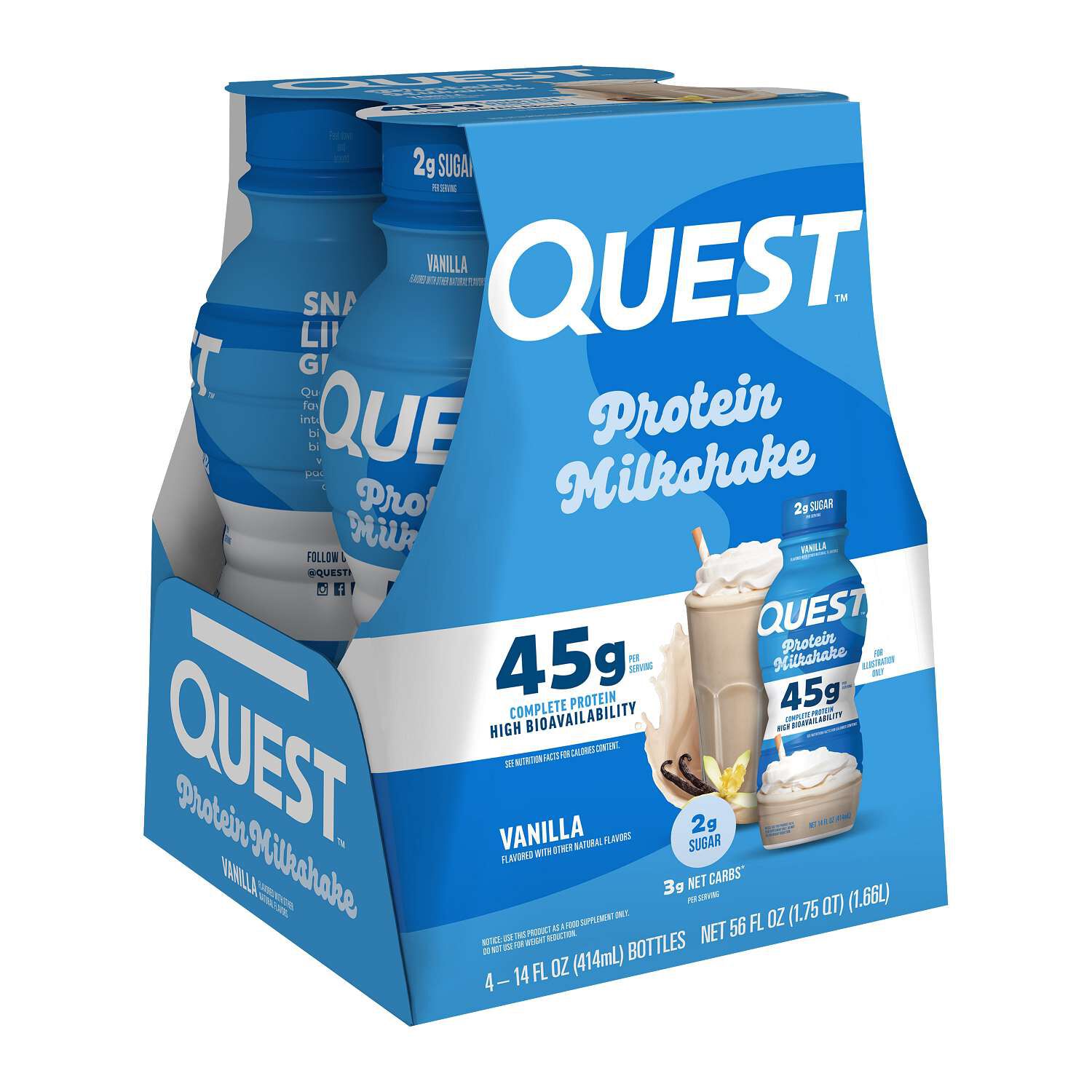
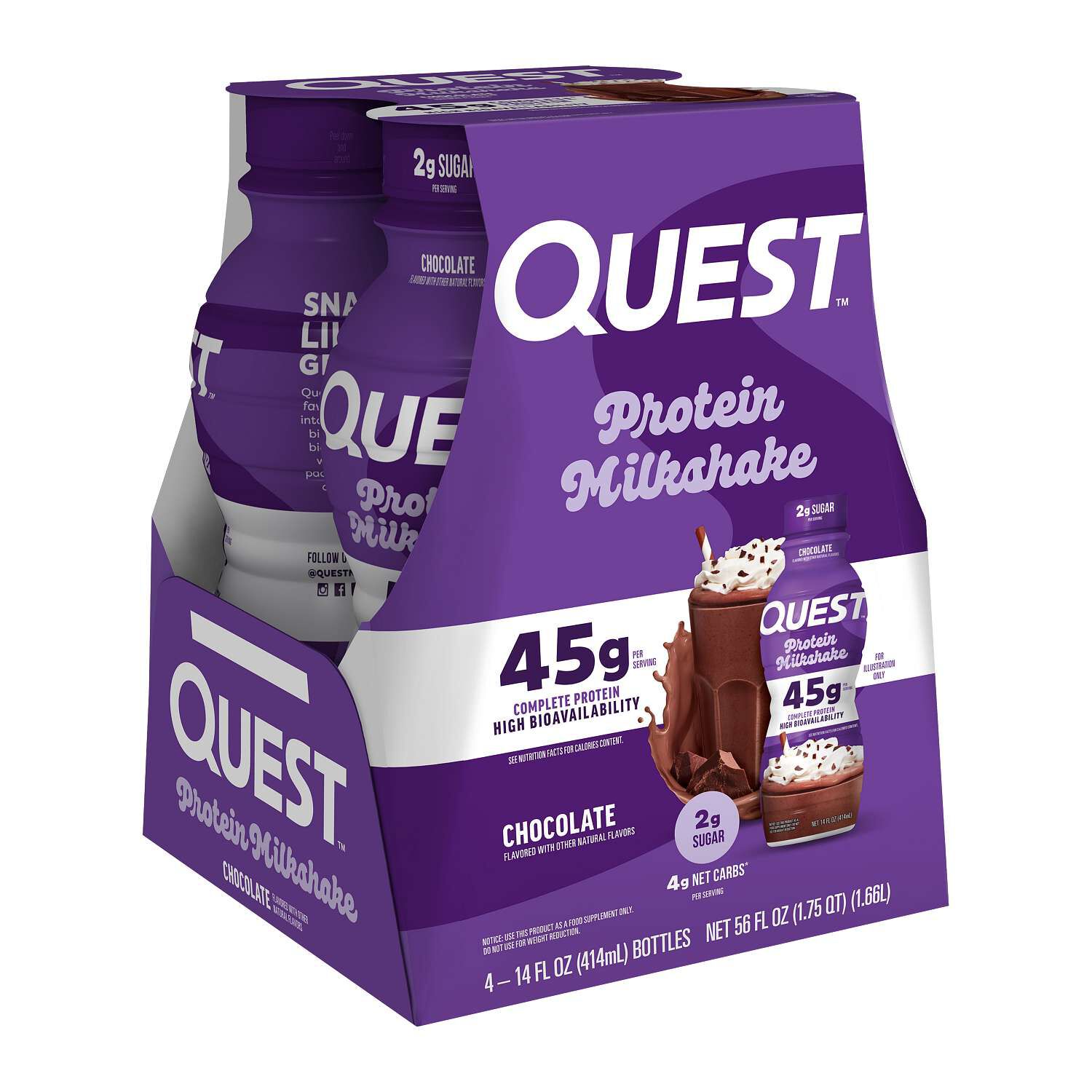

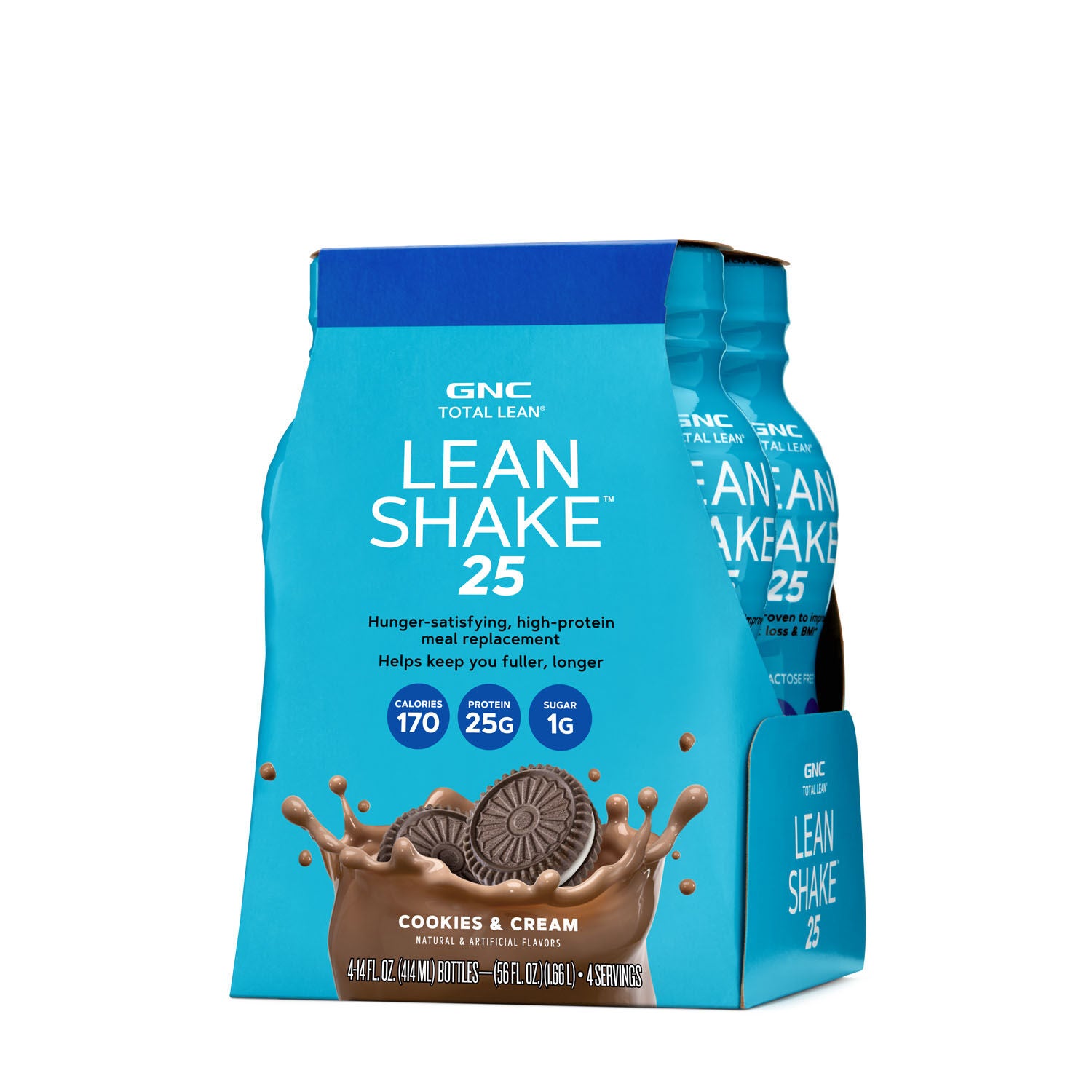
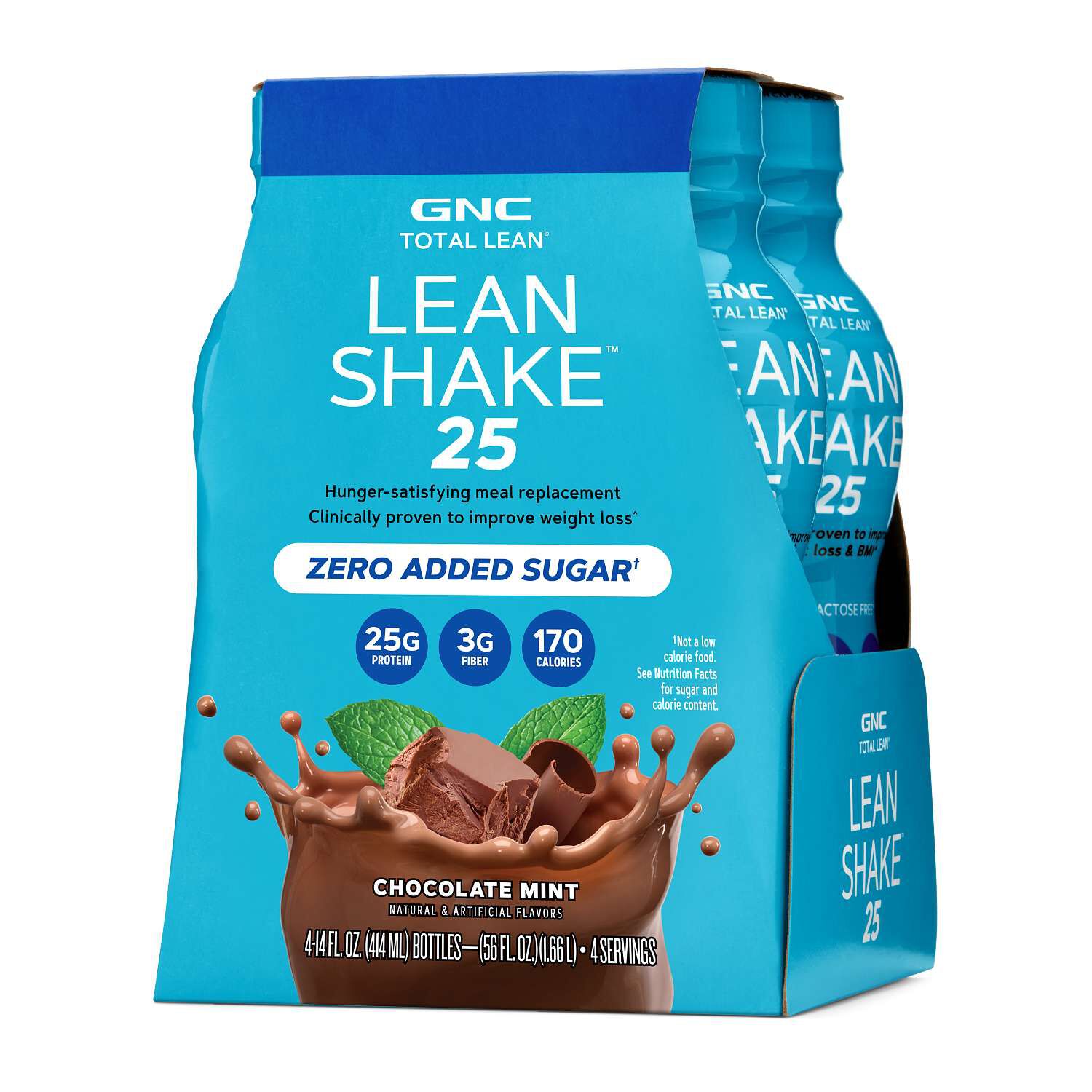

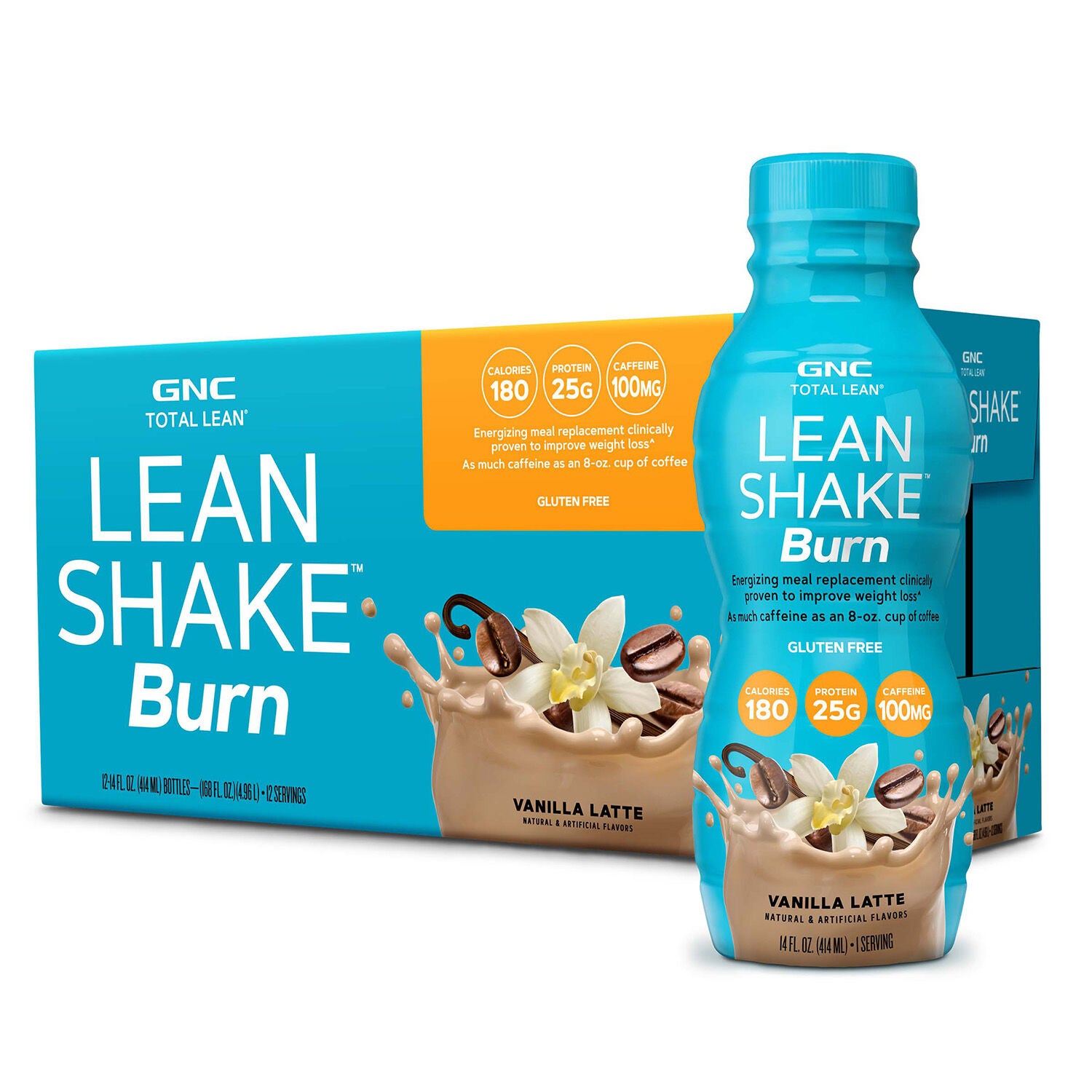

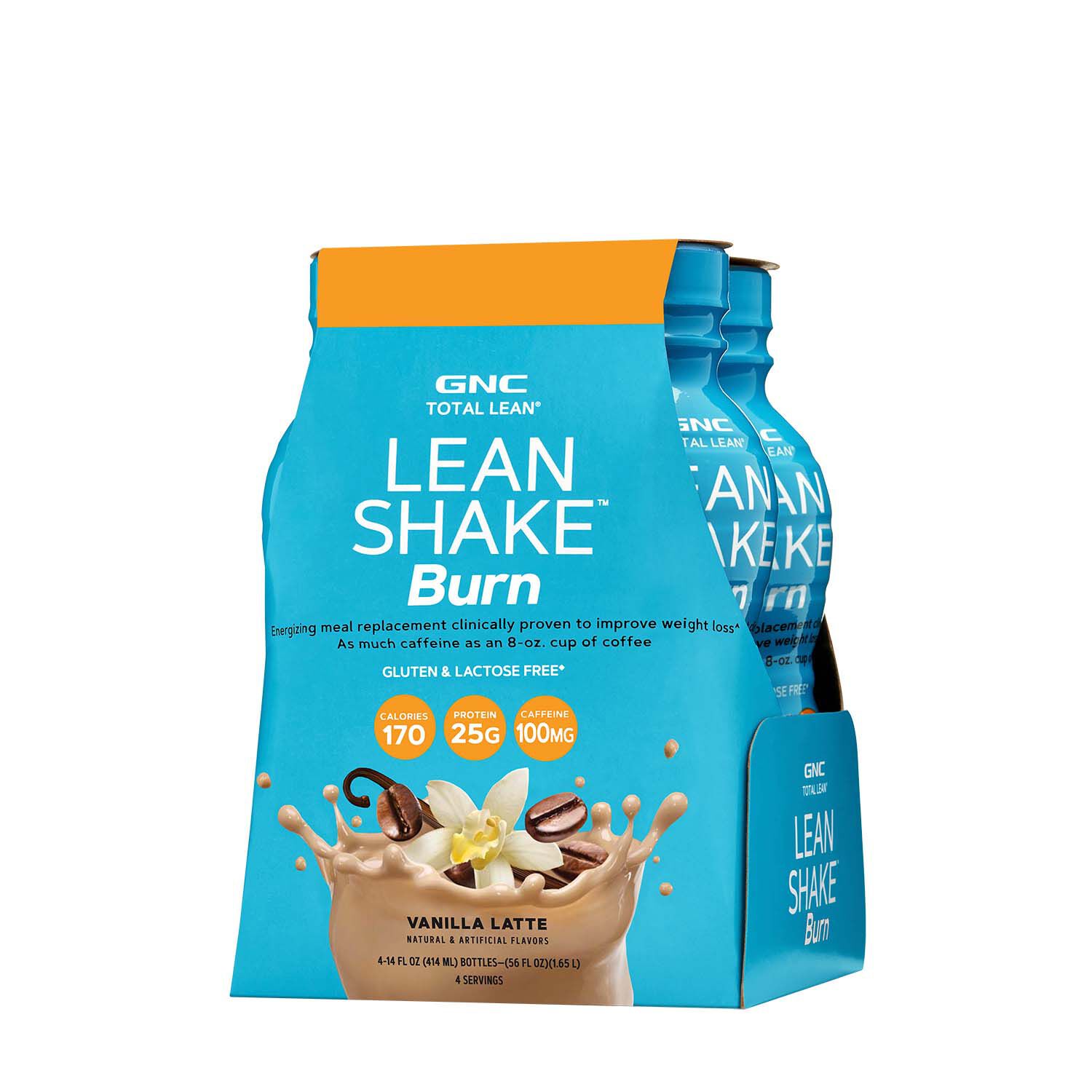


Single-serve protein shakes are individually packaged protein beverages designed for drinking straight from a bottle or carton, without measuring powder or mixing it in a shaker cup. Ready-to-drink formats suit everyday routines where preparation space is limited: a breakfast packed before an early commute, a lunch carried to work, or a beverage tucked into a gym bag for after a workout. Many single-serving shakes contain roughly 20 to 42 grams of protein per container, though the amount varies by formula and some fall outside that range. Protein grams and beverage volume describe different things, so two bottles of similar size can have noticeably different nutrition information. The serving size also matters; the label establishes whether the nutrition information applies to the entire container or a smaller portion. Alongside protein, these beverages can contain carbohydrates, fat, sugar, fiber, and added vitamins or minerals in varying amounts. That makes the nutrition panel more useful than the protein number alone when comparing options. A shake intended to accompany breakfast may suit a different routine than one selected as an afternoon snack, and a protein beverage is not automatically the same as a meal-replacement beverage. Flavor and texture are equally practical considerations, especially for something consumed regularly. Chocolate often has a cocoa-forward profile, vanilla can range from lightly flavored to dessert-like, and coffee-inspired varieties may include caffeine, which should be noted on the label. Some formulas pour with a thin, milk-like consistency, while others feel thicker and creamier. Single-portion packaging offers a defined amount without the measuring involved in a tub of powder, and it separates each serving from the rest of a multipack. For a desk drawer, lunch bag, or designated space in the refrigerator, the appeal is straightforward: an individual beverage with its ingredients, serving size, and nutrition information listed on the package. A multipack groups those individually packaged servings, while each bottle or carton remains its own portion.
The protein source is one of the most meaningful distinctions among single-serve protein shakes. Dairy-based formulas commonly use milk protein, whey, casein, or combinations of these ingredients. Plant-based formulas may use pea, soy, rice, or blends of plant proteins. Those ingredients contribute to differences in flavor, consistency, and the overall ingredient list, so the source is worth considering alongside the grams of protein. A shake made with milk protein is still a dairy-based product even if its label describes a reduced lactose content; lactose content and the presence of milk ingredients are separate considerations. Likewise, a plant-based description does not explain every ingredient or every allergen statement. Milk, soy, and other allergen information belongs on the label, along with any relevant manufacturing disclosures. For shoppers who follow a vegan eating pattern or avoid particular ingredients, the specific package information is more useful than assumptions based on the flavor name or front label. Sweetness also varies substantially. Some beverages contain added sugar, while others use sweeteners such as stevia, monk fruit, or sucralose; blends can create a different taste from any single sweetener. Cocoa, coffee ingredients, oils, gums, and other components can affect the character of the beverage, including how rich it tastes and how it feels when poured. Comparing equal portions makes differences in calories, protein, carbohydrate, fat, and sugar easier to understand, especially when container sizes differ. For a comparison centered on a particular protein amount, 40g Protein Shakes offers a related category to explore. A higher protein number does not, by itself, describe the flavor, portion size, ingredients, or suitability for a particular routine. Some shoppers prefer a smaller beverage alongside oatmeal or toast; others want a larger container to sip with a packed lunch. The best match depends on those everyday details rather than a single number on the front. Familiar flavors can make a practical starting point, while variety packs suit households where different people prefer different tastes, provided each person’s ingredient preferences are considered.
Packaging and storage deserve attention because convenience depends on how a single-serving shake fits into daily life. Bottles often have twist-off caps that allow the container to be closed between sips, while cartons may use a screw cap or a drinking opening that is not designed for resealing. The closure determines how practical the package is for a commute, a lunch break, or a drink carried between stops. Container dimensions matter, too: a wide bottle may not fit a narrow cup holder, and a tall carton may need more room in a lunch bag. Plastic bottles and multilayer cartons also differ in rigidity and how they sit among other packed belongings. An intact cap, neck seal, or carton opening is part of the package’s design, and containers with visible leaks or damaged seals should not be used. Storage instructions vary by product. Some unopened ready-to-drink protein shakes are shelf-stable, while others require refrigeration from the outset, so package directions determine whether a serving belongs in a pantry or refrigerator. Once opened, the stated refrigeration and use instructions apply even if the unopened beverage was suitable for pantry storage. A printed date is another useful detail when arranging several servings at home or packing beverages for a trip. Many formulas also include directions to shake the container before opening, which may help redistribute ingredients that settle during storage. For travel, keeping a beverage upright and separate from sharp objects may help protect the package; an insulated lunch bag is appropriate when the label requires refrigerated storage. Empty-container care depends on the material and local recycling rules rather than the appearance of the package alone. These practical distinctions are what make single-serve protein shakes adaptable to different settings. The right format is one that matches the intended portion, preferred taste, ingredient preferences, storage space, and way it will be carried, whether that means a bottle beside a packed breakfast or a carton set aside for a workday snack.
- Q: What are single serve protein shakes?
A: Single serve protein shakes are pre-portioned beverages that provide a convenient source of protein, typically packaged in ready-to-drink bottles or powder packets. They are designed for on-the-go consumption and easy portion control. - Q: When is the best time to drink a single serve protein shake?
A: Many people enjoy single serve protein shakes after workouts to support muscle recovery, as a quick breakfast option, or as a snack between meals to help meet daily protein needs. - Q: Are single serve protein shakes suitable for vegetarians or vegans?
A: There are single serve protein shakes formulated with plant-based proteins such as pea, soy, or rice, making them suitable for vegetarians and vegans. Always check the product label for specific dietary information. - Q: Can single serve protein shakes be used as meal replacements?
A: Some single serve protein shakes contain added vitamins, minerals, and fiber to help provide balanced nutrition and may be used as meal replacements. However, it's important to review the nutritional content to ensure it meets your dietary needs. - Q: How should I store single serve protein shakes?
A: Ready-to-drink single serve protein shakes should be stored in a cool, dry place and refrigerated after opening. Powdered versions should also be kept in a cool, dry environment until mixed with liquid.