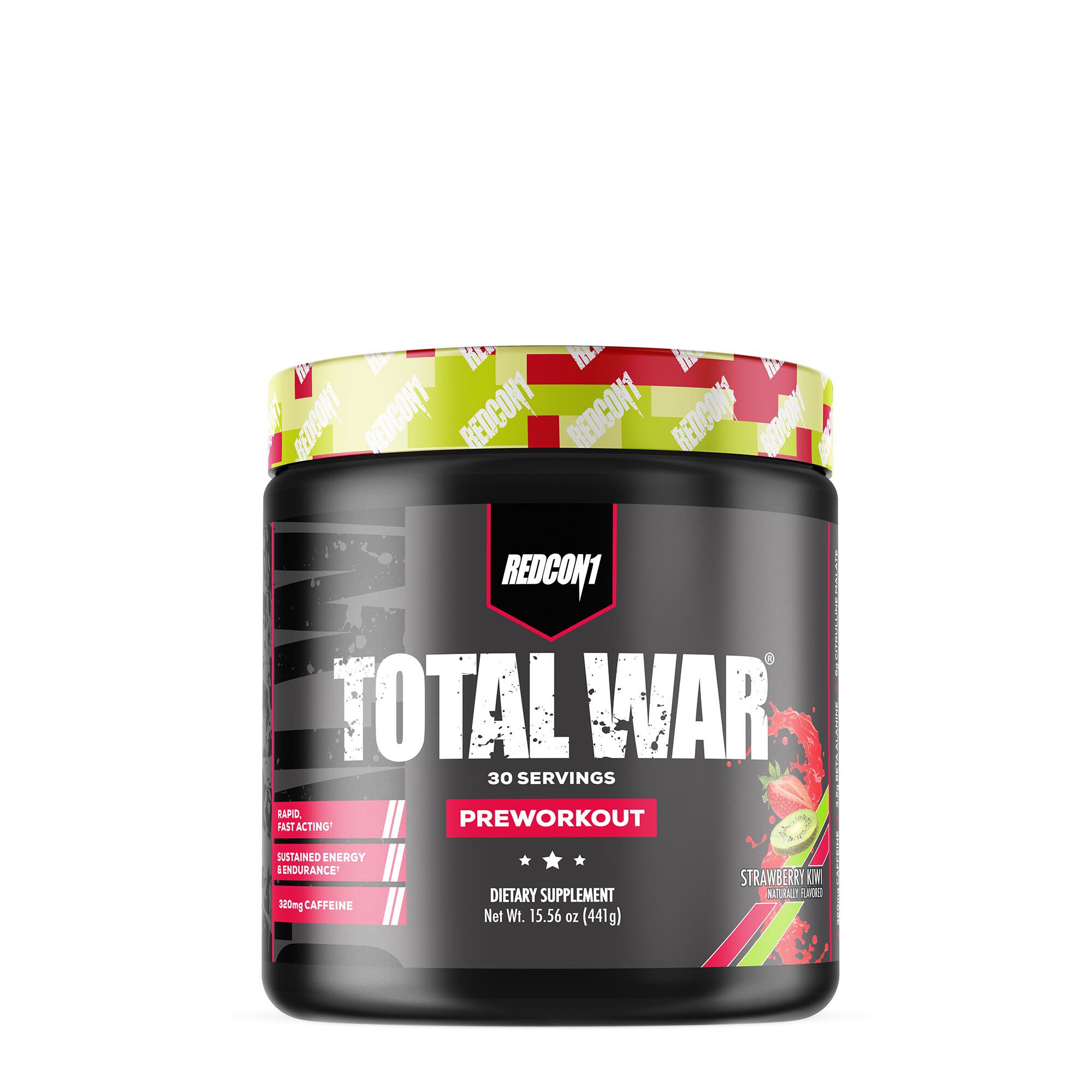
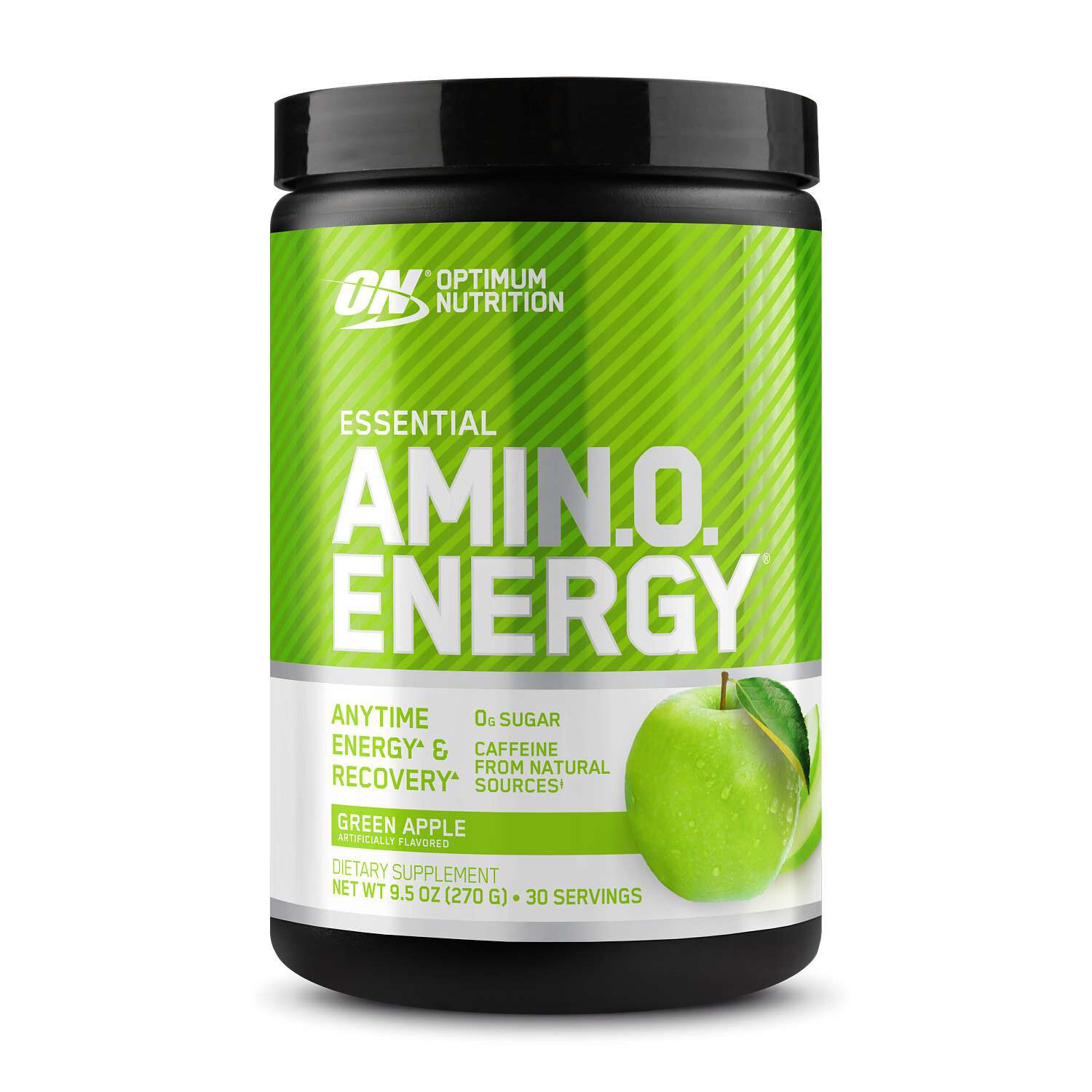
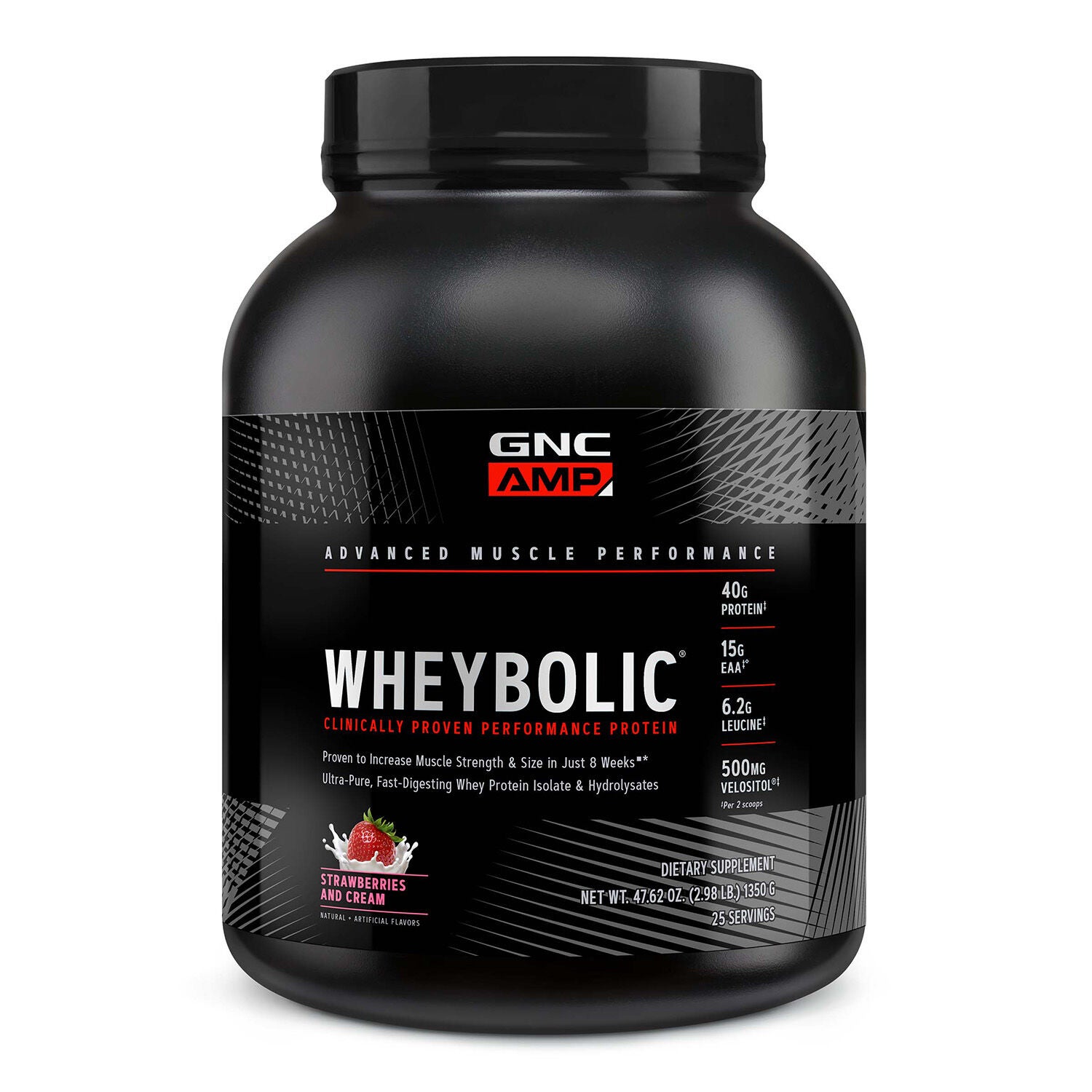
Supercharged Powders
(0 Results)
Supercharged powders could offer a convenient way to support your wellness routine, whether you’re looking to fuel your day or enhance your favorite recipes. With a variety of options designed to fit different lifestyles and goals, supercharged powders may help you take your nutrition to the next level. Explore the possibilities and discover how these versatile blends might make it easier to stay on track with your health journey.




.jpg?sw=305&sh=305&sm=fit "Demo Day Carbohydrate Power - Big Cherries (30 Servings) | GNC")
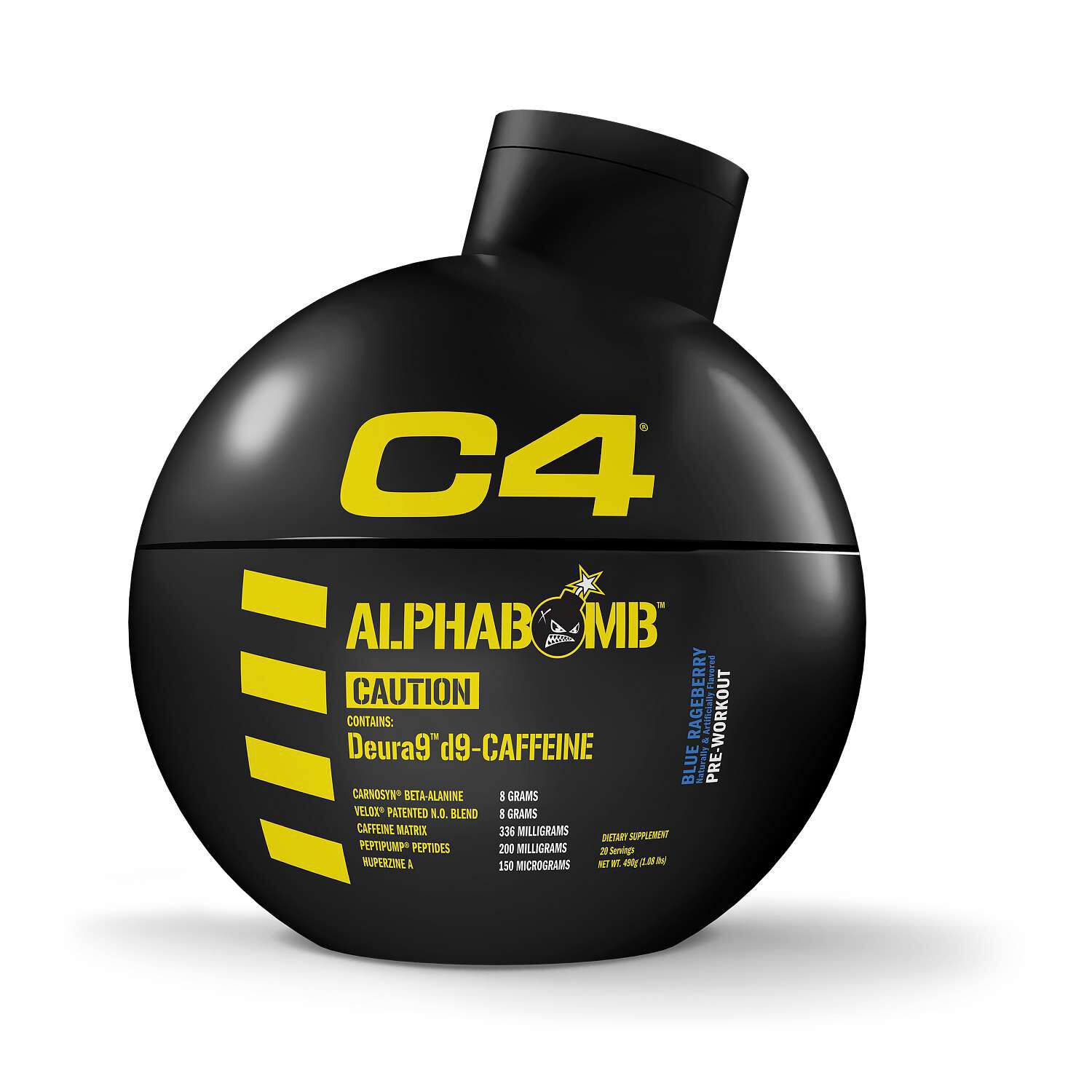


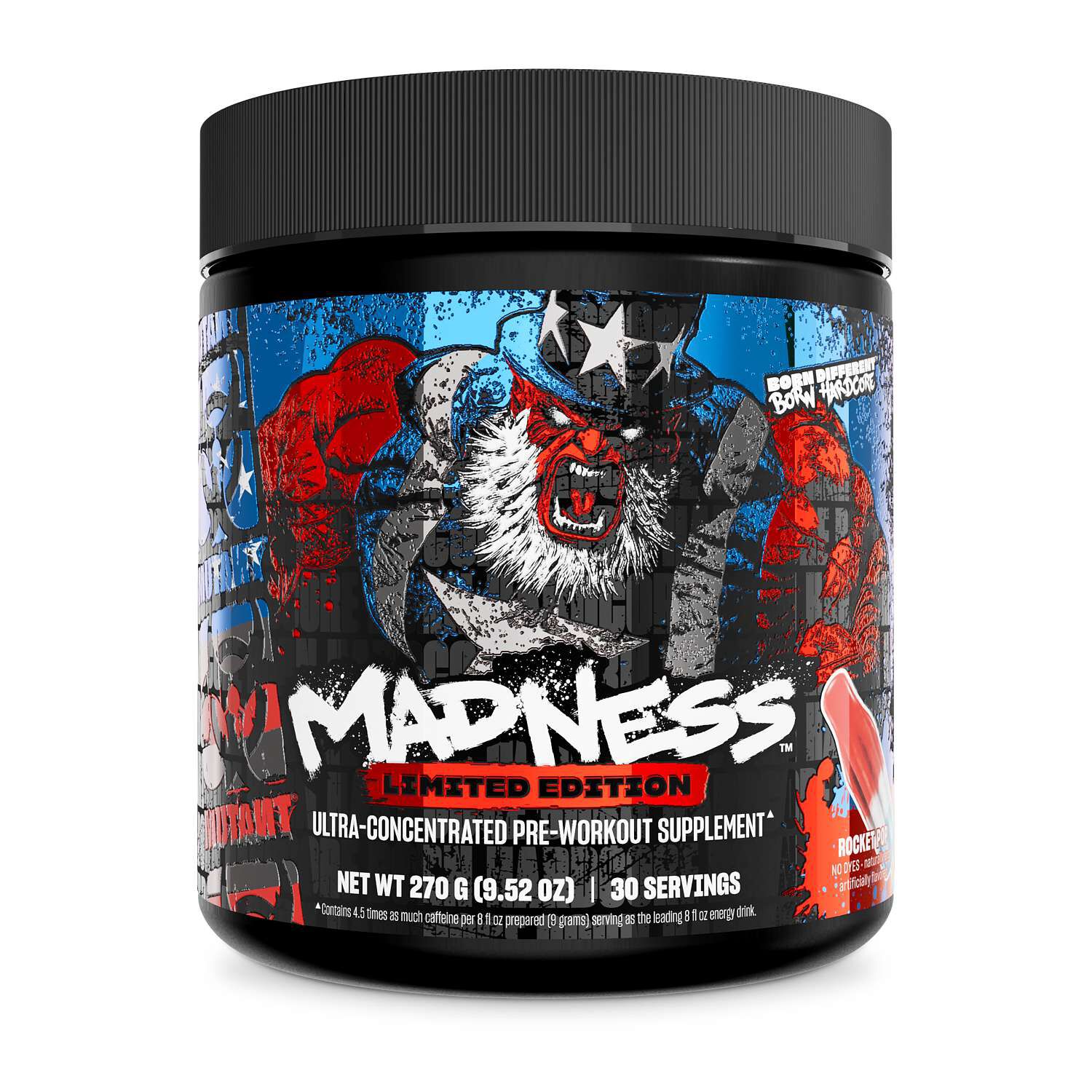


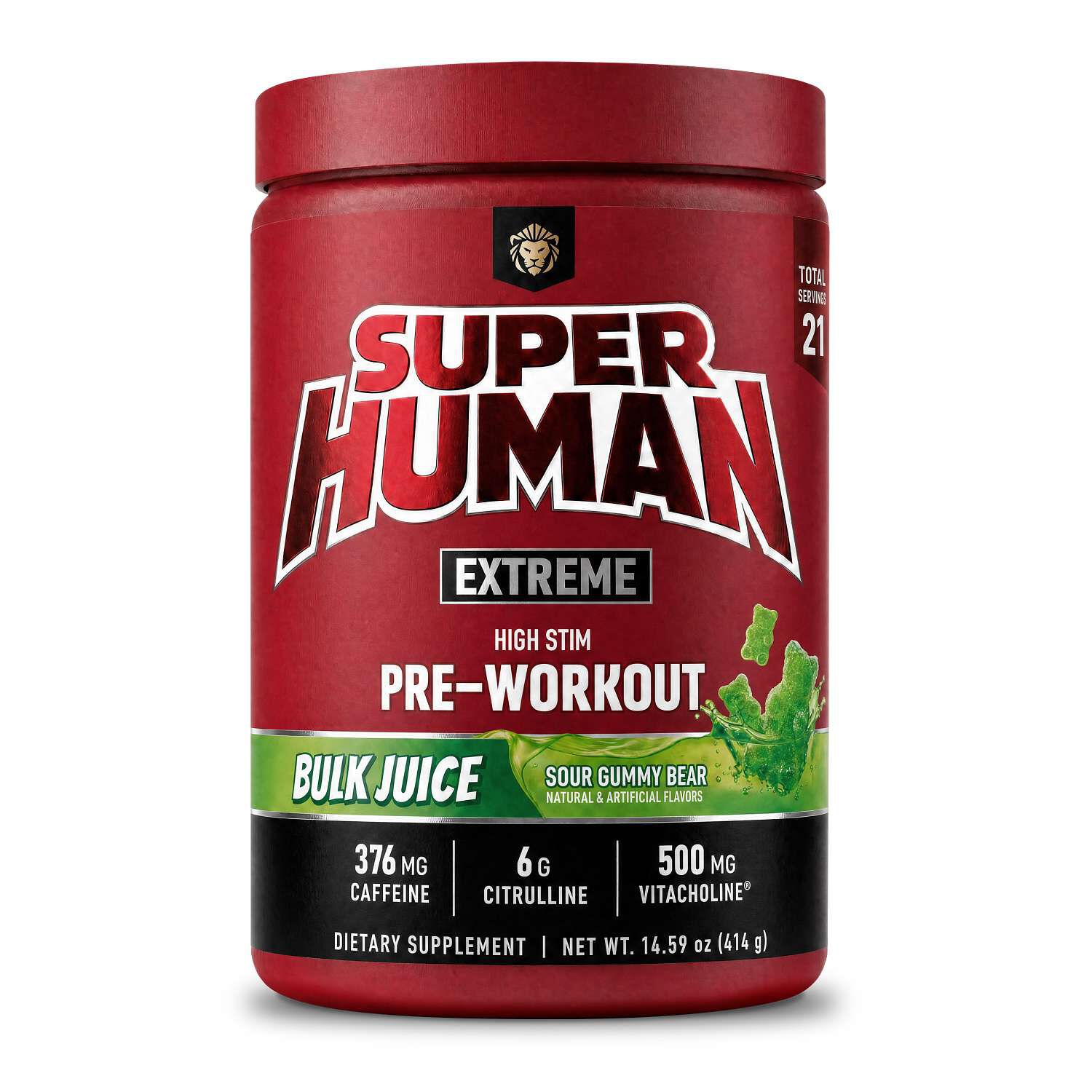
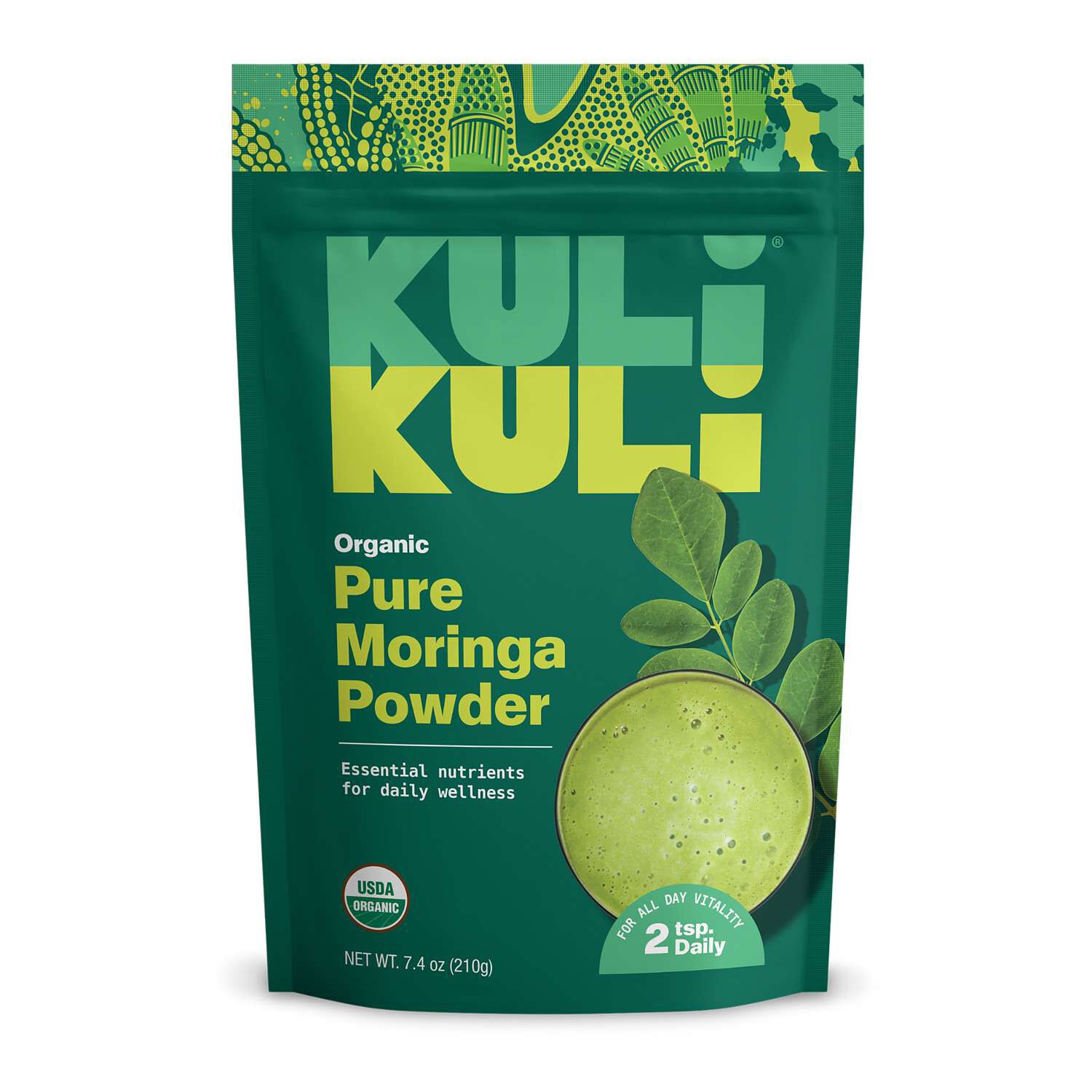
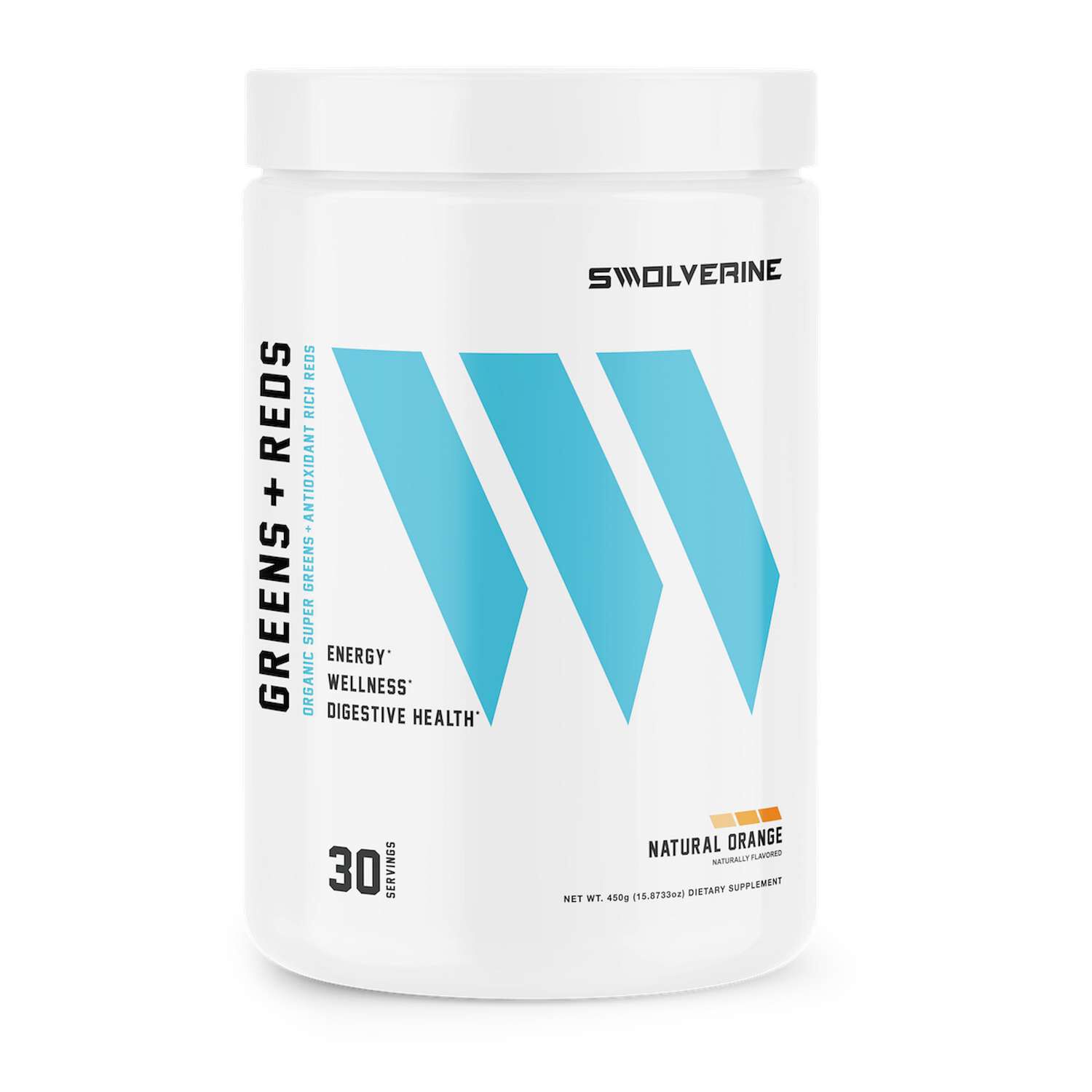
Supercharged powders are powdered drink mixes and dietary supplements made for uses such as pre-workout preparation, post-workout shakes, hydration routines, and everyday nutrition. The term covers several kinds of blends rather than a single formula. A pre-workout powder might contain caffeine and amino acids, while an electrolyte mix might list minerals such as sodium and potassium. Protein powders can be made with dairy ingredients such as whey or with plant ingredients such as pea or soy protein. Greens powders often contain dried vegetables, grasses, or other plant ingredients. Some formulas center on one main ingredient, while others combine several. What these powders have in common is the format: the liquid is added at the time of preparation rather than packaged with the mix. That makes a difference in how a powder fits into the day. A gym bag might hold a dry serving and a shaker to fill at the water fountain, while a tub on the kitchen counter might be used for shakes made in a blender. The finished drinks can feel quite different, too. A fruit-flavored electrolyte mix prepared with water is closer to a flavored water than a shake, while a vanilla or cocoa protein powder mixed with milk or a plant-based beverage may have more body. Flavor names tell only part of the story: an unflavored powder may still have a noticeable taste from its base ingredients, and two blends in the same flavor can differ in sweetness and texture. The preparation directions give a better sense of the finished drink, including how much liquid it takes and whether the powder is meant to be stirred, shaken, or blended.
The intended use on the label is a good way to distinguish powders that can look similar from the front of the package. Someone shopping for a particular part of a lifting routine can browse Strength Powders for blends geared toward strength training. Within workout mixes, some formulas contain caffeine and others are made without it, a distinction that may matter to someone who prefers an evening gym session or simply wants a drink without caffeine. For a powder meant for a shake, the source and amount of protein per serving may be more useful points of comparison than the size of the tub. Serving sizes vary by formula, so a scoop of one powder is not necessarily comparable to a scoop of another. The Nutrition Facts or Supplement Facts panel shows what is listed per serving, while the ingredient list provides more context about sweeteners, flavorings, and the base of the blend. A shopper who avoids dairy, for example, can look beyond a familiar flavor name to see whether the formula uses whey or a plant protein and what the package says about allergens. Texture is another practical difference that may not be obvious from the flavor alone. Someone who mixes drinks at a desk with a spoon may prefer a powder meant for stirring into a glass of water, while someone with a blender at home might be looking for a thicker shake. Single-serving packets can suit a bag that already holds shoes, a towel, and a change of clothes. A resealable bag may fit into a narrow pantry space, while a wide-mouth tub leaves room to scoop without brushing the sides of the container.
Storage matters more for a powder that is opened and scooped regularly than for a packet that stays sealed until use. A container with a lid that closes securely is practical in a shared kitchen, and a pouch with a resealable opening takes up less room once some of the powder has been used. The storage directions on the package are the best reference for a particular formula. In everyday use, keeping the container closed between servings and using a clean, dry scoop helps keep moisture out. A cupboard away from the sink makes a more practical home for an open tub than the counter next to a drying rack. The date on the package and the number of servings are worth looking at together, especially when the powder is for an occasional gym visit rather than a regular shake. Cleanup is part of the routine as well: a cup used for a quick mix with water takes less effort to rinse than a blender jar with dried shake around the blades. For gifting, these powders are a natural fit for someone whose preferences are already familiar. A person who makes the same cocoa protein shake after lifting may appreciate a familiar flavor and protein source, while someone who packs a drink mix for rec league games may prefer individual packets that are easy to tuck into a side pocket. A new flavor can be a thoughtful choice when the base ingredients and type of mix are already a match. Whether the powder is for a gift or a spot in the pantry, the details that matter usually come down to the drink itself: what goes into it, how it tastes, where it gets mixed, and how easily the package fits into the routine.