





Supergut Digestion
(0 Results)
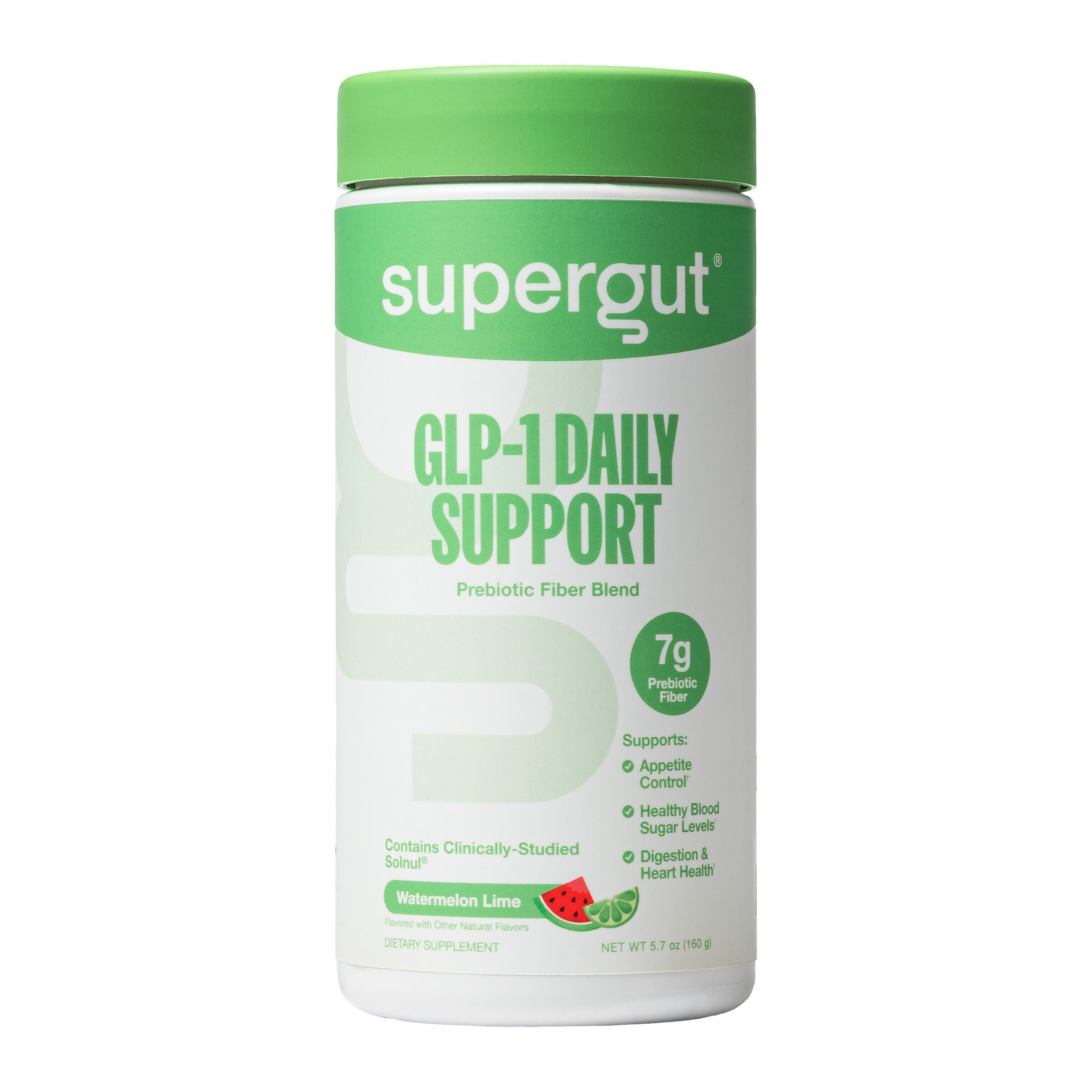
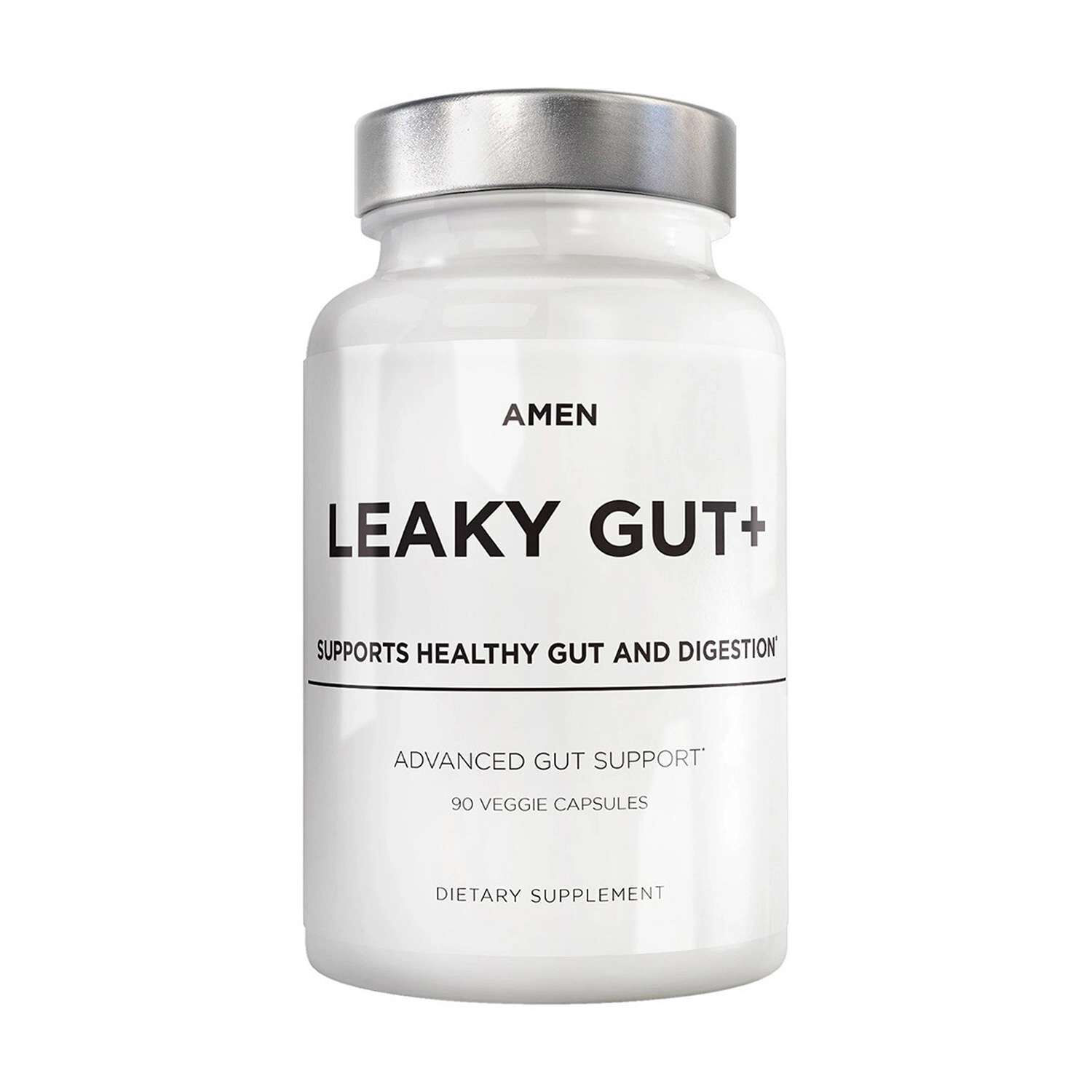
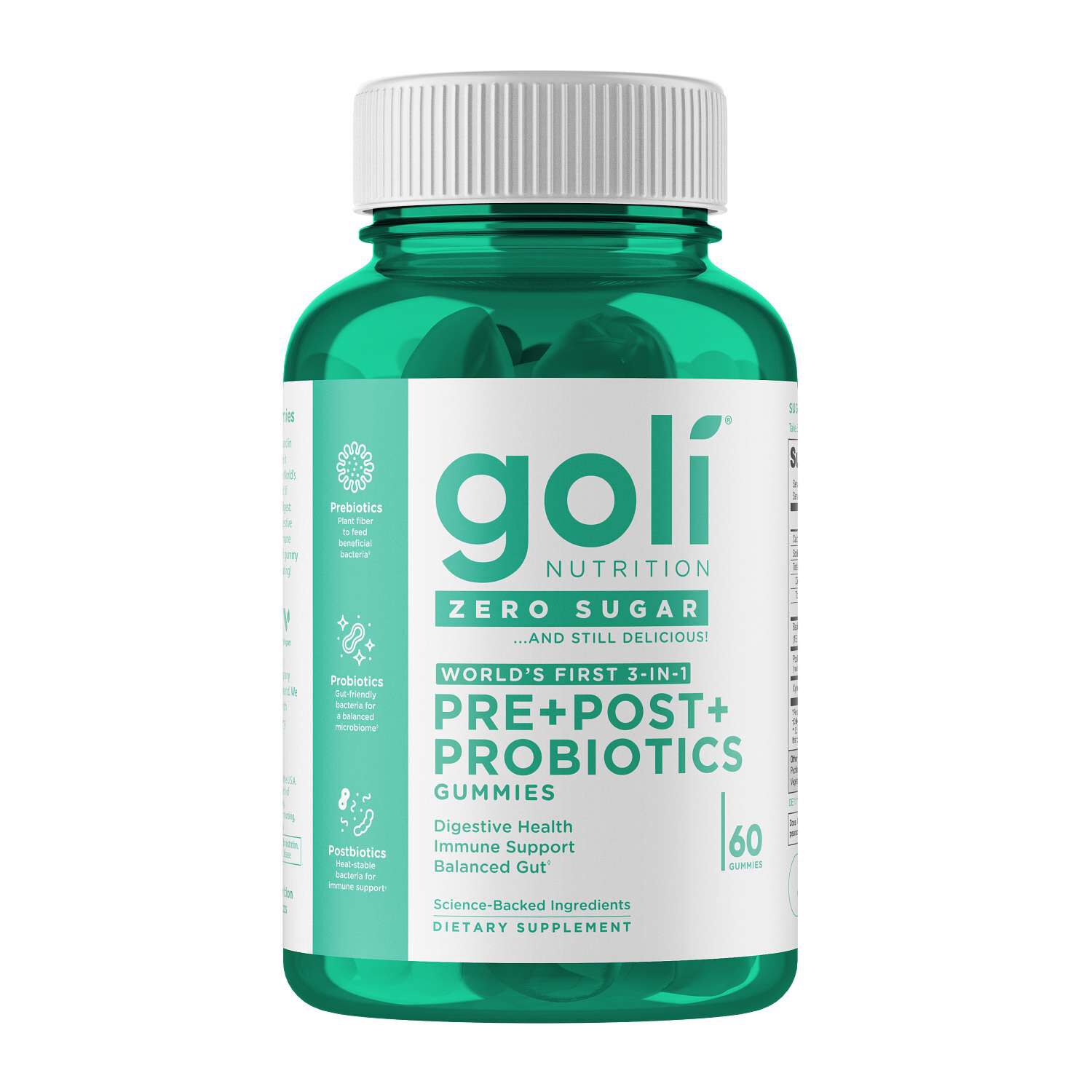
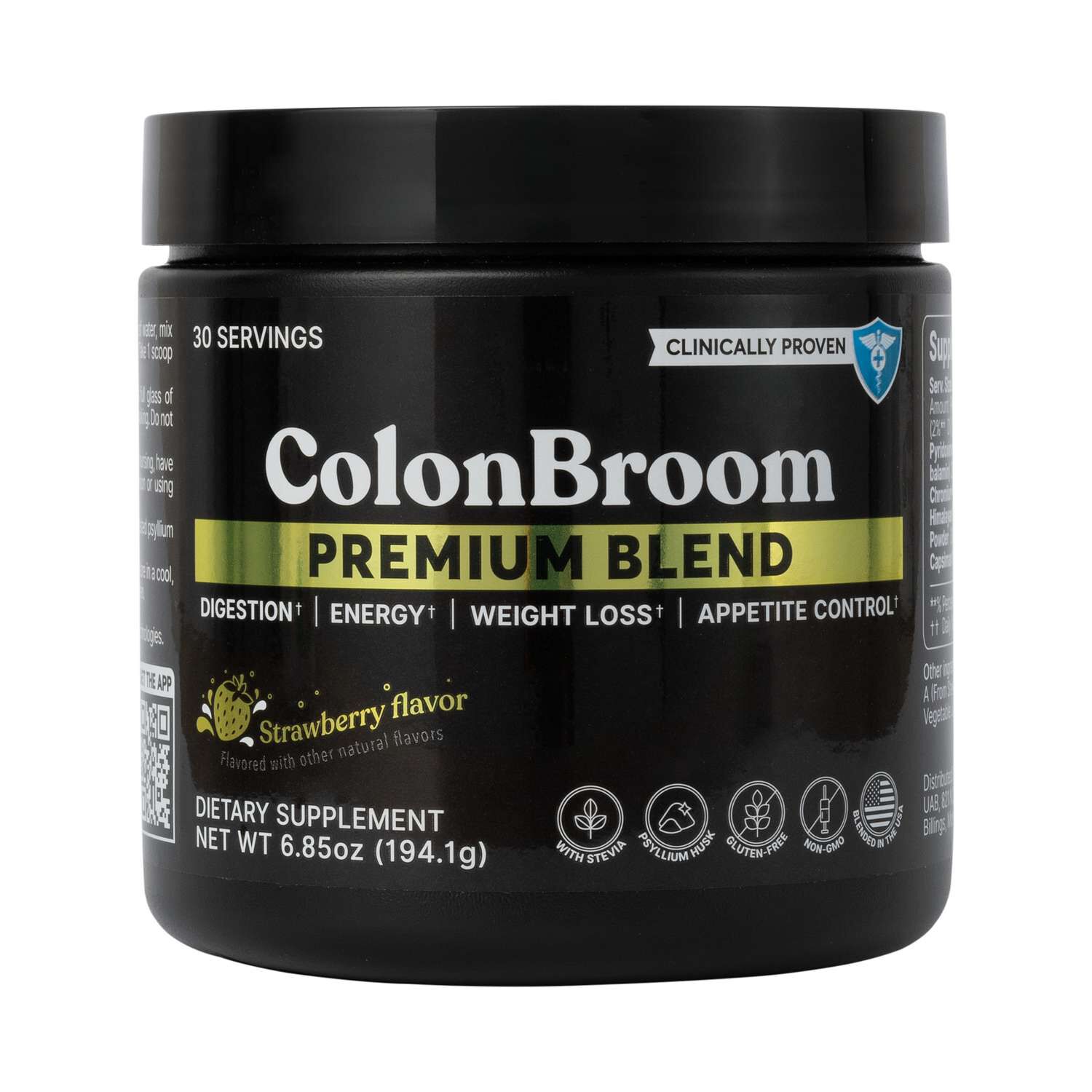
Support your wellness journey with a range of supplements designed to help promote supergut digestion. Explore options that may complement a balanced diet and active lifestyle, offering nutrients that could support your digestive routine. Whether you’re looking to maintain digestive comfort or simply seeking new ways to nurture your gut health, discover selections that might fit seamlessly into your daily regimen. Find choices that may help you work toward your supergut digestion goals.
-
-

-

-

-

-
-
_Front.jpg?sw=305&sh=305&sm=fit "BioDophilus60 - 60 Capsules (60 Servings) | GNC")
-
 You Matter Wellness$49.99
-
-
-
-

-
-
-



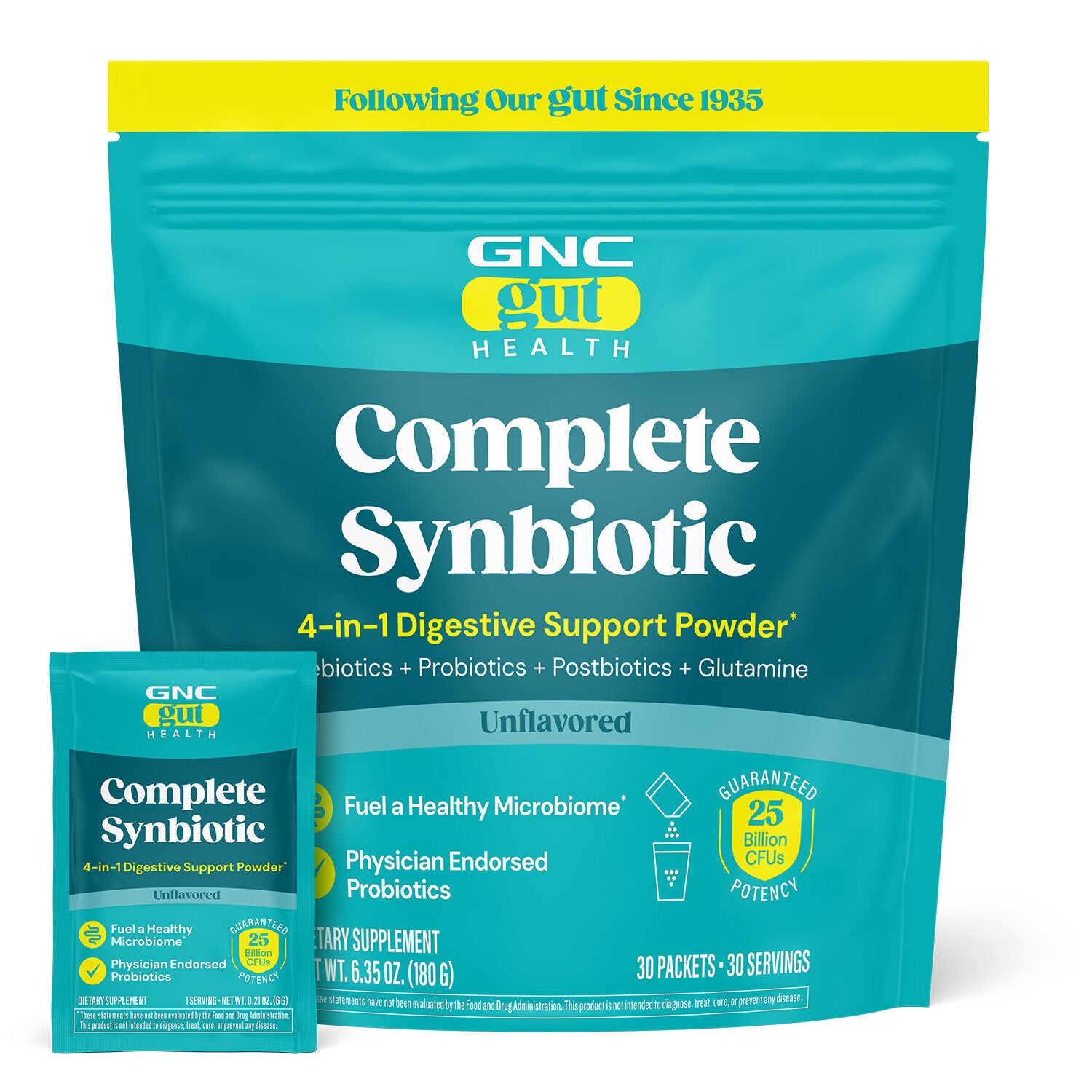


Digestive support products may offer a convenient way to bring additional fiber into an everyday eating routine, with formats ranging from mixable powders to packaged snacks. Prebiotic fiber is a useful starting point for understanding this category. The term describes certain fibers that beneficial microorganisms in the gut may use as nourishment. Prebiotics are different from probiotics: prebiotic ingredients provide a food source for those microorganisms, while probiotic products contain live microorganisms. A digestive support formula may feature one type of fiber or combine several ingredients with different characteristics. Resistant starch, for example, is a form of starch that may pass through the small intestine without being fully digested. Sources can include green bananas and potatoes, although the ingredient list is the place to confirm what a particular formula contains. Beta-glucan is another fiber found in foods such as oats and barley. These names describe different ingredients, not interchangeable formulas, so the source and amount per serving matter when comparing options. Powders may suit someone who prefers incorporating fiber into an existing breakfast or beverage routine, while fiber-containing bars may fit a preference for a packaged snack. A powder mixed into a morning smoothie has a different role from a bar tucked beside a lunch container, even when both belong to the same broad category. Some snacks also contain protein, making both the fiber amount and protein amount relevant label details. Flavor, preparation requirements, and portion size can be just as important as the ingredient names. Someone who enjoys a fruit-forward drink may prefer a flavored powder, while someone who wants to preserve the familiar taste of oatmeal or yogurt may favor an unflavored option. These products belong within a broader food routine that can also include beans, lentils, vegetables, fruit, and whole grains; the format is a matter of convenience and preference rather than a substitute for varied meals.
Comparing digestive support powders and snacks starts with the serving information and ingredient list, rather than the wording on the front of the package alone. Fiber content is listed by serving, and the suggested portion may differ between a scoop of powder and an individually wrapped snack. Comparing the amount someone would actually use makes those differences easier to understand. A blend may contain multiple fiber sources, and the order of the ingredients can help clarify its composition, although that order does not necessarily reveal the amount of every individual fiber. Protein, added sugars, carbohydrate content, and calories provide additional context for how a powder or snack might fit alongside other foods. Dietary preferences deserve the same attention. A plant-based ingredient list, for instance, is not the same thing as an allergen statement, and a bar with familiar nuts or chocolate may also contain milk, soy, or other ingredients that matter to the shopper. Anyone avoiding gluten can review the package’s ingredient and dietary statements rather than make assumptions from the main fiber source. Flavor descriptions are another practical detail: a bright fruit flavor may suit a shaker bottle, while a cocoa or nut flavor may feel more at home beside an afternoon coffee. Sweeteners and flavorings also vary, so checking the full ingredient list may help distinguish options that otherwise look similar. Unflavored does not always mean entirely without taste or texture; the underlying ingredients may still contribute body or a mild flavor. For powders, preparation directions can explain the intended amount of liquid, mixing method, and serving utensil. For bars, the wrapper may identify the portion and storage requirements. Package design matters too. A resealable container may suit a kitchen cabinet, while individual packets or wrappers may be easier to organize in a desk drawer or lunch bag. The most practical choice depends on the eating occasion, the preferred texture, and the amount of preparation that feels realistic on an ordinary day.
Everyday use is often where the differences between these formats become most noticeable. A powder may blend into a smoothie with banana and oats, stir into yogurt, or mix with a beverage when those uses match the package directions. Some fibers may thicken a mixture as it sits, so preparation method and timing can affect the texture. A spoon, whisk, or shaker bottle may produce different results, and following the stated mixing instructions can help keep the process consistent. It is also worth considering the flavor of the food or drink already in the cup: a strongly flavored powder may become the dominant taste, while an unflavored blend may leave more room for the original ingredients. A wrapped bar involves less preparation and may suit the space between meetings, a commute, or an afternoon away from the kitchen. Texture preferences still matter, whether the appeal is a soft, chewy bite or a firmer snack that travels neatly in its wrapper. Care and storage are straightforward but important parts of the purchase. Powder containers should be closed as directed, and a clean, dry scoop helps keep moisture out of the container. Original packaging preserves access to preparation instructions, ingredient information, and the best-by date. Wrapped snacks are easiest to manage when their packaging stays intact, and storage directions should guide where they are kept. For shoppers exploring the broader category, Natural Digestive Support offers a related place to browse options with attention to format, ingredients, and intended use. A useful comparison keeps the daily setting in view: a breakfast prepared at home, a lunch packed before leaving, or a snack kept close during a busy afternoon. Digestive support products may fit more naturally into those familiar moments when their flavor, portion, and preparation requirements match existing preferences. Clear label information and a format that suits the occasion can make the choice more practical than relying on a single ingredient name.
Best Sellers
-
 Physician's Choice

Related Pages

Top Collections
- Zinc Supplements | Top Brands at Great Prices | GNC
- Cortisol Supplements
- NAD+ Supplement Tablets
- Top Rated Collagen | Shop Customer Favorites | GNC
- Best Brand of Magnesium Glycinate
- Peptide Supplements
- Iron Supplements
- Protein Powders For Muscle Growth Support
- Vitamins That Help Support Weight Gain
- Peptide Supplements for Muscle Growth