





Type III Collagen | Shop Top Brands & Great Deals | GNC
(0 Results)
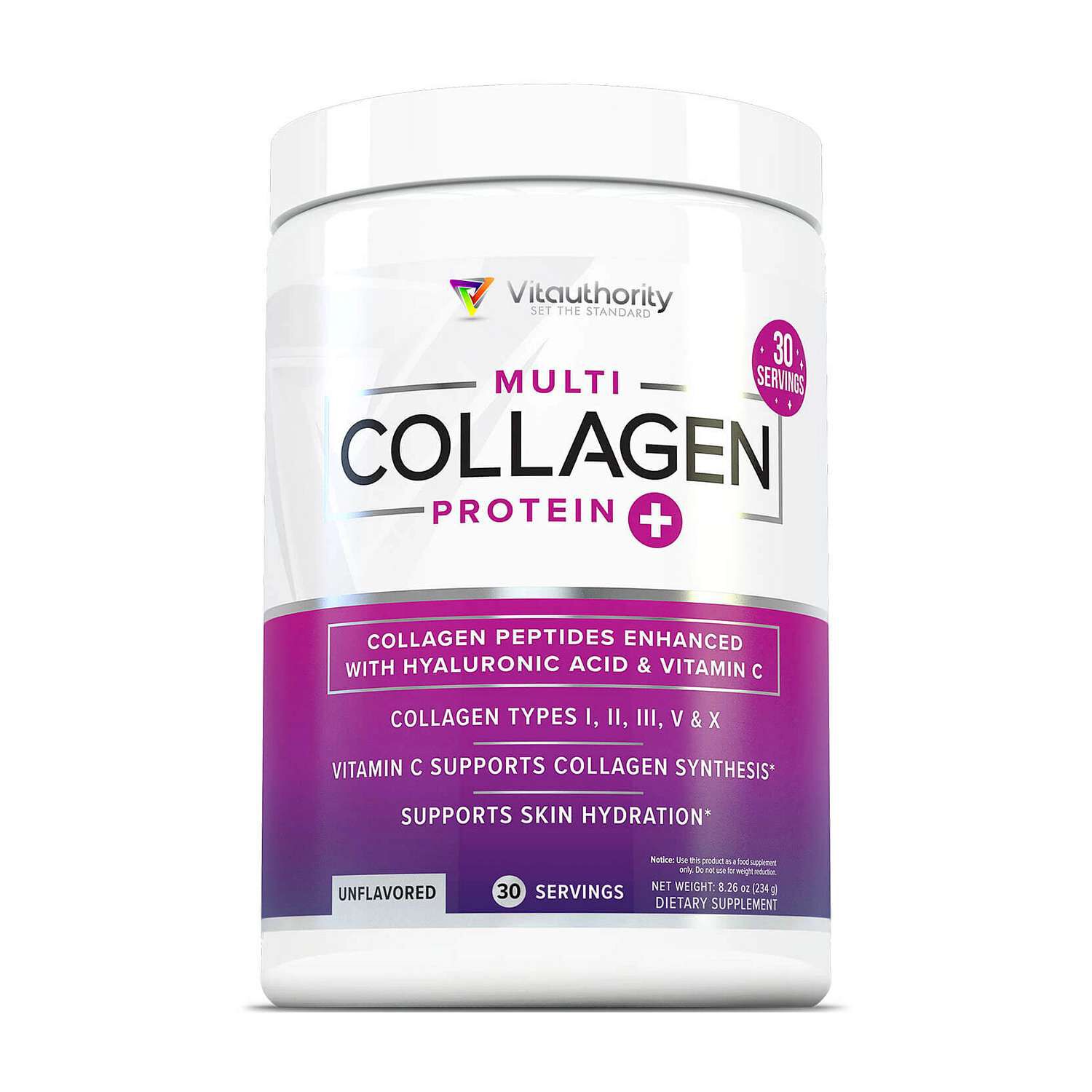
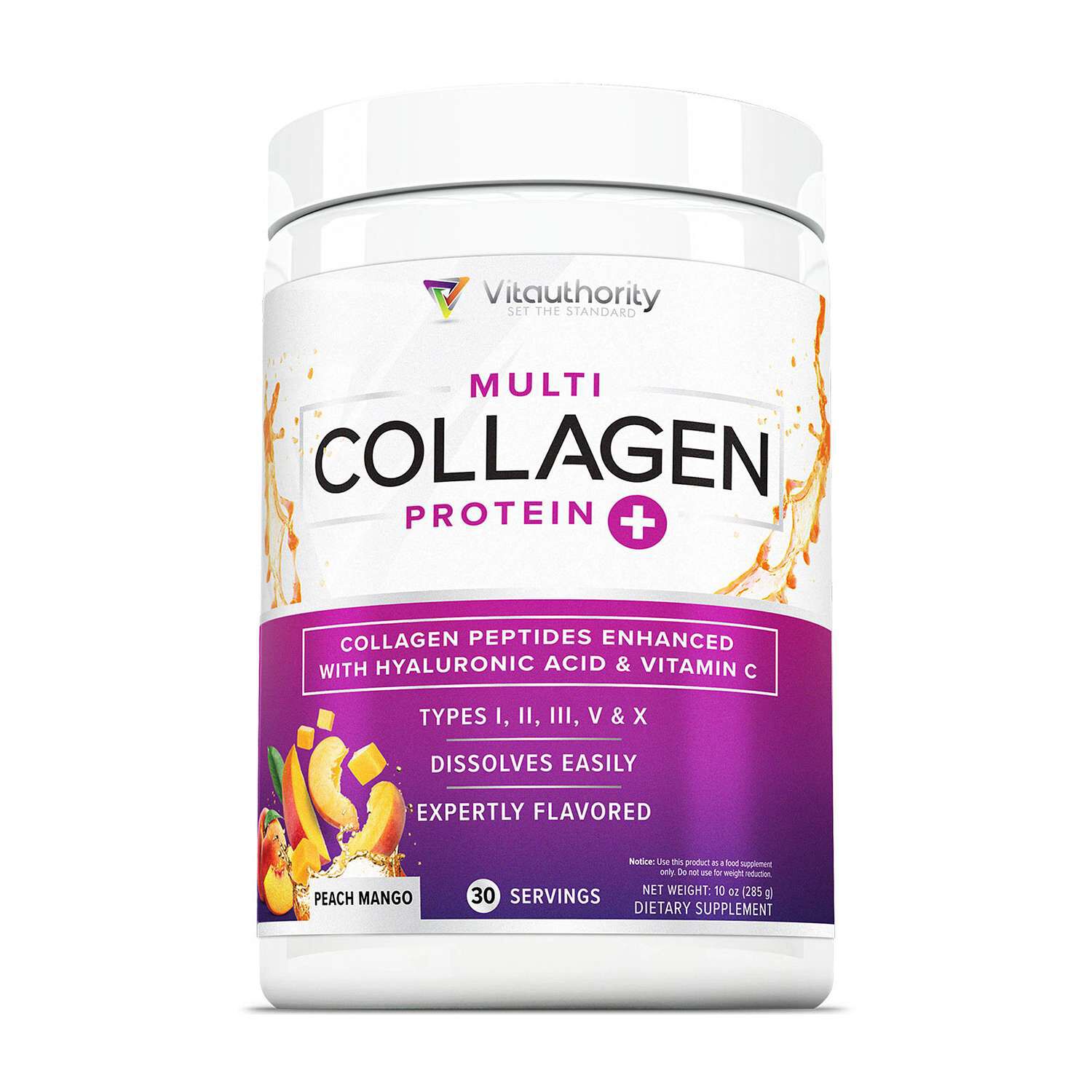
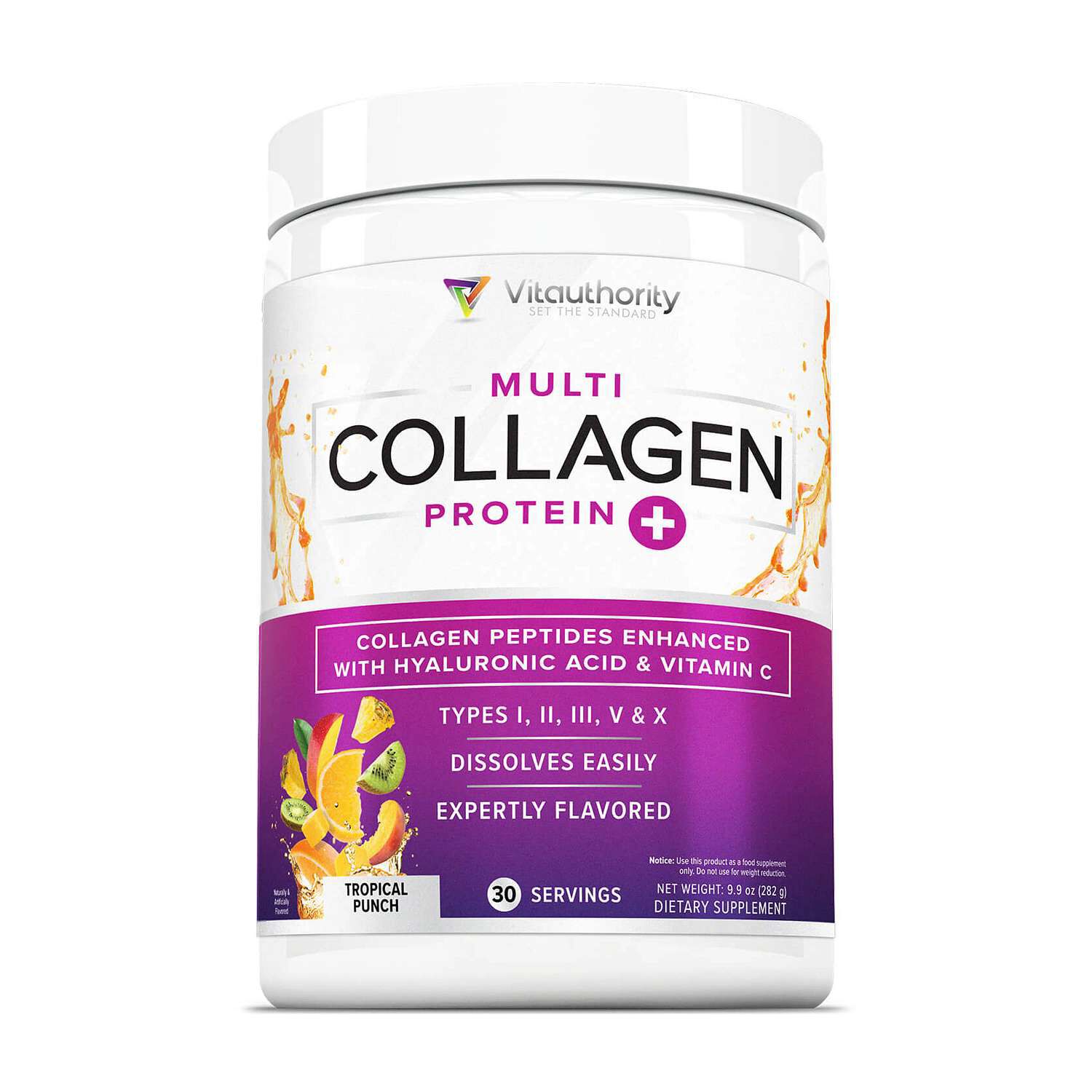
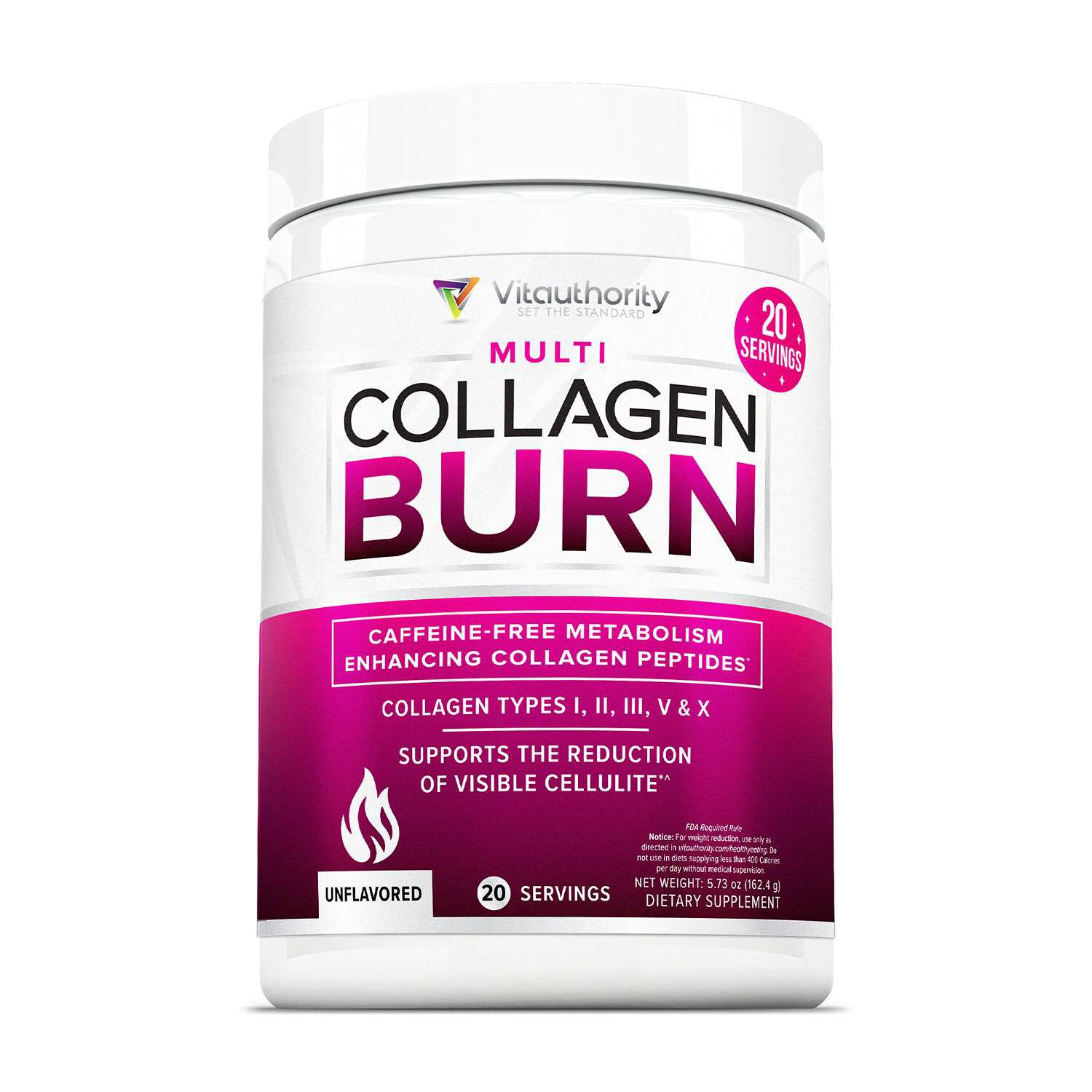
Type III collagen is a key protein in our bodies that plays a crucial role in maintaining skin elasticity, joint health, and overall tissue support. As we age, our natural collagen production decreases, leading to signs of aging and reduced joint flexibility. Supplementing with Type III collagen can help support these essential functions and promote a youthful appearance and support healthy joints. Explore GNC's selection of Type III collagen supplements to give your body a boost and support your overall well-being.
-
-
-
-

-
-

-
-

-

-
 44$44.99
-
-

-
-

-

-

-
-
-
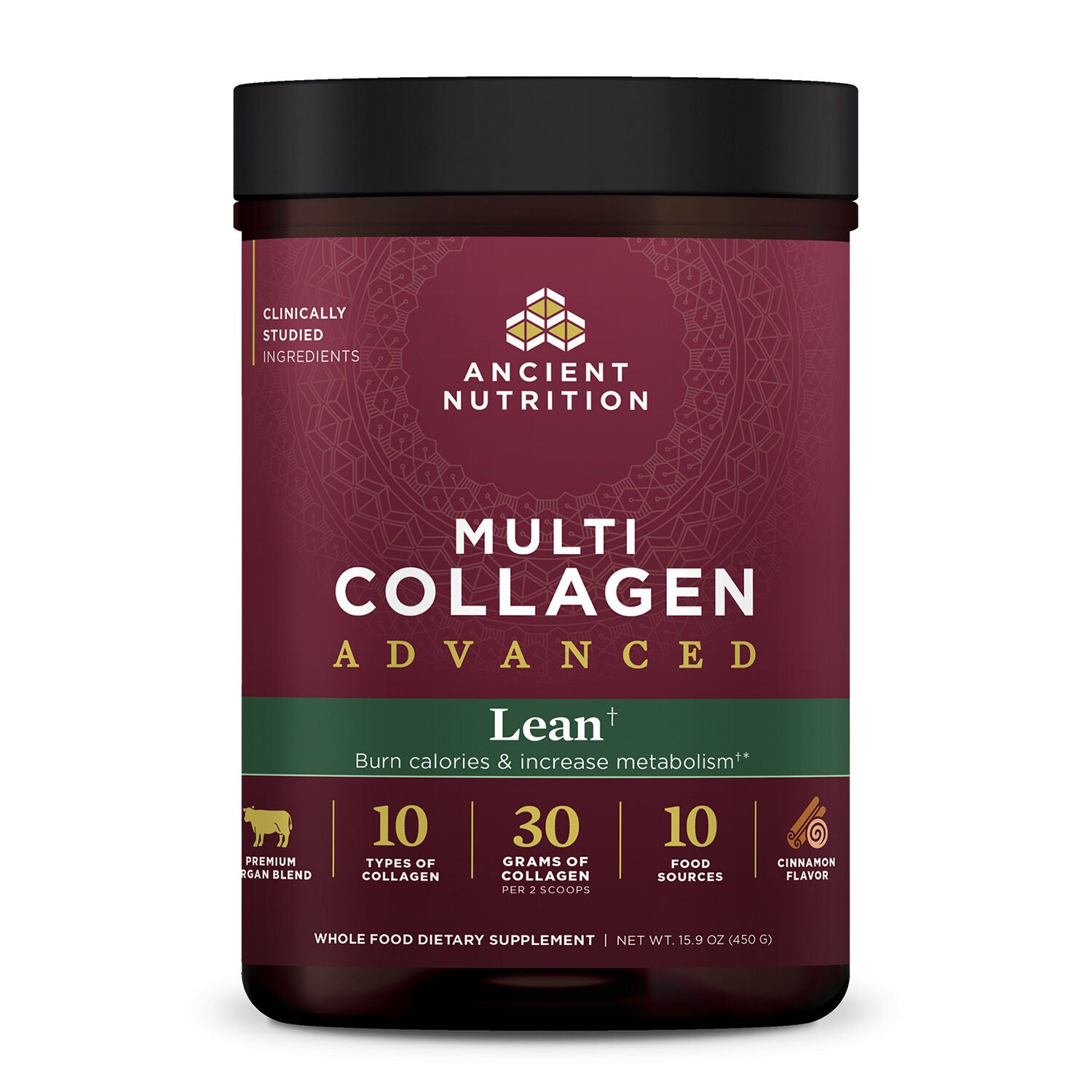
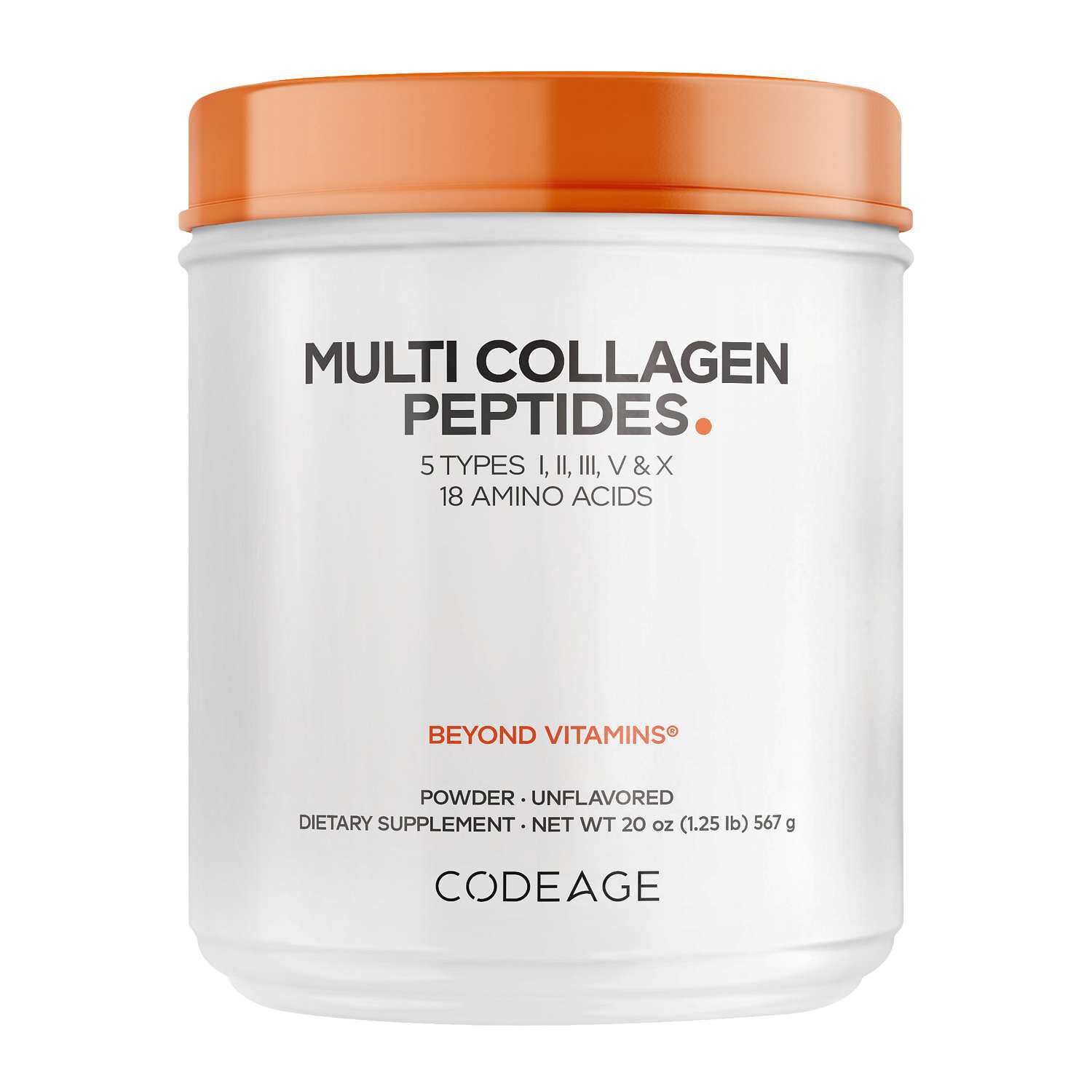
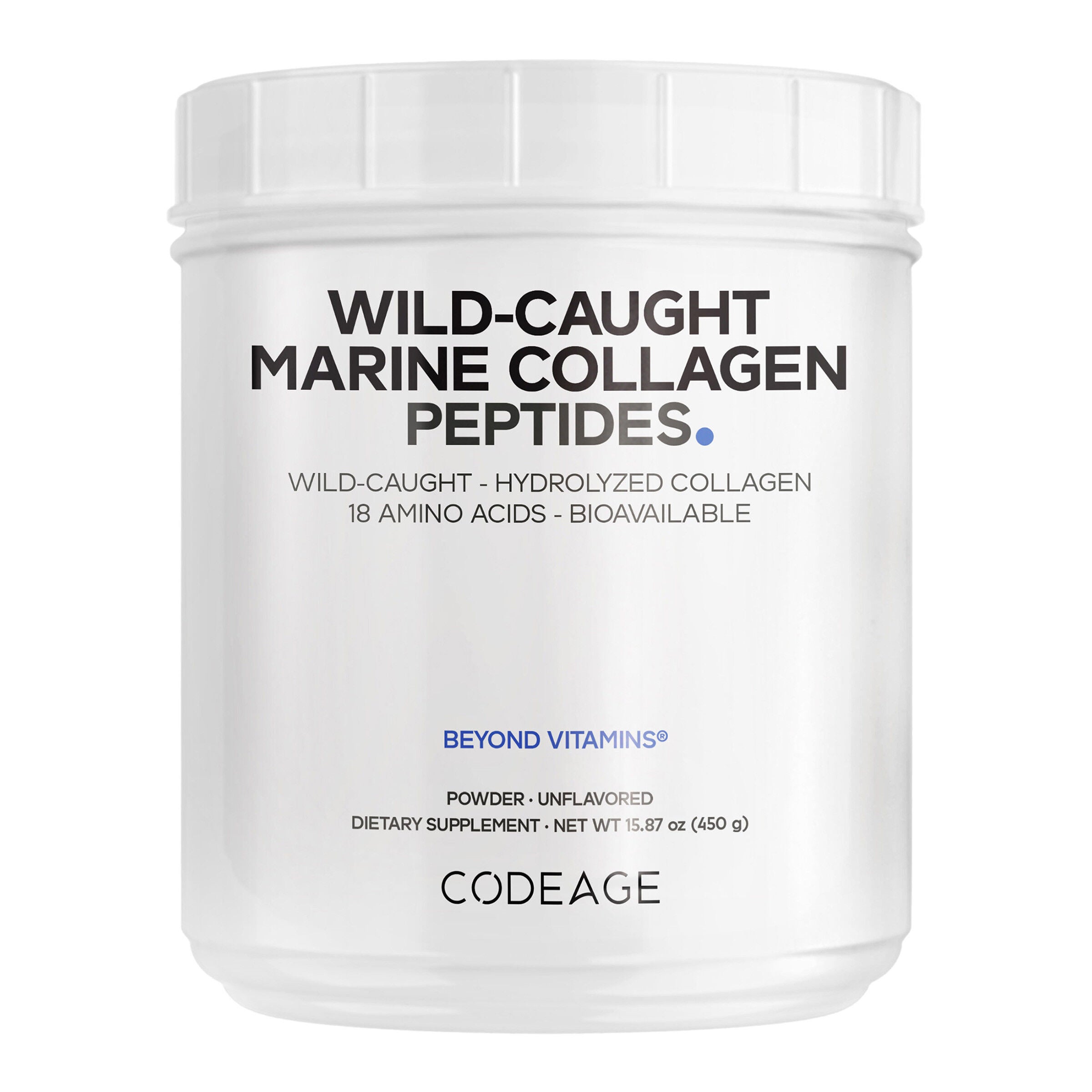
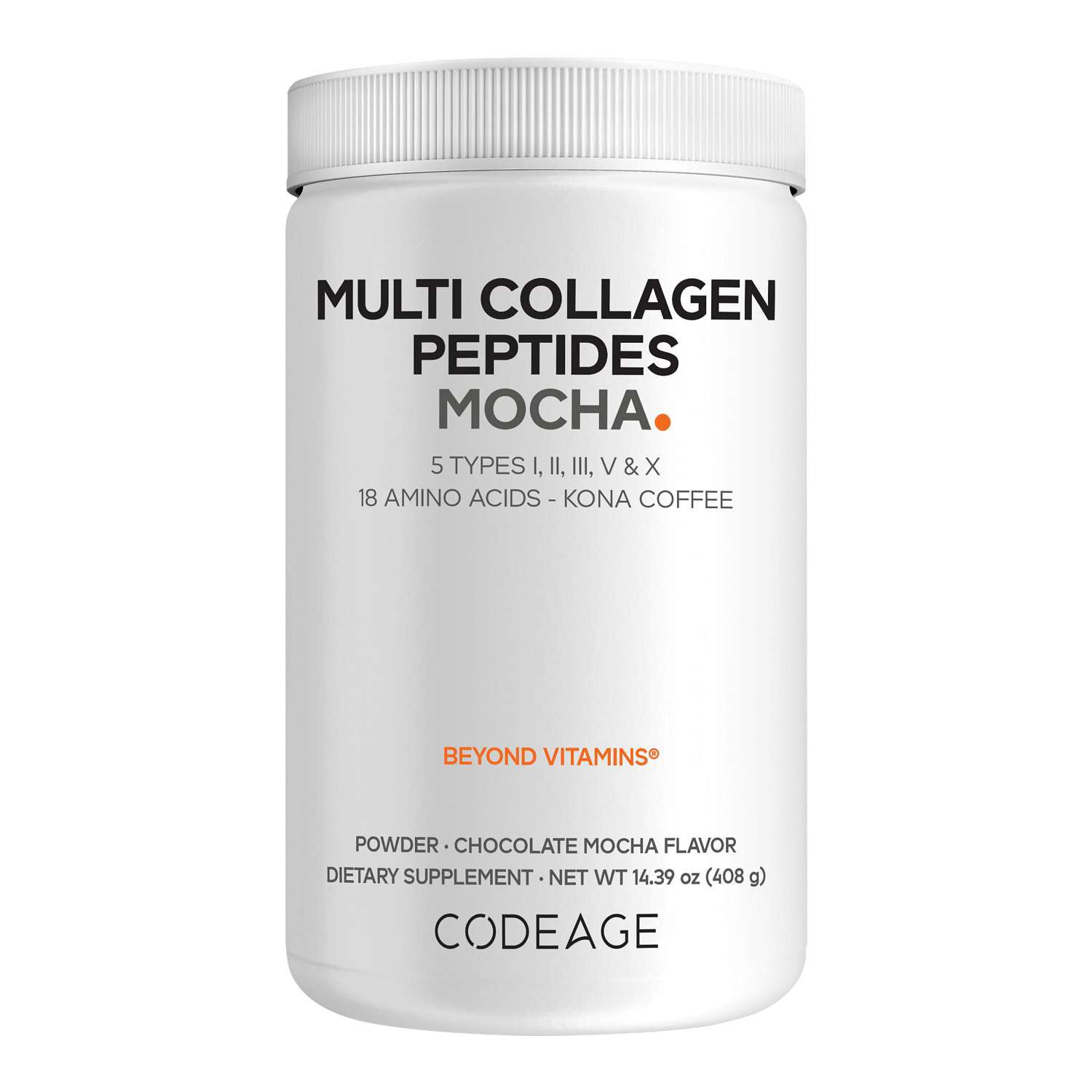

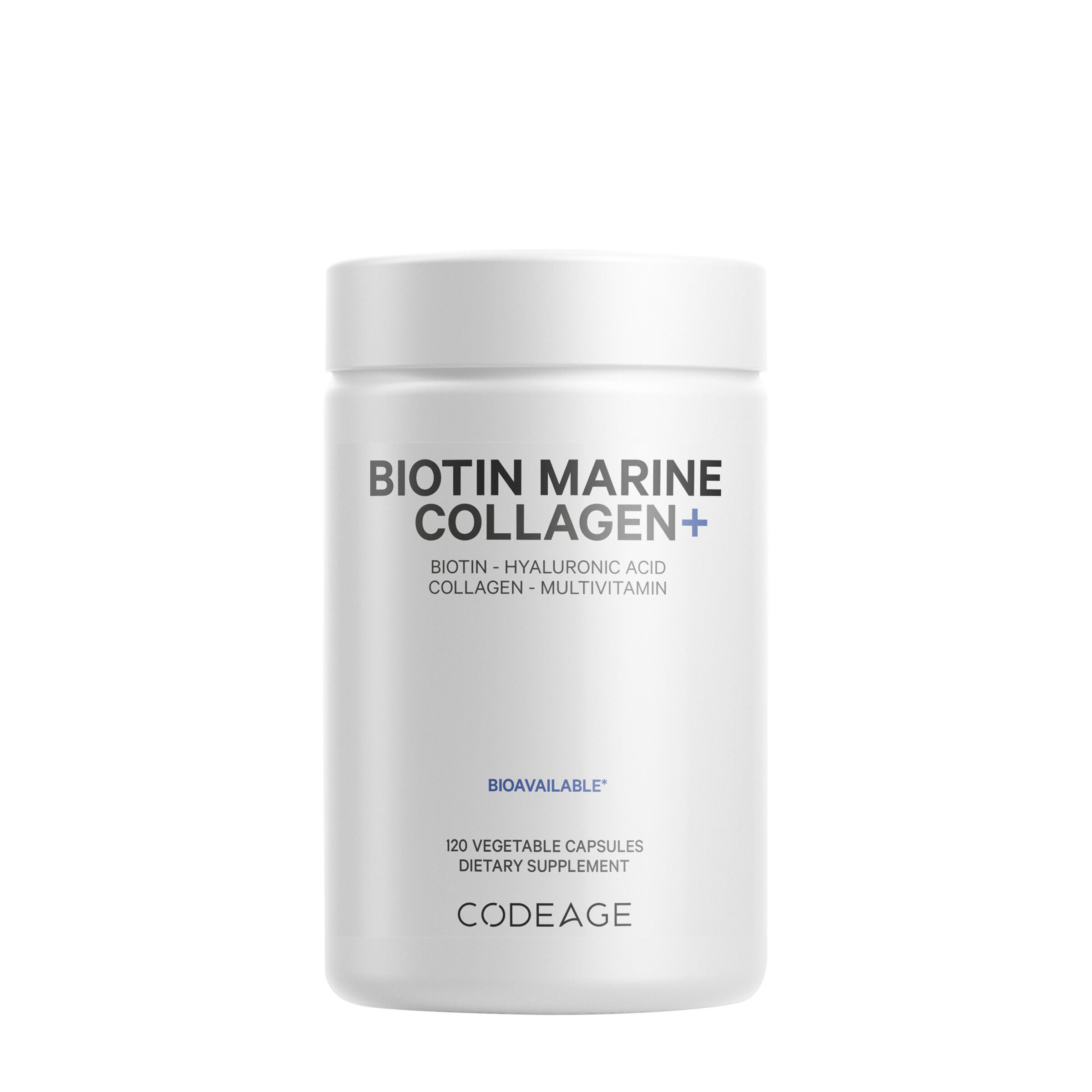
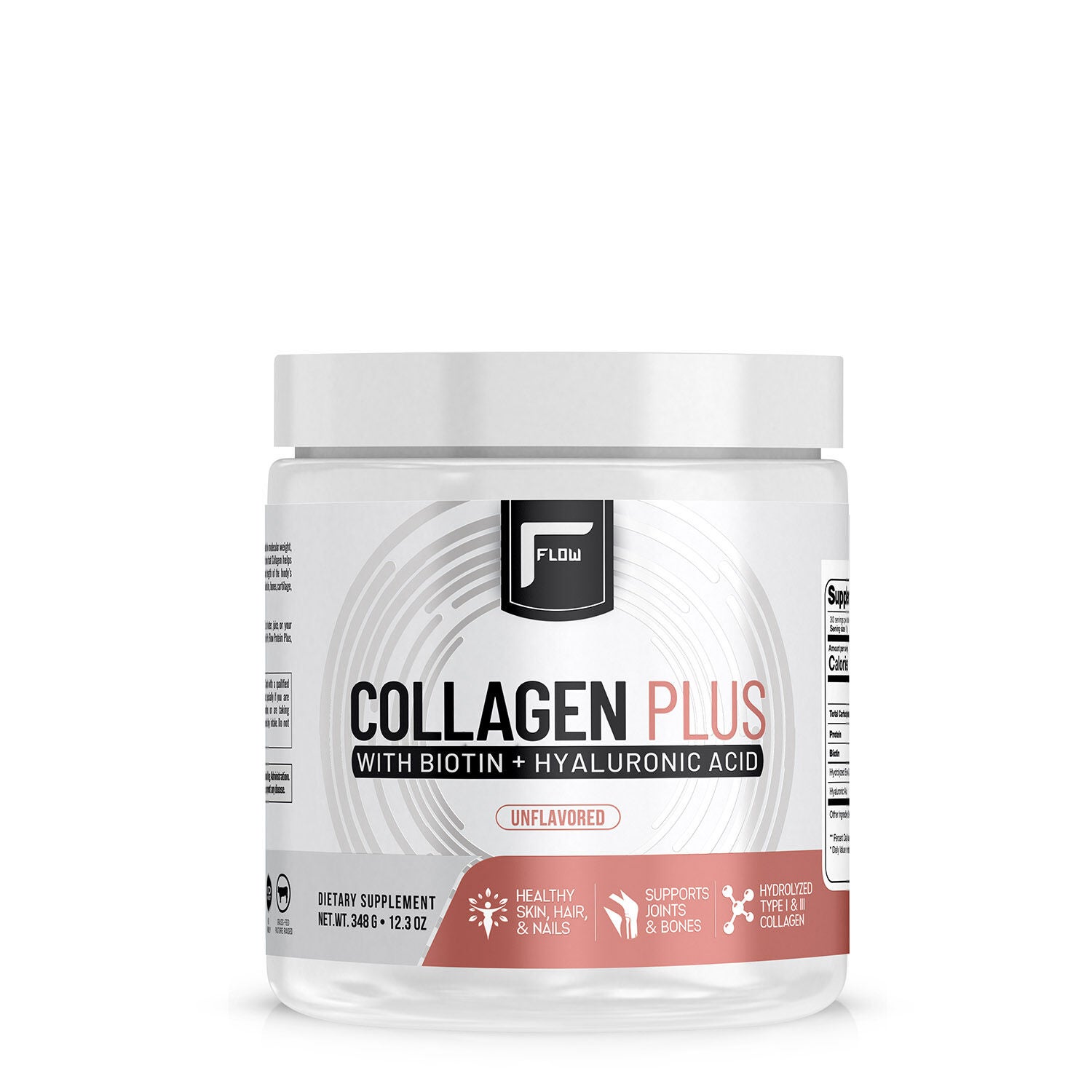
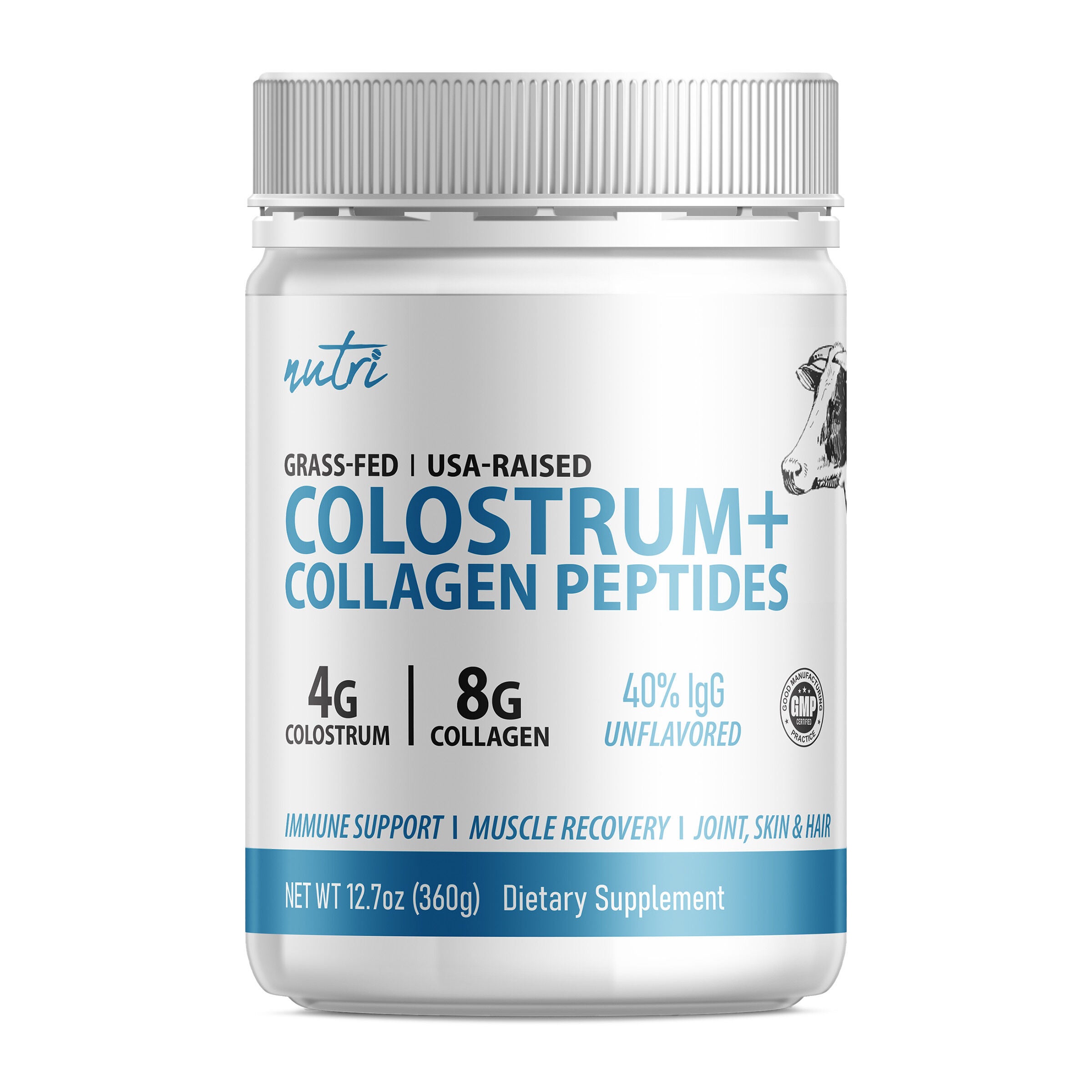
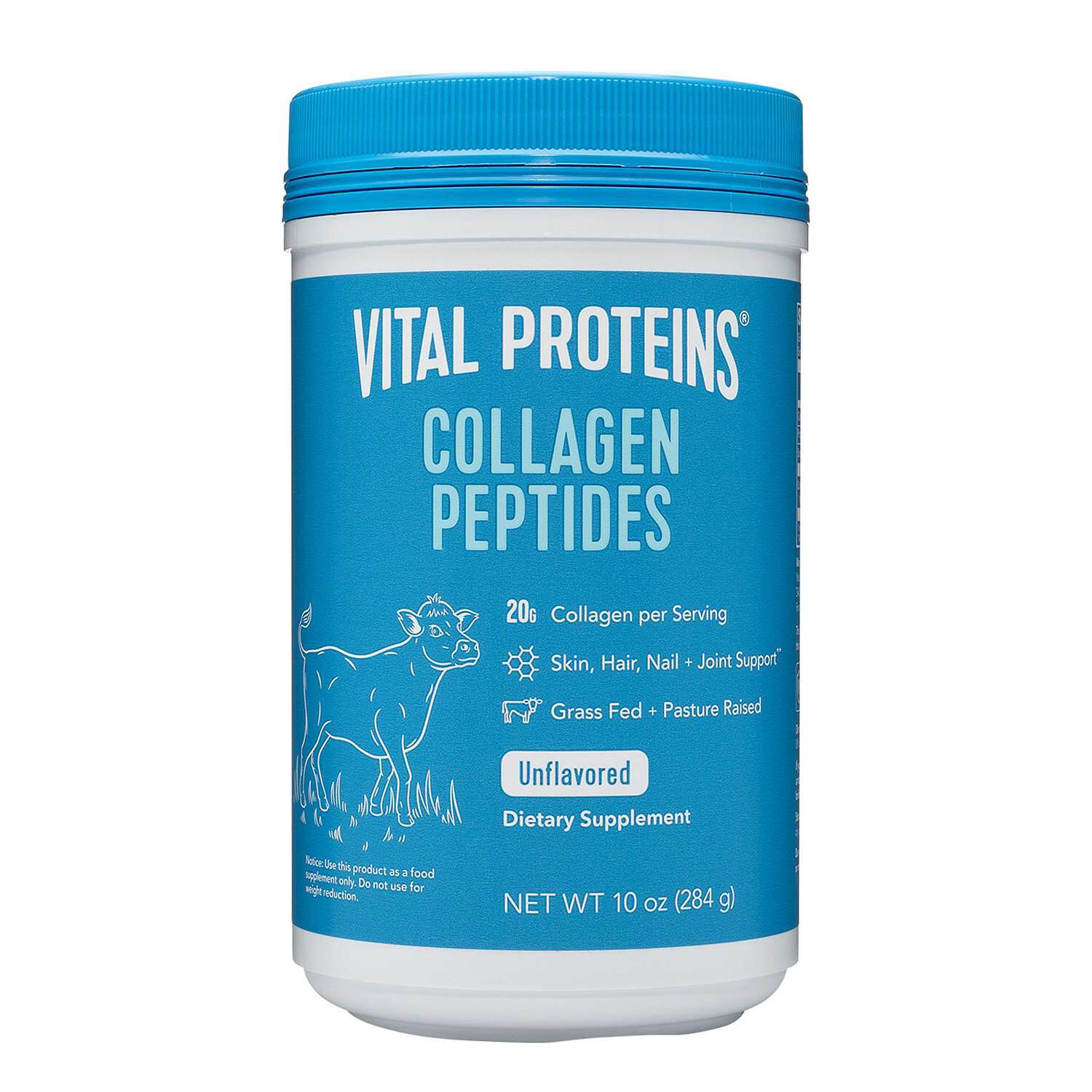
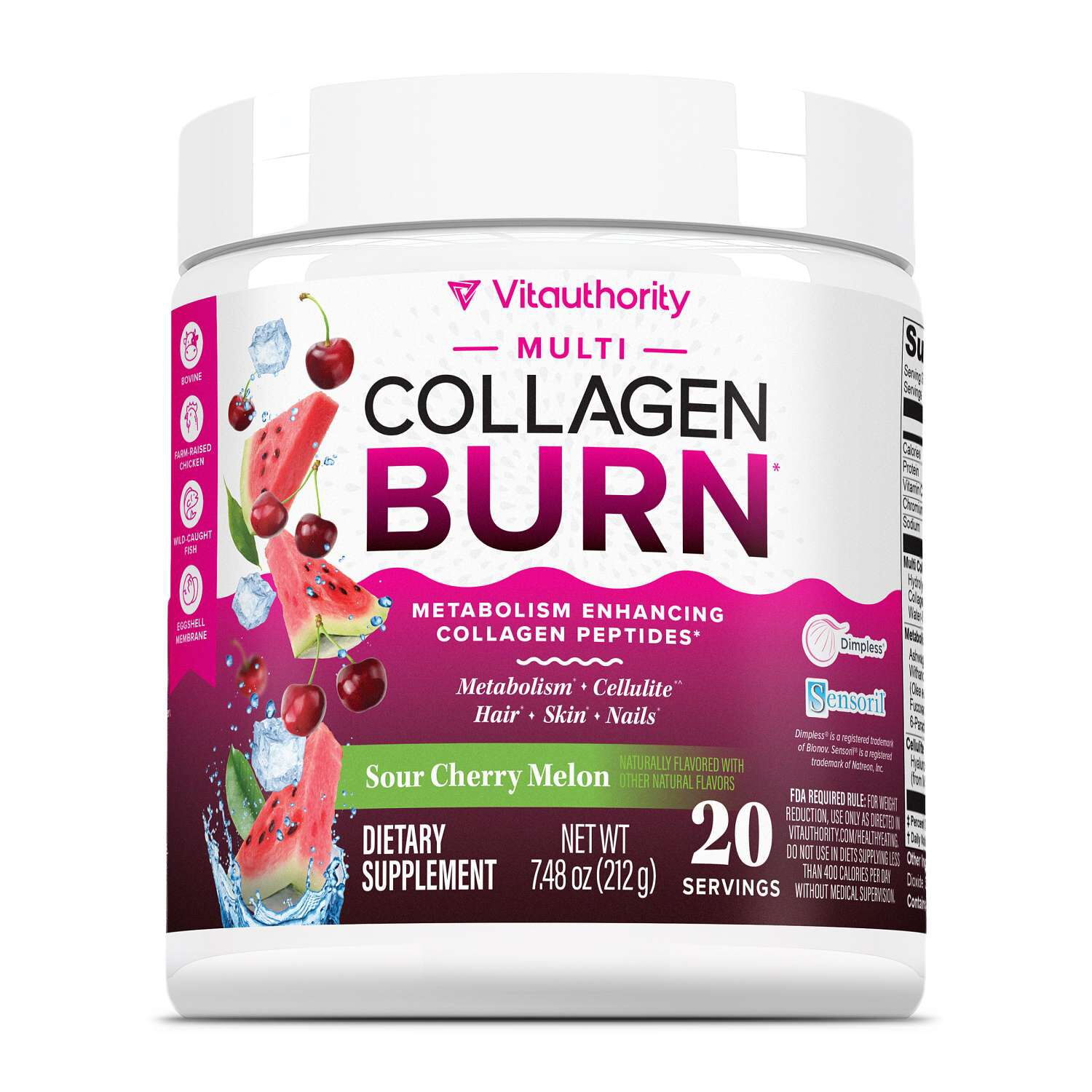
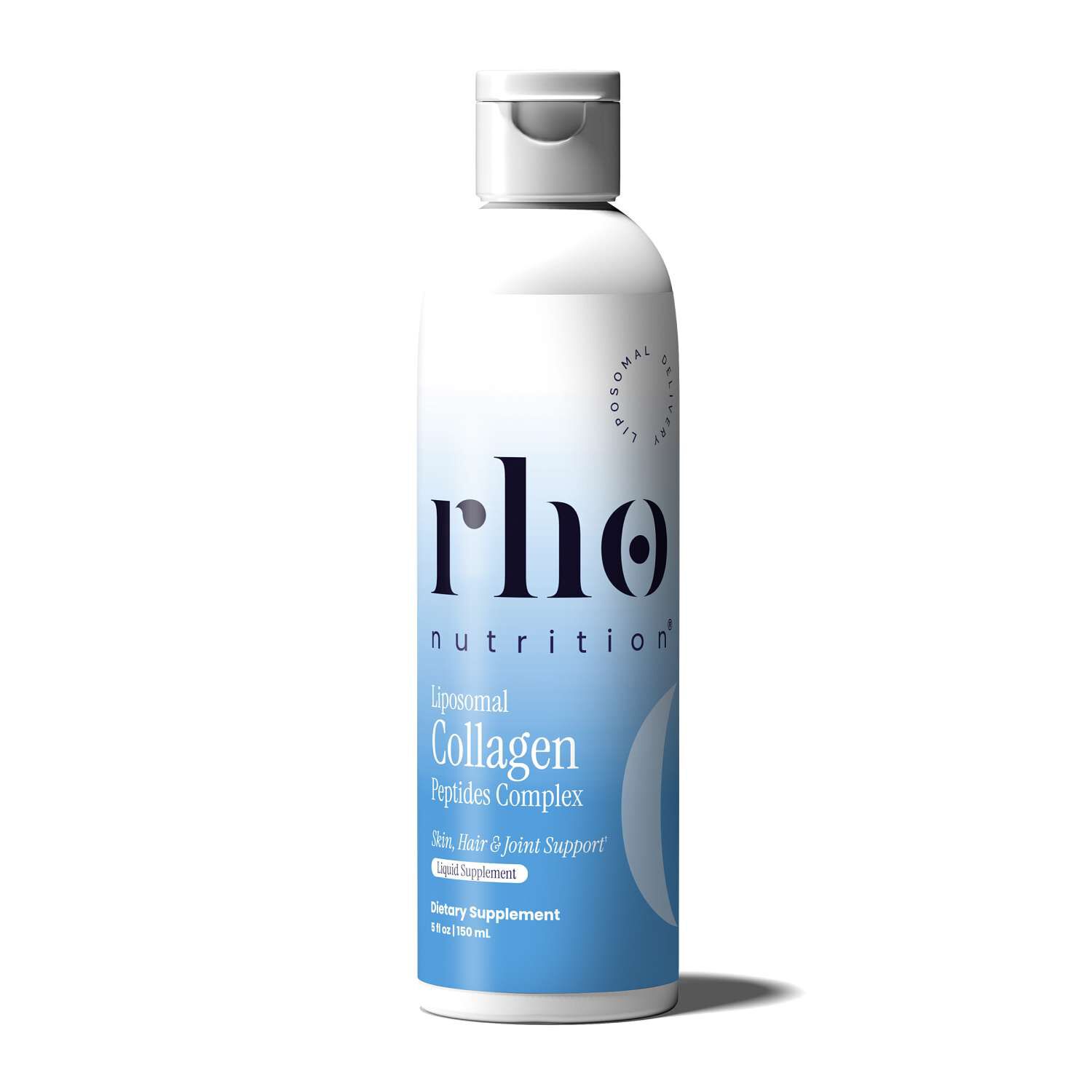
Type III collagen is a fibrillar structural protein naturally present in skin, blood vessel walls, and other connective tissues, often alongside type I collagen. Its fibers form part of the flexible framework within these tissues. At the molecular level, type III collagen consists of three identical protein chains arranged in a triple helix. That biological background helps explain the terminology on supplement labels, but collagen in the body and collagen prepared for dietary use are not the same thing. Type III collagen supplements commonly feature collagen sourced from bovine tissue, often paired with type I in the same formula. Bovine collagen is derived from cattle, with hides being a common source. Marine collagen generally emphasizes type I, so a marine source statement alone does not establish that a formula contains type III. The collagen type, animal source, and preparation method each describe a different aspect of the ingredients. Roman numerals identify collagen types rather than quality rankings, serving strengths, or a sequence that shoppers need to follow. Many formulas use hydrolyzed collagen, also called collagen peptides, which has undergone processing to divide larger collagen proteins into smaller fragments. Hydrolyzed describes that processing; it does not identify the animal source or collagen type by itself. Digestion further reduces dietary collagen into amino acids and small peptides, rather than transporting intact type III fibers directly to skin or another specific tissue. For that reason, a type designation is best understood as information about the source material, not a statement about where the supplement will go. This category may interest adults comparing collagen sources, adding variety to a protein routine, or seeking a format that fits their existing eating habits. The most useful distinctions remain concrete: which collagen types are identified, how the collagen is sourced, how much is included per serving, and what else appears in the formula. Those details give type III collagen powders and capsules context beyond the wording on the front of a container.
Format makes a practical difference when considering how type III collagen might fit into an ordinary day. A powder may suit someone who already prepares a breakfast smoothie, stirs yogurt into a bowl, or keeps a shaker bottle nearby. Unflavored versions may fit a wider range of foods and drinks, although unflavored does not necessarily mean without a noticeable taste or aroma. Flavored powders may be a better match for a dedicated beverage, particularly when the flavor pairs naturally with the chosen liquid. Mixing directions matter because particle size, added ingredients, and the amount of liquid may influence texture. Some powders may disperse with a spoon, while others may need more stirring or a blender to produce a smoother mixture. A dense smoothie and a clear drink also create different expectations for mouthfeel. Capsules may appeal to adults who prefer not to add another flavor or texture to food, but the number of capsules listed for one serving deserves attention. A capsule serving and a scoop of powder should not be assumed to contain the same amount of collagen. Serving weight, collagen content, and servings per container describe separate measurements, and scoop size alone is not a reliable basis for comparison. Depending on the formula, the listed serving may include flavorings or other ingredients in addition to collagen. Packaging is another everyday consideration: a broad opening may make a powder easier to portion, while a compact bottle may fit more neatly in a cabinet. For storage, the directions on the label take priority. A firmly closed lid and a clean, dry scoop may help limit moisture exposure and keep powder from clumping. Keeping the original container also preserves access to the ingredient list, preparation directions, lot information, and best-by date. For shared kitchens or busy mornings, those small handling details may make a chosen format more convenient without changing what the collagen type itself means.
Ingredient transparency adds another useful layer when comparing type III collagen supplements. Some formulas center on collagen peptides alone, while others include vitamins, minerals, sweeteners, flavorings, or additional protein ingredients. A shorter ingredient list is not automatically a better match for every shopper, and a longer list does not explain the amount of collagen in a serving. The Supplement Facts panel and ingredient statement provide different pieces of that picture. A blend listing several collagen types may not disclose a separate amount for each one; the overall blend weight should not be read as the amount of type III alone. Source information also matters for dietary preferences. Bovine, fish, poultry, and egg-derived ingredients have different origins, and animal-derived collagen does not fit a vegan eating pattern. Added ingredients may introduce other considerations, including milk, soy, or fish declarations. Statements about sourcing, manufacturing, or independent testing are most informative when they identify what was assessed rather than relying on broad descriptions. Documentation concerning identity and composition serves a different purpose from a claim about a product’s effects. Collagen also has a different amino acid profile from many other dietary proteins, so equal gram amounts do not make all protein sources nutritionally interchangeable. Adults browsing across collagen categories may also encounter Type II Collagen Peptide Supplements. Type II is associated primarily with cartilage, whereas type III occurs alongside type I in several connective tissues; the categories should not be treated as interchangeable simply because both use the word collagen. Source, preparation, serving amount, and accompanying ingredients remain relevant within either category. For someone who prefers a straightforward addition to an established routine, a clearly labeled collagen formula may offer a more practical fit than a complex blend with ingredients they do not want. For someone who values a particular flavor or serving format, preparation and texture may carry more weight. A useful comparison brings those preferences together with accurate source information, readable labeling, and realistic expectations about what a dietary collagen supplement represents.
Best Sellers
-
Ancient Nutrition
-
Vital Proteins
Related Pages

Top Collections
- Joint Mobility Supplement Packs
- Daily Collagen Supplements | Top Brands & Deals | GNC
- GLP 1 Support For Adults
- Zinc Supplements | Top Brands at Great Prices | GNC
- Supplements For Yoga Joint Flexibility
- Supplements For Balance
- Capsule Supplements For Energy And Stamina
- Adult Mobility Supplements
- Chronic Fatigue Supplements
- Vitamins For Hair Loss