





Collagen Types 1 2 3 Supplements | Top Brands | GNC
(0 Results)
Collagen Types 1, 2, and 3 might be key players in supporting your body's natural structure and vitality. Known for their potential to promote healthy skin, joints, and connective tissues, these collagen types could be a valuable addition to your wellness routine. Type 1 collagen may support skin elasticity and hydration, while Type 2 might focus on joint health. Type 3 collagen could complement Type 1 by aiding in the overall structural integrity of various tissues. Incorporating these collagen supplements into your daily regimen could help you maintain a youthful appearance and active lifestyle. Explore the possibilities of what collagen can do for you today!
-
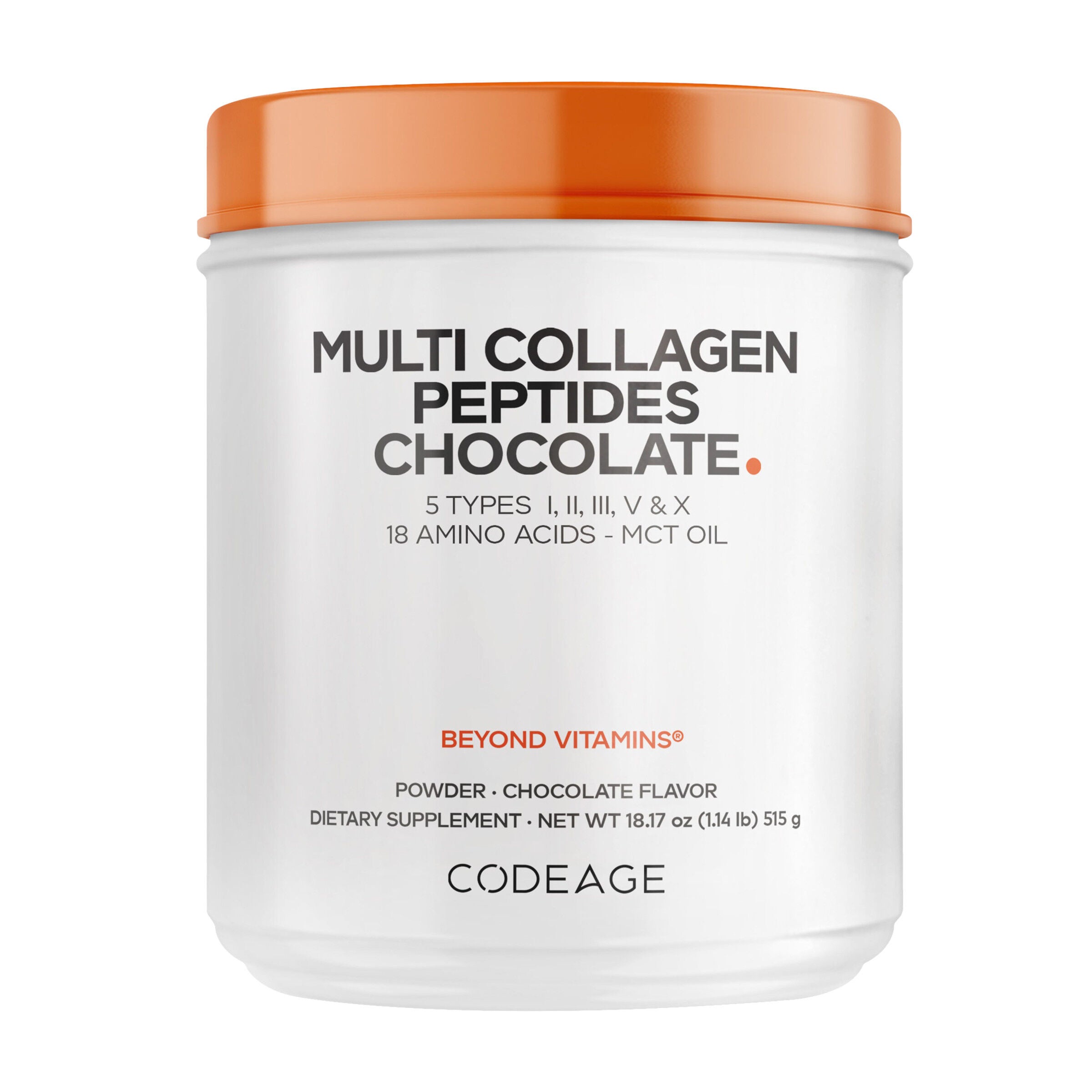
-

-
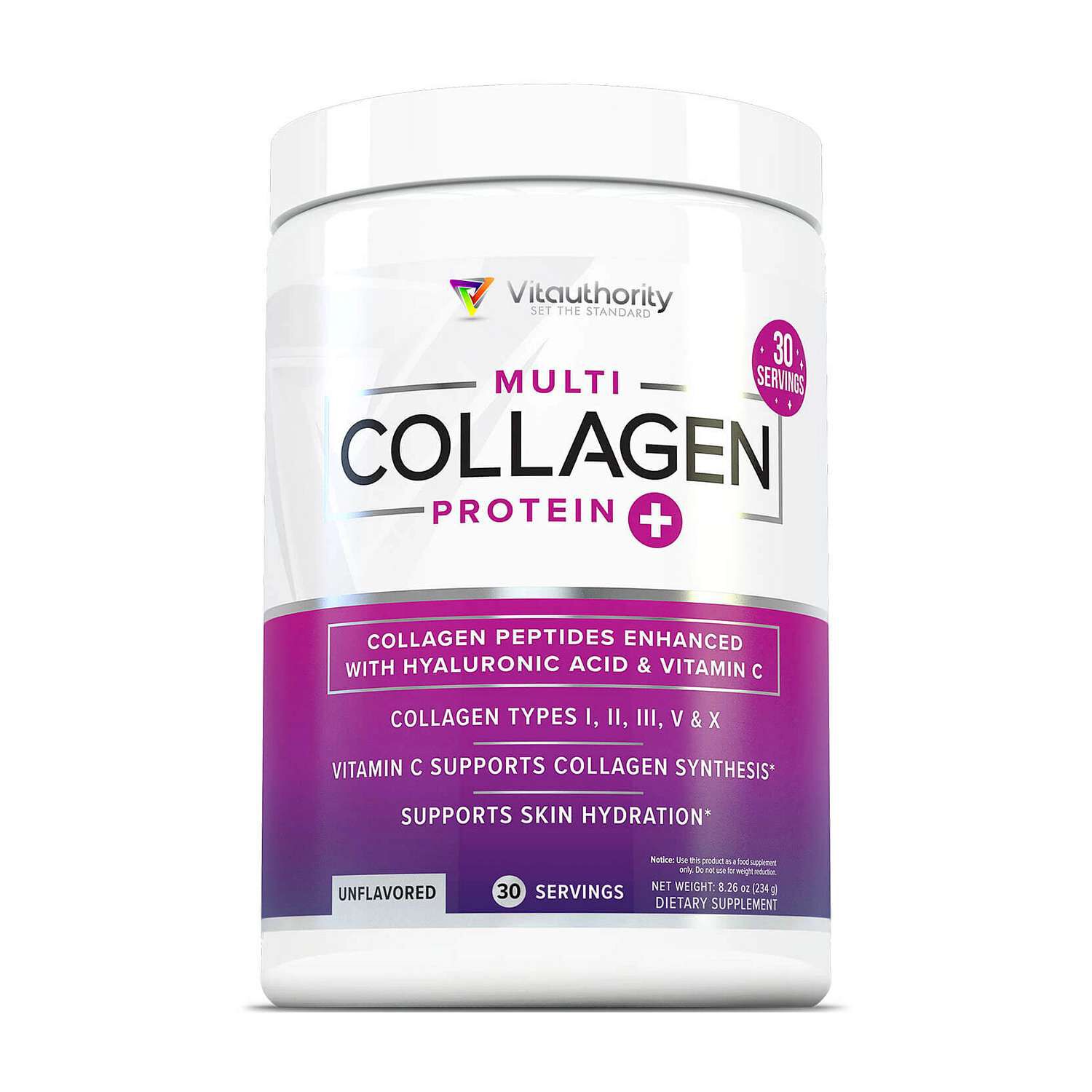
-
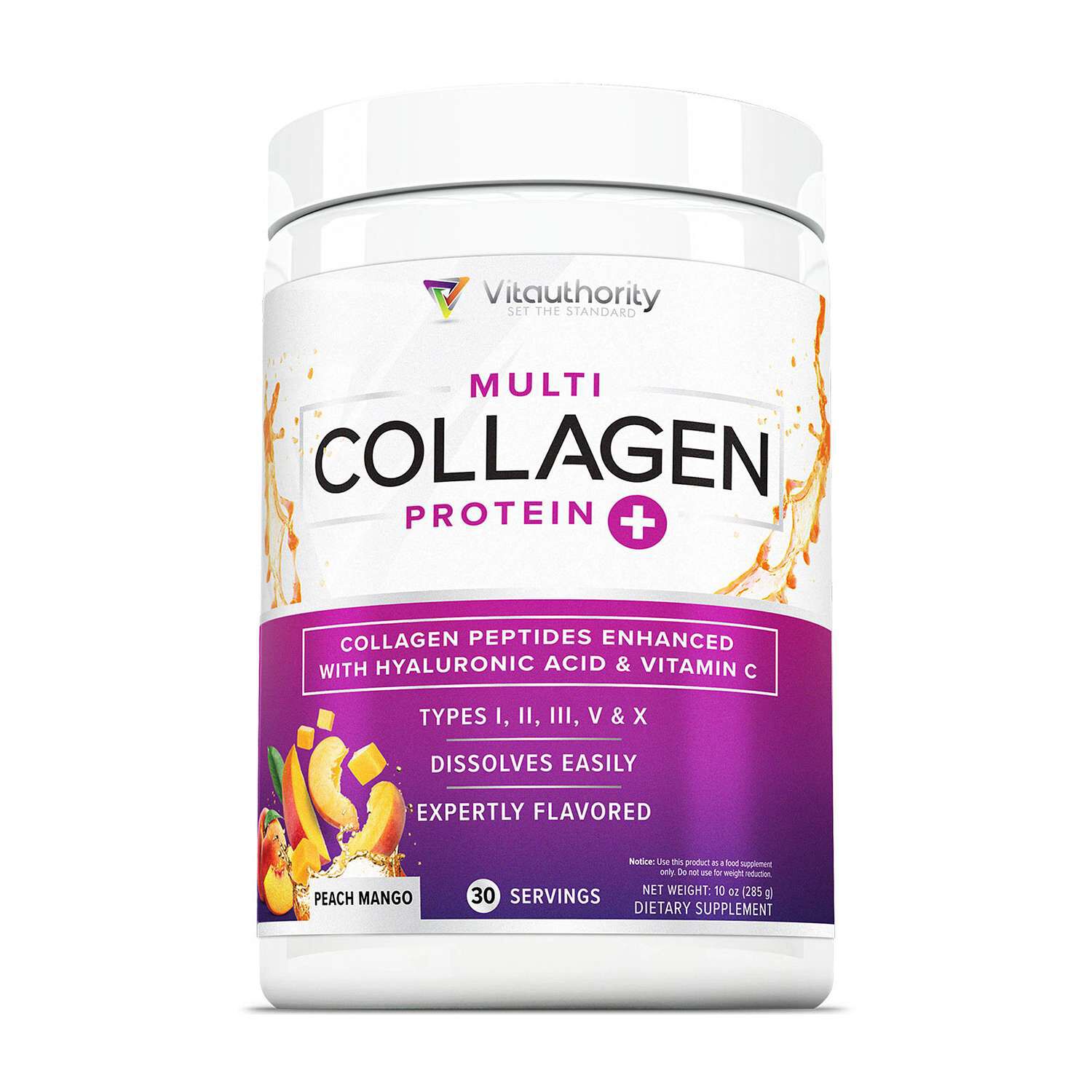
-
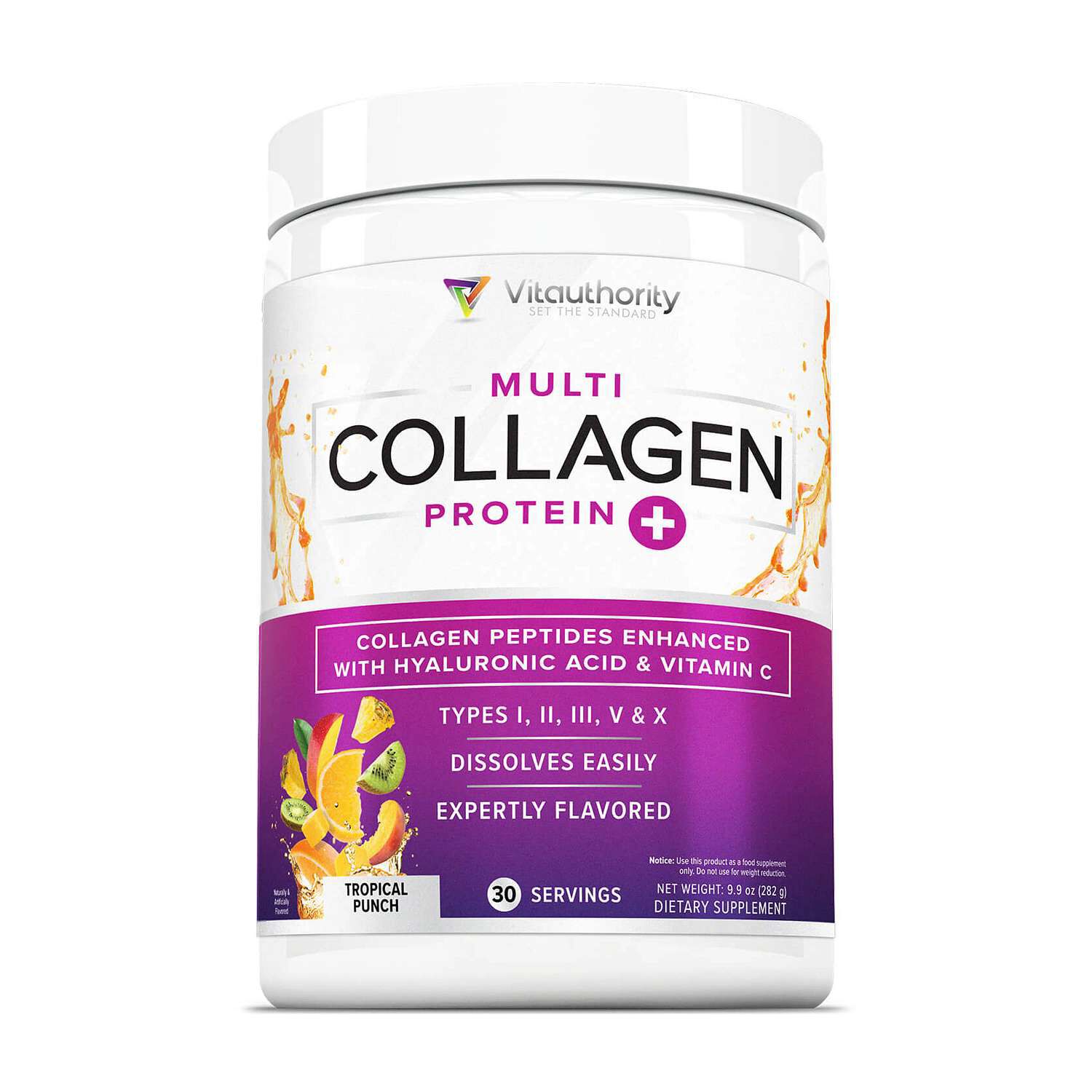
-

-
-

-
 44$44.99
-
-
-
-
-

-

-
-
-
-

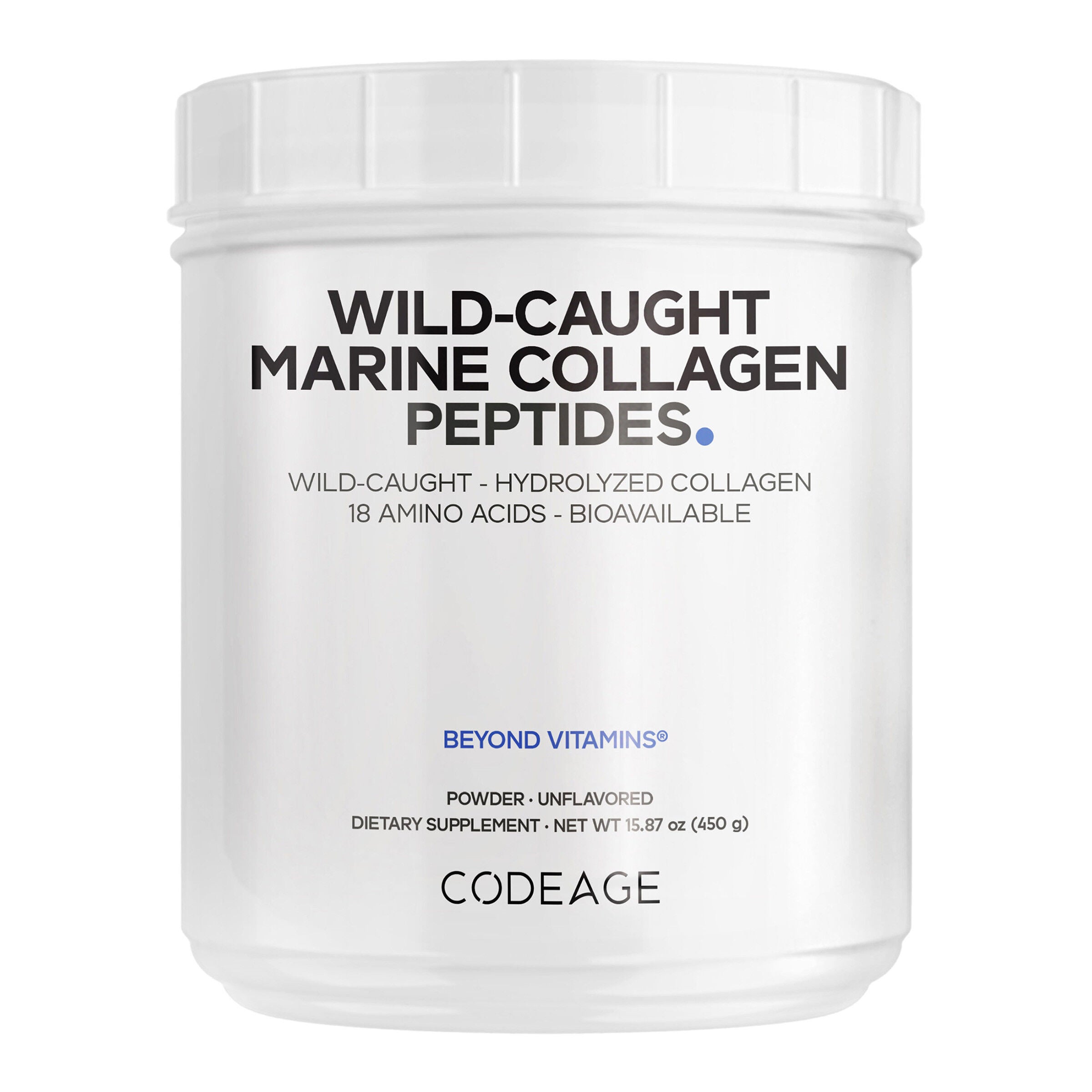

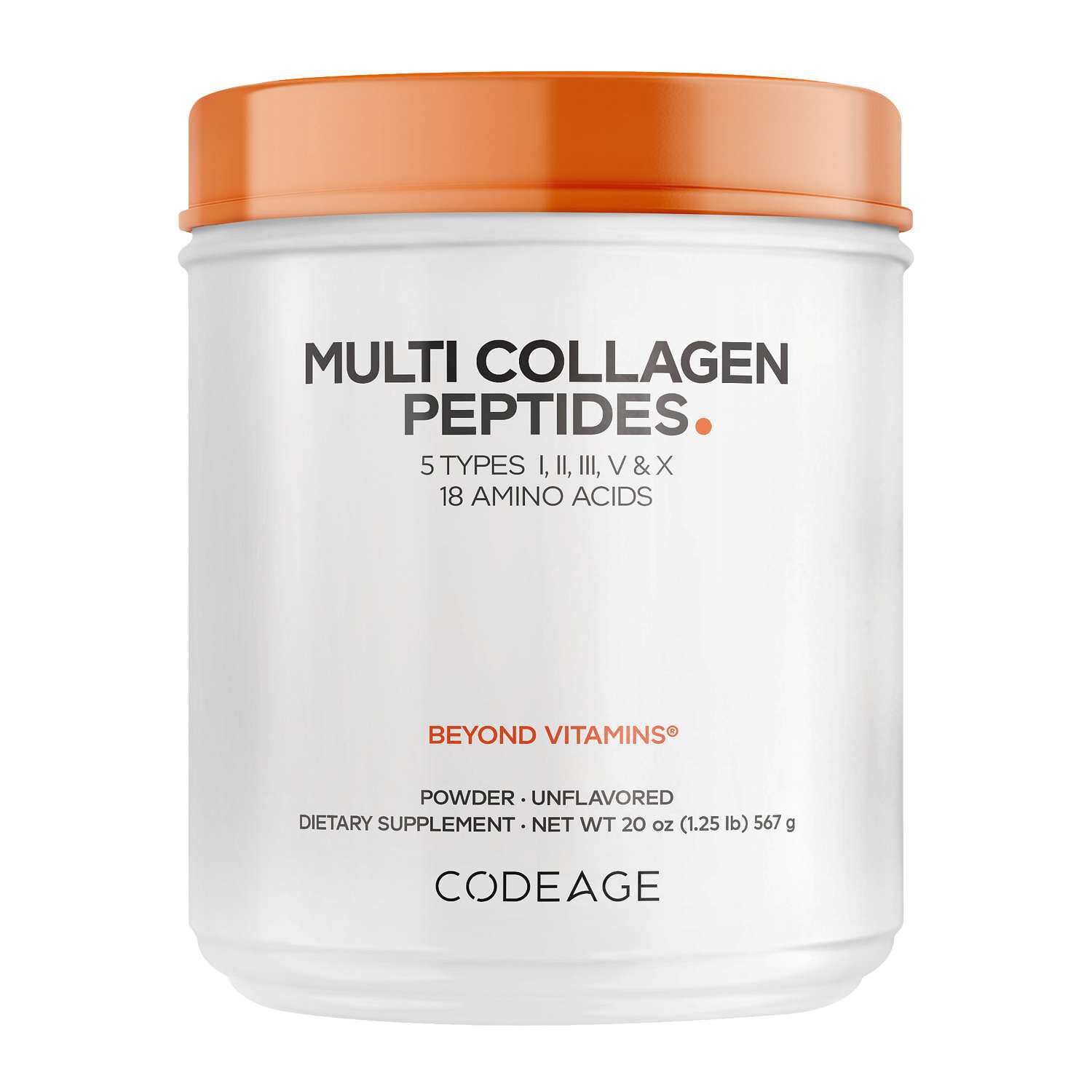
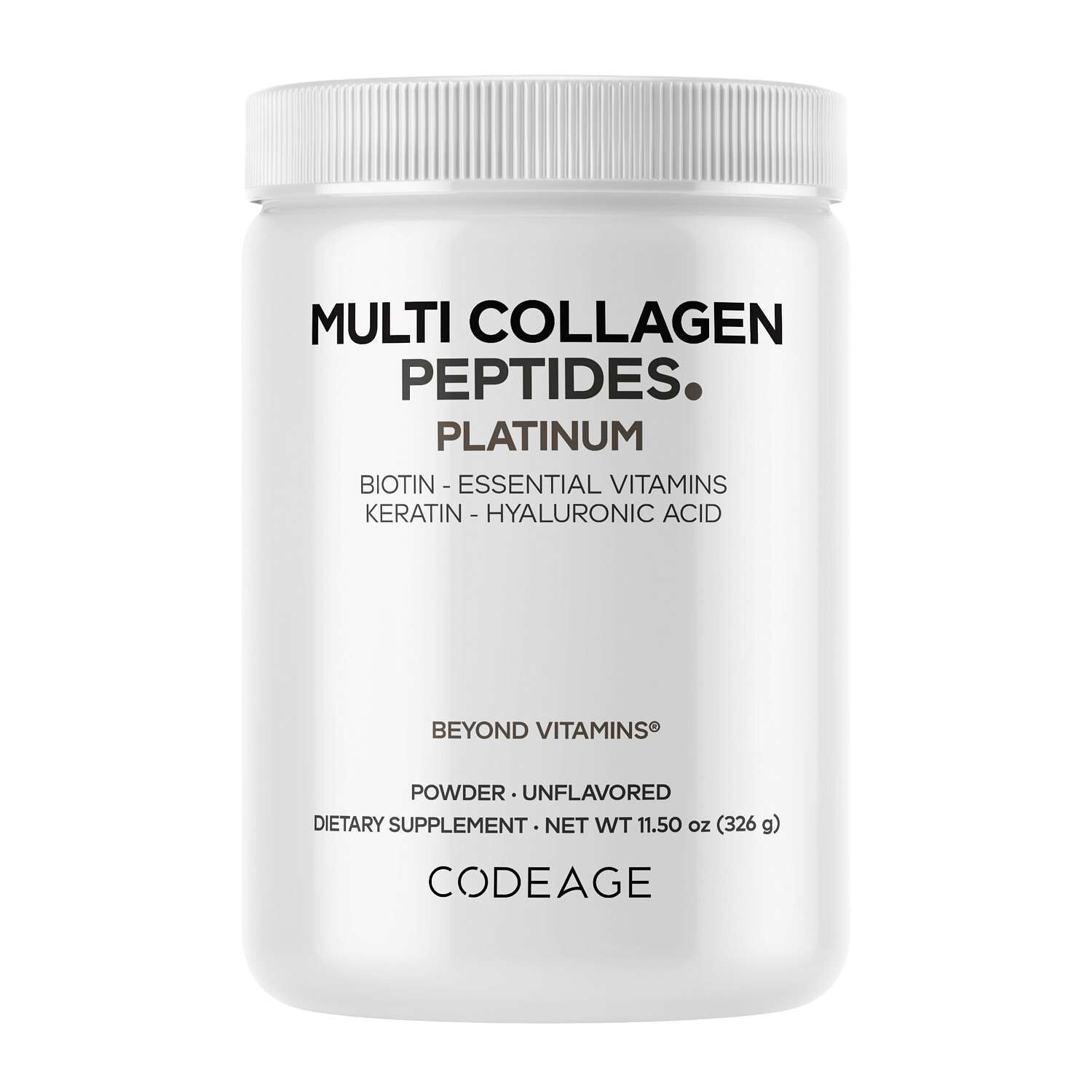
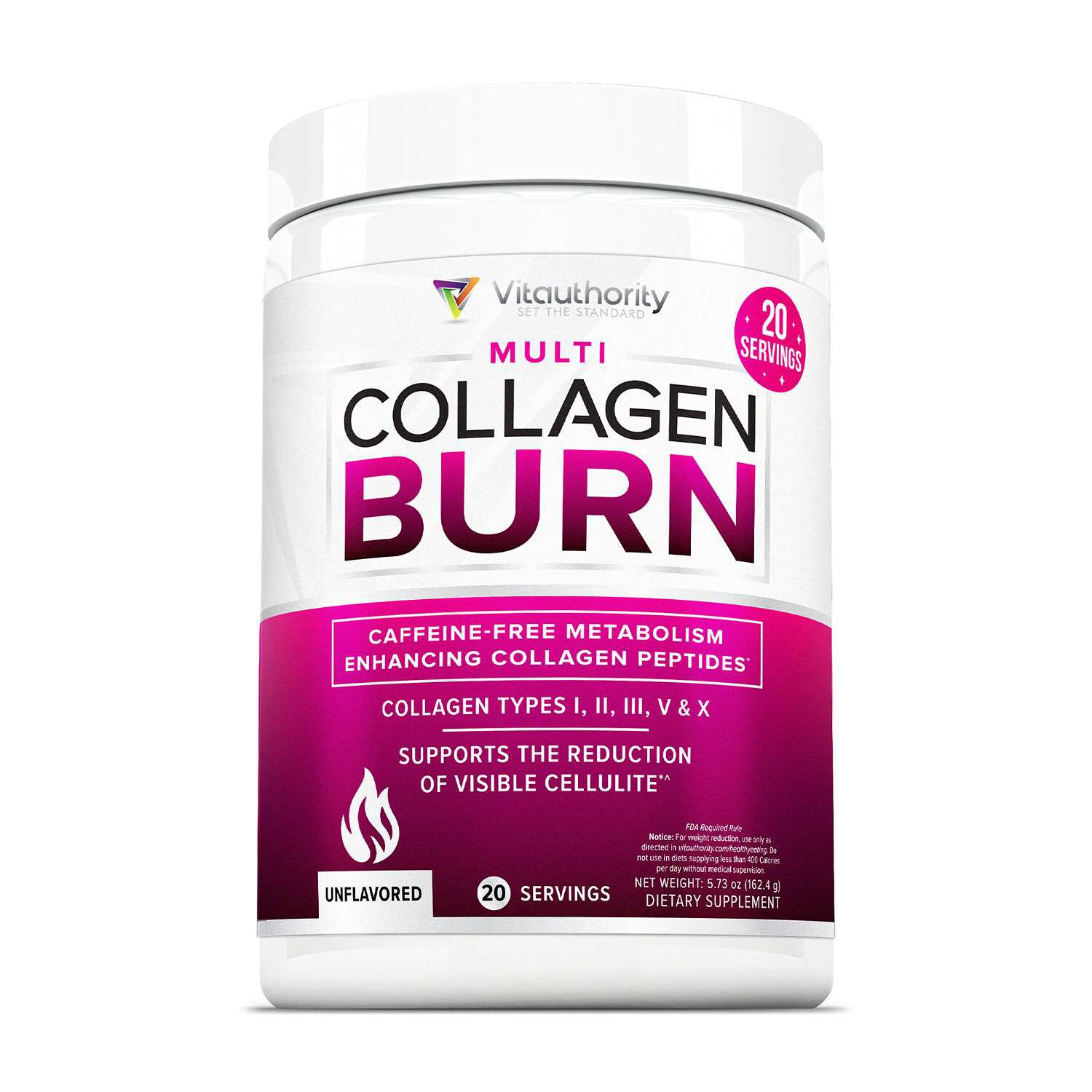
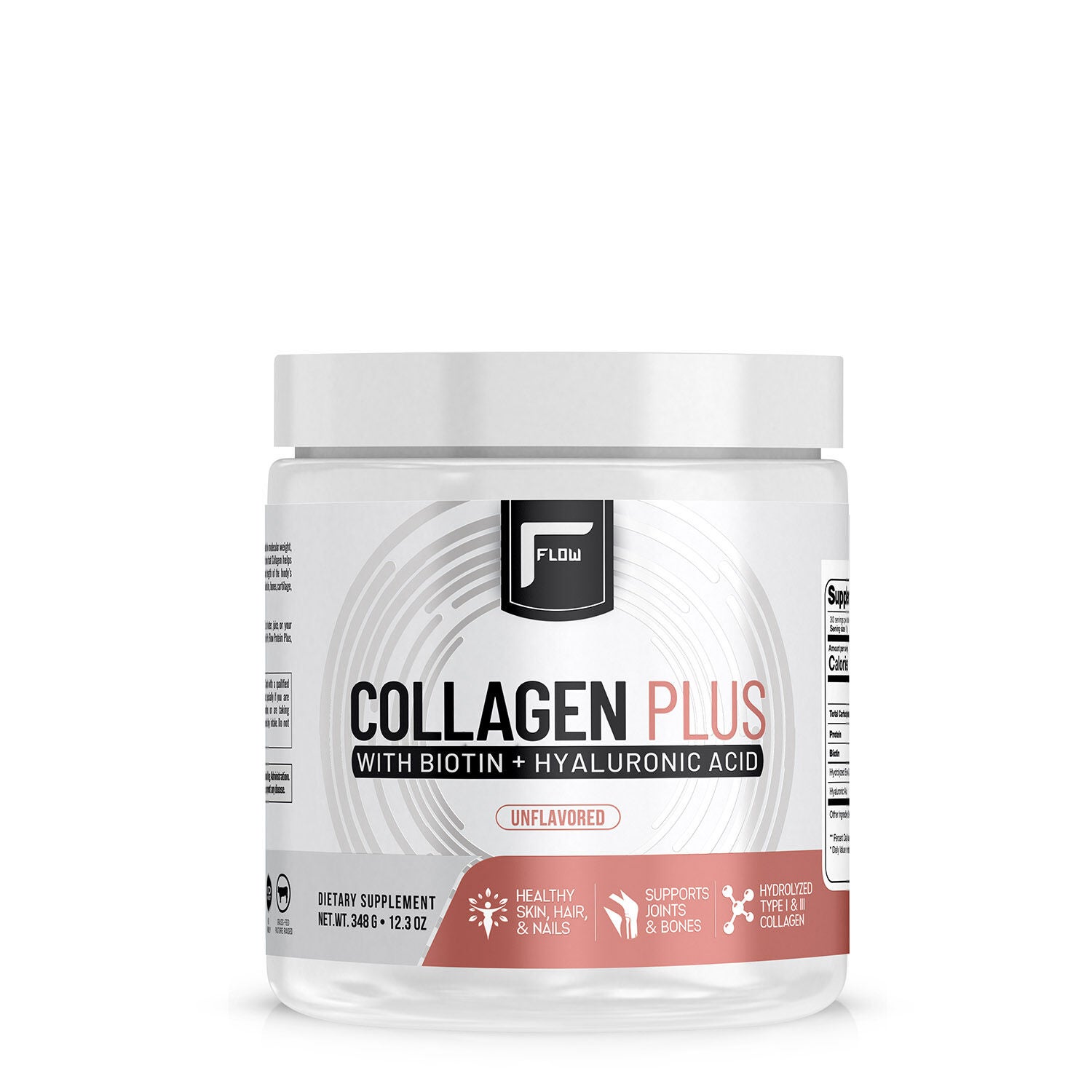
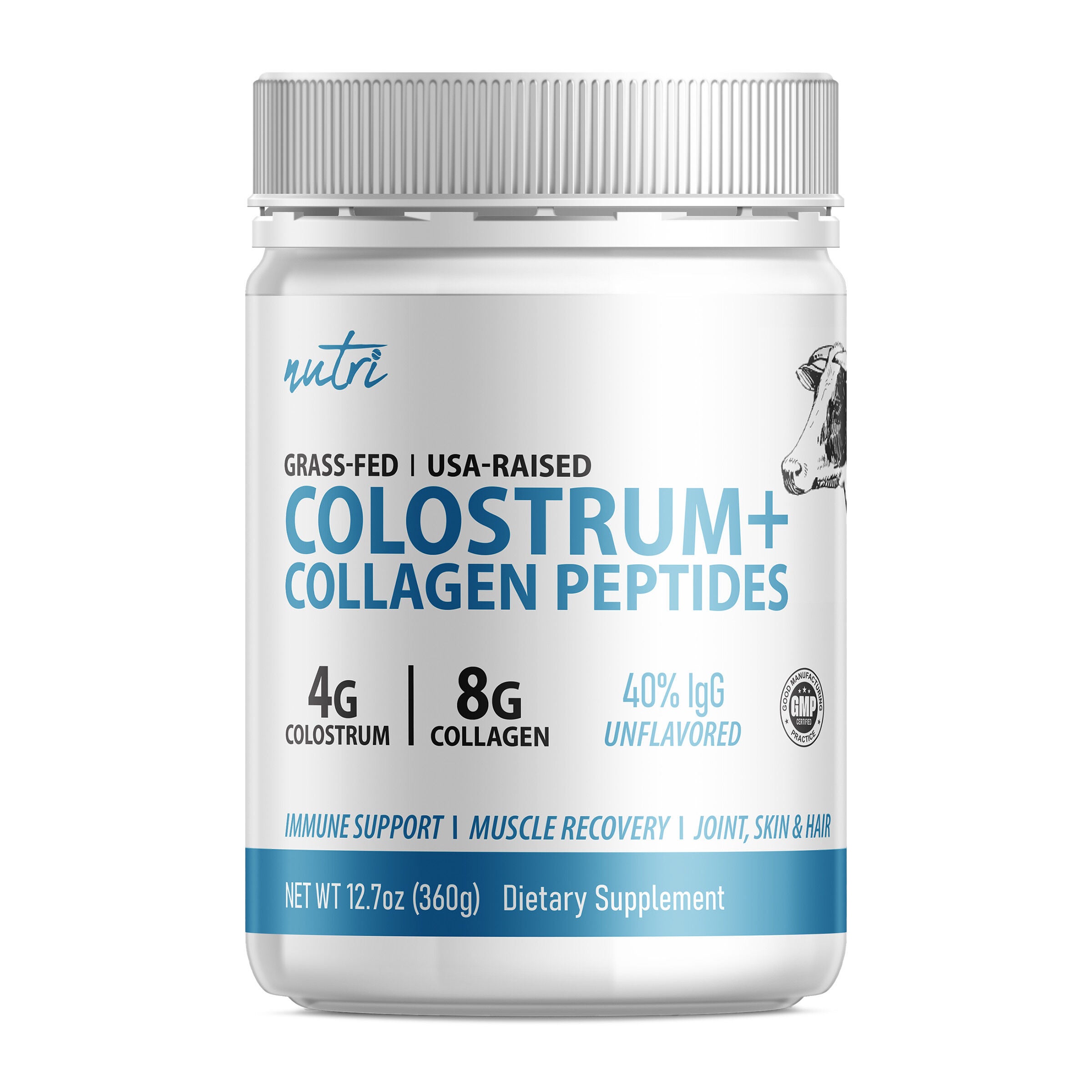
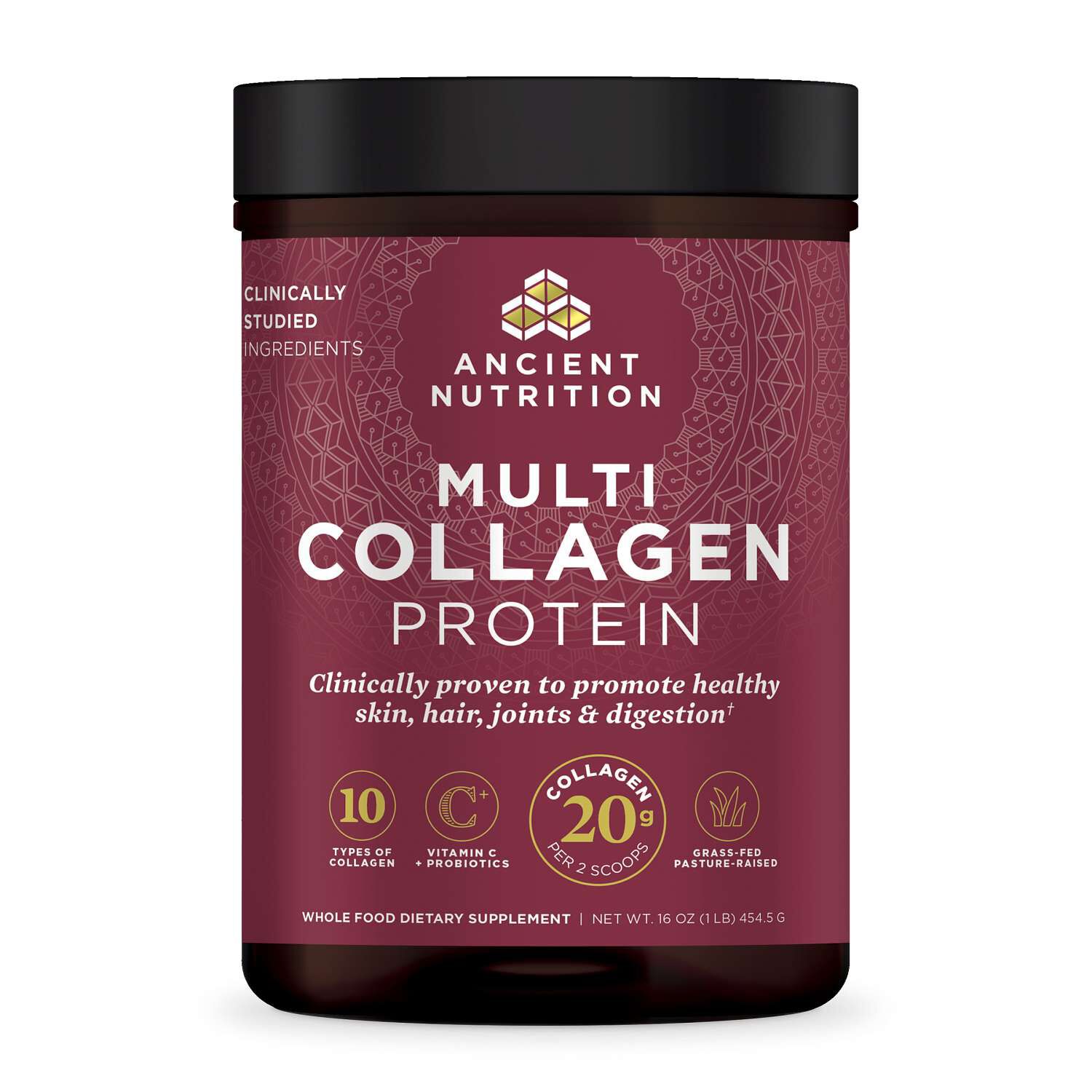
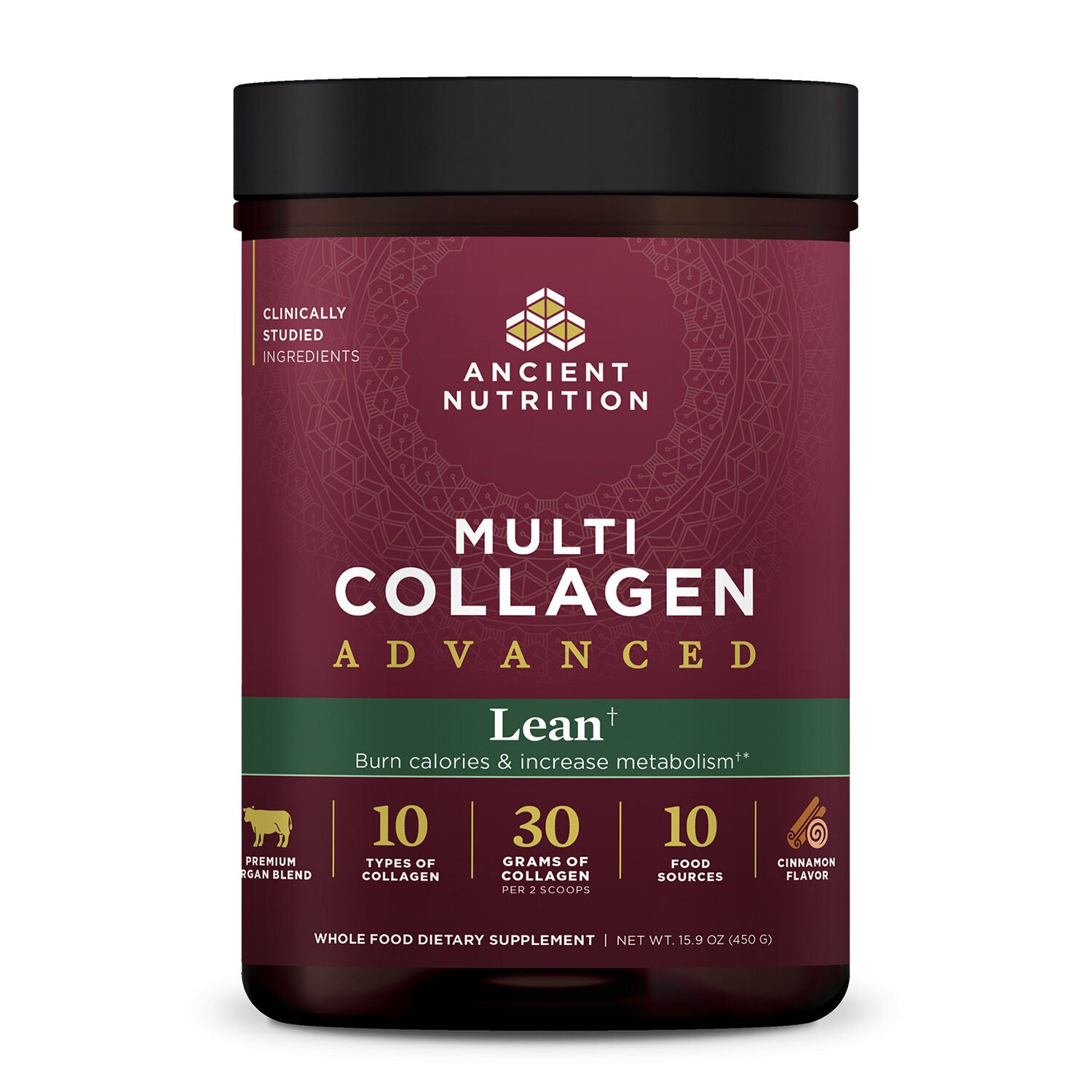
Collagen types 1, 2, and 3 supplements cover several collagen sources and formats, with differences that matter when comparing labels. The numbers identify distinct forms of collagen, not quality rankings or a progression from basic to advanced. In the body, type 1 collagen is found in skin, bones, tendons, and other connective tissues. Type 2 collagen is a major component of cartilage, while type 3 occurs alongside type 1 in skin and is also found in blood vessels and other tissues. These natural locations provide context for the types featured in supplements, but a collagen type alone does not establish what someone will experience from taking it. Bovine collagen commonly supplies types 1 and 3, fish-derived marine collagen commonly supplies type 1, and chicken cartilage is a common source of type 2. The exact profile depends on the ingredient, so the source and collagen types listed on the package deserve separate attention. A multi-collagen formula may combine several sources, while another formula may focus on a single source or type. For a closer look at that category, browse Type 1 Collagen Supplements. Processing is another useful distinction: hydrolyzed collagen, also called collagen peptides, has been processed into smaller protein fragments. Undenatured type 2 collagen is a different ingredient form and should not be compared with collagen peptides by serving weight alone. A larger gram amount does not, by itself, establish that one formula is a better match than another. When comparing collagen types 1, 2, and 3 supplements, read the source, ingredient form, and serving information together rather than relying only on the largest number on the front label. That approach is especially helpful when two containers use similar wording but contain different collagen ingredients or serving sizes.
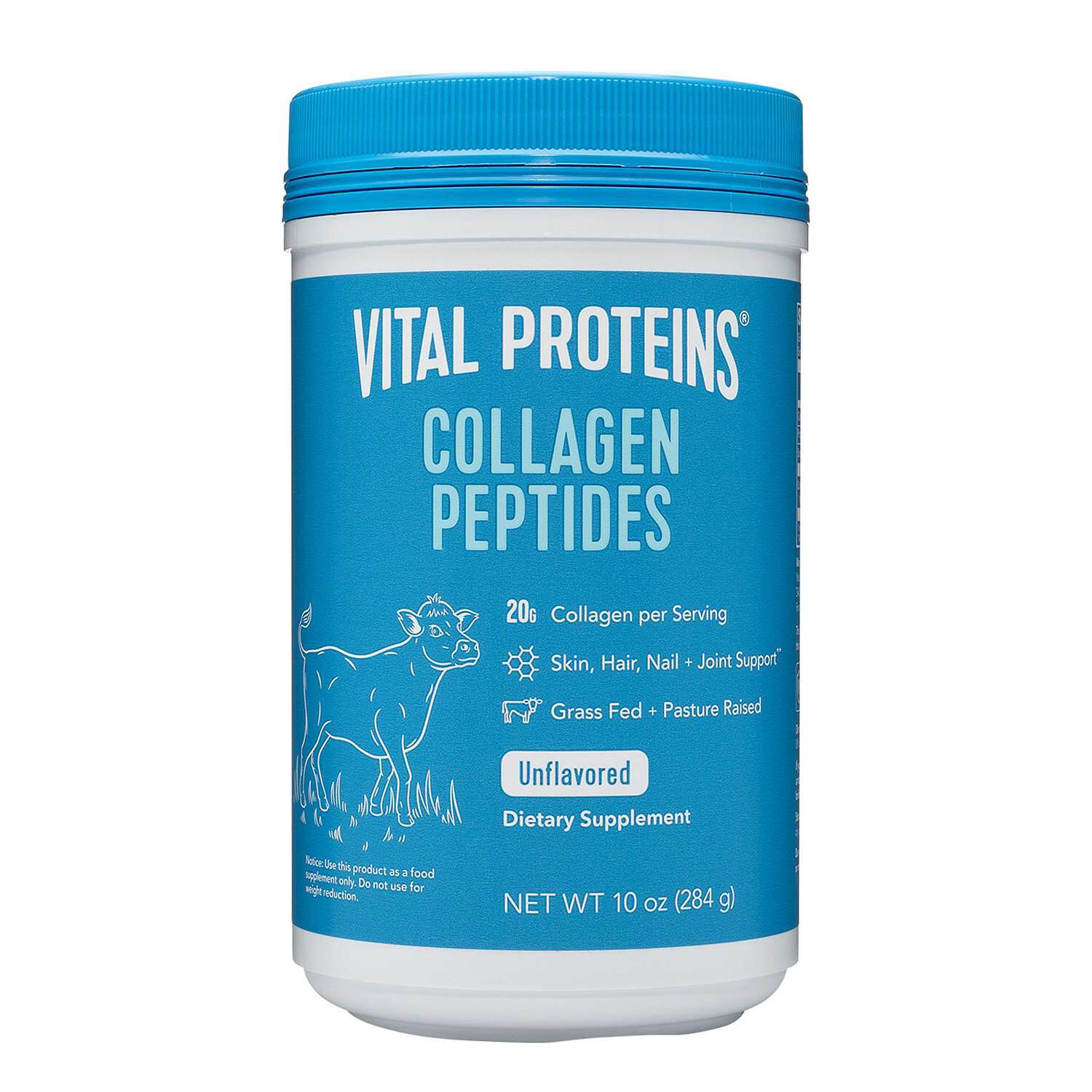
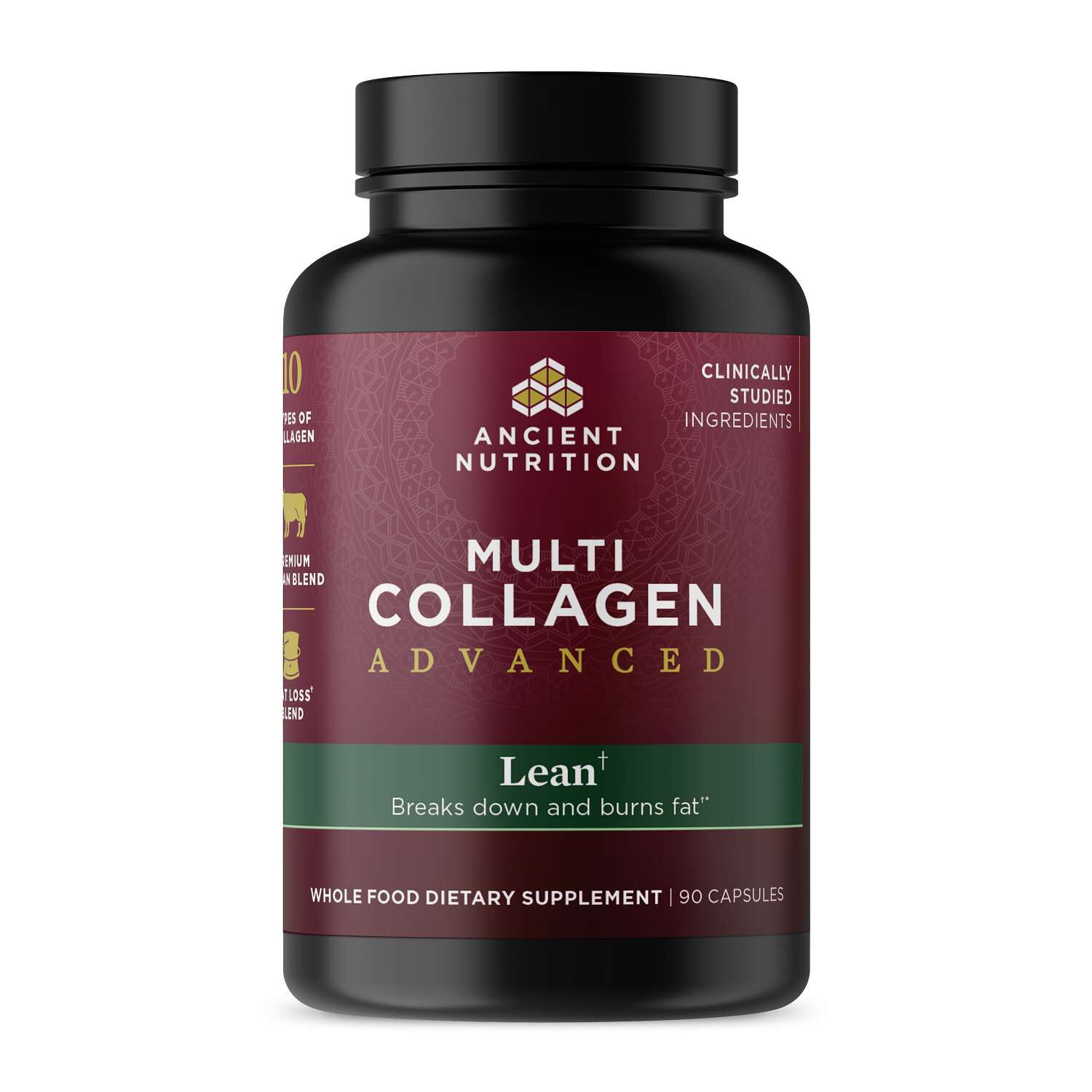
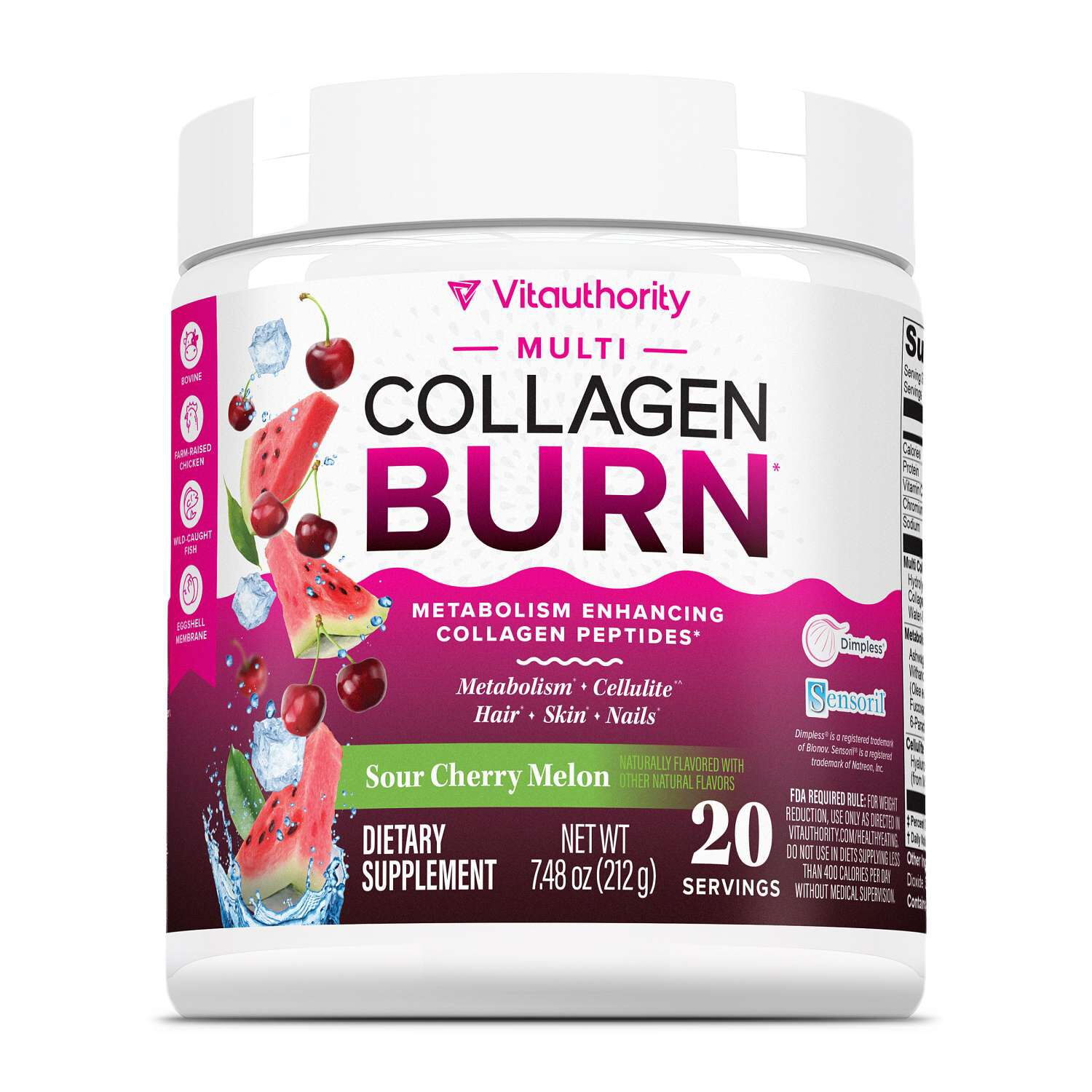
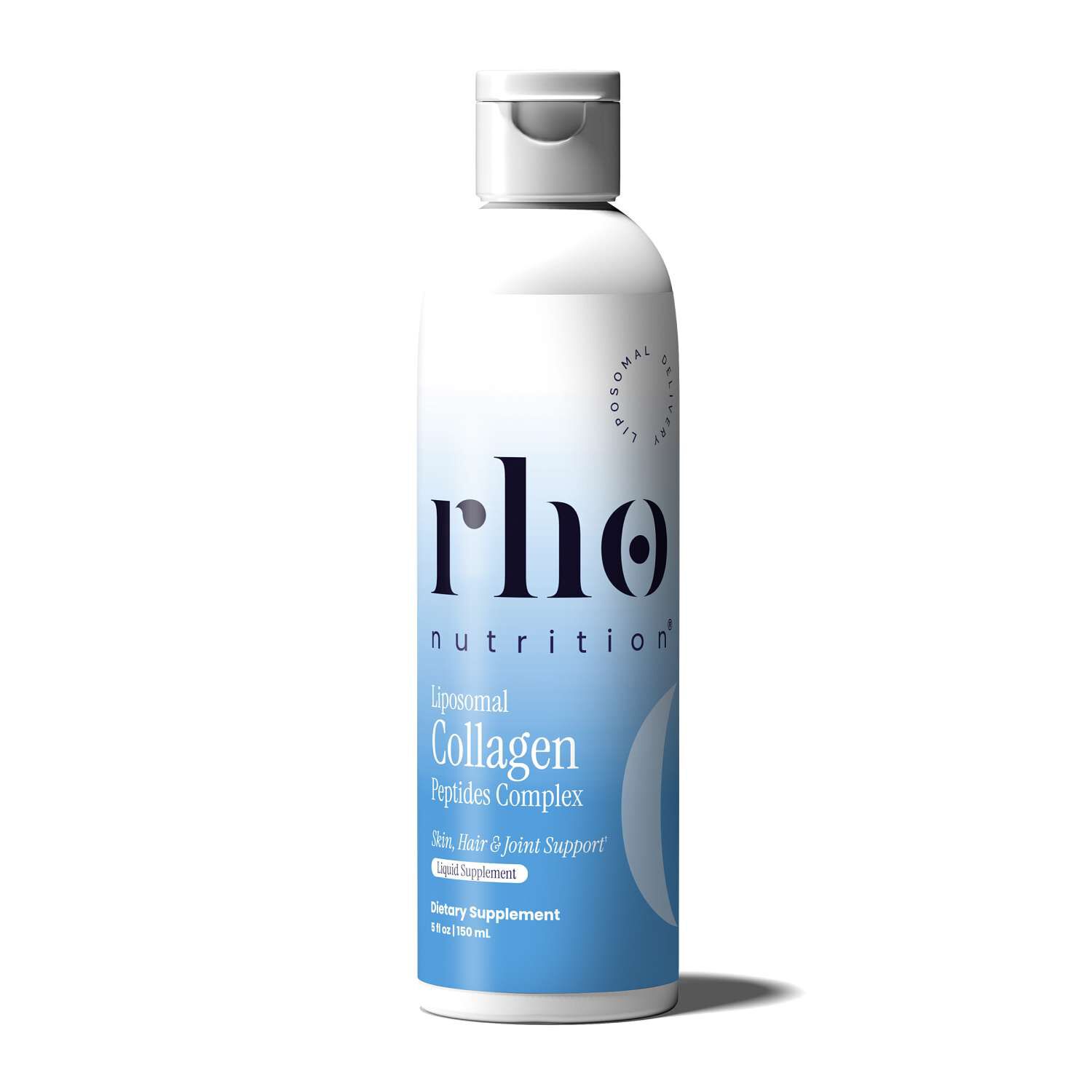
Format is often the next practical consideration, particularly for adults choosing between a powder-based routine and something that requires less preparation. Collagen powder offers flexibility for people who already make coffee, smoothies, oatmeal, or yogurt part of their day, provided the package directions allow those uses. Picture a scoop stirred into breakfast at the kitchen counter versus a container kept beside a shaker bottle for an office lunch: the same format may suit very different schedules. Unflavored powder is worth considering when a drink already has a preferred taste, although unflavored does not necessarily mean undetectable. Ingredient source, serving size, and the food or beverage used may influence the finished taste and texture. Flavored powders bring their own sweetness and flavor profile, so check sweeteners and other ingredients before choosing something intended for frequent use. Mixing directions also matter; some powders call for stirring, while others are better suited to shaking or blending. Capsules and tablets offer a measured format without adding another flavor to a meal or drink, but the serving may involve more than one capsule or tablet. Compare the amount per serving with the number required, rather than assuming that one piece represents the labeled serving. Liquid and chewable formats have their own serving sizes and ingredient considerations, including sugars, sweeteners, and flavorings. Individually portioned packets may suit a work bag or travel routine, while a larger container may be more convenient for preparation at home. Package size alone is not a useful comparison because serving weights and serving counts differ. A powder scoop, a capsule serving, and a liquid measure are not interchangeable ways of expressing the same amount. The most practical choice depends on preparation preferences, portability, taste, and how comfortably the labeled directions fit an established routine—not simply on whether the package says powder, capsule, or liquid.
Beyond collagen type and format, the rest of the label helps clarify what is actually in a formula. Some collagen supplements contain only collagen ingredients, while others include vitamin C, biotin, hyaluronic acid, additional proteins, flavors, or sweeteners. Each addition changes the ingredient profile, making the Supplement Facts panel and ingredient list useful places to compare otherwise similar options. A stated amount for a collagen blend may not reveal the amount of each individual collagen type, so distinguish between information that is specifically disclosed and wording that describes the blend more generally. Animal source matters for dietary preferences as well. Bovine, marine, and chicken-derived ingredients are animal-derived, and the term multi-collagen does not indicate a vegetarian or vegan formula. For fish-derived ingredients, read the allergen statement rather than assuming that the word marine provides every relevant detail. Anyone shopping for another adult should know that person’s ingredient preferences before choosing a supplement as a gift. Collagen may fit a beauty-focused wellness routine or an interest in connective-tissue nutrition, but those interests do not replace a careful look at the formula. Its amino acid profile also differs from that of many other dietary proteins, so collagen should not be treated as interchangeable with every protein powder or as a replacement for varied meals. For quality comparisons, look for clear sourcing information, readable serving details, and any stated independent testing information rather than relying on broad front-label descriptions. Once a format is selected, everyday handling deserves attention, too. Follow the package’s storage directions, keep closures secure, and use a clean, dry utensil for powders. Store the container away from moisture and check the date and any instructions that apply after opening. Choosing a package size that matches the labeled serving schedule may make storage and routine use more manageable. Taken together, collagen type, source, processing, serving format, and ingredient transparency offer a grounded way to compare collagen supplements without assuming that every formula serves the same preferences.
Best Sellers
-
Ancient Nutrition
-
Vital Proteins
