Urinary Probiotics
(0 Results)
Maintaining urinary health is crucial for overall well-being, and incorporating urinary probiotics into your daily routine can be a game-changer. These specialized probiotic supplements are formulated to support a healthy urinary tract by promoting a balanced microbiome. By introducing beneficial bacteria into your system, urinary probiotics can help maintain a harmonious environment in your urinary tract, potentially reducing discomfort and supporting optimal function. Explore our range of urinary probiotics designed to promote urinary wellness and enhance your quality of life.
-
$56.99
-
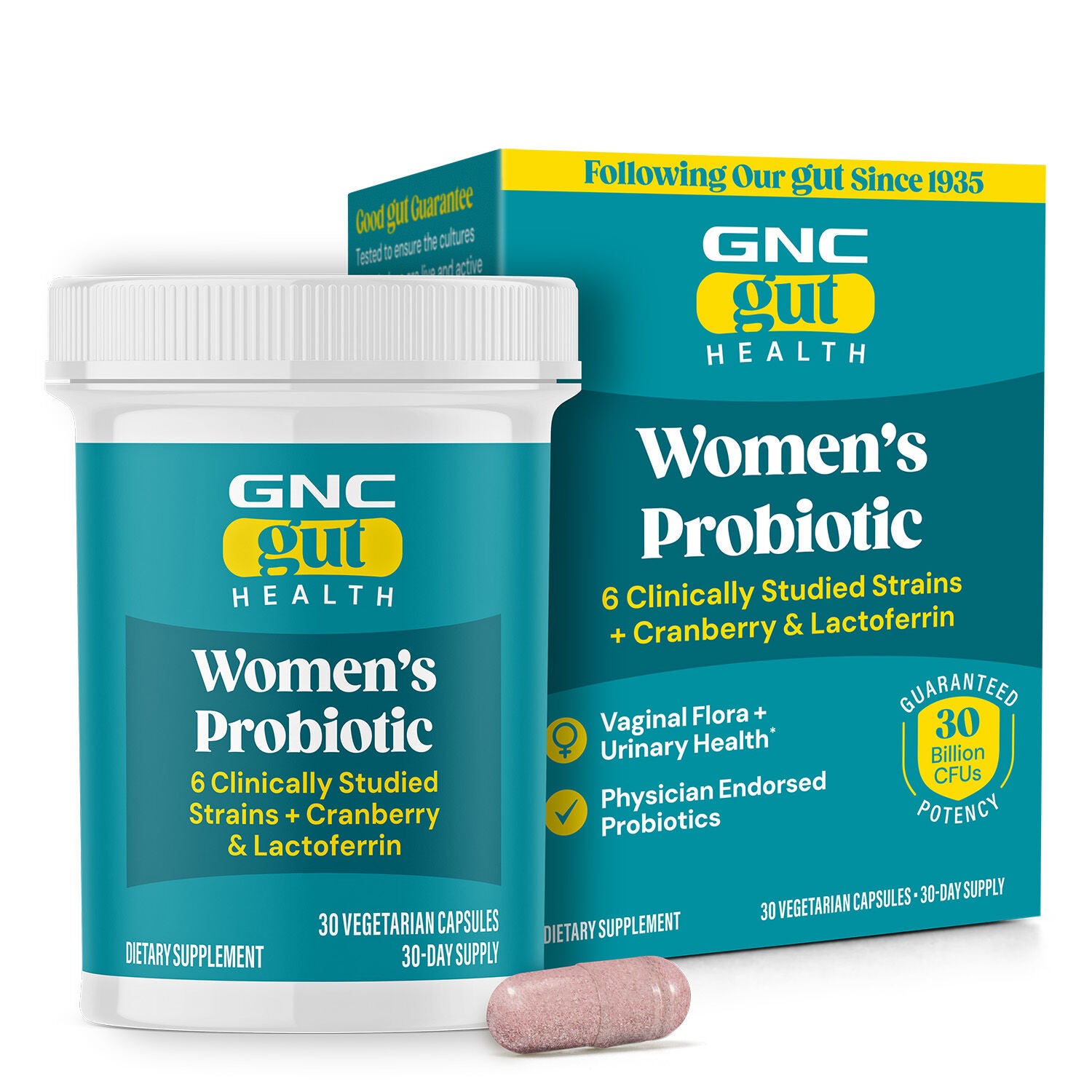 $36.99


Urinary probiotics are dietary supplements formulated with selected live microorganisms and marketed for urinary wellness. The category name describes an intended wellness focus, not a standardized ingredient list, so formulas can differ in their cultures, serving sizes, companion ingredients, and suggested use. Many are oral supplements, with capsules and chewable formats offering different ways to fit a supplement into an established routine. For adults browsing this category, the most informative starting point is the probiotic identification on the package. A genus name, such as Lactobacillus, is only one part of that identification; a species name and a strain designation provide more detail about the microorganisms included. A strain designation often appears as a combination of letters and numbers after the scientific name. That detail matters when comparing two labels that otherwise look similar. A formula labeled for digestive wellness and one labeled for urinary wellness may both contain live cultures, but their ingredient lists are not necessarily alike. Probiotic quantities are commonly expressed in colony-forming units, or CFUs, which describe viable microorganisms capable of forming colonies under specified conditions. The number should be read alongside the serving size and the label’s explanation of when that count applies. Some labels state a count at manufacture, while others specify a count through the expiration date when stored as directed. A larger number alone does not describe the strains, the accompanying ingredients, or the suitability of the serving format for someone’s preferences. Likewise, a blend containing several strains is different from a formula centered on one identified strain, but the strain count is only one comparison point. Clear labeling makes these distinctions easier to see. For a shopper moving between urinary probiotics and broader probiotic categories, reading the scientific names, CFU statement, intended audience, and serving information together offers a more useful comparison than relying on the front label alone. The same approach applies to formulas labeled for women: that wording identifies a target audience, while the detailed panel explains what is actually inside.
Cranberry is a familiar companion ingredient in urinary wellness supplements, although cranberry and probiotics are different types of ingredients. Cranberry contributes fruit-derived components, while the probiotic portion consists of identified live microorganisms. Browsing Cranberry Probiotic Supplements offers another way to explore this combination while keeping those distinctions in view. A cranberry ingredient may be listed as fruit powder, juice powder, or an extract, and the amount printed beside it does not tell the entire ingredient story. An extract description may include a ratio or a stated amount of proanthocyanidins, often abbreviated as PACs. Those details describe different aspects of the cranberry ingredient, so a milligram amount for cranberry powder should not be read as equivalent to the same milligram amount of an extract or a PAC declaration. The serving basis matters here, too: an amount listed for two capsules is not the amount in one capsule. Some formulas pair live cultures with other ingredients, such as D-mannose or prebiotics. D-mannose is a type of sugar, and prebiotic ingredients are distinct from live probiotic cultures; neither term is another name for a probiotic strain. Each addition belongs in the comparison rather than disappearing behind the main category name. Beyond the featured ingredients, the other ingredients section can reveal capsule materials, flavorings, colors, sweeteners, and substances used in manufacturing. Gelatin and plant-derived capsule shells suit different dietary preferences, while chewable formats may include ingredients that would not appear in a plain capsule. Allergen statements and dietary certifications provide separate information and are worth reading on their own terms. Someone who avoids a particular ingredient may find that these smaller-print details matter as much as the featured cultures. Comparing labels in this way keeps attention on the actual formula, whether the preference is for a short ingredient list, a cranberry combination, or a particular serving format. It also helps distinguish ingredient preferences from assumptions based on familiar packaging language.
The practical side of choosing urinary probiotics is often about how the package and serving instructions fit everyday life. A capsule bottle kept in a kitchen cabinet, an individually wrapped serving tucked into an overnight bag, and a chewable taken according to its label each involve different handling considerations. Serving size is an especially useful detail for someone who already has an established supplement routine: one labeled serving may involve one capsule, while another may involve several. Capsule dimensions, chewable texture, flavor, and the number of servings per container are additional points to compare when that information is provided. Suggested use and age guidance are specific to the formula, rather than interchangeable across the category. Storage instructions deserve the same attention as the ingredient panel because probiotic formulas contain living microorganisms. Some packaging calls for refrigeration, while other packaging specifies storage at room temperature under stated conditions. Those directions are not interchangeable, and the instructions may change after opening. A steamy bathroom cabinet, a sunny windowsill, or a parked vehicle may fall outside the storage conditions printed on the package. The original container may include a moisture-control packet or specialized closure, making packaging part of the product’s handling requirements rather than merely a decorative detail. Individually sealed formats have their own directions, including when to open each serving. Expiration information is another useful point of reference, particularly when a package contains more servings than someone expects to use within a given period. A clearly printed date, readable instructions, and accessible strain information make a label easier to evaluate. For shoppers who prefer a straightforward comparison, the useful details remain consistent: identified cultures, CFUs with an accompanying timing statement, amounts per serving, companion ingredients, dietary preferences, and storage requirements. Together, these details describe what distinguishes one urinary probiotic formula from another without treating the category name as a substitute for the label. That closer look keeps the selection centered on the formulation and the practical requirements of its intended use.
Best Sellers
-
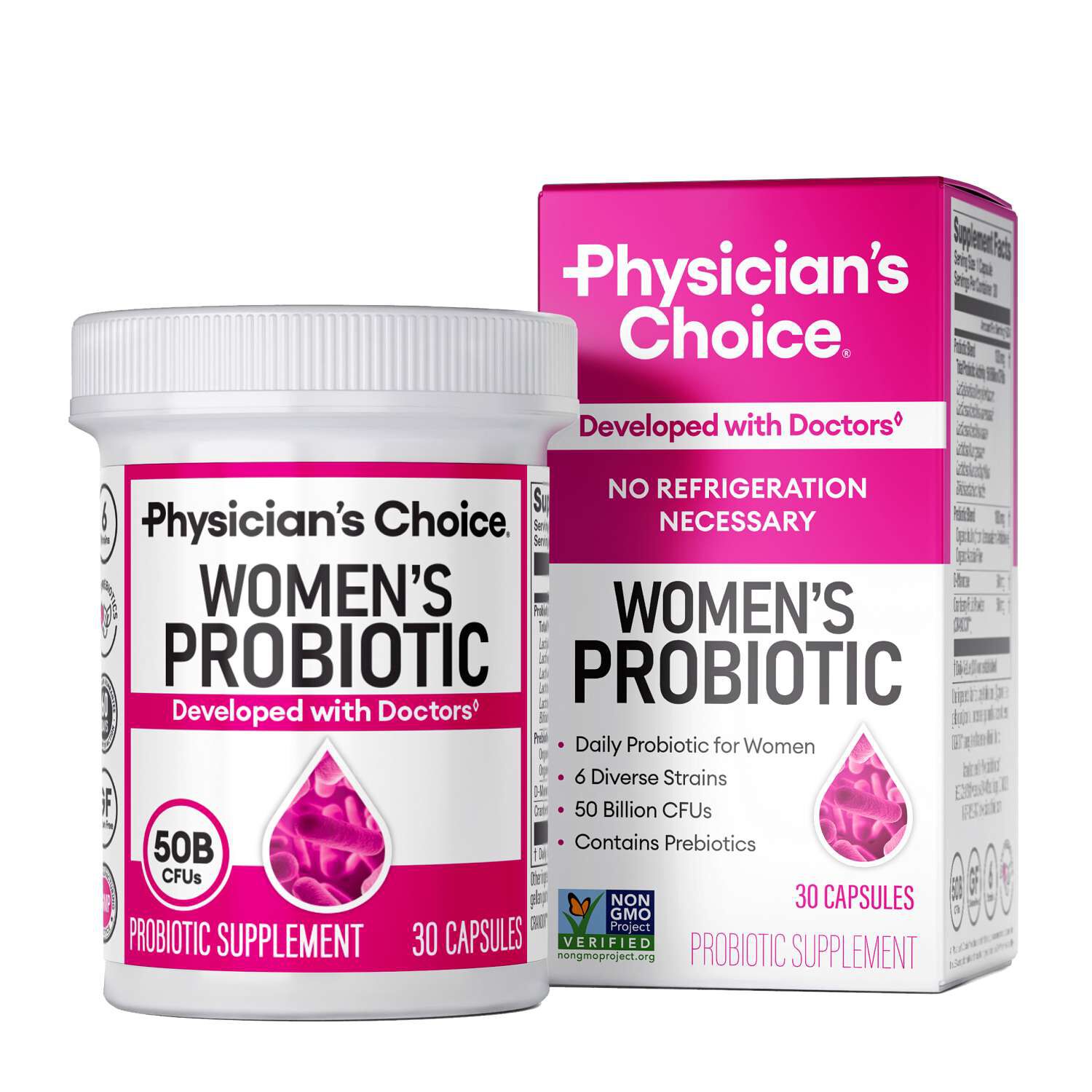 Physician's Choice
-
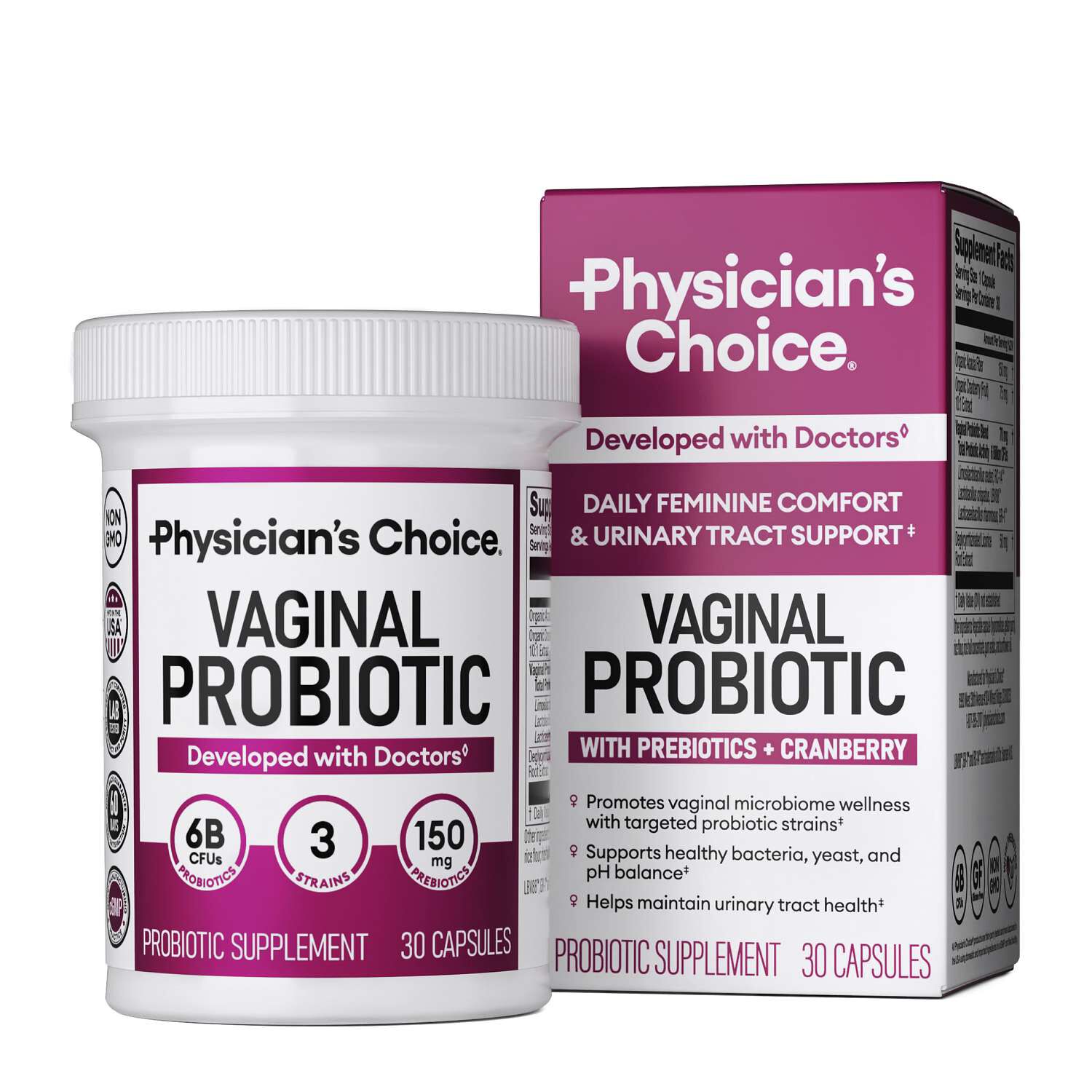 Physician's Choice