





Vaginal Health Probiotics
(0 Results)
Explore vaginal health probiotics with your personal care routine in mind. Compare the probiotic strains, ingredients, and serving sizes listed on each product label, and review directions and storage requirements to choose an option that fits your preferences.
-
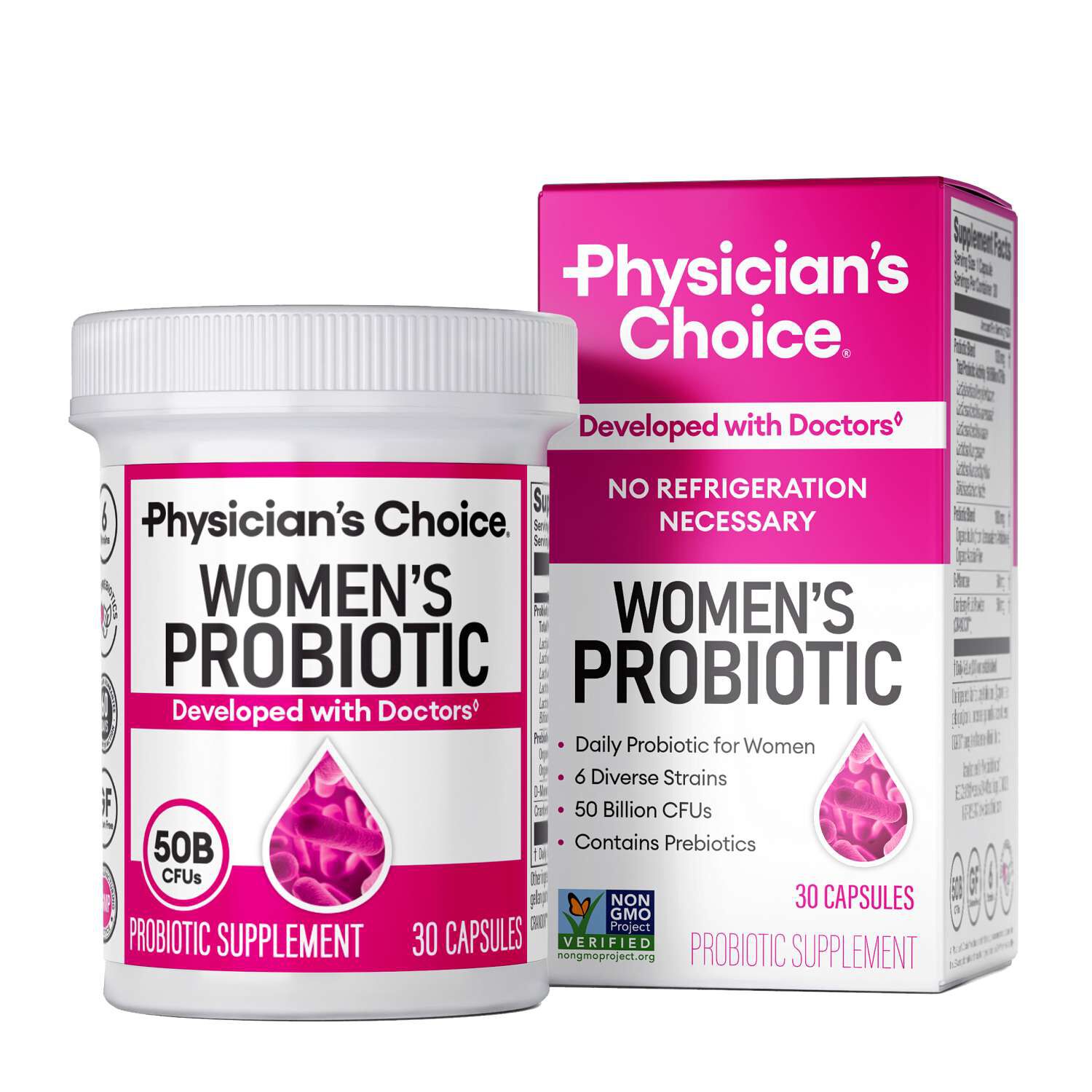
-
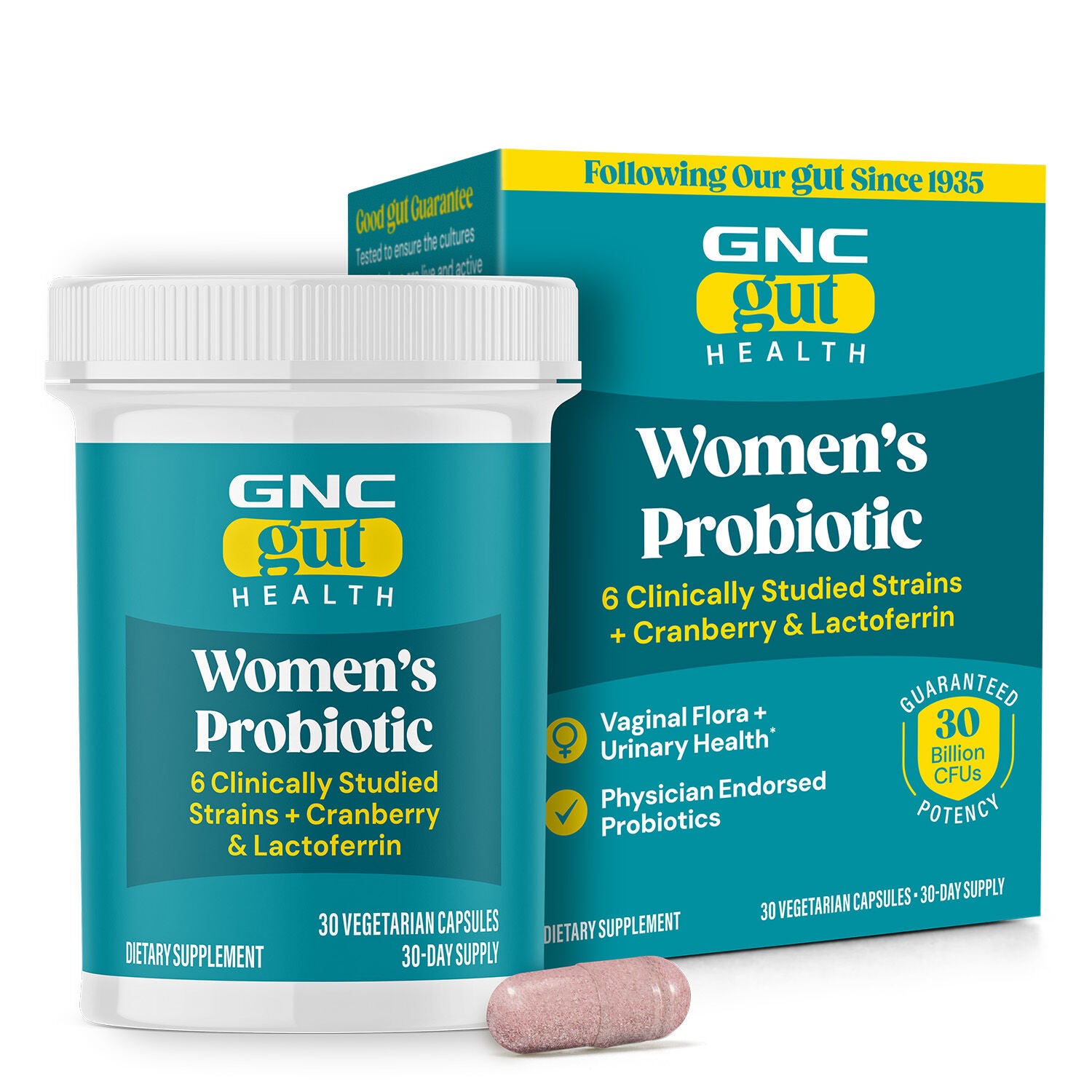 $36.99
-
$56.99
-
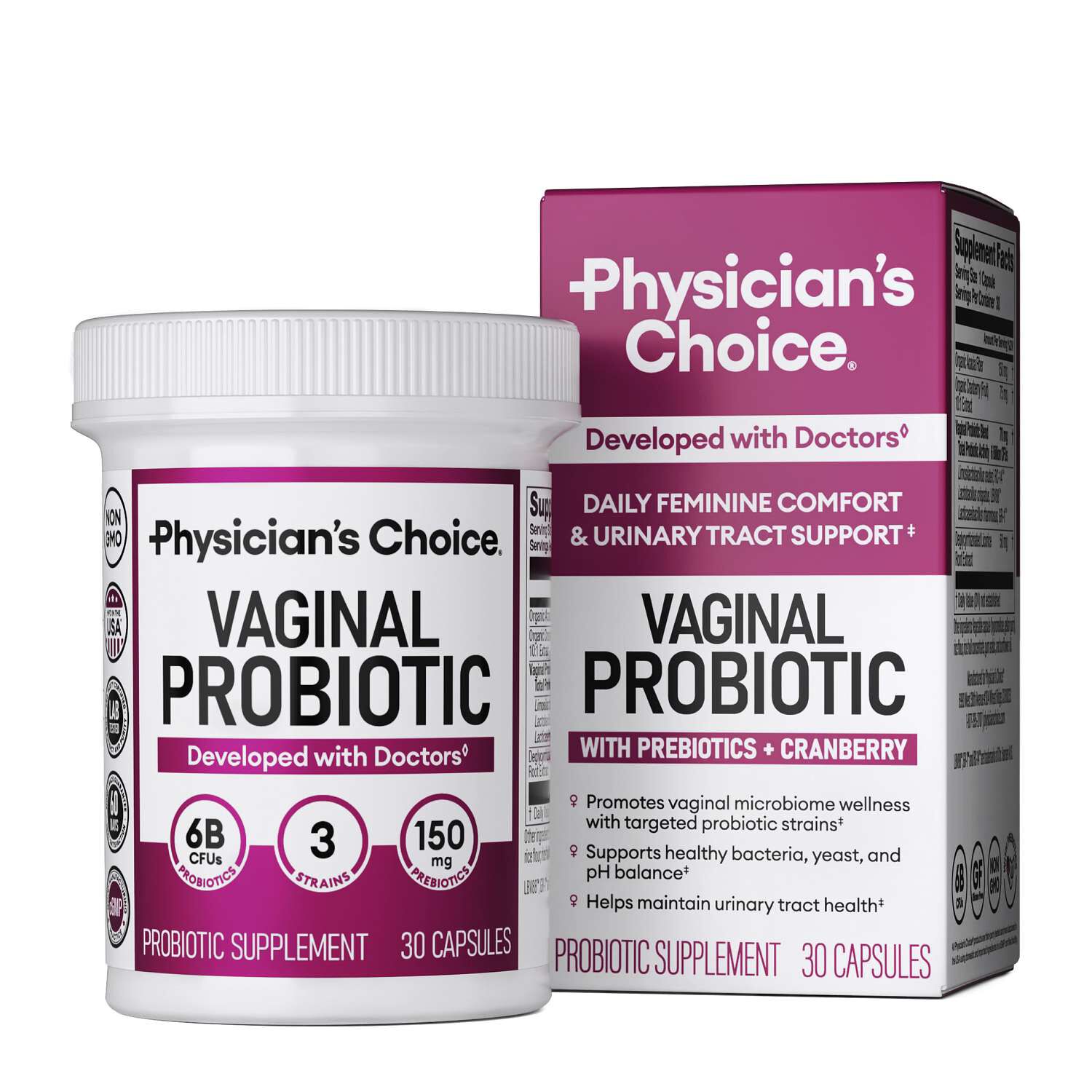
-
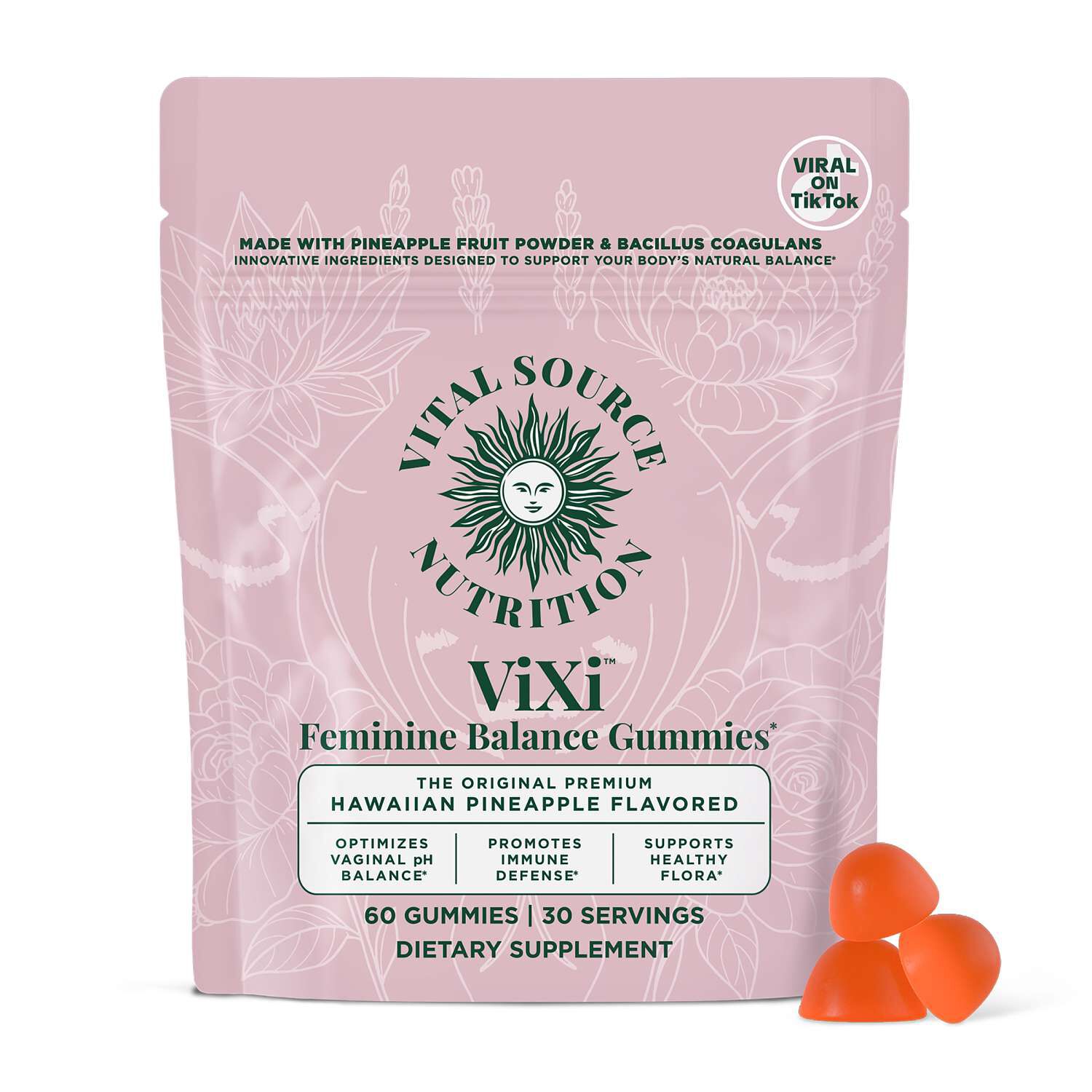 $29.99
-
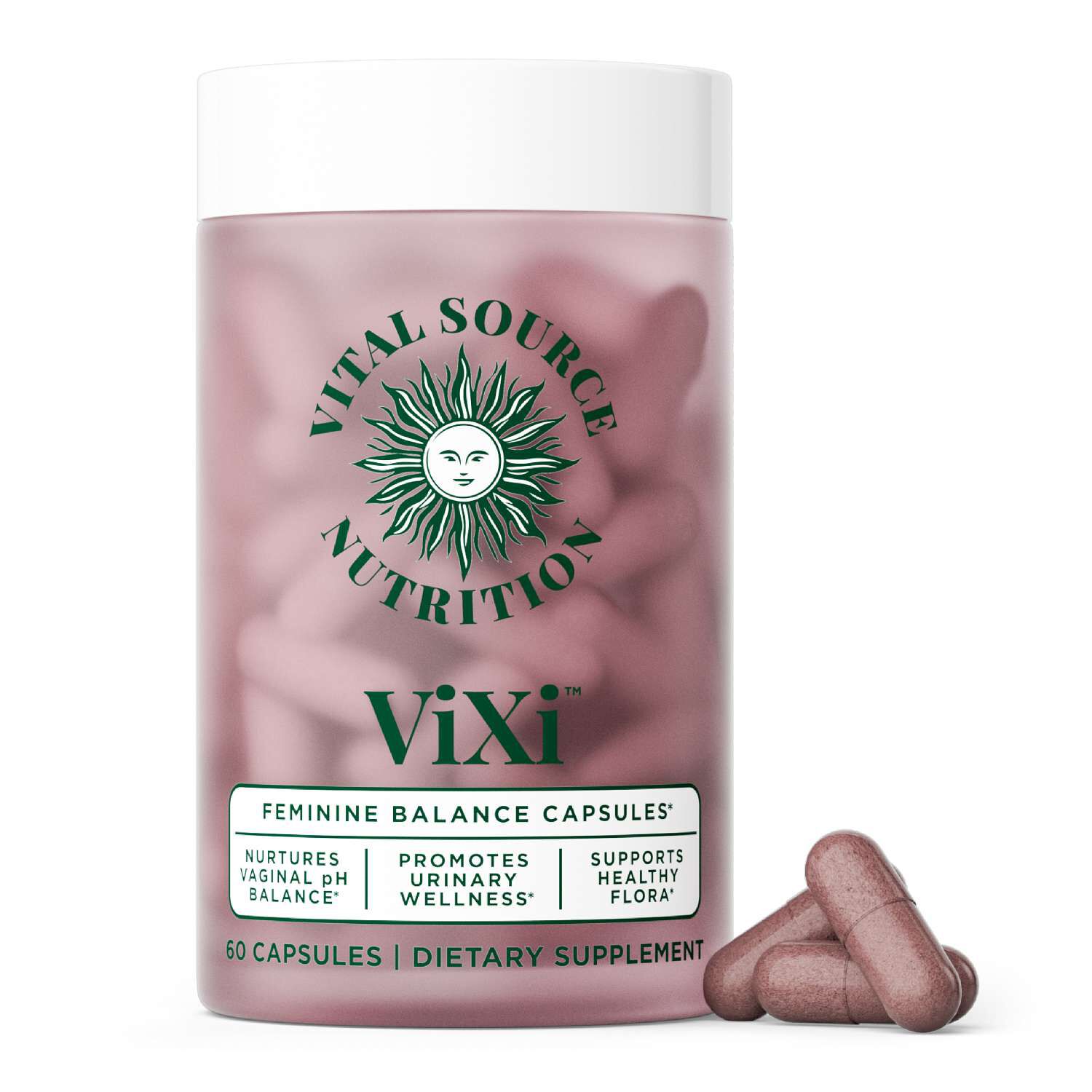 Vital Source$29.99
-
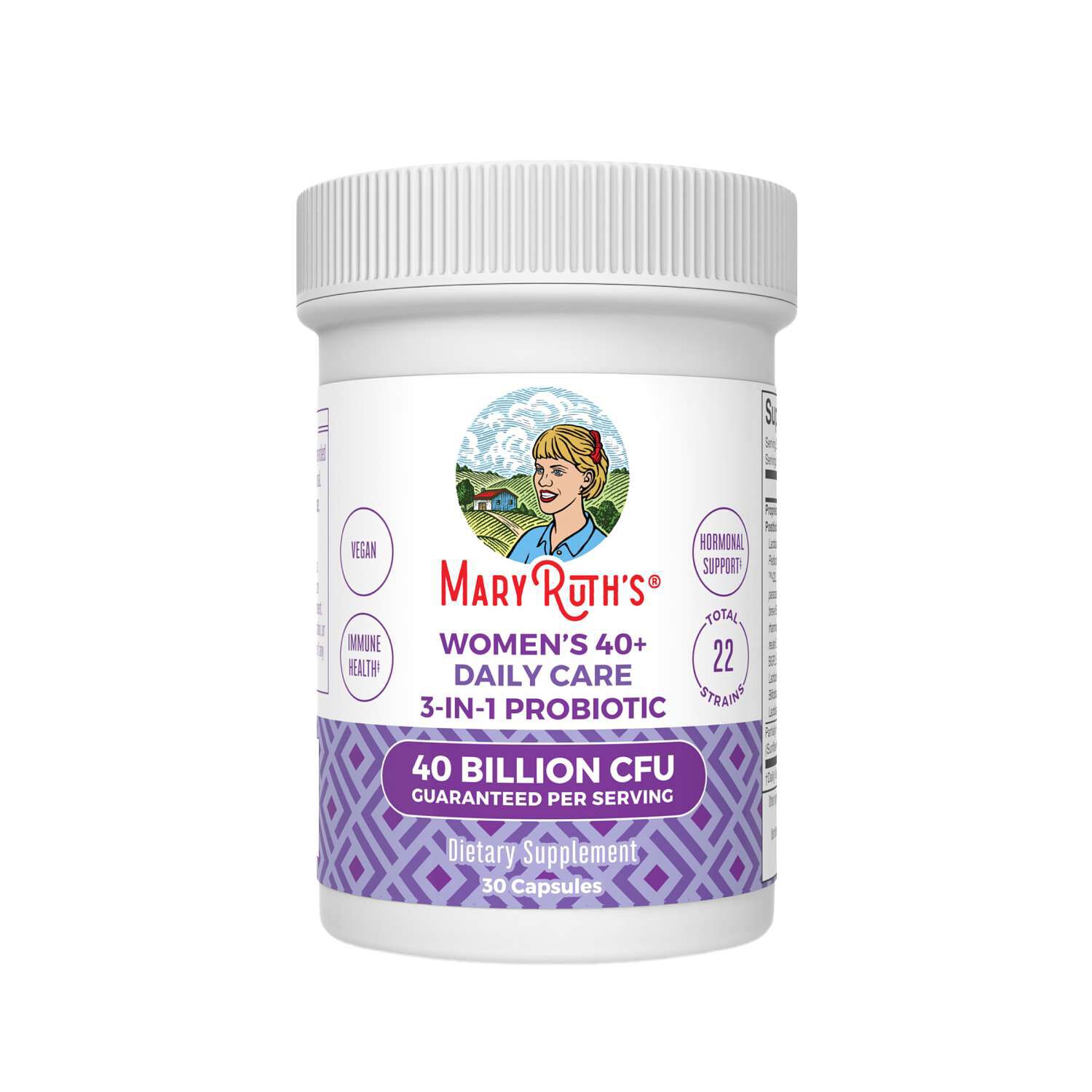

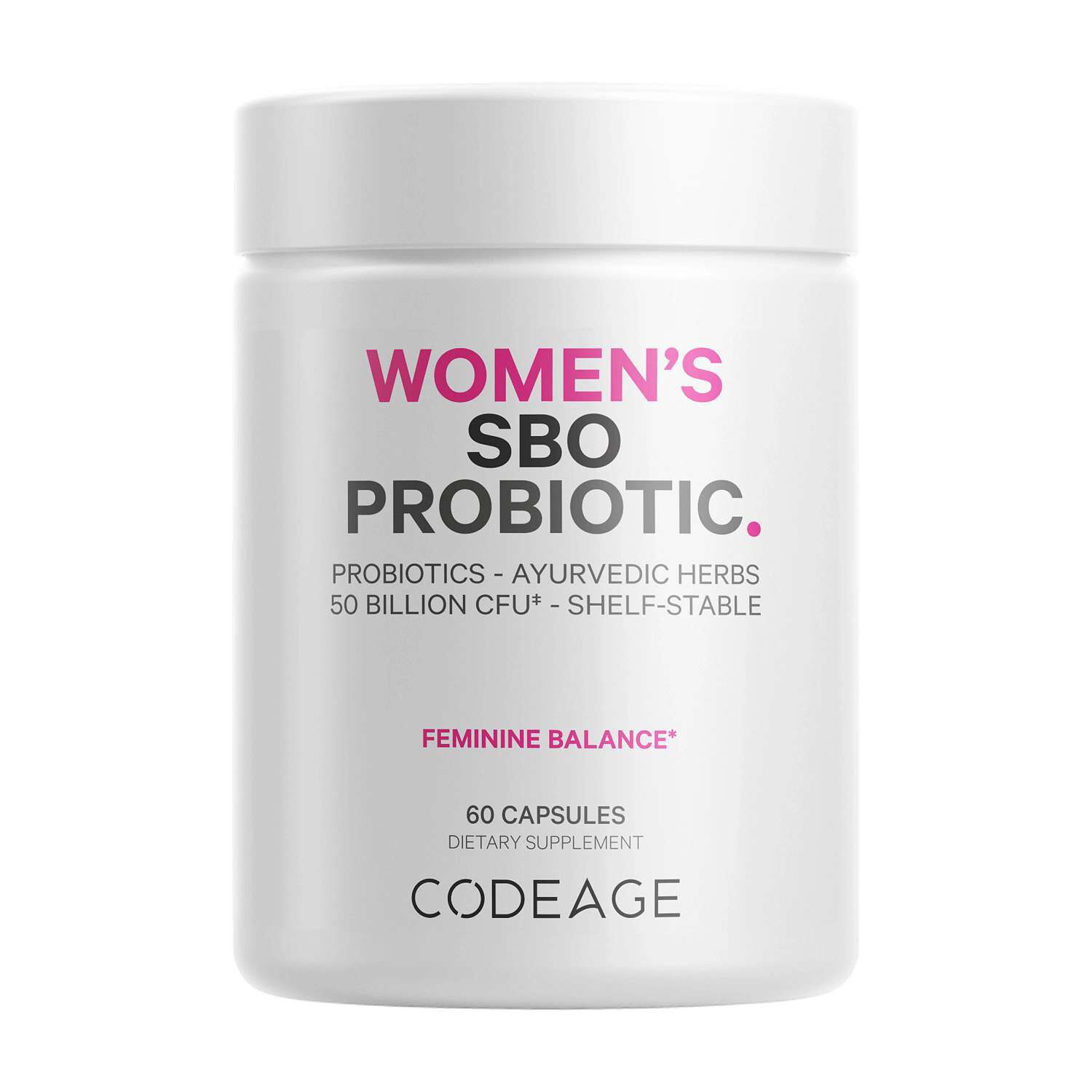
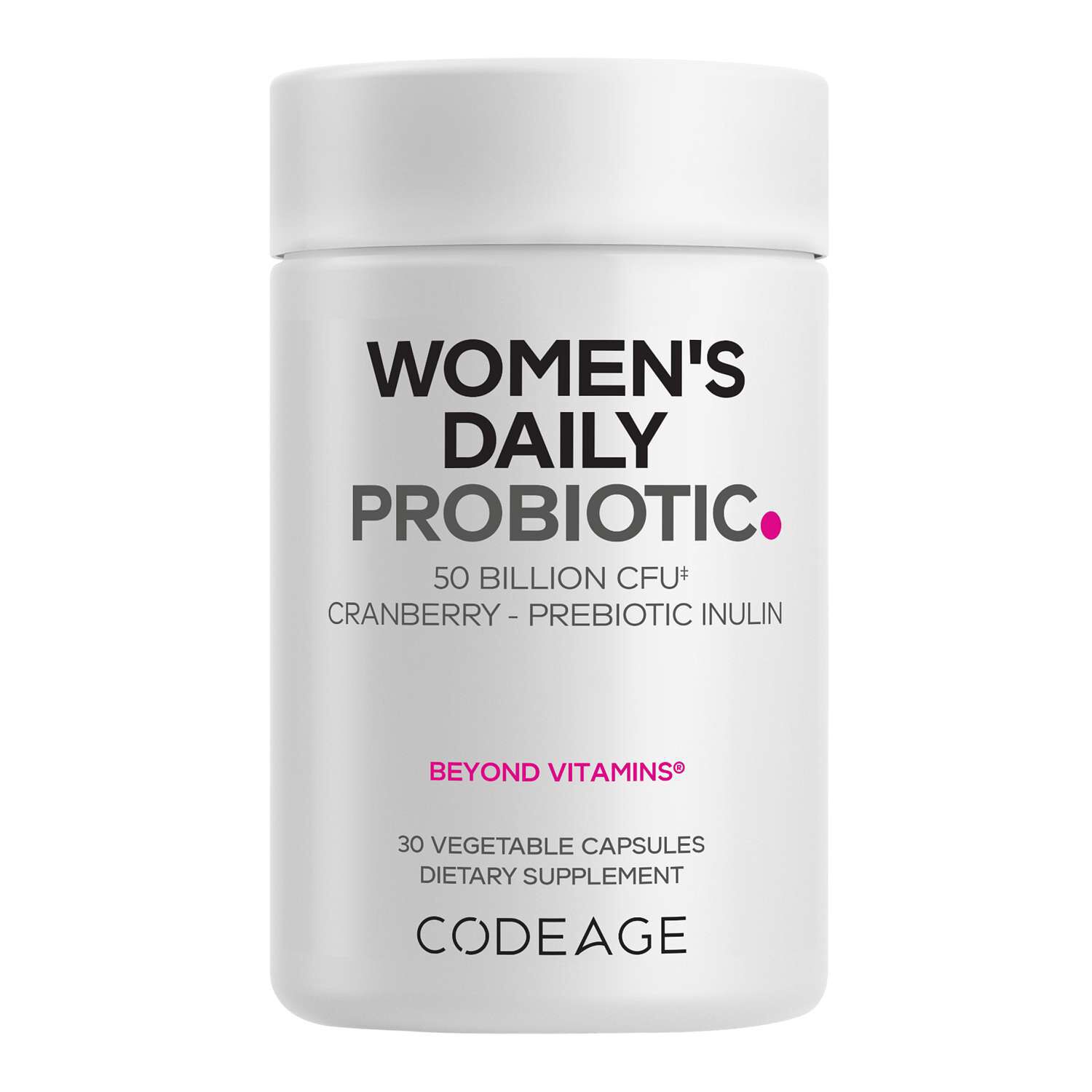
Vaginal health probiotics are supplements formulated with live microorganisms and marketed for intimate wellness. The category often features bacteria from the Lactobacillus group, which is also found naturally in the vaginal microbiome—the community of microorganisms present in that environment. Some Lactobacillus bacteria produce lactic acid, a substance associated with the vagina’s naturally acidic conditions. This background helps explain the category’s focus, but it does not establish what any particular supplement will do for an individual. The contents of a bottle and the composition of a person’s microbiome are different things, and a supplement label cannot describe someone’s personal vaginal health. When browsing vaginal probiotics, the most useful distinctions are often the named microorganisms, the format, the serving size, and the intended use. Labels may list species such as Lactobacillus crispatus, Lactobacillus rhamnosus, or Lactobacillus reuteri. A species name identifies a broader group, while a strain designation identifies a more specific member of that group. Letters and numbers following the species name can therefore be meaningful details rather than packaging decoration. Two formulas that list the same species are not necessarily identical, particularly when their strain designations differ. Probiotic quantities are commonly expressed in colony-forming units, abbreviated CFU, rather than only in milligrams. CFU describes a count of viable microorganisms under testing conditions; it is not a ranking of how well a supplement may work. A larger printed count does not, by itself, establish suitability for a particular shopper. The timing attached to that count also matters: a label may describe the quantity at manufacture or through the stated expiration date. Reading those details together creates a clearer picture than focusing on the largest number on the front panel. Likewise, a blend containing several strains differs from a single-strain formula, but the number of strains alone does not establish an expected outcome. Understanding these terms makes it easier to compare vaginal health supplements without treating every formula as interchangeable.
Beyond the microorganism list, vaginal health probiotics differ in ingredients and physical format. Capsules, tablets, chewables, and powders each have practical characteristics worth considering. Someone who prefers an unflavored option may favor a capsule, while another shopper may find a chewable format more convenient. Capsule size, texture, taste, and the number of units in a serving can all influence how a product fits into an existing routine. A serving of two capsules is different from a serving of one, even when the bottles look similar on a shelf. The Supplement Facts panel and directions provide that context, while the ingredient list explains what accompanies the probiotic blend. Capsule shells may contain gelatin or plant-derived materials; chewables and powders may include sweeteners, flavors, or other ingredients used to create their texture. For shoppers with dietary preferences or ingredient sensitivities, these details can be as relevant as the named strains. Allergen statements and clearly stated dietary attributes deserve their own attention rather than assumptions based on the front label. Some formulas combine probiotics with prebiotic ingredients, which are substances used by certain microorganisms. That combination changes the composition of the formula, but it does not make every blended option equivalent. Products marketed for vaginal health may also differ in their intended route of use. Oral supplements and products labeled for vaginal use are distinct formats, not substitutes for one another simply because their packaging uses similar wellness language. The route printed on the package is an important part of the product’s identity. Quality information adds another layer to the comparison. A label that identifies strains, explains serving quantities, and gives clear storage directions offers more concrete information than broad wording alone. Independent testing marks may provide additional context when their scope is explained, although a testing mark is not evidence of a particular personal result. Dietary supplements are subject to federal regulation, but their regulatory framework differs from that of medicines. Packaging language, ingredient transparency, and testing information are useful shopping details; none turns a supplement into a personalized assessment of intimate health.
Storage and packaging are especially relevant to probiotics because these products contain live microorganisms. Depending on the formulation, storage directions may call for refrigeration or specify room-temperature conditions. The package may also include instructions about moisture, resealing, or keeping the contents in their original container. A tightly closing bottle, an individually sealed blister pack, and a powder container each involve a different handling routine. For someone who regularly carries supplements in a work bag, those details may matter more than the appearance of the outer carton. A product that requires refrigeration involves different logistics from one labeled for room-temperature storage, especially when it will be kept away from home. The expiration date is another useful reference, particularly when comparing package size with the labeled serving schedule. A larger bottle is not automatically a better fit if its contents extend beyond the period someone expects to use it. Clear directions and legible labeling can make a formula easier to evaluate alongside supplements already in a household routine. It is also worth distinguishing category language from specific information: phrases about women’s wellness describe a broad merchandising focus, while the strain names, ingredient list, serving size, and storage requirements describe the formula itself. Vaginal health probiotics may appeal to adults exploring intimate-wellness supplements, but age-specific labeling and the intended audience still matter. Some shoppers prefer a narrowly focused formula; others are comparing options that combine several ingredient categories. Neither preference establishes an expected result, and experiences described in customer reviews do not establish what another person will experience. For a related collection, Probiotics For Women's Summer Wellness offers another way to browse probiotics within a women’s wellness theme. Across these collections, the strongest comparison starts with the same practical details: clearly identified microorganisms, understandable serving information, ingredients that align with personal preferences, and packaging suited to the stated storage requirements. Those details keep the shopping experience grounded in what the label actually says rather than assumptions about the category.
- Q: What are vaginal health probiotics?
A: Vaginal health probiotics are dietary supplements formulated with live microorganisms and marketed for vaginal wellness. They often contain bacteria from the Lactobacillus genus, with the specific species and strains identified on the label. - Q: Which bacteria are commonly found in vaginal health probiotics?
A: Commonly listed bacteria include Lactobacillus rhamnosus, Lactobacillus reuteri, and Lactobacillus crispatus. Formulas vary, and a strain designation may appear as letters or numbers after the species name. - Q: What formats do oral vaginal health probiotics come in?
A: Oral vaginal health probiotics commonly come in capsules, tablets, and powders. Check the product description for the format and the label for serving directions. - Q: What is the difference between probiotics and prebiotics in vaginal wellness supplements?
A: Probiotics are live microorganisms, while prebiotics are ingredients that certain microorganisms may use as a food source. Some vaginal wellness supplements combine both, so the ingredient list can help you distinguish between formula types. - Q: What information appears on a vaginal health probiotic label?
A: Look for the genus, species, and strain names, along with the serving size, other ingredients, and colony-forming unit count, often abbreviated as CFU. Labels may state a CFU count per serving and specify whether that count applies at manufacture or through the expiration date.
Best Sellers
-
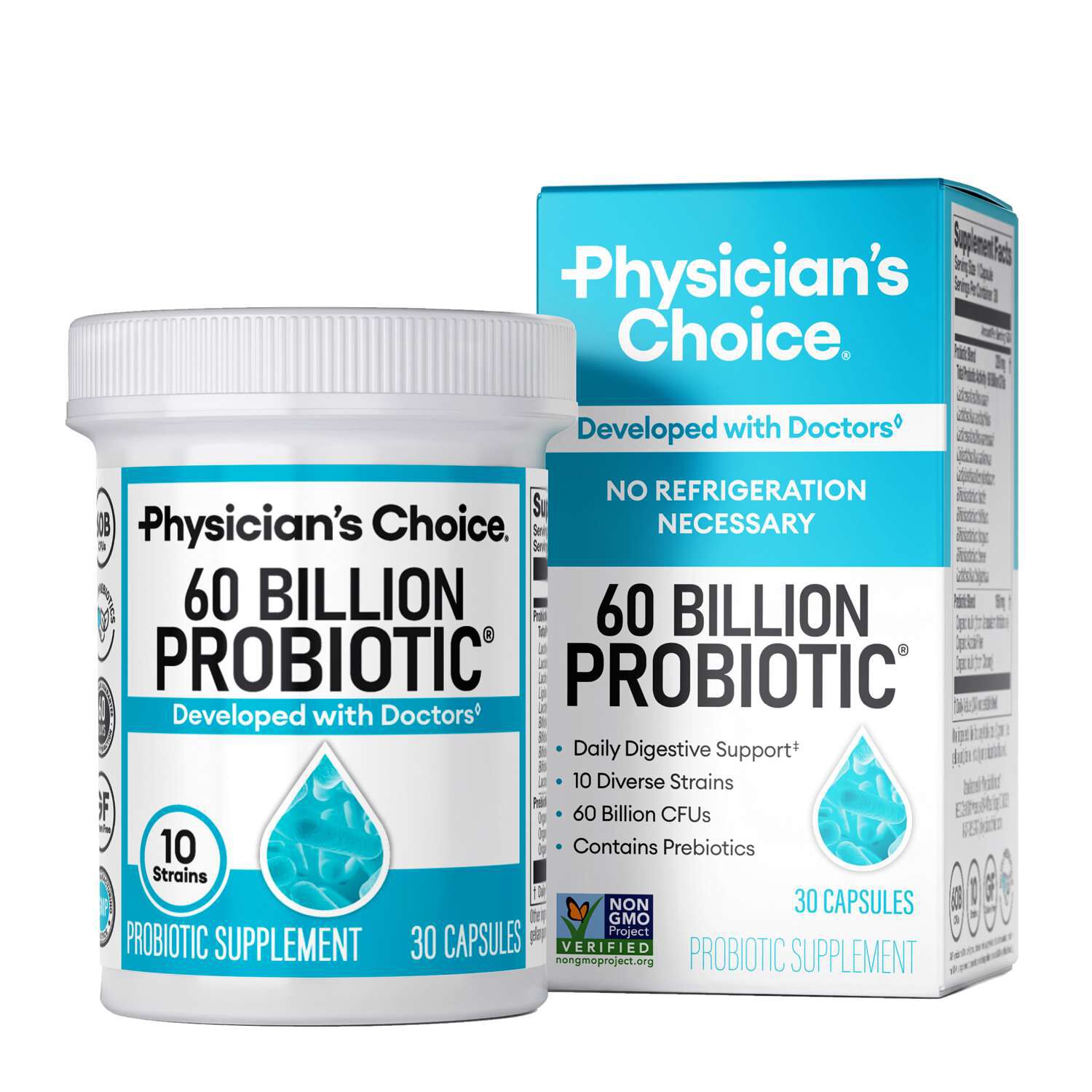
Physician's Choice
Related Pages
Top Collections
- Joint Mobility Supplement Packs
- Daily Collagen Supplements | Top Brands & Deals | GNC
- GLP 1 Support For Adults
- Zinc Supplements | Top Brands at Great Prices | GNC
- Supplements For Yoga Joint Flexibility
- Supplements For Balance
- Capsule Supplements For Energy And Stamina
- Adult Mobility Supplements
- Chronic Fatigue Supplements
- Vitamins For Hair Loss