Vegan Summer Energy Drinks
(0 Results)
Vegan summer energy drinks offer a refreshing way to stay energized during the warmest months. With plant-based ingredients and a variety of vibrant flavors, these beverages may be a great option for those looking to support their active lifestyle while sticking to vegan choices. Explore options that could fit seamlessly into your summer routine, whether you're heading to the gym, spending time outdoors, or simply seeking a cool pick-me-up. Discover how vegan summer energy drinks might help you make the most of every sunny day.


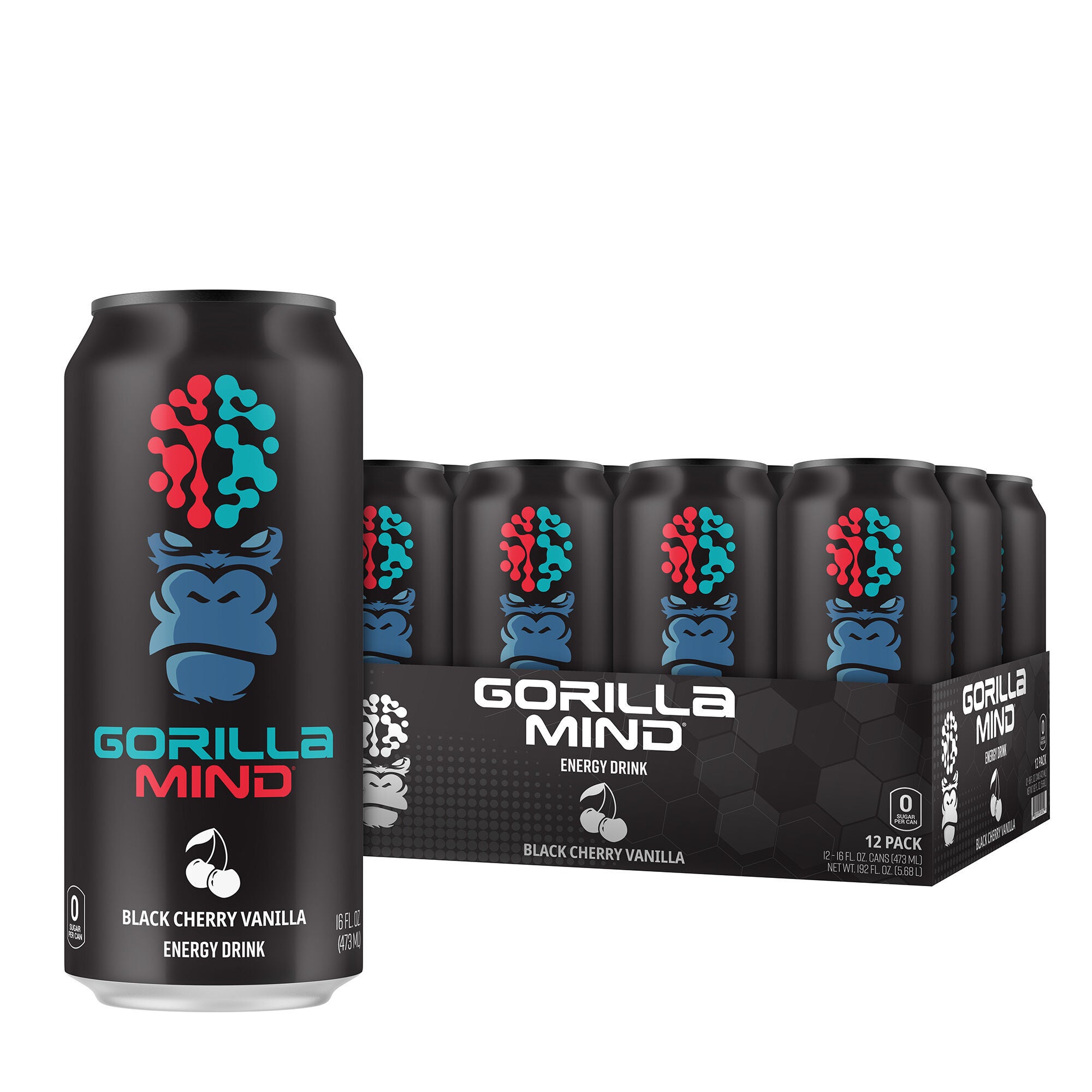
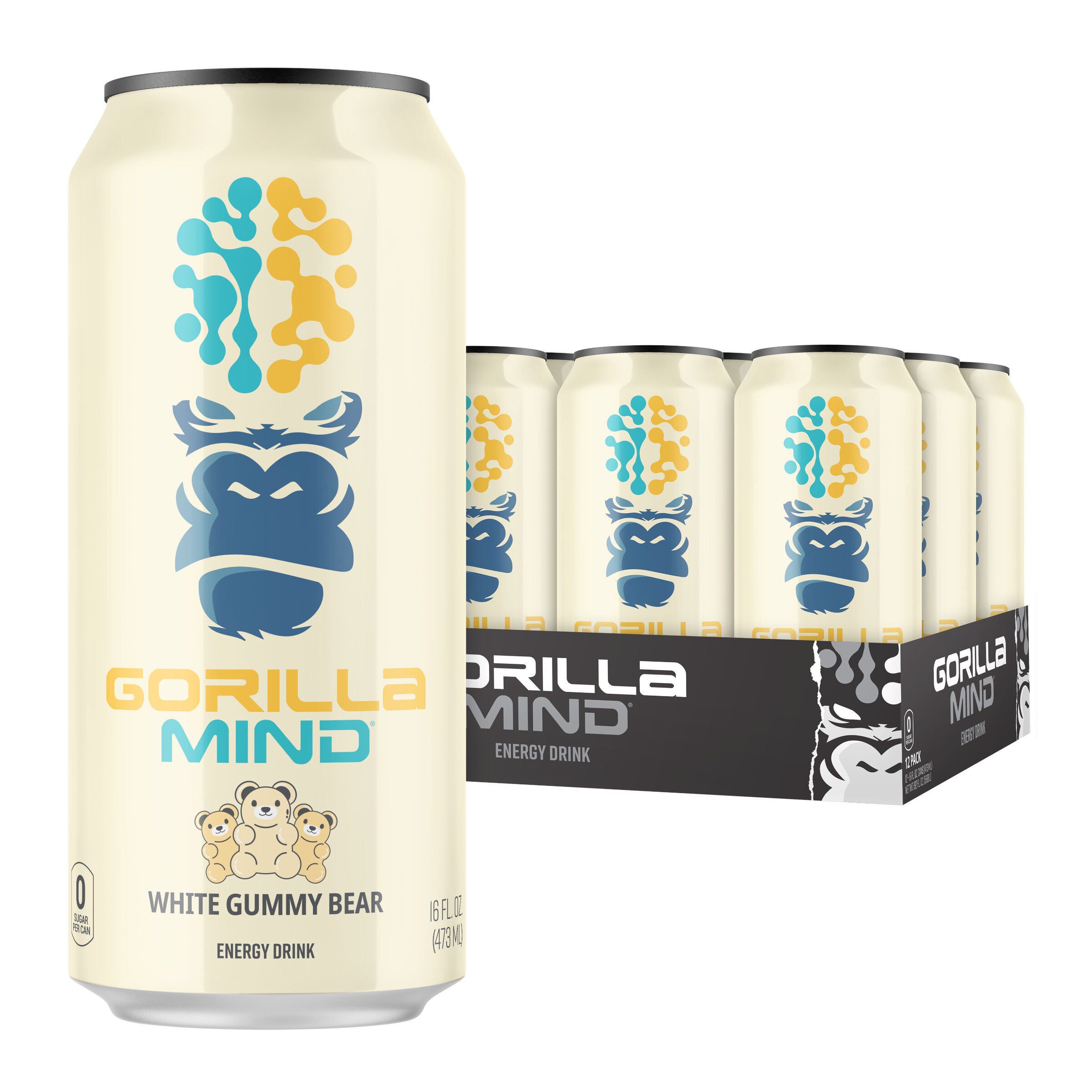


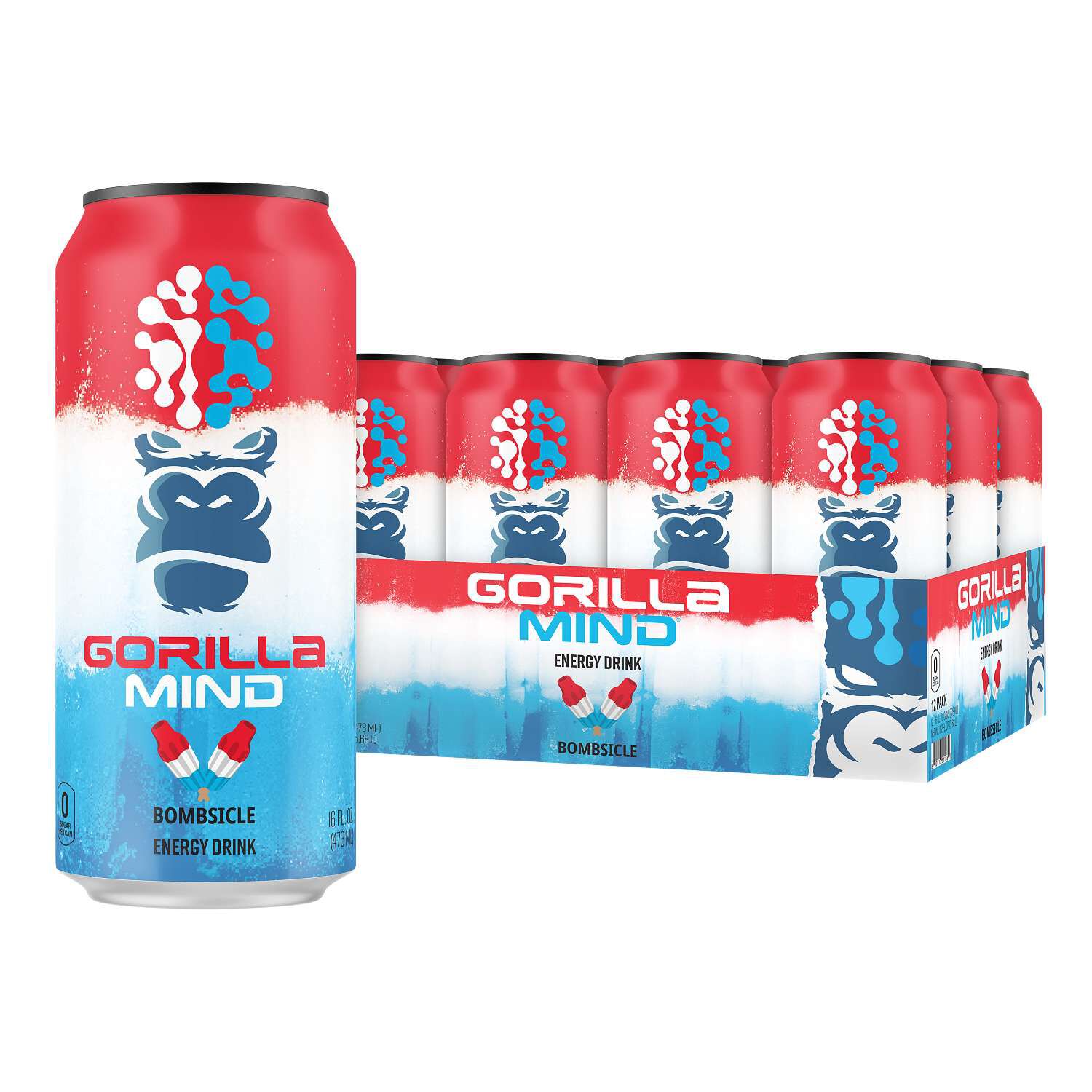
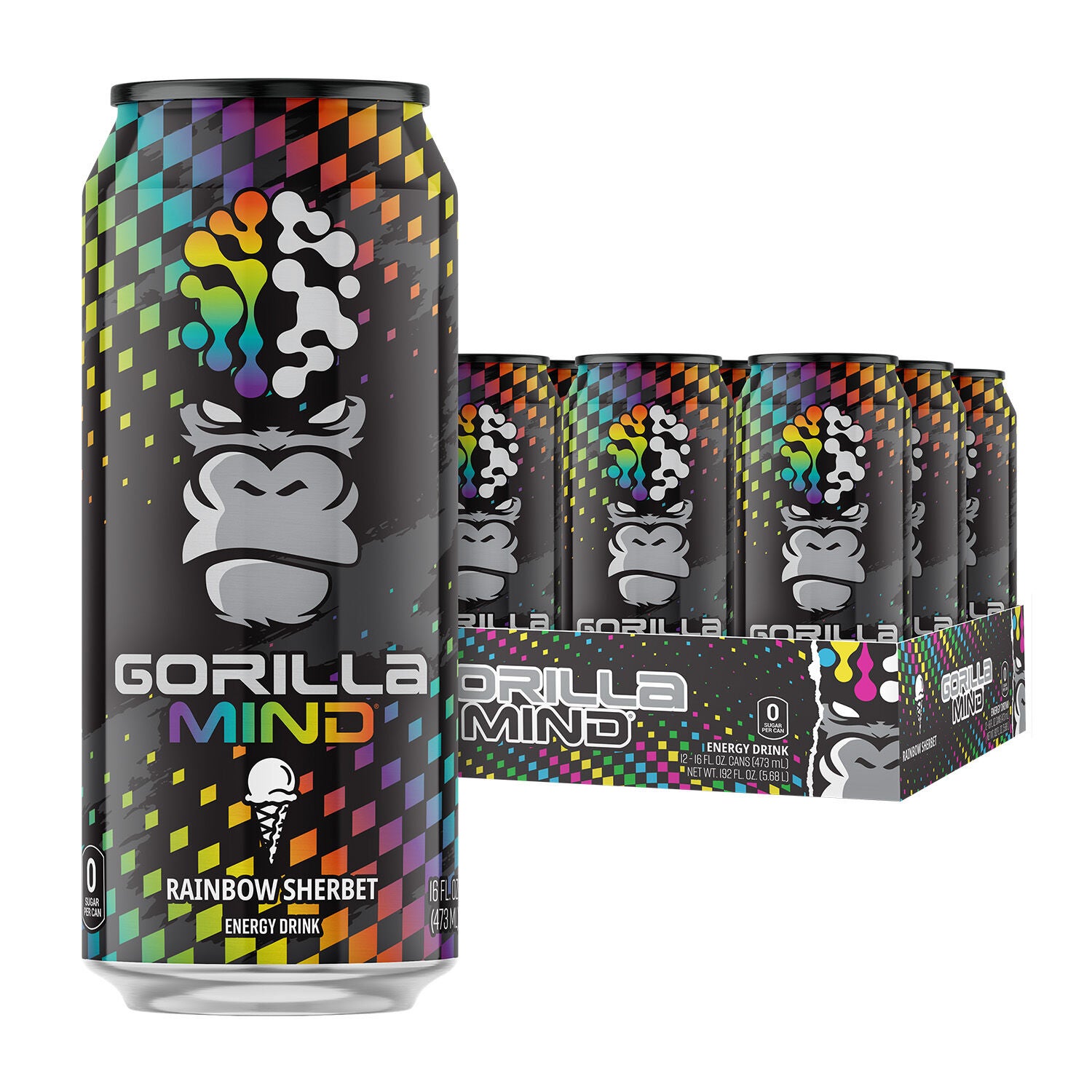
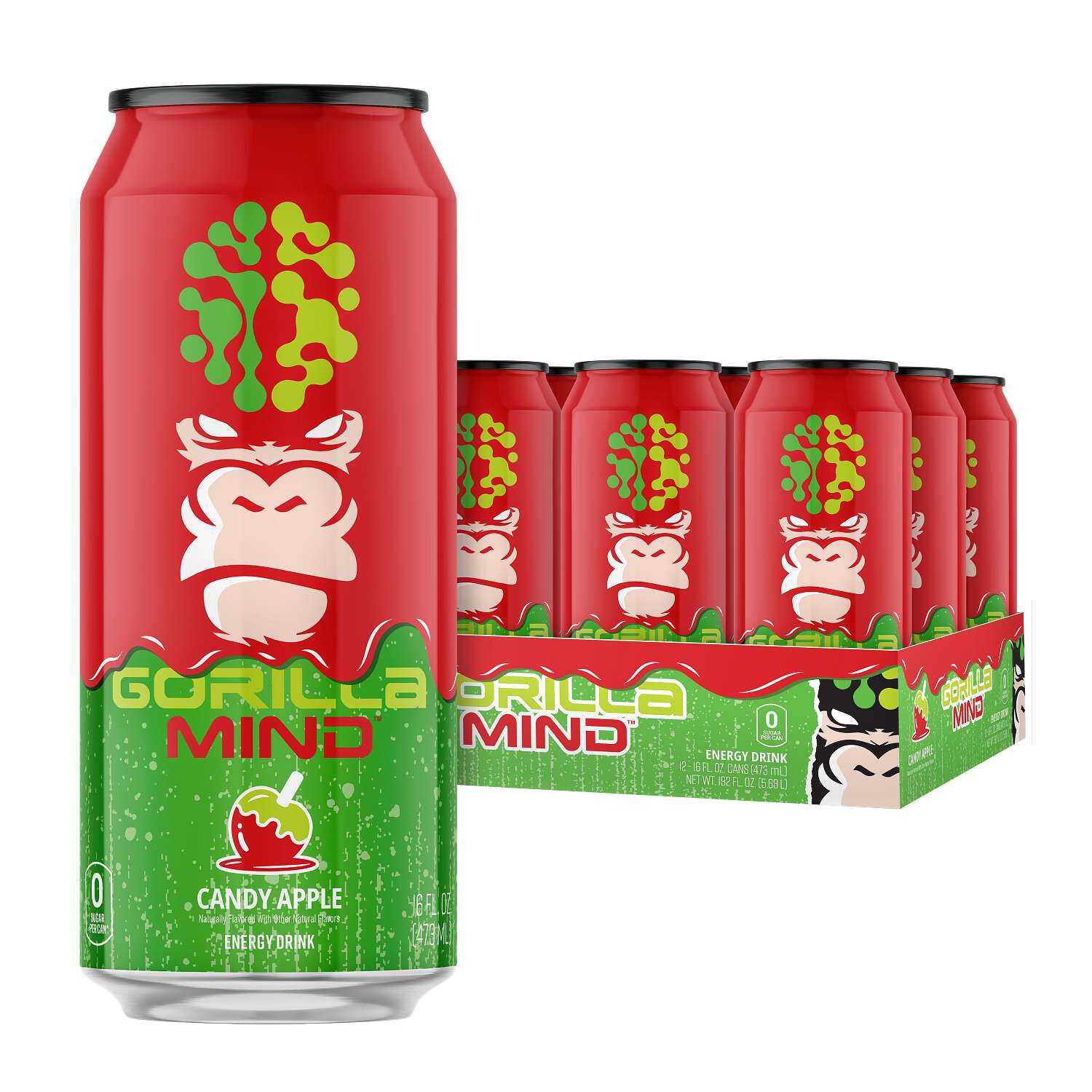
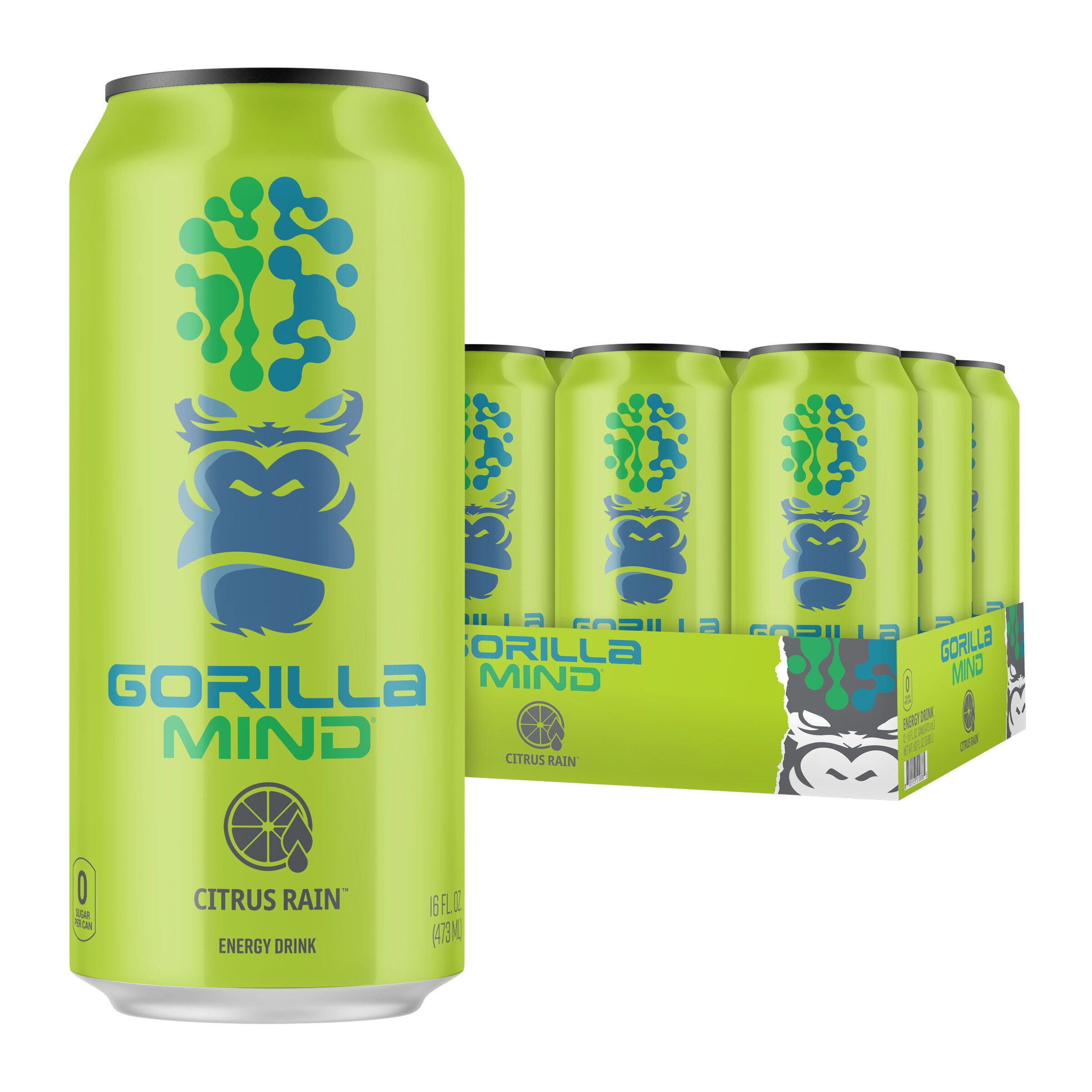
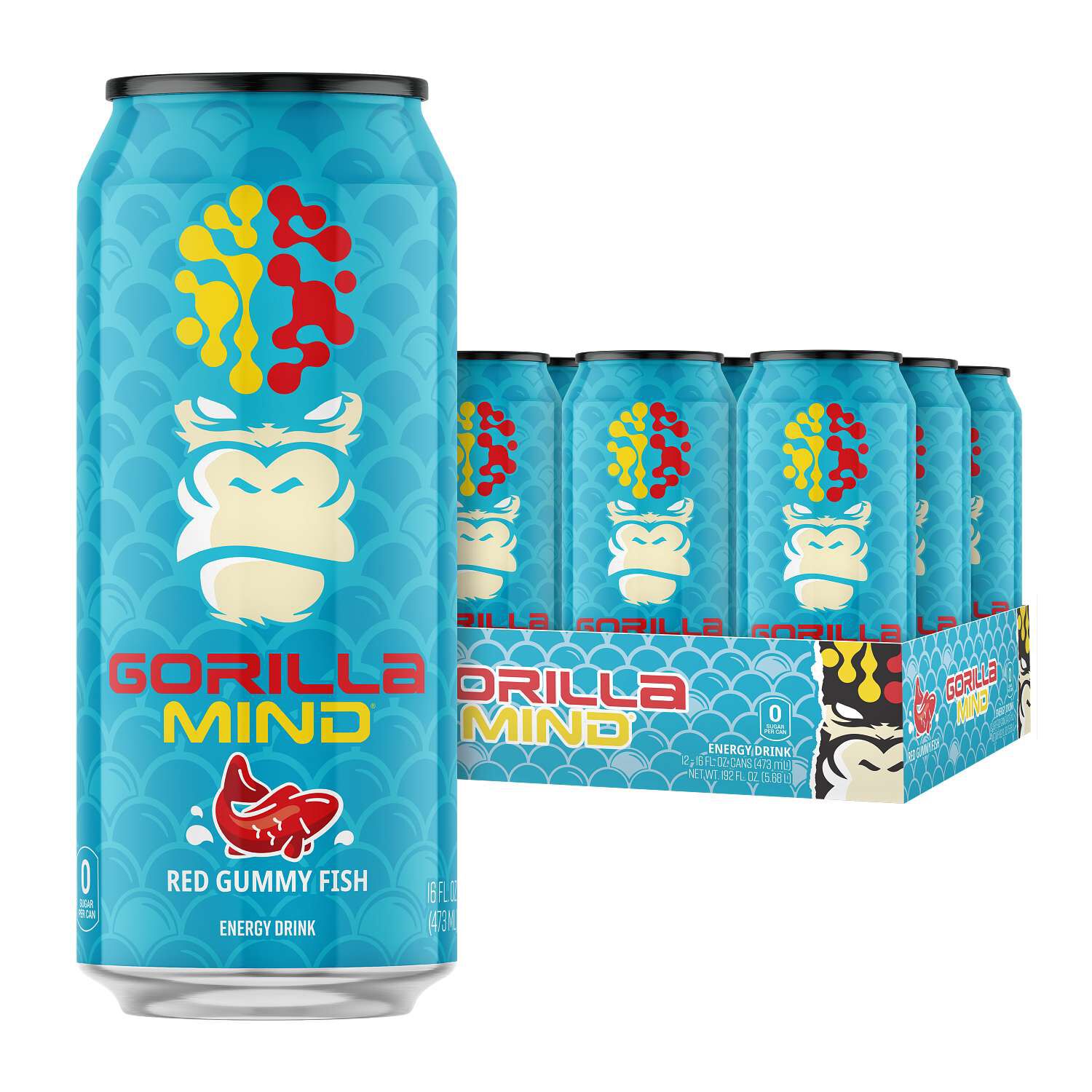
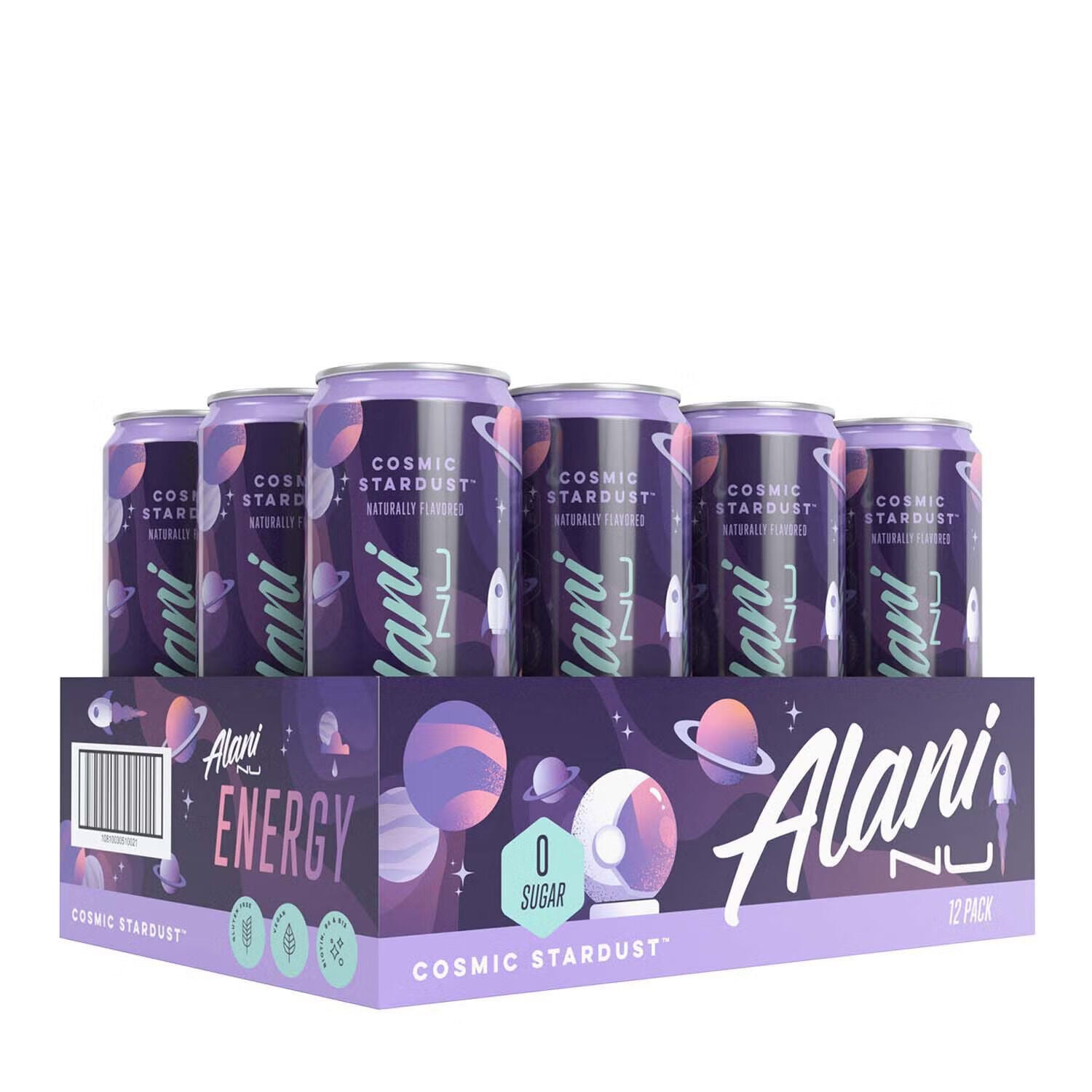
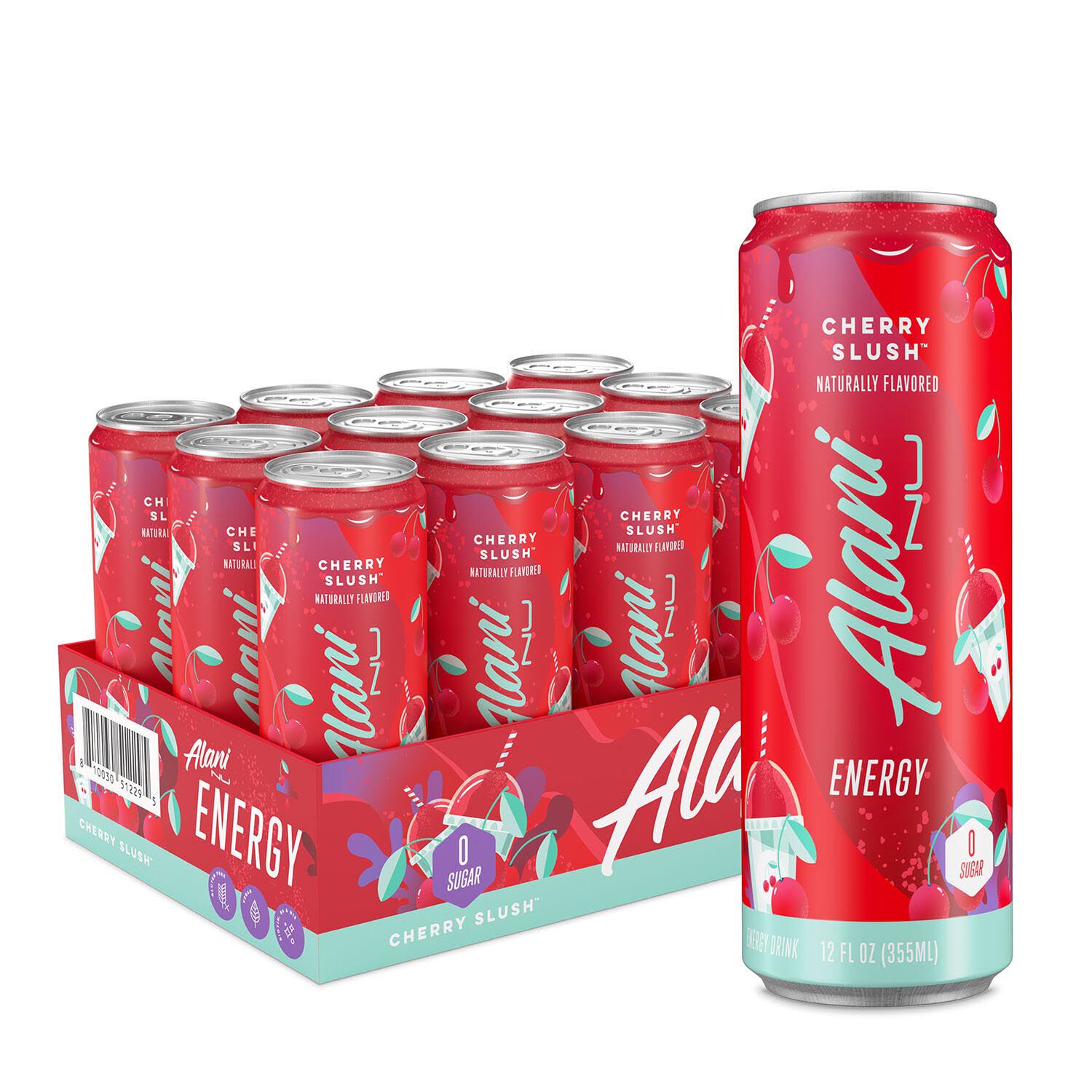

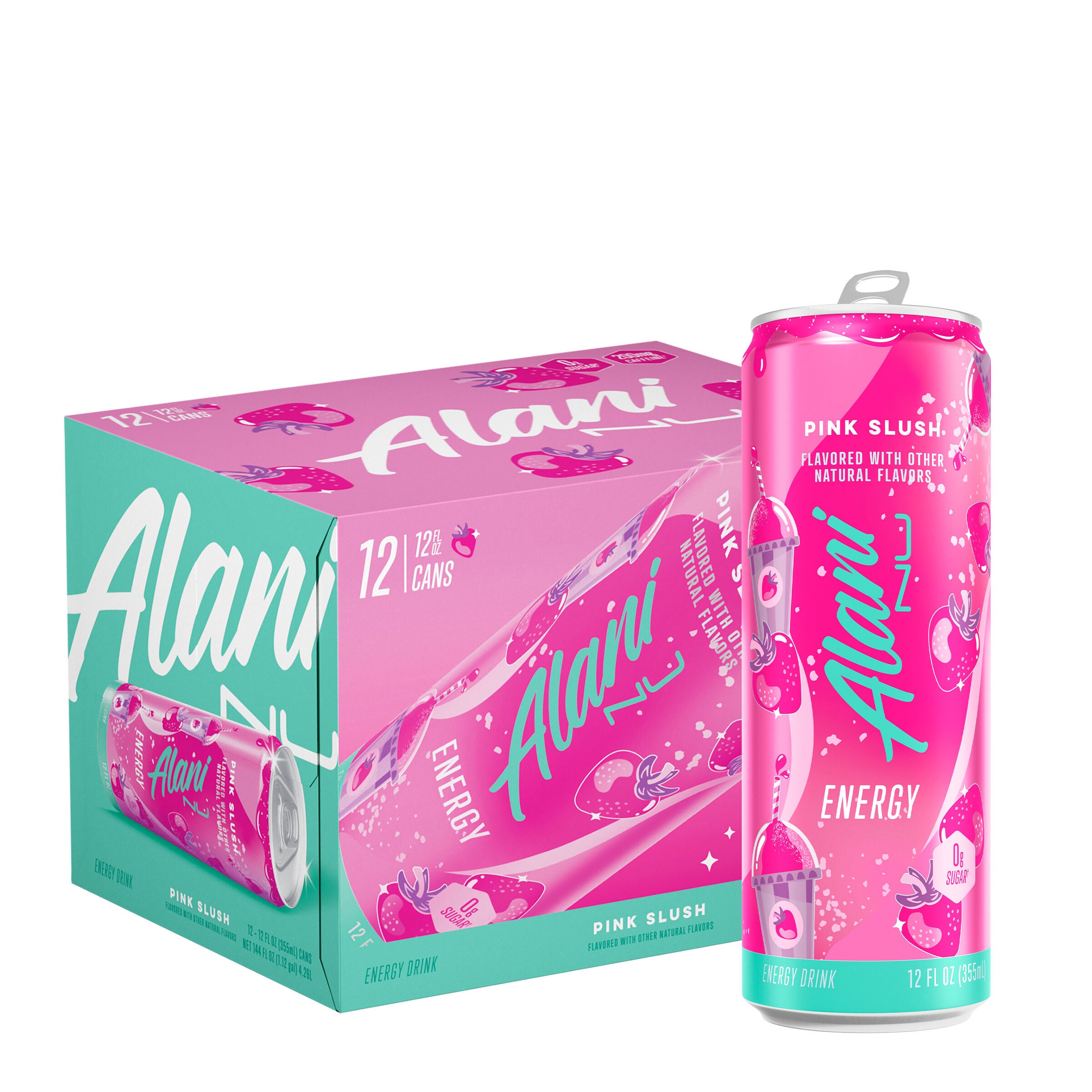


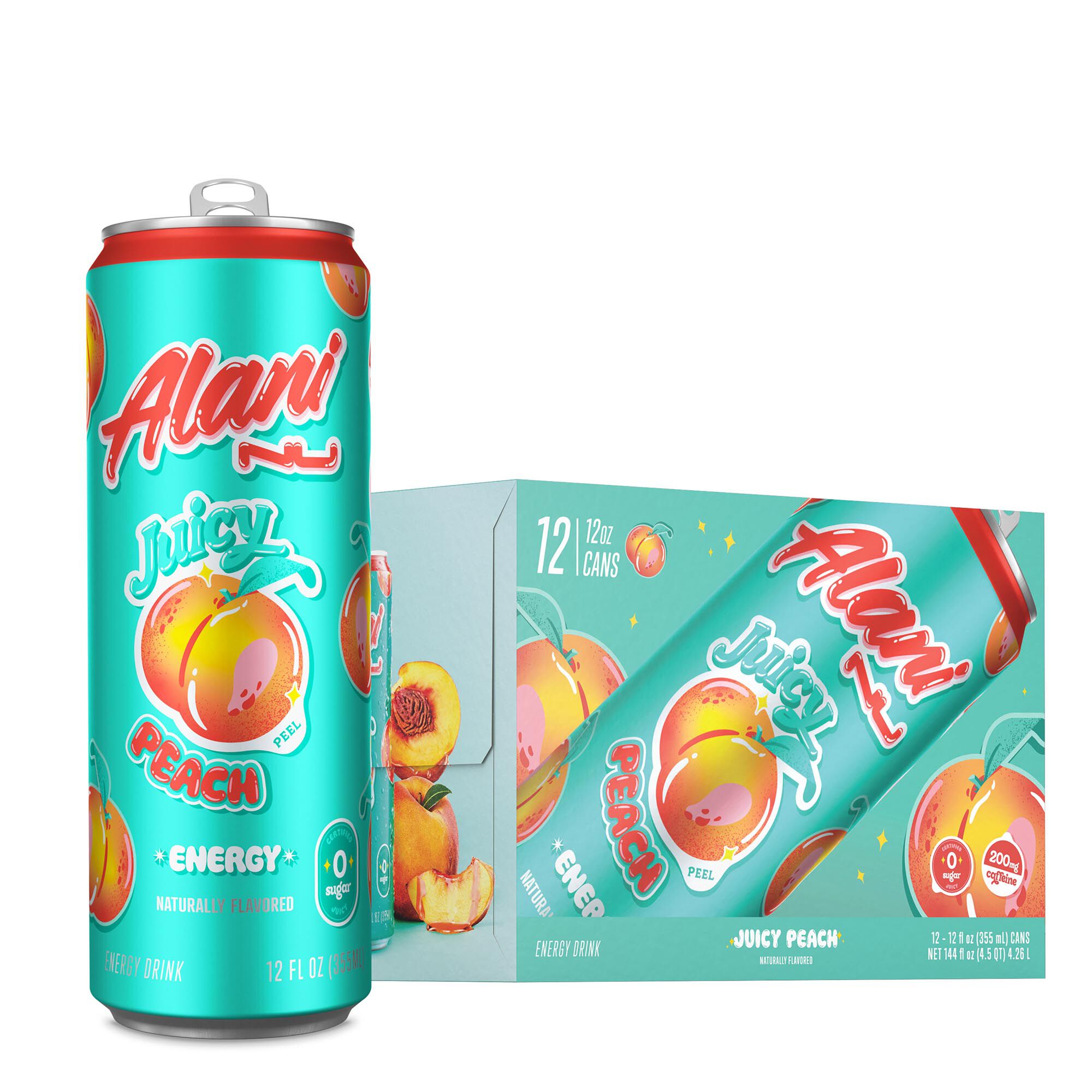


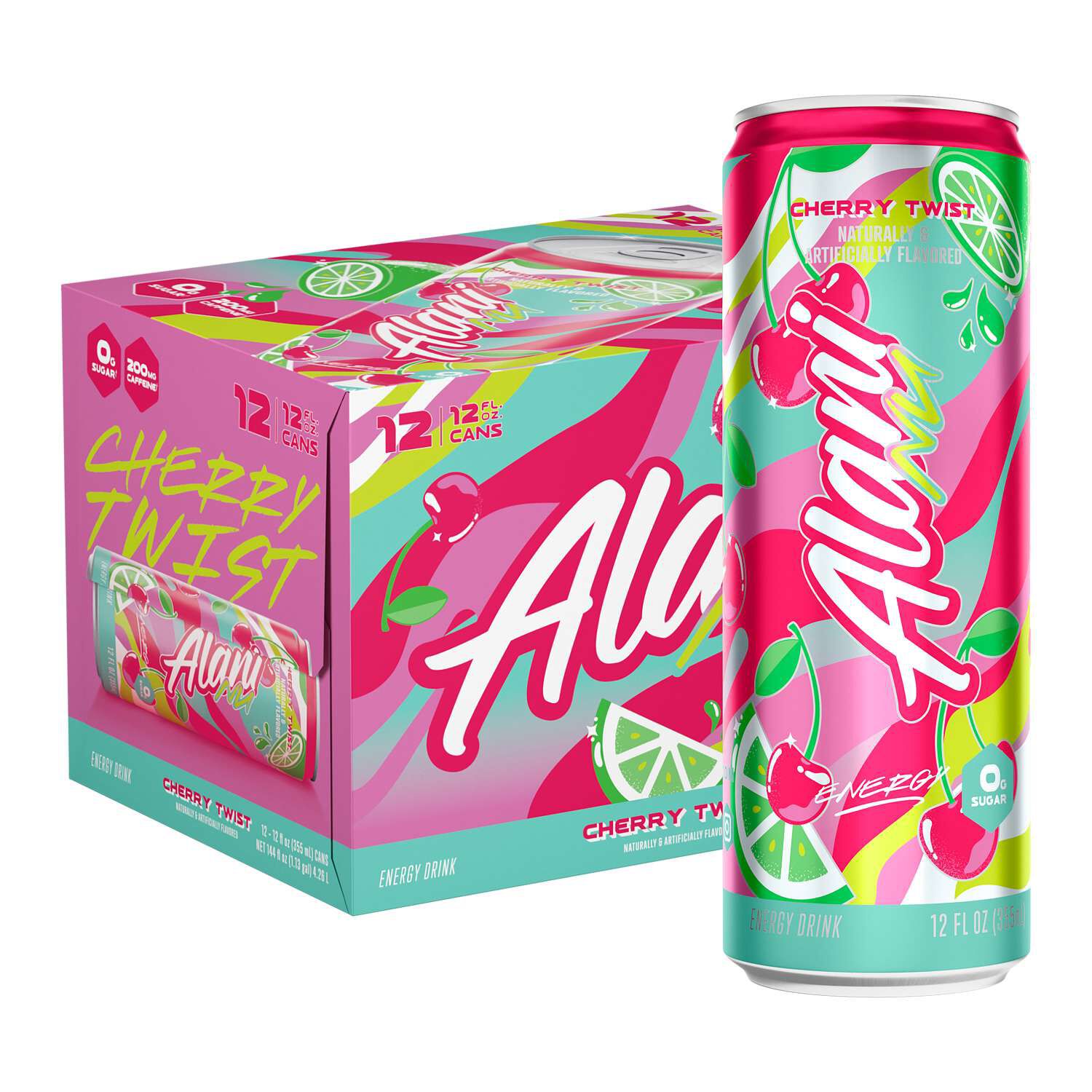
Vegan summer energy drinks are caffeinated beverages made without animal-derived ingredients, with flavor profiles and convenient formats suited to summer outings, packed lunches, and everyday routines. The category includes sparkling and still drinks, fruit-forward blends, and tea-based options, so a vegan selection does not have to mean one particular taste or texture. Citrus, berry, tropical fruit, and melon flavors fit naturally into the summer theme, whether the preference is a tart lime finish, a rounded mango profile, or a subtle tea note. Caffeine sources can include green tea, coffee, guayusa, and yerba mate, while other formulas use added caffeine identified on the label. The source matters for ingredient preferences, but it does not establish the amount of caffeine in a serving. A vegan designation also does not automatically mean organic, unsweetened, or made entirely from fruit and tea. Each of those characteristics requires its own label information. When comparing vegan energy drinks, the ingredient list and any clearly identified vegan certification provide a more useful starting point than leaf imagery or plant-themed packaging. Ingredients worth checking include milk derivatives, honey, gelatin, and carmine, a color additive derived from insects. Taurine is another ingredient that can raise sourcing questions: taurine used in beverages can be synthetically produced, so its presence alone does not establish whether a formula is vegan. When an ingredient’s origin is unclear, a manufacturer’s ingredient statement or certification details can clarify the formulation. This distinction is especially relevant for shoppers choosing drinks around a consistent plant-based lifestyle rather than simply looking for a fruit-flavored beverage. A clear vegan designation, readable ingredient information, and an appealing flavor profile create a practical foundation for comparing the category without relying on broad descriptions such as “natural.” Familiar fruit names describe taste, but they do not replace the information that establishes how a drink is made. For anyone bringing beverages to a shared summer gathering, keeping the original packaging visible also gives guests access to those details.
Caffeine content, serving size, sweetness, and carbonation are useful points of comparison once vegan suitability is established. The caffeine amount per serving and the number of servings in a container deserve separate attention, since a larger bottle is not necessarily equivalent to a single-serving can. A tea-derived caffeine source should not be interpreted as a smaller amount of caffeine, and a mellow peach or coconut flavor does not indicate caffeine quantity. Nutrition Facts and other package disclosures are the appropriate places to compare those numbers. Sweetness is a separate consideration: some beverages contain sugar, some use alternative sweeteners, and others combine several sweetening ingredients. A zero-sugar description does not identify which sweeteners are present, so the ingredient list remains relevant for shoppers with particular taste preferences. Stevia, monk fruit, and other sweetening ingredients each have distinctive flavor characteristics, especially in a drink served very cold. Citrus acidity, tea bitterness, and the character of the sweetener all contribute to the overall flavor profile. Someone who enjoys tart lemonade may prefer a different balance than someone who usually chooses a softly flavored iced tea. Carbonation creates another meaningful distinction. A sparkling drink has a different mouthfeel from a still beverage, while juice-containing formulas can have a different texture from clear tea-based options. Added B vitamins, amino acids, coconut water, or electrolyte ingredients may also appear on labels, but their presence does not establish vegan suitability or a particular caffeine amount. Compare the actual formulation rather than treating a long ingredient list as a measure of quality. For an office lunch, a smaller container may fit neatly beside a sandwich and fruit; for a leisurely picnic, a resealable format may be more convenient than an open can. Those ordinary details often matter as much as the flavor name when choosing a beverage for a particular routine.
Summer settings bring practical packaging and storage considerations into the decision, whether the destination is a shaded patio, a lakeside picnic table, or an afternoon gathering at a friend’s home. Ready-to-drink cans require no mixing, while bottles with resealable caps offer a different kind of convenience when a beverage will not be finished at once. Container dimensions matter for a lunch bag, cooler compartment, or vehicle cup holder, and glass packaging calls for different handling than metal cans or plastic bottles. Follow the storage directions on the package, including any refrigeration instructions before or after opening. Shelf-stable and refrigerated beverages have different storage requirements, and neither should be assumed from the flavor or packaging design alone. For travel, an insulated bag or cooler may help keep a drink chilled; upright placement and a secure compartment may help limit jostling along the way. Avoid leaving beverage containers in a parked vehicle or prolonged direct sunlight, and follow the manufacturer’s directions rather than assuming every container is suitable for freezing. When serving over ice, a cup with enough room for the beverage and melting ice is a useful detail, particularly with a sparkling formula. Keep the original container nearby so ingredient and caffeine information remains accessible. These drinks are generally intended for adults seeking a caffeinated beverage, making personal preferences especially important when choosing them for another person. For a host gift or a picnic contribution, knowing the recipient’s preferred flavors, sweeteners, and caffeine amount is more useful than choosing solely by bright packaging. A clearly labeled selection also makes shared beverage arrangements easier to navigate without requiring guests to guess at ingredients. Shoppers considering other formats alongside beverages can explore Vegan Summer Energy Supplements, while comparing each format according to its own labeling and intended use. Across vegan summer energy drinks, the most useful distinctions remain straightforward: verified ingredient suitability, clearly stated caffeine content, a sweetness and texture that match personal taste, and packaging appropriate for the occasion. Those details keep the focus on the beverage itself, from the first look at the label to the chilled can or bottle beside a summer lunch.