Vitamin D3 K2 For Seasonal Health
(0 Results)
Vitamin D3 K2 for seasonal health offers a convenient way to support your wellness routine as the seasons change. With a blend of two essential nutrients, these supplements may help you maintain balance when sunlight exposure is limited or daily routines shift. Discover a variety of options designed to fit your lifestyle and nutritional preferences, so you can keep your wellness goals on track all year long.
-
-

-

-

-

-

-

-
-
-
 $39.99
-
 Nature's Fusions$29.99
-
 $21.99
-
 $24.99
-

-

-
-

-

-

-

-

-
-
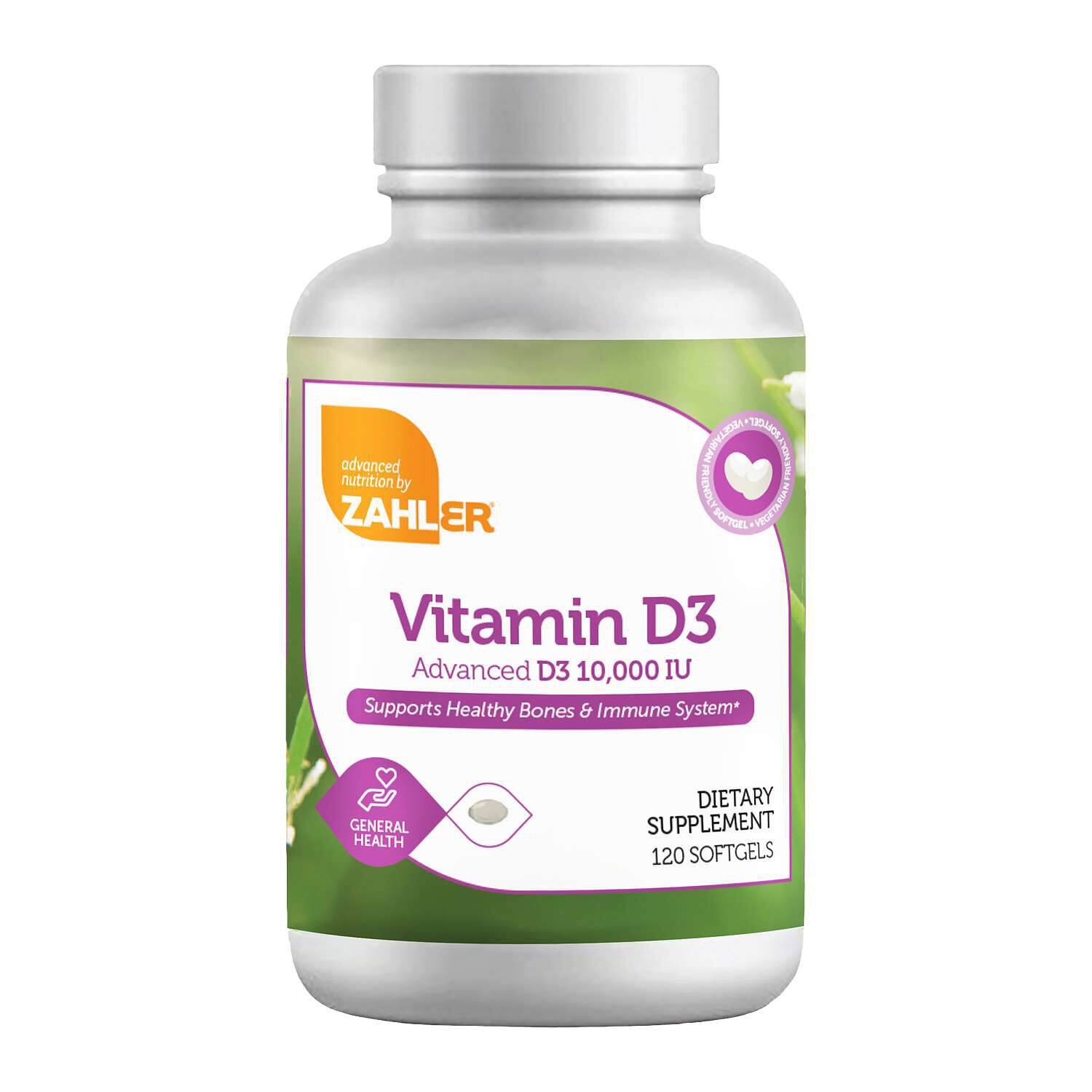
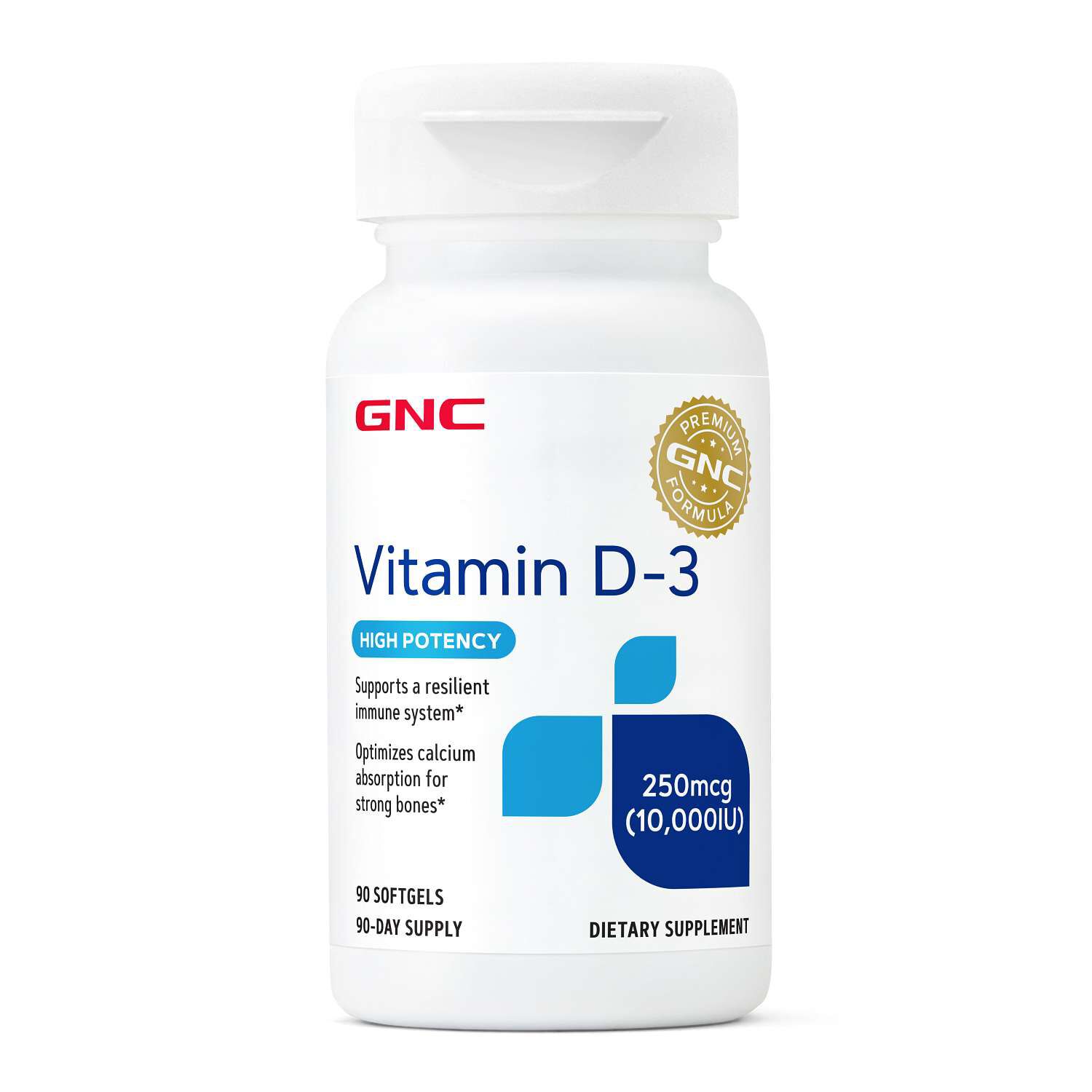
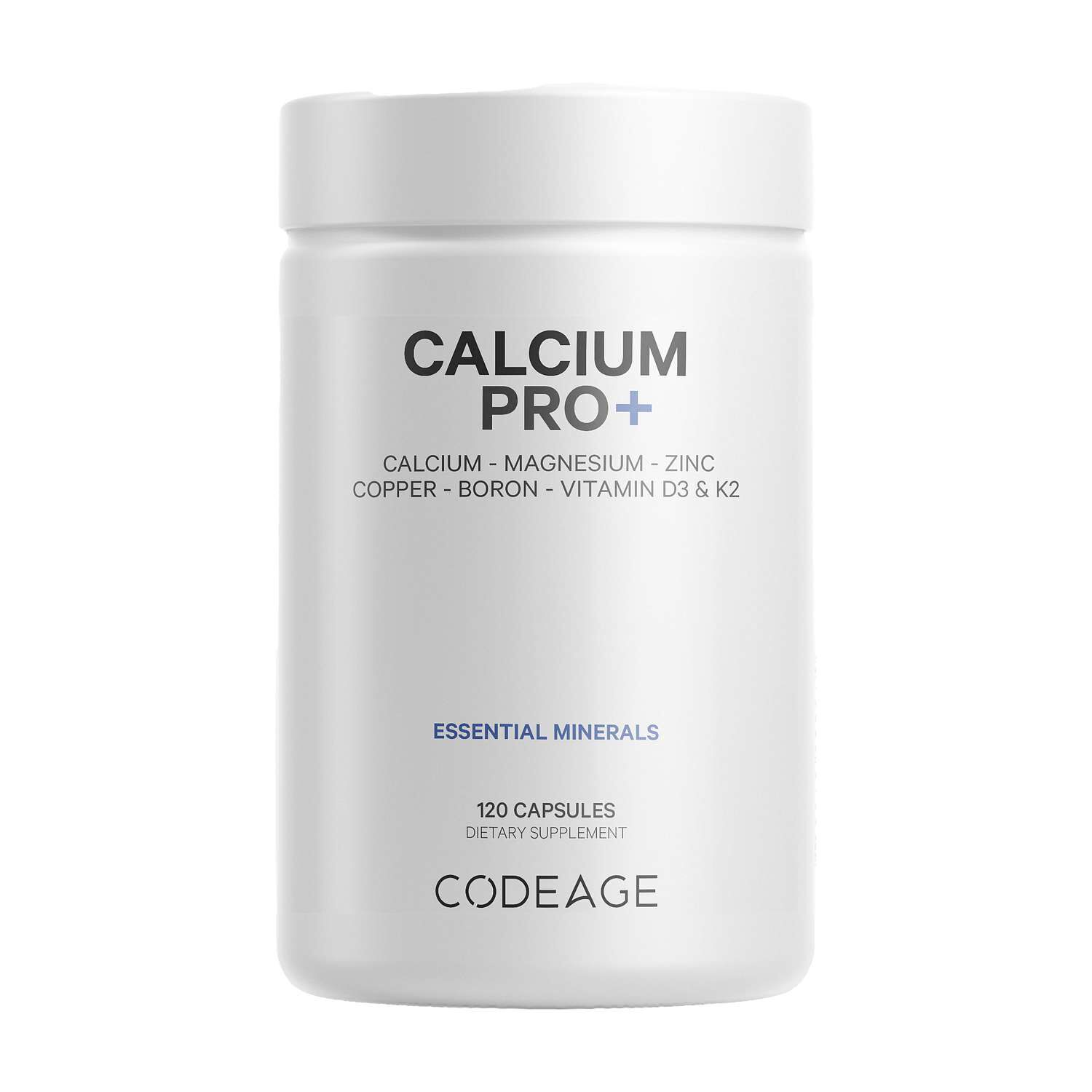
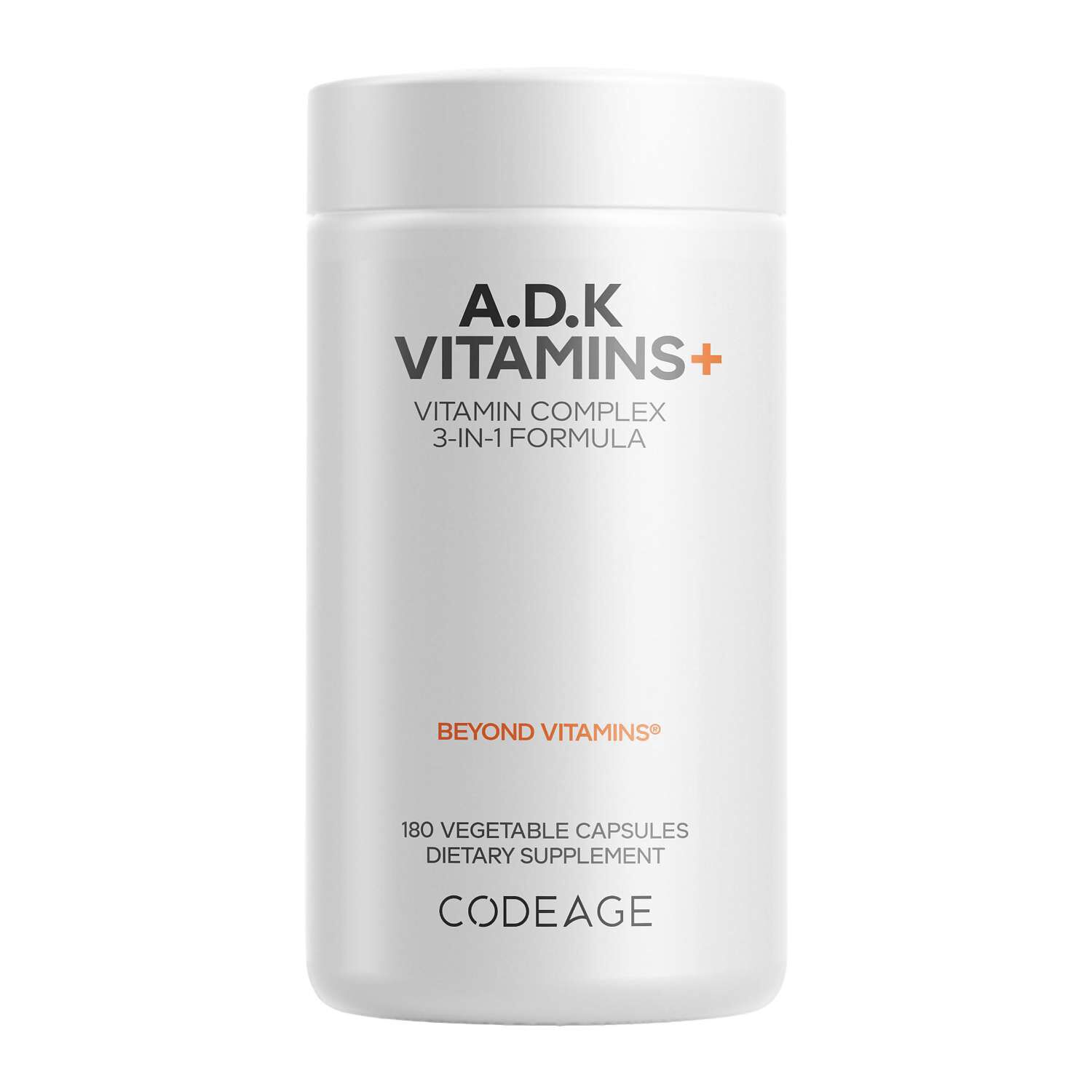
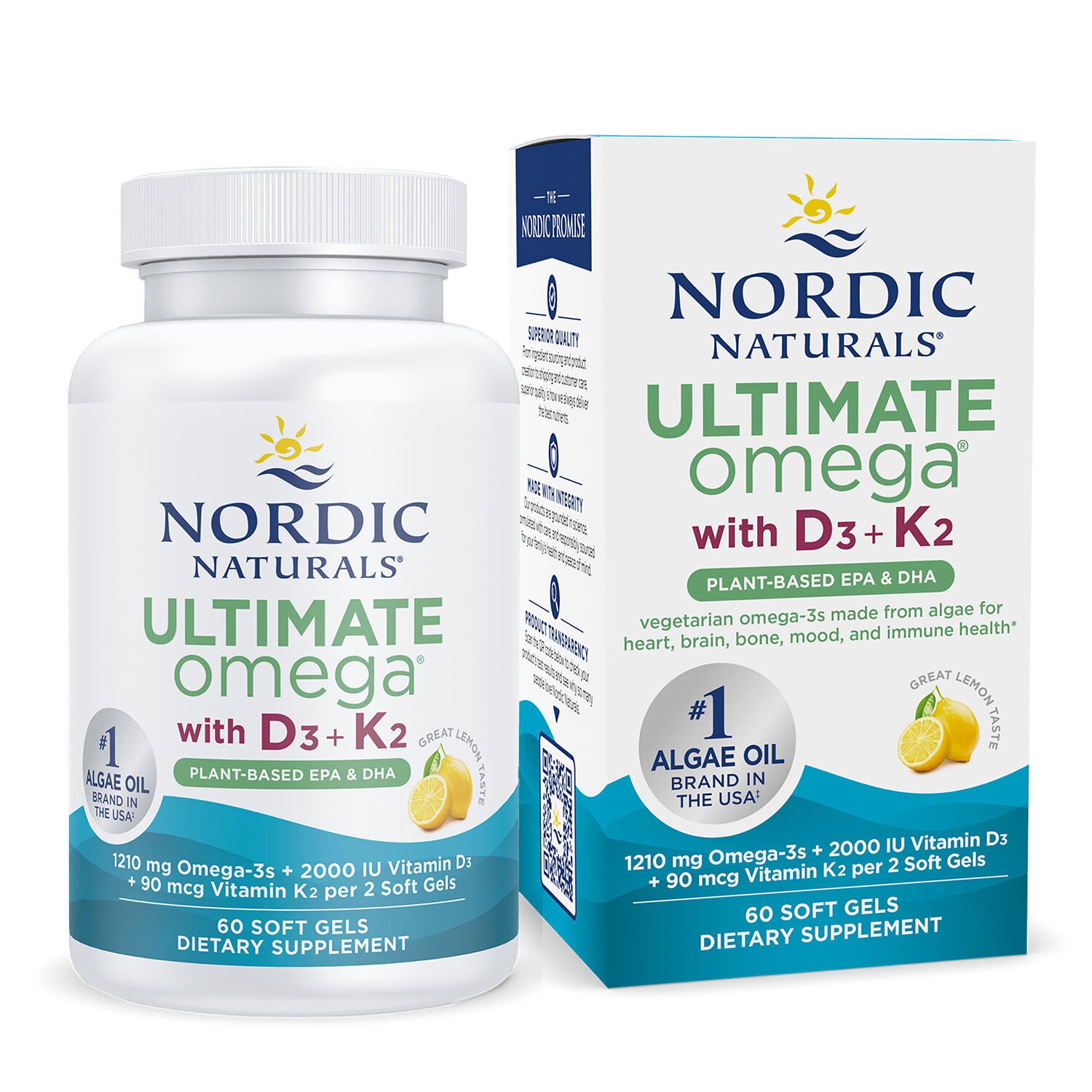
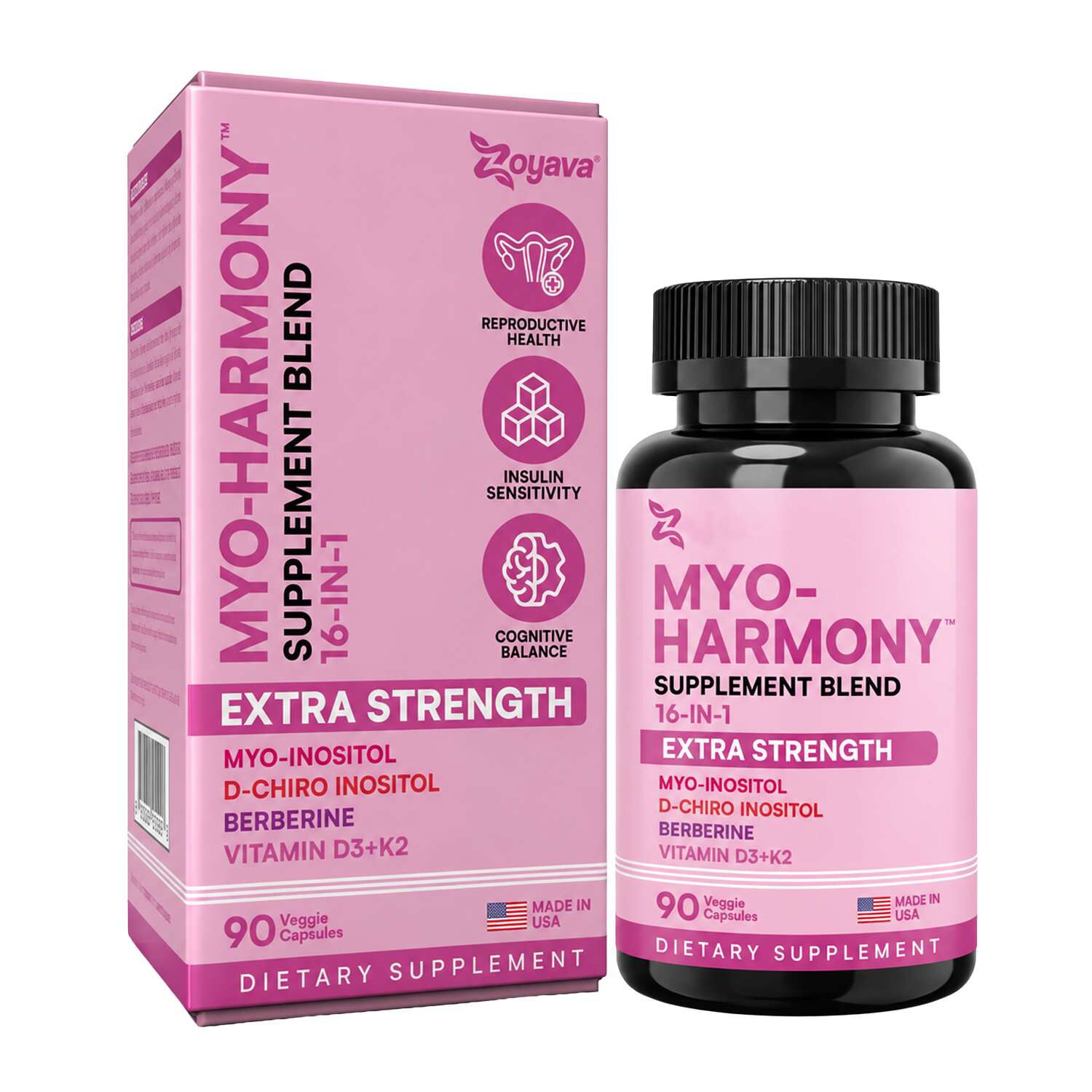
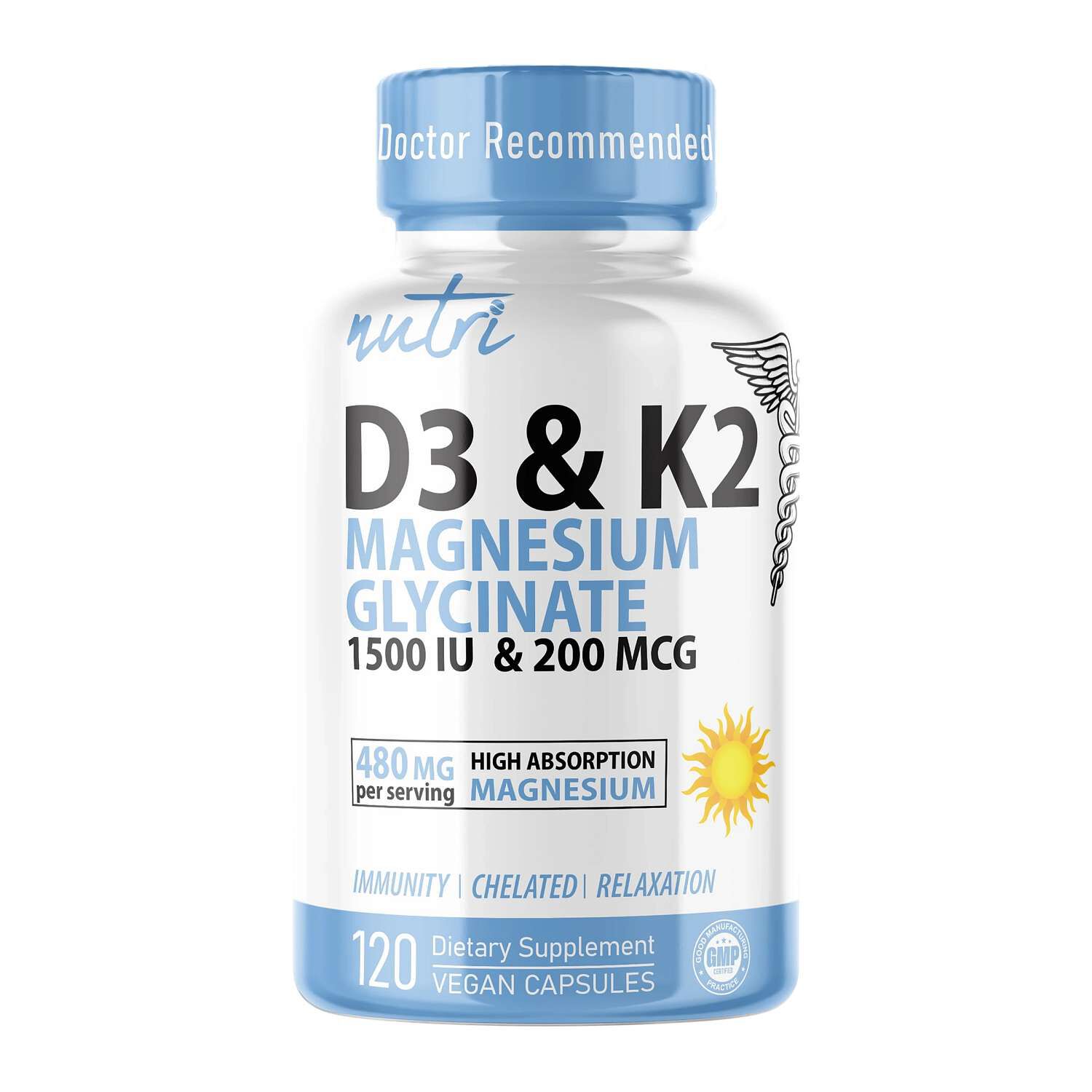
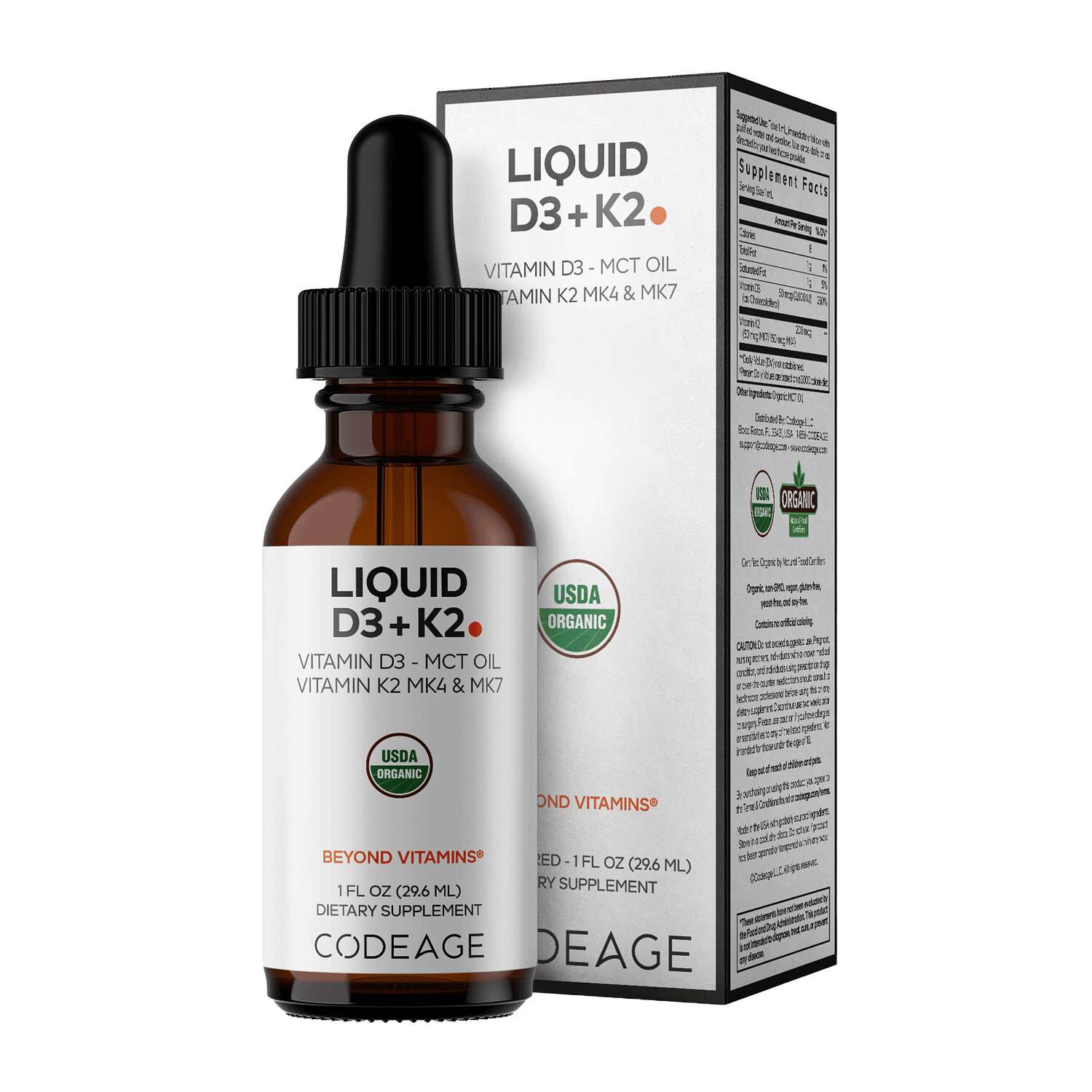
Browsing vitamin D3 and K2 for seasonal health starts with understanding the label. Interest in this pairing often grows around late fall and winter, when shorter days, indoor schedules, and bundled-up outdoor time can mean fewer opportunities for sunlight exposure. Vitamin D is found in certain foods and can also be made by the body following sunlight exposure; vitamin K occurs in several forms across different foods. In supplements, vitamin D3 is commonly listed as cholecalciferol, while vitamin K2 may appear as menaquinone, including forms identified as MK-4 or MK-7. D3 may support normal calcium absorption, and K2 may support normal calcium use, making the pairing an option for adults interested in everyday bone wellness. That nutritional context is more useful than treating a seasonal supplement as a shortcut to feeling a particular way. A balanced eating pattern, regular meals, and familiar daily habits remain part of the larger picture. When comparing D3 and K2 combinations, the Supplement Facts panel provides a practical starting point: it identifies the forms included, the amount of each nutrient, and the number of capsules, softgels, tablets, or gummies in a serving. Vitamin D amounts may be shown in micrograms and international units, often abbreviated as mcg and IU, while vitamin K amounts are commonly listed in micrograms. These units describe the contents rather than indicating that one format is automatically a better match than another. A bottle with a larger number on its front label may have a different serving size or nutrient balance from another formula. Reading both nutrients together gives a clearer picture of the combination. Adults who already use a multivitamin may also find it helpful to compare its ingredient panel with any D3 and K2 formula under consideration, since the same nutrients can appear in more than one part of a daily routine.
The experience of using a supplement matters alongside what appears on its label. Softgels commonly have a smooth outer shell and may contain an oil-based filling, while capsules can differ in shell material, dimensions, and the texture of their contents. Tablets offer another familiar format, and chewable options introduce considerations such as flavor, sweetness, texture, and serving count. Someone who prefers a quick addition to breakfast may look for a straightforward capsule format; someone who dislikes swallowing tablets may be more interested in a chewable option. Neither preference says anything by itself about the amount of D3 or K2 provided. A serving can consist of more than one piece, so the front-of-bottle count is only one part of the comparison. Ingredient lists can also help distinguish gelatin shells from plant-derived capsule materials, identify the oils used in a formula, and clarify whether sweeteners, colors, or flavorings are included. For shoppers with particular dietary preferences, clear ingredient sourcing and relevant label statements can be more informative than broad descriptions on the front panel. Texture deserves attention as well: a gummy has a different feel from a compressed tablet, and a softgel’s dimensions may matter more to a daily routine than the size of its container. Packaging adds another practical consideration, especially in households where several supplements share a shelf. Legible print, an easy-to-read serving panel, and a closure that suits the intended user can make the label easier to reference. Storage instructions are also part of the comparison. A bathroom cabinet, a sunny windowsill, and a dry pantry shelf offer different conditions; the container’s directions identify the appropriate environment for that formula. Original packaging keeps the ingredient list, lot information, and date markings together. For travel between home, work, and winter visits, a securely closed container with a readable label offers a more organized approach than loose capsules in an unmarked pouch.
A seasonal wellness routine is often built around ordinary moments rather than elaborate plans: breakfast before an early commute, lunch between meetings, or a familiar meal after an afternoon outdoors. Vitamin D3 and K2 supplements may fit into that rhythm when their format, serving instructions, and ingredient profile suit the person using them. Some labels specify use with a meal or include other directions, so comparisons should account for how those instructions align with an established schedule. A formula intended for adult use also deserves a different consideration from one labeled for another age group; shared household storage does not make every supplement interchangeable. When browsing vitamin D3 and K2, practical considerations include serving size, capsule dimensions, label readability, and the rest of an existing supplement routine. The same practical details matter when helping a family member browse: a familiar format and clearly understood ingredients are more relevant than choosing a bottle solely because its label mentions the season. Personal preferences should remain central, especially when a supplement would be intended for someone else. Seasonal use also does not require an elaborate collection of products. A D3 and K2 combination may appeal to someone who prefers having both nutrients in one format, while another shopper may be comparing it with nutrients already included elsewhere in a routine. Careful attention to the stated amounts helps keep that comparison grounded in the label rather than assumptions about what a combination contains. Across late fall and winter, the most relevant distinctions remain consistent: nutrient forms, amounts per serving, ingredient sources, texture, packaging, and intended use. These details make browsing more purposeful without attributing a particular seasonal outcome to a supplement. Vitamin D3 and K2 may be part of a broader approach to daily nutrition, with the best personal fit depending on the formula’s stated purpose and the habits, preferences, and dietary context of the adult considering it.