





Vitamin K Supplements For Summer Wellness Plans
(0 Results)
Vitamin K supplements for summer wellness plans could be a thoughtful addition to your seasonal routine. As you embrace longer days and outdoor activities, exploring options that may support your overall well-being might help you make the most of the season. Whether you're updating your daily regimen or looking for new ways to prioritize self-care, vitamin K supplements for summer wellness plans offer a variety of choices to consider as part of your summertime goals.
-
-
-
 $17.99
-

-

-

-

-
-

-

-
-
 $39.99
-
 $21.99
-
 Nature's Fusions$29.99
-
 $24.99
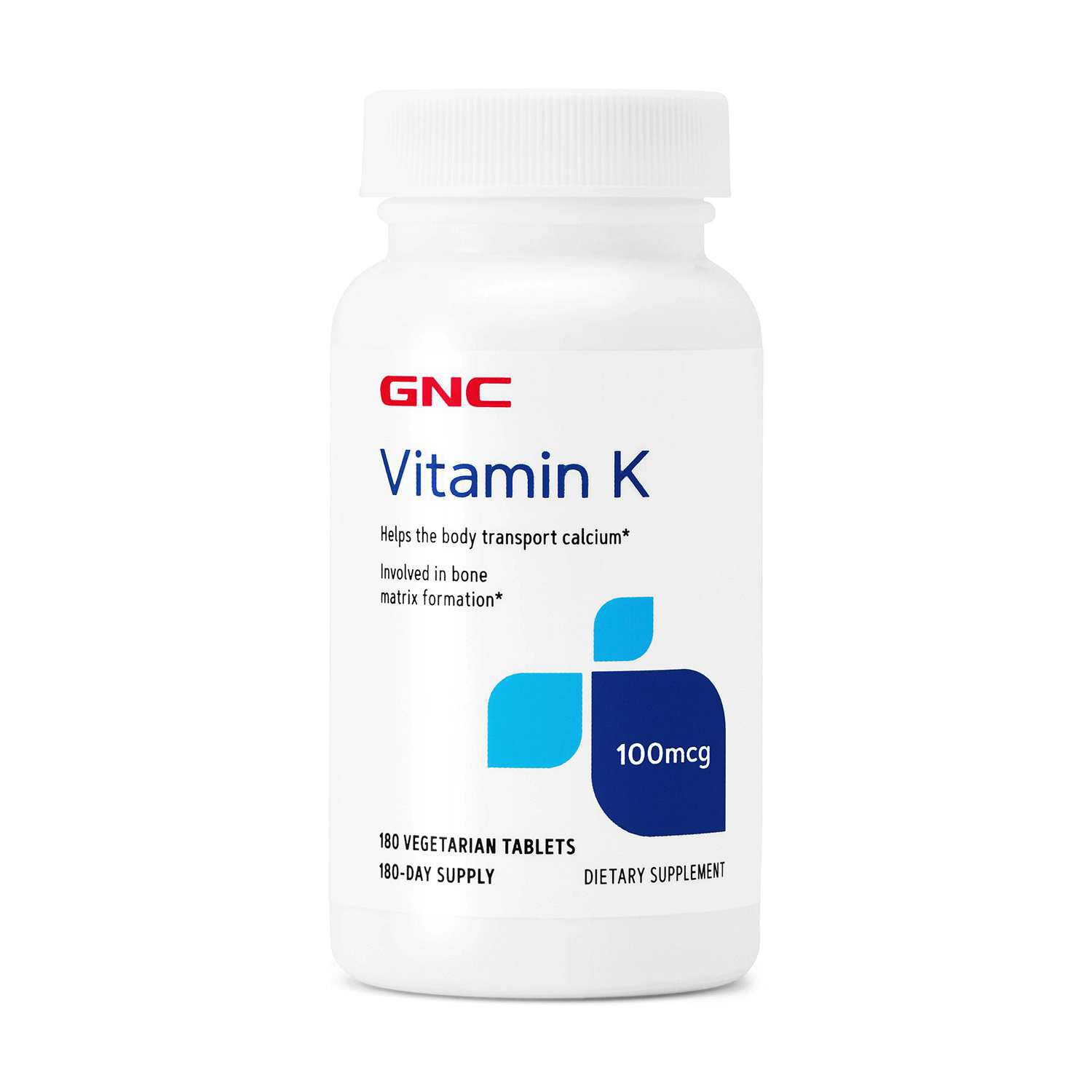
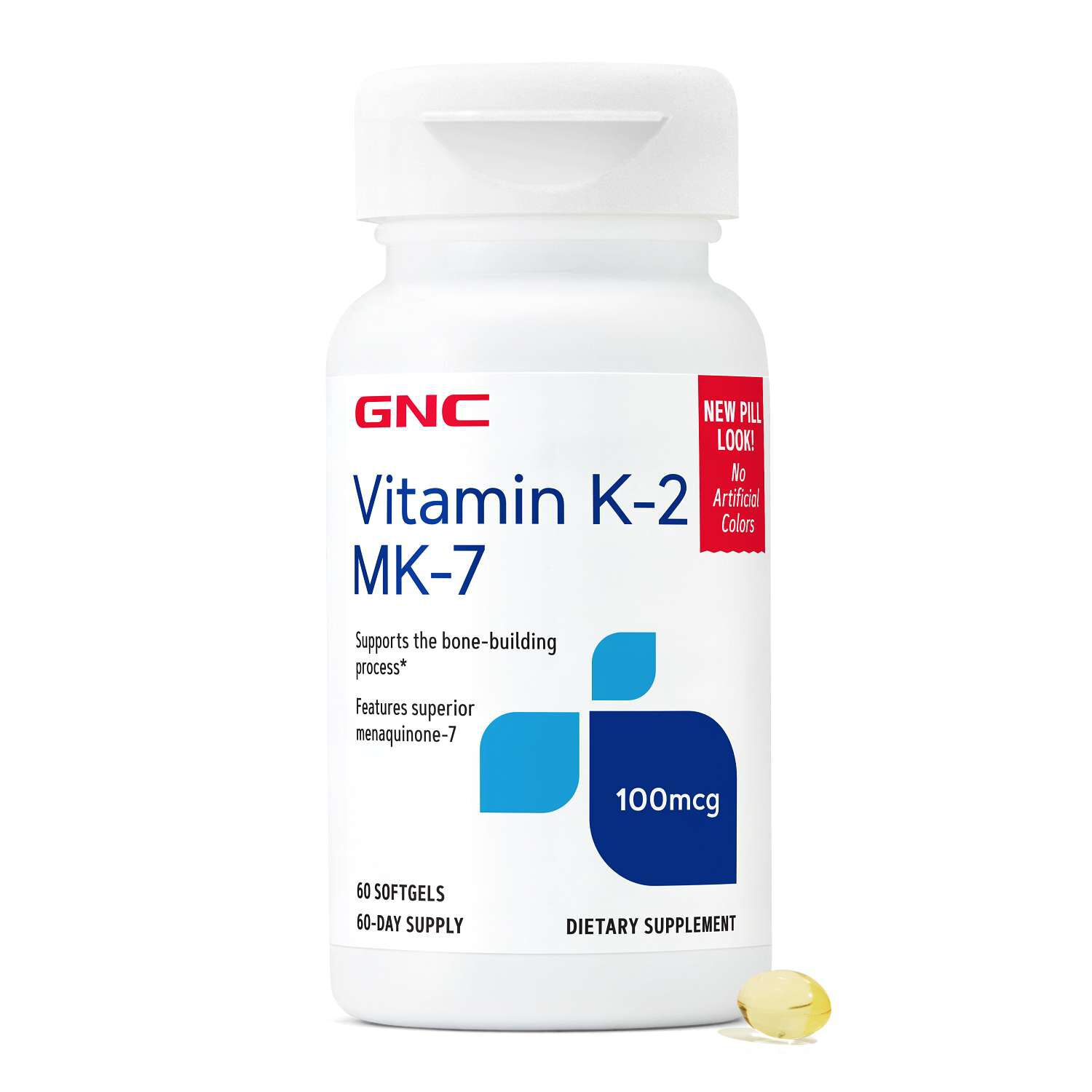
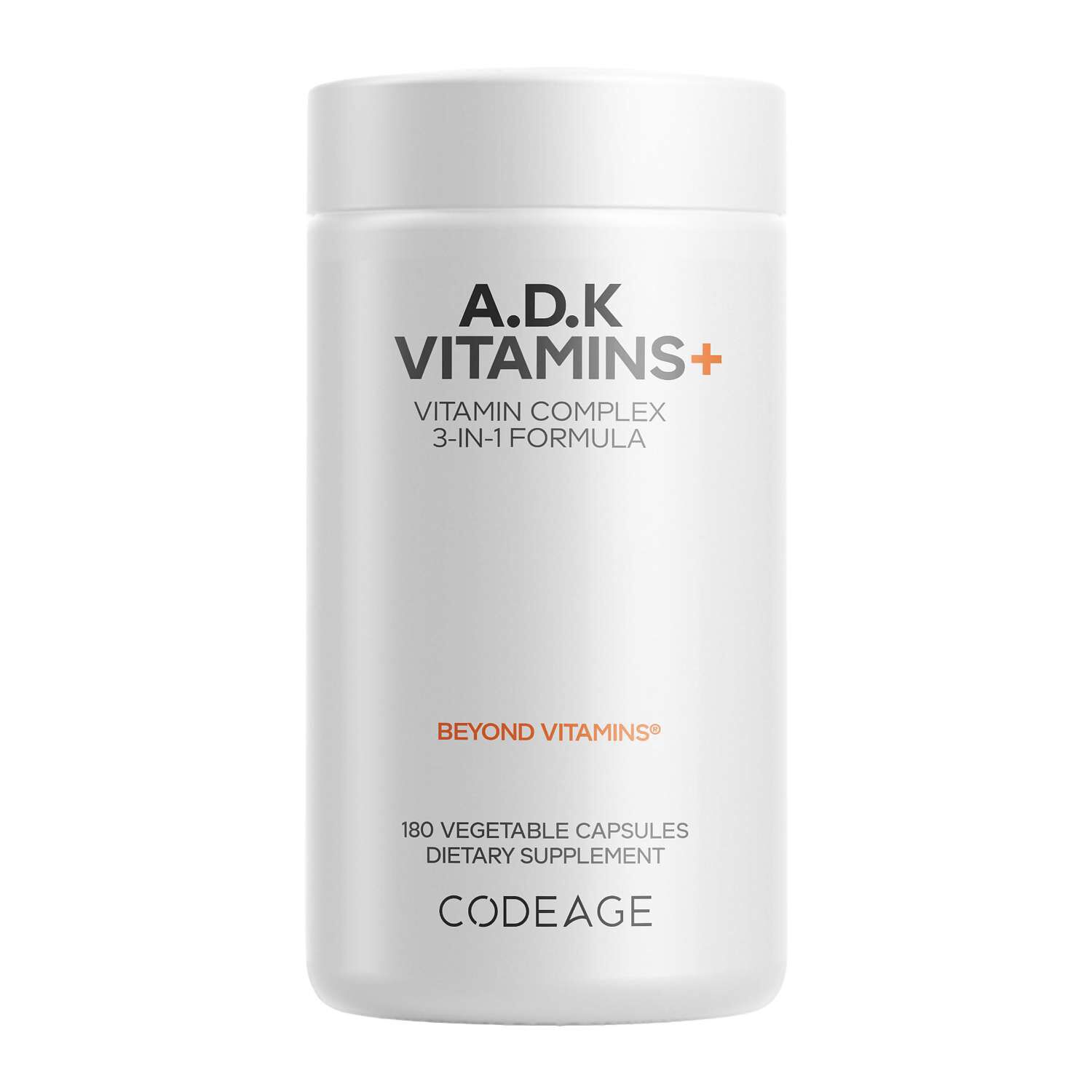
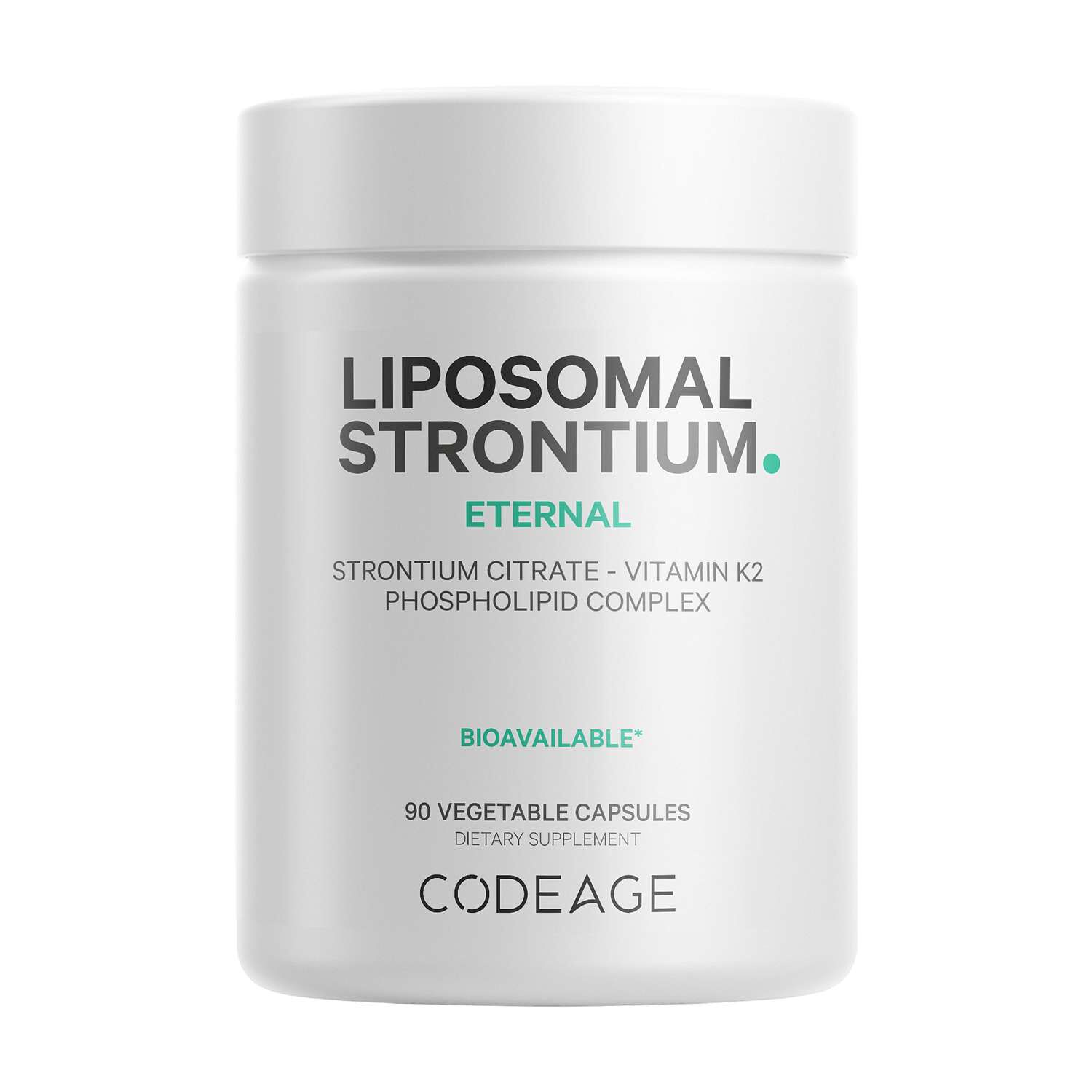
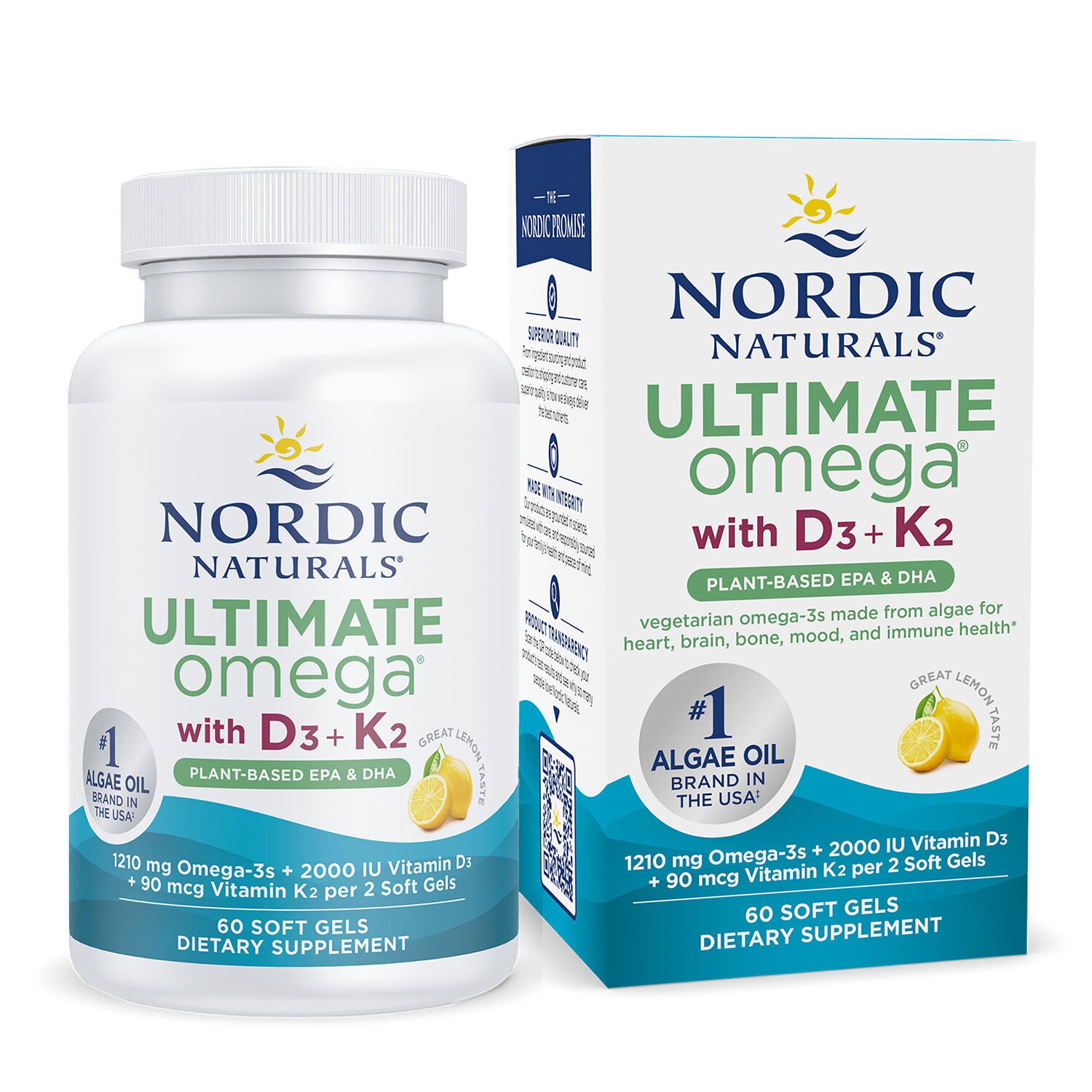
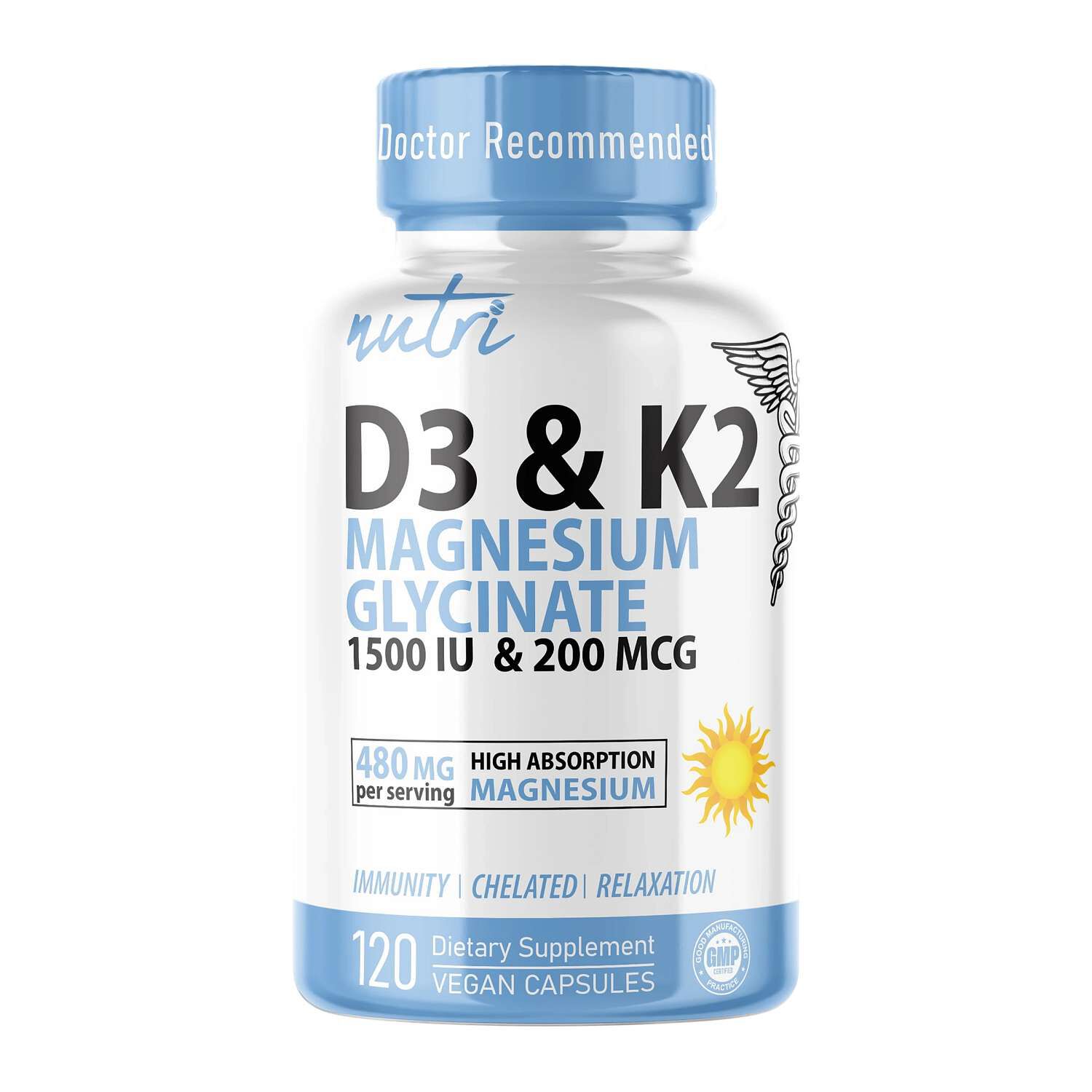
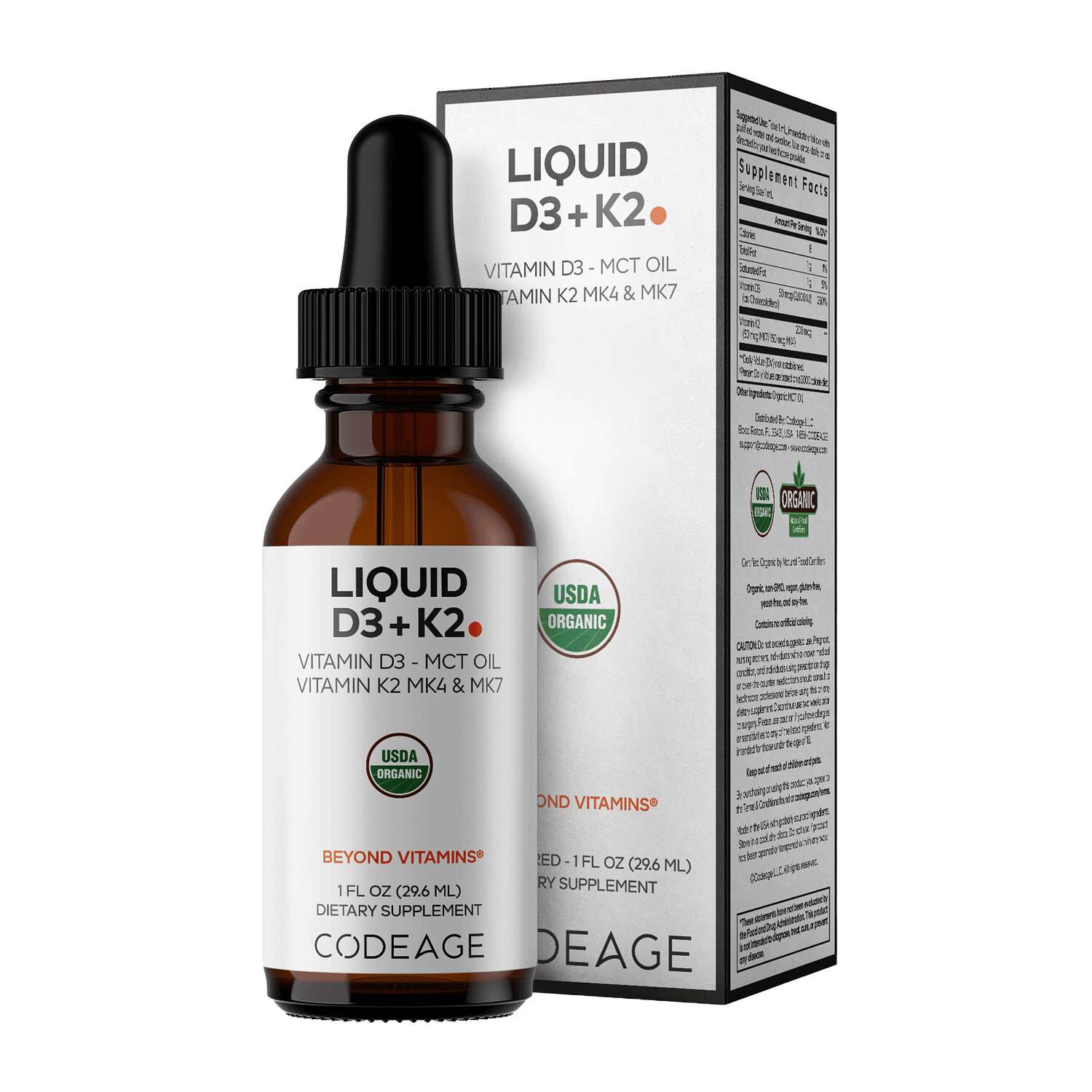
Vitamin K supplements for summer wellness plans may complement a varied eating pattern and a familiar nutrition routine, whether the season includes backyard meals, weekend road trips, or longer stretches away from home. Vitamin K is a fat-soluble nutrient found in several forms, with vitamin K1 and vitamin K2 commonly identified on supplement labels. Vitamin K1, also called phylloquinone, occurs in leafy green vegetables such as spinach, kale, and collard greens. Vitamin K2 refers to a family of compounds called menaquinones and occurs in certain fermented foods and animal-derived foods. These distinctions provide useful context when comparing formulas, especially when a label names a particular form rather than simply listing vitamin K. Some supplements contain vitamin K alone, while others combine it with vitamin D, calcium, or additional nutrients. A combination formula and a single-nutrient formula have different ingredient profiles, so similar packaging does not necessarily mean similar contents. For someone whose summer meals include a spinach salad at home one day and sandwiches packed for a lakeside outing the next, a supplement may be one consideration within a broader approach to nutrition. It is not a replacement for the variety of nutrients and textures that food brings to everyday meals. The Supplement Facts panel provides a clearer starting point than the front label alone: it identifies the amount per serving, the serving size, and the named nutrient forms. Vitamin K amounts are generally expressed in micrograms, abbreviated mcg, which are different from milligrams. That unit matters when comparing labels side by side. A larger number does not, on its own, establish a better match for a personal routine. Intended use, ingredient preferences, and the directions supplied with each formula are more useful considerations than choosing by the largest amount printed on a bottle. Summer provides the setting for the routine, rather than a reason to assume that every shopper needs the same supplement or serving amount.
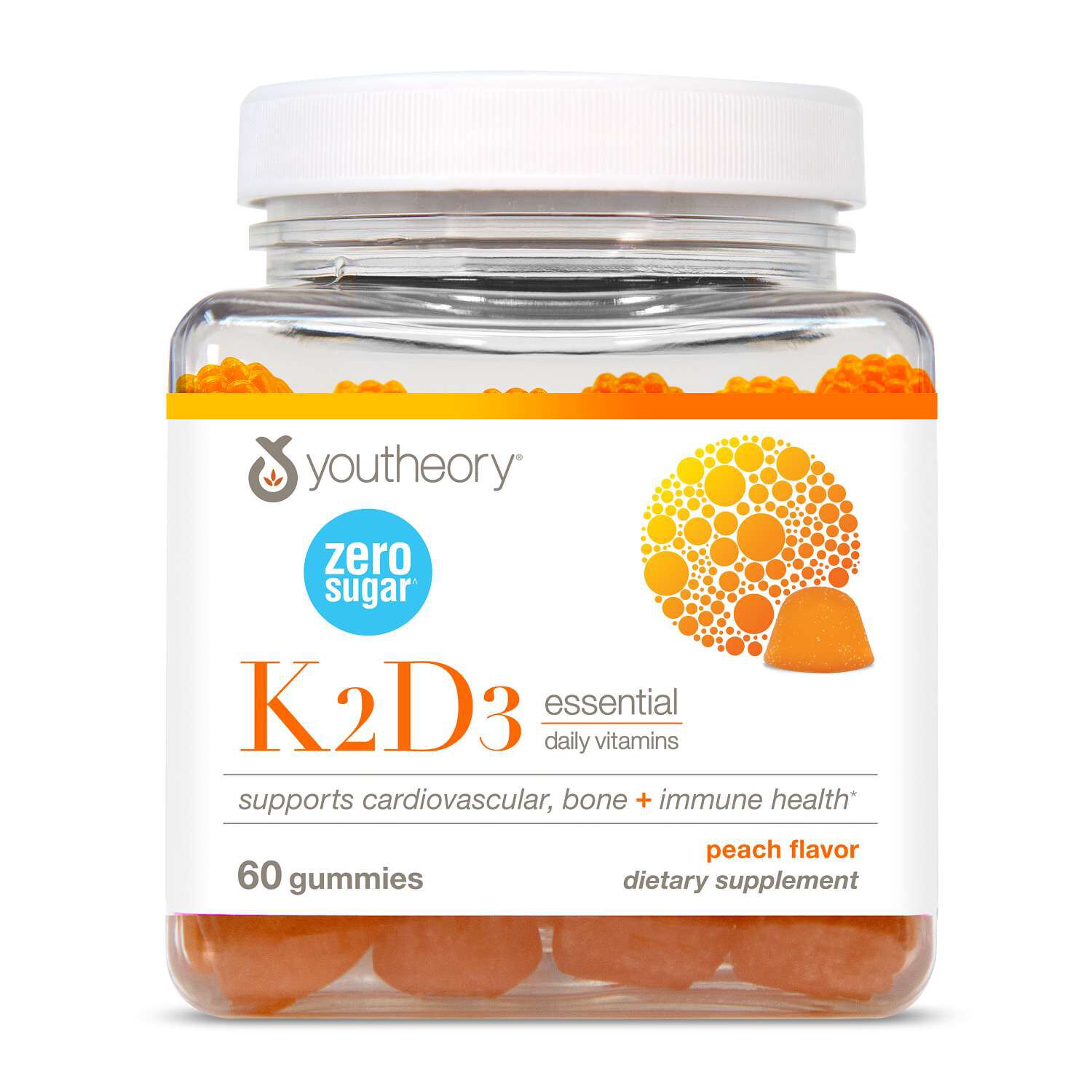
The details of a vitamin K supplement extend beyond the nutrient name. Capsules, softgels, tablets, and chewable formats differ in their construction, texture, and serving directions. Capsule shells may contain gelatin or plant-derived materials, while softgels often contain an oil-based filling. Tablets may include binders or coatings, and chewable formats may contain flavorings and sweeteners. Those ingredients matter to shoppers with particular dietary preferences, even when the vitamin K amount looks similar across several labels. Someone who prefers an unflavored format may approach the category differently from someone who prioritizes a chewable option, and a shopper following a vegetarian eating pattern may pay close attention to the capsule shell as well as the active ingredients. Serving size is another practical distinction: one serving is not always one tablet or capsule. Reading that line alongside the nutrient amount makes comparisons more meaningful and helps clarify how a formula is presented for everyday use. Labels may also identify vitamin K2 as MK-4 or MK-7, names that distinguish members of the menaquinone family rather than serving as interchangeable descriptions. The presence of one form does not make every formula containing it identical; accompanying ingredients and amounts still deserve attention. Blends containing vitamin D or calcium also warrant a look at the rest of an existing supplement routine, since the same nutrient may appear in more than one container. For shoppers comparing several formats, a short list of preferences—such as shell material, flavor, serving size, and single-nutrient versus combination formulas—may make the selection process more focused. These are everyday product considerations, not just fine print. A bottle that looks suitable on a shelf still needs to align with the way its intended user reads labels, organizes meals, and follows package directions. Clear ingredient information and readable packaging are especially relevant when shopping for someone else, since personal preferences are not always obvious from the outside.
Summer plans also bring practical questions about packaging, storage, and portability. A vitamin K supplement packed for a beach rental or a family road trip belongs in a different setting from the same container kept in a kitchen cabinet, but the manufacturer’s storage directions remain the reference point in either case. A parked vehicle, a sunny windowsill, or a damp pool bag may expose a container to conditions outside those directions. Package care deserves the same attention as format selection: keeping the label readable, closing the container as directed, and checking its expiration date are straightforward parts of handling a supplement. Original packaging retains the ingredient list, serving instructions, and storage information, which is useful when a trip changes the usual household routine. A compact bottle may suit a smaller travel bag, but container size says little about the nutrient amount or the number of pieces in a serving. For a shared household, clearly identified containers also make each person’s selections easier to distinguish. Women exploring this category can compare Vitamin K Supplements For Women while applying the same attention to nutrient forms, serving sizes, and accompanying ingredients. A women-focused label is a starting point for browsing, not a substitute for reading the details of an individual formula. If the purchase is intended as a thoughtful addition to a care package, knowing the recipient’s preferred format and dietary preferences is more useful than choosing an unfamiliar blend as a surprise. The most relevant summer wellness plan is one that reflects ordinary life: breakfast before an early departure, groceries for a rental-house kitchen, or a return to familiar meals after a weekend away. Vitamin K supplements may have a place in that plan without becoming its centerpiece. Comparing clearly labeled formulas, considering how they fit existing habits, and respecting the directions on the package keeps the focus on the product itself rather than an ambitious seasonal overhaul. The result is a more considered selection, grounded in the details that matter beyond the first day a bottle comes home.
- Q: What is vitamin K and why is it important for summer wellness?
A: Vitamin K is a fat-soluble nutrient that plays a key role in supporting healthy bones and normal blood clotting. During the summer, getting enough vitamin K can help support your active lifestyle and overall wellness. - Q: How can vitamin K supplements complement my summer fitness routine?
A: Vitamin K supports bone health, which is especially important if you’re increasing physical activity during the summer months. Adding a vitamin K supplement to your routine may help you maintain strong bones as you enjoy outdoor activities. - Q: Are there specific foods high in vitamin K that I can include in my summer diet?
A: Yes, leafy green vegetables like kale, spinach, and broccoli are excellent sources of vitamin K. Including these foods in your summer meals can help you meet your daily needs alongside supplementation. - Q: Can I take vitamin K supplements with other vitamins commonly used in summer wellness plans?
A: Vitamin K is often taken alongside other vitamins such as vitamin D and calcium, which also support bone health. Many multivitamins or bone health formulas include these nutrients together for comprehensive support. - Q: How do I choose the right type of vitamin K supplement for my summer wellness plan?
A: Vitamin K supplements are available in different forms, such as vitamin K1 and K2. Consider your dietary preferences and consult with a healthcare professional to determine which form best fits your wellness goals this summer.
Best Sellers



Related Pages
Top Collections
- Supplements For Yoga Joint Flexibility
- GLP 1 Support For Adults
- Joint Mobility Supplement Packs
- Chronic Fatigue Supplements
- Adult Mobility Supplements
- Supplements For Balance
- Supplements For Anxiety Relief Support
- Capsule Supplements For Energy And Stamina
- Zinc Supplements | Top Brands at Great Prices | GNC
- Anti Aging Supplements For Women